December 6, 2013 at 11:51
AgileKitchen Conference Report November 29, 2013
The next AgileKitchen conference dedicated to agile development methodologies was held on November 29th. The conference was marked by a considerable number of participants and, as always, interesting reports.
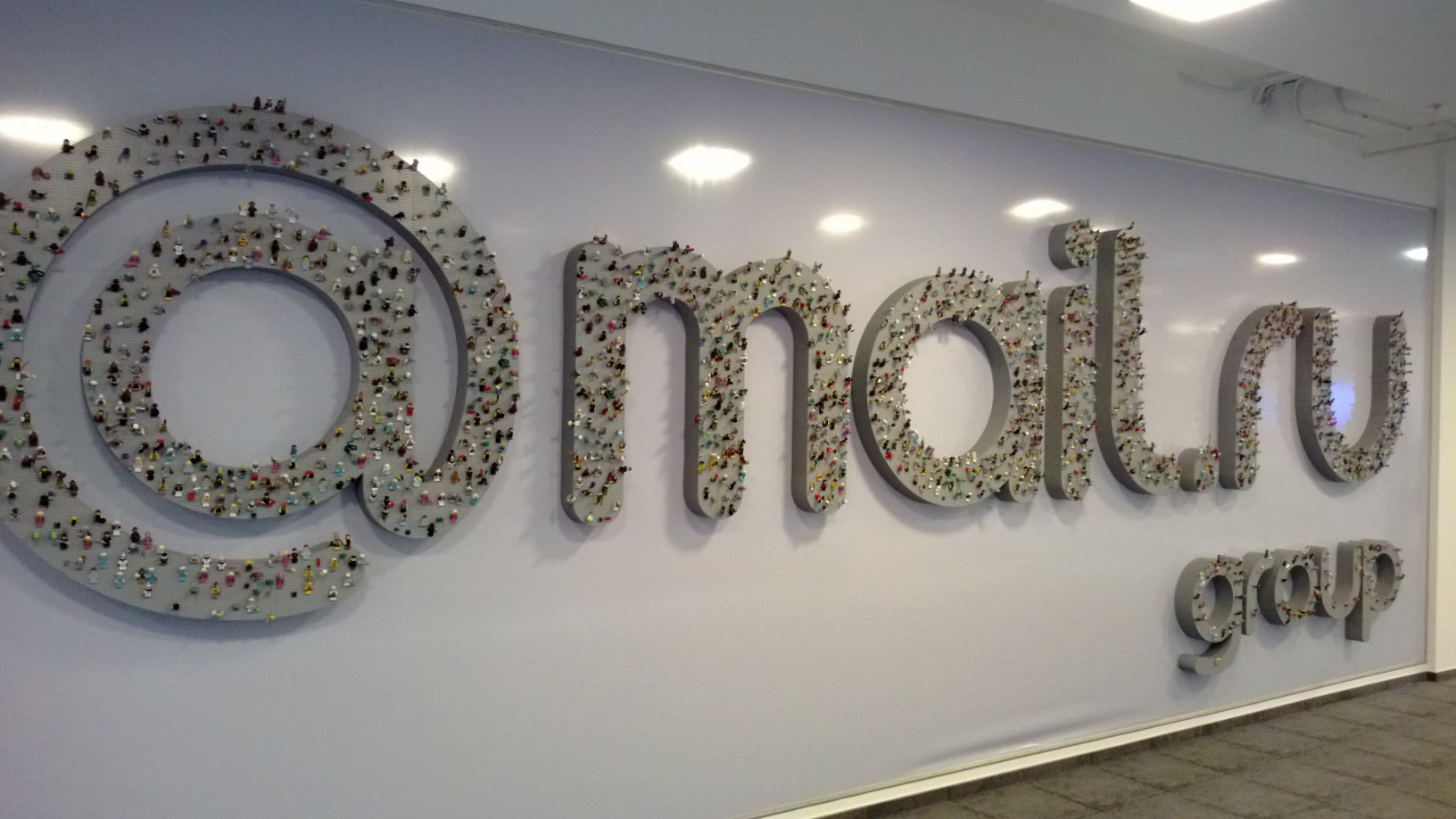
This time the conference was held in the office of Mail.ru group. We express gratitude for the opportunity to use a comfortable and beautiful office.

The first one was an introduction report covering the main trends of Agile in Russia and in the world. Dmitry reviewed almost all modern (and not so) methodologies, principles, and frameworks. He placed each of them on the diagram of the life cycle of technology adaptation.

You can familiarize yourself with the presentation here .
The next was a report by Alexei Voronin, in which he spoke about the difficult fate of his Agile team, which faced the need to support the Legacy system after a paradise life in a universe of high-quality code, covered with automated tests. How did they deal with sudden bugs whose closing dates are fixed in the SLA? How was technical debt closed? How did they manage to make new features and work on Scrum? You can get answers to these questions from his presentation .
The third report was the story of Anton and Dmitry about their difficult struggle with technical debt. To begin with, technical debt was considered as a phenomenon. What is it and where does it come from? Is there a “Good technical duty"? Is it possible to live with technical debt? Speakers, referring to Henrik Kniberg, argued that you can live, only carefully.

Anton and Dmitry examined and analyzed several different approaches to closing a technical debt, backed up by personal experience, and then formulated an approach that brought their desired result.
You can read their report here .
The conference program continued with a report by Alexei Koretsky. In it, Alexey considered climate measurement issues in a distributed team. First of all, questions were asked about the relevance of considering this topic, after which Alexey introduced the conference participants to a three-factor model of A.V. Petrovsky and spoke in detail about the applied methods of studying the team’s microclimate using sociometry and referentimetry, as well as a way to determine the Value-Orientational Unity (measures of team cohesion).
You can read more about Alexey's report here .
In his report, Sergei Sorokin talked about how his team developed, how it became flexible, despite all the obstacles and circumstances. You can get acquainted with Sergey's report and understand how his team was able to remain flexible, becoming distributed, in this presentation .
The afternoon continuation of the conference was Open Space. Dmitry introduced the participants to the rules of the meeting, after which he invited everyone to write on a piece of paper a question that the participant would like to discuss, or a topic about which he wants to talk. After the time allotted for the collection of topics, everyone was able to voice their topic or question and put the sheet on the board.

After the presentation of ideas, 6 flipcharts were placed in the hall (from A to F), and the conference participants, choosing an interesting topic for them, rushed to them in order to listen, argue, ask around and share their knowledge.

In his report, Alexei, as always in a unique style, examined the history of management development in the field of software development and presented his view on the development of this sphere towards “Management Nirvana”.

The presentation is here .
The conference program was completed by Ahmed Sidki, one of the founders of the ICAgile international consortium, with his report: The Secret (yet obvious) Ingredient to Sustainable Agility.

First of all, Ahmed focused on what it means to be flexible (being Agile). After examining and illustrating with a simple example the learning stages from Aikido: Shu-Ha-Ri, Ahmed went on to consider the difference between stationary and developing ways of thinking (Fixed Mindset vs Growth Mindset).

The conclusion from this part of the report is the following: When Agile is Processes and Practices for you, then you are Doing Agile. When it is Mindset and Culture, then you are Being Agile.
Ahmed then examined the concept of a company’s ecosystem and how the point-based implementation of agile approaches can harm an organization.

In conclusion, Ahmed spoke in more detail about the ICAgile consortium.

By the way, all conference participants who expressed such a desire received a profile in ICAgile.com with the achieved learning objectives, as a first step to certification of ICAgile Certified Professional.
This time the conference was held in the office of Mail.ru group. We express gratitude for the opportunity to use a comfortable and beautiful office.
Dmitry Lobasev's report on modern Agile trends in Russia
The first one was an introduction report covering the main trends of Agile in Russia and in the world. Dmitry reviewed almost all modern (and not so) methodologies, principles, and frameworks. He placed each of them on the diagram of the life cycle of technology adaptation.
You can familiarize yourself with the presentation here .
Report of Alexei Voronin on the confrontation between Legacy and Agile team
The next was a report by Alexei Voronin, in which he spoke about the difficult fate of his Agile team, which faced the need to support the Legacy system after a paradise life in a universe of high-quality code, covered with automated tests. How did they deal with sudden bugs whose closing dates are fixed in the SLA? How was technical debt closed? How did they manage to make new features and work on Scrum? You can get answers to these questions from his presentation .
Anton Bevzyuk and Dmitry Pavlov on the righteous fight against technical debt
The third report was the story of Anton and Dmitry about their difficult struggle with technical debt. To begin with, technical debt was considered as a phenomenon. What is it and where does it come from? Is there a “Good technical duty"? Is it possible to live with technical debt? Speakers, referring to Henrik Kniberg, argued that you can live, only carefully.
Anton and Dmitry examined and analyzed several different approaches to closing a technical debt, backed up by personal experience, and then formulated an approach that brought their desired result.
You can read their report here .
Climatology of distributed teams as presented by Alexei Koretsky
The conference program continued with a report by Alexei Koretsky. In it, Alexey considered climate measurement issues in a distributed team. First of all, questions were asked about the relevance of considering this topic, after which Alexey introduced the conference participants to a three-factor model of A.V. Petrovsky and spoke in detail about the applied methods of studying the team’s microclimate using sociometry and referentimetry, as well as a way to determine the Value-Orientational Unity (measures of team cohesion).
You can read more about Alexey's report here .
Survival of the Agile team in an aggressive environment according to Sergey Sorokin
In his report, Sergei Sorokin talked about how his team developed, how it became flexible, despite all the obstacles and circumstances. You can get acquainted with Sergey's report and understand how his team was able to remain flexible, becoming distributed, in this presentation .
Open space
The afternoon continuation of the conference was Open Space. Dmitry introduced the participants to the rules of the meeting, after which he invited everyone to write on a piece of paper a question that the participant would like to discuss, or a topic about which he wants to talk. After the time allotted for the collection of topics, everyone was able to voice their topic or question and put the sheet on the board.
After the presentation of ideas, 6 flipcharts were placed in the hall (from A to F), and the conference participants, choosing an interesting topic for them, rushed to them in order to listen, argue, ask around and share their knowledge.
Alexey Pimenov and his view of managerial nirvana
In his report, Alexei, as always in a unique style, examined the history of management development in the field of software development and presented his view on the development of this sphere towards “Management Nirvana”.
The presentation is here .
Ahmed Sidki's Secret Ingredient Report for Enduring Flexibility
The conference program was completed by Ahmed Sidki, one of the founders of the ICAgile international consortium, with his report: The Secret (yet obvious) Ingredient to Sustainable Agility.
First of all, Ahmed focused on what it means to be flexible (being Agile). After examining and illustrating with a simple example the learning stages from Aikido: Shu-Ha-Ri, Ahmed went on to consider the difference between stationary and developing ways of thinking (Fixed Mindset vs Growth Mindset).
The conclusion from this part of the report is the following: When Agile is Processes and Practices for you, then you are Doing Agile. When it is Mindset and Culture, then you are Being Agile.
Ahmed then examined the concept of a company’s ecosystem and how the point-based implementation of agile approaches can harm an organization.
In conclusion, Ahmed spoke in more detail about the ICAgile consortium.
By the way, all conference participants who expressed such a desire received a profile in ICAgile.com with the achieved learning objectives, as a first step to certification of ICAgile Certified Professional.