
Computex 2011 - iron and girls. Part one
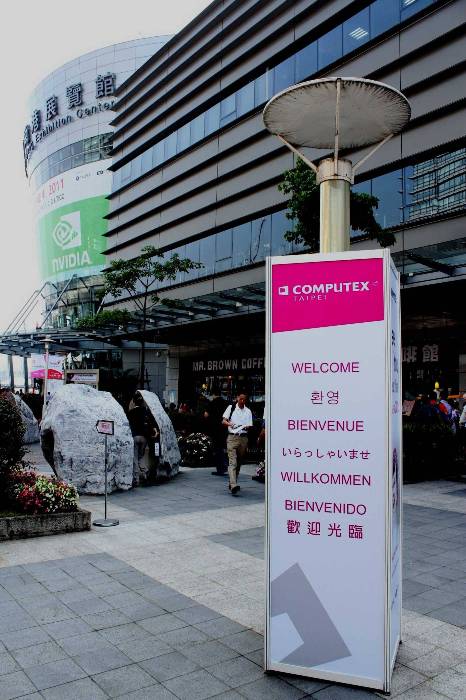
The scale of Computex 2011, the world's largest computer technology exhibition, is truly impressive. New computer equipment, a sea of tablets, 3D laptops, incredible ideas and their even more incredible implementations, as well as a huge number of girls are waiting for you under the cut.
I decided to conditionally divide the material into three parts:
computer components and interesting gadgets;
“Unbelievable ideas” (yes, what they just won’t come up with);
and for dessert - a selection of girls with Computex.
We will start with the hotly discussed new products:
ASUS introduced a couple of the long-awaited overclockers and video card enthusiasts:
MARS II - a combination of two GeForce GTX580 on one printed circuit board. In fact, an analog of the GeForce GTX590, but the frequencies are much higher:
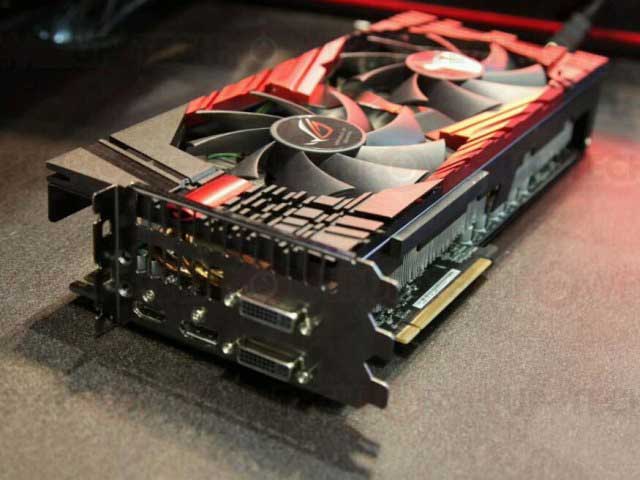
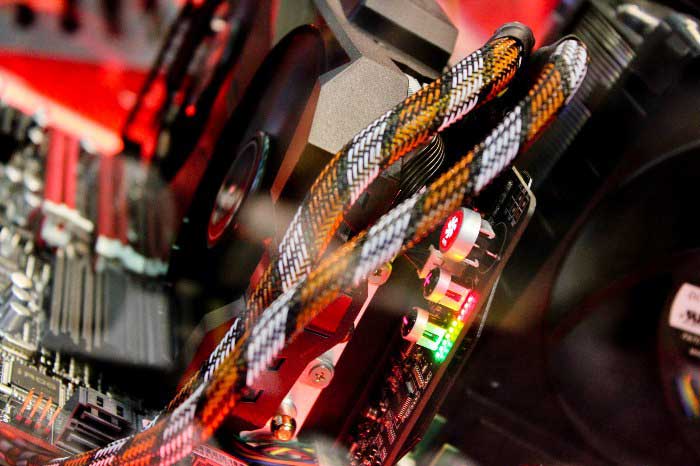
GeForce GTX580 Matrix - An updated version of the GTX580 Direct CUII. It would seem that there is nowhere to modify, the graphics card has already been invented, but ASUS engineers do not think so. Reinforced power system and for the first time voltage control buttons on the GPU directly on the circuit board:

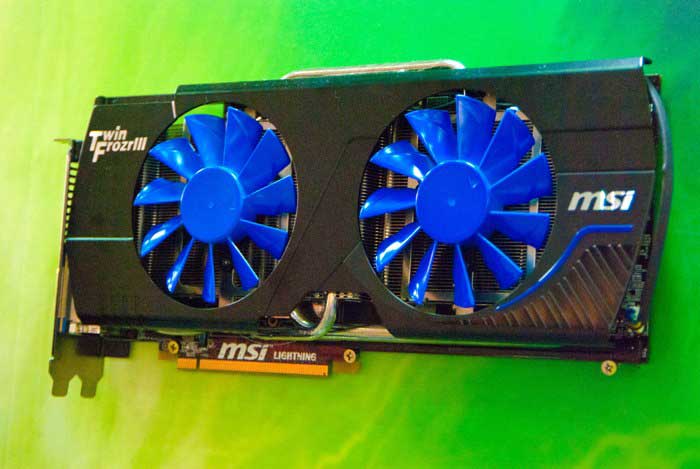
MSI also showed an updated version of the GTX580 Lightning graphics card. She received the prefix Extreme Edition, the color of the fans turned to blue, and the amount of video memory grew from one and a half GB to three.
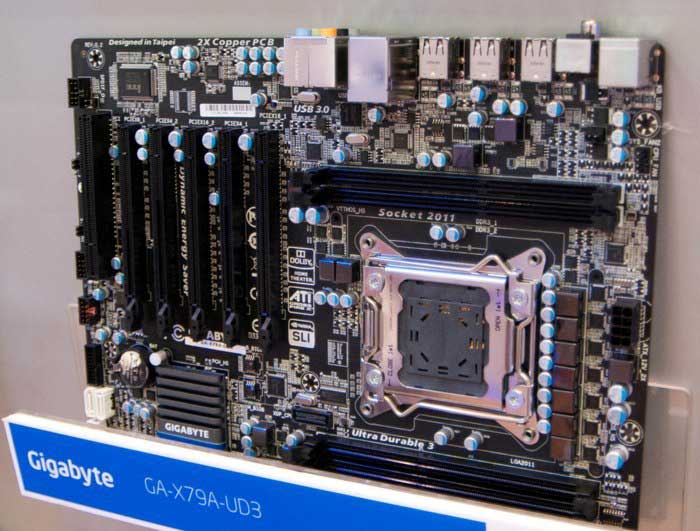
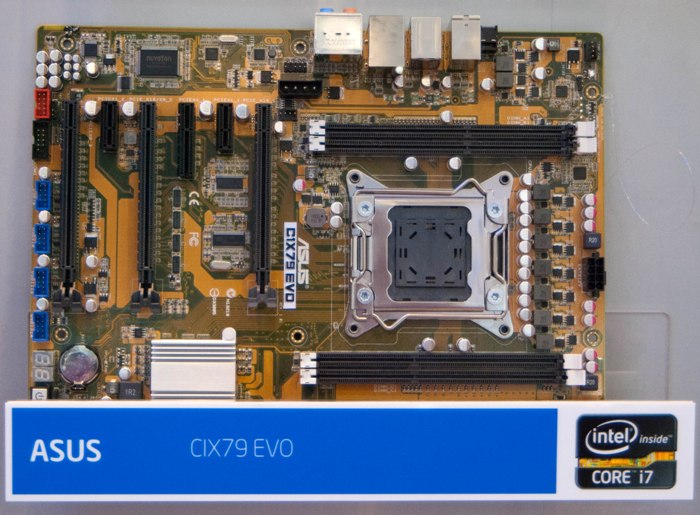
The Intel X79 chipset caused a great stir in the press. The new LGA2011 connector will be announced in the fourth quarter of 2011, but according to rumors, the launch may be postponed to 2012. The presented samples look, to put it mildly, not ready even in terms of design. And you can only guess about their performance.
The Thermaltake booth has gathered an incredible amount of products. Level 10 GT cases alone were:


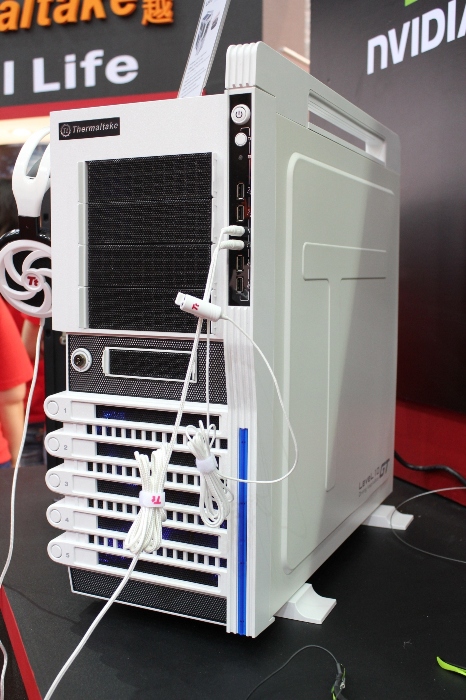

I admit honestly that the modding project of this case really impressed me. In Russia and Ukraine, modders have to refine the necessary details or create them from scratch. The project carried out by the Chinese modder is more like factory work. And the level of its implementation is beyond praise.

This year, the ToughPower Grand product line of power supplies along with the Level 10GT chassis won the prestigious reddot design 2011 design award.

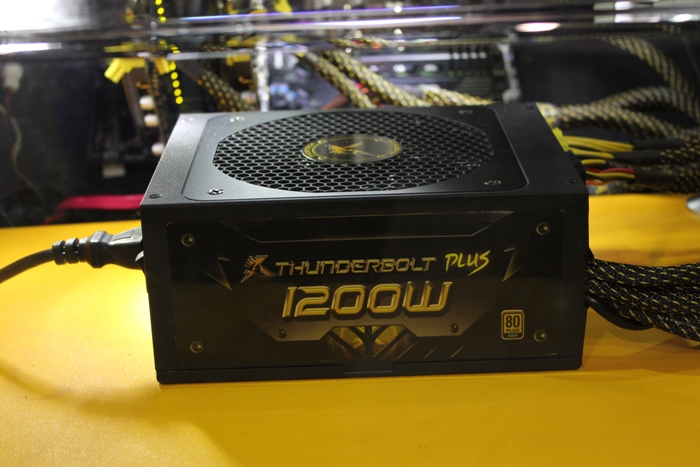
And at the Geil booth you can see one of the most successful Thunderbolt 1200 Watt power supplies, my interest in it is caused not only by its high power, but also by an additional panel in the kit, which allows direct monitoring of not only all the voltage on the lines, but also the power consumption system power.
The memory for the Intel P67 chipset is represented by the Corsa line. The main feature of this kit is support for the frequency of 2200 MHz. For 4 gigabyte memory modules, this is a very good indicator.

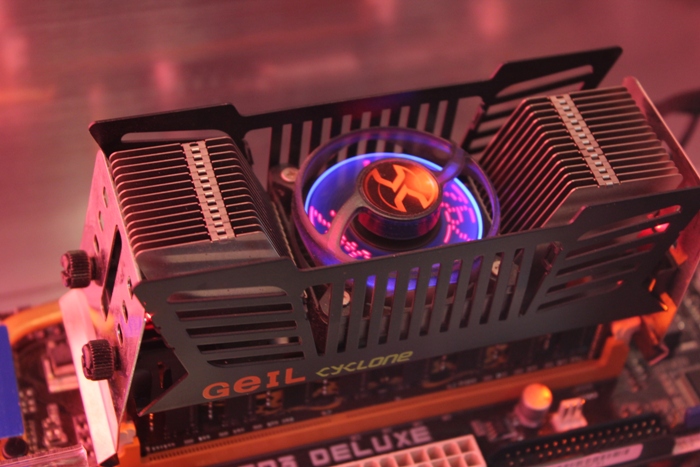
And the cooling system for those who like colder:
I have repeatedly noticed that with the imagination of the Russian people everything is very good, but the implementation constantly fails. At the exhibition we met a lot of interesting ideas, not only in terms of technology, but also in terms of visualization of the demonstration stand. True, in my opinion, for the most part they are useless, and I really want to ask the creators: “why?”
For example, the ice case:

The idea of visualization is undeniably one of the best, but what exactly these guys demonstrate for me remains a mystery. After all, on their stand, in addition to the walls, there are only two blocks of ice: one with the name of the company and the second with this frozen case.
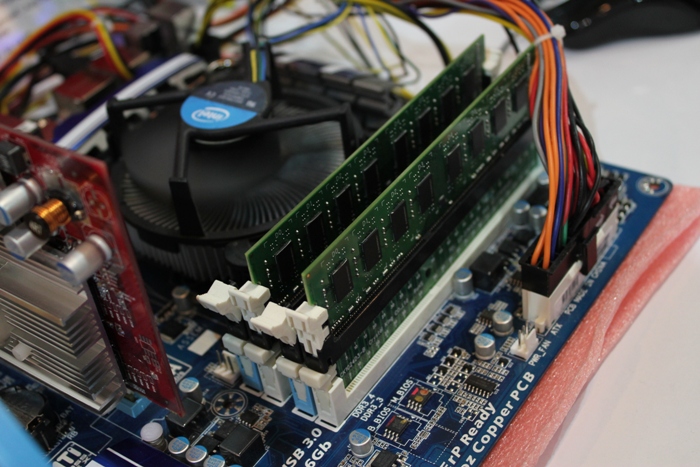
And this is an adapter for DDR3 RAM. Communication with the booth employee came to a standstill after he answered the question: “What does this adapter do?”. The answer simply struck us: “No function”. As a result, it was possible to find out that this adapter can be useful to people who often change memory, use different sets. By inserting and removing memory, you can damage the contact tracks, it is for their protection that the adapter is designed.

People from the stand in the form of a sea ship showed unexpected concern for the needs of the modern user. They created a case in which two systems can be assembled at once. The first, as explained, is needed for games. And the second, it can be Atom or something similar, is needed to work with simple applications. Why it is impossible to use the first system for all needs, I still do not understand.
Well, a selection of girls:



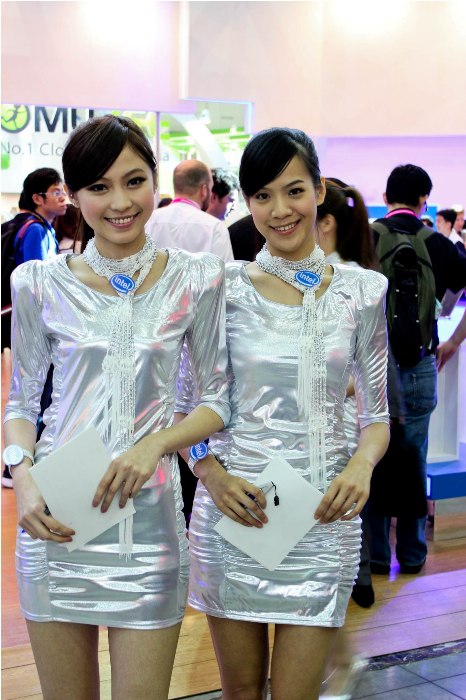

And, of course, Intel with a vivid demonstration of the era of multi-core :)
Look for a great report on the pages of i magazine after returning from the exhibition.

I decided to conditionally divide the material into three parts:
computer components and interesting gadgets;
“Unbelievable ideas” (yes, what they just won’t come up with);
and for dessert - a selection of girls with Computex.
We will start with the hotly discussed new products:
ASUS introduced a couple of the long-awaited overclockers and video card enthusiasts:
MARS II - a combination of two GeForce GTX580 on one printed circuit board. In fact, an analog of the GeForce GTX590, but the frequencies are much higher:
GeForce GTX580 Matrix - An updated version of the GTX580 Direct CUII. It would seem that there is nowhere to modify, the graphics card has already been invented, but ASUS engineers do not think so. Reinforced power system and for the first time voltage control buttons on the GPU directly on the circuit board:
MSI also showed an updated version of the GTX580 Lightning graphics card. She received the prefix Extreme Edition, the color of the fans turned to blue, and the amount of video memory grew from one and a half GB to three.
The Intel X79 chipset caused a great stir in the press. The new LGA2011 connector will be announced in the fourth quarter of 2011, but according to rumors, the launch may be postponed to 2012. The presented samples look, to put it mildly, not ready even in terms of design. And you can only guess about their performance.
The Thermaltake booth has gathered an incredible amount of products. Level 10 GT cases alone were:
I admit honestly that the modding project of this case really impressed me. In Russia and Ukraine, modders have to refine the necessary details or create them from scratch. The project carried out by the Chinese modder is more like factory work. And the level of its implementation is beyond praise.
This year, the ToughPower Grand product line of power supplies along with the Level 10GT chassis won the prestigious reddot design 2011 design award.
And at the Geil booth you can see one of the most successful Thunderbolt 1200 Watt power supplies, my interest in it is caused not only by its high power, but also by an additional panel in the kit, which allows direct monitoring of not only all the voltage on the lines, but also the power consumption system power.
The memory for the Intel P67 chipset is represented by the Corsa line. The main feature of this kit is support for the frequency of 2200 MHz. For 4 gigabyte memory modules, this is a very good indicator.
And the cooling system for those who like colder:
I have repeatedly noticed that with the imagination of the Russian people everything is very good, but the implementation constantly fails. At the exhibition we met a lot of interesting ideas, not only in terms of technology, but also in terms of visualization of the demonstration stand. True, in my opinion, for the most part they are useless, and I really want to ask the creators: “why?”
For example, the ice case:
The idea of visualization is undeniably one of the best, but what exactly these guys demonstrate for me remains a mystery. After all, on their stand, in addition to the walls, there are only two blocks of ice: one with the name of the company and the second with this frozen case.
And this is an adapter for DDR3 RAM. Communication with the booth employee came to a standstill after he answered the question: “What does this adapter do?”. The answer simply struck us: “No function”. As a result, it was possible to find out that this adapter can be useful to people who often change memory, use different sets. By inserting and removing memory, you can damage the contact tracks, it is for their protection that the adapter is designed.
People from the stand in the form of a sea ship showed unexpected concern for the needs of the modern user. They created a case in which two systems can be assembled at once. The first, as explained, is needed for games. And the second, it can be Atom or something similar, is needed to work with simple applications. Why it is impossible to use the first system for all needs, I still do not understand.
Well, a selection of girls:
And, of course, Intel with a vivid demonstration of the era of multi-core :)
Look for a great report on the pages of i magazine after returning from the exhibition.