May 28, 2018 at 18:51
Special audio gadget: “warm” tube recorder and spy watches of the early 50's
This is another pilot post for a new cycle. It is known that many innovations do not immediately fall on the mass free market, and their use for decades may be limited exclusively by special equipment. This cycle will be just about such devices, the history of their creation and use.
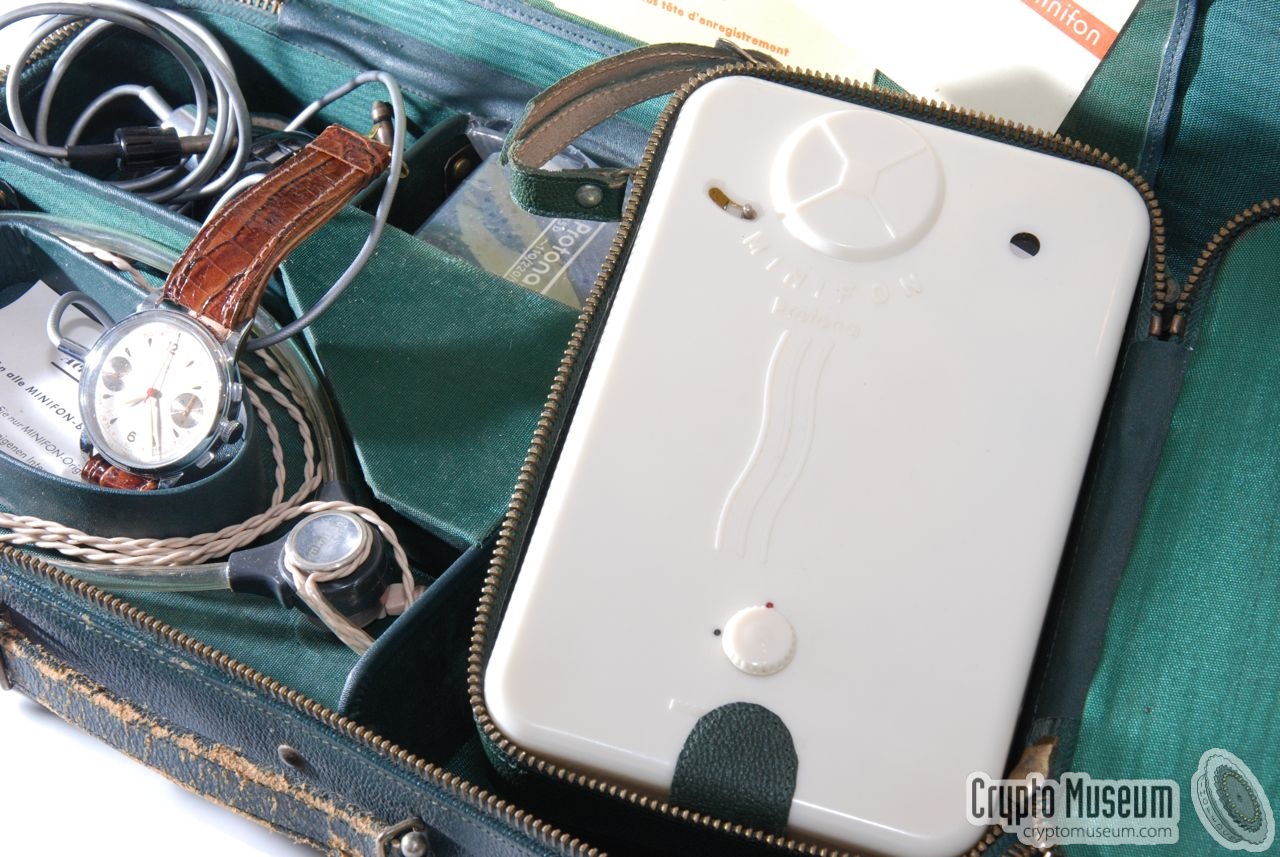
Perhaps one of the most legendary, for many years predetermining trends in the development of this type of audio equipment, was the special 1951 Protona Minifon MI-51 portable wire recorder. This device was considered the smallest of serial production in the world from 1951 to 1955. A characteristic feature was the use of a number of unique accessories for that time (headphones, hidden microphones, etc.), which will be devoted to a separate part of the article.
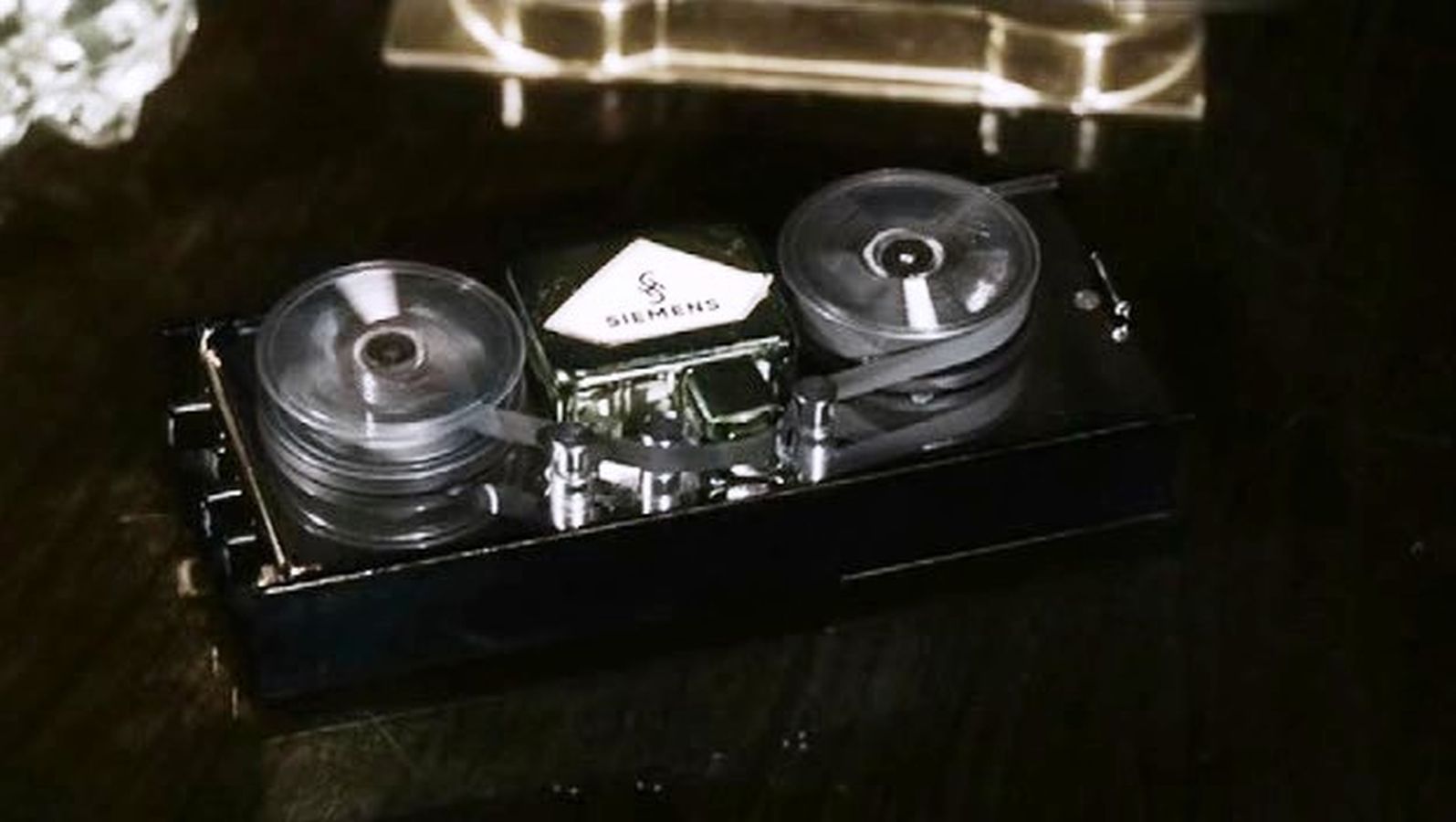
Perhaps everyone who watched the legendary Soviet series 17 moments of spring recall the scene where Stirlitz uses a portable voice recorder. The film used Electron-52D, a portable reel of film recorder, which was “made up” for Siemens products by sticking a logo.
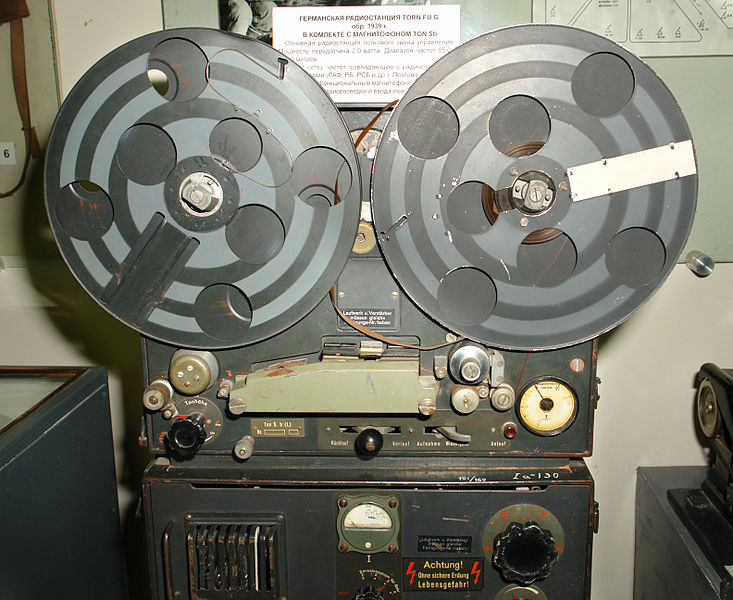
I have never met such portable tape recorders during the war. The vast majority of wartime voice recorders were quite impressive in size, as the unit presented in the photo below, presumably a telefunken company.
At the same time, the activities of special services during the 2nd World War showed that employees of various departments urgently need a portable tape recorder, preferably with independent power supply. The future creator of Minifon knew about this need.
Willy Dreheim, who began the development of such a device back in 1948. It is quite natural that Dreheim developed a portable tape recorder using lamps, while the first point transistors only appeared as imperfect bulky experimental devices.
To develop the development, the engineer began cooperation with businessman Nikolaus Monske and his company Monske & Co GmbH. Monske, in turn, managed to attract private investment from Ernst Genning, who during the war was his Luftwaffe colleague. It is not known who and where Dreheim himself worked during the war; the biographical data of the inventor are not freely available.
The new device was created in 2 years, and another year went into the organization of mass production. The latter was particularly problematic in Germany, whose industry had not yet fully recovered from the consequences of the defeat in World War II.
The gadget was named Minifon MI-51. The device was presented to the general public at the Industriemesse industrial exhibition in Hanover. The recorder instantly won the interest of visitors, and especially representatives of the special services, who, it would seem, got what they wanted.
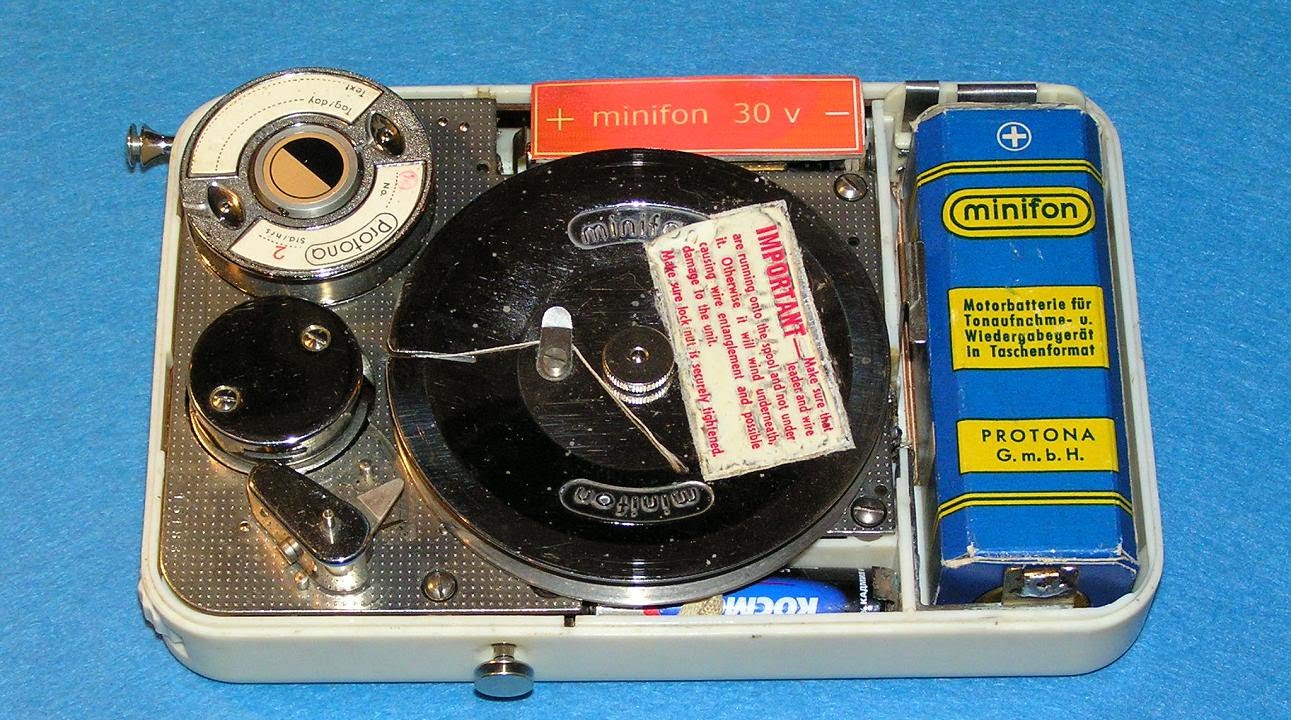
As evidence from www.cryptomuseum.com, by the end of 1951, one unnamed US customer (I believe it was either a “bureau” or the CIA) placed a large order, with a prepayment of $ 50,000. By this time, the company has increased the number of employees from 70 to 180 people. In 1951, the Minifon MI-51 cost 680 DM (which today would be about $ 3,000).
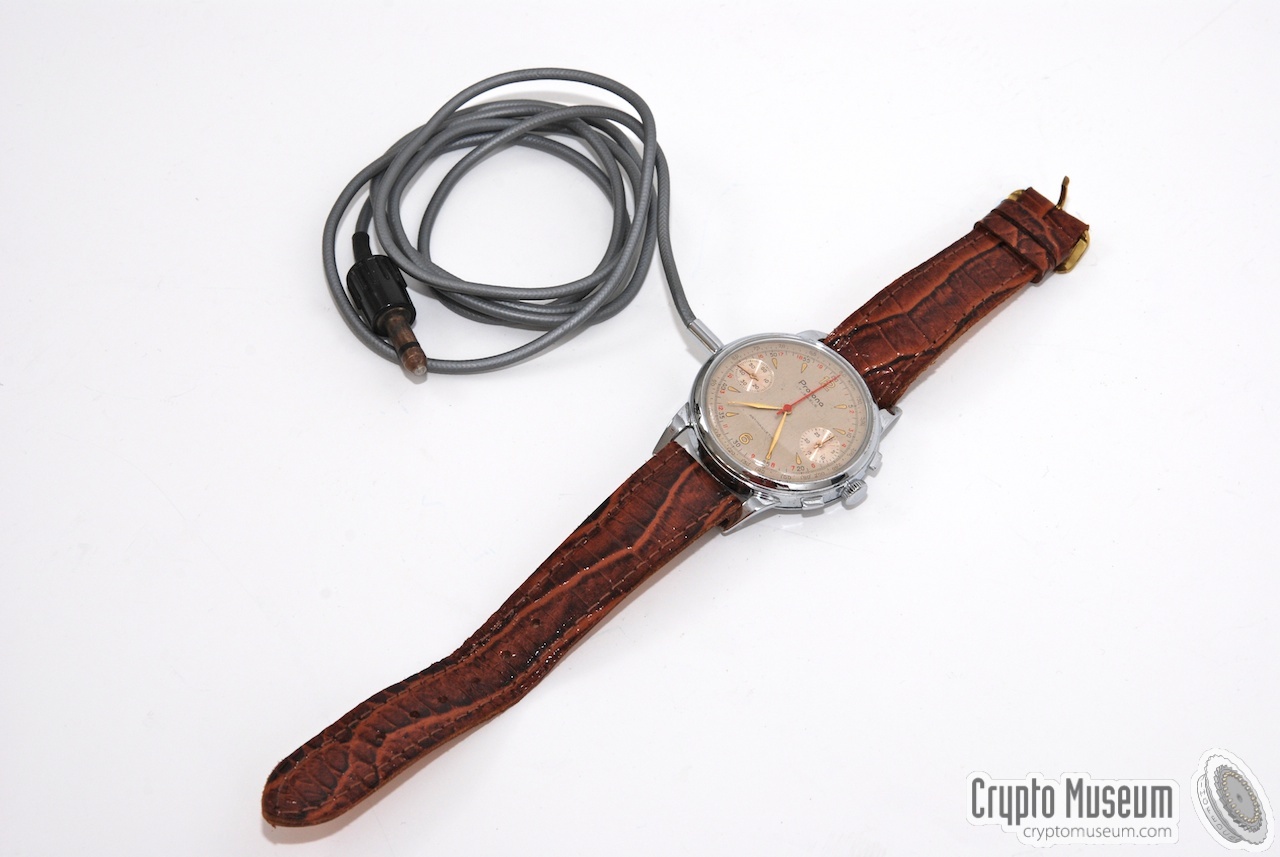
The device turned out to be truly compact for that time 17x11x3.5 cm. Moreover, it was autonomous, which, together with the dimensions, opened up new possibilities for application. Over the course of the year, several options for packaging were developed, among which the microphone wristwatch stood out especially.
We can safely say that for the intelligence services and detectives of that time, the Minifon MI-51 was such a welcome gadget as today is another new iPhone for fans of Apple products. It is known that, due to the lack of mass production of such devices in the countries of the socialist camp, Minifon, through front companies, was purchased for the special services of the USSR, East Germany and Poland, until the appearance of the domestic transistor voice recorder, Sobesednik.
Minifon became the basis for the prototype of the world's first black box, which in the early 50s was developed by Australian aerospace engineer David Warren. For the first tests, Warren simply slightly modified several wire mini-phones.
By the end of 1951, the company was inundated with orders, and its production capacities could barely cope. However, in 1952, in the process of active exploitation, children's diseases of the gadget were identified. Naturally, for such a device, failures and problems with functionality were similar to death.
What exactly were the difficulties with the mini-phone is not clear, but even the author of the Vintage-technics.ru blog-museum, one of the few collectors who own this device, notes the lower manufacturing quality of the MI-51 period of the Monske & Co GmbH compared to their subsequent modifications. At the same time, logistical difficulties arise with deliveries to the USA.
In 1952, the creator of the device, Willy Dreheim, left the company for unknown reasons. Soon after, financial problems force Monske & Co GmbH to seek support, and a series of layoffs is underway. Interest in the takeover of a distressed company is shown by the giant of the German radio industry Telefunken, but is late. Instead, Protona, founded by the businessman from Liechtenstein, Reinhold Stach, buys the production.
A new team of engineers improves the spy gadget and solves the problems of the first versions. Demand for the device continues to remain consistently high, until 1955, that is, until the moment when Protona Gmbh launched the even more advanced and compact recorder Minifon P55.
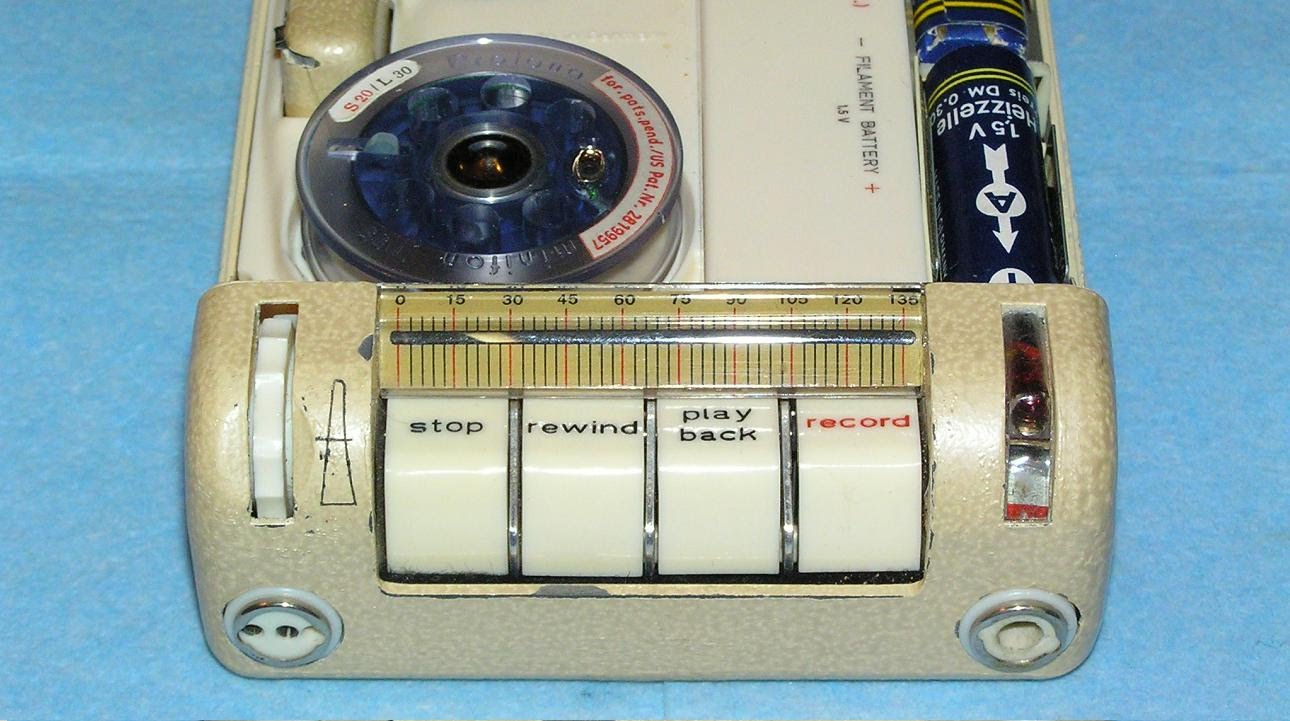
P-55
Interestingly, the company has repeatedly passed from one owner to another. Therefore, MI-51, as well as other portable voice recorders, were produced under various brands, in addition to Protona. The most famous are: Telefunken, EMI and ITT. Voice recorders under the Minifon brand were sold from 1951 to 1967.
Due to the fact that the recorder has withstood several reprints, its technical features can vary significantly depending on the series and the state of production. The most frail, both from the point of view of mechanics and in terms of electronics, are considered the first series of 1951. The highest quality are those released under the Protona brand.
At the same time, the quality and reliability of absolutely all Minifon MI51 are an order of magnitude higher than that of, perhaps, all similar devices (voice recorders for the needs of the police and special services) of the 60s - 70s produced in the USSR, Great Britain, East Germany and the USA.
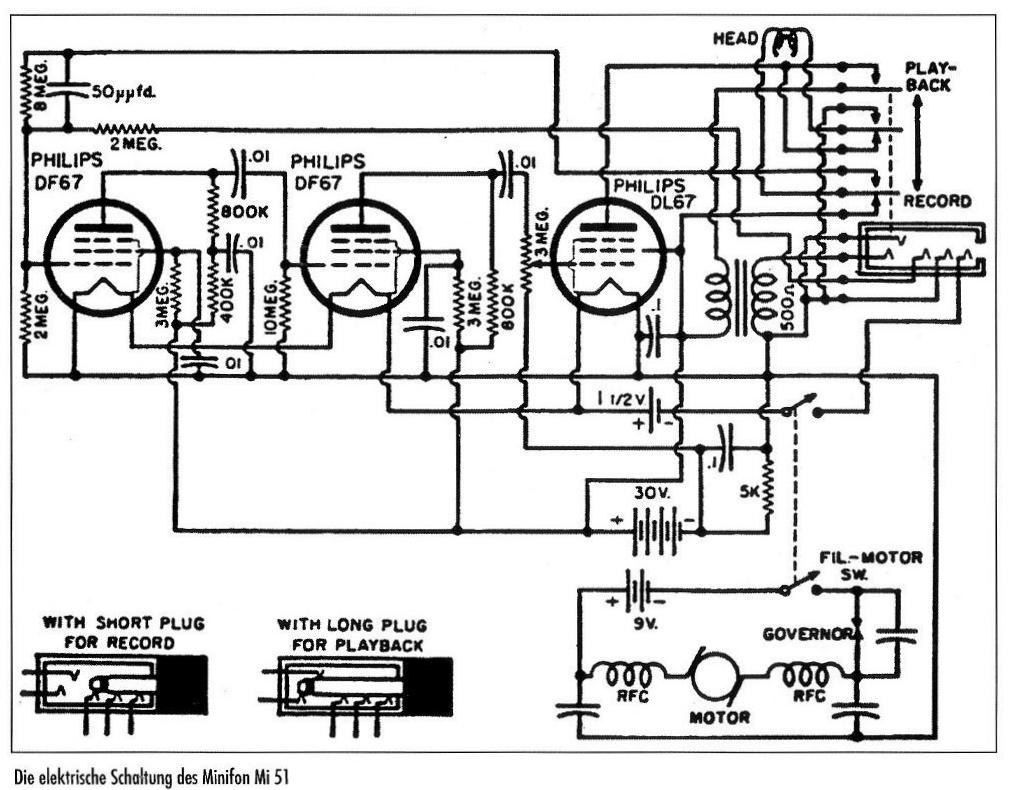
Of particular interest is the power circuit, which is due to the lamp circuitry. The device is assembled on a subminiature vacuum tubes DF67 and DL67. 1.5 V from an AA battery is supplied to the lamps, anode power is provided by a type 413 battery with a voltage of 30 V, and a separate 12 V battery powers the engine.
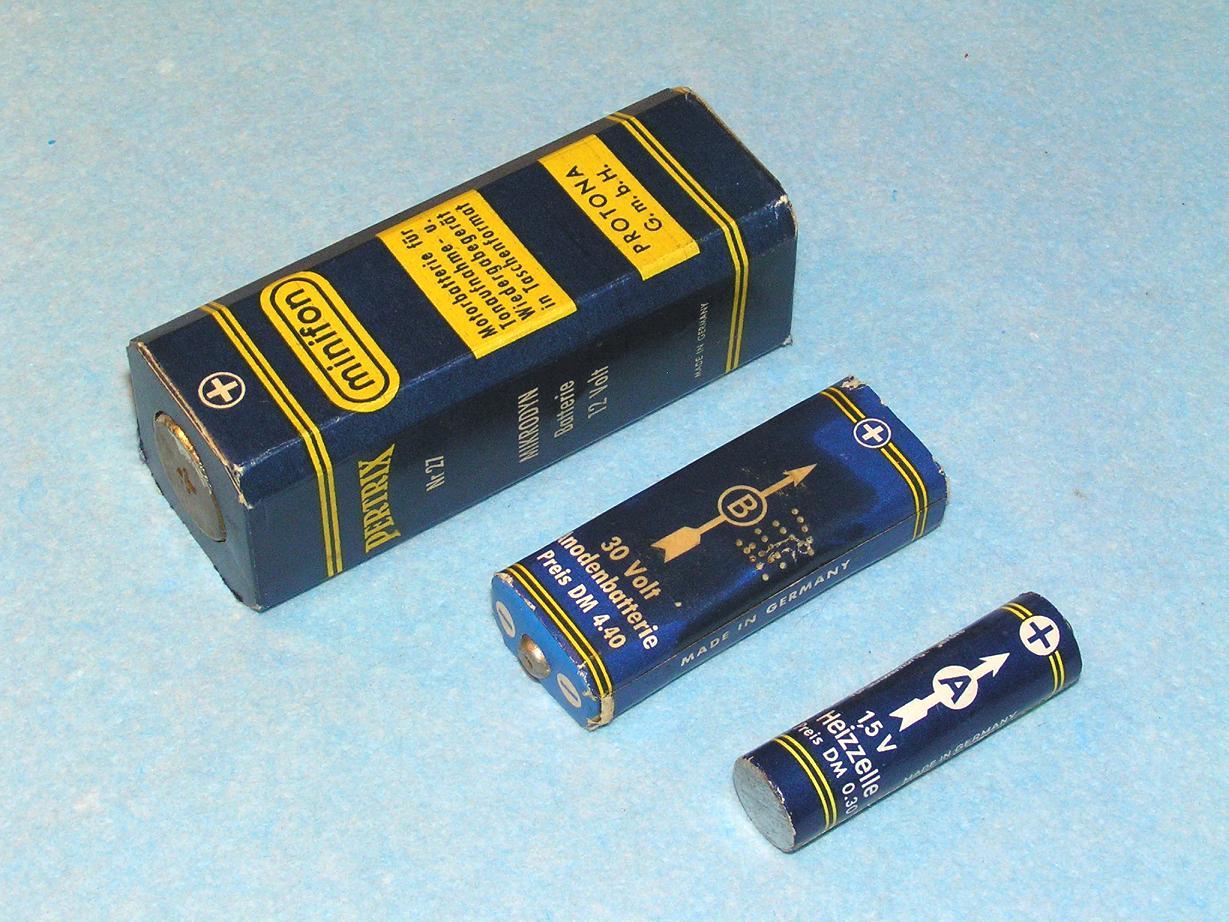
An impressive technical breakthrough for that time was the provision of continuous recording for 4 hours at a recording speed of 23 cm / sec. This was achieved through the use of durable wire with a small diameter of 0.05 mm.
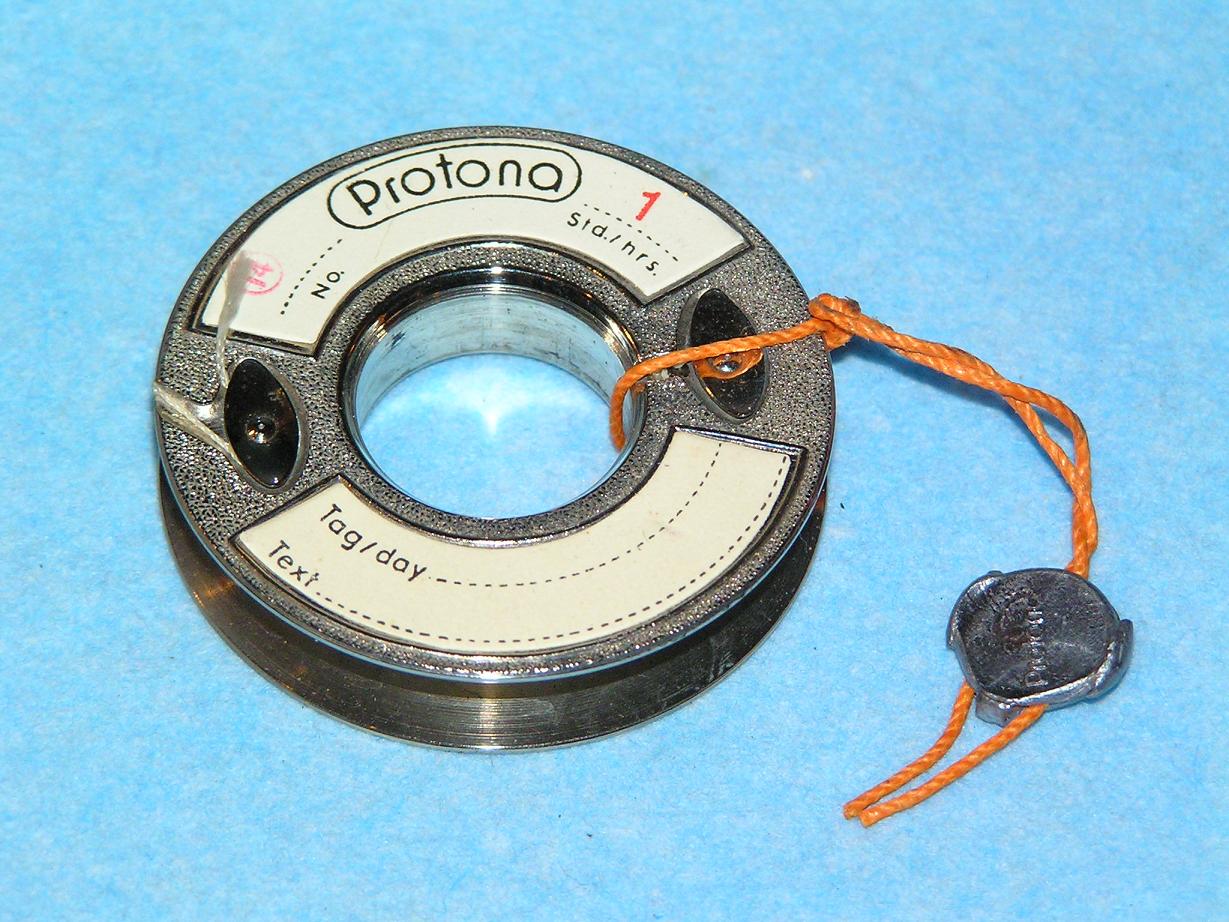
Today, collectors are surprised by the rare for tape recorders, especially of this age, the survivability of this device. Almost everything that I saw on eBay was given in working condition. Minifon owes its durability to a design that does not use a single rubber part. Even the belt, which is traditionally considered a consumable, is a twisted spring.
About the features of circuitry eloquently tell the circuit.
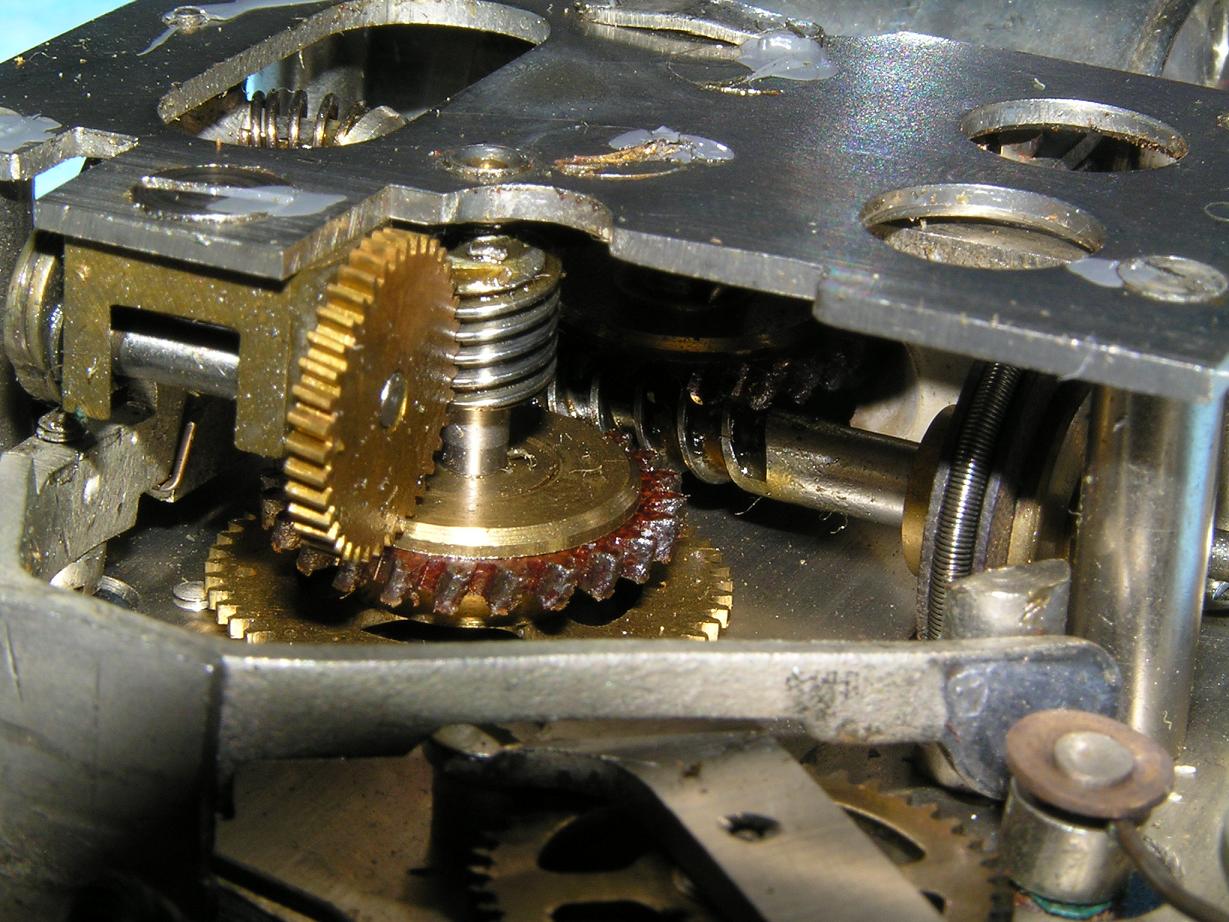
Having examined in detail the mechanics of the device, the author of the vintage-technics.ru blog-museum made an interesting remark:
“To reduce the influence of instability in the movement of the wire, the receiving coil has a noticeably larger diameter, and the head smoothly moves up and down during operation, laying the wire in even rows. The majority of stationary wire recorders were made on this principle at that time. ”
A special pride of manufacturers, which gained popularity among operatives and spies, was the microphone-clock, which could be equipped with Minifon instead of a standard microphone. It’s difficult for me to talk about the accuracy of the move, due to the fact that I didn’t have a chance to use them, but according to the recollections and reviews of collectors who own this miracle, it allows you to get a completely adequate record.
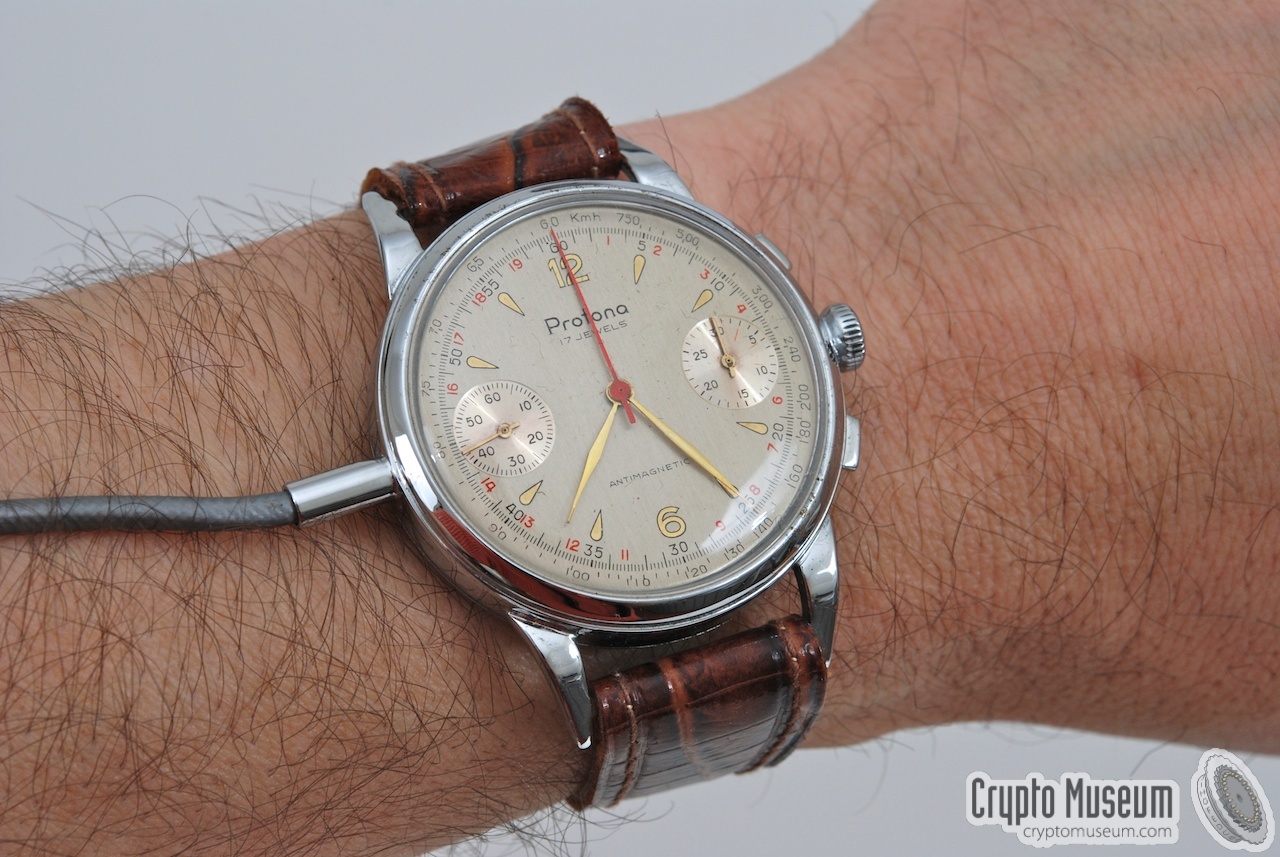
The microphone was connected to the recorder using a wire that stretched through the sleeve. There is a legend among collectors that in addition to the standard left-handed version (for right-handed people), there is an extremely rare right-handed version of a microphone clock (for left-handed people), released on special order. I don’t want to think about how much such an accessory can cost.
Also, depending on the desire of the buyer, he could purchase other additional gadgets. The stethoscope-like headset, which was part of the basic kit, looks original. Also, the kit could include: a small speaker, traditional headphones, a button and a pedal to start recording.
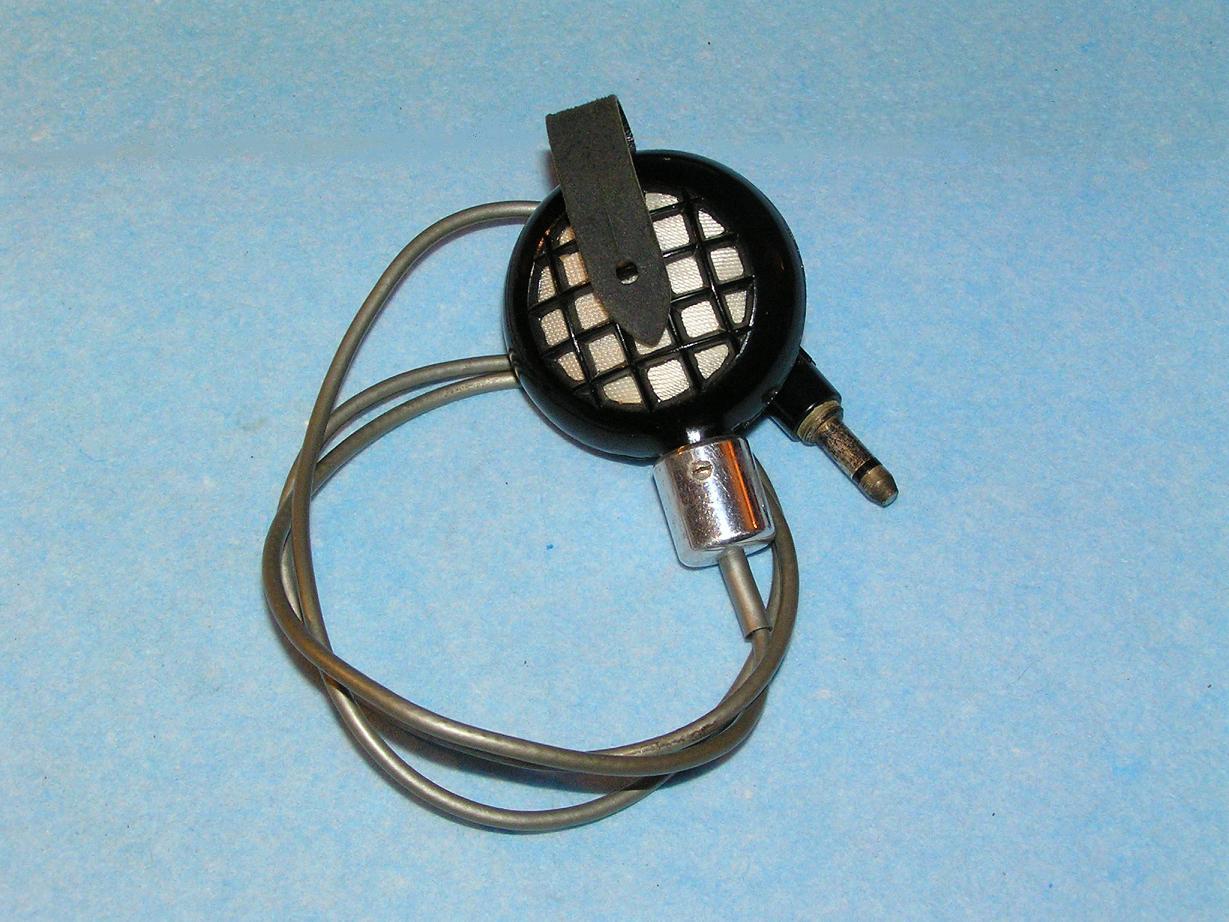
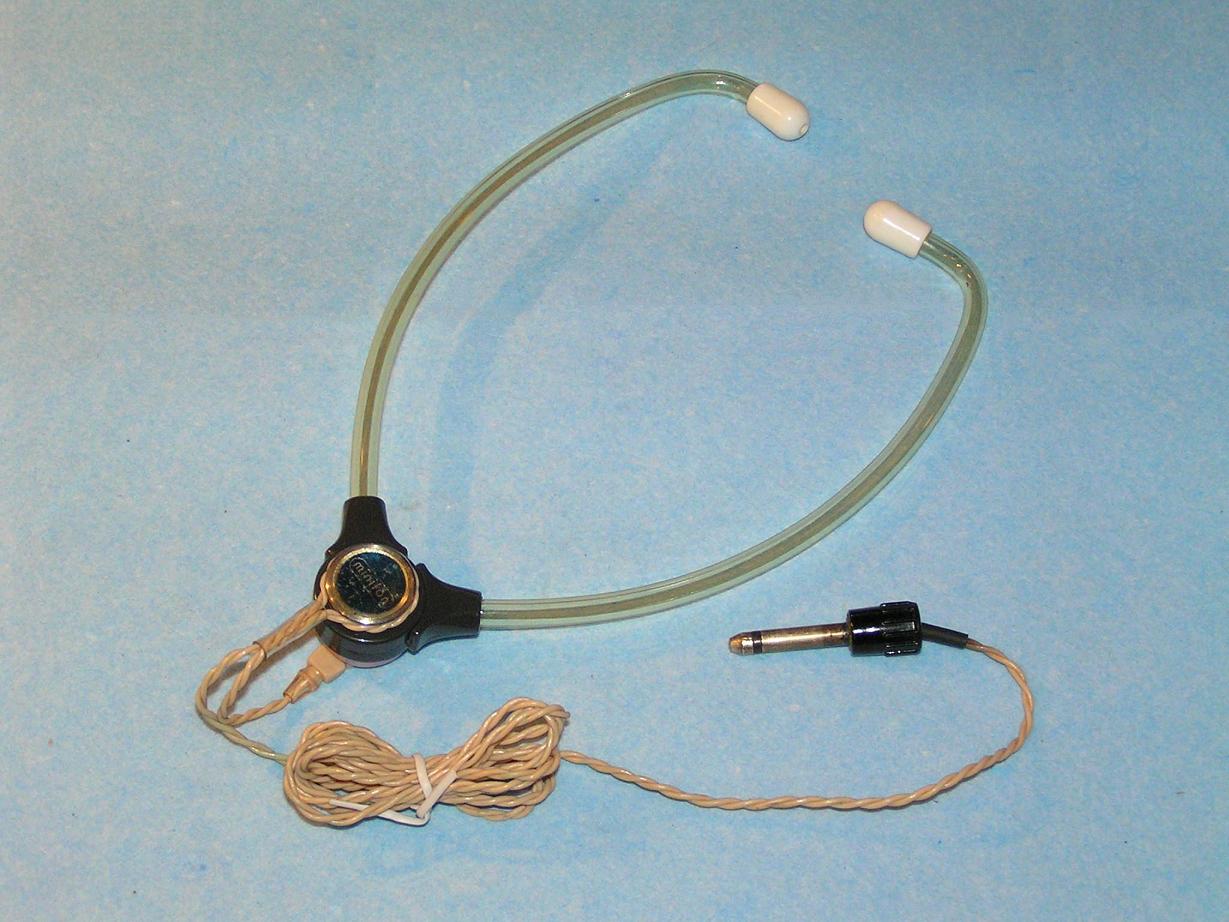
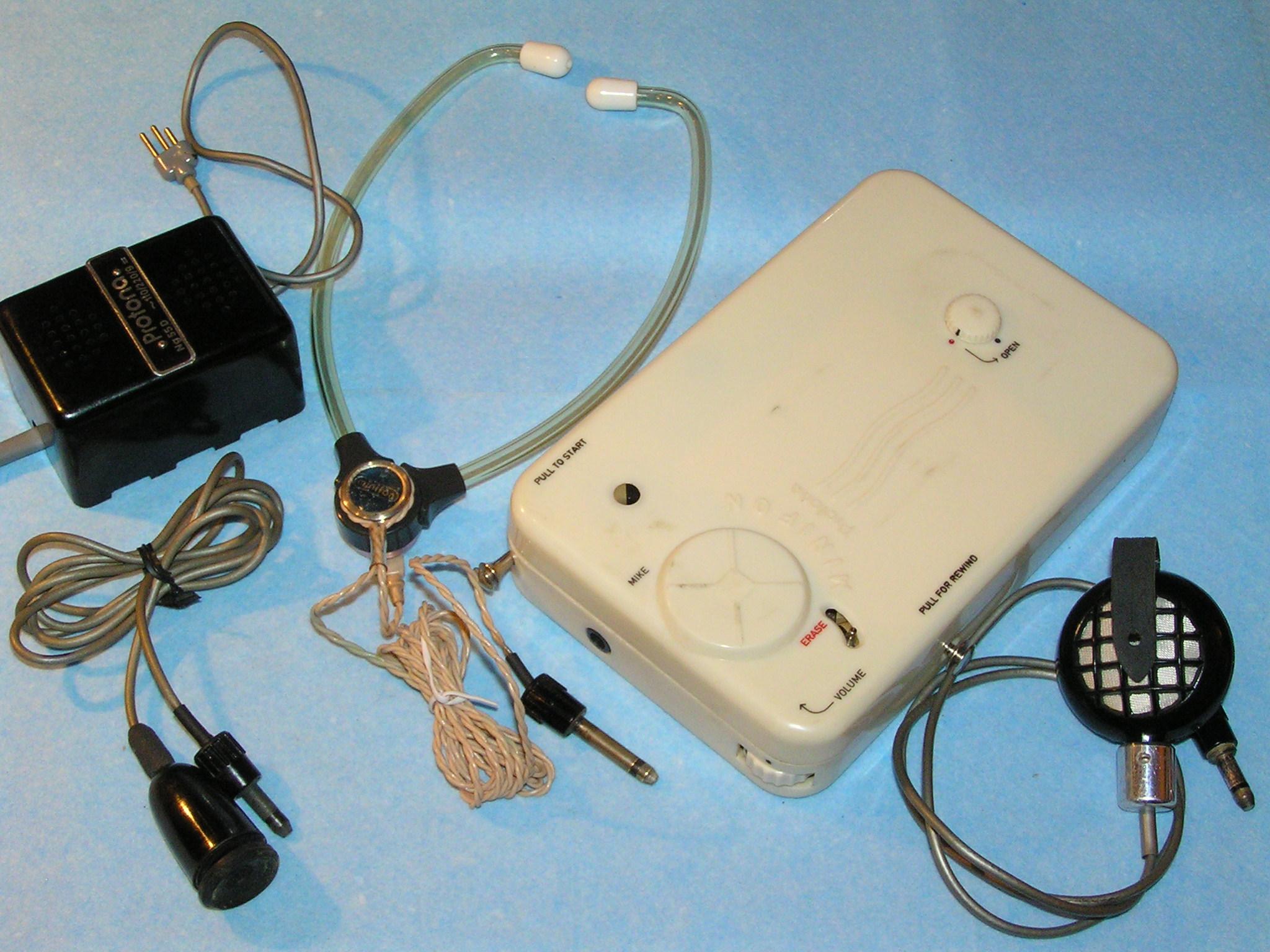
In other words, German engineers provided people with a cold head and a warm heart with everything necessary for recording during confidential conversations, interrogations and other routine aspects of the daily activities of an intelligence officer.
Inexorable and rapid scientific and technological progress did not leave Minifon MI-51 a chance to remain relevant and in demand. He stayed as a friend of the Chekists, FBI sheep and spies of all stripes for less than 10 years. He was replaced by more advanced and miniature transistor brothers. But it should be remembered that this particular device, the experience of its development and operation laid the foundation not only for future generations of special equipment, but also for portable audio in general.
I hope that the pilot will like it, and look forward to your opinions on the gadget in the comments.
I want to thank vintage-technics.ru resource for published materials and photos.
Photos used:
vintage-technics.ru
www.cryptomuseum.com
imperiya.by
Jeans
There are no special equipment in our catalog (I don’t know, unfortunately or fortunately), and with it you can easily find a variety of portable sound-reproducing equipment - headphones , players and more.
Perhaps one of the most legendary, for many years predetermining trends in the development of this type of audio equipment, was the special 1951 Protona Minifon MI-51 portable wire recorder. This device was considered the smallest of serial production in the world from 1951 to 1955. A characteristic feature was the use of a number of unique accessories for that time (headphones, hidden microphones, etc.), which will be devoted to a separate part of the article.
Minifon - a new format of special equipment
Perhaps everyone who watched the legendary Soviet series 17 moments of spring recall the scene where Stirlitz uses a portable voice recorder. The film used Electron-52D, a portable reel of film recorder, which was “made up” for Siemens products by sticking a logo.
I have never met such portable tape recorders during the war. The vast majority of wartime voice recorders were quite impressive in size, as the unit presented in the photo below, presumably a telefunken company.
At the same time, the activities of special services during the 2nd World War showed that employees of various departments urgently need a portable tape recorder, preferably with independent power supply. The future creator of Minifon knew about this need.
Willy Dreheim, who began the development of such a device back in 1948. It is quite natural that Dreheim developed a portable tape recorder using lamps, while the first point transistors only appeared as imperfect bulky experimental devices.
To develop the development, the engineer began cooperation with businessman Nikolaus Monske and his company Monske & Co GmbH. Monske, in turn, managed to attract private investment from Ernst Genning, who during the war was his Luftwaffe colleague. It is not known who and where Dreheim himself worked during the war; the biographical data of the inventor are not freely available.
The new device was created in 2 years, and another year went into the organization of mass production. The latter was particularly problematic in Germany, whose industry had not yet fully recovered from the consequences of the defeat in World War II.
The gadget was named Minifon MI-51. The device was presented to the general public at the Industriemesse industrial exhibition in Hanover. The recorder instantly won the interest of visitors, and especially representatives of the special services, who, it would seem, got what they wanted.
As evidence from www.cryptomuseum.com, by the end of 1951, one unnamed US customer (I believe it was either a “bureau” or the CIA) placed a large order, with a prepayment of $ 50,000. By this time, the company has increased the number of employees from 70 to 180 people. In 1951, the Minifon MI-51 cost 680 DM (which today would be about $ 3,000).
The device turned out to be truly compact for that time 17x11x3.5 cm. Moreover, it was autonomous, which, together with the dimensions, opened up new possibilities for application. Over the course of the year, several options for packaging were developed, among which the microphone wristwatch stood out especially.
We can safely say that for the intelligence services and detectives of that time, the Minifon MI-51 was such a welcome gadget as today is another new iPhone for fans of Apple products. It is known that, due to the lack of mass production of such devices in the countries of the socialist camp, Minifon, through front companies, was purchased for the special services of the USSR, East Germany and Poland, until the appearance of the domestic transistor voice recorder, Sobesednik.
Minifon became the basis for the prototype of the world's first black box, which in the early 50s was developed by Australian aerospace engineer David Warren. For the first tests, Warren simply slightly modified several wire mini-phones.
Updated gadget from a hand-walking company
By the end of 1951, the company was inundated with orders, and its production capacities could barely cope. However, in 1952, in the process of active exploitation, children's diseases of the gadget were identified. Naturally, for such a device, failures and problems with functionality were similar to death.
What exactly were the difficulties with the mini-phone is not clear, but even the author of the Vintage-technics.ru blog-museum, one of the few collectors who own this device, notes the lower manufacturing quality of the MI-51 period of the Monske & Co GmbH compared to their subsequent modifications. At the same time, logistical difficulties arise with deliveries to the USA.
In 1952, the creator of the device, Willy Dreheim, left the company for unknown reasons. Soon after, financial problems force Monske & Co GmbH to seek support, and a series of layoffs is underway. Interest in the takeover of a distressed company is shown by the giant of the German radio industry Telefunken, but is late. Instead, Protona, founded by the businessman from Liechtenstein, Reinhold Stach, buys the production.
A new team of engineers improves the spy gadget and solves the problems of the first versions. Demand for the device continues to remain consistently high, until 1955, that is, until the moment when Protona Gmbh launched the even more advanced and compact recorder Minifon P55.
P-55
Interestingly, the company has repeatedly passed from one owner to another. Therefore, MI-51, as well as other portable voice recorders, were produced under various brands, in addition to Protona. The most famous are: Telefunken, EMI and ITT. Voice recorders under the Minifon brand were sold from 1951 to 1967.
Mechanics, circuitry, materials
Due to the fact that the recorder has withstood several reprints, its technical features can vary significantly depending on the series and the state of production. The most frail, both from the point of view of mechanics and in terms of electronics, are considered the first series of 1951. The highest quality are those released under the Protona brand.
At the same time, the quality and reliability of absolutely all Minifon MI51 are an order of magnitude higher than that of, perhaps, all similar devices (voice recorders for the needs of the police and special services) of the 60s - 70s produced in the USSR, Great Britain, East Germany and the USA.
Of particular interest is the power circuit, which is due to the lamp circuitry. The device is assembled on a subminiature vacuum tubes DF67 and DL67. 1.5 V from an AA battery is supplied to the lamps, anode power is provided by a type 413 battery with a voltage of 30 V, and a separate 12 V battery powers the engine.
An impressive technical breakthrough for that time was the provision of continuous recording for 4 hours at a recording speed of 23 cm / sec. This was achieved through the use of durable wire with a small diameter of 0.05 mm.
Today, collectors are surprised by the rare for tape recorders, especially of this age, the survivability of this device. Almost everything that I saw on eBay was given in working condition. Minifon owes its durability to a design that does not use a single rubber part. Even the belt, which is traditionally considered a consumable, is a twisted spring.
About the features of circuitry eloquently tell the circuit.
Having examined in detail the mechanics of the device, the author of the vintage-technics.ru blog-museum made an interesting remark:
“To reduce the influence of instability in the movement of the wire, the receiving coil has a noticeably larger diameter, and the head smoothly moves up and down during operation, laying the wire in even rows. The majority of stationary wire recorders were made on this principle at that time. ”
A special pride of manufacturers, which gained popularity among operatives and spies, was the microphone-clock, which could be equipped with Minifon instead of a standard microphone. It’s difficult for me to talk about the accuracy of the move, due to the fact that I didn’t have a chance to use them, but according to the recollections and reviews of collectors who own this miracle, it allows you to get a completely adequate record.
The microphone was connected to the recorder using a wire that stretched through the sleeve. There is a legend among collectors that in addition to the standard left-handed version (for right-handed people), there is an extremely rare right-handed version of a microphone clock (for left-handed people), released on special order. I don’t want to think about how much such an accessory can cost.
Also, depending on the desire of the buyer, he could purchase other additional gadgets. The stethoscope-like headset, which was part of the basic kit, looks original. Also, the kit could include: a small speaker, traditional headphones, a button and a pedal to start recording.
In other words, German engineers provided people with a cold head and a warm heart with everything necessary for recording during confidential conversations, interrogations and other routine aspects of the daily activities of an intelligence officer.
Total
Inexorable and rapid scientific and technological progress did not leave Minifon MI-51 a chance to remain relevant and in demand. He stayed as a friend of the Chekists, FBI sheep and spies of all stripes for less than 10 years. He was replaced by more advanced and miniature transistor brothers. But it should be remembered that this particular device, the experience of its development and operation laid the foundation not only for future generations of special equipment, but also for portable audio in general.
I hope that the pilot will like it, and look forward to your opinions on the gadget in the comments.
I want to thank vintage-technics.ru resource for published materials and photos.
Photos used:
vintage-technics.ru
www.cryptomuseum.com
imperiya.by
Jeans
There are no special equipment in our catalog (I don’t know, unfortunately or fortunately), and with it you can easily find a variety of portable sound-reproducing equipment - headphones , players and more.