The 24-Hour Cycle: Cellular Timing of Long-Term Memory Formation
A second exposure to a neurotransmitter exactly 24 hours later activates the molecular mechanism for long-term memory. Research on sea slug cell cultures revealed this strict time window—deviations prevent the process from starting. The findings apply to understanding learning in mammals, including humans.
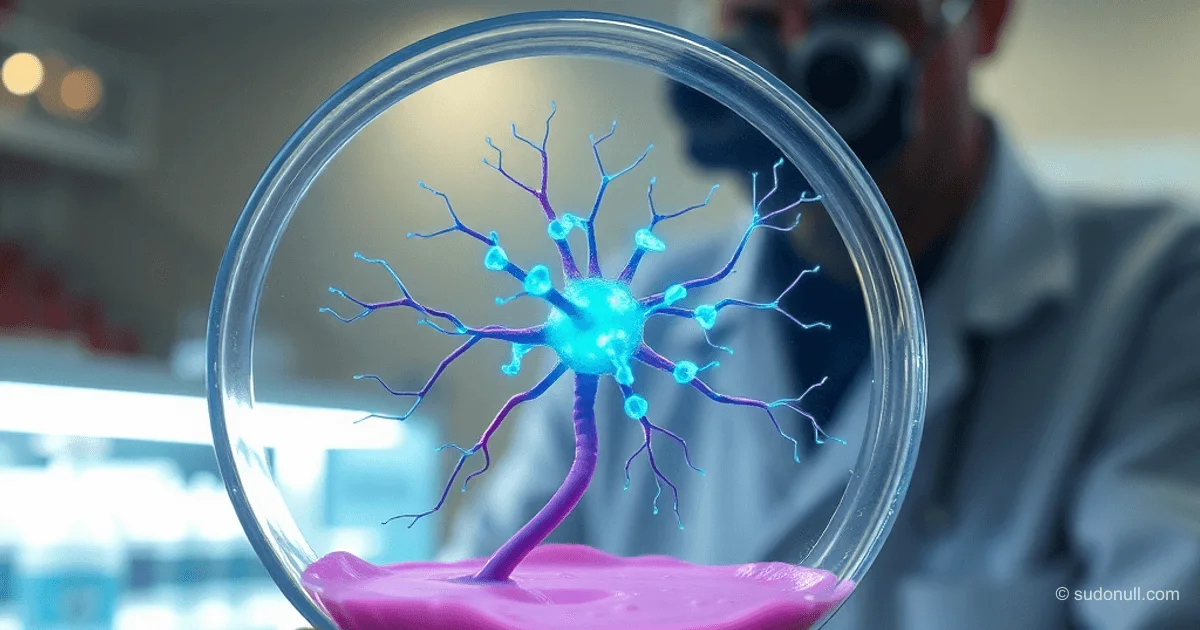
Scientists from the University of Texas Health Science Center at Houston tested the impact of intervals between neuronal stimulations. In a controlled environment of cultured cells, the first neurotransmitter release simulated initial learning, the second—review. Only a 24-hour gap triggered lasting cellular changes correlated with memory.
The Cellular Mechanism
Cell culturing isolated neural responses without systemic interference. Neurons were exposed to the neurotransmitter in two stages:
- The first exposure established a baseline signal.
- The second, at intervals ranging from hours to over a day, was tested for memory activation.
Only at 24 hours was a specific pathway triggered: strengthening synaptic connections and synthesizing proteins associated with long-term memory (an LTP-like effect). Shorter intervals (under 12 hours) led to temporary changes; longer ones (over 36 hours) produced no response.
Key takeaway: Neurons' internal biological rhythm syncs with the circadian cycle, making 24 hours the optimal window for consolidation.
Universality of the Mechanism
The Aplysia (sea slug) model was chosen for its giant neurons, ideal for microelectrode recording. However, the identified pathway—activation of cAMP-dependent pathways and CREB regulation—is conserved:
- Similar to LTP in the mammalian hippocampus.
- Observed in Drosophila and rodents.
- Suggests applicability to the human brain.
Lead author John Byrne emphasizes: repeating at the same time of day (e.g., 1 PM today and 1 PM tomorrow) maximizes cellular readiness for retention.
Practice of Spaced Repetition
Extrapolation to behavior supports spaced repetition systems (SRS):
- Avoid massed practice (cramming).
- Synchronize sessions with circadian rhythm.
- Test 24-, 48-, and 72-hour windows in future work.
For exams: split material into daily blocks at a fixed time. This enhances synaptic plasticity without overload.
Researchers plan mammalian models for validation, including the role of sleep and hormones in this cycle.
Key Points
- 24 hours is critical: deviations block the molecular memory switch.
- Aplysia cell model: a simplified system reveals universal pathways applicable to humans.
- Learning practice: review material at the same time daily for LTP-like effects.
- Future tests: validation at 48/72 hours and in integrated animal models.
- Circadian link: neural readiness follows a daily cycle.
— Editorial Team










No comments yet.