# Strait of Hormuz Blockade Reroutes Cargo Ships with Luxury Cars to African Ports
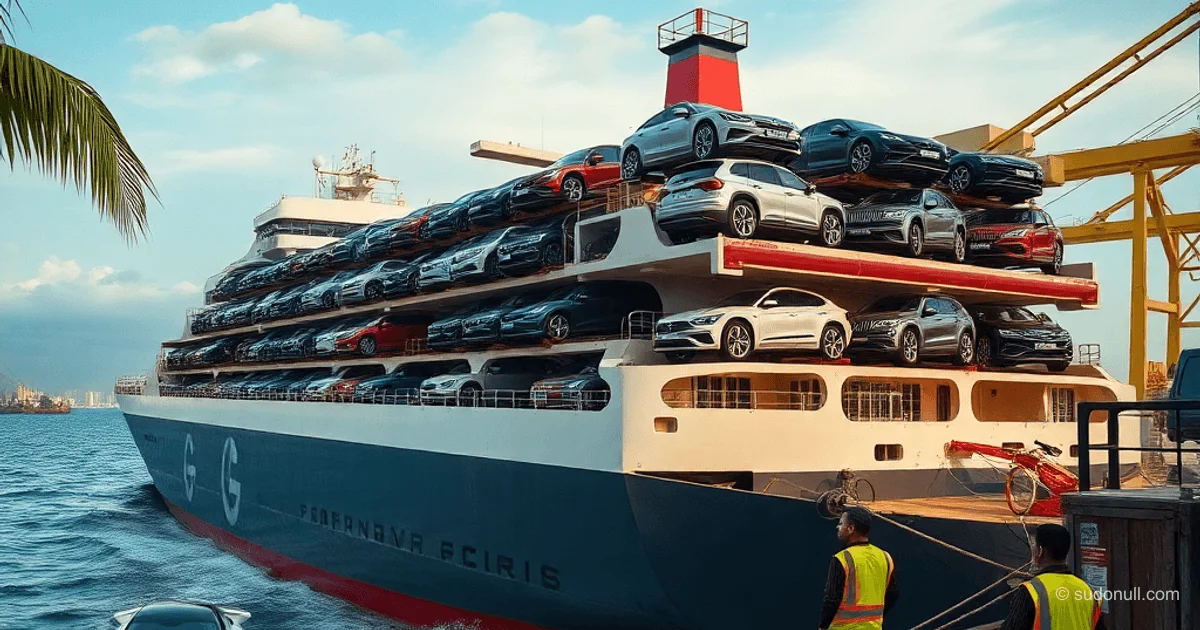
The blockade of the Strait of Hormuz has forced several cargo ships carrying thousands of new luxury cars to change course and dock at Kenya's Lamu Island. These shipments from Japan were destined for Jebel Ali port in the UAE, but shipping disruptions have left them stranded in the Indian Ocean. The 56 sq km island with a population of 25,800 people—where car traffic is banned—is now hosting up to 4,000 vehicles, including Porsche and Volkswagen models.
One ship departed Yokohama on February 24 but ran into the blockade in early March. Two additional vessels from Italy's Grimaldi Group have offloaded cars at Kenyan warehouses and port facilities. Another ship carrying 5,000 cars is expected soon.
Car Ban Exacerbates Logistics Woes
Lamu is famous for its strict ban on vehicle traffic, turning the situation into a real paradox. Thousands of brand-new cars are now stacked up on limited space with no clear path for onward transport. Lamu port authorities say they're prepared for increased traffic: ships are drifting at sea or rerouting due to worsening security in the Strait of Hormuz.
Port chief Abdullaziz Mzee noted: "Many ships are practically drifting at sea right now because the security situation keeps deteriorating." This is sparking a short-term economic uptick on the island from more ship visits, but the cargo's future remains up in the air.
- Scale of the problem: Up to 4,000 cars already on the island, plus 5,000 en route.
- Cargo origin: Japan (Yokohama) → UAE (Jebel Ali).
- Additional vessels: Two Grimaldi Group ships have offloaded cars at warehouses.
- Consequences: Layovers at sea, route changes, drifting due to security threats.
Global Energy Crisis and IEA Measures
The Strait of Hormuz blockade is intensifying the energy crisis, hitting not just cars but global energy supplies too. The International Energy Agency (IEA) has proposed 10 measures to reduce energy consumption:
- Promote public transportation.
- Alternate-day access for private cars to city centers.
- Encourage car-sharing.
- Efficient driving techniques.
- Optimize trips.
- Cut household energy use.
- Adapt work habits.
- Adopt energy-efficient daily practices.
- Reduce unnecessary travel.
- Coordinate measures globally.
These recommendations span transport, daily life, and work, all aimed at reducing reliance on disrupted supply chains.
Key Takeaways
- Strait of Hormuz blockade is diverting Japan-to-UAE shipments to unexpected stops off Kenya, causing logistics chaos.
- Car-free Lamu Island is taking in thousands of luxury vehicles like Porsche and Volkswagen with no delivery plan in sight.
- Another ship with 5,000 cars due soon; port authorities ready for traffic surge, but vessels are drifting amid security threats.
- IEA suggests 10 ways to curb energy use, from car-sharing to alternating city access for cars.
- Short-term boom in Lamu from ship calls, but supply chain recovery in doubt.
The situation highlights the vulnerability of sea routes in geopolitically tense areas. Logistics firms are scrambling for alternatives, hiking costs and delays. The energy crisis is putting more pressure on the global economy, demanding shifts in consumption habits.
— Editorial Team










No comments yet.