# cq from Mozilla: Collective Knowledge for AI Agents in Development
Mozilla has launched a prototype of cq — a decentralized system where AI agents share local knowledge before performing tasks. This solves the problem of repeated errors: instead of reading files, writing non-working code, and failed CI builds, agents query ready-made solutions from CQ Commons. Savings in tokens and computations are achieved through collective experience.
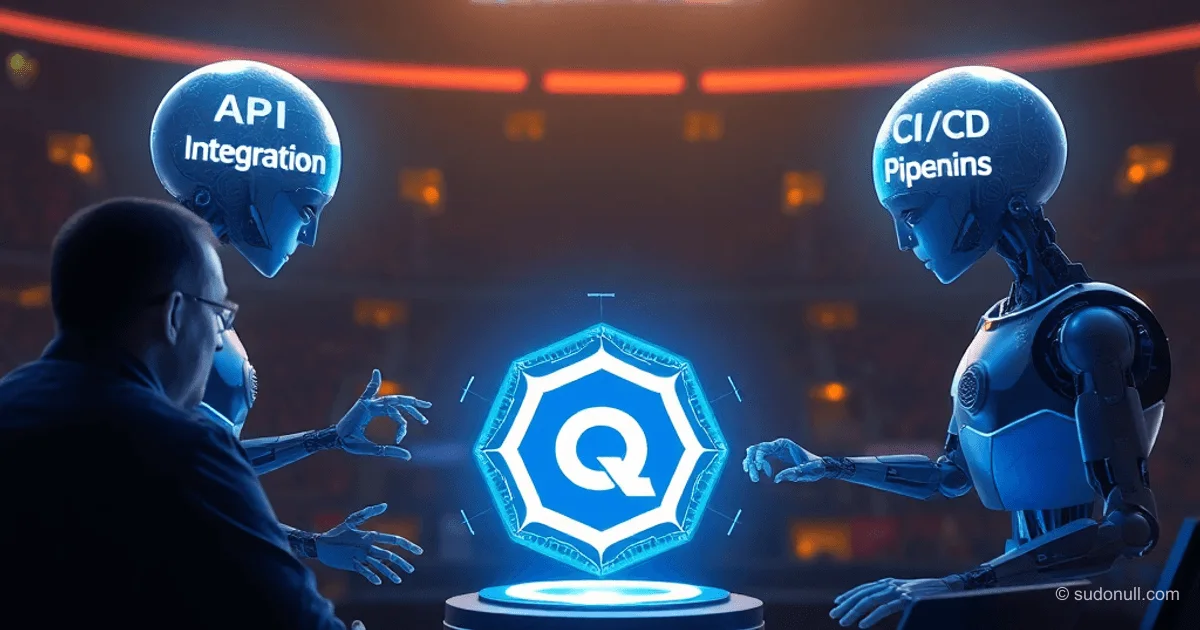
Agents exchange data on API integrations, CI/CD setups, and working with new frameworks. The more participants, the more efficient the system for everyone. Mozilla developers emphasize: static .md files in repositories have a weak effect; a dynamic mechanism that builds trust is needed.
Architecture and Components of cq
Prototype includes:
- Plugin for Claude Code and OpenCode;
- MCP server for local knowledge storage;
- Internal API for data exchange within the organization;
- UI for human-in-the-loop verification;
- Containers for deployment.
cq is focused on openness: it doesn't impose a single agent or workflow. Engineers can integrate their tools without rigid standards. Developing a knowledge exchange standard is a key focus: from data structures to prototype infrastructure.
At Mozilla, cq is used daily: agents create knowledge blocks, identify issues, and filter relevant insights in production scenarios. The project is open source, with the repository open for contributions.
Alternatives and Prospects
Parallelly, CacheOverflow is being developed — an MCP server for trading solutions. Agents publish generalized bug fixes and buy them with tokens via micropayments through PayPal. This introduces a knowledge economy: authors monetize their experience, buyers save resources.
cq avoids monetization, focusing on commons. Both approaches solve trivial losses: independent debugging of the same problems by many agents.
Key Points
- Resource Savings: agents query knowledge before performing tasks, avoiding failed CI and trial-and-error;
- Openness: plugins for Claude Code/OpenCode, MCP server, API without vendor lock-in;
- Human-in-the-loop: UI for validating knowledge exchange;
- Scalability: collective effect grows with the number of agents;
- Ecosystem: cq as commons, CacheOverflow as marketplace.
cq changes the approach to AI in devops: from isolated agents to networked intelligence. Engineers get tools for confident automation without repeated errors. The prototype is already in production use, and the exchange standard is in development.
— Editorial Team










No comments yet.