Sandboxes in DWH: Safe AI Integration in Development
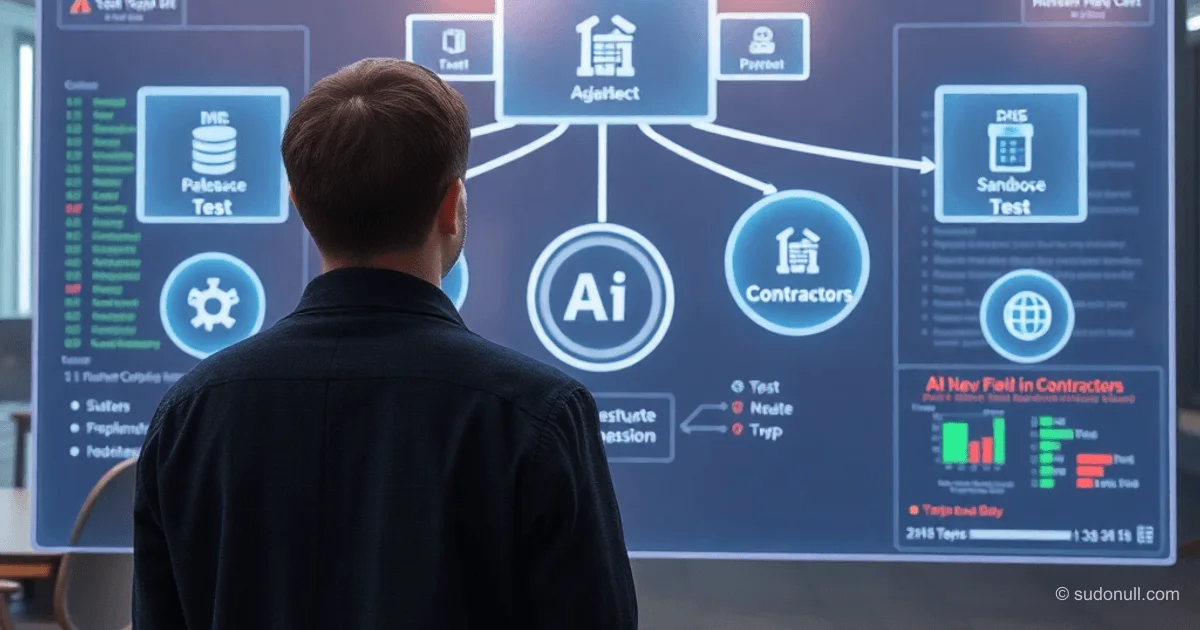
Development in DWH calls for caution when using AI due to the risk of hallucinations. Deleting a data column from a production table results in tricky recovery: manual labor, advance backups, and risks to their integrity. The alternative? Isolated sandboxes for each task. A sandbox is a copy of objects from the dev database, letting AI experiment freely without harming the main environment. Developers can refine prompts, spin up new sandboxes, and scrap the failed ones.
Benefits of Sandboxes in Practice
Sandboxes deliver:
- Development Isolation: Each specialist works independently, deleting or modifying data only in their own environment to test algorithms.
- Safety for AI: The model can't damage the dev database, staying confined to the sandbox.
- Hypothesis Testing in Production: Move the sandbox to Prod for validation, with rollback options and no fallout.
The integration process adds one step: Sandbox → Dev → Test → Prod. Collision resolution mechanisms are essential when merging models from different developers.
Role of the Data Platform
An automated platform streamlines sandbox creation, management, and migrating progress to Dev. Without it, routine object creation across scattered interfaces turns into a major hassle. Platforms like asapBI integrate databases, orchestrators, Trino, Spark, slashing manual work.
Example scenario: monitoring a new field in the Counterparties table. AI checks daily at 9:00; upon detection, it pushes it through the data pipeline, tests it, and sends notifications.
Implementation Experience
T-Bank developers have advanced significantly with sandboxes. Their approach is covered in materials on QA evolution in DWH, including the Tinkoff DWH Connect meetup. This proves the real-world value: from task isolation to production testing.
What Matters
- Sandboxes minimize AI hallucination risks in DWH by limiting changes to dev environments.
- Pipeline integration: Sandbox → Dev → Test → Prod with collision handling.
- Platforms automate grunt work, integrating Trino, Spark, Airflow.
- T-Bank practice shows the approach scales.
- Suited for middle/senior developers, focusing on isolation and testing.
— Editorial Team










No comments yet.