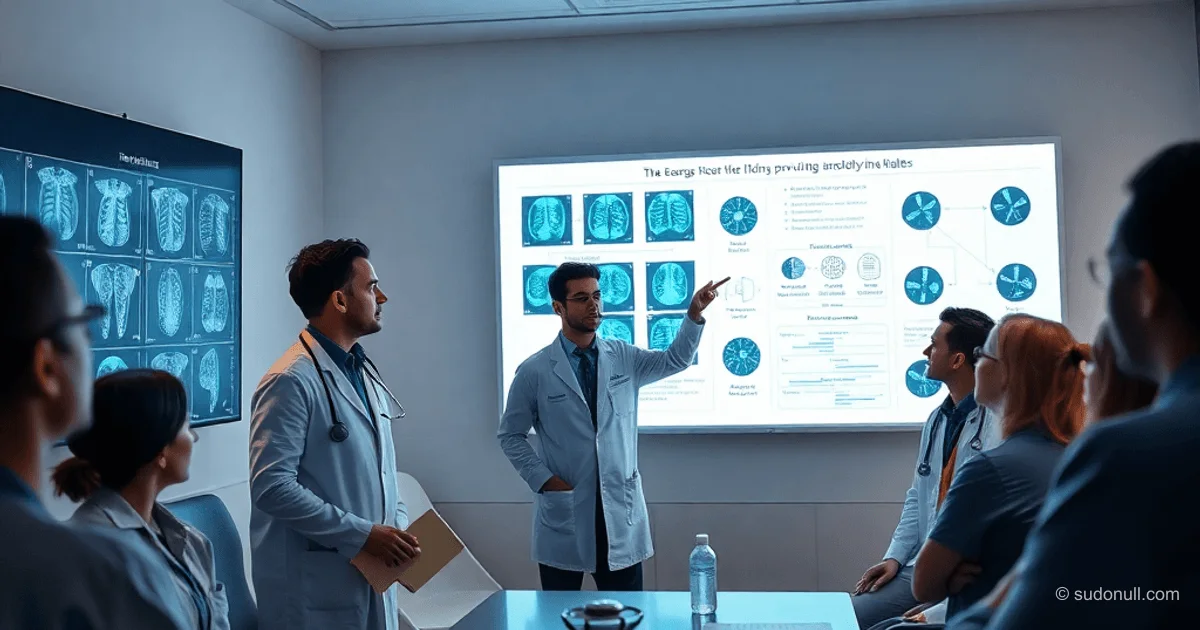
HAIC Benchmarks: Real-World AI Evaluation in Workflows
Traditional synthetic tests evaluate neural networks on isolated tasks with clear right-or-wrong criteria. These benchmarks produce rankings but overlook real-world context. In business and healthcare, AI operates in teams where human interaction and long-term effects matter most.
High test scores don't guarantee success. Models boasting 98% accuracy often slow down processes due to mismatches with local standards. In medicine, even FDA-approved AI systems for image analysis require extra time to adapt to hospital protocols and regulations.
Real-world decisions emerge from multidisciplinary teams: radiologists, oncologists, and nurses debate data for weeks. AI optimized for solo tasks disrupts coordination, causing delays and arguments.
AI Graveyard and Systemic Risks
Top-performing models in benchmarks often prove useless in production. They end up in the "AI graveyard"—forgotten deployments. Costs include integration expenses, staff training, and eroded trust in technology.
In critical fields like medicine, this poses patient risks. Regulators rely on detached metrics, leading to flawed deployment decisions.
Studies show AI fails in chaotic workflows. Even fast models bog down case reviews, where compromises between standards and patient data are key.
HAIC Approach: A New Evaluation Standard
HAIC (Human–AI, Context-Specific Evaluation) focuses on human-AI collaboration in natural settings. Assessments span long horizons within teams and organizations.
Shifting to HAIC transforms evaluation in four ways:
- Unit of analysis: From individual tasks to team workflows.
- Time horizon: From one-off tests to longitudinal impact tracking.
- Success metrics: From accuracy/speed to coordination, error detection, and organizational outcomes.
- Systemic effects: Analyzing upstream/downstream process impacts.
In UK hospitals (2021–2024), evaluations measured AI's effect on collective decision-making: Does it highlight key details, boost coordination, or alter compliance?
Long-Term Tracking and Guardrails
HAIC demands ongoing evaluation, like monitoring junior staff under mentorship. In humanitarian projects, 18-month tracking uncovered AI errors and tested safeguards.
Short tests miss cascading effects: anchoring bias (fixation on initial outputs), rising cognitive load, and domino inefficiency in adjacent stages.
HAIC is tougher to implement: It requires resources and resists standardization. But it delivers precise signals on AI readiness for production.
Key takeaways:
- Traditional benchmarks ignore team dynamics and context.
- HAIC measures systemic impact over the long haul.
- High scores don't equal real productivity in business or medicine.
- Long-term monitoring spots errors and builds guardrails.
- Adopting HAIC will temper AI hype and cut deployment risks.
HAIC applies to software development too: Test AI assistants in team sprints, tracking velocity, code review quality, and bug detection rates. This ensures reliable integration without false hopes.
— Editorial Team










No comments yet.