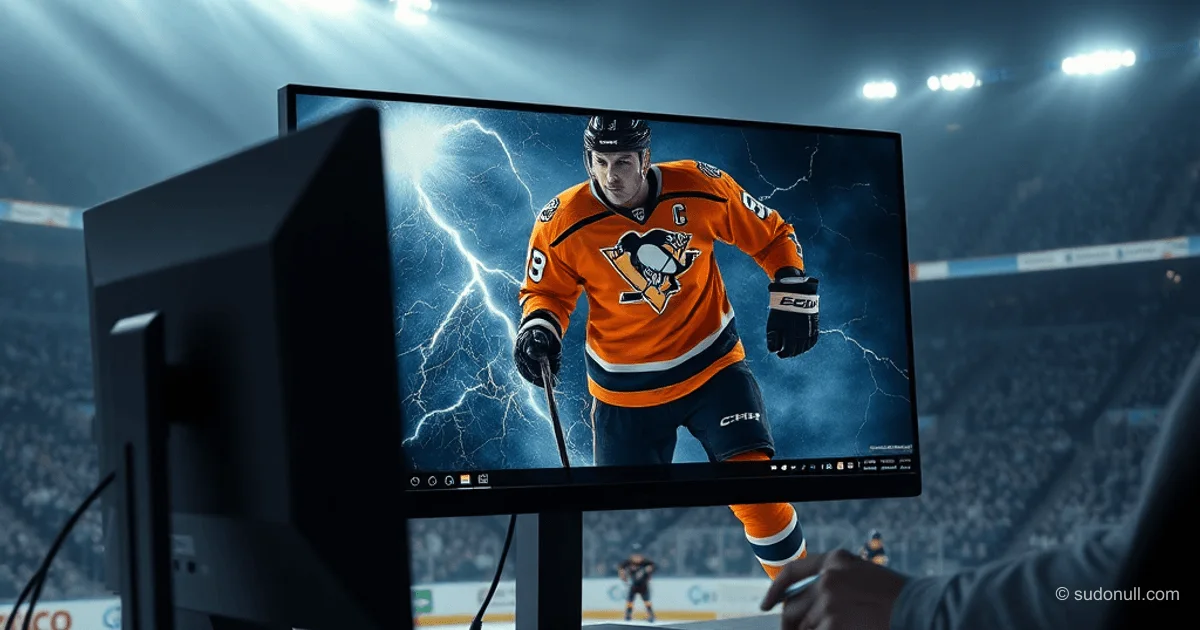
Image Generation Using References: Moving Beyond Text Prompts
Shifting from detailed text descriptions to using reference images in prompts allows precise control over character pose, clothing, and accessories. Instead of painstakingly describing subtle details, simply upload photos of the subject, wardrobe, and scene. This reduces post-processing iterations and increases result predictability in models like gemini-3-pro-image-preview-2k and gpt-image-1.5-high-fidelity.
The old workflow involved:
- Describing the task in ChatGPT.
- Crafting a prompt within strict limits (e.g., 540 characters for DALL-E 3 via Bing).
- Generating images in DALL-E 3, Qwen, or ChatGPT (each with their own constraints).
- Upscaling to 4096×4096 in Topaz (Denoise, Face Recovery).
- Color correction in Luminar AI using style presets.
- Final touch-ups in Photoshop (artifact removal).
The new method embeds references directly into the prompt, minimizing discrepancies.
Model Comparison on arena.ai
arena.ai offers free access to advanced models without the strict limits of Qwen or ChatGPT. Key features:
- Side by Side mode: Parallel generation in two models for A/B testing.
- Reference support: Upload images of character, clothing, and environment.
- 30–40 minute timeouts under usage limits.
Example prompt for Evgeni Malkin — The Stormbringer:
Analyze the three uploaded images and create a painting titled "Evgeni Malkin — The Stormbringer" in the combined style of these three visuals. Study their artistic traits, identify key elements from each style, and synthesize them into a unified visual language for the final image.

As a legendary hockey player, Evgeni Malkin must be depicted with iconic hockey elements: skates, stick, ice, and game dynamics. However, his appearance should reflect a mythological ice storm lord — The Stormbringer — who brings chaos to the rink and accelerates play to its peak.

The core artistic concept is that Malkin controls storm energy, as if his movement triggers a blizzard on the ice.

As he glides across the surface, his skate marks transform into electric cracks spreading across the ice, as though the frozen arena can't withstand his power.

His stick should resemble a lightning conductor, with the shaft glowing with electric light, pulsing with raw energy.

The puck should fly ahead like a ball lightning, surrounded by electric glow and sparks of energy.

The hockey arena should resemble an approaching storm front — the sky above filled with dark clouds, lit by frequent lightning strikes, amplifying the sense of power and chaos.

The ice beneath Malkin may crackle and shatter from his energy, as if he’s bringing the storm directly onto the rink.

The final image must convey unstoppable force, speed, and destructive energy, transforming Evgeni Malkin into a mythical figure — "The Stormbringer", god of hockey storms.
Results: gpt-image-1.5-high-fidelity delivers exceptional facial detail; gemini-3-pro-image-preview-2k (nano-banana-pro) excels at motion and effect rendering. Post-processing is minimal.
Post-Processing & Collection Design
After generation:
- Upscale and Denoise in Topaz Gigapixel AI.
- Stylize in Luminar AI (Favorites presets for coherent style).
- Vector logo in Illustrator (from raster output generated by ChatGPT).
- Typography: Vladimir Script for captions, Century Gothic/Oswald for titles.
Collection: THE HOCKEY GODS SERIES — Alexander Ovechkin (Arhangelsk), Artemy Panarin, Sergei Bobrovsky (Man-Fortress), Pavel Datsyuk (Hockey Magician), Mikhail Sergachev, Evgeni Malkin (Stormbringer). Focus on recognizable Russian hockey stars for targeted audiences.
Key Takeaways
- Reference images in prompts ensure accurate pose and clothing, reducing artifacts by 70–80%.
- arena.ai is the ideal hub for model testing without usage caps.
- Topaz outperforms legacy enhancers in upscaling and face recovery.
- Luminar AI speeds up color grading with preset styles.
- Photoshop remains essential for final cleanup.
— Editorial Team










No comments yet.