# Cyberattack on Intoxalock Paralyzes Breathalyzers in 45 US States
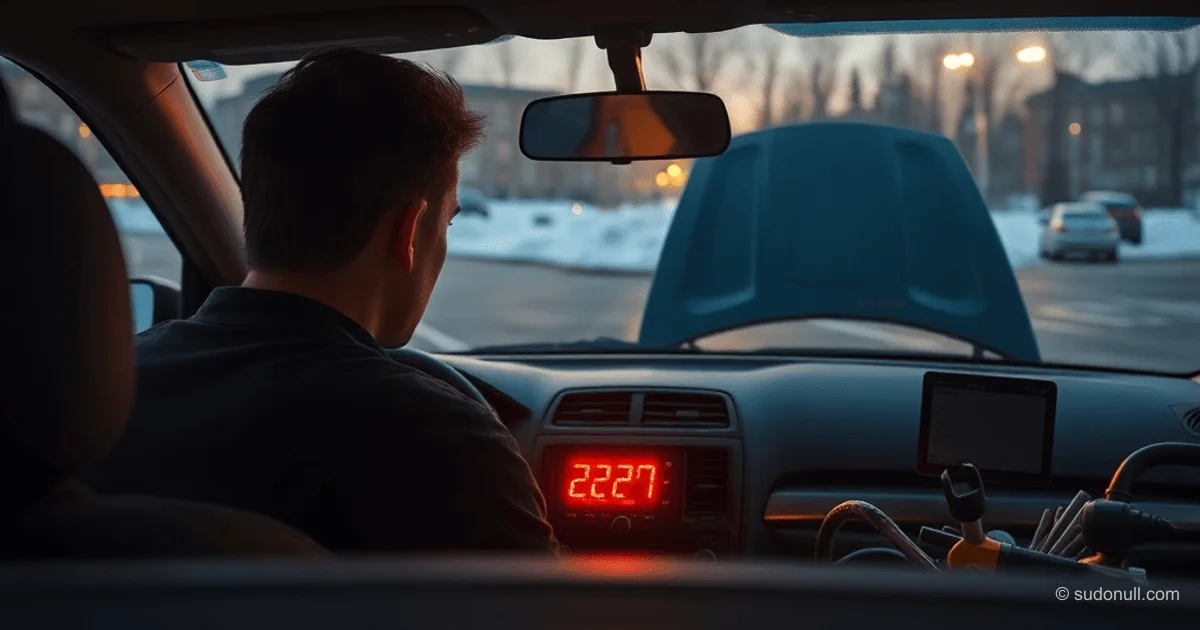
On March 14, 2026, Intoxalock, a provider of vehicle breathalyzer systems, fell victim to a cyberattack. This caused failures in devices installed in ignition interlocks across 45 US states. Drivers required to take a breath test before starting their engine couldn't get their vehicles going due to the inability to calibrate the gadgets.
Intoxalock systems require calibration every few months. The attack disrupted this process, leading to a temporary suspension of key services. Company spokesperson Rachel Larson confirmed the attack and noted precautionary measures: shutting down parts of the infrastructure to minimize damage.
Drivers reported being completely locked out of their cars. Local media in Maine, New York, and Minnesota documented cases where vehicles sat idle for weeks in auto shop parking lots. In Middleborough, Massachusetts, one service station confirmed to WCVB 5 that cars were stuck due to the outage.
Technical Aspects of Intoxalock Systems
Intoxalock devices integrate directly into the vehicle's ignition circuit. They use breath sensors to analyze ethanol levels and transmit data to company servers. Calibration involves verifying sensor accuracy and syncing with the cloud platform.
The cyberattack likely targeted the backend infrastructure: APIs for calibration, customer databases, and authentication systems. Without access to these components, devices switch to lockdown mode, requiring server confirmation. The company serves 150,000 users annually across 46 states, highlighting the scale of reliance on centralized services.
Typical vulnerabilities in such IoT systems include:
- Inadequate protection of API endpoints.
- Lack of offline mode for critical functions.
- Dependency on cloud services without redundancy.
Experts note that these attacks often leverage ransomware or DDoS to disrupt services, forcing systems offline.
Company Response and Lack of Details
Intoxalock hasn't disclosed the attack vector: threat type (ransomware, phishing, vulnerability exploit), perpetrators, or evidence. The company focused on isolating systems, which worsened customer issues. No timeline for calibration recovery has been announced, leaving drivers without options.
In states with strict rules for repeat DUI offenders, such outages create legal risks: failing the test counts as a violation, potentially leading to arrest or fines.
Lessons for IoT Security in Automotive
The incident highlights risks of monolithic architectures in critical infrastructure. Embedded systems developers should consider:
- Calibration redundancy: Local tools for offline sensor verification.
- Zero-trust model: Mutual authentication between devices and servers with key rotation.
- Graceful degradation: Reduced functionality mode without full lockdown.
- Anomaly monitoring: SIEM systems for early attack traffic detection.
- Regular audits: Penetration testing of the supply chain, including firmware updates.
For mid- and senior-level developers, the key takeaway is avoiding single points of failure in systems where downtime threatens user safety and mobility.
Key Points
- The March 14 cyberattack locked out Intoxalock breathalyzers for drivers in 45 states, disrupting calibration.
- Devices need server approval to start vehicles, leading to full lockouts without it.
- The company hasn't shared attack details or recovery timelines, worsening issues for 150,000 customers.
- The incident underscores IoT vulnerabilities in automotive: cloud dependency without offline backups.
- Recommendations: Implement zero-trust, graceful degradation, and local calibration.
— Editorial Team










No comments yet.