Lockdown Mode in iOS: No Successful Spyware Attacks According to Apple
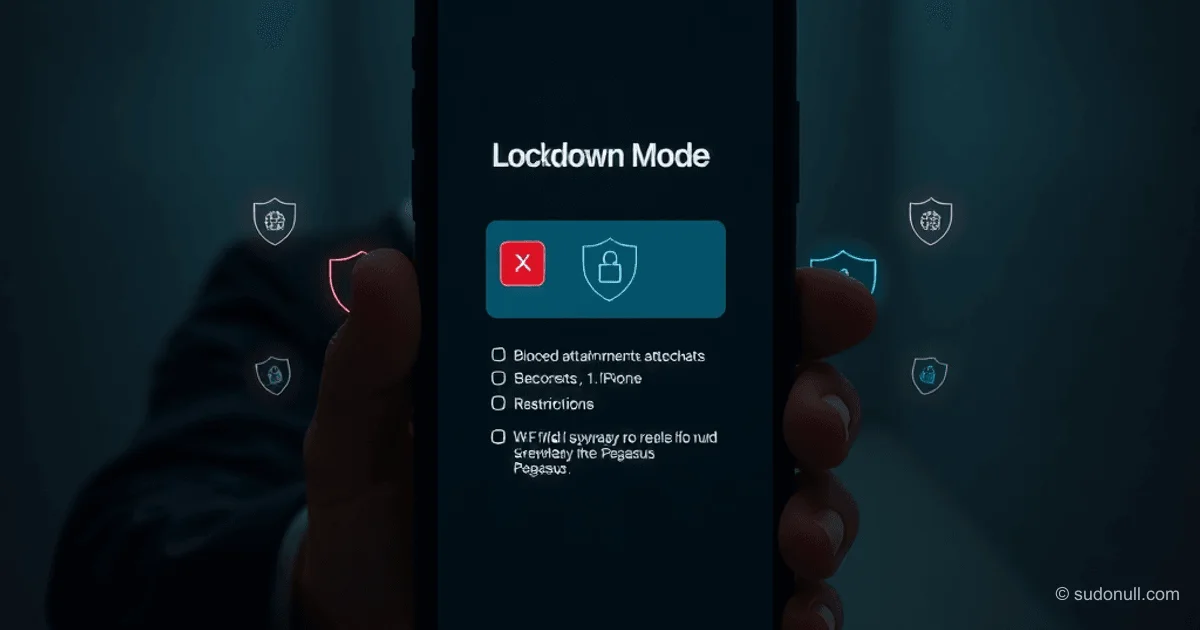
Apple confirms: No commercial spyware has breached an iPhone in Lockdown Mode. This extreme level of protection minimizes the attack surface by blocking vulnerable features. The mode is designed for high-risk users—journalists, diplomats, activists facing targeted attacks.
Lockdown Mode is activated in Settings: "Privacy & Security" → "Lockdown Mode". Once enabled, the system applies strict restrictions, reducing the risk of zero-day vulnerability exploitation.
Key Lockdown Mode Restrictions
Lockdown Mode significantly alters iOS behavior:
- Blocking message attachments to prevent malicious code execution.
- Disabling most web features and non-standard fonts to minimize Safari-based attacks.
- Limiting incoming calls to trusted contacts.
- Blocking 2G/3G networks and unsecured Wi-Fi.
- Automatically stripping EXIF metadata from sent photos.
- Requiring device unlock before connecting to a computer or accessories.
These measures reduce attack vectors, making exploitation harder even for state-sponsored threats.
Expert Confirmations
Amnesty International researchers back Apple's claims. Citizen Lab has documented cases where Lockdown Mode thwarted Pegasus and Predator attacks—tools from NSO Group and Cytrox. Google Threat Analysis Group reports emphasize the mode's effectiveness against vulnerable iOS versions, including exploit chains leveraging WebKit and kernel vulnerabilities.
Despite these successes, experts warn: there's no absolute protection. Attacks via unknown exploits, multi-stage chains, or social engineering bypassing the mode remain possible.
Context: The DarkSword Threat
Amid these statements, the DarkSword exploit kit targeting iOS 18.4–18.7 appeared on GitHub. The tool exploits multiple vulnerabilities for persistence and data exfiltration:
- Access to Telegram and WhatsApp databases.
- Stealing crypto wallets and saved passwords.
- Call history and geolocation.
DarkSword exemplifies typical spyware tactics: jailbreak-like access without traces. Lockdown Mode likely blocks many of these vectors, but testing on recent iOS versions calls for caution.
Activation and Recommendations for Developers
For mid/senior specialists working on iOS apps:
- Test apps in Lockdown Mode: verify compatibility with restricted APIs (e.g., JIT in WebView).
- Avoid dependencies on disabled features: 2G/3G, custom fonts.
- Integrate mode checks into security audits.
- Monitor iOS updates—the mode evolves with releases.
Developers of mobile clients (Telegram, WhatsApp) should account for exfiltration risks in high-risk scenarios.
Key Takeaways
- No documented iPhone breaches in Lockdown Mode by commercial spyware.
- Mode disrupts Pegasus and Predator attacks, per Citizen Lab.
- DarkSword on GitHub exploits iOS 18.4–18.7, but Lockdown minimizes risks.
- No 100% protection: custom exploits and social engineering possible.
- Activation is simple, recommended for at-risk users.
— Editorial Team










No comments yet.