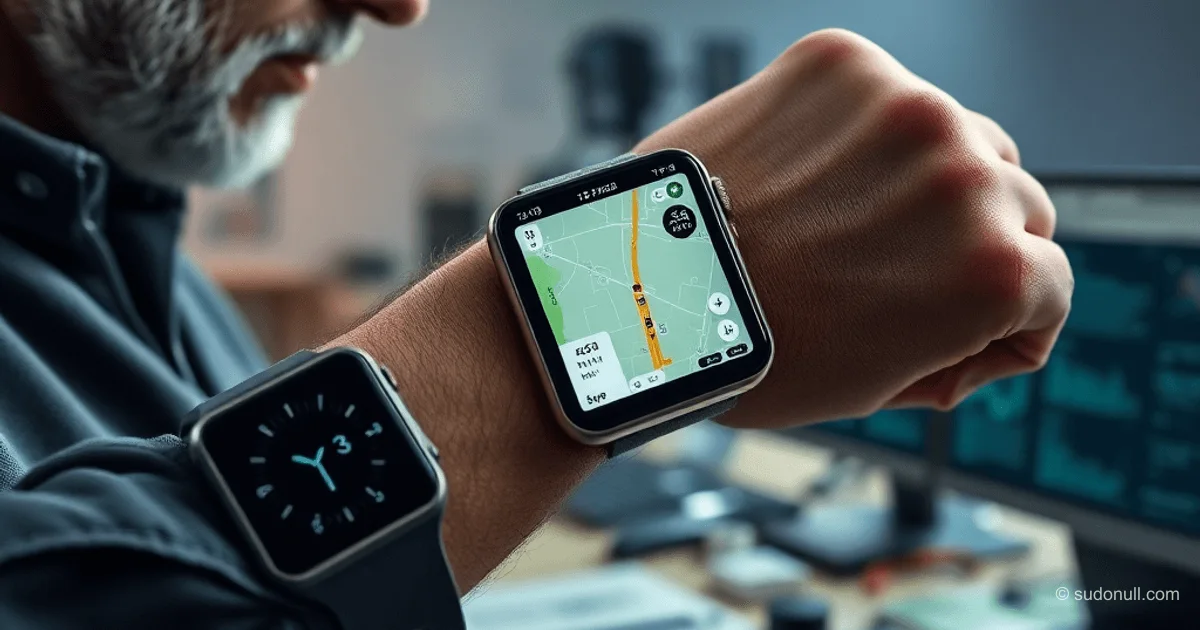
PineTime Pro: The Next Generation of Open-Source Smartwatches with AMOLED and GPS
The Pine64 community has unveiled a prototype of the PineTime Pro smartwatch—an evolution of the original PineTime model. The device features an AMOLED display, an SpO2 sensor for monitoring blood oxygen levels, a built-in GPS module, and its own custom chip. This positions the Pro version as a strong competitor to proprietary alternatives like the Apple Watch, while upholding the principle of fully open-source hardware and firmware.
The square case retains the recognizable design but adds a rotating side button similar to the Digital Crown. Power architecture has been optimized: individual components, including GPS, can be powered down programmatically to reduce energy consumption. These changes address the key issue with the original PineTime—high battery drain even with basic functionality.
PineTime Pro targets mid-to-senior developers working with embedded systems. The open stack allows customizing firmware for InfiniTime or other OSes, integrating with Linux gadgets, and experimenting with sensors without vendor lock-in.
Technical Improvements and Customization Options
Key upgrades focus on sensors and the interface:
- AMOLED display: High contrast and energy efficiency compared to the original LCD. Supports dynamic refresh rates to ease battery load.
- SpO2 sensor: PPG sensor for approximate but accessible saturation monitoring. Useful for fitness tracking and basic telemetry in IoT projects.
- GPS module: Built-in receiver with power-off option. Enables geolocation without external dependencies, integrating with open-source libraries like TinyGPS++.
- Custom chip: Pine64's bespoke SoC, optimized for low-power tasks. Architecture details (ARM Cortex-M? RISC-V?) to be revealed later, but RTOS and bare-metal support expected.
The rotating button enhances UX: menu navigation, data zooming, gestures. For developers, it's a new input method in the API, compatible with existing InfiniTime drivers.
Power optimization is implemented at the hardware level: power gating for peripherals. Firmware can add scripts for conditional activation, for example:
if (activity == RUNNING) {
    gps_power_on();
} else {
    gps_power_off();
}
This approach minimizes idle consumption, crucial for battery-powered devices with long retention needs.
Comparison with the First-Generation PineTime
The original PineTime from the early 2020s used the Nordic nRF52832 (Bluetooth 5, 64 MHz, 64 KB RAM), which limited performance. The Pro version upgrades to a more powerful chip with an expanded peripheral set.
| Feature | PineTime | PineTime Pro |
|---------------|----------|--------------|
| Display | LCD | AMOLED |
| SpO2 | No | Yes |
| GPS | No | Yes |
| Button | Single | Rotary |
| Power gating | Basic | Advanced |
This evolution makes the device viable for production-level projects: from wearable prototypes to custom fitness solutions.
Developers highlight compatibility with the existing Pine64 ecosystem (PinePhone, Quartz64). The open design allows forking schematics, soldering custom boards, and publishing on GitHub.
Key Takeaways
- Prototype showcases AMOLED, SpO2, GPS, and power gating—core upgrades for open hardware.
- Full openness preserved: schematics, firmware, and bootloader available for modifications.
- No firm chip specs, release date, or price yet—crowdfunding with donation options expected.
- Target uses: embedded development, IoT wearables, custom OSes without proprietary blobs.
- Competitive with proprietary watches on features at an estimated ~$50–100 price point.
— Editorial Team










No comments yet.