Comparison of quadcopters DJI Mavic Pro and Mavic Air
Mavic Air is the new compact quadrocopter from DJI. In size, it is between the Mavic Pro and Spark. We will consider the most important aspects of each drone, compare them and try to give answers to your questions.
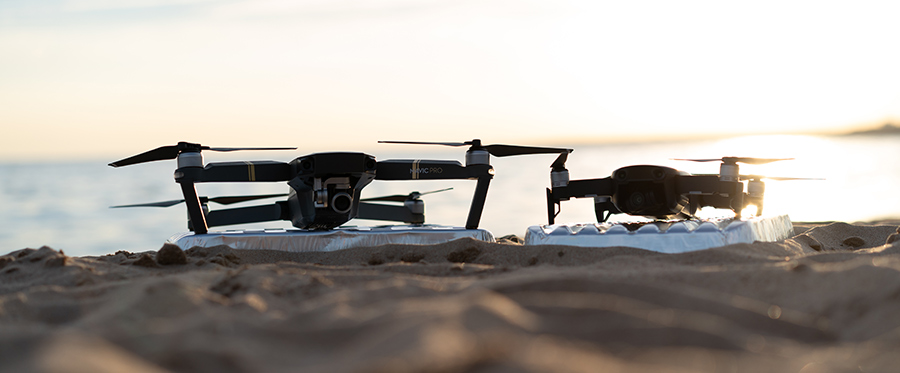
They are greeted by clothes, so let's start with the design.

Mavic Pro has been around for more than a year, Platinum is half a year old and they still look better than most drones, in my opinion. The sleek body, solid in sight and in fact assembly, and the new Mavic Pro Platinum propellers make it also incredibly quiet.

The design of the Mavic Air is significantly different from the Mavic Pro. This is a mix of Mavic Pro, Spark and a sports car. Small and clean case, like the Spark, and a folding design, like the Mavic Pro. The best part of the design is the new camera and gimbal, inspired by Spark. It is much more compact and durable.
The only oddity about the Air design is the screws that can't be folded. At first this may seem like a flaw, but unlike other folding drones, they do not stick out of the hull. A cleaner design helps achieve longer flight times with better aerodynamics.

And a nice little thing - now the drone is available in white, black or red color. Moreover, black and white are matte, and red is glossy.

There is an obvious size difference between the Mavic Air and the Mavic Pro. Mavic Air is about half the size and 41% lighter. This provides a number of obvious advantages.
If you look on the Internet, you can find many photos comparing Mavic Air with ordinary objects, such as smartphones. It fits easily into pockets, bags and backpacks, making it super convenient for traveling. Pocket size gives you the opportunity to make spontaneous shots that cannot be taken without a copter accidentally in your pocket!

Another thing that is not really related to size, but it has a lot to do with portability - the suspension on the Mavic Air is completely placed inside the body of the drone. When you drop it in a backpack, it is protected without a protective case. A suspension recessed into the housing reduces vibration, which positively affects the quality of the shooting material. The gimbal lock is at the same time a protective cap of the camera and, FINALLY, its installation has been made simple and convenient.

Mavic Air and Mavic Pro have built-in microSD card slots. However, the Mavic Air supports a microSD card with much larger capacity - 128 GB! Why this is good is understandable and without comment. But the coolest thing is that the Mavic Air has built-in memory! Only 8 GB, but everyone understands what it is to get to the place and understand that you forgot the card, or find out that your card is damaged =).

Air motors are inferior in size to Pro motors, but at the same time, speed indicators are slightly higher - 68.4 km / h against 65 km / h.

Pro screws 214 mm versus 133 for Air, and they are wider and thicker.
The noise from Air resembles Spark or a swarm of evil bees, while the Pro resembles an airplane. But if you put Mavic Pro Platinum screws on the Pro, the noise level will be even lower than the Mavic Air.

The cooling of the Mavic Air is significantly better than that of the Mavic Pro. This is due to the new design feature of the DJI model - air enters the drone through the suspension and exits through the ventilation holes in the rear of the drone. Air passes through the copter to dissipate heat well. We remember that Pro and DJI Spark had problems with overheating in hot climates, so a new feature should prevent this on Mavic Air.
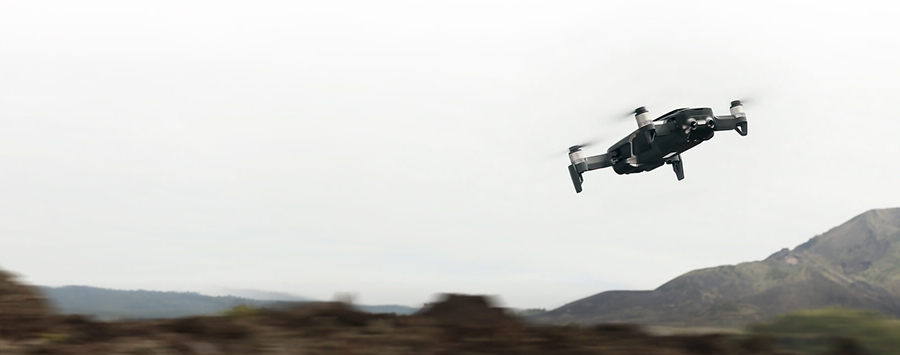
Maximum speed in sport mode is only one measurement, but the actual maximum speed will vary depending on how you fly.
In sport mode, both drones go about 65 km / h. When you control both of them with your smartphone, the speed difference is huge - 11 km / h for the Pro and about 26 km / h for the Air. When using the controller, both drones go 32 km / h, but if you turn off obstacle avoidance on the Mavic Pro, it will go almost 48 km / h.
Suspension speed is a thing most people don’t talk about. Both drones can reach 65 km / h, but this does not mean that you can fly and look straight ahead at this speed and the rays will not fall into the frame. The Mavic Pro begins to tilt the camera downward already at 48 km / h when moving forward, however, when you fly sideways or backwards, the situation changes.
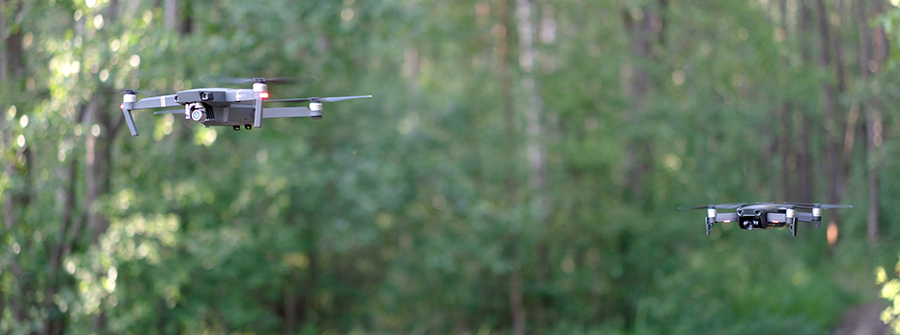
The flight time is not very easy to measure under normal conditions, due to a number of additional factors, such as wind, hover or flight, so we give an example in ideal conditions without wind and hover and up to about 28% of the battery charge:
There are a few things that have changed in the new Mavic. Some are good and some are not.
Mavic Air shoot slo-mo 120 frames per second versus 96 for Mavic Pro. There is no way to control the focus on the Mavic Air, but honestly sometimes the Pro may miss it or you accidentally clicking on the screen can shift the focus.
Previously, 4K videos were shot at a bitrate of 60 Mbit / s, and now on Air up to 100 Mbit / s. In addition, Slow Motion video is now available in 1920 x 1080 pixels. A platinum bug offered us only HD Slo-Mo.
The colors on the Mavic Air seem much more realistic than on the Mavic Pro.
Auto white balance and exposure on the Mavic Air also seem more accurate.
In the ISO ranges of more than 800, Mavic Air darkens the corners of the image, unlike Pro (with the same exposure).
The JPEG images on both drones are very similar, but Mavic Air is usually a little greener, and the Mavic Pro has more violet hues (subjective opinion).
The Mavic Air has two front cameras, like the Mavic Pro, but it also has two cameras on the back. Now you can fly back without fear that the drone will crash into something behind it! Surprisingly, they were able to install a total of 7 cameras and make Air much smaller than the Mavic Pro.
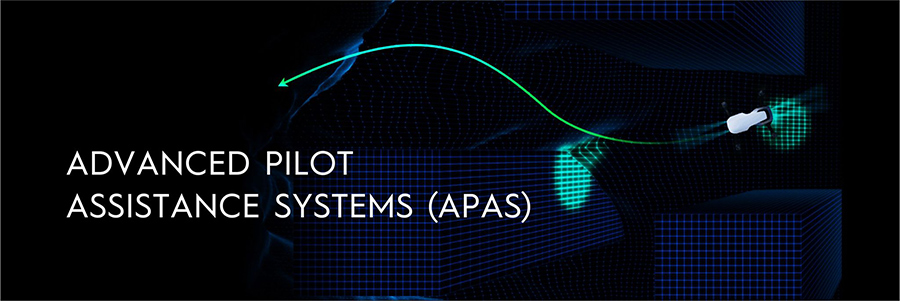
There is another new feature that makes the Mavic Air truly unique. APAS (Advanced Pilot Assistance System) is a new feature that you can activate on the main flight screen. During forward flight, instead of stopping when an obstacle appears, the Mavic Air will automatically fly around it from the left, right or top and continue flying.
Mavic Air came out with a modified gesture control mode. The number of control gestures and the quality of reaction to them has become better than its predecessors. Four new Quickshot smart flight modes have been added with two new ones: Asteroid and Boomerang.
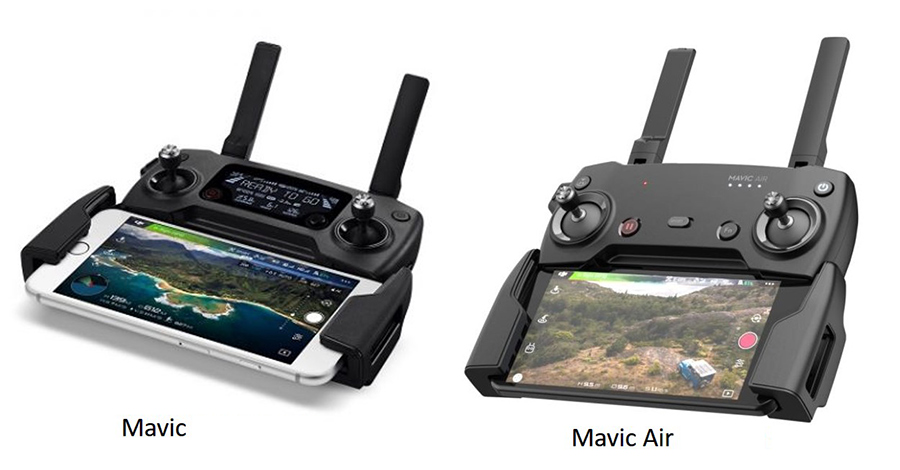
The Mavic Pro is simply the best solution in every way. The Mavic Air remote, unlike the Pro version, does not have a screen for displaying flight information in real time. This means that without a smartphone or tablet you will not be able to see flight data. In addition to the screen on the Air remote, there are no rubber inserts, there is no 5-axis joystick (whose functions can be set through the application), there is no exposure control wheel, a button assigned instead through the application and so on but there are no additional buttons also assigned through the application.
Actual mid-June prices DJI Mavic Air in the basic configuration costs 58,890 rubles. and 74,990 rubles for a set of Fly More Combo with additional batteries, propellers, a charging hub and a bag. DJI Mavic Pro costs 79,890 for the basic version and 99,890 for the Fly More Combo, DJI Mavic Pro Platinum version costs a little more and the price starts at 87890 and for the quadcopter in the Fly More Combo set 107890 rub. The manufacturer often holds sales and gives gifts and makes good discounts, and we, as official DJI dealers, broadcast them to our customers.
Understanding which drone is right for you is easy. If flight time and range are more important to you, your choice is any bug. If portability, functionality and quality of shooting are in the first place, then obviously you need Mavic Air.
We recommend that you also get acquainted with the opinion of the popular Youtube blogger Wylsacom
They are greeted by clothes, so let's start with the design.
Mavic Pro has been around for more than a year, Platinum is half a year old and they still look better than most drones, in my opinion. The sleek body, solid in sight and in fact assembly, and the new Mavic Pro Platinum propellers make it also incredibly quiet.
The design of the Mavic Air is significantly different from the Mavic Pro. This is a mix of Mavic Pro, Spark and a sports car. Small and clean case, like the Spark, and a folding design, like the Mavic Pro. The best part of the design is the new camera and gimbal, inspired by Spark. It is much more compact and durable.
The only oddity about the Air design is the screws that can't be folded. At first this may seem like a flaw, but unlike other folding drones, they do not stick out of the hull. A cleaner design helps achieve longer flight times with better aerodynamics.
And a nice little thing - now the drone is available in white, black or red color. Moreover, black and white are matte, and red is glossy.
The size
There is an obvious size difference between the Mavic Air and the Mavic Pro. Mavic Air is about half the size and 41% lighter. This provides a number of obvious advantages.
If you look on the Internet, you can find many photos comparing Mavic Air with ordinary objects, such as smartphones. It fits easily into pockets, bags and backpacks, making it super convenient for traveling. Pocket size gives you the opportunity to make spontaneous shots that cannot be taken without a copter accidentally in your pocket!
Another thing that is not really related to size, but it has a lot to do with portability - the suspension on the Mavic Air is completely placed inside the body of the drone. When you drop it in a backpack, it is protected without a protective case. A suspension recessed into the housing reduces vibration, which positively affects the quality of the shooting material. The gimbal lock is at the same time a protective cap of the camera and, FINALLY, its installation has been made simple and convenient.
Memory
Mavic Air and Mavic Pro have built-in microSD card slots. However, the Mavic Air supports a microSD card with much larger capacity - 128 GB! Why this is good is understandable and without comment. But the coolest thing is that the Mavic Air has built-in memory! Only 8 GB, but everyone understands what it is to get to the place and understand that you forgot the card, or find out that your card is damaged =).
Motors and Propellers
Air motors are inferior in size to Pro motors, but at the same time, speed indicators are slightly higher - 68.4 km / h against 65 km / h.
Pro screws 214 mm versus 133 for Air, and they are wider and thicker.
The noise from Air resembles Spark or a swarm of evil bees, while the Pro resembles an airplane. But if you put Mavic Pro Platinum screws on the Pro, the noise level will be even lower than the Mavic Air.
Ventilation
The cooling of the Mavic Air is significantly better than that of the Mavic Pro. This is due to the new design feature of the DJI model - air enters the drone through the suspension and exits through the ventilation holes in the rear of the drone. Air passes through the copter to dissipate heat well. We remember that Pro and DJI Spark had problems with overheating in hot climates, so a new feature should prevent this on Mavic Air.
Speed
Maximum speed in sport mode is only one measurement, but the actual maximum speed will vary depending on how you fly.
In sport mode, both drones go about 65 km / h. When you control both of them with your smartphone, the speed difference is huge - 11 km / h for the Pro and about 26 km / h for the Air. When using the controller, both drones go 32 km / h, but if you turn off obstacle avoidance on the Mavic Pro, it will go almost 48 km / h.
Suspension speed is a thing most people don’t talk about. Both drones can reach 65 km / h, but this does not mean that you can fly and look straight ahead at this speed and the rays will not fall into the frame. The Mavic Pro begins to tilt the camera downward already at 48 km / h when moving forward, however, when you fly sideways or backwards, the situation changes.
Flight time
The flight time is not very easy to measure under normal conditions, due to a number of additional factors, such as wind, hover or flight, so we give an example in ideal conditions without wind and hover and up to about 28% of the battery charge:
- Mavic Pro - 23 minutes
- Mavic Pro Platinum - 25 minutes
- Mavic Air - 18 minutes.
Video quality
There are a few things that have changed in the new Mavic. Some are good and some are not.
Mavic Air shoot slo-mo 120 frames per second versus 96 for Mavic Pro. There is no way to control the focus on the Mavic Air, but honestly sometimes the Pro may miss it or you accidentally clicking on the screen can shift the focus.
Movie Capabilities
Previously, 4K videos were shot at a bitrate of 60 Mbit / s, and now on Air up to 100 Mbit / s. In addition, Slow Motion video is now available in 1920 x 1080 pixels. A platinum bug offered us only HD Slo-Mo.
Picture
The colors on the Mavic Air seem much more realistic than on the Mavic Pro.
Auto white balance and exposure on the Mavic Air also seem more accurate.
In the ISO ranges of more than 800, Mavic Air darkens the corners of the image, unlike Pro (with the same exposure).
The JPEG images on both drones are very similar, but Mavic Air is usually a little greener, and the Mavic Pro has more violet hues (subjective opinion).
Obstacle avoidance
The Mavic Air has two front cameras, like the Mavic Pro, but it also has two cameras on the back. Now you can fly back without fear that the drone will crash into something behind it! Surprisingly, they were able to install a total of 7 cameras and make Air much smaller than the Mavic Pro.
There is another new feature that makes the Mavic Air truly unique. APAS (Advanced Pilot Assistance System) is a new feature that you can activate on the main flight screen. During forward flight, instead of stopping when an obstacle appears, the Mavic Air will automatically fly around it from the left, right or top and continue flying.
SmartCapture and Quickshot Modes
Mavic Air came out with a modified gesture control mode. The number of control gestures and the quality of reaction to them has become better than its predecessors. Four new Quickshot smart flight modes have been added with two new ones: Asteroid and Boomerang.
Remote controller
The Mavic Pro is simply the best solution in every way. The Mavic Air remote, unlike the Pro version, does not have a screen for displaying flight information in real time. This means that without a smartphone or tablet you will not be able to see flight data. In addition to the screen on the Air remote, there are no rubber inserts, there is no 5-axis joystick (whose functions can be set through the application), there is no exposure control wheel, a button assigned instead through the application and so on but there are no additional buttons also assigned through the application.
And now about $$$
Actual mid-June prices DJI Mavic Air in the basic configuration costs 58,890 rubles. and 74,990 rubles for a set of Fly More Combo with additional batteries, propellers, a charging hub and a bag. DJI Mavic Pro costs 79,890 for the basic version and 99,890 for the Fly More Combo, DJI Mavic Pro Platinum version costs a little more and the price starts at 87890 and for the quadcopter in the Fly More Combo set 107890 rub. The manufacturer often holds sales and gives gifts and makes good discounts, and we, as official DJI dealers, broadcast them to our customers.
Summarizing
Understanding which drone is right for you is easy. If flight time and range are more important to you, your choice is any bug. If portability, functionality and quality of shooting are in the first place, then obviously you need Mavic Air.
We recommend that you also get acquainted with the opinion of the popular Youtube blogger Wylsacom
Only registered users can participate in the survey. Please come in.
I choose
- 24.7% Mavic Pro 22
- 68.5% Mavic Air 61
- 6.7% Other 6