April 17, 2018 at 15:29
North, Orel, Bumblebee - famous Soviet radio stations of the Cold War
You can be brave and lucky three times, but all efforts turn to zero if you do not have a radio station.
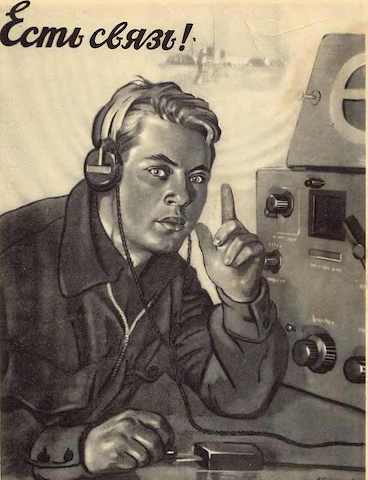
The history of the emergence of special radio equipment for transmitting reconnaissance messages goes back to the 20s of the last century. In the 30s, the option was proposed to transport such devices in an ordinary suitcase, which at first glance was not much different from civilian. This compact “invention”, proposed by the French and German intelligence services, soon gained popularity among the intelligence services of each country. To say that such radio stations were bulky is to say nothing. Radio receivers and transmitters on vacuum tubes required training also physical. But time passed, and with it the device designs improved.
At the end of the 30s, before the Second World War, the acute need for the creation of small-sized radio stations for military intelligence, the NKVD, partisan detachments, and troops increased in the USSR. The existing radio stations, which were used by geologists and polar explorers, came to the rescue, and such devices became the basis for the development of the first known short-wave radio stations: PP-16, Belka, Omega, the legendary portable three-lamp HF telegraph radio station Sever (later).
The North radio station began to be produced in 1941 at the Kozitsky plant (during the blockade of Leningrad), the production of the device was carried out in the strictest confidence. The volumes were impressive - in the first six months, 1,000 copies were produced, and by 1943, 2,000 devices were "stamped" every month. It should be noted that since 1942, after some improvements, the radio station began to bear the name "North-bis".
A great victory. Volume VII. Ciphers of scouts and partisans:
The Soviet radio station Sever was the most running device, and the Germans were sure that this is a miracle of technology - an English development. Station North with a power of 2 W weighed only 2 kg (excluding batteries and antennas), worked in the short wavelength range from 30 m to 150 m, communication range - almost 400 km.
During the blockade of Leningrad, radiograms were sometimes obtained at a very high price, agents were children (12-13 years old) and women, they were massively sent to the territory occupied by enemies from Leningrad. They transmitted information about exactly where the cannons firing at the city, airfields and German troops are located.
In the early years of the war, new radio stations were actively released: Kharkov Partizanka and Volga, Saratov RPO Prima, versions of the Belka, 4TUD-Belka, Nabla, Mars, Tyulen, Tensor, Jack radio stations. Powerful radio transmitters were developed with the equally powerful name Leo, Volna.
R-350 is a Soviet spy radio receiver, developed in 1955, the successor to the post-war Electron radio station. An electron power of 50 W with a communication range of up to 3000 km was used to communicate with Japan. The station worked in the HF band, weighed 8 kg. During World War II and during the Cold War, long-distance wireless communications were often performed on HF radio frequencies using the Morse code.
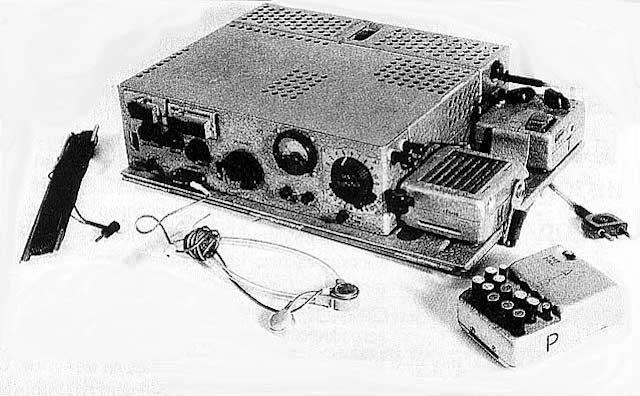
Post-war radio station Electron
The enemy did not doze off and constantly tried to determine the direction (bearing) to the source of radio emission. To reduce the airtime to the maximum and transmit clipped messages - has become an urgent need. To this end, various systems have been developed to help reduce message length. One of the methods was to replace long sentences and frequently used expressions with a special code (international Q-codes, the use of various military and civil code books). With the heat of the Cold War, the need to send more and more messages increased, and in order to prevent the detection and interception of transmissions, the development of more advanced protection methods began, and this was how the encoder was created. The Electron radio station was the first station to use such a device.
The R-350 with the encoder was developed by the KGB Scientific Research Institute, most likely in Kuchino (Moscow Region), in 1955. In 1957, the device was modified in the R-350M, codenamed Orel-M. Compared with the Electron radio station, the R-350 was more reliable, it was used by special forces, the GRU, and the MGB mobile reconnaissance groups. There was a version with inscriptions on the front panel in Russian, as well as a version with inscriptions in English.

P-350 Eagle The
P-350 was extremely easy to maintain. All the radio tubes could be removed directly from the front panel. Spare lamps were stored inside the top cover.
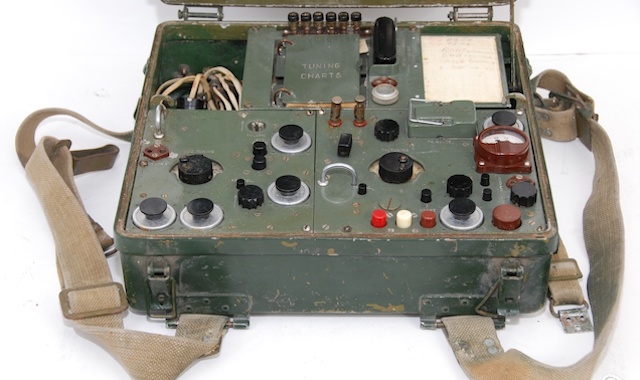
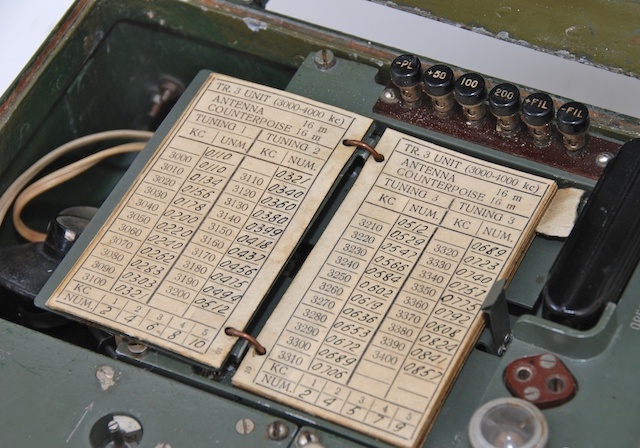

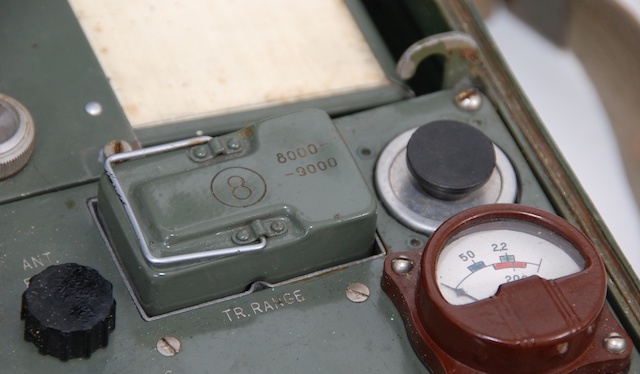
R-350 - army HF radio station, transmitter power was 3.5 W, telegraphy transmission speed - 150 groups per minute. The device consisted of a transmitter, receiver and power source. There is currently no information on the power source.
R-350 was the first Soviet spy radio launched into mass production, for a long time the device was the most popular (until 1957). Later, the improved R-350M took its place, the radio station began to be delivered also to other countries of the Warsaw Pact (East Germany). In the mid-1960s, the R-350 and R-350M were replaced by the R-354 (Bumblebee).
The transmitter and receiver of the R-350 radio station could be removed without difficulty; It consisted of the following functional blocks:
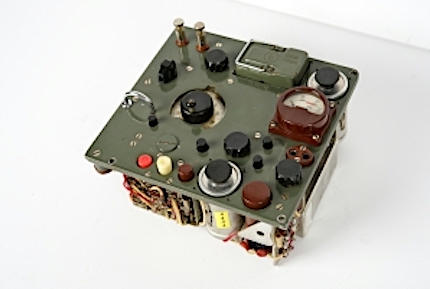
Transmitter
Element base of the radio station - 2Zh27L series radio tubes. The radio was powered by AC power, it could also work from batteries, including a car.
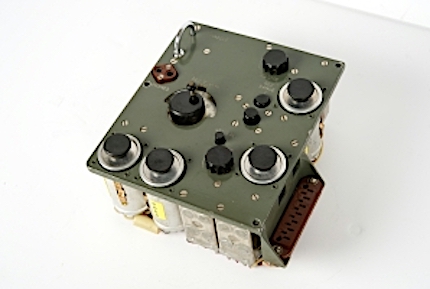
Receiver
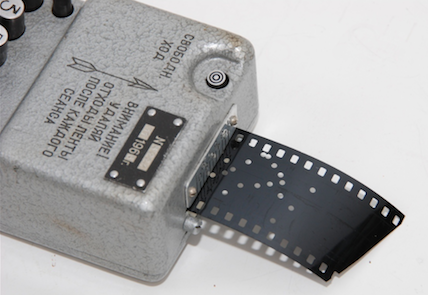
The radio set included a device - a telegraph transmitter with "speed", a film was inserted into it, in case the operator could not send messages with Morse code, an electric pen was provided, it had to be slid 10 slots on top of the device.
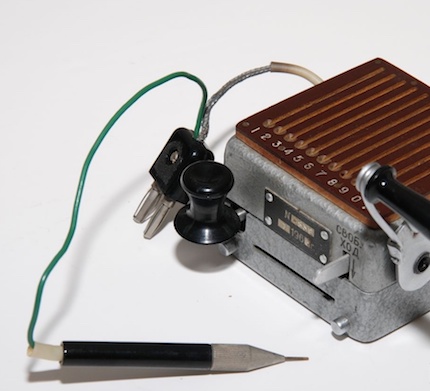
The digital message was first stored on film, in the USSR standard 35 mm films were used, firstly they were publicly available all over the world, and secondly, their purchase by an agent would not attract attention abroad. The film was introduced into the slot of the puncher, the operator pressed the corresponding buttons on top of the device. Each number on the button meant a specific hole in the film, the film automatically advanced one step each time it was pressed. When the whole radiogram was full, the machine was connected instead of the key and scrolled at the usual speed through the encoder.


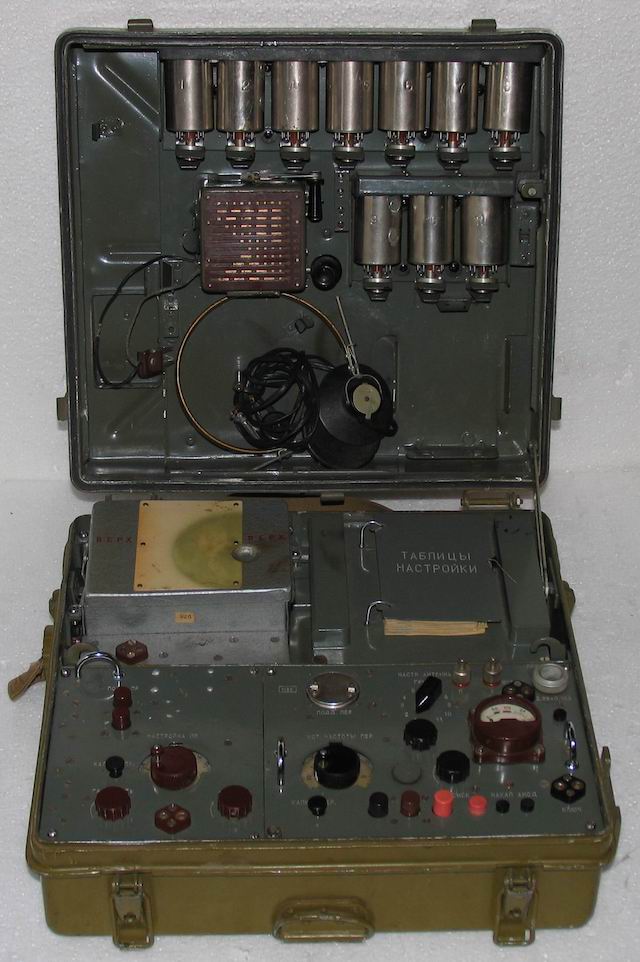
R-350M - Soviet spy radio receiver, was developed in the former USSR (in 1957). As already mentioned, this device was the successor to the early R-350, it was used not only in the Soviet Union, but also in other countries of the Warsaw Pact. Like its predecessor, the R-350 radio station, the R-350M was available in "Russian" and English versions. The latter was used outside the USSR.
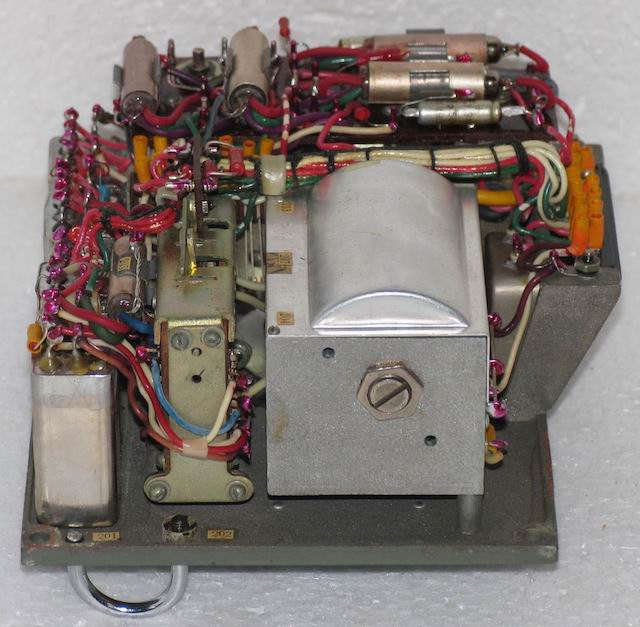
The R-350 radio station was improved, modernized, and it began to be produced as the R-350M. The frequency range of the transmitter is from 1800 to 1200 kHz (167-25 m), and the output power was at least 6 watts. The frequency range of the receiver ranged from 1800 to 7000 kHz (167-42.9 m).
The radio station was fed through a converter from a 6 W battery consisting of 4 silver-zinc batteries. The battery lasted for 5 sessions: 20 minutes - receive, 10 - transfer. The station was charged (in the field) from a manual generator E-348M or from an alternating current network 220 V (or 127 V / 50 Hz) via a portable charger or charger ZU-1. A dry battery served as an alternative: 2 anode batteries and one glow battery (A-3).
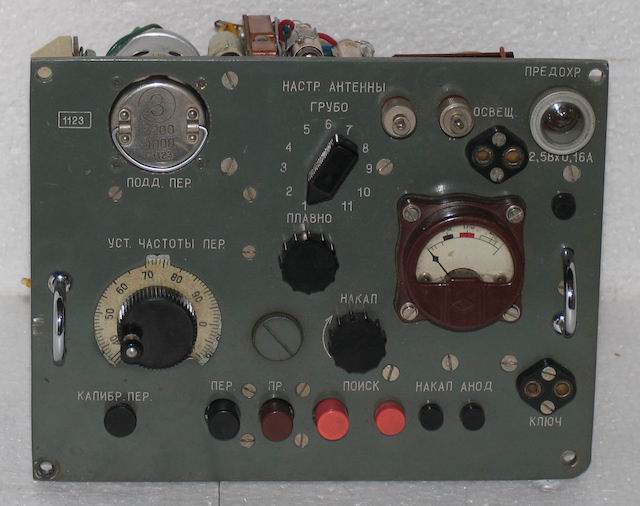
The radio operator needed only 3-4 minutes to assemble / disassemble the radio station. Transportation and operation of the device was “on the shoulders” of one operator. The radio station operated at temperatures from -40 C to +50 C with a relative humidity of up to 98%. At temperatures below zero, the E-348M hand generator was used to charge the batteries. Dimensions of the metal case of the radio station are 325 x 306 x 151 mm, the weight of the entire device is at least 12.8 kg. The case of the radio station protected the device from mechanical damage and from vibrations during transportation, from snow, rain, dust and dirt.
The frequency range of the transmitter was divided into separate 11 sub-bands:
The frequency range of the receiver was divided into 2 subbands:
The receiver and transmitter are two separate units that are connected to each other using an adapter. Dimensions of devices are 315 x 148 x 100 mm, total weight - 12.2 kg. The transmitter was built on 8 radio tubes, 5 of which are of type 1Sh29B and 3 lamps of type 1P24B. The receiver worked on 5 1Sh29B radio tubes.
The transition from one operating mode to another Receive / Search / Send was carried out using the mode switch (push button switch) and the corresponding buttons.
The dimensions of the memory device for storing numerical text on a 35 mm film are 110 X 73 x 45.5 mm, the maximum weight is 480 grams. The device was clad in an aluminum case, inside there was a storage mechanism itself (consisting of a film promoting the mechanism's film when buttons and a hole punch were pressed), and outside were buttons. When the “Interval” button was pressed, holes did not break through the film; it simply scrolled one step forward.
Correct location of the antenna system is an important task to ensure a reliable connection. The radio station had to be installed either on a hill or on the edge of a forest, a clearing, and hang an antenna on a tree. The radio station should not be close to telecommunication and high-voltage power lines, reinforced concrete structures nearby should also be avoided. With all this, it was necessary to think over and mask the device.
After the radio operator completed the session, it was necessary to turn off all the buttons, turn the “Glow” knob counterclockwise until it stops, disconnect the antennas and the counterweight and attach them to the top of the champagne cup (lid), pack all the accessories on the top of the device, and close the suitcase .
The batteries that were used to power the SC radio station had a huge advantage over acid or alkaline batteries - stable voltage when discharged in intensive modes. The advantages of such batteries can be safely considered specific capacity 4 - 5 times greater than in other batteries, high efficiency, small self-discharge. Silver-zinc batteries, unlike acid batteries, allow, without any undesirable consequences, an incomplete charge or premature termination of the charge. Used, as a rule, in military equipment, radio equipment. But they should be stored in a discharged state.
In the early 1960s, the P-350 / P-350M were replaced by the advanced P-354 (Bumblebee). R-354 Bumblebee is an army HF radio station, used by agents (spies), special forces, troops, the KGB of the USSR. The R-354 was probably the most common Soviet spy radio receiver during the Cold War. The radio station was also used by the countries of the former Warsaw Pact (Poland, East Germany and Czechoslovakia). In the late 1960s, the radio station was replaced by the R-353. The design of the device is block, the blocks are attached to the control panel screws; the design of the receiver and transmitter is similar.
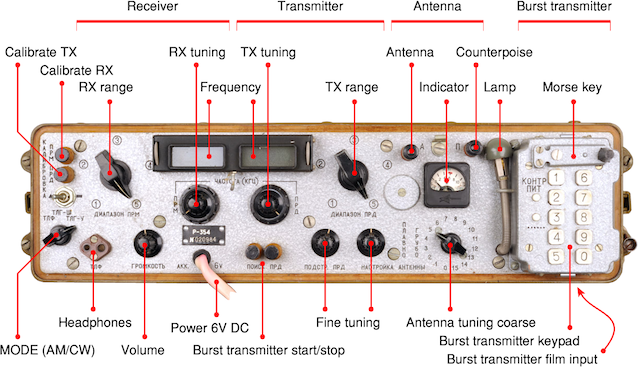
The radio base element consisted of miniature radio tubes and transistors. The frequency range of the transmitter is 2500 - 15 000 kHz, the receiver - 2000 -15 500 kHz, it was divided into 5 sub-bands:
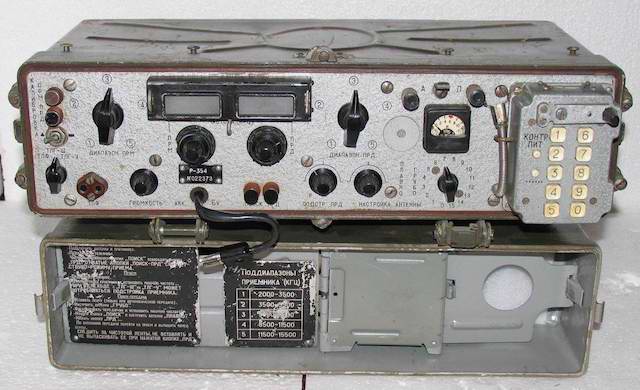
The radio station was powered by a 6 volt battery, consisting of 4 silver - zinc batteries with a capacity of 5 ampere hours. The battery was placed in a container that was sealed with a lid. Using a short cable located on the front panel, the radio was connected to the battery, the station could work autonomously for 15 minutes. As soon as the battery was discharged, it could be charged using a hand-held generator; it was also supplied as a set. Alternatively, the power source of the radio station could be either a car battery or an external power supply (ROM).
The receiver (located on the left) and the transmitter (located on the right) had their own controls and a frequency display; their optical scale device consisted of a light bulb, microfocal, lens and screen. The power of the Bumblebee transmitter was at least 10 W, and the communication range was 150-1500 km.

To transmit information, a Morse sensor was used, as in the P-350 / P-350M there was a device for drawing film. To register information at the Center, a tape recorder was recorded, after which it was listened.
There were three ways to use Morse code to transmit information.

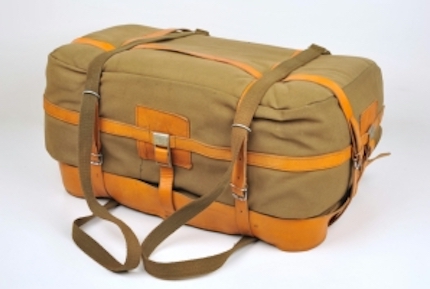
The R-354 was usually delivered in a backpack, which allowed it to be worn on the back. There were several pockets on the backpack in which parts and accessories were stored.
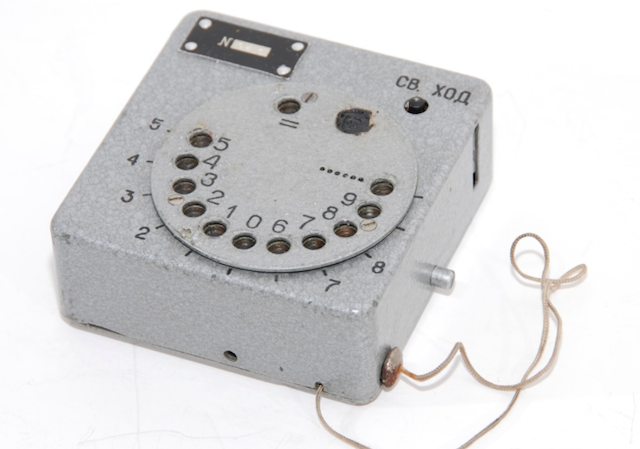
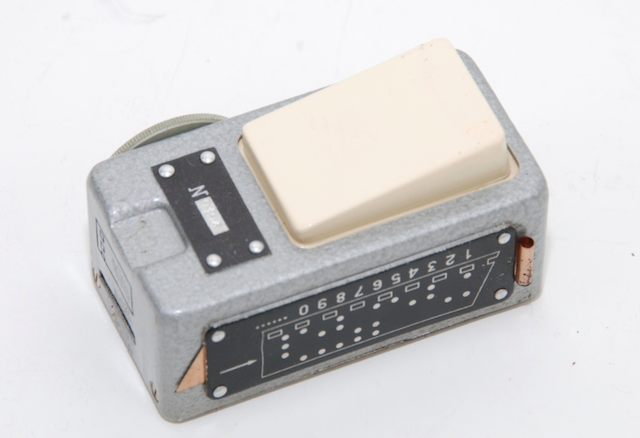
Initially, the R-354 was delivered with an old-style film punch - a square device. LCH-35 type film was fed through a puncher, using a pen on a rotating disk, numbers from a pre-coded message were entered, it was like dialing a number on an old disk phone. Each number was represented by a series of holes (rather than a single hole, as in the R-350).
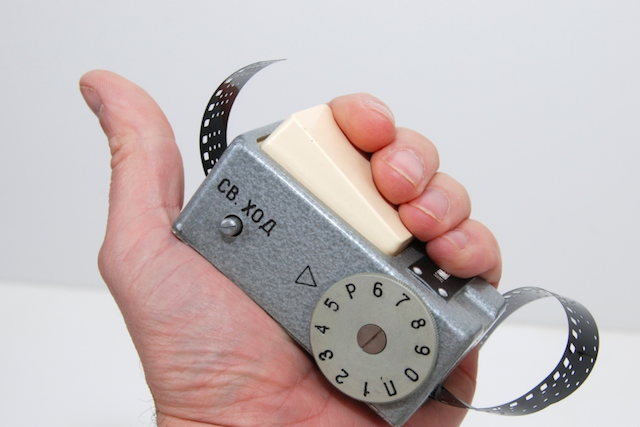
Later, the old-style film punch was replaced with a much less bulky one. It fit perfectly in one hand. Each number was represented by a series of holes.

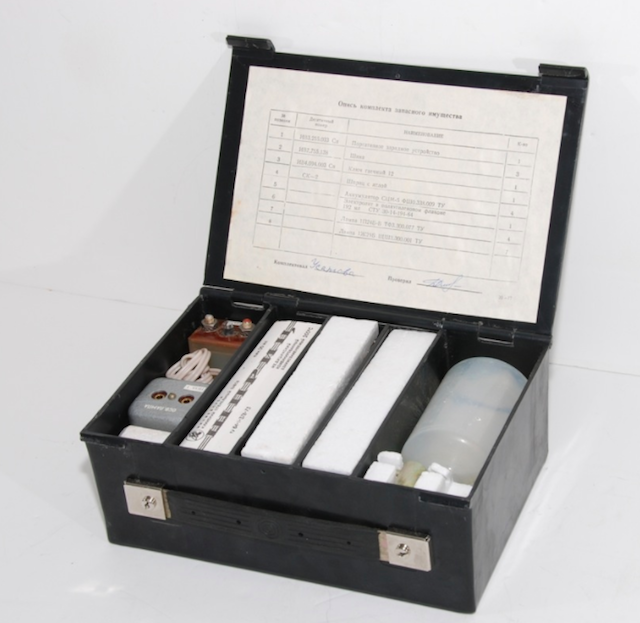
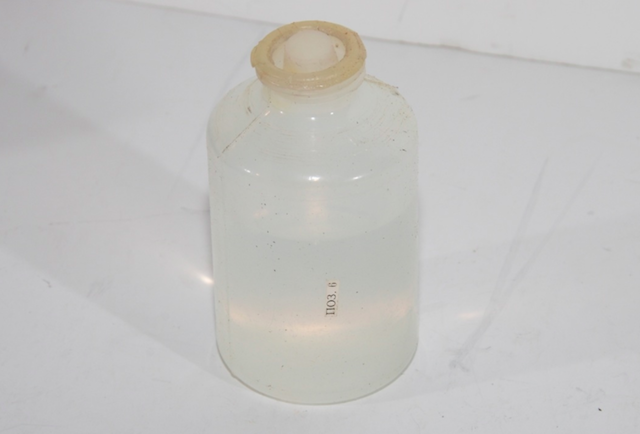
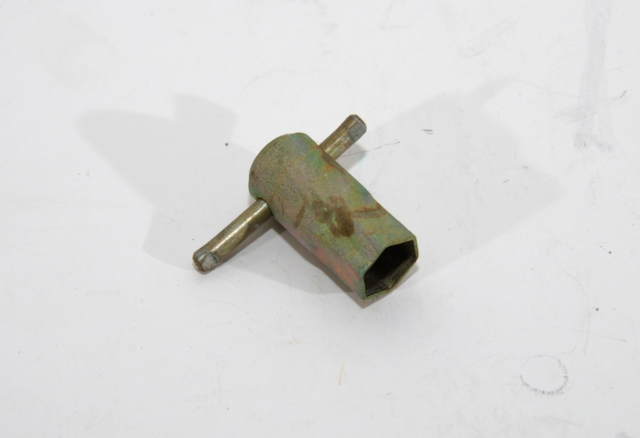
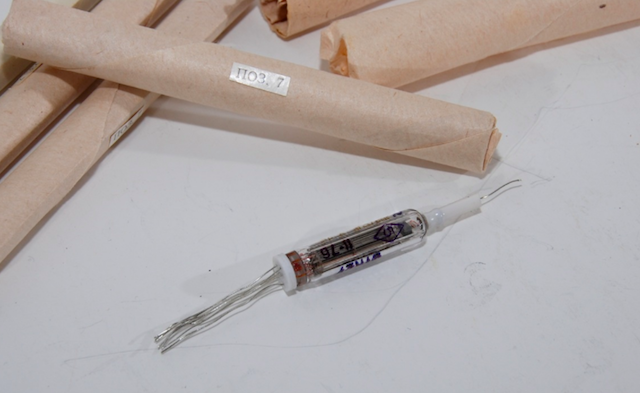
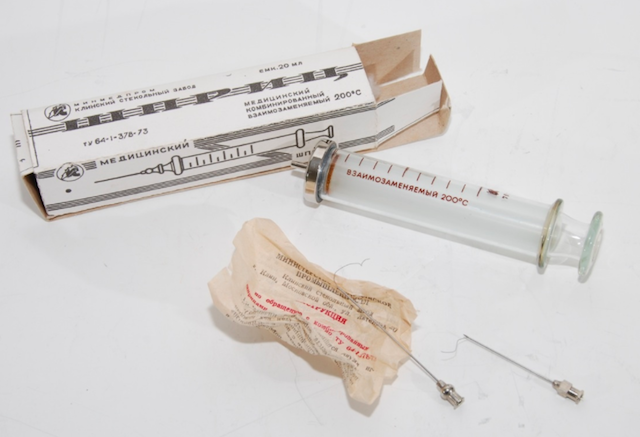
A small drawer was delivered with some R-354 radios, which contained a number of spare parts, accessories. The composition according to the list that was glued to the lid of the box:
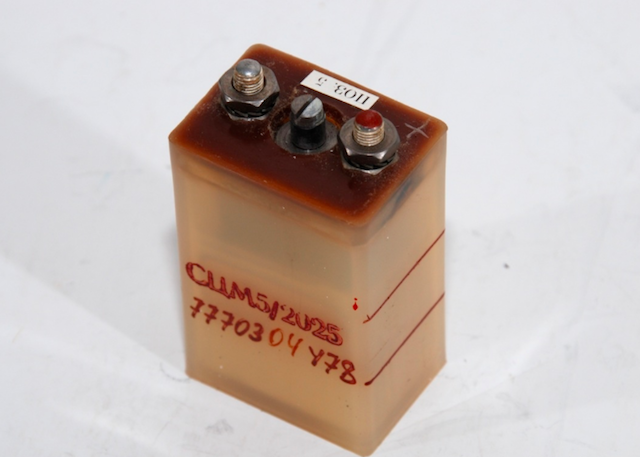
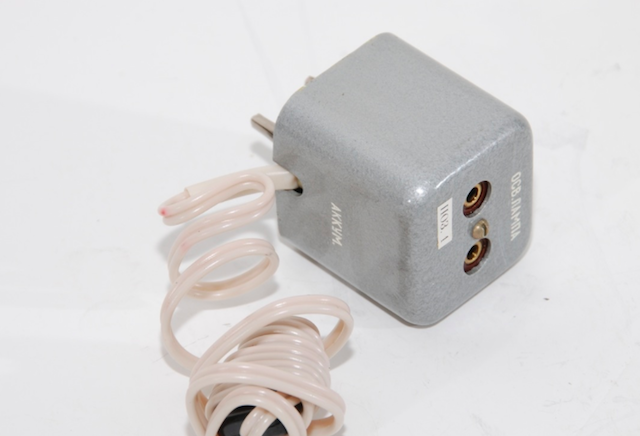
A portable charger was needed to charge the battery from AC using a light bulb (109 W / 220 V).
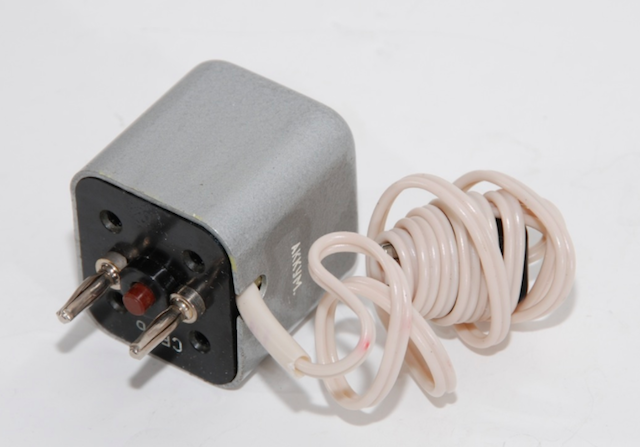
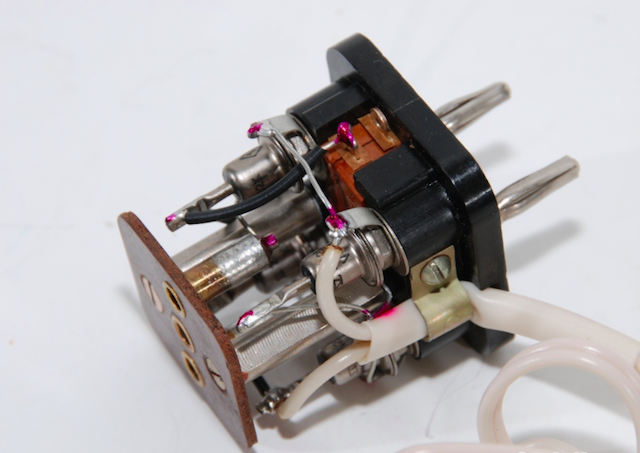
If there was no power, the batteries could be recharged from a small portable generator E-348. Charging batteries is not an easy task and took several hours. Such a generator was stored in a backpack.
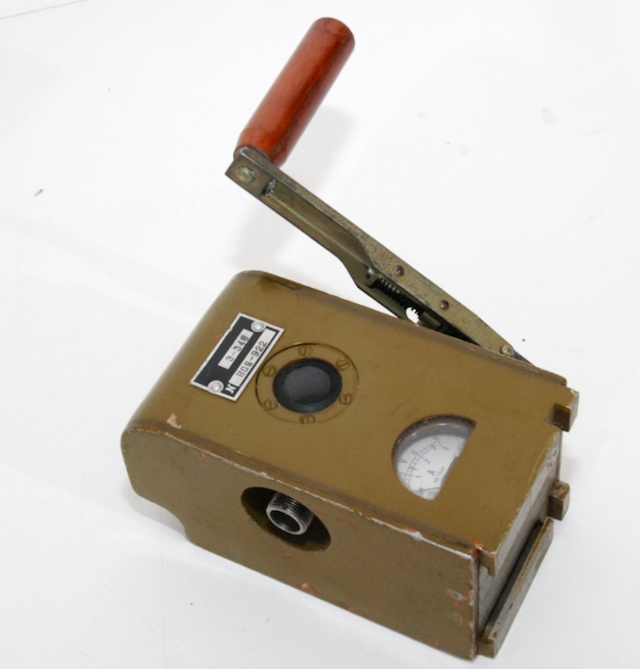
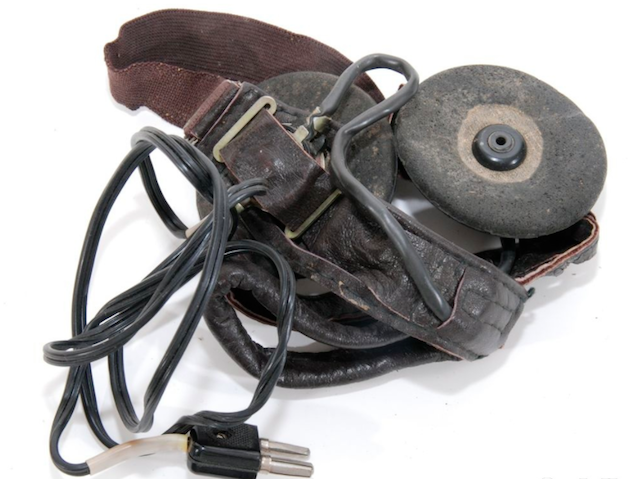
With the R-354, almost any type of headset (head phones) could be used. In most cases, the set supplied a Soviet military headset, which was usually used with military radio stations in tanks, it could be worn under a helmet.
The radio station was designed for long-term operation at temperatures from -30 C to +50 C with a relative humidity of 98%, the design of the device allowed it to be transported using any vehicle (even when parachuting).
The bumblebee worked on one transceiver antenna (16 m) of the “tilted beam” type with a counterweight (16 m). To deploy the radio station, an open area was chosen (clearing in the forest, edge) in the direction of the radio node, close to a tree (10 -12 m), at least 8 -10 m high (to place the antenna). In case there was no object for hanging the antenna (tree), an antenna mast was used.
The Bumblebee radio station was easy to use, intended for one operator who could use it without even knowing the Morse code. In order for the radio station to always be “in battle”, a whole complex of maintenance was carried out: checking, measuring the main parameters, replacement. Monthly, semi-annual, annual technical inspections were carried out. Replacement of parts and parts occurred only after their failure. The device was stored in a dry, warm, dark room, and the batteries had to be removed from the radio station first.
Used material surprising Crypto Museum then , guidance on the use of «Techuische Beschreibung und Bedienungsanleitung zum Funkgerat R - 350 M» .
Thank you for staying with us. Do you like our articles? Want to see more interesting materials? Support us by placing an order or recommending it to your friends, a 30% discount for Habr users on a unique analogue of entry-level servers that we invented for you: The whole truth about VPS (KVM) E5-2650 v4 (6 Cores) 10GB DDR4 240GB SSD 1Gbps from $ 20 or how to divide the server? (options are available with RAID1 and RAID10, up to 24 cores and up to 40GB DDR4).
Dell R730xd 2 times cheaper? Only we have 2 x Intel Dodeca-Core Xeon E5-2650v4 128GB DDR4 6x480GB SSD 1Gbps 100 TV from $ 249 in the Netherlands and the USA! Read about How to Build Infrastructure Bldg. class using Dell R730xd E5-2650 v4 servers costing 9,000 euros for a penny?
The history of the emergence of special radio equipment for transmitting reconnaissance messages goes back to the 20s of the last century. In the 30s, the option was proposed to transport such devices in an ordinary suitcase, which at first glance was not much different from civilian. This compact “invention”, proposed by the French and German intelligence services, soon gained popularity among the intelligence services of each country. To say that such radio stations were bulky is to say nothing. Radio receivers and transmitters on vacuum tubes required training also physical. But time passed, and with it the device designs improved.
The use of various diverse, including the most advanced technical means of preliminary encryption of text messages is a necessary moment of intelligence activity.
Radio station North
At the end of the 30s, before the Second World War, the acute need for the creation of small-sized radio stations for military intelligence, the NKVD, partisan detachments, and troops increased in the USSR. The existing radio stations, which were used by geologists and polar explorers, came to the rescue, and such devices became the basis for the development of the first known short-wave radio stations: PP-16, Belka, Omega, the legendary portable three-lamp HF telegraph radio station Sever (later).
The North radio station began to be produced in 1941 at the Kozitsky plant (during the blockade of Leningrad), the production of the device was carried out in the strictest confidence. The volumes were impressive - in the first six months, 1,000 copies were produced, and by 1943, 2,000 devices were "stamped" every month. It should be noted that since 1942, after some improvements, the radio station began to bear the name "North-bis".
A great victory. Volume VII. Ciphers of scouts and partisans:
It has been since the September North radio station entered service. Before the appearance of this walkie-talkie, the losses of agents were extremely large. With the adoption of it into service by our command, it became possible not only to receive intelligence from the enemy rear in a timely manner, but also to determine the areas of operations of reconnaissance and partisan formations, to set tasks for them, coordinate their actions with army units, and provide everything necessary for life and tasks in the rear of the enemy evacuate the wounded and sick, etc.
The Soviet radio station Sever was the most running device, and the Germans were sure that this is a miracle of technology - an English development. Station North with a power of 2 W weighed only 2 kg (excluding batteries and antennas), worked in the short wavelength range from 30 m to 150 m, communication range - almost 400 km.
During the blockade of Leningrad, radiograms were sometimes obtained at a very high price, agents were children (12-13 years old) and women, they were massively sent to the territory occupied by enemies from Leningrad. They transmitted information about exactly where the cannons firing at the city, airfields and German troops are located.
In the early years of the war, new radio stations were actively released: Kharkov Partizanka and Volga, Saratov RPO Prima, versions of the Belka, 4TUD-Belka, Nabla, Mars, Tyulen, Tensor, Jack radio stations. Powerful radio transmitters were developed with the equally powerful name Leo, Volna.
The war showed what a huge role the radio plays in the management of all armed forces in general, each branch of the army individually and in their interaction.
The years after the war. Cold war
R-350 is a Soviet spy radio receiver, developed in 1955, the successor to the post-war Electron radio station. An electron power of 50 W with a communication range of up to 3000 km was used to communicate with Japan. The station worked in the HF band, weighed 8 kg. During World War II and during the Cold War, long-distance wireless communications were often performed on HF radio frequencies using the Morse code.
Post-war radio station Electron
The enemy did not doze off and constantly tried to determine the direction (bearing) to the source of radio emission. To reduce the airtime to the maximum and transmit clipped messages - has become an urgent need. To this end, various systems have been developed to help reduce message length. One of the methods was to replace long sentences and frequently used expressions with a special code (international Q-codes, the use of various military and civil code books). With the heat of the Cold War, the need to send more and more messages increased, and in order to prevent the detection and interception of transmissions, the development of more advanced protection methods began, and this was how the encoder was created. The Electron radio station was the first station to use such a device.
P-350 Eagle
The R-350 with the encoder was developed by the KGB Scientific Research Institute, most likely in Kuchino (Moscow Region), in 1955. In 1957, the device was modified in the R-350M, codenamed Orel-M. Compared with the Electron radio station, the R-350 was more reliable, it was used by special forces, the GRU, and the MGB mobile reconnaissance groups. There was a version with inscriptions on the front panel in Russian, as well as a version with inscriptions in English.
P-350 Eagle The
P-350 was extremely easy to maintain. All the radio tubes could be removed directly from the front panel. Spare lamps were stored inside the top cover.
R-350 - army HF radio station, transmitter power was 3.5 W, telegraphy transmission speed - 150 groups per minute. The device consisted of a transmitter, receiver and power source. There is currently no information on the power source.
R-350 was the first Soviet spy radio launched into mass production, for a long time the device was the most popular (until 1957). Later, the improved R-350M took its place, the radio station began to be delivered also to other countries of the Warsaw Pact (East Germany). In the mid-1960s, the R-350 and R-350M were replaced by the R-354 (Bumblebee).
The transmitter and receiver of the R-350 radio station could be removed without difficulty; It consisted of the following functional blocks:
- Transmitter (TX)
- Receiver (RX)
- Power Supply Unit (PSU)
- Coder
Transmitter
Element base of the radio station - 2Zh27L series radio tubes. The radio was powered by AC power, it could also work from batteries, including a car.
Receiver
Complexes of radio nodes allowed to automatically rebuild transmitters and receivers on 10 pre-prepared radio frequencies, which significantly reduced the time of communication sessions and accelerated the flow of information. The text of information was accumulated on a standard film (35 mm) and transmitted at a speed of 150 groups per minute. Information received at the radio center was recorded on a disk tape recorder.
The radio set included a device - a telegraph transmitter with "speed", a film was inserted into it, in case the operator could not send messages with Morse code, an electric pen was provided, it had to be slid 10 slots on top of the device.
The digital message was first stored on film, in the USSR standard 35 mm films were used, firstly they were publicly available all over the world, and secondly, their purchase by an agent would not attract attention abroad. The film was introduced into the slot of the puncher, the operator pressed the corresponding buttons on top of the device. Each number on the button meant a specific hole in the film, the film automatically advanced one step each time it was pressed. When the whole radiogram was full, the machine was connected instead of the key and scrolled at the usual speed through the encoder.
P-350M Oryol-M
R-350M - Soviet spy radio receiver, was developed in the former USSR (in 1957). As already mentioned, this device was the successor to the early R-350, it was used not only in the Soviet Union, but also in other countries of the Warsaw Pact. Like its predecessor, the R-350 radio station, the R-350M was available in "Russian" and English versions. The latter was used outside the USSR.
The R-350 radio station was improved, modernized, and it began to be produced as the R-350M. The frequency range of the transmitter is from 1800 to 1200 kHz (167-25 m), and the output power was at least 6 watts. The frequency range of the receiver ranged from 1800 to 7000 kHz (167-42.9 m).
The radio station was fed through a converter from a 6 W battery consisting of 4 silver-zinc batteries. The battery lasted for 5 sessions: 20 minutes - receive, 10 - transfer. The station was charged (in the field) from a manual generator E-348M or from an alternating current network 220 V (or 127 V / 50 Hz) via a portable charger or charger ZU-1. A dry battery served as an alternative: 2 anode batteries and one glow battery (A-3).
The radio operator needed only 3-4 minutes to assemble / disassemble the radio station. Transportation and operation of the device was “on the shoulders” of one operator. The radio station operated at temperatures from -40 C to +50 C with a relative humidity of up to 98%. At temperatures below zero, the E-348M hand generator was used to charge the batteries. Dimensions of the metal case of the radio station are 325 x 306 x 151 mm, the weight of the entire device is at least 12.8 kg. The case of the radio station protected the device from mechanical damage and from vibrations during transportation, from snow, rain, dust and dirt.
The frequency range of the transmitter was divided into separate 11 sub-bands:
- 1800 - 2300 kHz (167 - 130 m)
- 2300 - 3000 kHz (130 - 100 m)
- 3000 - 4000 kHz (100 - 75 m)
- 4000 - 5000 kHz (75 - 60 m)
- 5000 - 6000 kHz (60 - 50 m)
- 6000 - 7000 kHz (50 - 42.9 m)
- 7000 - 8000 kHz (42.9 - 37.5 m)
- 8000 - 9000 kHz (37.5 - 33.3 m)
- 9000 - 10000 kHz (33.3 - 30 m)
- 10000 - 11000 kHz (30 - 27.3 m)
- 11000 - 12000 kHz (27.3 - 25 m)
The frequency range of the receiver was divided into 2 subbands:
- 800 - 3520 kHz (167 - 85.2 m)
- 520 - 7000 kHz (85.2 - 42.9 m)
The receiver and transmitter are two separate units that are connected to each other using an adapter. Dimensions of devices are 315 x 148 x 100 mm, total weight - 12.2 kg. The transmitter was built on 8 radio tubes, 5 of which are of type 1Sh29B and 3 lamps of type 1P24B. The receiver worked on 5 1Sh29B radio tubes.
The transition from one operating mode to another Receive / Search / Send was carried out using the mode switch (push button switch) and the corresponding buttons.
The dimensions of the memory device for storing numerical text on a 35 mm film are 110 X 73 x 45.5 mm, the maximum weight is 480 grams. The device was clad in an aluminum case, inside there was a storage mechanism itself (consisting of a film promoting the mechanism's film when buttons and a hole punch were pressed), and outside were buttons. When the “Interval” button was pressed, holes did not break through the film; it simply scrolled one step forward.
Correct location of the antenna system is an important task to ensure a reliable connection. The radio station had to be installed either on a hill or on the edge of a forest, a clearing, and hang an antenna on a tree. The radio station should not be close to telecommunication and high-voltage power lines, reinforced concrete structures nearby should also be avoided. With all this, it was necessary to think over and mask the device.
After the radio operator completed the session, it was necessary to turn off all the buttons, turn the “Glow” knob counterclockwise until it stops, disconnect the antennas and the counterweight and attach them to the top of the champagne cup (lid), pack all the accessories on the top of the device, and close the suitcase .
The batteries that were used to power the SC radio station had a huge advantage over acid or alkaline batteries - stable voltage when discharged in intensive modes. The advantages of such batteries can be safely considered specific capacity 4 - 5 times greater than in other batteries, high efficiency, small self-discharge. Silver-zinc batteries, unlike acid batteries, allow, without any undesirable consequences, an incomplete charge or premature termination of the charge. Used, as a rule, in military equipment, radio equipment. But they should be stored in a discharged state.
R-354 Bumblebee
In the early 1960s, the P-350 / P-350M were replaced by the advanced P-354 (Bumblebee). R-354 Bumblebee is an army HF radio station, used by agents (spies), special forces, troops, the KGB of the USSR. The R-354 was probably the most common Soviet spy radio receiver during the Cold War. The radio station was also used by the countries of the former Warsaw Pact (Poland, East Germany and Czechoslovakia). In the late 1960s, the radio station was replaced by the R-353. The design of the device is block, the blocks are attached to the control panel screws; the design of the receiver and transmitter is similar.
The radio base element consisted of miniature radio tubes and transistors. The frequency range of the transmitter is 2500 - 15 000 kHz, the receiver - 2000 -15 500 kHz, it was divided into 5 sub-bands:
- 2500 - 3740 kHz
- 3740 - 5000 kHz
- 5000 - 7500 kHz
- 7500 - 11 250 kHz
- 11 250 - 15 000 kHz
The radio station was powered by a 6 volt battery, consisting of 4 silver - zinc batteries with a capacity of 5 ampere hours. The battery was placed in a container that was sealed with a lid. Using a short cable located on the front panel, the radio was connected to the battery, the station could work autonomously for 15 minutes. As soon as the battery was discharged, it could be charged using a hand-held generator; it was also supplied as a set. Alternatively, the power source of the radio station could be either a car battery or an external power supply (ROM).
The receiver (located on the left) and the transmitter (located on the right) had their own controls and a frequency display; their optical scale device consisted of a light bulb, microfocal, lens and screen. The power of the Bumblebee transmitter was at least 10 W, and the communication range was 150-1500 km.
To transmit information, a Morse sensor was used, as in the P-350 / P-350M there was a device for drawing film. To register information at the Center, a tape recorder was recorded, after which it was listened.
There were three ways to use Morse code to transmit information.
- The first was to use a small black Morse key (manual telegraphic key manipulation) located just above the keyboard. Messages could be sent directly, but only in emergency situations.
- If the operator was not trained in Morse code, he could use the number buttons to send a pre-coded (numerical) message, simply by dialing the corresponding numbers. In case of an error, I could press the "······" button
- However, the normal mode of operation was to use the built-in transmitter for Morse signals, pre-encoded digital messages were sent at a very high speed, which minimized the risk of interception and direction finding. For this, the messages were first saved on film as a series of holes. A standard 35 mm film was used, it was easily available in most countries of the world. Agents in the field could buy 35 mm film in almost any store, without attracting any attention. Such a film was previously cut in half (17.5 mm each), after which it was used by the operator, the film consumption was 150-160 m per 100 five-digit groups.
The R-354 was usually delivered in a backpack, which allowed it to be worn on the back. There were several pockets on the backpack in which parts and accessories were stored.
Initially, the R-354 was delivered with an old-style film punch - a square device. LCH-35 type film was fed through a puncher, using a pen on a rotating disk, numbers from a pre-coded message were entered, it was like dialing a number on an old disk phone. Each number was represented by a series of holes (rather than a single hole, as in the R-350).
Later, the old-style film punch was replaced with a much less bulky one. It fit perfectly in one hand. Each number was represented by a series of holes.
A small drawer was delivered with some R-354 radios, which contained a number of spare parts, accessories. The composition according to the list that was glued to the lid of the box:
- 4 rechargeable batteries
- battery container
- hex wrench
- spare radio tubes
- syringe
- mains charger
ROM Bumblebee
A portable charger was needed to charge the battery from AC using a light bulb (109 W / 220 V).
If there was no power, the batteries could be recharged from a small portable generator E-348. Charging batteries is not an easy task and took several hours. Such a generator was stored in a backpack.
With the R-354, almost any type of headset (head phones) could be used. In most cases, the set supplied a Soviet military headset, which was usually used with military radio stations in tanks, it could be worn under a helmet.
The radio station was designed for long-term operation at temperatures from -30 C to +50 C with a relative humidity of 98%, the design of the device allowed it to be transported using any vehicle (even when parachuting).
The bumblebee worked on one transceiver antenna (16 m) of the “tilted beam” type with a counterweight (16 m). To deploy the radio station, an open area was chosen (clearing in the forest, edge) in the direction of the radio node, close to a tree (10 -12 m), at least 8 -10 m high (to place the antenna). In case there was no object for hanging the antenna (tree), an antenna mast was used.
The Bumblebee radio station was easy to use, intended for one operator who could use it without even knowing the Morse code. In order for the radio station to always be “in battle”, a whole complex of maintenance was carried out: checking, measuring the main parameters, replacement. Monthly, semi-annual, annual technical inspections were carried out. Replacement of parts and parts occurred only after their failure. The device was stored in a dry, warm, dark room, and the batteries had to be removed from the radio station first.
Used material surprising Crypto Museum then , guidance on the use of «Techuische Beschreibung und Bedienungsanleitung zum Funkgerat R - 350 M» .
Thank you for staying with us. Do you like our articles? Want to see more interesting materials? Support us by placing an order or recommending it to your friends, a 30% discount for Habr users on a unique analogue of entry-level servers that we invented for you: The whole truth about VPS (KVM) E5-2650 v4 (6 Cores) 10GB DDR4 240GB SSD 1Gbps from $ 20 or how to divide the server? (options are available with RAID1 and RAID10, up to 24 cores and up to 40GB DDR4).
Dell R730xd 2 times cheaper? Only we have 2 x Intel Dodeca-Core Xeon E5-2650v4 128GB DDR4 6x480GB SSD 1Gbps 100 TV from $ 249 in the Netherlands and the USA! Read about How to Build Infrastructure Bldg. class using Dell R730xd E5-2650 v4 servers costing 9,000 euros for a penny?