Crypto Millionaires fund research to reverse the aging process
- Transfer
Silicon Valley Elite is passionate about the possibility of a radical extension of life - if not immortality. Research (though not very successful, the translator's note) attracted funding from Google , and Unity Biotechnology, which develops drugs for the treatment of age-related diseases, also raised a lot of money . Now the concept has attracted a new group: cryptocurrency tycoons.
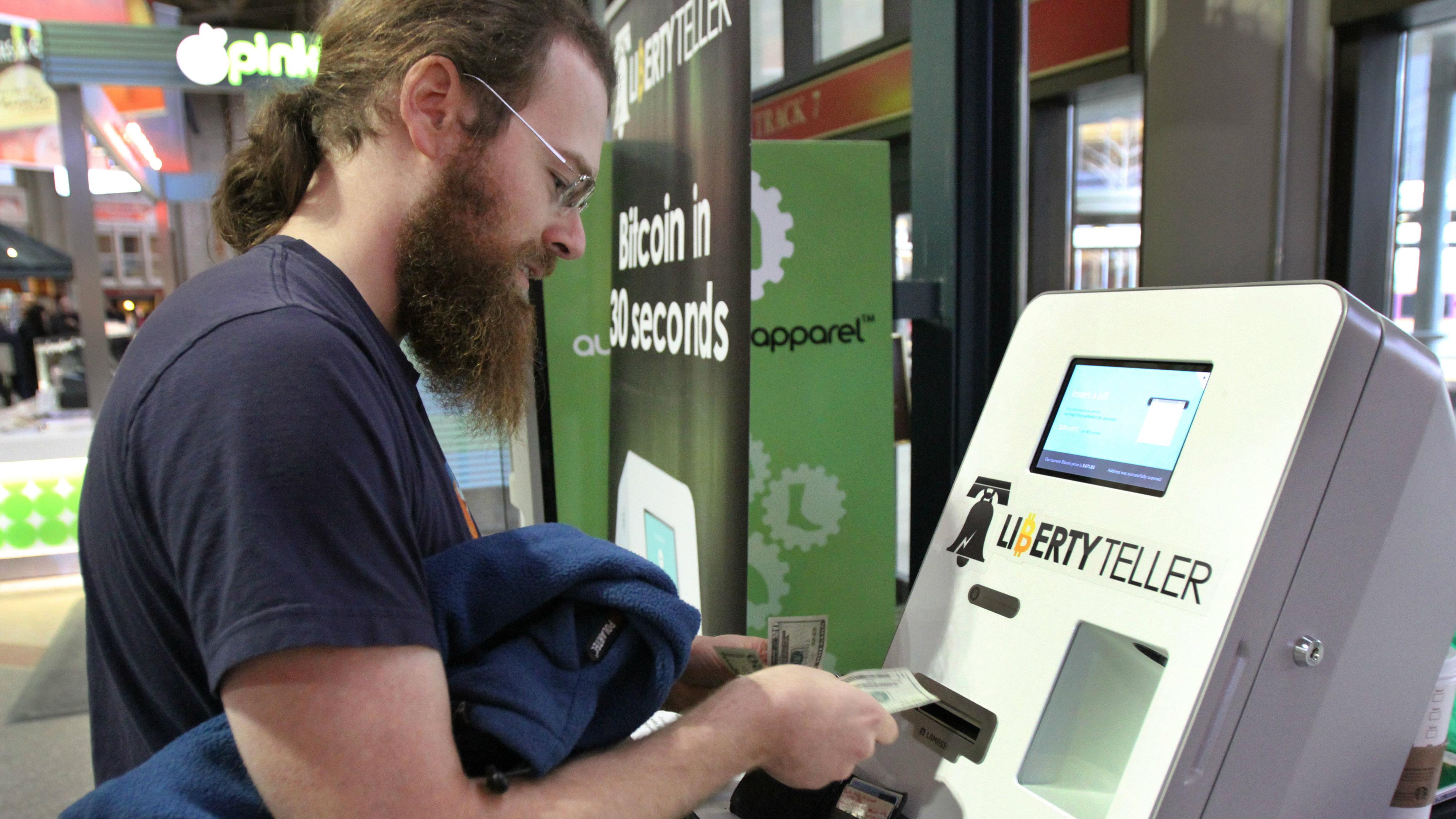
Millionaires whose fortune is linked to a cryptocurrency boom donate to research that, according to Aubrey de Gray, can extend human life for thousands of years. Ethereum founder Vitalik Buterin recently donated $ 2.4 million to the nonprofit SENS Research Foundation to help develop anti-aging biotechnology. SENS also contributed $ 2 million to the anonymous Pineapple Fund .
According to de Gray, speaking in a podcastwith Sunday Times reporter Danny Fortson, no wonder the cryptocurrency community has shown interest in this research. The first participants are “usually people who are very interested in technological progress,” said De Gray, 54, who previously worked in artificial intelligence and received a Ph.D. from Cambridge. Young people are more open to the idea that aging is an "important, solvable problem."
For example, Buterin is 24 years old, and he has co-founded the second most significant cryptocurrency. In a statement announcing his donation, Buterin welcomes the SENS program, “aimed at addressing the problem of aging, one of the biggest problems facing humanity.”
According to de Gray, the non-profit organization received approximately $ 6.5 million in Bitcoin and broadcast. The fund immediately sells all cryptocurrency donations, usually for dollars, because financial speculation is prohibited for it as a non-profit organization. SENS has an annual budget of $ 4 million.
According to de Gray, the goal is to develop technology fast enough to stay one step ahead of the challenges of aging, as he told the Sunday Times interview. He believes that there is a 50% chance that SENS will prove the viability of its efforts using laboratory mice in the next five years and will start a “war on aging”.
“It all depends on how soon we make the key breakthroughs,” he said, describing the “all or nothing” research. In the future, he added, a person’s lifespan will be measured in either two digits or four digits.