Modern electric cars - a story from the beginnings to the horizons
Currently, more attention is paid to the human environment. The growing pressure of human activity on the environment has already led to the fact that in many cities people are used to seeing what they breathe. The widespread use of personal vehicles creates many problems for the organization of intra-city traffic. A modern person spends a lot of time in traffic jams in which soft cars create a favorable environment for the development of chronic respiratory diseases, slow movement at a snail speed requires increased attention, the likelihood of being late for work or an important meeting increases the already high level of stress on the body.
The governments of developed countries have already begun to realize the severity of the situation and are introducing strict environmental standards for cars, various fees are being introduced in traffic-overloaded city centers to limit traffic (the “traffic jam”), and various support programs for alternative modes of transport are being developed. At the moment, one of the most promising areas is the development of electric transport.
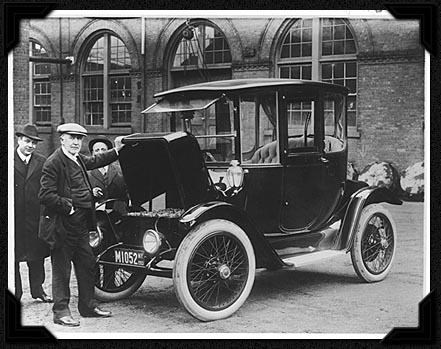
The history of electric vehicles dates back more than a century and a half - the first electric car appeared in public in 1841 (much earlier than a car with an internal combustion engine). By the end of the 19th century, the number of electric vehicles exceeded the number of noisy and soft brothers at times. At that time, speed characteristics and range of personal vehicles were not so important as ease of maintenance, quick start of the engine, silence and ride comfort. Personal vehicles at that time could only afford very rich people. The electric car was a more pleasant toy for the aristocracy and more attractive for visits by doctors than "hellish" steam or gasoline cars.
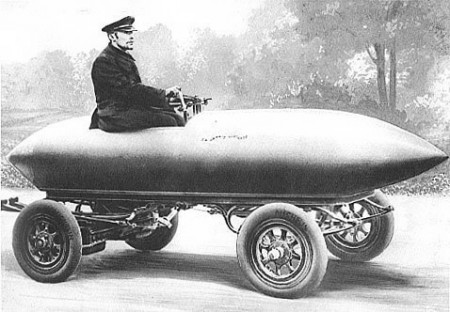
Over time, cars with internal combustion engines became cheaper and their advantages, such as speed and travel distance, led to the gradual disappearance of the first electric vehicles from public roads. Electric cars themselves, however, did not disappear - they simply began to be used as a local means of transportation and transportation of goods in the territories of enterprises, parks, and golf clubs.
Currently, thanks to advances in energy storage, gradually more and more attention is given to the prospects of using electric vehicles as intracity transport. Already, tens of thousands of electric vehicles and millions of electric scooters, electric bicycles and other electric vehicles are running around the cities of the world.
What are the advantages of urban electric transport compared to cars with internal combustion engines, which allows us to speak with confidence about the future of electric vehicles? I will give a simple list:
The governments of developed countries have already begun to realize the severity of the situation and are introducing strict environmental standards for cars, various fees are being introduced in traffic-overloaded city centers to limit traffic (the “traffic jam”), and various support programs for alternative modes of transport are being developed. At the moment, one of the most promising areas is the development of electric transport.
The history of electric vehicles dates back more than a century and a half - the first electric car appeared in public in 1841 (much earlier than a car with an internal combustion engine). By the end of the 19th century, the number of electric vehicles exceeded the number of noisy and soft brothers at times. At that time, speed characteristics and range of personal vehicles were not so important as ease of maintenance, quick start of the engine, silence and ride comfort. Personal vehicles at that time could only afford very rich people. The electric car was a more pleasant toy for the aristocracy and more attractive for visits by doctors than "hellish" steam or gasoline cars.
Over time, cars with internal combustion engines became cheaper and their advantages, such as speed and travel distance, led to the gradual disappearance of the first electric vehicles from public roads. Electric cars themselves, however, did not disappear - they simply began to be used as a local means of transportation and transportation of goods in the territories of enterprises, parks, and golf clubs.
Currently, thanks to advances in energy storage, gradually more and more attention is given to the prospects of using electric vehicles as intracity transport. Already, tens of thousands of electric vehicles and millions of electric scooters, electric bicycles and other electric vehicles are running around the cities of the world.
What are the advantages of urban electric transport compared to cars with internal combustion engines, which allows us to speak with confidence about the future of electric vehicles? I will give a simple list:
- Ecological cleanliness of the drive (zero emissions at the place of use) The
ability to stand in traffic jams without wasting energy to maintain the engine idling
The cost of use, comparable with the cost of public transport
High level of reliability and durability of an electric car
The only option for using electricity generated at nuclear power plants, in private transport
can be integrated into the grid for aligning the night fall in electricity consumption
when using modern intensive Accum Batery Battery fundamentally possible to use the energy stored in an electric vehicle for the night to smooth consumption peaks in the daytime
Talking about the advantages of using electric vehicles, you must also point to the other side of the coin:- Electric cars have a fairly modest power reserve without recharging, which is limited by the weight and cost of the battery.With a
massive transition to the use of electric vehicles, there will be a problem of expanding the network of power plants - if you completely switch from electric vehicles to electric cars, you will need to increase the power of the power plants by 1.5-2 times. Accordingly, there will be a problem of increasing the number of power lines.
With the widespread use of electric vehicles, it will be necessary to significantly expand the production of batteries, as well as build a large number of recycling plants for used batteries
. Currently, serial electric cars are comparable in price to cars, which reduces the likelihood of buying them.
Based on the balance of advantages and disadvantages of modern personal electric transport, it is possible to predict the targeted use of electric vehicles as a mass means of urban communication in the foreseeable future.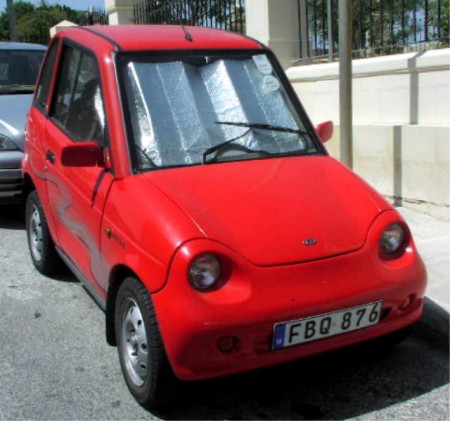
You can ask me: “Why are electric cars now exotic, because they have so many advantages?”. I will answer. At the moment, the world sits on the "oil and gas needle", like a drug addict. With the mass introduction of electric vehicles, there will be a sharp redistribution of spheres of influence in production: dependence on oil and gas companies will decrease, the level of production of motor vehicles will fall, the entire service sector of “smoke houses” will receive a strong blow due to a decrease in the volume of services. There will be great tension in society due to an increase in unemployment and redistribution of personnel. Neither the government nor the oil and gas companies are satisfied with this scenario. Therefore, while it will be possible to obtain oil and gas at an affordable price, the development of electric vehicles will be in every way inhibited.
Despite the pessimism of my recent statements, I look with confidence to the future of electric transport: oil and gas prices are rising, and the transition to mass use of alternative modes of transport is just around the corner. The attitude of European countries to this problem can serve as a litmus test: more and more various models of serial electric cars are being produced, legislative support for clean transport owners is being introduced, and environmental awareness of the population is growing. Electric vehicle enthusiasts already have ample opportunities to realize their dreams - everything you need to convert a car into an electric car can be easily bought for relatively little money.
You can learn more about electric vehicles by visiting the author’s hobby project ev.sdisle.com(or Dig.by’s new author’s project ), there you can gather a lot of information regarding serial electric vehicles, read reviews on the types of batteries used in electric vehicles, compare the environmental and energy efficiency of various types of vehicles and calculate the parameters of the electric vehicle on the current version of the only A world counting in a metric system, an online electric vehicle calculator .
- Electric cars have a fairly modest power reserve without recharging, which is limited by the weight and cost of the battery.With a