Lamp Computers: MADDIDA
Digital differential analyzer with magnetic drum MADDIDA (eng. Magnetic Drum Digital Differential Analyzer) was the first computer that represented the bits using voltage levels. This special-purpose digital computer was used to solve systems of ordinary differential equations. The logic of the machine was based on the fundamentals of Boolean algebra.
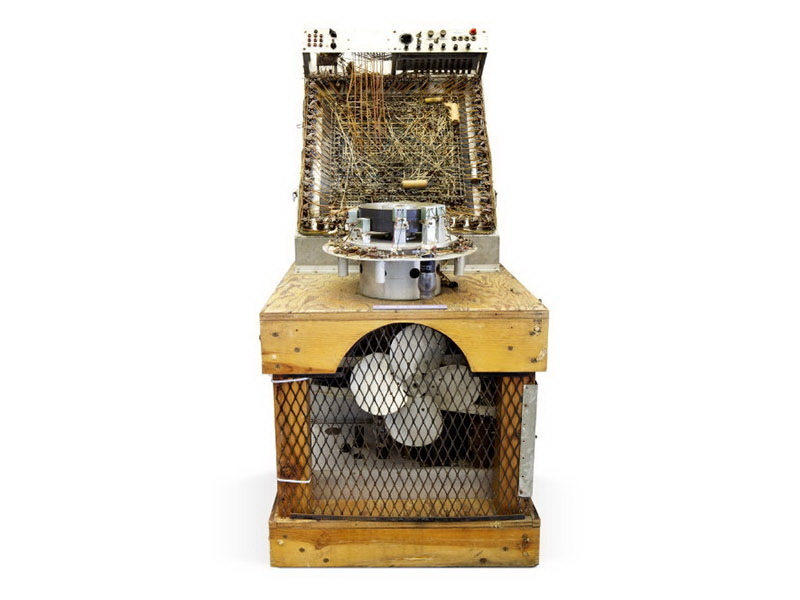
MADDIDA was invented by American physicist Floyd Steele ( Floyd Steele), and built by Northrop Aircraft Corporation between 1946 and 1949. The computer was created for the guidance system of strategic intercontinental cruise missiles SM-62 "Snark" (eng. SM-62 Snark, from 1947 to 1951 was designated SSM-A-3, from 1951 to 1955 - B-62). But one way or another, the computer did not participate in the application of a single guidance system, but was rather used in aeronautical studies. In 1952, MADDIDA enjoyed exceptional popularity in the global market for commercial digital computers (despite the fact that this is a special purpose machine).
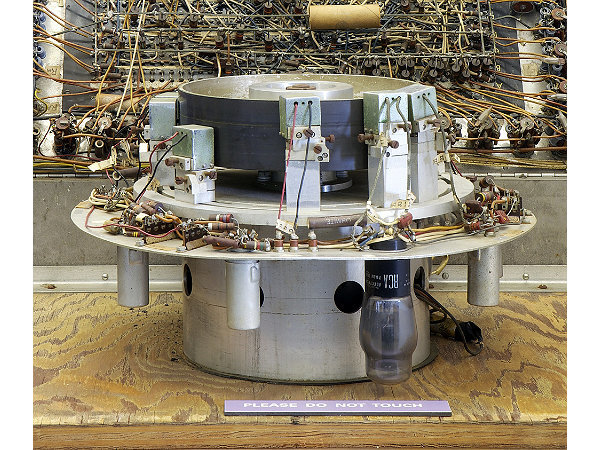

MADDIDA in detail
The development of the project began in March 1946 at Northrop Aircraft Corporation in order to support the operation of the MX-775 subsonic cruise missile, which acquired the name SM-62 Snark (named after the character Lewis Carroll). Northrop Corporation laid out such project parameters in which the new guidance system should have allowed missiles to hit targets at a distance of up to 5,000 miles (more than 8,000 km) with an advance of 200 yards (about 183 meters) compared with the German retaliation weapon 1 and 2 (Vergeltungswaffe; V-Waffen). However, in the end, MADDIDA was never used in armament, and Northrop Corporation used another analog computer for the Snark missile guidance system.
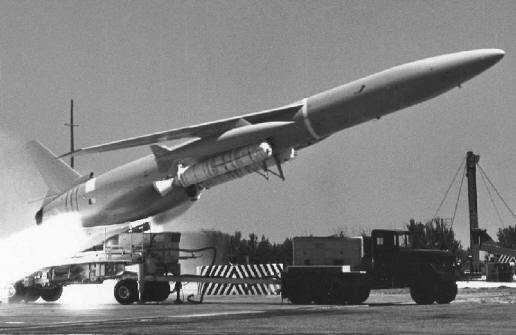
Launch of the Snark from a mobile platform, 1960
The project also included the development of the first digital data analyzer DIDA (DIgital Data Analyzer).
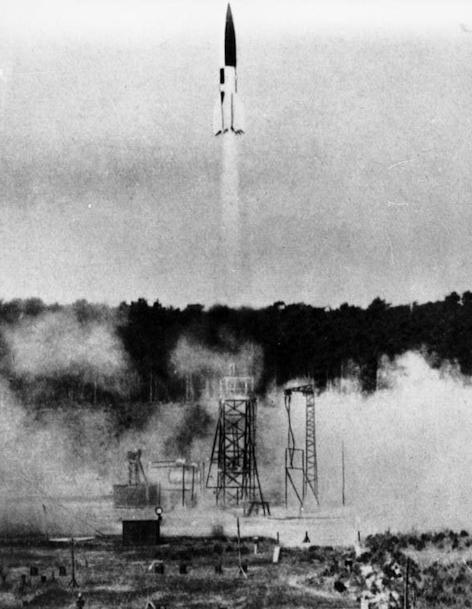
The launch of the German Vergeltungswaffe 2 from a fixed position, the summer of 1943
In 1946, at his home in La Jolla Steele, the worker DIDA demonstrated in front of the press. He was hired and introduced to the development team as a concept leader. The scientist developed the concept of DIDA, which would entail the creation of an analog computer using only digital elements. When it was decided to use a magnetic drum storage device, i.e. MAD (MAgnetic Drum memory), for DIDA, the name was extended to MADDIDA. It became pronounced “Mad Ida”, which can be translated into Russian as “Mad Ida”.
In the development of MADDIDA, Steele was inspired by the invention of Vannevar Bush (Vannevar Bush) - an analog computer in 1927, which included digital components. Also a significant influence on the scientist had a machine for predicting the ebb and flow - a mechanical analog computer Thomson. It was created by the Irishman William Thomson, he is Lord Kelvin (William Thomson / Lord Kelvin) in 1873. The device made it possible to predict the water level in the Thames, given the position of the Moon and the Sun, the daily rotation of the Earth, and a number of other parameters. The basis of the mechanical machine was Fourier analysis.

The formula for calculating the
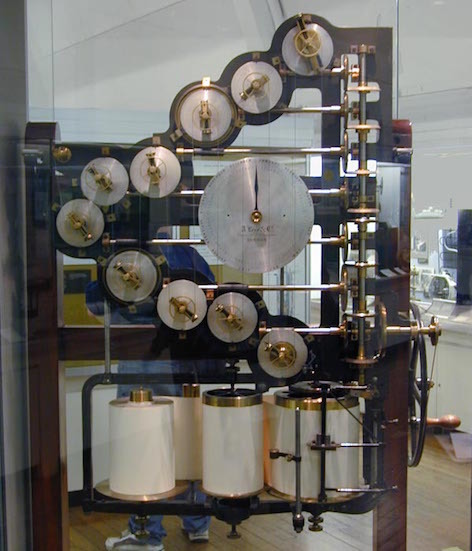
machine for predicting the tides of William Thomson, 1873
Steele hired Donald Eckdahl, Harold Sarkisssien (Harold Sarkinssian) and Richard Sprague to work on germanium diode logic for MADDIDA, as well as to create a magnetic recording. Together, the group developed a prototype MADIDDA between 1946 and 1949.
MADIDDA included 44 integration units using six-track magnetic reels for data storage. The interrelationships of the integration blocks were determined by writing the appropriate bit combination on one of the tracks.
In contrast to the previous electronic digital integrator and general-purpose computer ENIAC (Electronic Numerical Integrator and Computer) or the first universal commercial computer UNIVAC I in the United States (UNIVersal Automatic Computer I), which used vacuum tubes and electrical impulses to represent bits, MADDIDA was the first computer representing bits using voltage levels.
Currently, the original MADDIDA prototype is in the collection of The Computer History Museum in Mountain View, California, USA.
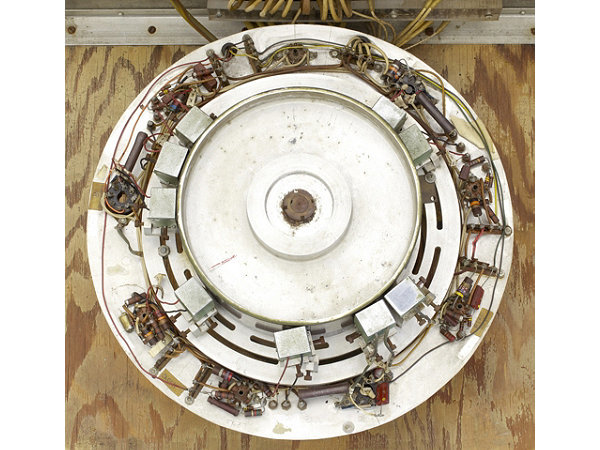
Part of the MADDIDA prototype on display at the Computer History Museum
After the development of MADIDDA in 1950, Steele's team left Northrop Corporation. To create duplicates of the computer for the purpose of its commercial distribution, another team was hired, which included art collector and amateur computer technology developer Max Palevsky. He participated in the creation of copies MADIDDA. The cost of models ranged from $ 25,000 to $ 30,000.
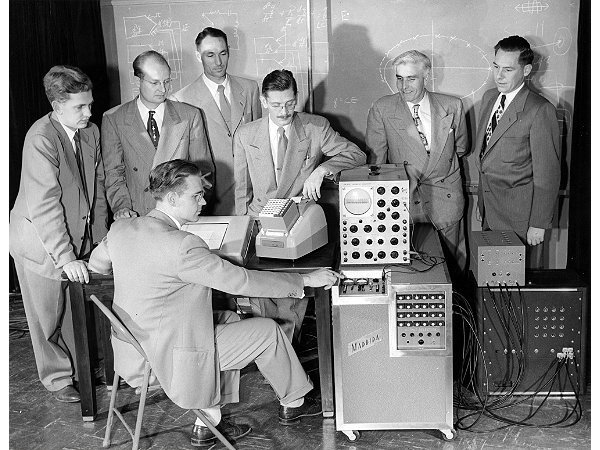
Demonstration of the machine
By the end of 1952, six MADIDDA had been delivered and installed to customers. One model went to the US Navy Electronics Laboratory (US Navy Electronics Laboratory). At that time, MADIDDA was the best-selling commercial computer in the world.
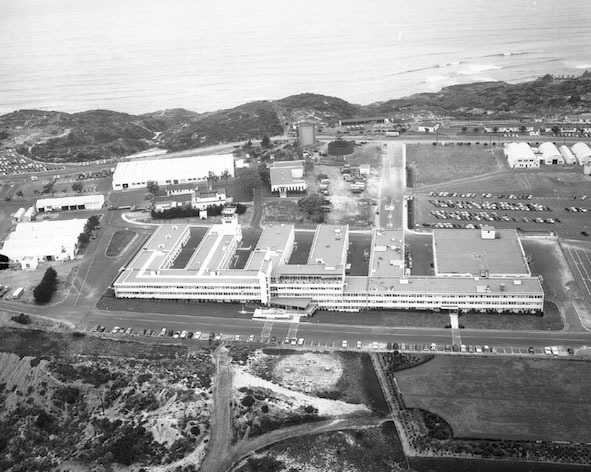
US Navy Electronics Laboratory, 1962
During the creation of MADIDDA, the development team came to the conclusion that the digital differential analyzer could be run on a general-purpose digital computer using the appropriate problem-oriented language. This was Dynamo's modeling language (DYNAmic MOdels). After developing the first MADIDDA and leaving the company, the development team, including Steele and Mathematical Engineer Irving S. Reed, started creating general-purpose computers. They formed the computer research corporation CRC (Computer Research Corporation) on July 16, 1950. In 1953, it was sold to NCR Corporation.
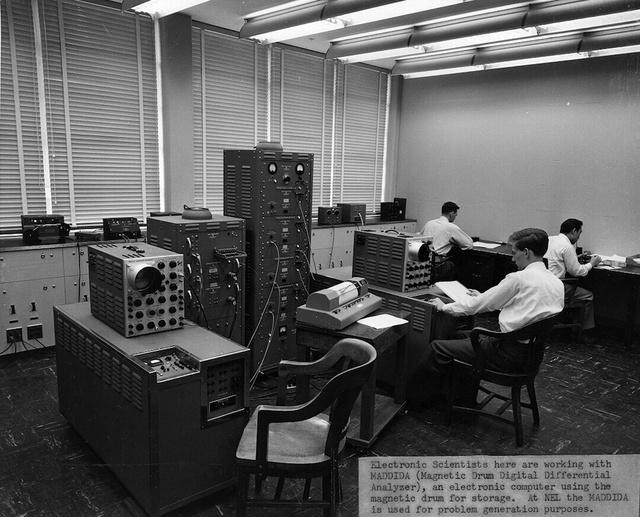
MADDIDA at the Navy Electronics Laboratory
After working with a team at Northrop Corporation, Max Palevski used the experience gained in creating the Bendix G-15 - one of the early personal computers of Bendix Corporation. In March 1957, Palevski worked at the new branch of Packard Bell, which he began to call Packard Bell Computer Corporation. There he achieved considerable success. In May 1972, Palewski resigned as director and chairman of the board at Xerox. And although the development of the company's personal computers ended in failure, prototype devices had an impact on Steve Jobs and Steve Wozniak during their 1979 tour of Xerox objects.
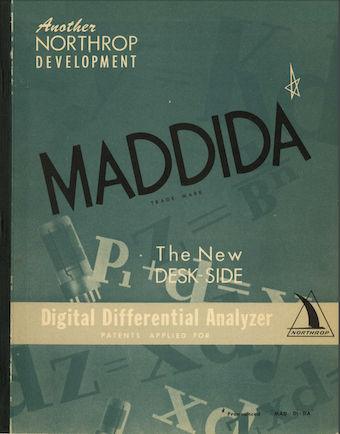
MADDIDA Brochure
As already mentioned, MADIDDA has never been used in armament. Northrop Corporation used a completely different analog computing system to guide the SM-62 Snark missiles. This system turned out to be rather doubtful because of what some missiles were “lost”. As in 1956, one of the SM-62 Snark deviated from the course so far that it landed in the northeast of Brazil and was not found until 1983. In this regard, there was even a joke that: “The waters of the Caribbean are teeming with Snarks”.
MADDIDA was invented by American physicist Floyd Steele ( Floyd Steele), and built by Northrop Aircraft Corporation between 1946 and 1949. The computer was created for the guidance system of strategic intercontinental cruise missiles SM-62 "Snark" (eng. SM-62 Snark, from 1947 to 1951 was designated SSM-A-3, from 1951 to 1955 - B-62). But one way or another, the computer did not participate in the application of a single guidance system, but was rather used in aeronautical studies. In 1952, MADDIDA enjoyed exceptional popularity in the global market for commercial digital computers (despite the fact that this is a special purpose machine).
MADDIDA in detail
History of creation
The development of the project began in March 1946 at Northrop Aircraft Corporation in order to support the operation of the MX-775 subsonic cruise missile, which acquired the name SM-62 Snark (named after the character Lewis Carroll). Northrop Corporation laid out such project parameters in which the new guidance system should have allowed missiles to hit targets at a distance of up to 5,000 miles (more than 8,000 km) with an advance of 200 yards (about 183 meters) compared with the German retaliation weapon 1 and 2 (Vergeltungswaffe; V-Waffen). However, in the end, MADDIDA was never used in armament, and Northrop Corporation used another analog computer for the Snark missile guidance system.
Launch of the Snark from a mobile platform, 1960
The project also included the development of the first digital data analyzer DIDA (DIgital Data Analyzer).
The launch of the German Vergeltungswaffe 2 from a fixed position, the summer of 1943
In 1946, at his home in La Jolla Steele, the worker DIDA demonstrated in front of the press. He was hired and introduced to the development team as a concept leader. The scientist developed the concept of DIDA, which would entail the creation of an analog computer using only digital elements. When it was decided to use a magnetic drum storage device, i.e. MAD (MAgnetic Drum memory), for DIDA, the name was extended to MADDIDA. It became pronounced “Mad Ida”, which can be translated into Russian as “Mad Ida”.
In the development of MADDIDA, Steele was inspired by the invention of Vannevar Bush (Vannevar Bush) - an analog computer in 1927, which included digital components. Also a significant influence on the scientist had a machine for predicting the ebb and flow - a mechanical analog computer Thomson. It was created by the Irishman William Thomson, he is Lord Kelvin (William Thomson / Lord Kelvin) in 1873. The device made it possible to predict the water level in the Thames, given the position of the Moon and the Sun, the daily rotation of the Earth, and a number of other parameters. The basis of the mechanical machine was Fourier analysis.
The formula for calculating the
machine for predicting the tides of William Thomson, 1873
Steele hired Donald Eckdahl, Harold Sarkisssien (Harold Sarkinssian) and Richard Sprague to work on germanium diode logic for MADDIDA, as well as to create a magnetic recording. Together, the group developed a prototype MADIDDA between 1946 and 1949.
MADIDDA included 44 integration units using six-track magnetic reels for data storage. The interrelationships of the integration blocks were determined by writing the appropriate bit combination on one of the tracks.
In contrast to the previous electronic digital integrator and general-purpose computer ENIAC (Electronic Numerical Integrator and Computer) or the first universal commercial computer UNIVAC I in the United States (UNIVersal Automatic Computer I), which used vacuum tubes and electrical impulses to represent bits, MADDIDA was the first computer representing bits using voltage levels.
Currently, the original MADDIDA prototype is in the collection of The Computer History Museum in Mountain View, California, USA.
Part of the MADDIDA prototype on display at the Computer History Museum
Spread
After the development of MADIDDA in 1950, Steele's team left Northrop Corporation. To create duplicates of the computer for the purpose of its commercial distribution, another team was hired, which included art collector and amateur computer technology developer Max Palevsky. He participated in the creation of copies MADIDDA. The cost of models ranged from $ 25,000 to $ 30,000.
Demonstration of the machine
By the end of 1952, six MADIDDA had been delivered and installed to customers. One model went to the US Navy Electronics Laboratory (US Navy Electronics Laboratory). At that time, MADIDDA was the best-selling commercial computer in the world.
US Navy Electronics Laboratory, 1962
Impact and Outcomes
During the creation of MADIDDA, the development team came to the conclusion that the digital differential analyzer could be run on a general-purpose digital computer using the appropriate problem-oriented language. This was Dynamo's modeling language (DYNAmic MOdels). After developing the first MADIDDA and leaving the company, the development team, including Steele and Mathematical Engineer Irving S. Reed, started creating general-purpose computers. They formed the computer research corporation CRC (Computer Research Corporation) on July 16, 1950. In 1953, it was sold to NCR Corporation.
MADDIDA at the Navy Electronics Laboratory
After working with a team at Northrop Corporation, Max Palevski used the experience gained in creating the Bendix G-15 - one of the early personal computers of Bendix Corporation. In March 1957, Palevski worked at the new branch of Packard Bell, which he began to call Packard Bell Computer Corporation. There he achieved considerable success. In May 1972, Palewski resigned as director and chairman of the board at Xerox. And although the development of the company's personal computers ended in failure, prototype devices had an impact on Steve Jobs and Steve Wozniak during their 1979 tour of Xerox objects.
MADDIDA Brochure
As already mentioned, MADIDDA has never been used in armament. Northrop Corporation used a completely different analog computing system to guide the SM-62 Snark missiles. This system turned out to be rather doubtful because of what some missiles were “lost”. As in 1956, one of the SM-62 Snark deviated from the course so far that it landed in the northeast of Brazil and was not found until 1983. In this regard, there was even a joke that: “The waters of the Caribbean are teeming with Snarks”.