March 28, 2019 at 22:37
Antiquities: When Phones Were Weird
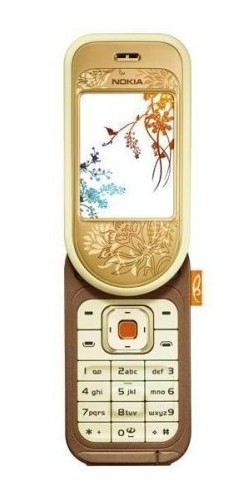 This post is a nostalgic selection of old phones with a non-trivial design, and I wrote it to give a hint: the story repeats itself. Now, in 2019, the smartphone industry is in a strange state where it is becoming increasingly difficult to convince consumers that a new device is much better than an old one. But real innovations, to even convince, were not necessary - something is not yet visible. Something went wrong a couple of years ago, with the release of the first cut-out phones right in the middle of the screen. In an attempt to hide a selfie camera, even slider phones have been revived; there are attempts to make a separate retractable camera.
This year it became even more interesting: the first phones with a flexible screen were announced, such a hybrid of a smartphone and tablet in one device. New technologies are cool, but is there really a future for such devices? Not sure. And here's why: it has already been so. When first-generation smartphones learned to hide in cases a little smaller than bricks, there were also experiments with form, searches for new meanings. And only a few instances of these experimental mobile phones are at least a little similar to what we have now.
Why is that so? This is now, 12 years after the release of the first Apple iPhone, we know that the screen needs to be made larger and touch, and buttons, for example, are not necessary at all. Fifteen years ago, or even earlier, this was not obvious. It took a lot of experiments, it was necessary to fill up the bumps and gain experience in the production of unsuccessful devices in order to understand where to move on. I do not know whether the smartphones of the future will be entirely equipped with flexible screens. But I can show how they experimented with the shape of mobile phones at the beginning of the century, in the pre-iPhone era, and how almost nothing came of it. And I’m starting, perhaps, not from Nokia phones, but from the manufacturer, who left the mobile phone market much earlier - from Siemens.
The diary of a collector of old pieces of iron I keep in real time in a Telegram.
For calibration, at the turn of the century, a typical mobile phone looked something like this:
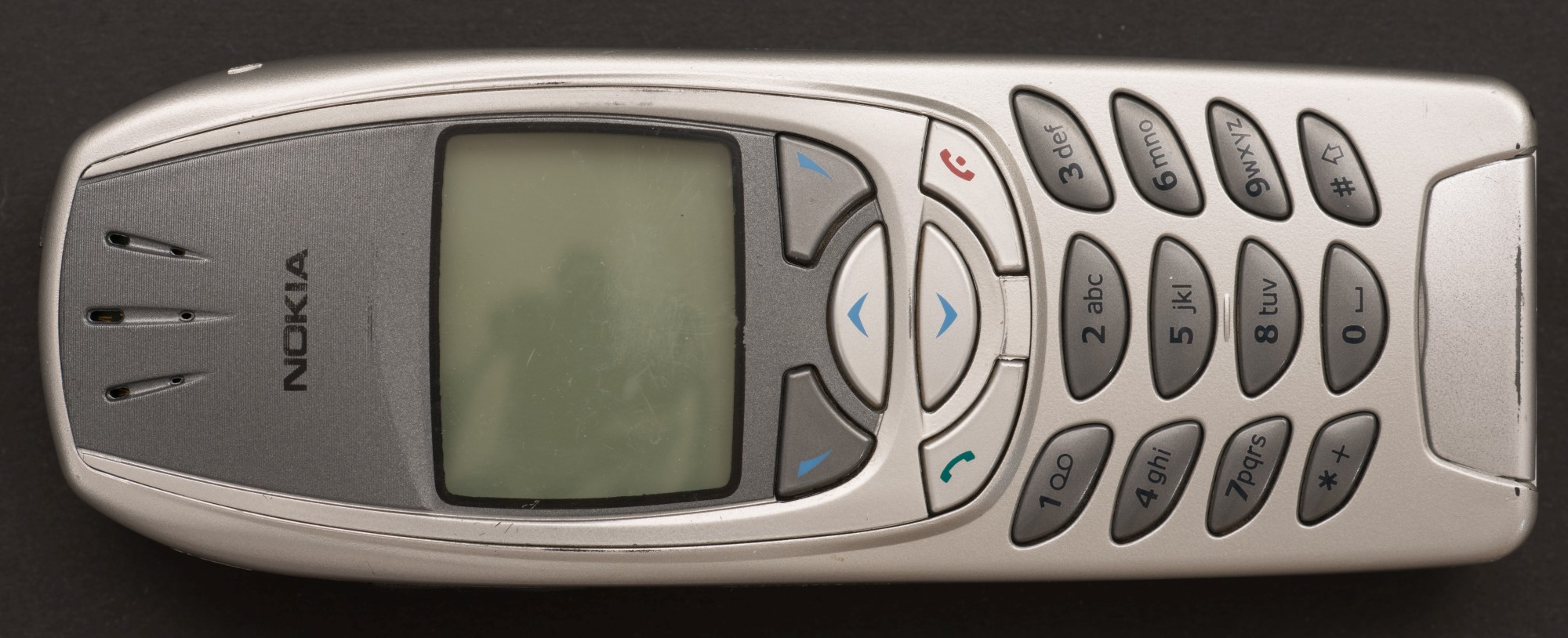
The difference between the mobile and the home phone was small, which made the transition easier - twenty years ago this was probably a problem. The legendary Nokia 6310i was installed in Mercedes cars, could work with wireless headsets via Bluetooth, and supported packet data transfer. Various versions of the same design are still available, and in general, you do not need anything else for calls and partly text messages. All the modern functionality of phones - it is about something else.
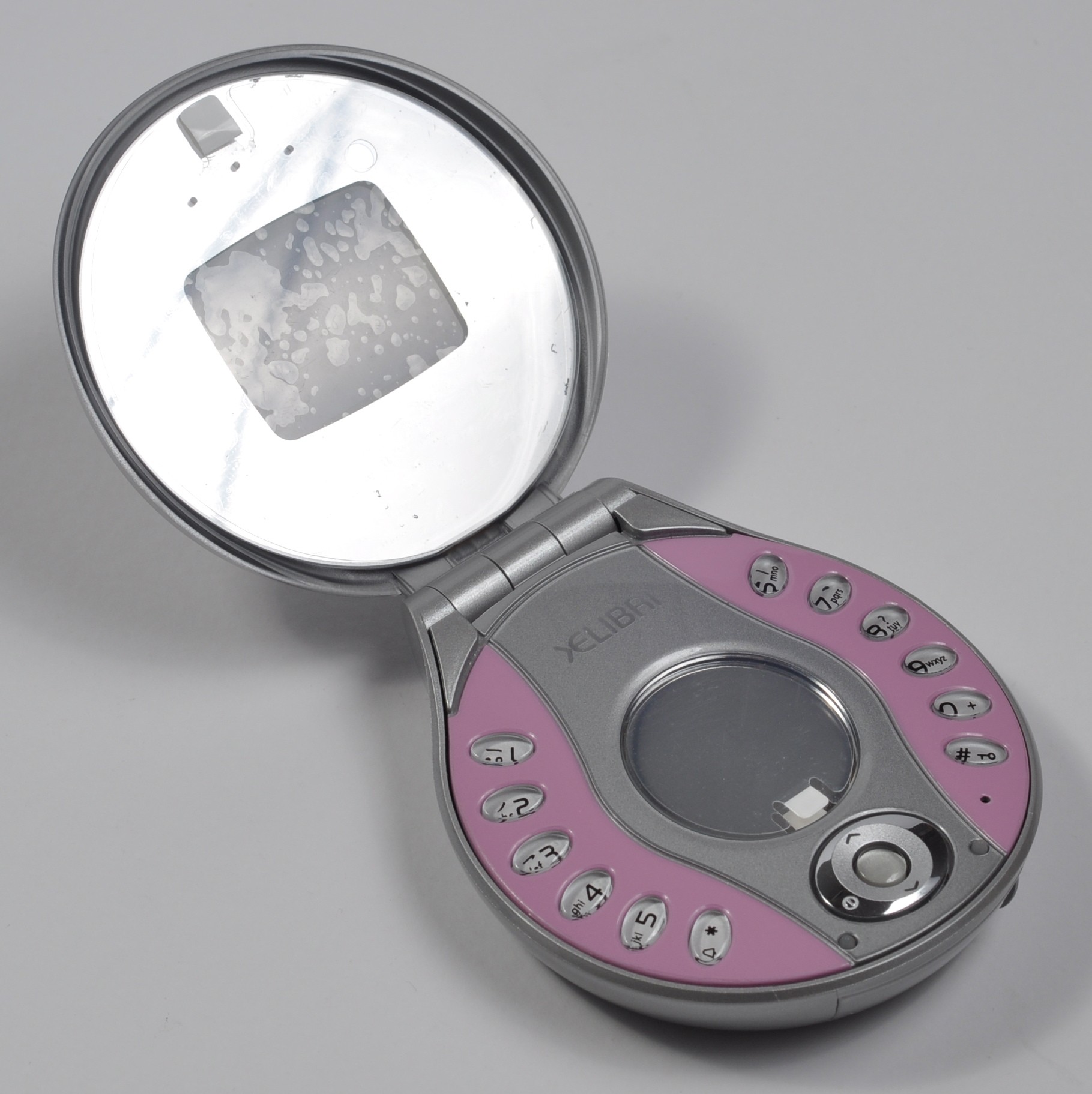
At the beginning of the 2000s, the Internet on portable devices was exotic, and manufacturers tried to change simple mobile phones in a new way. The Siemens Xelibri series was announced in 2003, a total of eight models were released, each design has one
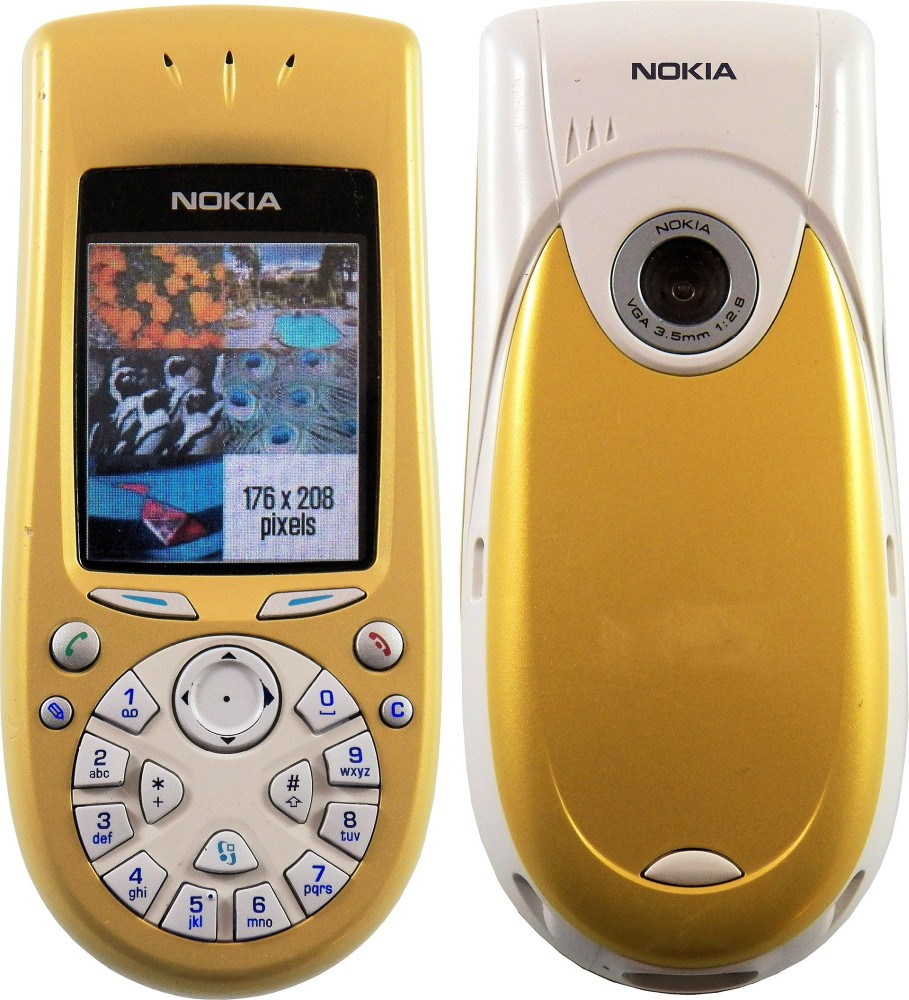
Unlike Siemens, Nokia at about the same time experimented with the appearance of top-end smartphones. The Nokia 3650 replaced the Nokia 7650 slider; these are the first smartphones based on the Series 60 platform, as well as the first devices with an integrated camera. The non-standard design was explained by youth orientation: they should have been interested in interchangeable panel panels and numeric buttons arranged in a circle. Next year, a new revision of the same model Nokia 3660 was made in the same case, but with the keys located normally. In 2004, the Nokia 6600 was released - a business smartphone with a completely boring design: business people don't like experimenting. Someone claimed that typing SMS on a circular keyboard is faster, but in the end, the strange experiment remained an experiment.
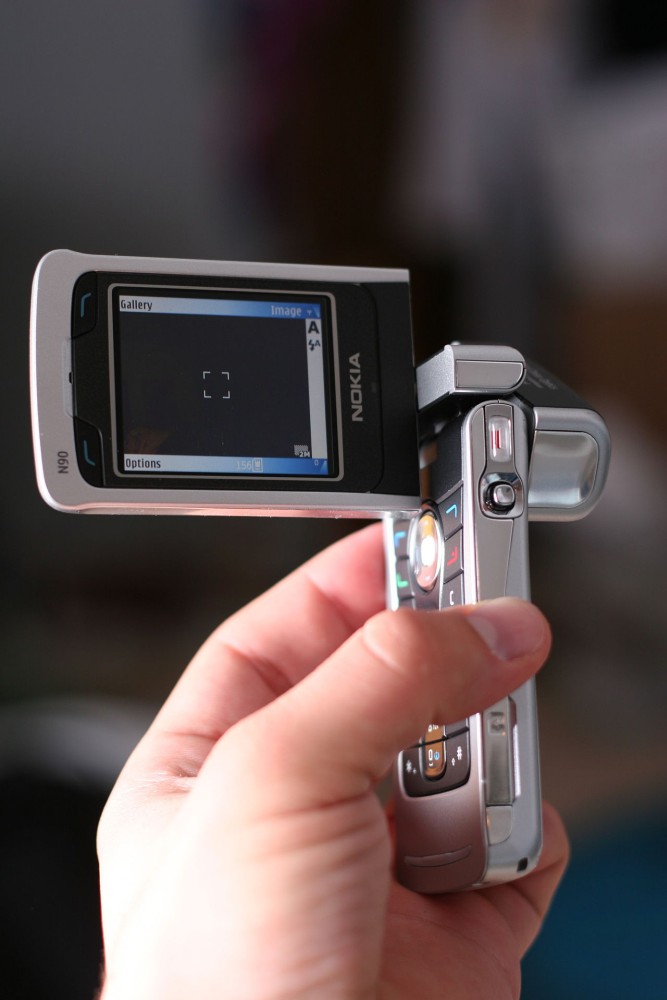
Launched in 2005, the Nokia N90 elegantly solved the problem of having a large enough dual-megapixel digital camera. The design of the smartphone resembles that of a video camera, and a rotating display allows you to take a selfie (not sure if this term was known to anyone then) without using two cameras on different sides of the phone. This design was moderately successful, it was used up to the 2007 Nokia N93i. The next model - the legendary N95 - was a more classic slider with a tricky mechanism that allows you to open the phone “up” and “down”. In the latter case, the audio player control buttons came out above the screen.
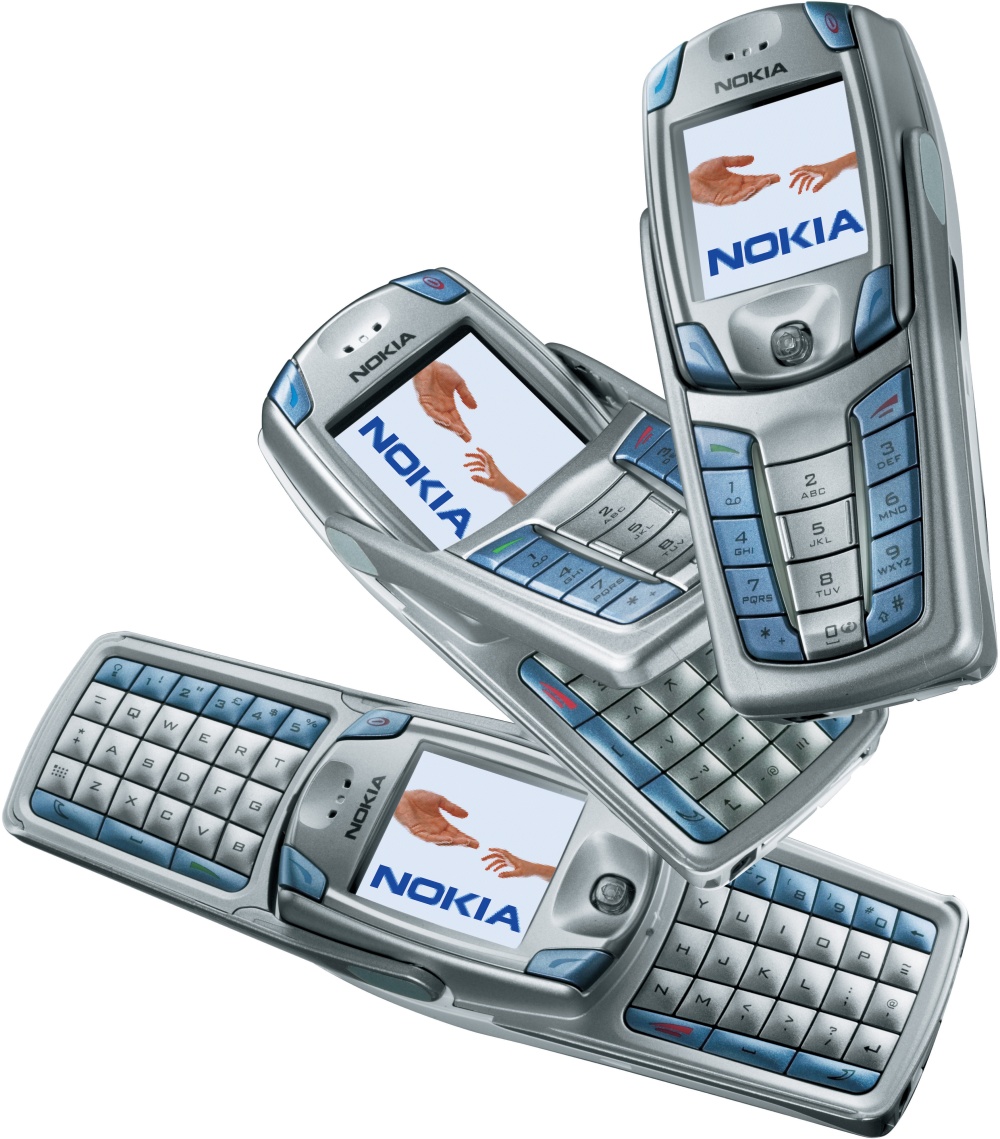
Even before the advent of mobile photos, many phone manufacturers tried to fit a full keyboard into a compact device. One of the most unusual solutions was applied in the 2004 Nokia 6800 series. This “non-smartphone” (Series 40 platform) when folded differed from neighboring models except in thickness, but when unfolded it allowed to type on an almost full-fledged keyboard located on the sides of the screen. The idea lived on until 2006, when the Nokia E70 smartphone was launched in a similar form factor .
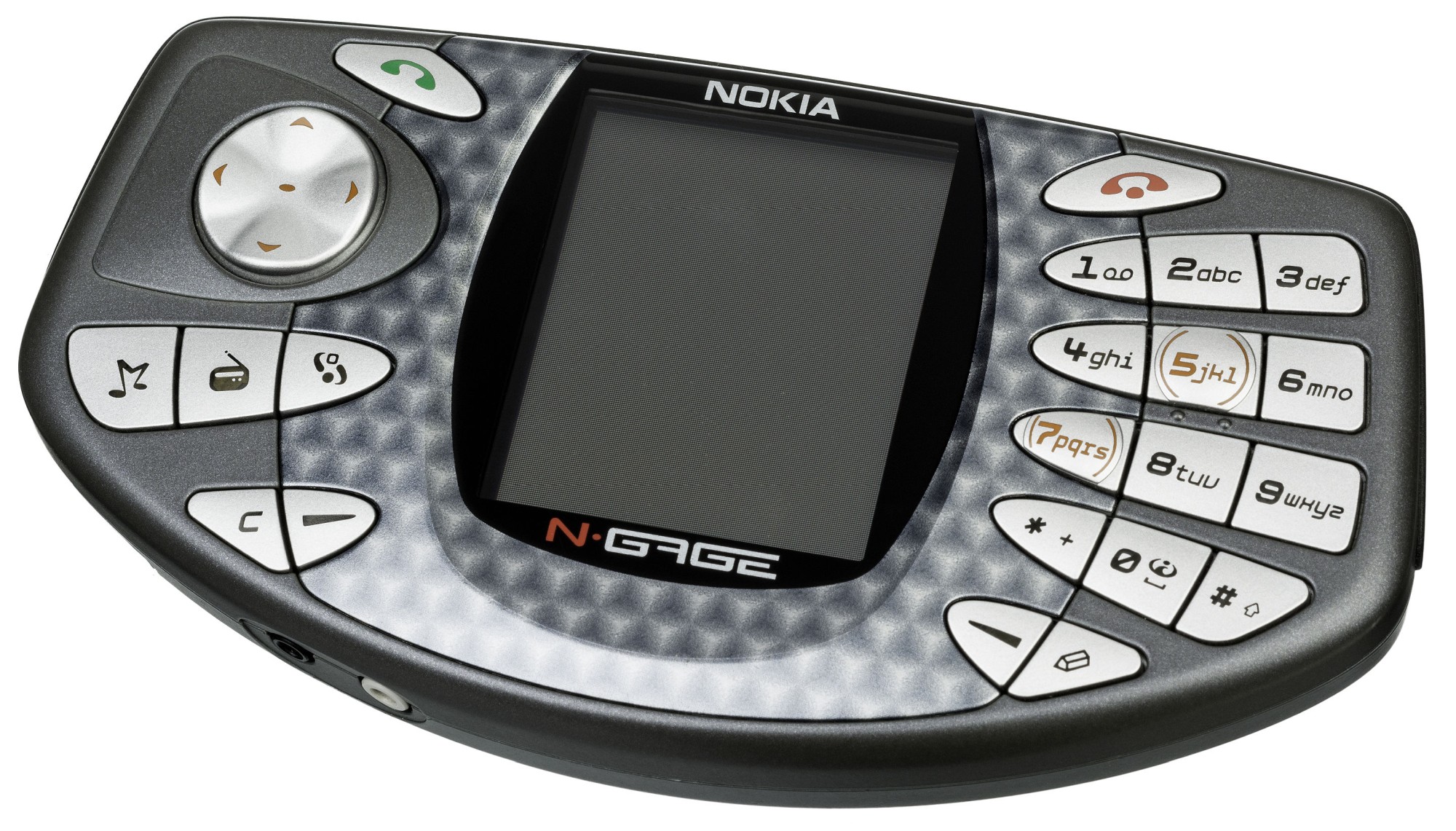
Okay, I still miss a little phones with keyboards, although, frankly, typing on a virtual keyboard doesn’t get much slower. In 2003, Nokia engineers had an even more interesting task: how to combine a smartphone with a game console. Nokia N-Gage - a compromise phone. The screen is in the center to "correctly" position the joystick and control buttons in games (at the same time working with a traditional telephone keypad). At the same time, the display orientation is vertical, as in conventional smartphones, apparently so as not to add problems to the developers. It was assumed that the games will be released on memory cards that need to be changed, but the slot for them was hidden under the cover. This would be normal for a regular memory card, but not for gaming "cartridges." The conversational functionality was most affected: The speaker and microphone are located at the end of the phone. Almost all the flaws were fixed in 2004 in the N-Gage QD model, but the idea of a specialized gaming mobile phone did not fly up: at first the gaming service became fully digital and universal for all Nokia smartphones, and then it was completely closed. The consequence of these experiments were modern joystick adapters for smartphones.
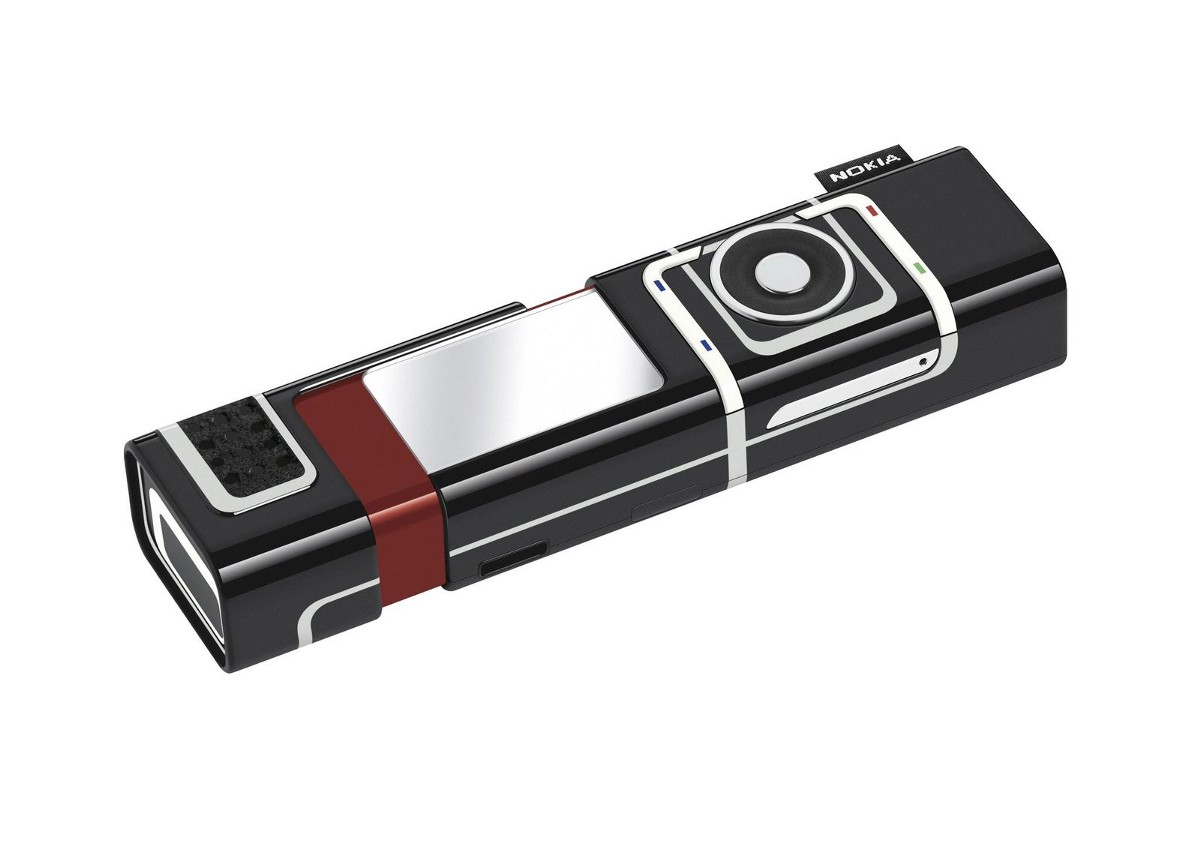
In my opinion, the strangest Finnish phone is the 7280 model released in 2004. The lipstick phone was devoid of a keyboard, it was supposed to use a wheel instead - almost like on an iPod. The off-screen microscope could serve as a mirror. Another dubious innovation that is almost standard today is the indispensable battery at home.
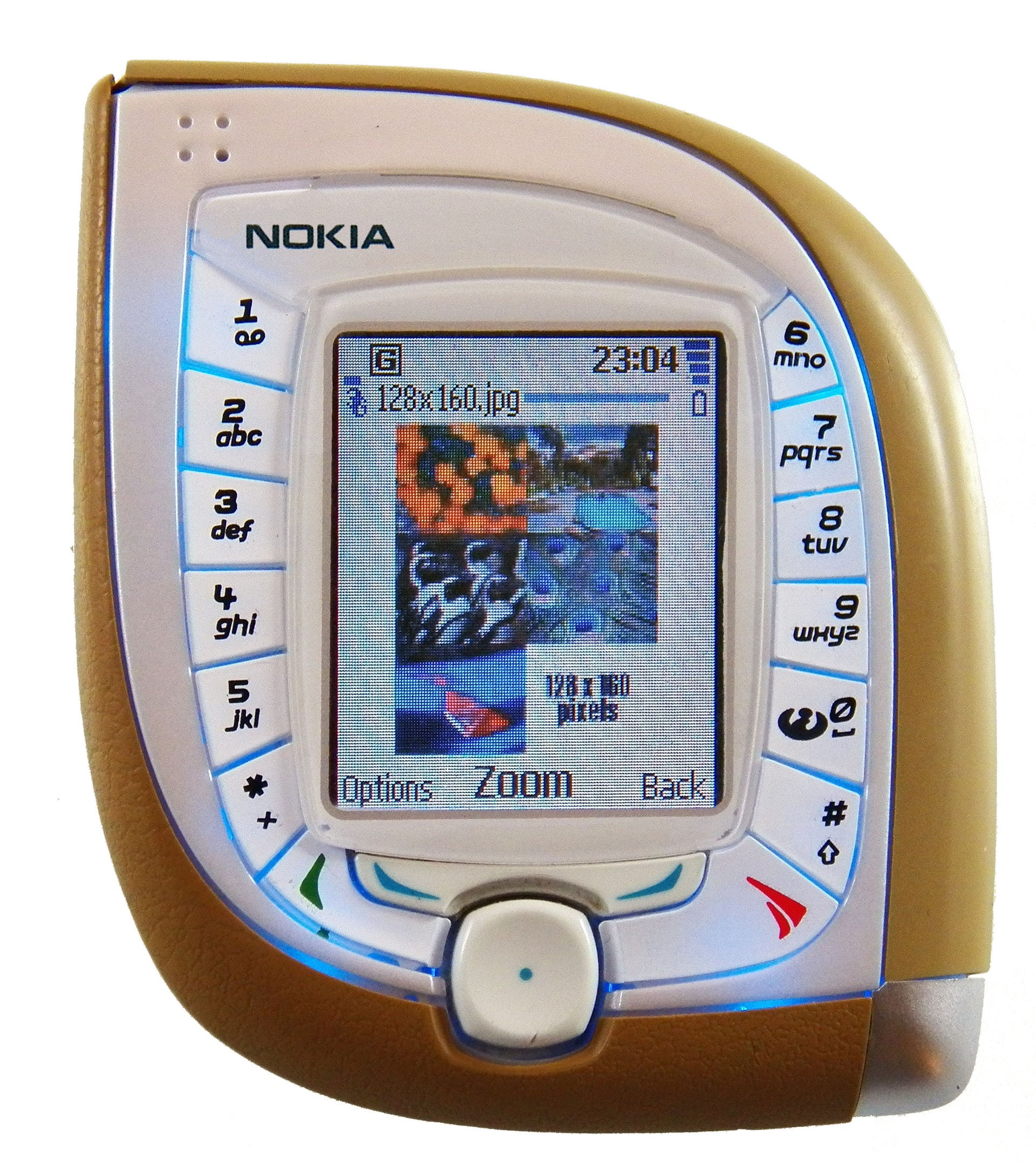
One of the first Nokia phones to support third-generation networks was launched in 2003. If the arrangement of the buttons in a circle in the 3650 model seemed strange to you, what about the buttons around the perimeter of the display?
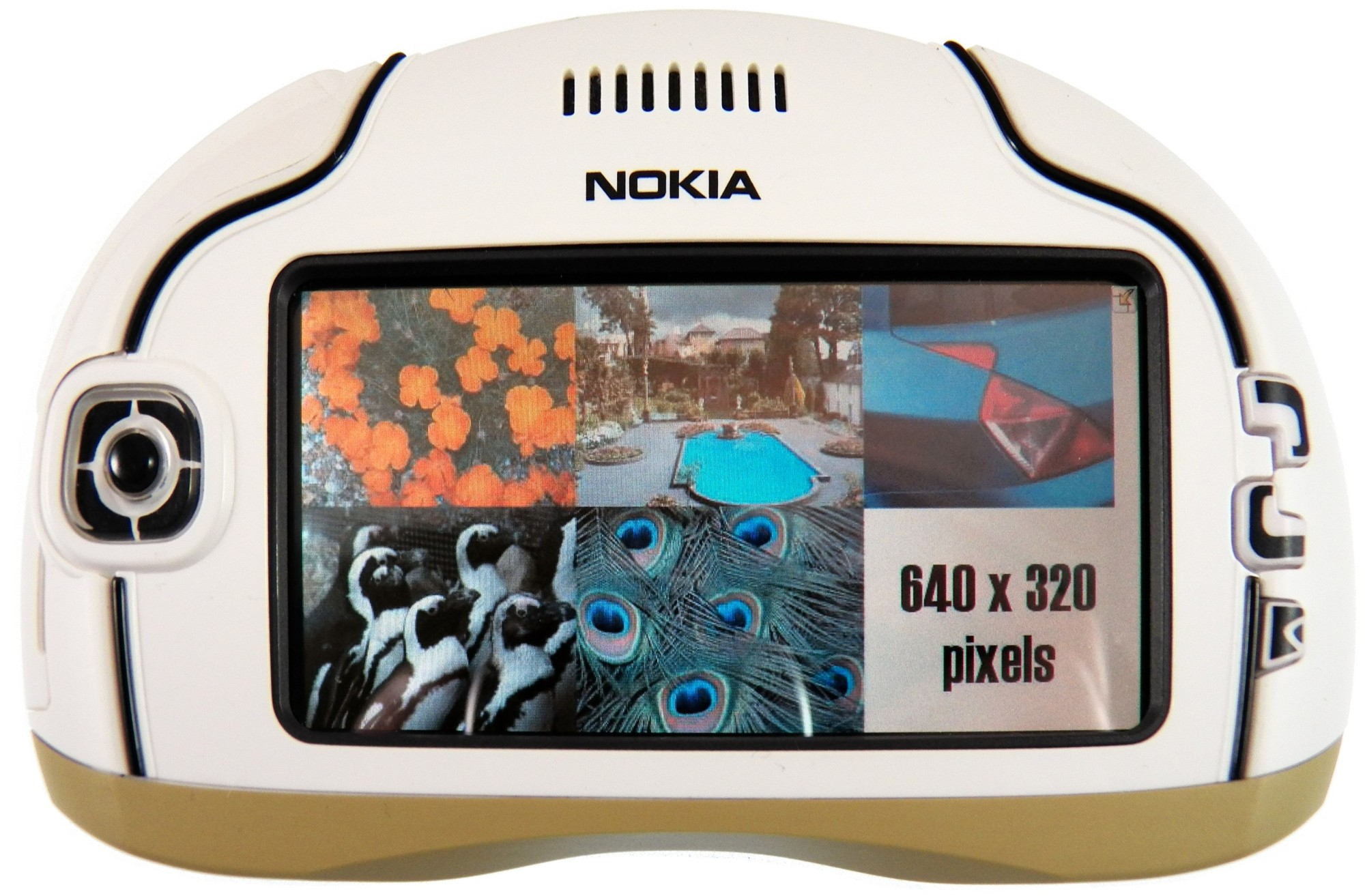
The Nokia 7700 smartphone is a 2003 concept that didn’t go on sale. In 2004, the 7710 was released with a slightly less radical design. The first Nokia smartphone with a touch screen. Later, this line with large modifications was transformed into a very successful and, in a sense, the legendary “Internet tablet” Nokia N800, and then into the failed “iPhone killer” N900. It would seem like this: the touch screen, the keyboard is either not there, or it is well hidden, there are ample opportunities for installing third-party software, and later - almost full-fledged Linux. Alas, all this does not guarantee success in the market.
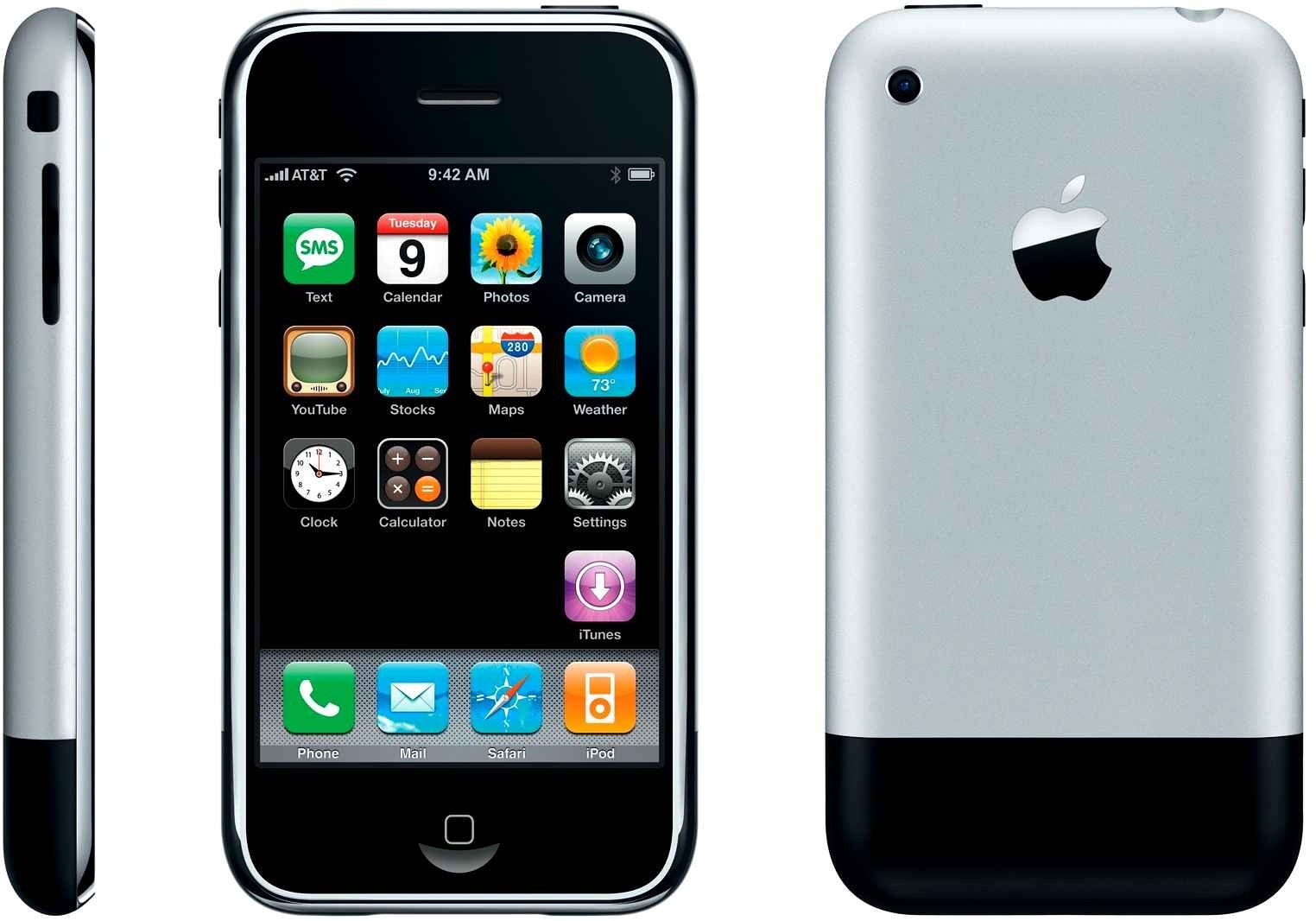
In the context of all the devices above, the premiere of the first Apple iPhone in 2007 marked the beginning of dark times in the design of personal mobile devices. Dark and rectangular. Only now, 12 years later, active experiments with the form begin. There is a variety of devices: smartphones with two screens, smartphones with a hardware keyboard, and now also folding smartphones-tablets. In almost all cases, these are niche devices that enjoy limited popularity. These are the harbingers of something new, not yet known to us. When the breakthrough device is released, someone will definitely say: wait, but Company X did it five years ago!
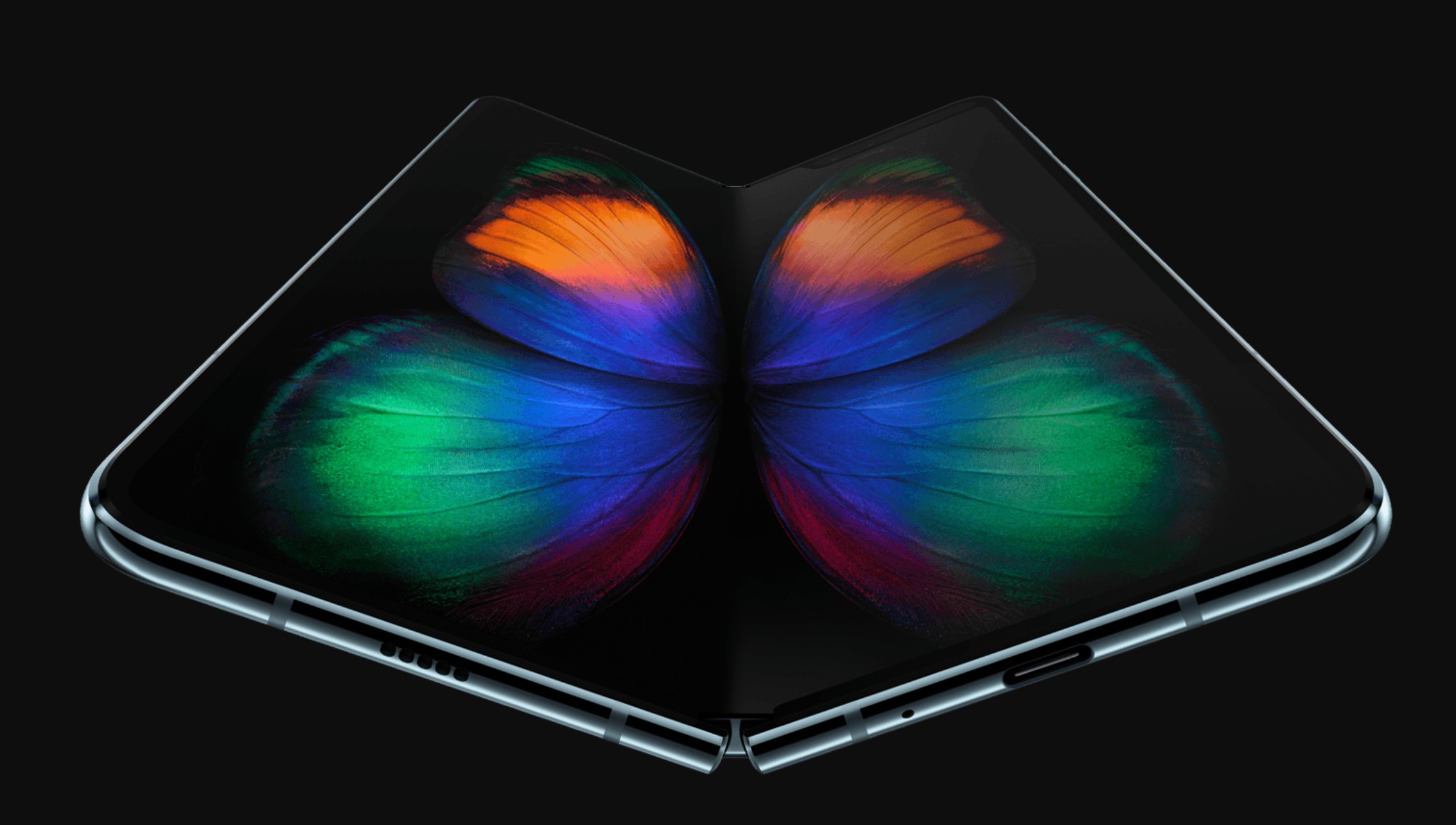
Well, yes, just that is not enough. Convenient application stores appeared along with the iPhone and Android (and not immediately), a completely new technique for viewing the web on a small screen was formed. That is why I welcome the emergence of any new boring concepts of a mobile device - folding, sliding, inflatable, rolled, whatever. But I’m not sure that the future is surely theirs. A technology for manufacturing flexible screens has appeared - excellent, but in order to really get a lot of people to buy such a device, you need to come up with a way to use this technology, simple and clear to everyone. Well, lower prices, or something. Progress may not be related to mobile devices at all: if the technologies of augmented (or even virtual) reality develop sufficiently, the mobile device of the future in general may be a bar the size of a credit card,
For example, right to the brain. Experiments with the form and content of today's mobile devices are only preparations for the future. But I welcome them: the more variety, the better - in twenty years from now I will have something to collect again.