September 1, 2016 at 16:14
The next supernova in our galaxy
- Transfer
The variety of natural phenomena is so great, and the treasures hidden in the sky are so rich that due to their number the human mind will never need to be fed.
- Johannes Kepler
So said the man who discovered in 1604 the freshest supernova at that time, located in our galaxy and observed in the visible spectrum. And although, most likely, after it there were two more explosions, they were not visible to the naked eye, and their remains were already discovered using powerful telescopes.
In January 2012, the first supernova was discovered that year, in a galaxy 25 million light-years distant from us, NGC 3239. The supernova pictured below was named SN 2012a.

With a typical periodicity of about one supernova in one galaxy in one hundred years, it becomes interesting what we would see - and how quickly - if a supernova were formed in our Galaxy.
Recall that a supernova can be formed in one of two ways, but both of them include an out-of-control nuclear fusion reaction that releases huge amounts of light and energy. Most of the energy, surprisingly, is not released in the form of light! Let's look inside the star, which in a few seconds should turn into a supernova.
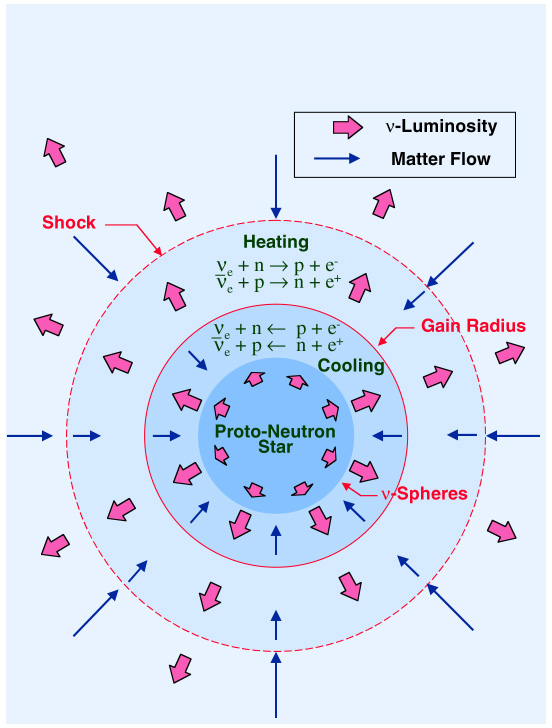
In addition to shocks and high temperatures, internal reactions produce neutrinos, of which most do not interact with the outer layers of the star! Only some neutrinos interact with them, as well as all protons, neutrons and electrons, the appearance of which does not occur instantly. And although a blast wave takes a couple of hours to reach the outer layers of the star, neutrinos travel this way almost instantly!
This means that when a star turns into a supernova, a neutrino flux arises before a flux of light! We discovered this with observations in 1987.
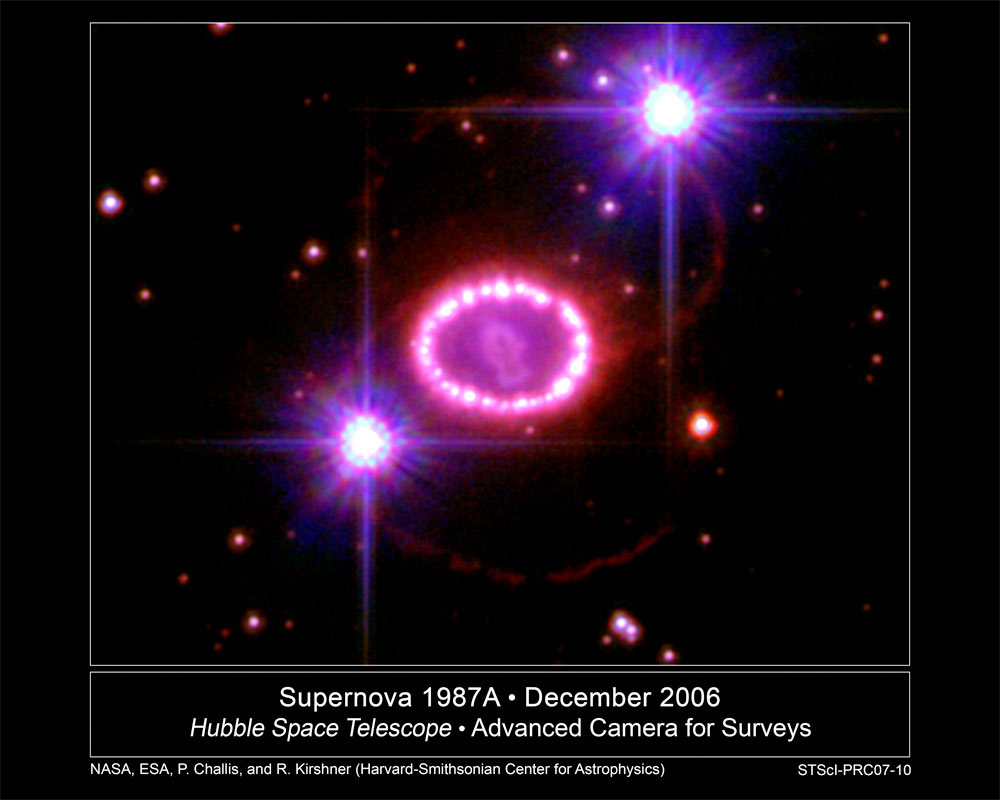
When the supernova of 1987a exploded only 168,000 light-years from us, it was close enough - and we had enough neutrino detectors - to detect 23 (anti) neutrinos in a period of 13 seconds. The largest detector, Kamiokande II, containing 3,000 tons of water, detected 11 antineutrinos.
Today, the Super Kamiokande III detector in its place contains 50,000 tons of water and 11,000 photomultiplier tubes. (There are many other great neutrino detectors in the world, but I will dwell on this for an example).
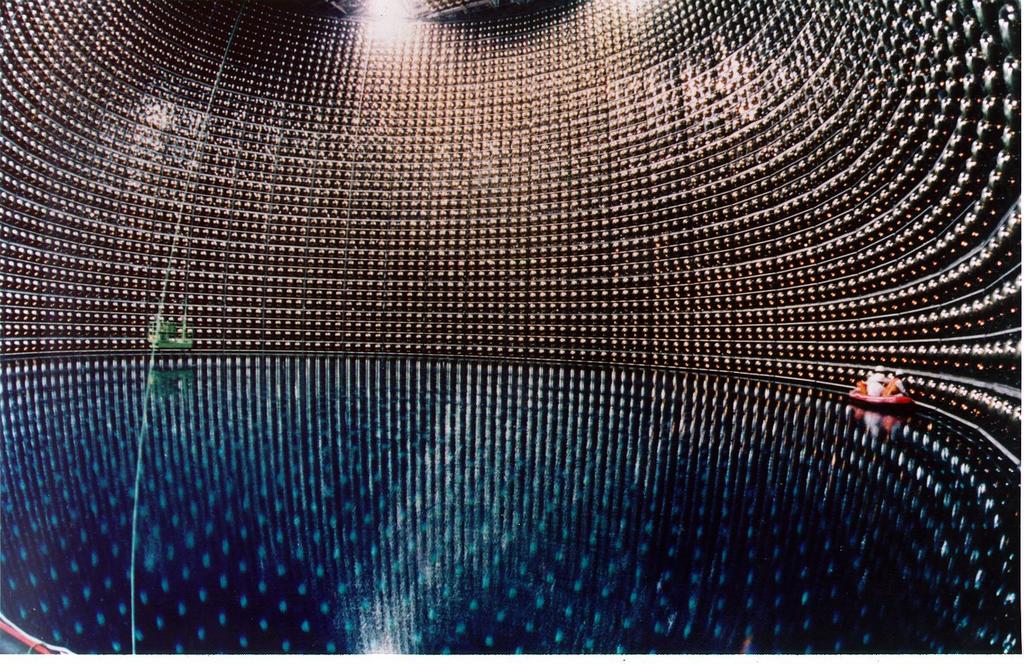
His device is amazing because it can not only detect neutrinos, but also determine the direction, energy and interaction point of even the only neutrino that is lucky to interact with any of the particles in 50,000 tons of water!
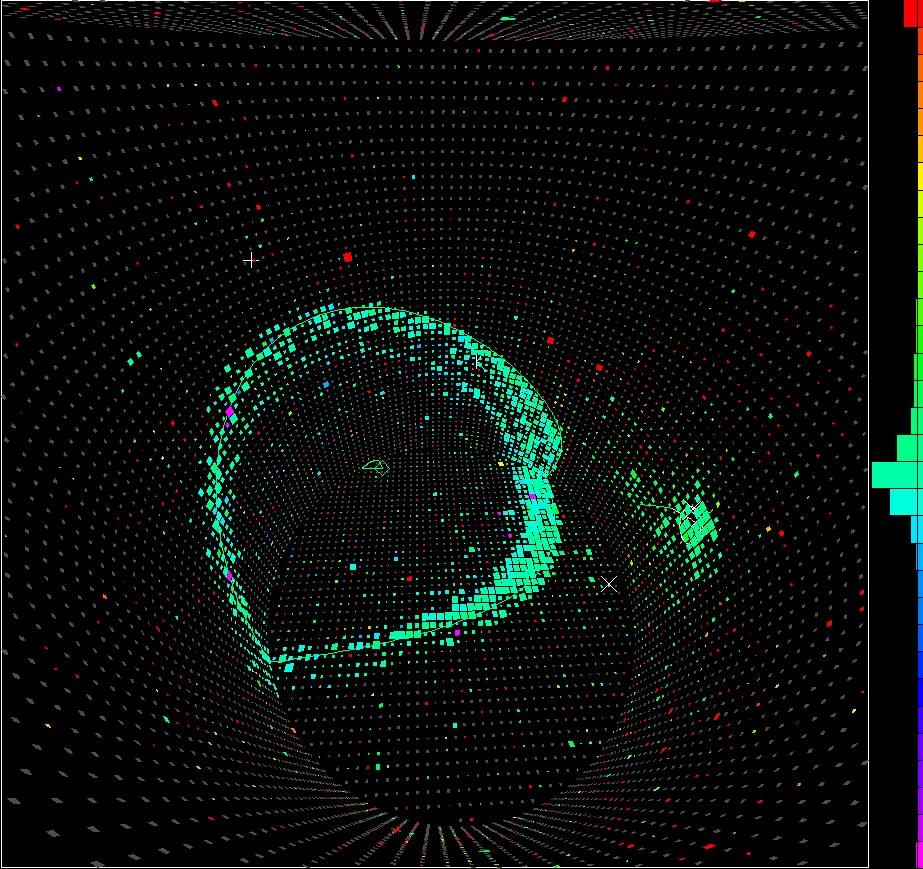
Depending on where a potential supernova appears in our Galaxy, Super Kamiokande III will have to register from several thousand antineutrinos (in the event of an explosion on the opposite side of the Galaxy) to more than ten million, and all this in 10 - 15 seconds!
Neutrino detectors around the world will see a stream of neutrinos, simultaneously and on the same side. At this moment, we will have 2-3 hours to determine the direction to the source of these neutrinos, and turn the telescopes to attempt visual observation of the supernova - for the first time in history - from the very beginning!

The closest supernova after 1987 was the one pictured above, and we were able to see it half a day after the explosion.
Mostly thanks to a happy occasion, we got pretty close to the intense hypernova in 2002.
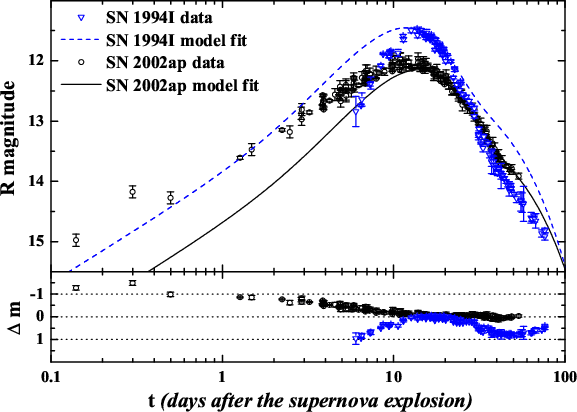
And still, we began to observe this star, SN 2002ap, only 3-4 hours after the first explosion. If the supernova that is about to appear will belong to category Ia - that is, come from a white dwarf - we have no way to predict in which part of the galaxy this will happen. There are too many white dwarfs, the location of most of them is unknown and it is believed that they are scattered throughout the galaxy.
If a supernova happens in a very massive star with a core collapsing under its own weight (type II supernova), we have a set of good candidates and great places to look for this.

The obvious place is the center of the Galaxy, where the last of the known supernovae of the Milky Way exploded, as well as the location of the most massive stars that exist in our Galaxy. In the next 100,000 years, many type II supernovae will definitely appear there, but we have no way of knowing when we will see the next. Looking at the picture above, think that the explosions of these supernovae have most likely already occurred, and we are just waiting for the moment when the neutrino (and the light behind them) reach us!
But we have candidates closer to the galactic center.

Let's look into the bowels of a huge nebula in which stars are born, and we will find there the hottest and youngest stars among all that can be found in the Universe. This is where ultramassive stars live - and, in particular, the Eagle Nebula in the photo above can be home to a very recent supernova. The Eagle Nebula, the Orion Nebula, and many other regions filled with young stars, are great places for the birth of the next supernova.
What about individual stars? Although there are many good candidates, two of them are especially often involved in our conversations.
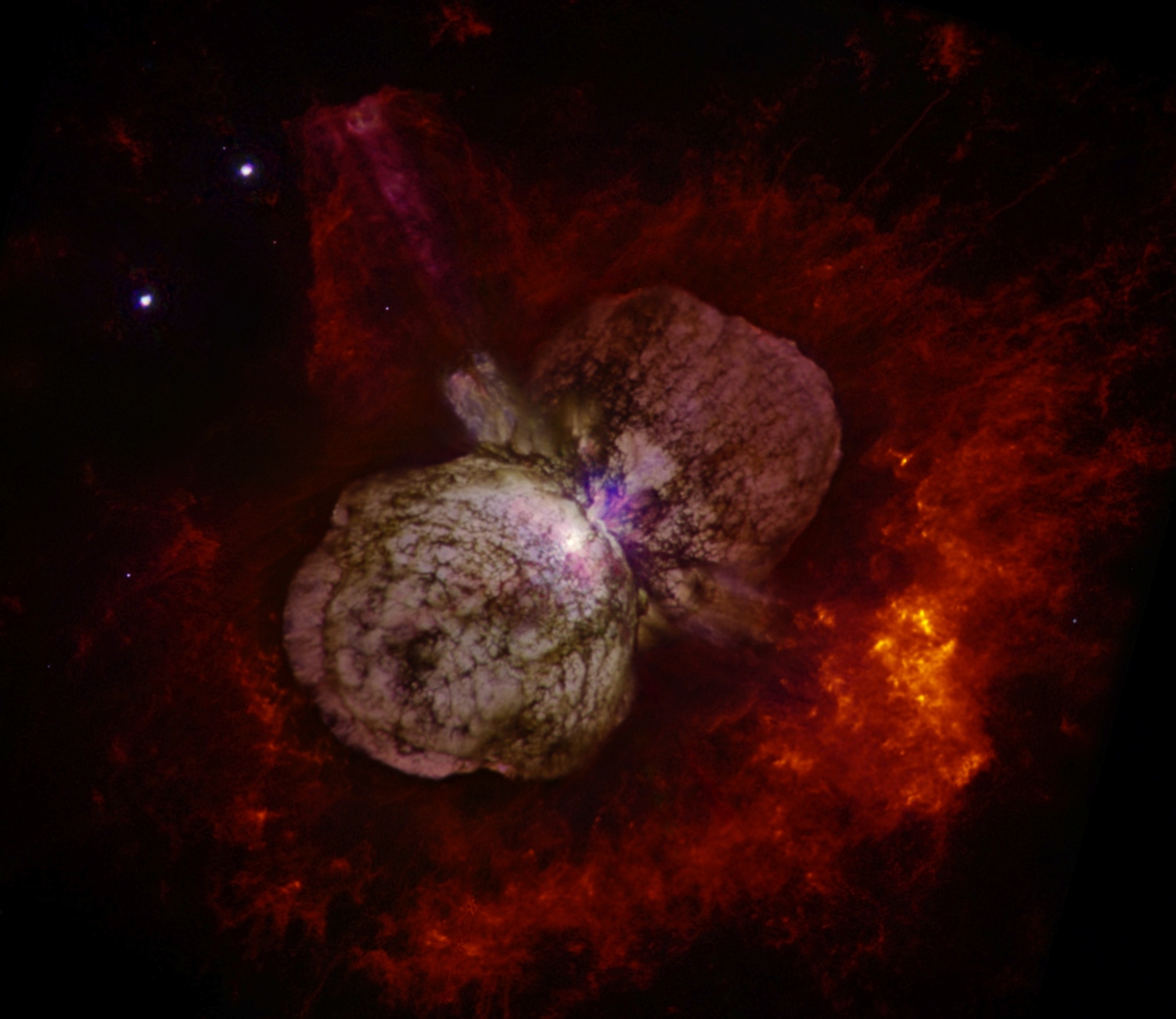
This Kiel, which is in the very last stages of life, can literally at any moment become a supernova. Or until this moment hundreds, thousands and tens of thousands of years can pass. But if we find a stream of antineutrinos coming from about its position in space, then we will direct our telescopes to it first!
Unlike candidates located thousands of light years from us, there is another, much closer. This is the closest candidate for a supernova!

Say hello to Betelgeuse, the red supergiant at 640 light years from us. Betelgeuse is so huge that its diameter is comparable to the orbit of Saturn! If Betelgeuse turns into a supernova, our neutrino detectors across the Earth will register about hundreds of millions of antineutrinos, which in total will exceed the number of all neutrinos of all types ever recorded in history.
But if not these famous candidates will become supernovae, can we say whether it was a type Ia or type II supernova?

You can always wait. Different types of supernovae have very different light curves, and how the light decays after reaching peak brightness will show us what type of supernova it was.
But in such an amazing case, I am not going to test my patience. Fortunately, I won’t need it, because a supernova in our galaxy is likely to be the first recorded observation of the newest type of astronomy: astronomy of gravitational waves!
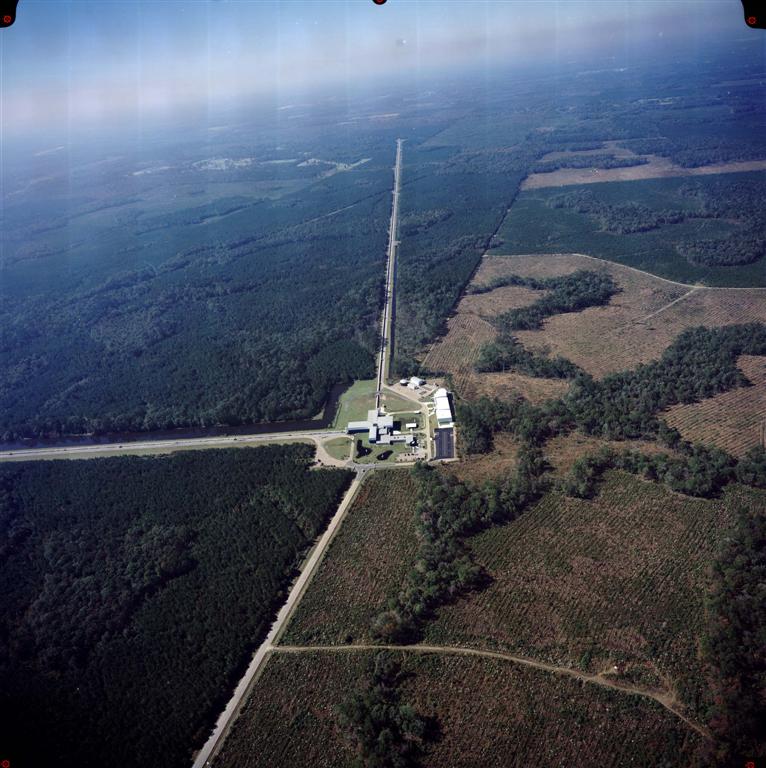
Nothing influences gravitational waves, and such waves from a supernova explosion will have to pass through the stars, gas, dust or matter that they have in their way without disturbances, and come simultaneously with the first wave of (anti) neutrino! And the plus will be that, according to our best simulations of general relativity, type II (collapse of the nucleus) and type Ia (white dwarf, falling in a spiral) supernova will have to generate completely different gravitational waves!
If it is a type Ia supernova, we will have to register three separate regions in the signal:

The spiral fall phase will have to produce a periodic pulsation that increases the frequency and strength as white dwarfs reach the final stage of separation. At the moment of ignition, a burst should occur in the signal, followed by a damping phase. Very different things.
But if we have a Type II supernova, from a supermassive collapsing star, we will see only two interesting things.
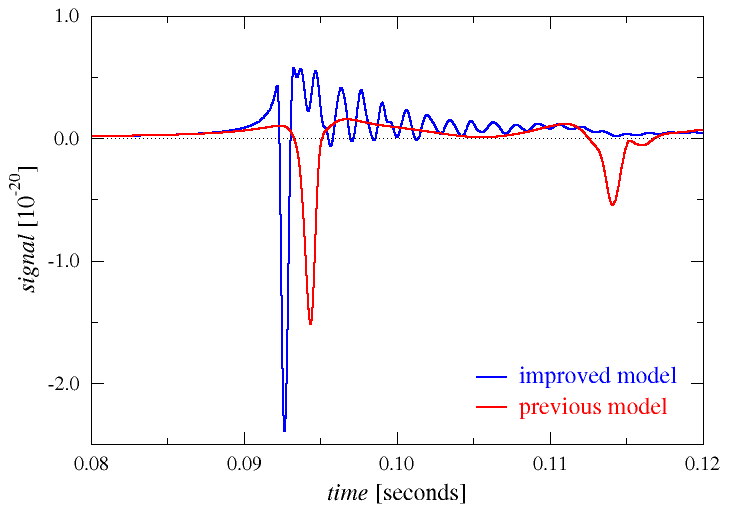
A huge burst - the supernova itself - one tenth of a second after the collapse of the nucleus, followed by a rapidly decaying (within 0.02 sec) response. And if we need to understand what we saw, we need only this talking signal of gravitational waves.
That's what we would see if the next supernova in our Galaxy explodes today!