March 3, 2018 at 20:00
Country as a data center specialist: what is Norway going to do
Last month, the Norwegian government published a plan to develop the construction of data centers. The document tells why it is profitable to build data centers in the country.
We decided to take a closer look at the document and the opinions of experts. / photo NTNU CC
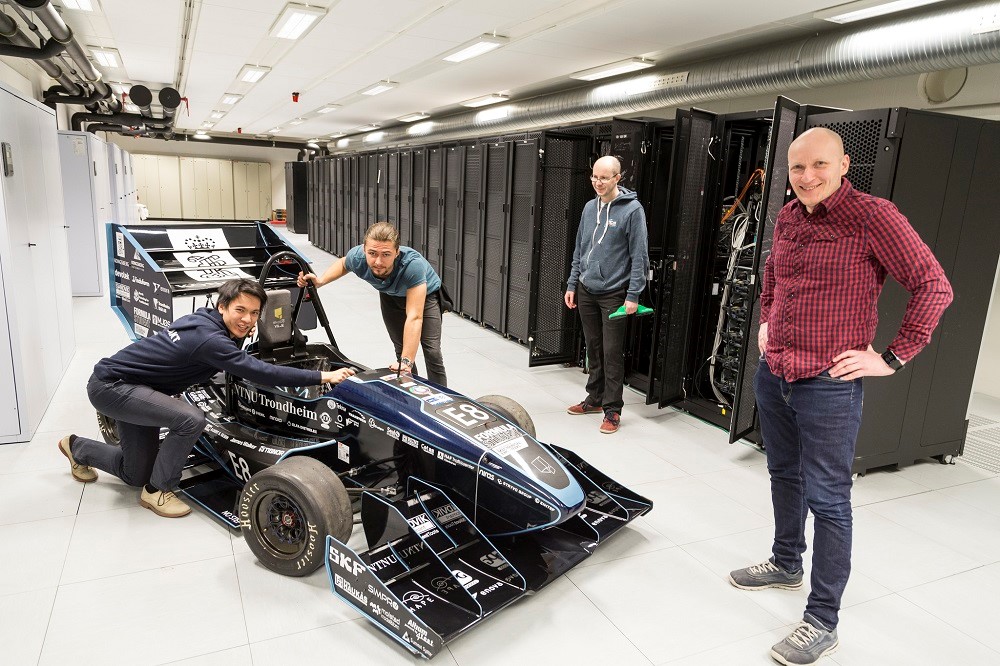
The market for data centers in Norway mainly consists of small and medium-sized enterprises. Large-scale projects are not many. Among the well-known data centers in Norway is Green Mountain, which is cooled by fjords and is considered one of the “greenest” in the world ( PUE is less than 1.2). There are several other major Digiplex data centers near Oslo.
Now the country has begun a “boom” in the construction of new data centers. For example, in 2017, the Lefdal data center, located inside a mountain in an abandoned mine, began its work - this is 120 thousand square meters of space that will be filled with server racks. Also plans to build a data center in NorwayUS-Norwegian organization Kolos and a large Japanese company (it has already signed a contract with the Norwegian energy company Ringeriks-Kraft).
The Norwegian government has prepared a document that explains to potential investors why it is profitable to build new data centers in the country. Here are some of the reasons indicated:
Data centers require a large amount of energy: the largest of them have a capacity of 100 MW and consume about 1 TWh per year. Therefore, among the criteria for the development of the data center industry, electricity prices play an important role.
According to the data for the 4th quarter of 2017, tax prices for electricity for businesses vary from 29 to 33 era for kWh (or about 0.04 dollars). At the same time, over the past year, the cost of electricity decreased by 4–8%.
Also, from January 1, 2016, Norway reduced the consumer tax on electricity for large data centers. In order for the company to take advantage of the preferential tax rate, the data center built by it had to consume more than 5 MW of electricity.
From January 1, 2017, this threshold was reduced to 0.5 MW. And over the next 5–7 years, they plan to eliminate the electricity tax altogether.
A stable supply of renewable energy is an important factor in choosing a location for the data center and the main competitive advantage of Norway. In this country, the share of electricity generated from renewable sources reaches 98%. Most of the electricity is generated from hydropower plants. In 2013, the country produced 134 TWh of electricity: 129 TWh from water, 3.3 from solar energy, and 1.9 from wind. For comparison: the capital of Norway, Oslo consumes an average of 9 TWh per year.
So far, the energy obtained with the help of wind represents only a small part, but the percentage ratio may change in the near future. Norway is developing the direction of wind energy and every year builds new windmills. In 2016, it was launchedconstruction of the world's first water wind farm. At the same time, the creation of the largest wind farm in Europe began, which will generate 1 thousand MW by 2020.
Data centers also depend on the reliability of fiber optic and other communication lines. Therefore, according to the plan , the state will spend NOK 100 million ($ 13 million) on laying fiber-optic cables between Norway and other countries.
Transport and Communications Minister Ketil Solvik-Olsen believes that laying fiber to other countries and simplifying excavation procedures to dig trenches under cables will strengthen Norway's attractiveness for investors.
Other industries will benefit from this: expanding the network infrastructure will reduce the load on the infrastructure of providers in Sweden, through communications of which most of Norway’s traffic to Europe and vice versa now passes.
The development of the data center industry is largely dependent on the effectiveness of the transport infrastructure. A data center can be built anywhere in the country, including in rural areas, but for its operation and efficient movement of employees, highways and other transport infrastructure will be needed.
To solve this problem, the government will invest NOK 933 billion in the development of transport links from 2018 to 2019.
As noted in the document, this step will simplify movement around the country and make the Norwegian economy more competitive in the European market.
The climate in the country is cold and without sudden changes. The average annual temperature ranges from 0.8 to 3.7 ° C in the "depth" of the country. Therefore, you can cool data centers using freecooling all year round.
In addition, the inner part of Norway is practically not subject to storms, hurricanes and other natural disasters, which guarantees the security of the physical infrastructure of the data center.
According to research, 45% of Norwegians between the ages of 16 and 74 are well acquainted with digital technologies (the overall figure in the European Union is 29%). To make such specialists even larger, in 2018 the government added 500 budget places for students of IT specialties. In the future, the number of these places will increase, and the state will allocate additional funds for research and development in the field of information technology.
In addition, Norway intends to simplify the approval of applications for the construction of industrial enterprises for Norwegian and foreign investors. As noted by the Minister of Local Government and Regional Development, Monica Mандland, this will stimulate business in Norway and increase the number of jobs.
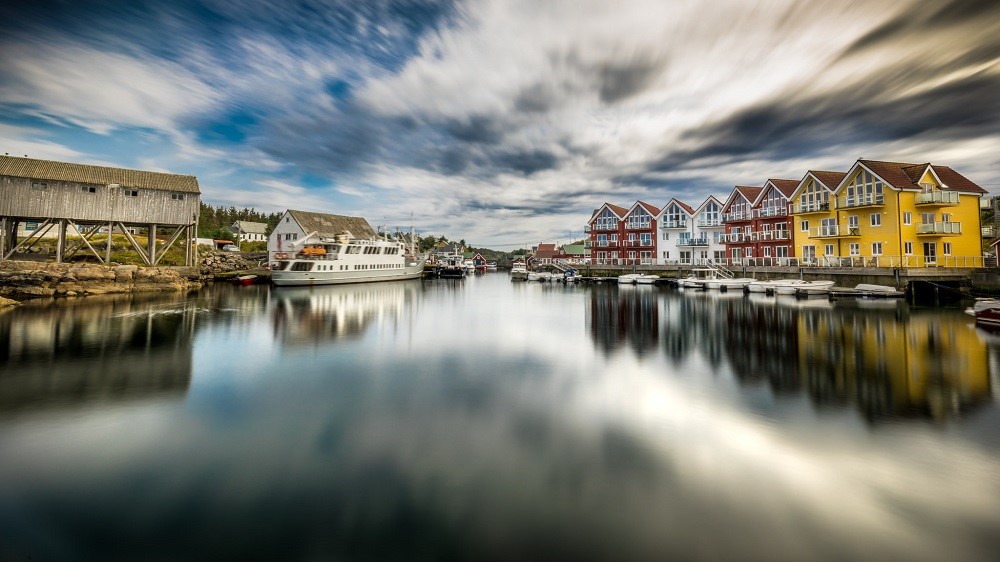
/ photo Giuseppe Milo CC
In early 2016, the Norwegian government prepared a document for investors, which presented a list of criteria for evaluating places for the construction of data centers. Among them, the following aspects were highlighted:
Based on these requirements and development programs, 31 locations were selected as potential locations for construction. The list includes, for example, the communes of Alvdal, Rendal, Bodø and Aurland, the city of Ryukan and other settlements (the full list is presented here on page 50).
Minister of Trade and Industry Thorbjørn Røe Isaksen stated that Norway needs to develop new industrial sectors that will create jobs and increase capital turnover in the country. Data centers are one of the promising industries.
The document noted that it is impossible to calculate the exact benefits that the development of the data center industry will bring, but they are convinced that the construction of new data centers will lead to the growth of the country's economy.
PS Some materials from the First Corporate IaaS Blog:
We decided to take a closer look at the document and the opinions of experts. / photo NTNU CC
The situation with data centers in Norway
The market for data centers in Norway mainly consists of small and medium-sized enterprises. Large-scale projects are not many. Among the well-known data centers in Norway is Green Mountain, which is cooled by fjords and is considered one of the “greenest” in the world ( PUE is less than 1.2). There are several other major Digiplex data centers near Oslo.
Now the country has begun a “boom” in the construction of new data centers. For example, in 2017, the Lefdal data center, located inside a mountain in an abandoned mine, began its work - this is 120 thousand square meters of space that will be filled with server racks. Also plans to build a data center in NorwayUS-Norwegian organization Kolos and a large Japanese company (it has already signed a contract with the Norwegian energy company Ringeriks-Kraft).
Why Norway
The Norwegian government has prepared a document that explains to potential investors why it is profitable to build new data centers in the country. Here are some of the reasons indicated:
1. Electricity and taxes
Data centers require a large amount of energy: the largest of them have a capacity of 100 MW and consume about 1 TWh per year. Therefore, among the criteria for the development of the data center industry, electricity prices play an important role.
According to the data for the 4th quarter of 2017, tax prices for electricity for businesses vary from 29 to 33 era for kWh (or about 0.04 dollars). At the same time, over the past year, the cost of electricity decreased by 4–8%.
Also, from January 1, 2016, Norway reduced the consumer tax on electricity for large data centers. In order for the company to take advantage of the preferential tax rate, the data center built by it had to consume more than 5 MW of electricity.
From January 1, 2017, this threshold was reduced to 0.5 MW. And over the next 5–7 years, they plan to eliminate the electricity tax altogether.
2. Renewable energy sources
A stable supply of renewable energy is an important factor in choosing a location for the data center and the main competitive advantage of Norway. In this country, the share of electricity generated from renewable sources reaches 98%. Most of the electricity is generated from hydropower plants. In 2013, the country produced 134 TWh of electricity: 129 TWh from water, 3.3 from solar energy, and 1.9 from wind. For comparison: the capital of Norway, Oslo consumes an average of 9 TWh per year.
So far, the energy obtained with the help of wind represents only a small part, but the percentage ratio may change in the near future. Norway is developing the direction of wind energy and every year builds new windmills. In 2016, it was launchedconstruction of the world's first water wind farm. At the same time, the creation of the largest wind farm in Europe began, which will generate 1 thousand MW by 2020.
3. Communication lines
Data centers also depend on the reliability of fiber optic and other communication lines. Therefore, according to the plan , the state will spend NOK 100 million ($ 13 million) on laying fiber-optic cables between Norway and other countries.
Transport and Communications Minister Ketil Solvik-Olsen believes that laying fiber to other countries and simplifying excavation procedures to dig trenches under cables will strengthen Norway's attractiveness for investors.
Other industries will benefit from this: expanding the network infrastructure will reduce the load on the infrastructure of providers in Sweden, through communications of which most of Norway’s traffic to Europe and vice versa now passes.
4. Infrastructure and transport
The development of the data center industry is largely dependent on the effectiveness of the transport infrastructure. A data center can be built anywhere in the country, including in rural areas, but for its operation and efficient movement of employees, highways and other transport infrastructure will be needed.
To solve this problem, the government will invest NOK 933 billion in the development of transport links from 2018 to 2019.
As noted in the document, this step will simplify movement around the country and make the Norwegian economy more competitive in the European market.
5. Natural conditions
The climate in the country is cold and without sudden changes. The average annual temperature ranges from 0.8 to 3.7 ° C in the "depth" of the country. Therefore, you can cool data centers using freecooling all year round.
In addition, the inner part of Norway is practically not subject to storms, hurricanes and other natural disasters, which guarantees the security of the physical infrastructure of the data center.
6. Specialists and legislation
According to research, 45% of Norwegians between the ages of 16 and 74 are well acquainted with digital technologies (the overall figure in the European Union is 29%). To make such specialists even larger, in 2018 the government added 500 budget places for students of IT specialties. In the future, the number of these places will increase, and the state will allocate additional funds for research and development in the field of information technology.
In addition, Norway intends to simplify the approval of applications for the construction of industrial enterprises for Norwegian and foreign investors. As noted by the Minister of Local Government and Regional Development, Monica Mандland, this will stimulate business in Norway and increase the number of jobs.
/ photo Giuseppe Milo CC
Where will they build
In early 2016, the Norwegian government prepared a document for investors, which presented a list of criteria for evaluating places for the construction of data centers. Among them, the following aspects were highlighted:
- a) the area - more than 100 thousand square meters, preferably 400-500 thousand square meters;
- b) power supply - availability of a backup power source, backup level N + 1 ;
- c) telecommunications - N + 2 redundancy level, direct access to international nodes, preferably using dark optical fiber ;
- d) transport infrastructure - paved, paved two-lane roads; an hour away airport, preferably international;
- e) urban infrastructure - the city center is 40 minutes away.
Based on these requirements and development programs, 31 locations were selected as potential locations for construction. The list includes, for example, the communes of Alvdal, Rendal, Bodø and Aurland, the city of Ryukan and other settlements (the full list is presented here on page 50).
Minister of Trade and Industry Thorbjørn Røe Isaksen stated that Norway needs to develop new industrial sectors that will create jobs and increase capital turnover in the country. Data centers are one of the promising industries.
The document noted that it is impossible to calculate the exact benefits that the development of the data center industry will bring, but they are convinced that the construction of new data centers will lead to the growth of the country's economy.
PS Some materials from the First Corporate IaaS Blog: