February 13, 2018 at 17:31
HTTP codes in Valentine's Day comics
- Transfer
Valentine's Day tomorrow. For some, this is a time of romantic hope, a time to ask the "lady of the heart" and get an answer. It can be just “yes”, sad “no” or the mysterious “I did not think of us as a couple, but maybe tomorrow we can have dinner together?”
This, although indirectly, leads us to HTTP status codes (Hypertext Transfer Protocol). When the URL is entered in the browser, the request is sent to the server. As in our scenario, the browser is waiting for a response. These responses come in the form of an HTTP code, which is a three-digit number that maps to a specific meaning.
Here are some likely scenarios in the form of comics for Valentine's Day.
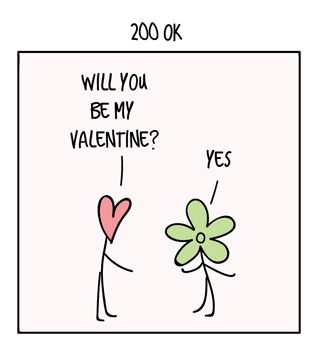
Class 200 codes usually mean that everything is in order. The request was received, understood, and there were no errors on the server. For example, this URL will return 200 OK - a successful request. Ideal completion for pairs “browser + server” and “developer + his project”
Class 300 codes mean that the client must take further action to complete the request. In the 300s there are also all redirects.
A person will probably never see the 300th codes, since a browser without a user must take the necessary actions. However, search engines take these 300th codes seriously, so developers should take care to choose the right code.
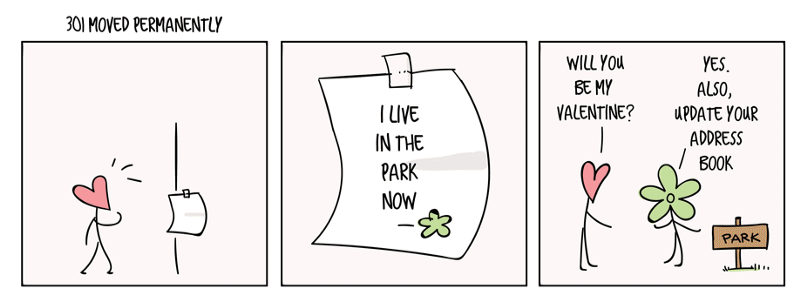

There is a subtle but important difference between 302, 303, and 307 , which is not well reflected in the comic book.
In short, the point is that when 302 code was first created, it was not implemented correctly by popular browsers. To eliminate the ambiguity between the correct 302 and the incorrect 302, codes 303 and 307 were created.

This comic does not well illustrate the advantages of the 304th, since for a person, "yes" is much shorter than "my answer has not changed."
304 is useful for browsers because it signals that a resource may be loaded from the cache, rather than having to reload it from the server.
The 4xx code class usually indicates a problem with the request. This may be a problem with the browser or the URL used.

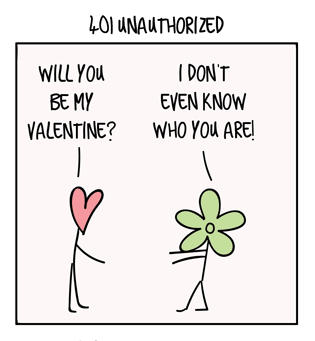
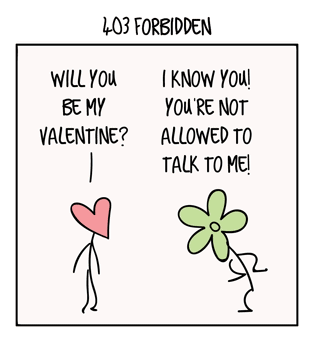
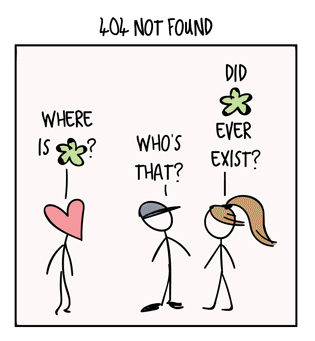
404 is probably the most common mistake. Although many understand its meaning as “this resource does not exist” and “this resource is deleted”, 404 does not actually indicate whether the resource existed or whether it will ever be returned.
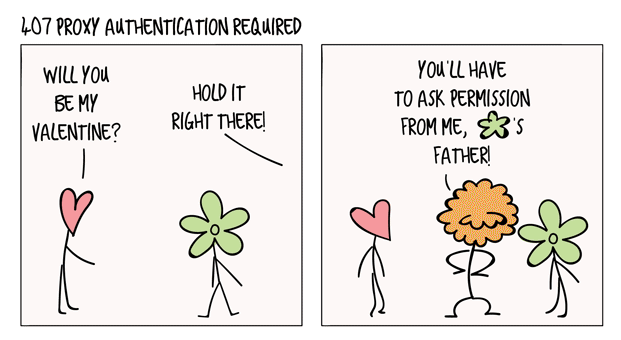


Unlike the famous 404, 410 is a case when a resource existed, but was permanently deleted and its return is not expected. If you permanently deleted a page from your site, you should use 410, not 404.

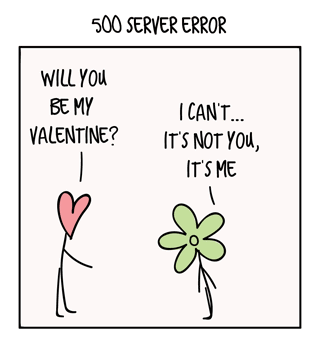


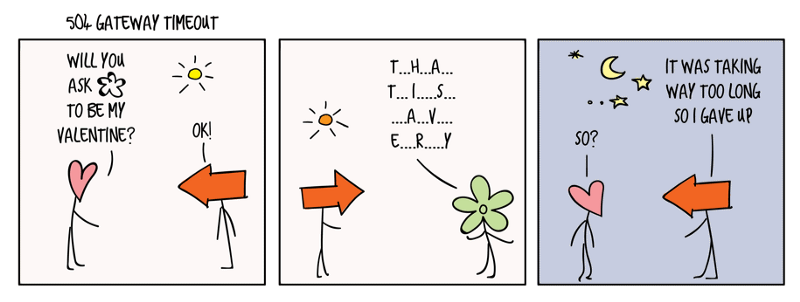
Finally, the funniest status code is a reference to the April Fools' Day joke back in 1998, which is still alive .
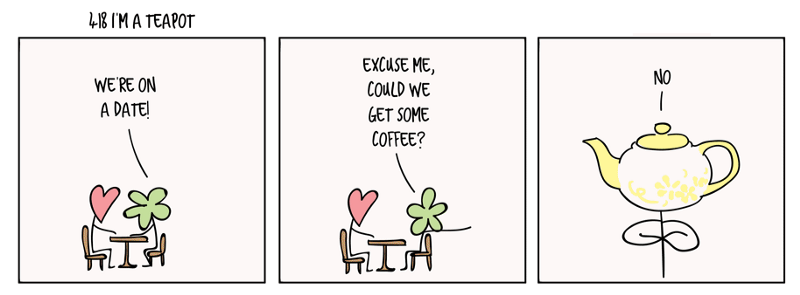
Hyper Text Coffee Pot Control Protocol (HTCPCP, Hypertext Coffee Machine Control Protocol) is a protocol for controlling, tracking and diagnosing coffee brewing devices. HTCPCP requests are defined using the coffee: URI scheme and contain several additions to HTTP requests. 418 “I'm a teapot” (Error 418: I am a teapot) - returns when trying to make coffee using a kettle.
We hope that viewing these comics has made the HTTP codes more interesting. You can find additional and more serious explanations about these codes at the links below.
Related links:
HTTP response status codes
HTTP Status Codes for Beginners | Added Bytes
Simple Language About HTTP
This, although indirectly, leads us to HTTP status codes (Hypertext Transfer Protocol). When the URL is entered in the browser, the request is sent to the server. As in our scenario, the browser is waiting for a response. These responses come in the form of an HTTP code, which is a three-digit number that maps to a specific meaning.
Here are some likely scenarios in the form of comics for Valentine's Day.
200s: Success
Class 200 codes usually mean that everything is in order. The request was received, understood, and there were no errors on the server. For example, this URL will return 200 OK - a successful request. Ideal completion for pairs “browser + server” and “developer + his project”
300s: Redirection
Class 300 codes mean that the client must take further action to complete the request. In the 300s there are also all redirects.
A person will probably never see the 300th codes, since a browser without a user must take the necessary actions. However, search engines take these 300th codes seriously, so developers should take care to choose the right code.
There is a subtle but important difference between 302, 303, and 307 , which is not well reflected in the comic book.
In short, the point is that when 302 code was first created, it was not implemented correctly by popular browsers. To eliminate the ambiguity between the correct 302 and the incorrect 302, codes 303 and 307 were created.
This comic does not well illustrate the advantages of the 304th, since for a person, "yes" is much shorter than "my answer has not changed."
304 is useful for browsers because it signals that a resource may be loaded from the cache, rather than having to reload it from the server.
400s: client error
The 4xx code class usually indicates a problem with the request. This may be a problem with the browser or the URL used.
404 is probably the most common mistake. Although many understand its meaning as “this resource does not exist” and “this resource is deleted”, 404 does not actually indicate whether the resource existed or whether it will ever be returned.
Unlike the famous 404, 410 is a case when a resource existed, but was permanently deleted and its return is not expected. If you permanently deleted a page from your site, you should use 410, not 404.
500s: server error
Epilogue
Finally, the funniest status code is a reference to the April Fools' Day joke back in 1998, which is still alive .
Hyper Text Coffee Pot Control Protocol (HTCPCP, Hypertext Coffee Machine Control Protocol) is a protocol for controlling, tracking and diagnosing coffee brewing devices. HTCPCP requests are defined using the coffee: URI scheme and contain several additions to HTTP requests. 418 “I'm a teapot” (Error 418: I am a teapot) - returns when trying to make coffee using a kettle.
We hope that viewing these comics has made the HTTP codes more interesting. You can find additional and more serious explanations about these codes at the links below.
Related links:
HTTP response status codes
HTTP Status Codes for Beginners | Added Bytes
Simple Language About HTTP