January 23, 2018 at 12:55
Scales and barcodes: How retailers and manufacturers ended up in a deep ... puddle
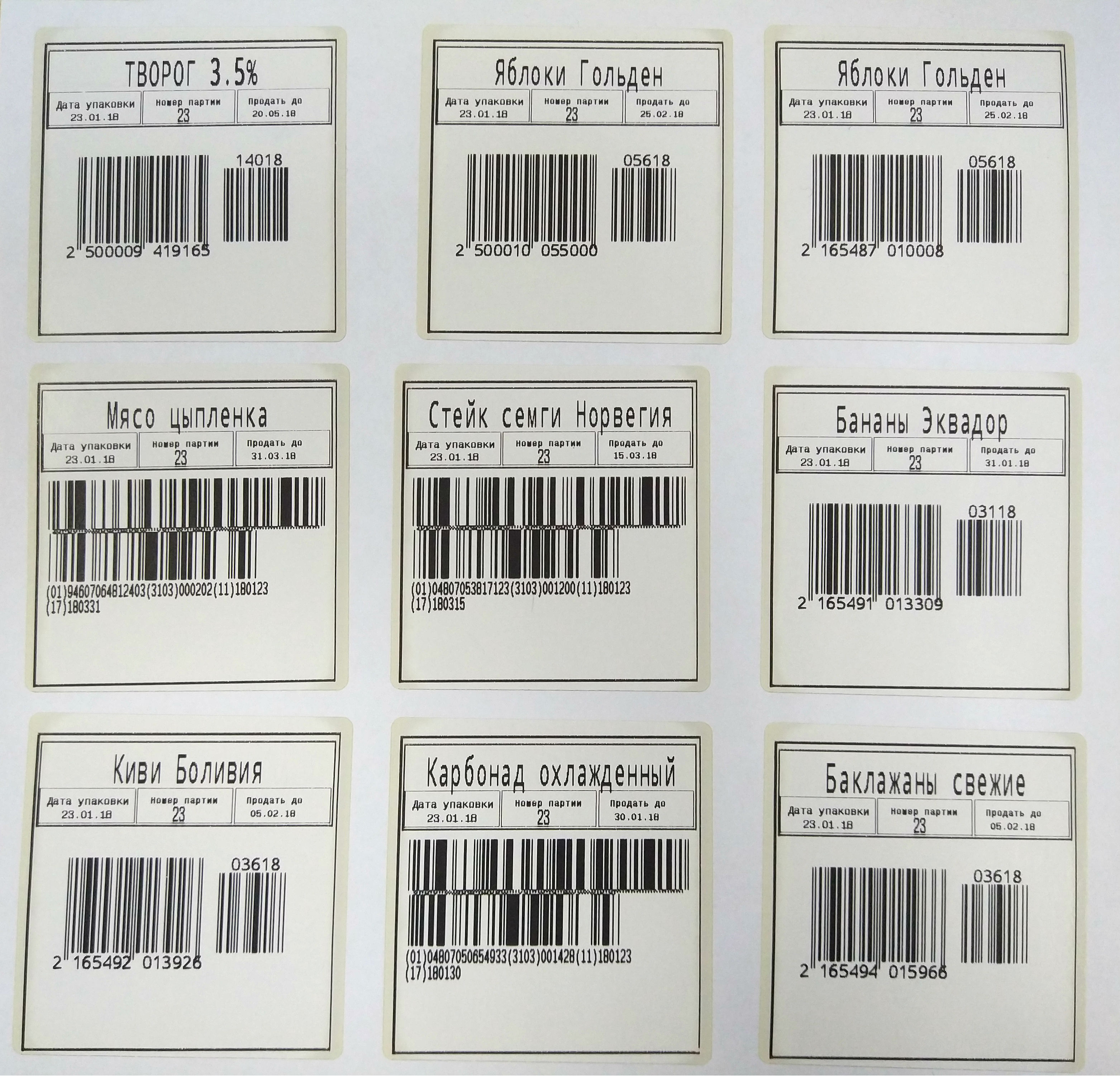
The desire to comply with European standards has long taken possession of Russian food producers and sellers. Most often, this desire is aimed at attracting and retaining customers. One of its manifestations: an attempt to provide the maximum amount of information about the product, so that the client can understand what he is buying without the help of a consultant. This trend has led to the fact that in Russia over the past couple of years, the requirements for barcodes placed on product labels have changed significantly.
How barcodes have changed
Previously, sellers and buyers were content with the standard linear bar code EAN 13, transmitting the following data:
- the code of the country that assigned the code to the manufacturer (this is not necessarily the country where the product was manufactured);
- manufacturer code
- product code;
- check digit;
- indicator of the right clean zone.
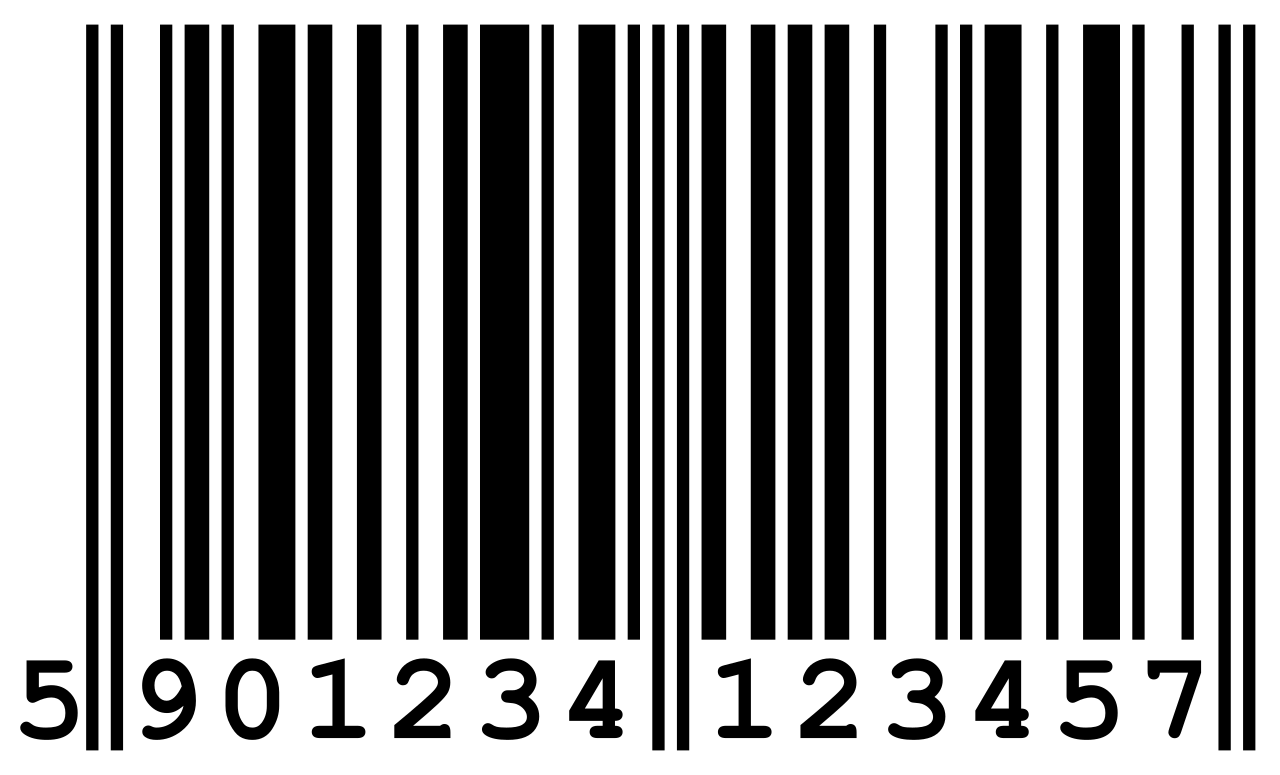
However, today this information is not enough. As a result, the EAN 5 barcode (EAN 13 + 5) was gradually added to EAN 13, so the attribute of the product, including the expiration date, began to be indicated on the label.

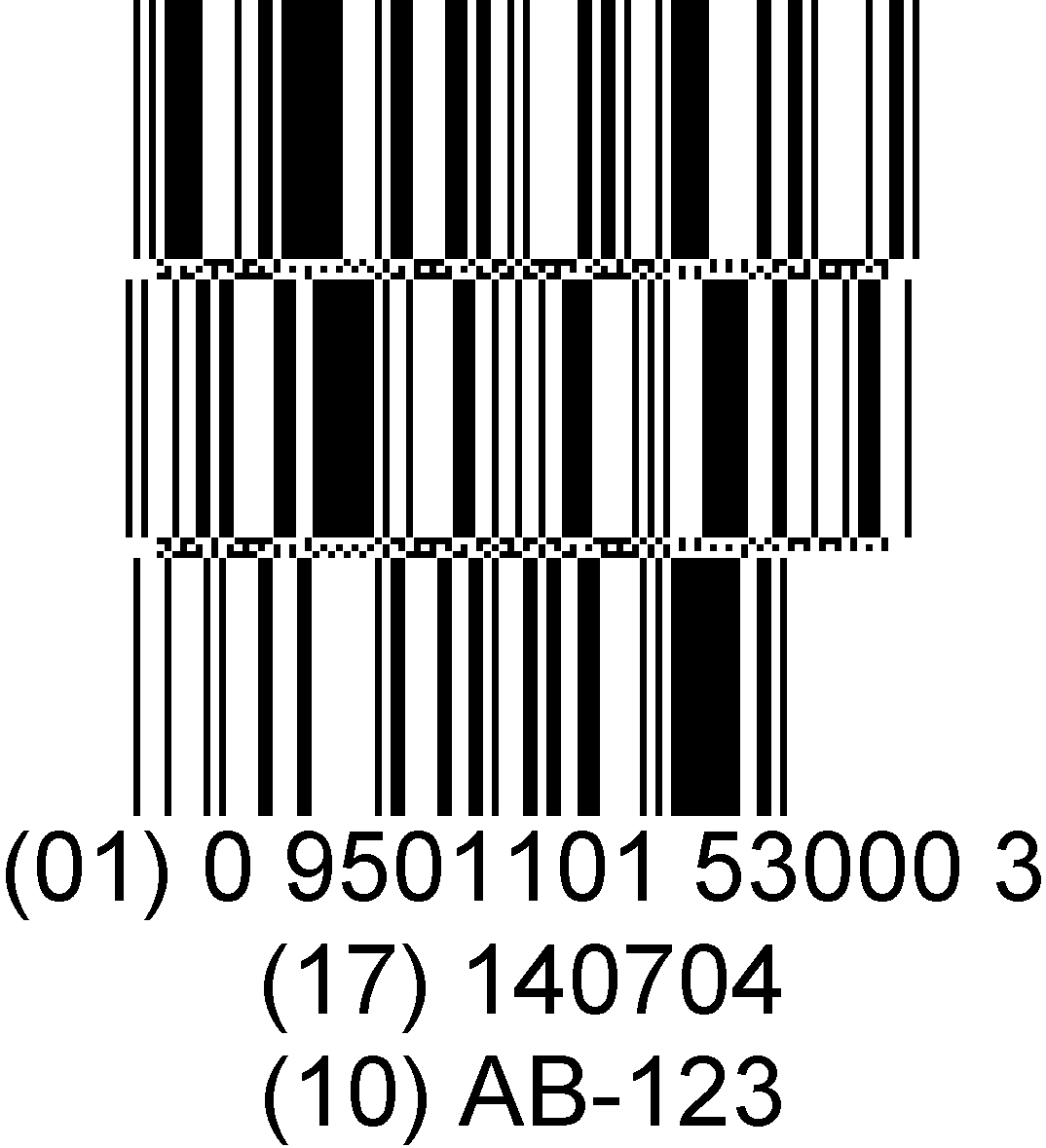
And in 2017, a new trend emerged: the barcode format began to change to DataBar Expanded Stacked, which is EAN 13 and EAN 128. Thus, information such as:
- product weight;
- date of manufacture;
- manufacturer batch code;
- volume.
But, returning to the topic of the article, it is not clear, why did retailers and product manufacturers have problems with changing barcodes? It's simple: this process will directly affect marking equipment, including scales with the function of receipt, which can be seen in almost any more or less large store. In practice, it turned out that models of devices that entered the market five years ago or more, with their internal microcode, memory size and stack, to be modified to meet changing requirements, would be more costly for a vendor than to release new scales.
An exception is some models of self-service scales.premium class, built on the basis of a personal computer. They can print almost any barcode. But this is not a panacea for two reasons: firstly, such devices are very expensive, and secondly, they can not be put into production - the scales simply can not stand the scope of the tasks. After all, they are designed for a small amount of change of printing tapes per day, and not for a full load 24 hours a day.
What is important, soon new barcodes will have to be used in terms of legal requirements. Starting July 16 of this year, new rules for labeling milk-containing products will come into force in Russia. According to insiders, milk will be labeled using DataBar Expanded Stacked. Accordingly - if you want to sell milk-containing products - if you please label them properly.
What does a product manufacturer have to do with it
Most often, retailers give the task of labeling goods with bar codes to food manufacturers. The exception is stores selling their own products. Thus, it will be necessary to improve the scales, including for small farms supplying, for example, dairy or meat products to stores. Given their relatively small volumes, a surprise with barcodes will be unexpected and costly.
Most often, small enterprises that want to appear on the shelves of large retailers acquire inexpensive check-printing foreign button scales. Unfortunately, the filling of most, even new models of such devices, will not allow you to programmatically refine them to meet the new requirements for bar coding. And without that, a small amount of memory is fully used to work with the popular nomenclature, and simply will not allow you to enter additional barcodes. Most often, inexpensive check-button press scales can only work with EAN 13 or EAN 128 today.
The situation is quite different with expensive or completely new scales with a print function. To refine them to meet the requirements, it will be enough to request a new firmware code from the supplier or the partner representing it. In this case, the logic of the software will not change, and specialists will simply add to the barcode database.
As for the old scales (released five years ago or more), it is unlikely that manufacturers will change their firmware. It is much more likely that they will release new models of weights that can print changed barcodes. This is especially true for Asian manufacturers. They quickly change the line of equipment, but periodically release rather crude devices, which are then extremely difficult to configure. European brands usually do not allow themselves this, but they will have to wait much longer for updating the line.
Another way out
However, the purchase of new scales is not the only way out in this situation. This problem can be solved in another way. It is enough to use a check printer - both a semi-industrial standard, connected directly to a PC, and a mobile check printer. Its label design functionality is richer than the functionality of any checkweigher. The printer is easy to synchronize with any trading scales (provided that they are equipped with a COM port), which can be cheap, most importantly, so that they can send information to the outside. It is most convenient in this case (especially for small productions) to take small platform scales with a third accuracy class, very compact, of a small tonnage. Among them, Mettler Toledo Viva, Dibal DPOS400 , CAS BW.
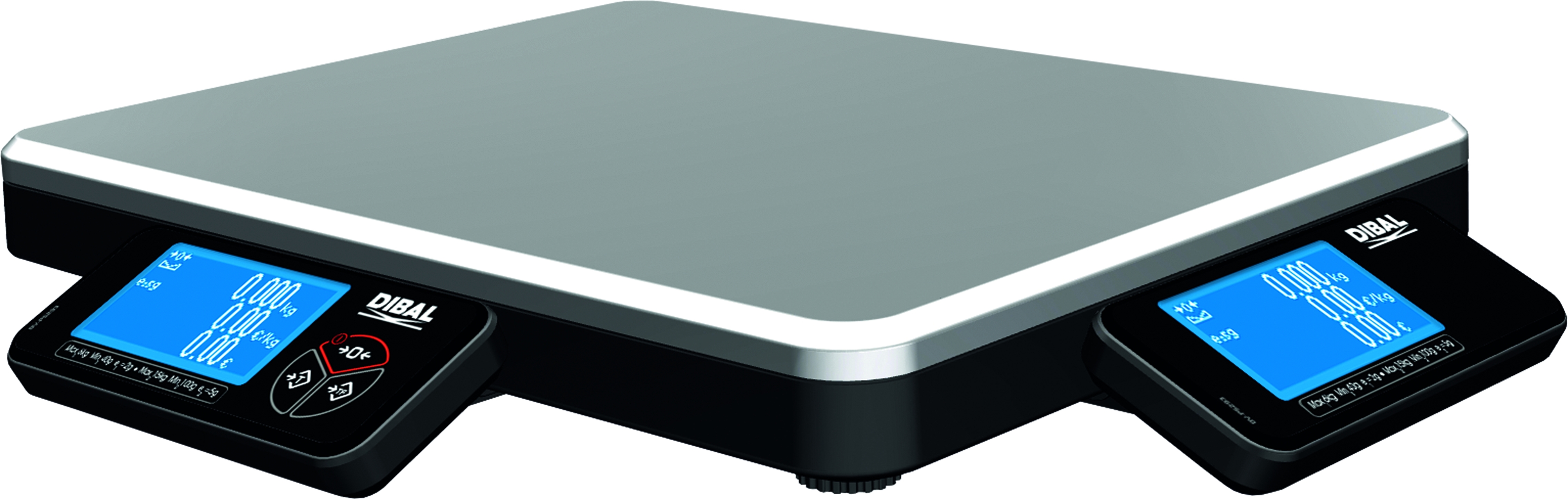
They can be directly connected to the printer or a bundle can be developed using a PC. In the label design software, for example, in BarTender, ZebraDesigner, create the label that you need: with all the necessary barcodes, additional information about the product, tips for preparing it with the indication of the necessary additional ingredients, or with information about the store’s promotions. In this case, you will get a well-read print with a logo, certification marks, confirmations of quality and additional text.