Loot Boxes in Games: A New Round of Debate on Protecting Minors
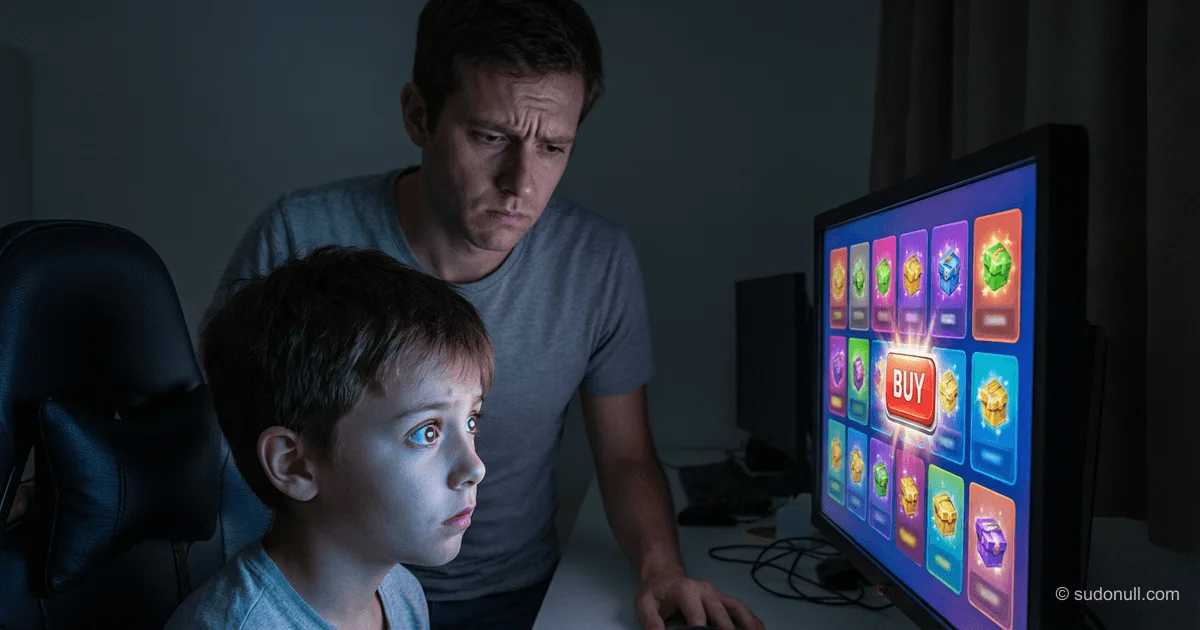
State Duma Deputy Vitaly Milonov has proposed that Roskomnadzor consider restrictions on the purchase of loot boxes for children. The initiative targets mechanics with random rewards, popular in FIFA and Counter-Strike 2. The issue of regulating such transactions has been discussed in Russia more than once, but has not yet led to specific legislative changes.
What Are Loot Boxes and Why Do They Raise Questions
Loot boxes are virtual containers that players can open with real money or in-game currency, receiving a random set of items. In FIFA, these are packs of player cards; in CS2, they are cases with weapon skins. To open a case in CS2, you need to buy a key on Steam with real money, making the mechanic directly linked to financial spending.
The key problem is the similarity to gambling. The user pays for a chance to get a valuable item, but the result is determined by randomness. This can encourage repeat purchases, especially among children, who are less able to assess risks and the value of money. Studies show that such a model can foster addictive behavior.
International Regulatory Experience
A number of countries have already imposed restrictions on loot boxes. For example, in Belgium and the Netherlands, they have been classified as gambling, forcing developers to change or remove the mechanic from games. In the UK and Australia, parliamentary investigations are underway, and in China, there is a requirement to disclose the probabilities of item drops. Russia remains at the discussion stage.
Possible Measures and Their Consequences
Milonov's appeal considers several options:
- Setting limits on bank cards linked to minors' accounts.
- A complete ban on in-game transactions for children.
- Mandatory disclosure of item drop chances.
Experts note that the technical implementation of such measures is complex. Payment systems cannot always determine the user's age, and bypassing restrictions through gift cards or other people's accounts remains possible.
Context: Rise in Complaints About Digital Services
The initiative comes amid reports from Roskomnadzor of over 100,000 complaints about violations in personal data processing. The regulator is increasing control over the digital environment, and loot boxes are becoming part of a broader agenda for protecting consumer rights online.
What Matters
- Loot boxes in FIFA and CS2 are among the most widespread examples of random reward mechanics.
- Children are especially vulnerable to impulsive spending due to immature risk assessment.
- International regulators have already classified loot boxes as gambling in some jurisdictions.
- In Russia, there are no legislative restrictions yet, but the discussion continues.
- Technical implementation of a ban requires coordination between payment systems and gaming platforms.
— Editorial Team









No comments yet.