November 17, 2016 at 09:45
The history of communication towers 2: forms and types
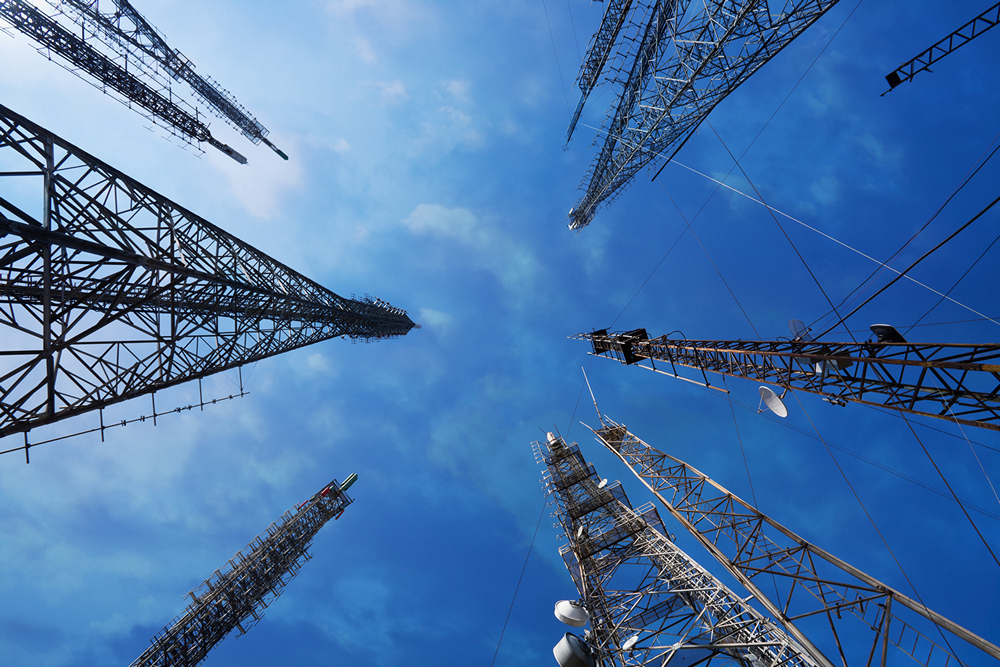
In the world you can meet many interesting communication towers - from a constructive and aesthetic point of view. About them under the cut.
Cellular communication towers are the most widespread class of supporting structures in the world of telecommunications. This is due to the fact that for sustainable coverage it is necessary to create a whole network of numerous base stations (moreover, in cities there are even more than in open areas). In addition, many operators create their own infrastructure, "duplicating" coverage areas. As a result, cities are increasingly densely filled with such structures.
From an engineering point of view, there are three types of towers:
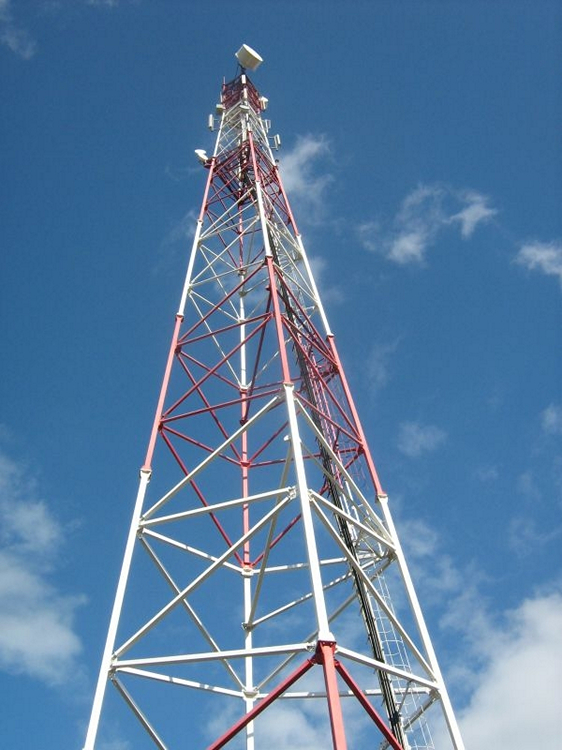
- Wireframe . These are voluminous lattice structures - self-supporting towers. They have high wind resistance and load capacity.
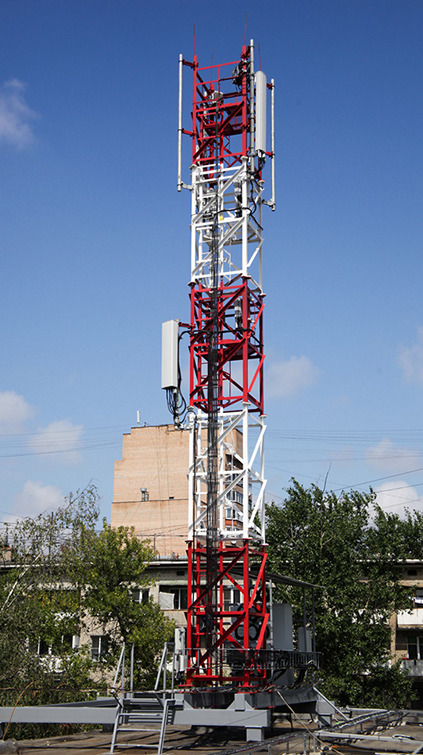

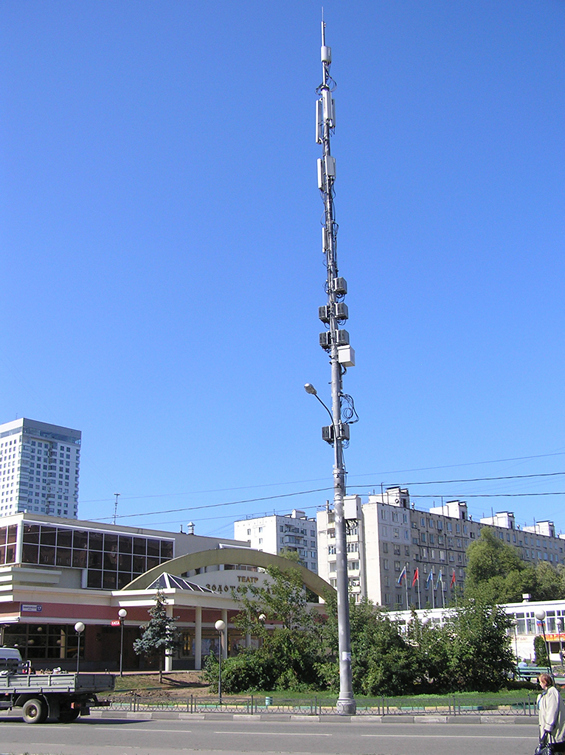
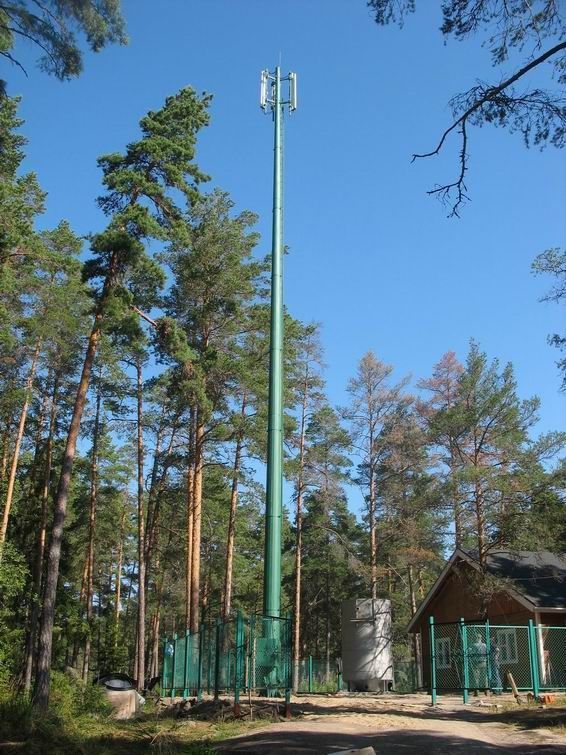
- Mast . In fact, they are a pole on which antennas are fixed and, sometimes, system modules (such “boxes” that are responsible for receiving and transmitting data separately for each standard - GSM, CDMA, LTE).
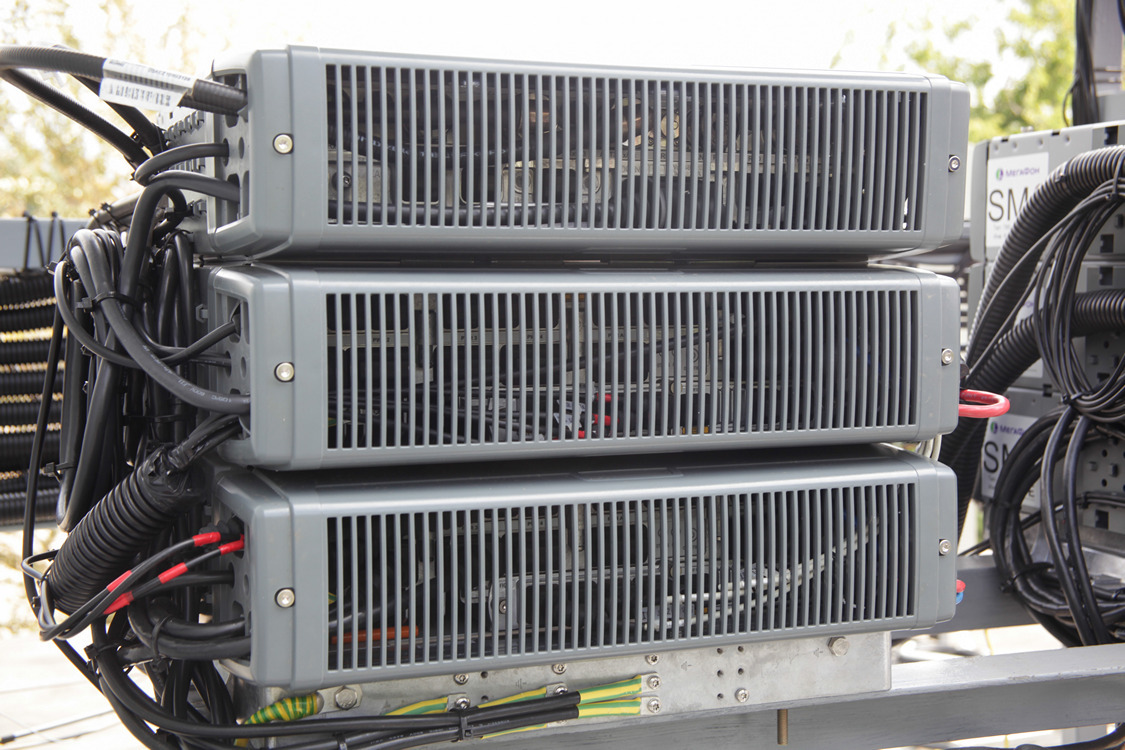
These towers are the cheapest in manufacturing and installation, usually they are placed where there is little free space or there are restrictions on the maximum height of structures.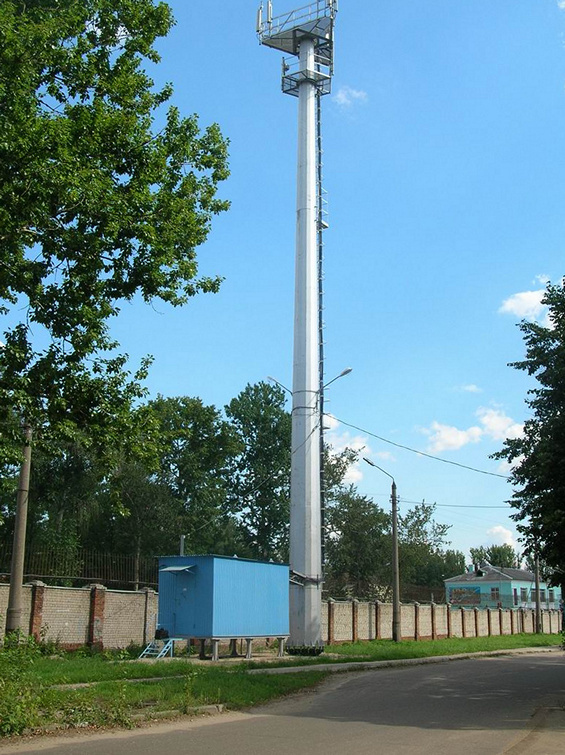
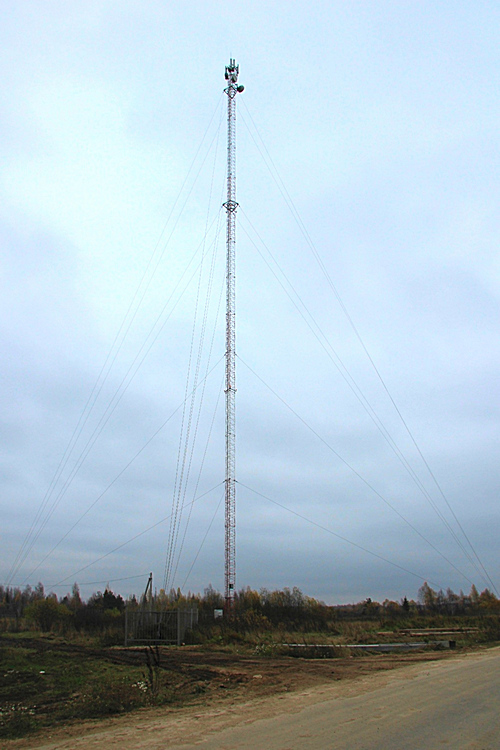
- With braces . These are high mast and narrow frame towers. Stability gives them a system of stretch marks. Such towers make it possible to place antennas relatively cheaply at high altitude, but at the same time, they formally occupy a very large area outlined by extensions. Therefore, they are usually placed in industrial zones or outside the city limits, in rural areas. In addition, due to their height, such towers often serve as repeaters.

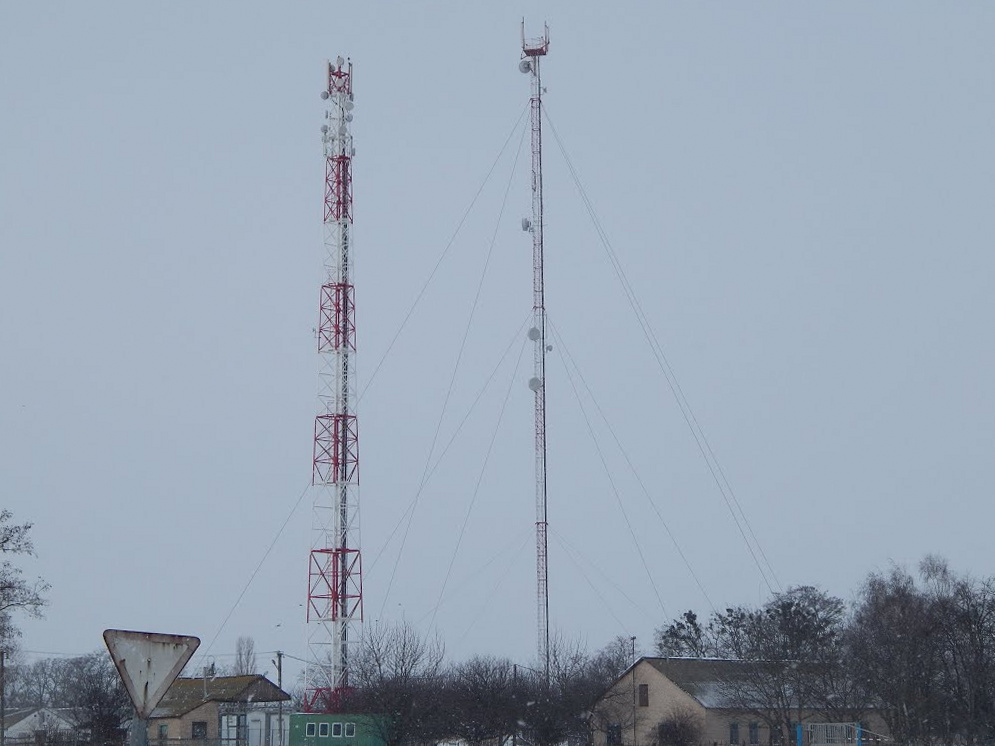
There are also very compact versions of towers with guy lines. Usually they are erected on the roofs of buildings, where for some reason it is impossible to put a free-standing turret.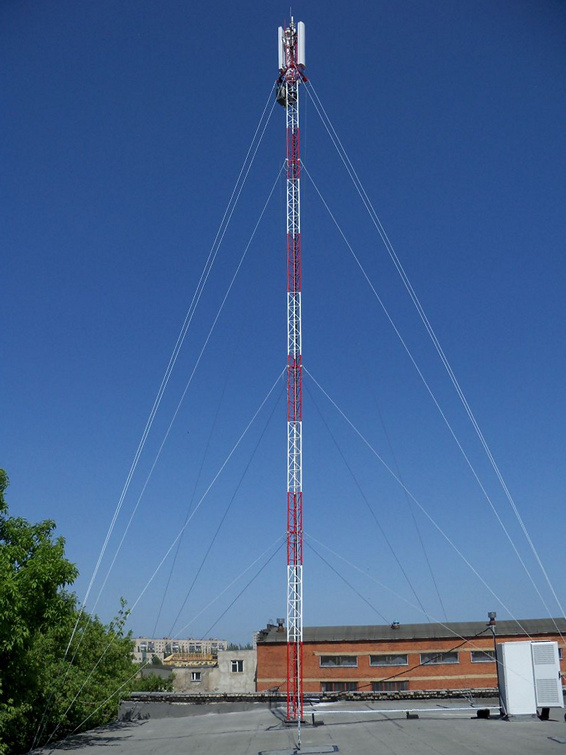
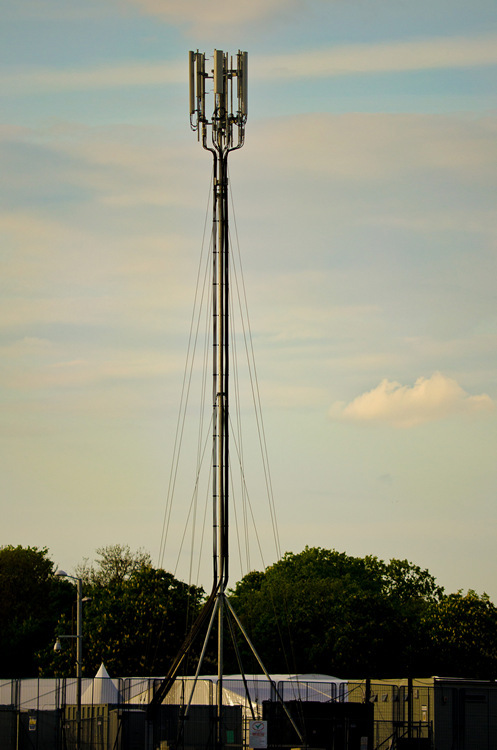
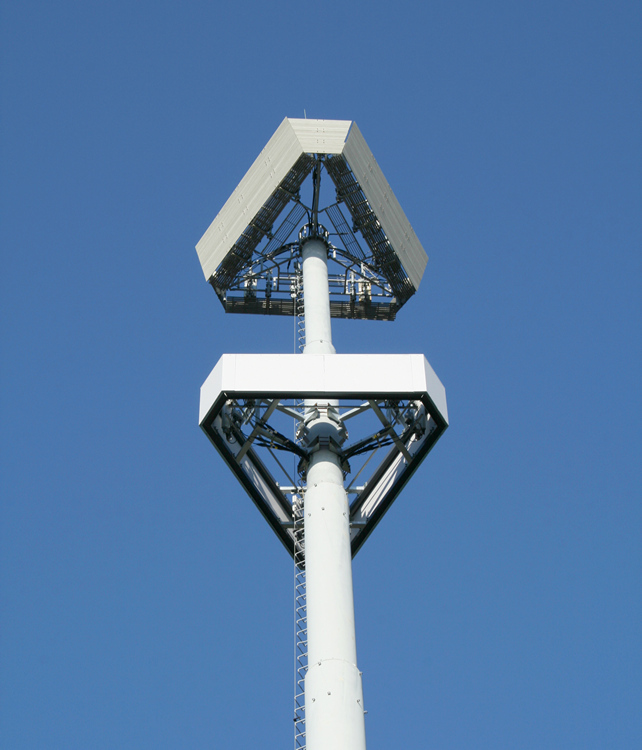
Of course, inside each of the described species there are a lot of variations. For example, mast towers are made of pipes of constant diameter or gradually tapering to the top. For the sake of increasing stiffness in bending and torsion, the tower post may not be a cylinder or cone, but a polyhedron:
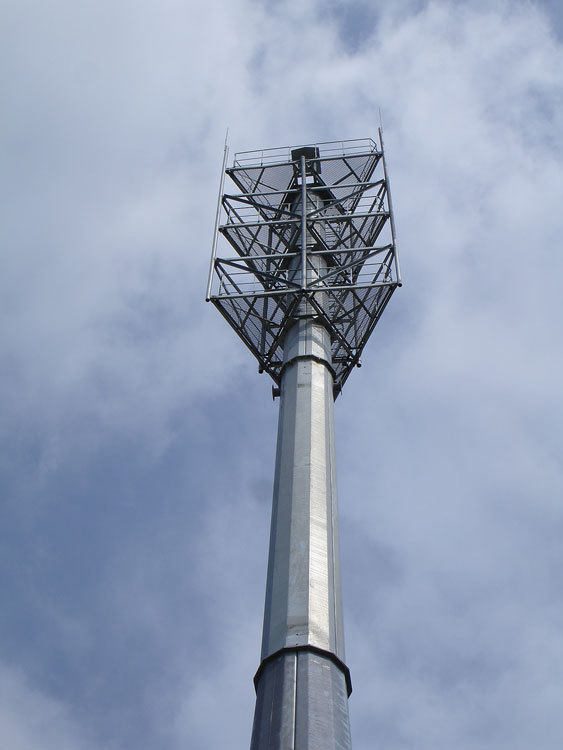
Antennas and other equipment are located throughout the mast or only at the top, in the form of a “chandelier”.
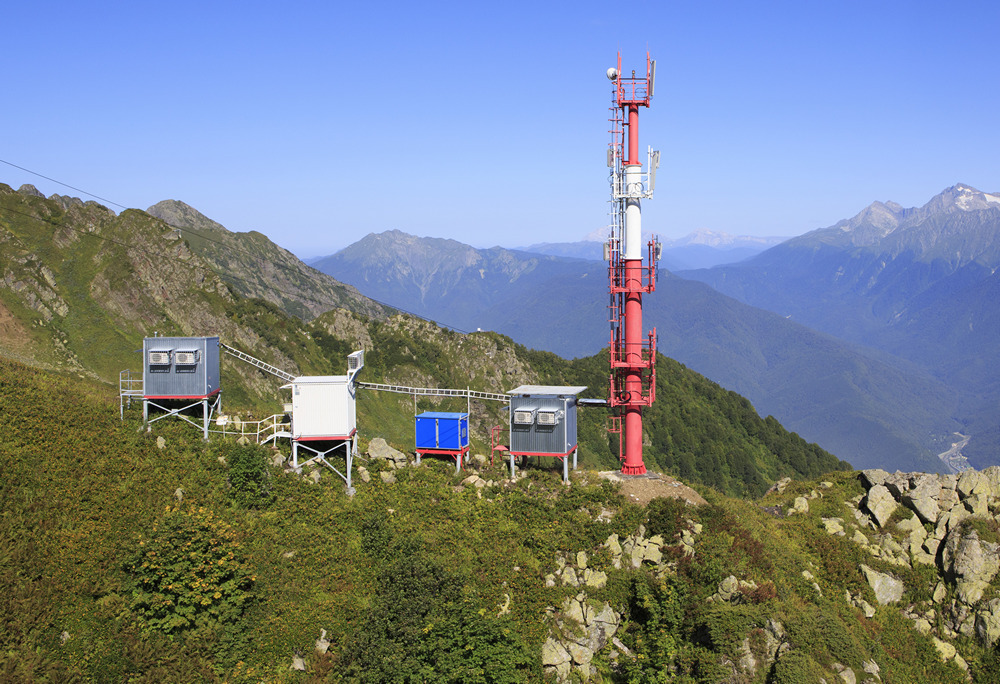
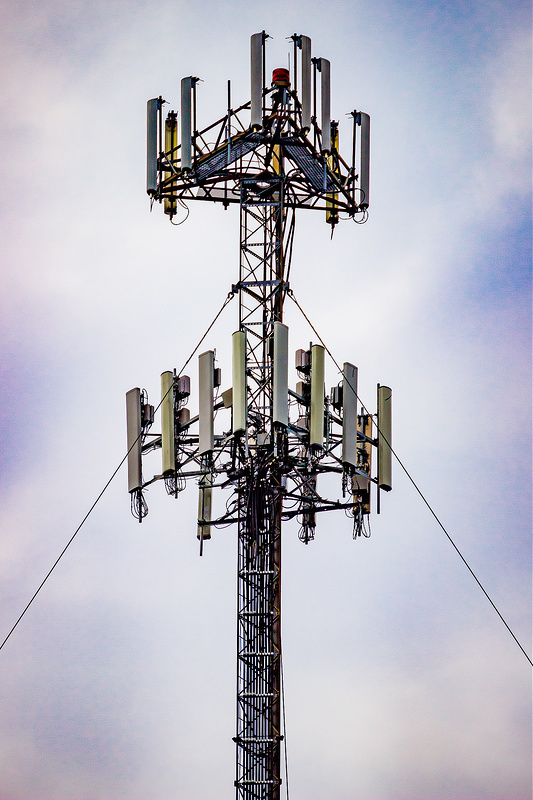
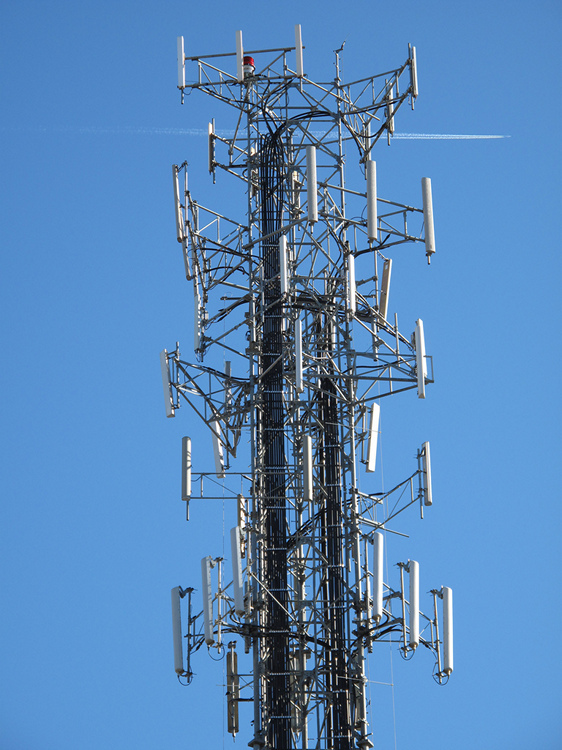
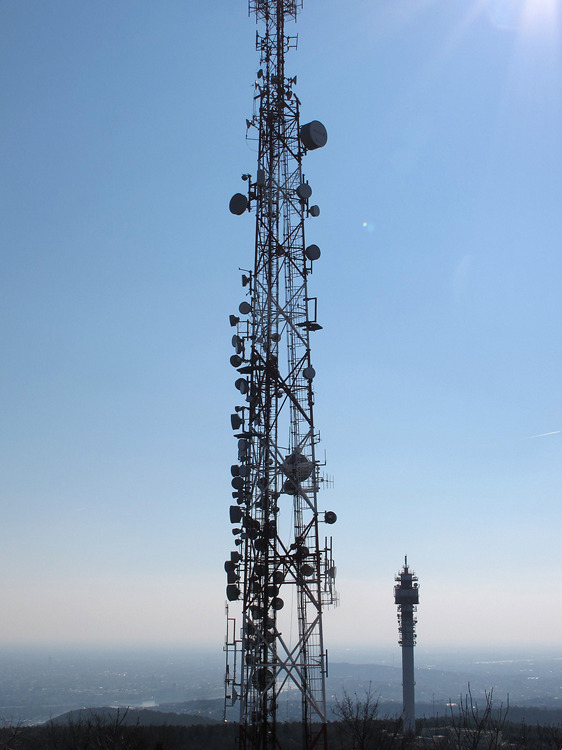
Frame towers are square or triangular in cross-section, depending on the required lifting capacity, stability and terrain conditions.

And even, it would seem, stable towers can be strengthened by stretch marks, because strong winds are capable of knocking down sufficiently powerful towers:
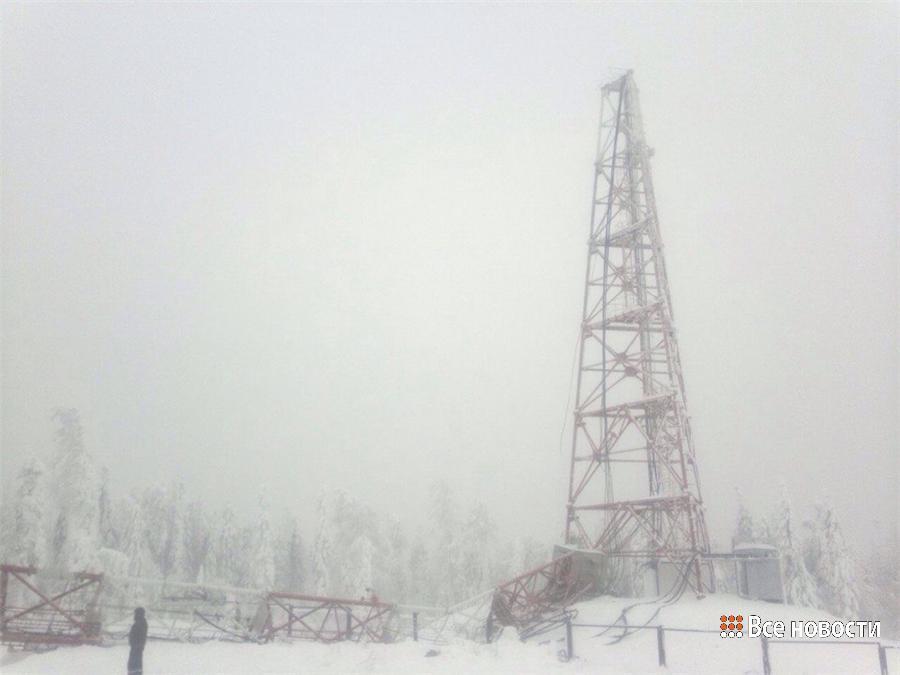
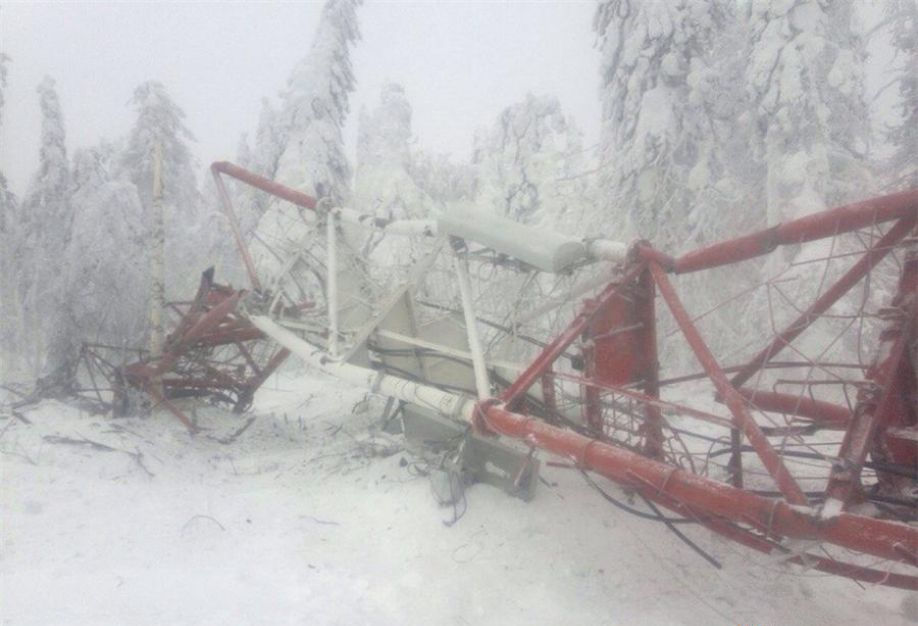
© V-Tagile.ru
Exotic and aesthetics in the world of communication towers
Like it or not, the cell towers look too urbanistic and often spoil their deliberately technical view of nature panorama or architectural ensemble. Therefore, abroad, they are increasingly trying to disguise masts and towers. Sometimes very inventive!
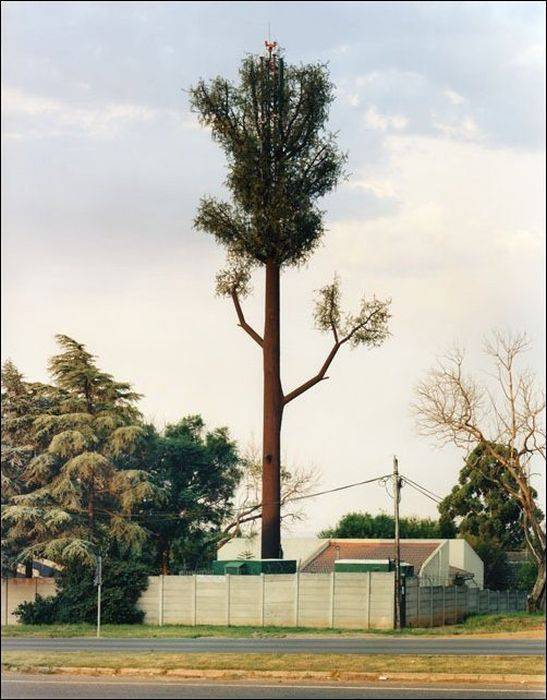
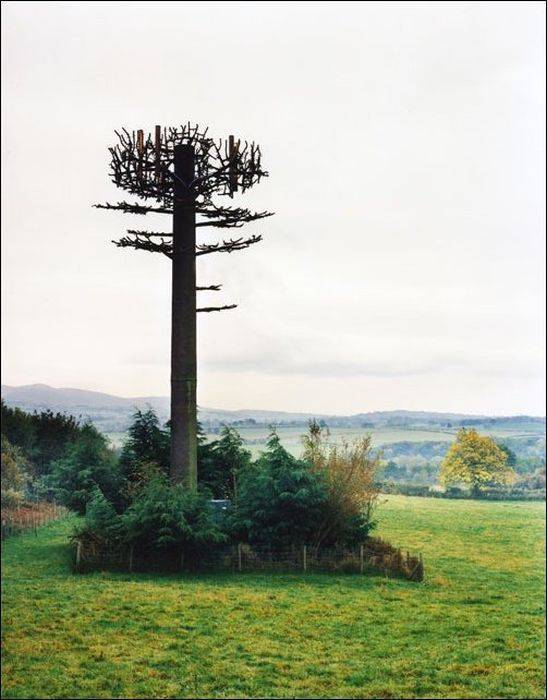
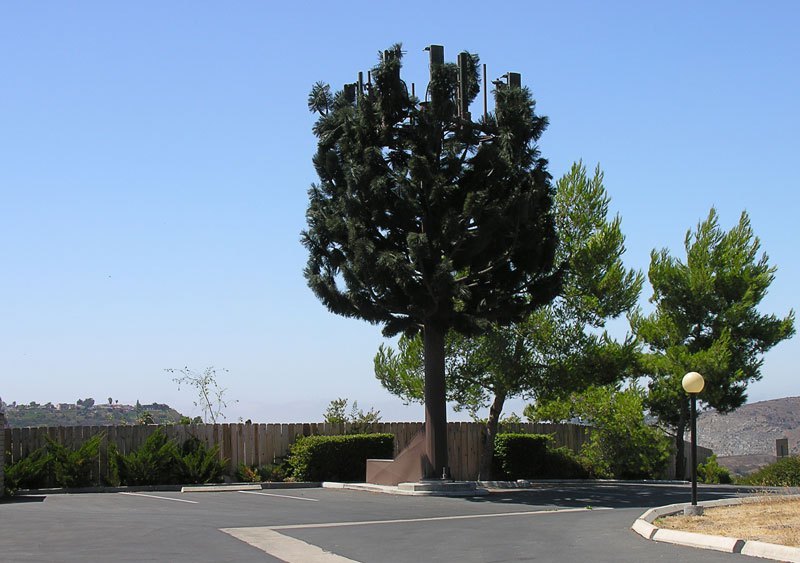
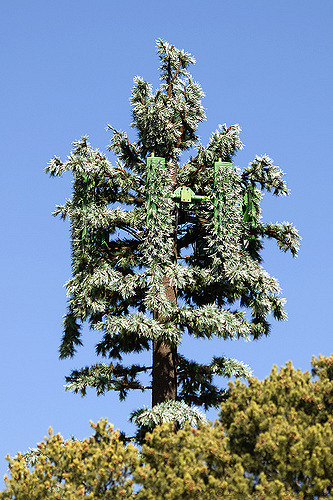
When you need to disguise a cellular post, the tree comes to mind first. Popular thought around the world works in the same direction:
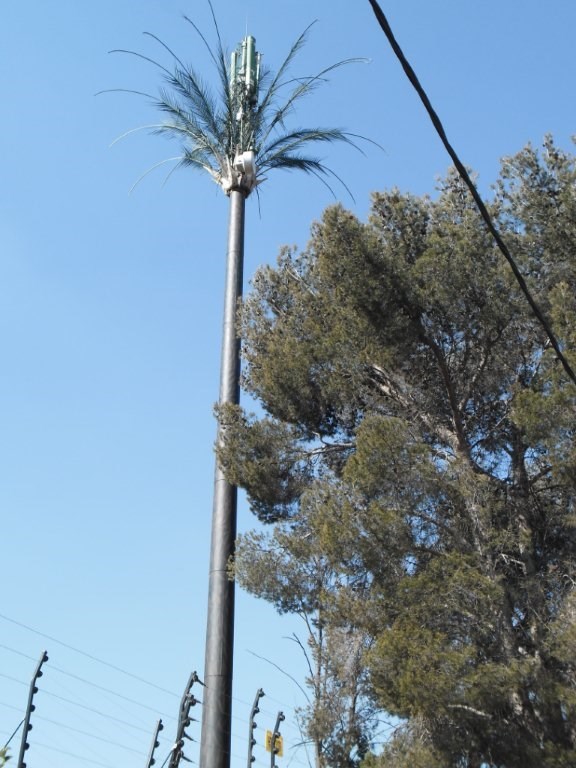

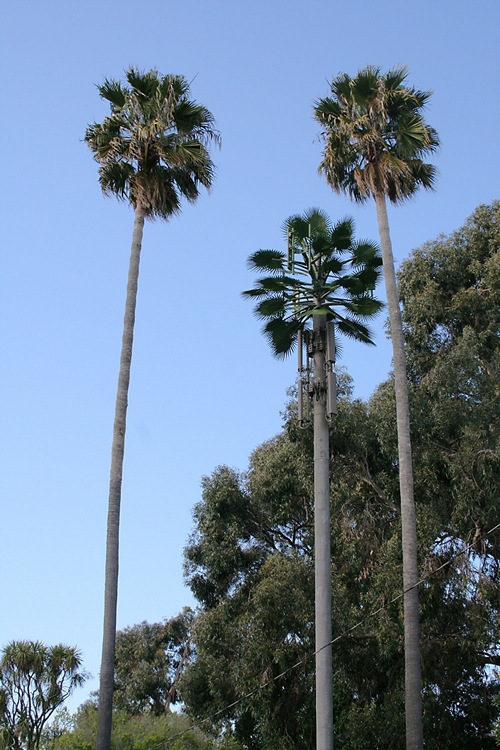
Of course, palm trees in Russia would look too exotic. We have more familiar solutions that at the same time allow you to hang antennas and system modules throughout the column:
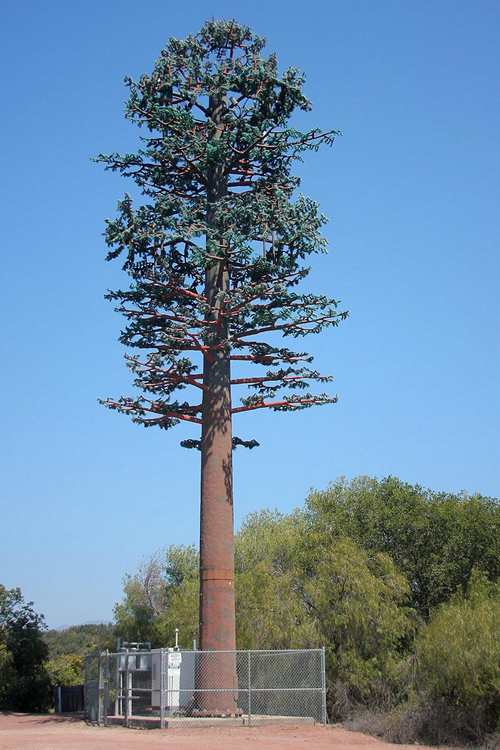


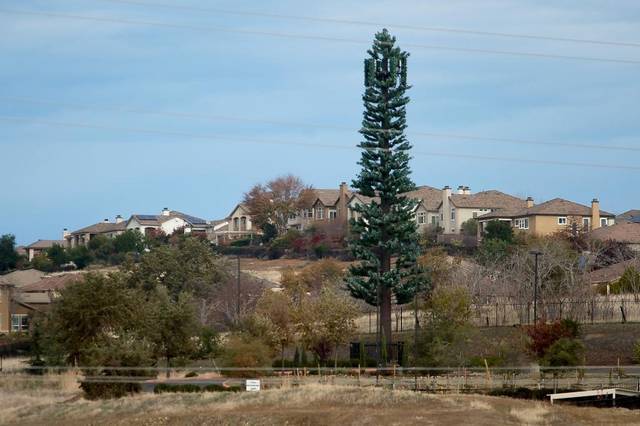

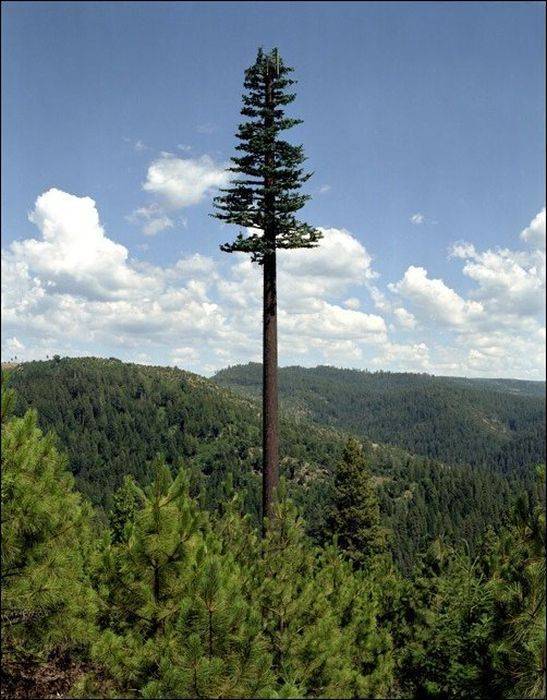
If desired, you can give the mast of a mobile phone for dead wood or some kind of natural installation:
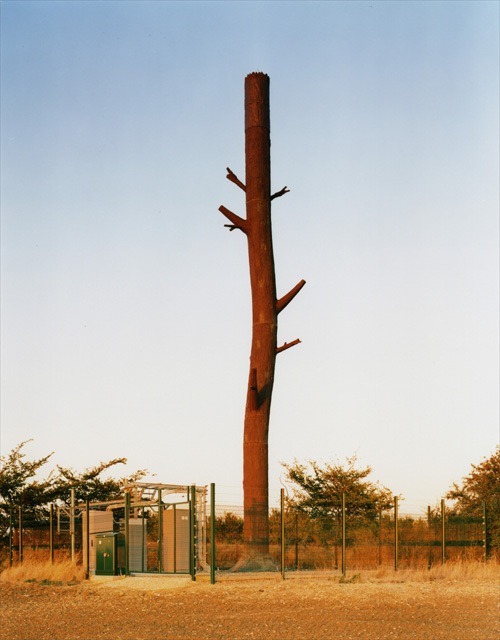
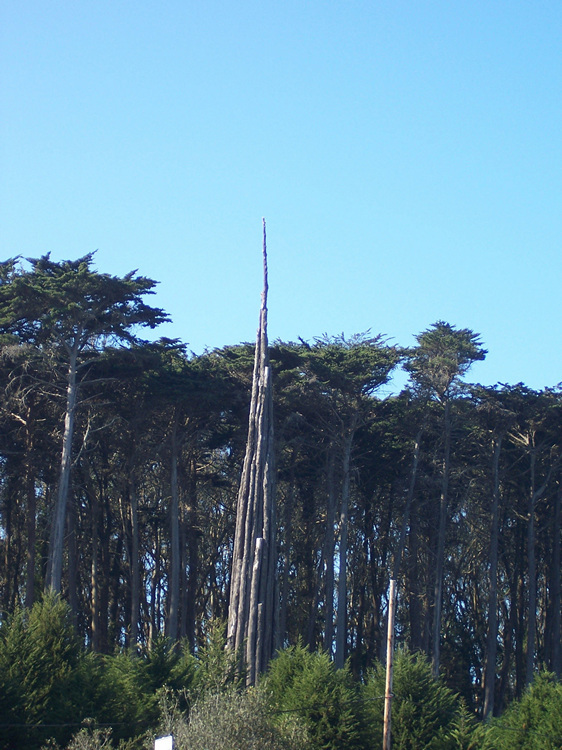
Even in a rocky desert, there are options:
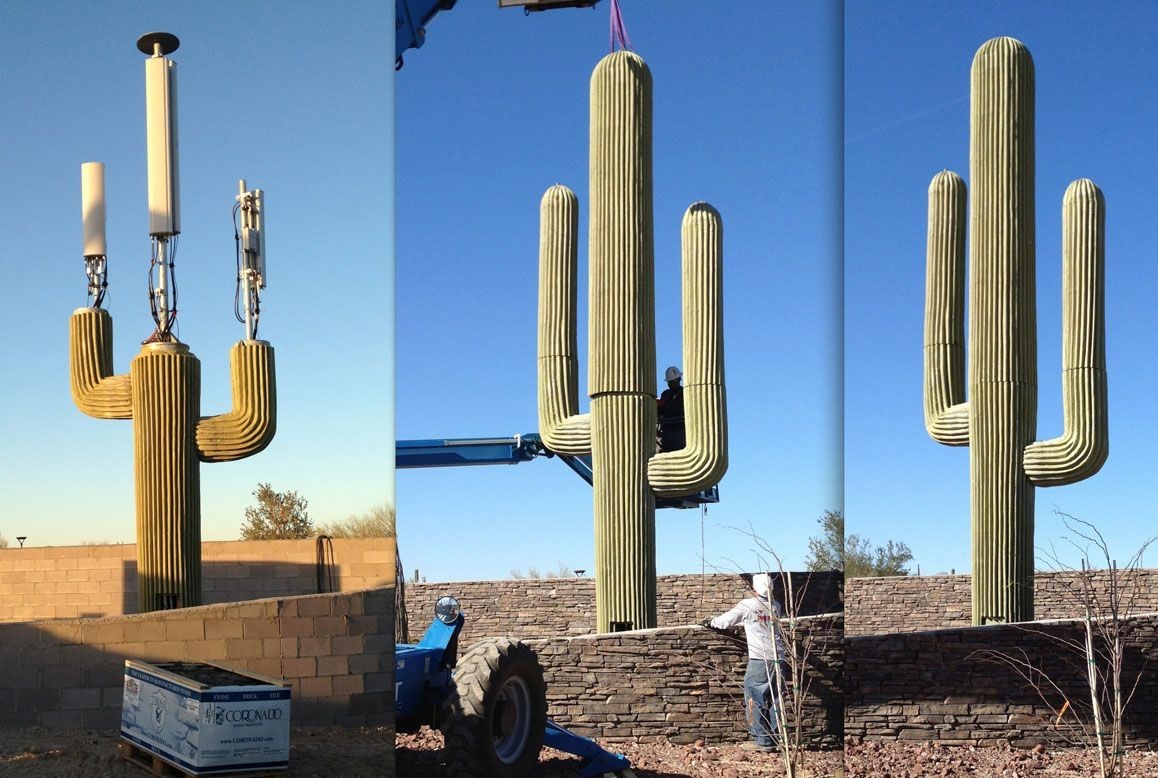
In the end, you can give the tower a futuristic look based on flora:

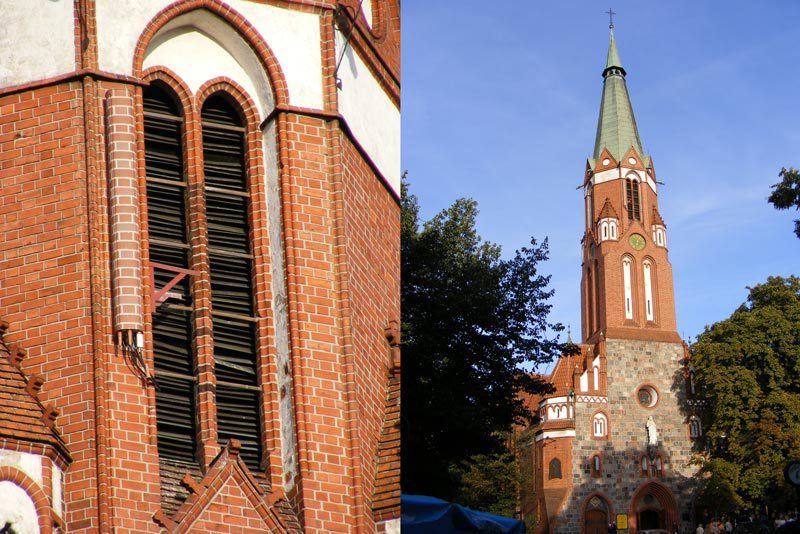
If the masts can easily be disguised as trees, then what to do with the towers? You can give them out as a bell tower:
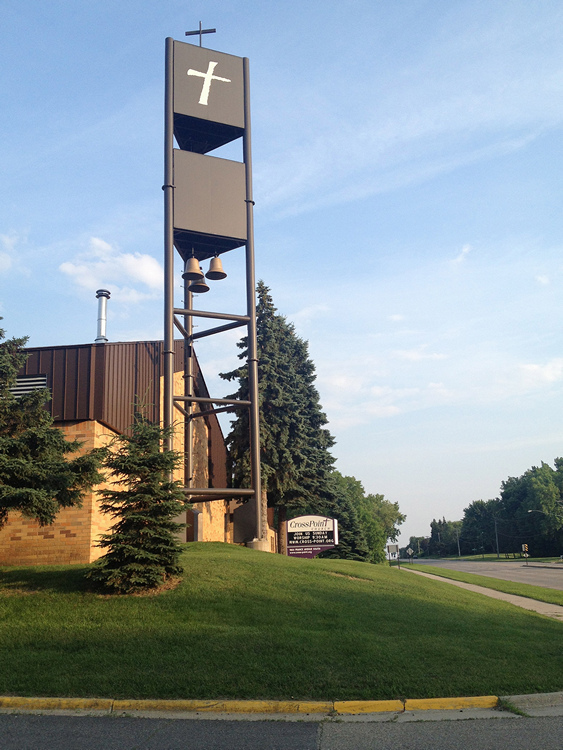

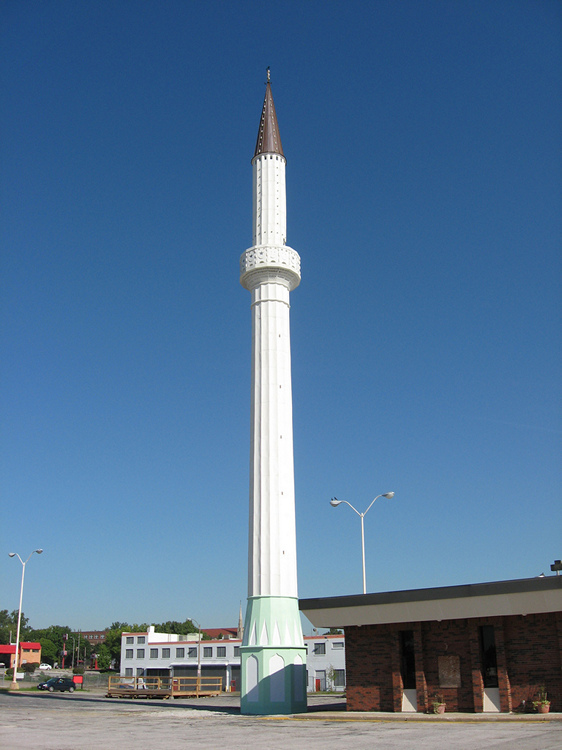
minaret:
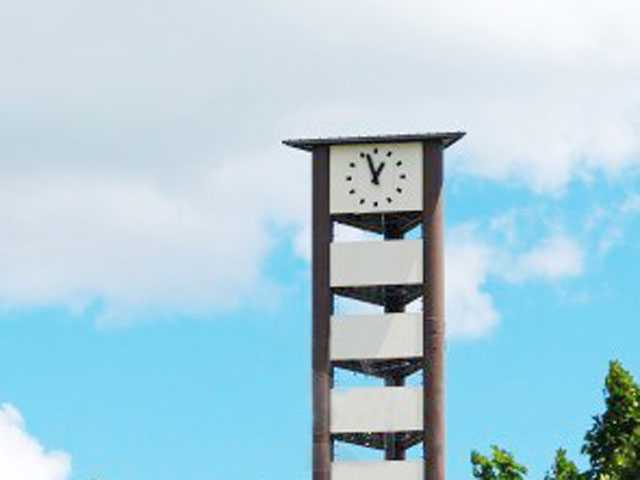
tower clock:
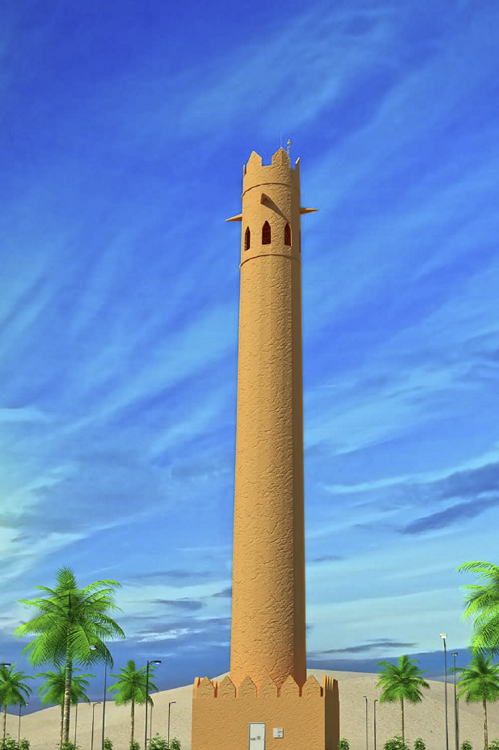
turret in oriental style:
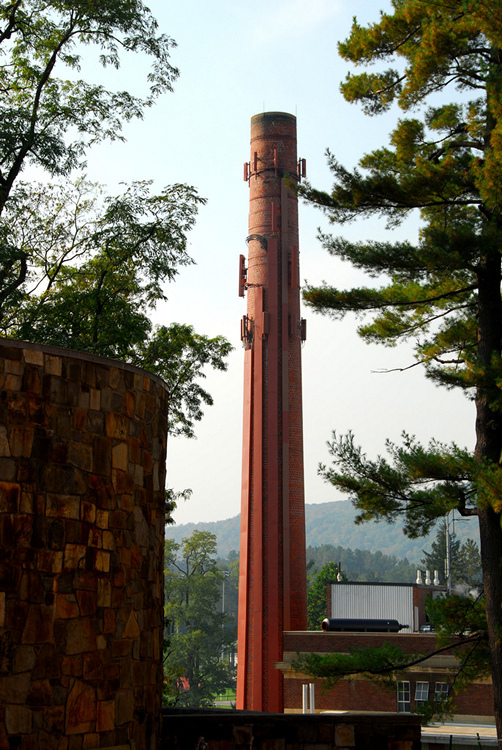
or even an old-school brick boiler tube:
Someone was not too lazy to build a “fake” house around the communications tower:
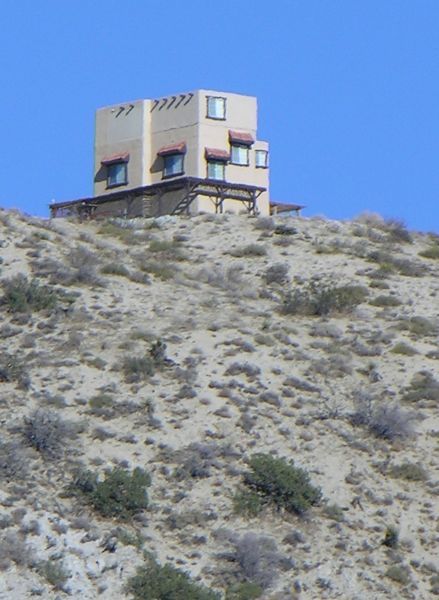
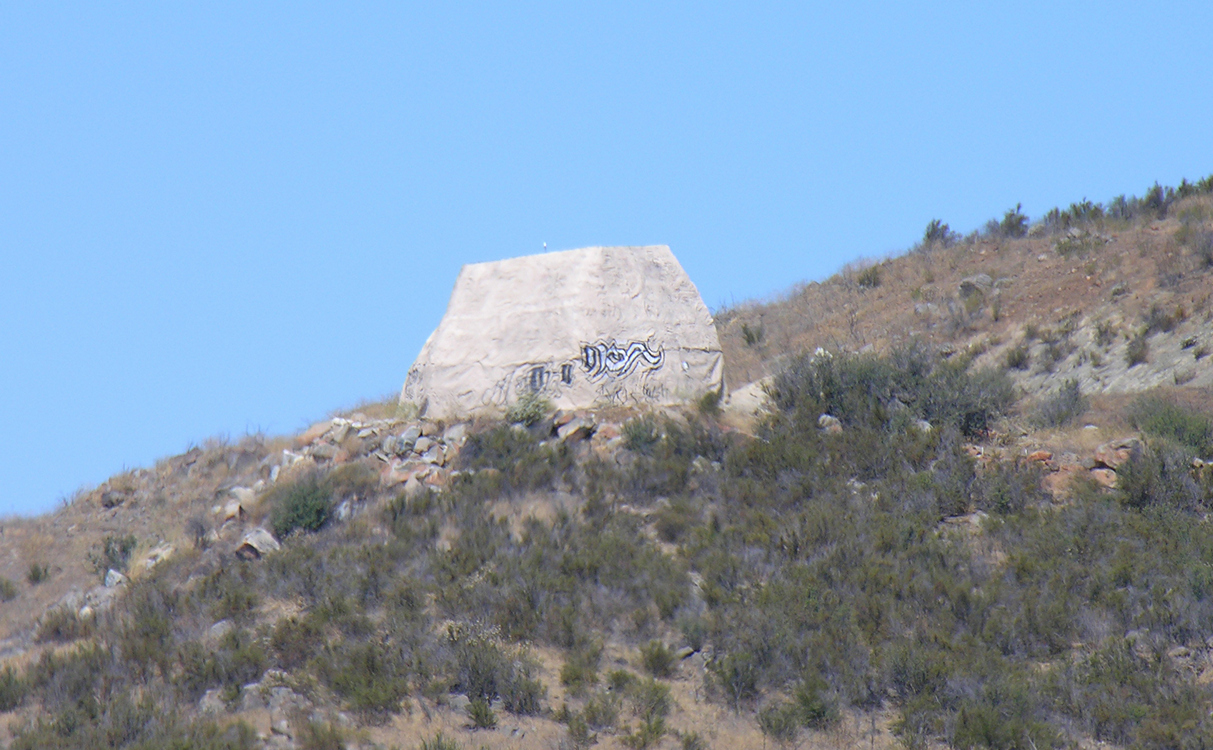
An idea for those who mount towers in the mountains: they can be passed off as large boulders or small rocks:
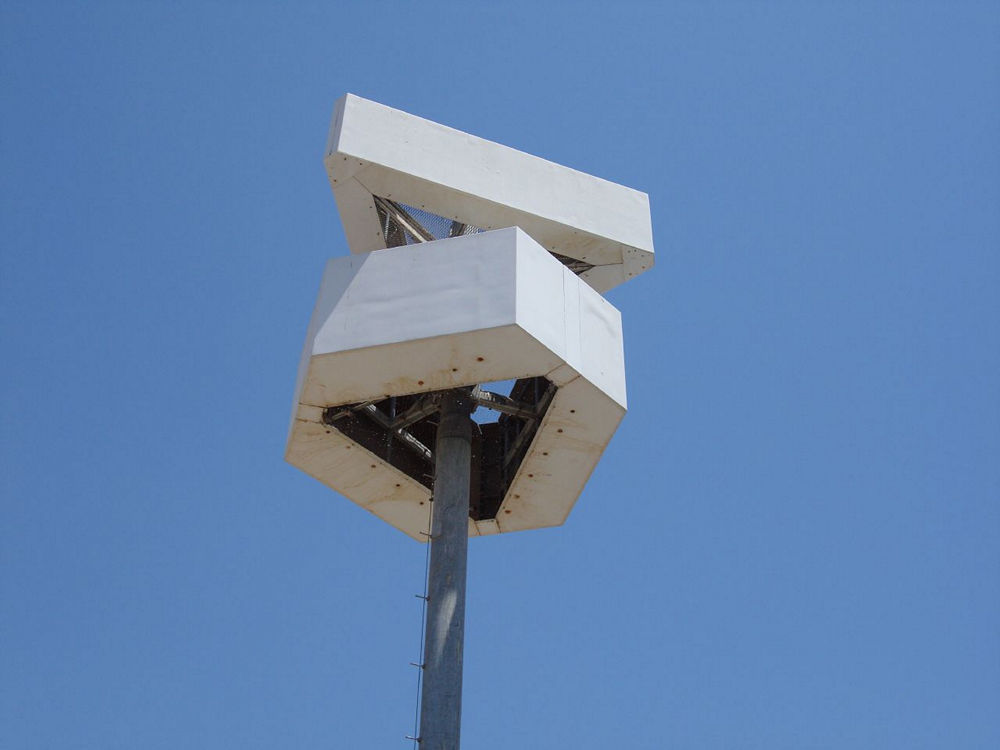
Or you can just sheathe the antennas with boxes:
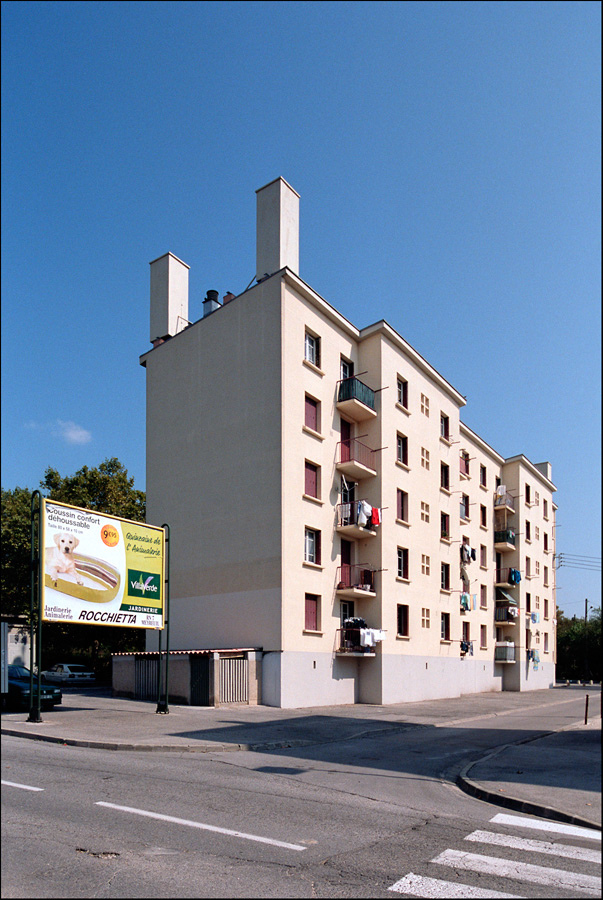
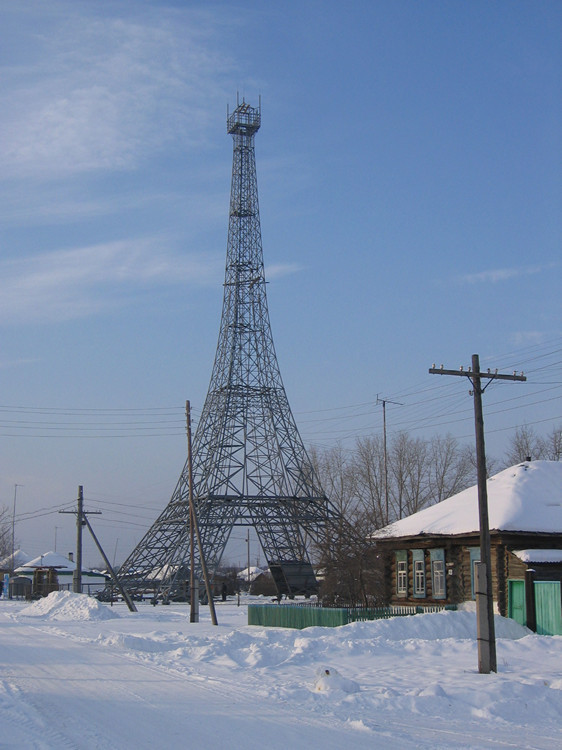
The residents of the village of Paris in the Chelyabinsk region went in a beautiful but very impractical way. As a cell tower, they erected a 50-meter copy of the Eiffel Tower .
If the cellular antennas are simply hung on the building, then they can be masked with paint:

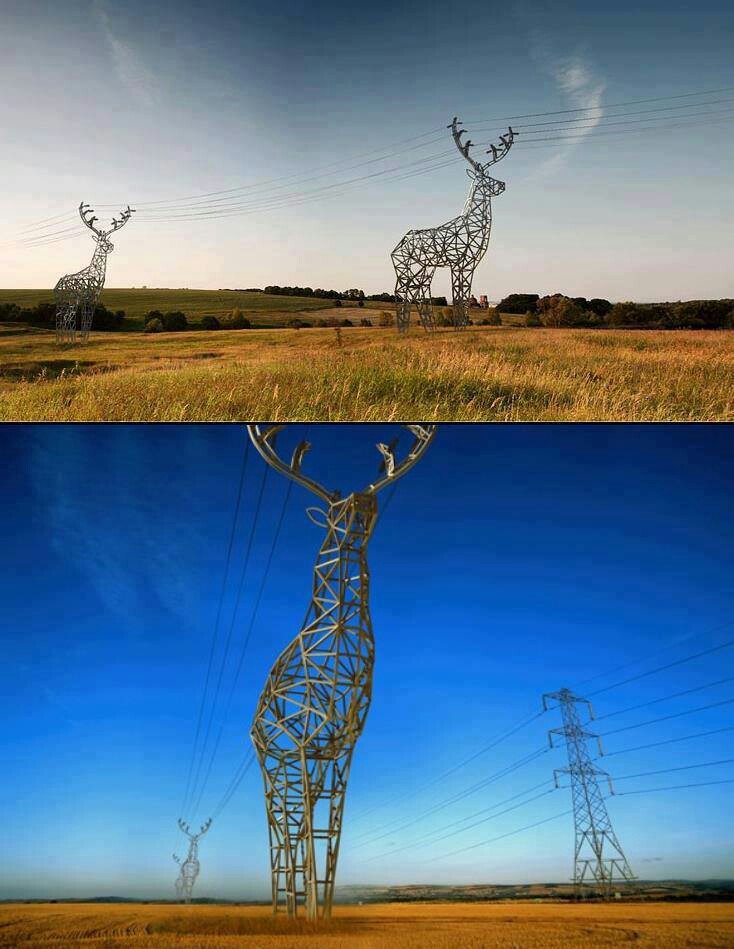
While in the "beauty contest" the towers of power lines are leading. We propose to take an example from them and give the towers and masts of cellular communication the appearance of real attractions.
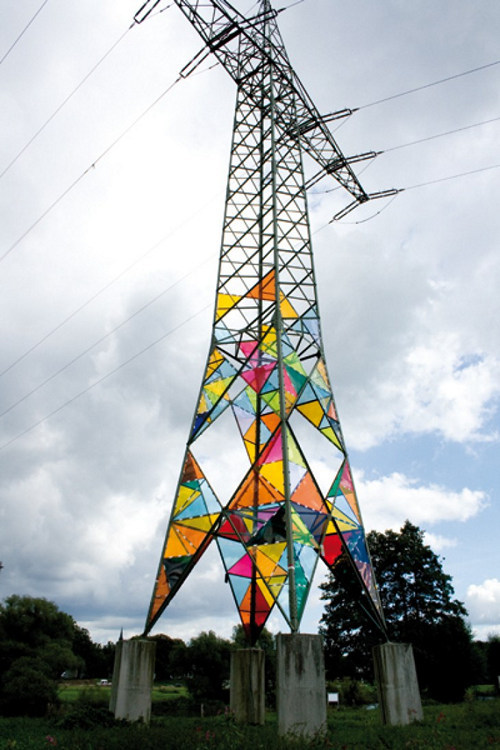
(c) The Colossal