
 May 19, 2015 at 11:53
Modern operating systems. 4th ed
Hello habrozhiteli!
We have published the 4th modified edition of the book "Modern Operating Systems" .
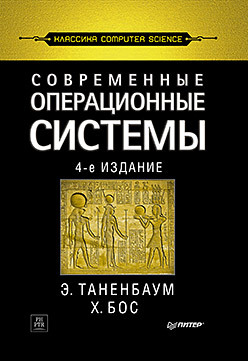
Andrew Tanenbaum presents a new edition of his worldwide bestselling book, necessary to understand the functioning of modern operating systems. It differs significantly from the previous one and includes information on the latest achievements in the field of information technology. For example, the chapter on Windows Vista has now been replaced by a detailed examination of Windows 8.1 as the most current version at the time of writing. There is a voluminous section on the Android operating system. Material has been updated regarding Unix and Linux, as well as RAID systems. Much more attention is paid to multi-core and multi-core systems, the importance of which has been constantly growing in the last few years. A completely new chapter has appeared on virtualization and cloud computing. Added a large amount of new material about the use of code errors, malware and related protection measures. The book in a clear and captivating form provides many important details that are not found in any other publication.
Chapter 1 has been substantially revised and updated, but with the exception of the new section on mobile computers, no major sections have been added or deleted.
Chapter 2 has been updated by removing obsolete and adding new material. For example, a new futex synchronization primitive and a section on how to completely avoid blocking by reading - copying - updating were added.
Chapter 3 has become more focused on modern equipment and less focused on segmentation and MULTICS.
The references to compact discs are removed from chapter 4, since they have already lost their significance, and more modern solutions (flash media) have taken their place. Also, a description of RAID level 6 has been added to the section on RAID systems.
Chapter 5 has many changes. Descriptions of obsolete devices, such as CRT displays and CD drives, were removed from it, and devices developed using new technologies, such as touch screens, were added.
Chapter 6 has barely changed. The subject of deadlocks, with the exception of some new results, remains virtually unchanged.
Chapter 7 is brand new. It focuses on the important topics of virtualization and cloud computing. As a case study, a section on VMware has been added to it.
Chapter 8 is an updated version of previous material on multiprocessor systems. Now more attention is paid to multinuclear and multicore systems, the importance of which has been constantly growing in the last few years. Now, the issue of cache data consistency has been raised more recently.
Chapter 9 underwent a significant revision and reorganization with the addition of a large amount of new material on the use of code errors, malware and related protection measures. Attacks such as dereferencing a null pointer and buffer overflows are discussed in more detail. Now a detailed description is given of the defense mechanisms, NX-bits and randomization of the address space,
as well as the ways in which attackers try to overcome them.
Chapter 10 has undergone significant changes. The material related to Unix and Linux has been updated, but the main addition can be considered a new rather voluminous section on the Android operating system, which is often found on smartphones and tablet computers.
Chapter 11 in the third edition was devoted to Windows Vista. Now it is replaced by a chapter on Windows 8, or rather Windows 8.1. That is, now the chapter discusses the most current version.
Chapter 12 is a revised version of chapter 13 from a previous edition.
Chapter 13 is a substantially updated list of material proposed for study. In addition, the list of links was replenished with 223 new links to works published after the third edition of this book.
In addition, throughout the book, sections have been updated that tell about research to reflect all the latest work related to operating systems. In addition, new questions have been added to all chapters.
The book can be found in more detail on the website of the publishing house.
Contents
Excerpt
For Habrozhitelami 25% discount on the coupon - Tanenbaum
We have published the 4th modified edition of the book "Modern Operating Systems" .
Andrew Tanenbaum presents a new edition of his worldwide bestselling book, necessary to understand the functioning of modern operating systems. It differs significantly from the previous one and includes information on the latest achievements in the field of information technology. For example, the chapter on Windows Vista has now been replaced by a detailed examination of Windows 8.1 as the most current version at the time of writing. There is a voluminous section on the Android operating system. Material has been updated regarding Unix and Linux, as well as RAID systems. Much more attention is paid to multi-core and multi-core systems, the importance of which has been constantly growing in the last few years. A completely new chapter has appeared on virtualization and cloud computing. Added a large amount of new material about the use of code errors, malware and related protection measures. The book in a clear and captivating form provides many important details that are not found in any other publication.
In more detail:
Chapter 1 has been substantially revised and updated, but with the exception of the new section on mobile computers, no major sections have been added or deleted.
Chapter 2 has been updated by removing obsolete and adding new material. For example, a new futex synchronization primitive and a section on how to completely avoid blocking by reading - copying - updating were added.
Chapter 3 has become more focused on modern equipment and less focused on segmentation and MULTICS.
The references to compact discs are removed from chapter 4, since they have already lost their significance, and more modern solutions (flash media) have taken their place. Also, a description of RAID level 6 has been added to the section on RAID systems.
Chapter 5 has many changes. Descriptions of obsolete devices, such as CRT displays and CD drives, were removed from it, and devices developed using new technologies, such as touch screens, were added.
Chapter 6 has barely changed. The subject of deadlocks, with the exception of some new results, remains virtually unchanged.
Chapter 7 is brand new. It focuses on the important topics of virtualization and cloud computing. As a case study, a section on VMware has been added to it.
Chapter 8 is an updated version of previous material on multiprocessor systems. Now more attention is paid to multinuclear and multicore systems, the importance of which has been constantly growing in the last few years. Now, the issue of cache data consistency has been raised more recently.
Chapter 9 underwent a significant revision and reorganization with the addition of a large amount of new material on the use of code errors, malware and related protection measures. Attacks such as dereferencing a null pointer and buffer overflows are discussed in more detail. Now a detailed description is given of the defense mechanisms, NX-bits and randomization of the address space,
as well as the ways in which attackers try to overcome them.
Chapter 10 has undergone significant changes. The material related to Unix and Linux has been updated, but the main addition can be considered a new rather voluminous section on the Android operating system, which is often found on smartphones and tablet computers.
Chapter 11 in the third edition was devoted to Windows Vista. Now it is replaced by a chapter on Windows 8, or rather Windows 8.1. That is, now the chapter discusses the most current version.
Chapter 12 is a revised version of chapter 13 from a previous edition.
Chapter 13 is a substantially updated list of material proposed for study. In addition, the list of links was replenished with 223 new links to works published after the third edition of this book.
In addition, throughout the book, sections have been updated that tell about research to reflect all the latest work related to operating systems. In addition, new questions have been added to all chapters.
The book can be found in more detail on the website of the publishing house.
Contents
Excerpt
For Habrozhitelami 25% discount on the coupon - Tanenbaum