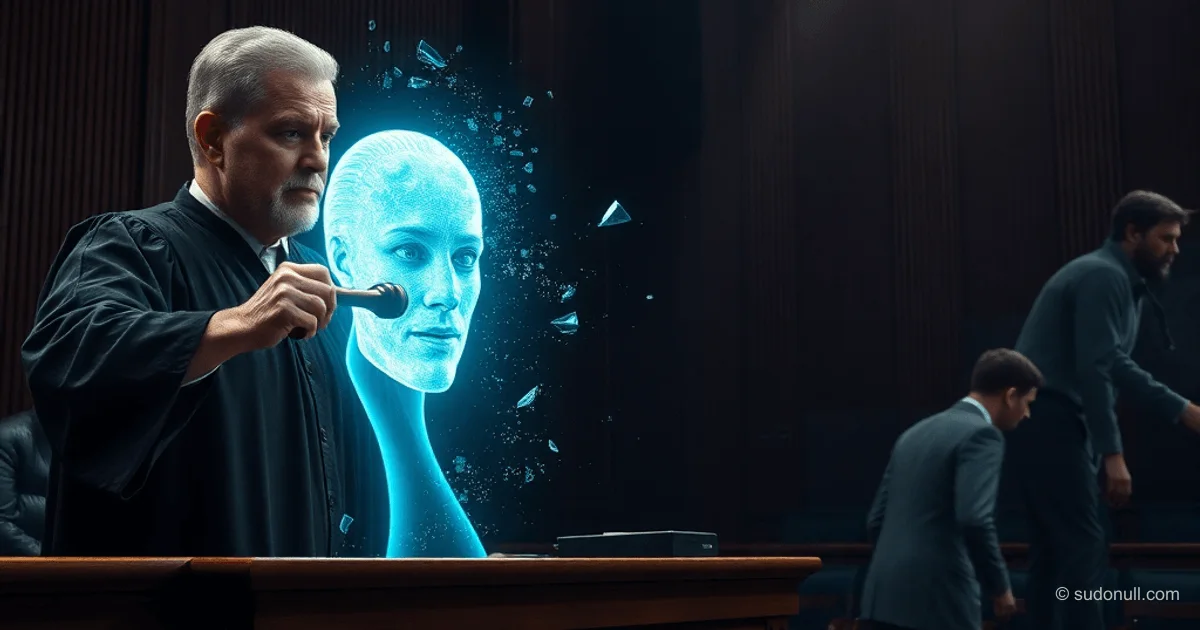
Generative AI is Shattering the Classic Copyright Model
Generative AI models produce text, images, and code without a traditional human author. This creates a crisis in copyright law: machines don't fit into a framework where protection is tied to a unique creator. Courts insist on human contribution, but the sheer volume of AI-generated content is outpacing old rules, creating a gray area without protection.
Historically, law has adapted to technology: the printing press led to censorship and monopolies, the internet to the DMCA and safe harbor provisions. AI intervenes in the act of creation itself, not just distribution, distributing authorship across a chain: data, model, prompt, editing.
The Crisis of the "Romantic Author" in Law
Classical copyright law relies on the myth of the genius author as the original source. AI shatters this: models generate based on probabilities from data, without consciousness or intent. Authorship fragments into functions—from training the model to post-processing.
This approach exposes the illusion: a work doesn't come from a single subject, but from an infrastructure. Law tied to a human being loses relevance in the face of mass-produced AI content.
The Case of Thaler v. Perlmutter: Human Authorship Required
From 2023 to 2026, Stephen Thaler attempted to register the image "A Recent Entrance to Paradise," created by the AI system Creativity Machine, without human input. The U.S. Copyright Office, courts, and ultimately the Supreme Court refused: human authorship is required.
The court rejected the "work made for hire" argument—protection only arises when there is a human author. Prompts do not provide sufficient control over expressive elements, according to the Office's position. Similarly, in Naruto v. Slater: a non-human creator (a monkey) does not receive rights.
The result: a strict line that narrows the scope of copyright. AI-generated content without sufficient human involvement remains unprotected.
- Key Court Arguments:
1. An author must be a human with creative input.
2. A prompt is an idea, not control over the resulting expression.
3. "Work for hire" requires a work that is copyrightable in the first place.
The Legal Vacuum and the Fragmentation of Authorship
Court decisions preserve the existing model but create a vacuum: a growing volume of AI content exists outside protection. In the U.S., a strict human-centric view prevails. In the UK, "computer-generated works" allow the author to be the person who arranges for the creation.
The threshold for "sufficient contribution" is unclear: does selecting outputs or editing constitute authorship? The law responds on a case-by-case basis. Without protection, penalties like $150,000 for willful infringement disappear.
The chain of AI content creation:
- Training data.
- Model architecture.
- Platform settings.
- User prompt.
- Editing and post-processing.
Authorship is fragmented; the old model cannot cope.
The Philosophy of Post-Authorship
Roland Barthes, in "The Death of the Author," foresaw this: a text is woven from codes and quotations, without a sovereign consciousness. AI makes this a reality—it generates without an "inner self."
The author becomes an "author-function": a mechanism for distributing responsibility. It is replaced by infrastructural agency—the model, data, and interface as a collective creator.
Key Takeaways
- AI-generated content without human input is not protected by copyright in the U.S.
- Prompts are insufficient for authorship—control over expressive elements is needed.
- The fragmentation of authorship creates a gray zone where copyright law does not apply.
- Historical precedents (printing press, internet) show that law adapts slowly.
- Post-authorship shifts the focus from the individual to the infrastructure of production.
— Editorial Team










No comments yet.