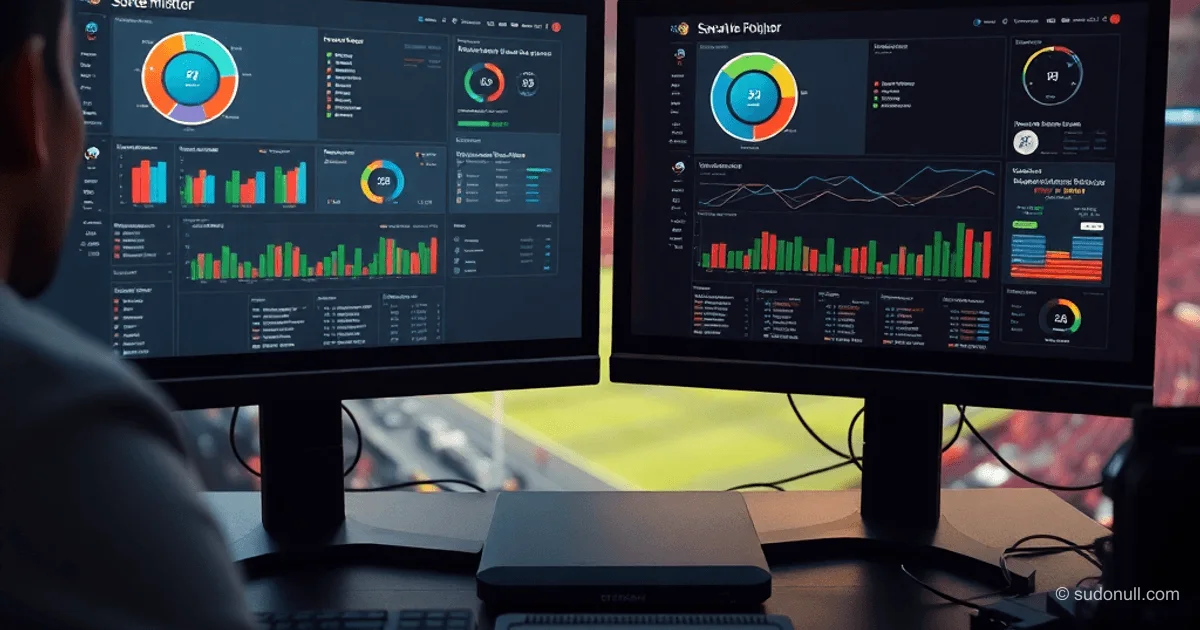
Home Automation Migration: Switching from MajorDoMo to osysHome Without Downtime
After eight years running MajorDoMo as the primary home automation platform, the author hit a wall with skyrocketing maintenance complexity. Any script tweak required a chain of checks, turning routine tasks into evening marathons. The switch to the custom-built osysHome was driven by sheer necessity—to slash cognitive load when managing the system. This article breaks down a step-by-step no-downtime migration plan, key pitfalls, and tactics that apply to any large-scale automation setup.
Why MajorDoMo Stopped Cutting It
What started as a test bench evolved over eight years into a mission-critical infrastructure piece. The object count hit 200, from physical sensors to virtual entities and utility logic. The core issues were systemic:
- Slower automation responses — background processes started competing for resources
- Data fragmentation — tough to track connections between objects
- Opaque permissions — manual rights setup needed for every new script
- Fragile scripts — any edit demanded verifying dependencies
The breaking point was the "small tweak" trap: a 10-minute job routinely ballooned into hours of debugging. For systems this scale, maintenance headaches overshadowed adding new features.
Parallel Launch Strategy
The biggest migration mistake? Attempting a "big switch." Instead, we rolled out a phased handover keeping everything running at every step:
- Isolated osysHome launch — installed alongside MajorDoMo on the same hardware (SOYO M4 AIR N95 16GB+512GB on Ubuntu Server 25.10)
- Integration verification — hands-on testing of device control via MQTT, Zigbee2MQTT, and ESPHome
- Object model rebuild — not copying, but reorganizing for easier long-term maintenance
- Automation duplication — new logic only went live after confirming it worked
This eliminated full outage risks. Spot an issue? The system auto-fell back to MajorDoMo, dodging after-hours fire drills.
Device Migration Tactics
Devices moved in functional groups, not by physical location. This cut mental overhead and sped up troubleshooting:
- Phase 1: Core infrastructure (MQTT broker, Zigbee gateway)
- Phase 2: By device type (lighting, climate, security)
- Phase 3: Complex ecosystems (Xiaomi with vacuum, chandelier, humidifier)
Xiaomi devices were a headache—their API had quirky behaviors that ate 30% of migration time. Even the pet waterer, which seemed straightforward, took two evenings due to async notifications.
Unexpected Wins Along the Way
The migration sparked a refactor of outdated parts. Alongside the move, we:
- Swapped Tasmota relays for ESPHome with a unified interface
- Added a Bluetooth gateway for temperature sensor data
- Converted Modbus meter adapters to native support
- Streamlined the scrolling ticker display via MAX7219
This beat a straight port. Clearing technical debt during migration slashed long-term support costs, even if it bumped short-term effort.
The Aftermath: What Changed Post-Switch
Personal metrics showed ops costs dropping:
- Edit time slashed — from 2 hours to 15 minutes for standard scripts
- Simplified permissions — centralized rights management over manual tweaks
- Boosted stability — no more false triggers thanks to a cleaner object model
That said, osysHome has limits. Newbies struggle without off-the-shelf scripts. Docs lag the code base, and some features (like ThinQ integration) need manual setup. For the author, these trade-offs pay off in reduced mental load.
Key Takeaways
- Parallel runs are non-negotiable for zero-downtime systems
- Functional grouping speeds debugging 2–3x over physical layouts
- Migration is prime time for refactoring legacy components
- Maintainability trumps features for systems over 5 years old
- Budget 30% extra time for Xiaomi devices due to API quirks
The switch took two weeks at 2–3 hours per evening. Big win: no more dread over script edits. Stable MajorDoMo setups don't need this, but as complexity grows, a gradual shift proves its worth. Main lesson: pick platforms by long-term maintainability, not specs.
— Editorial Team









No comments yet.