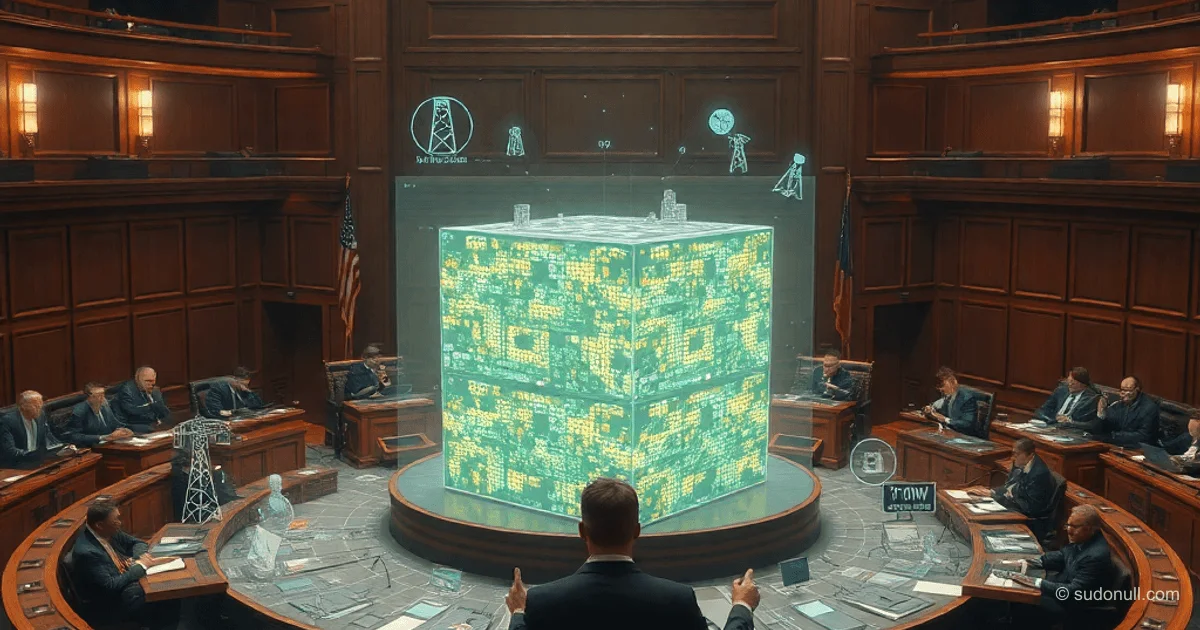
Maine’s Data Center Moratorium: First U.S. Limits on AI Infrastructure
Maine has become the first U.S. state to impose a moratorium on large-scale data center construction exceeding 20 MW. Passed in April 2026, Bill LD 307 freezes permits until November 2027. The move responds to growing strain on power grids and water supplies caused by AI projects from hyperscalers—clusters with thousands of GPUs consuming 50–100 MW and millions of liters of water daily.
This decision sets a precedent: similar pauses are now under discussion in Virginia, Texas, and other states with high data center concentrations. A global shortfall in power capacity could delay AI infrastructure rollouts and drive up GPU instance prices.
Key Details of LD 307
The bill prohibits state and local permitting for facilities exceeding 20 MW. This threshold excludes small corporate and colocation data centers but directly targets AI-focused hyperscale clusters:
- GPU clusters: 50–100 MW
- Largest facilities: Up to 500 MW
- Power consumption: Data centers already use 4% of U.S. electricity; projections suggest this could rise to 8% by 2030
Until November 2027, the Data Center Coordination Council will assess impacts on the electrical grid and develop long-term regulations. Governor Janet Mills endorsed the initiative, emphasizing the need for a pause to evaluate risks.
Developers call the restrictions catastrophic—projects were caught mid-planning, "caught in a net" before final approvals.
Why Maine Acted
The push stemmed from local failures:
- Lewiston ($300M): The city council unanimously rejected a project in the former Bates Mill textile complex. Residents protested grid and water stress. The site previously housed a 1,000+ employee call center; the proposed data center promised only 30 jobs.
- Wiscasset ($5B): Blocked due to a closed NDA, public land use, and shortages in water and power.
- Other sites: Jay (paper mill), Sanford, Loring Air Force Base—all remain in limbo.
Maine has some of the highest electricity rates in the nation. Connecting facilities equivalent to small cities’ energy demands worsens infrastructure pressure.
AI data centers rely on evaporative cooling—cooling towers discharge millions of liters of water daily, competing directly with municipal needs.
National Trend: $64 Billion Frozen
Maine isn’t alone. Over two years, $64 billion in projects have been blocked (Data Center Watch). Local moratoriums in Michigan and Indiana, plus discussions in Denver and Detroit, reflect broader concerns.
Projections:
- Current usage: 4% of U.S. electricity
- By 2030: Doubling driven by AI demand
Economist Anirban Basu called Maine’s move a "canary in the coal mine"—a warning signal of resistance to big tech’s energy appetite in states like Virginia and Texas, where most data centers are located.
Impact on AI Development and Cloud Services
While Maine isn’t a major AI hub, the precedent could spread. Capacity shortages may delay deployments at AWS, Google, Microsoft, and Meta:
- GPU pricing: H100/B200 instance costs expected to rise due to delays
- Cloud instances: Peak training workloads will become more expensive
- Spot markets: Initial effects visible sooner than expected
For teams outside the U.S.: Monitor Virginia and Texas as leading indicators; build uncertainty into budgets; track regional providers amid global supply constraints.
Trade-offs are clear: AI growth demands infrastructure, but local grids can’t keep pace without major upgrades.
What Matters Most
- 20 MW threshold: Precisely targets AI clusters while preserving edge and colocation options
- Temporary measure: Council to finalize rules by 2027, factoring in grid and water sustainability
- Precedent: $64B in projects frozen; trend toward pauses in key states
- Energy appetite: 4–8% of U.S. electricity by 2030; water remains an invisible bottleneck
- For developers: GPU capacity shortages will raise prices; monitor spot markets closely
— Editorial Team










No comments yet.