June 3, 2014 at 13:04
How it works: data center "Berzarina"

Our customers (even those who have access to the server room) cannot see everything that happens in the data center. Many of them know only approximately how smoothly the 24/7/365 operation is supported. Today we will tell how it is done in our data center “Berzarina”, located in Moscow.
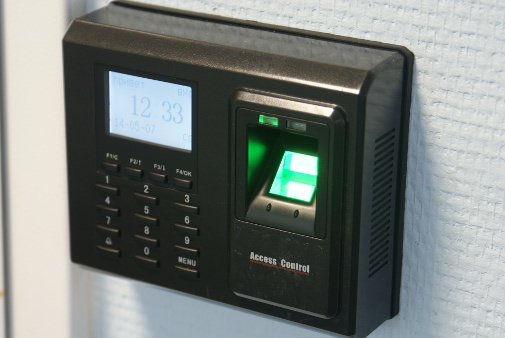
Fault tolerance in our data centers is ensured by additional equipment that duplicates the functions of vital devices that provide two resources necessary for operation: power supply and cooling for the equipment placed.
Cooling
Let's start the story with cooling and air conditioning systems. The Berzarina data center uses UNIFLAIR precision (from English precision) air conditioners, which use the traditional “chiller-fan coil” operation scheme and provide permanent cooling of the server room.
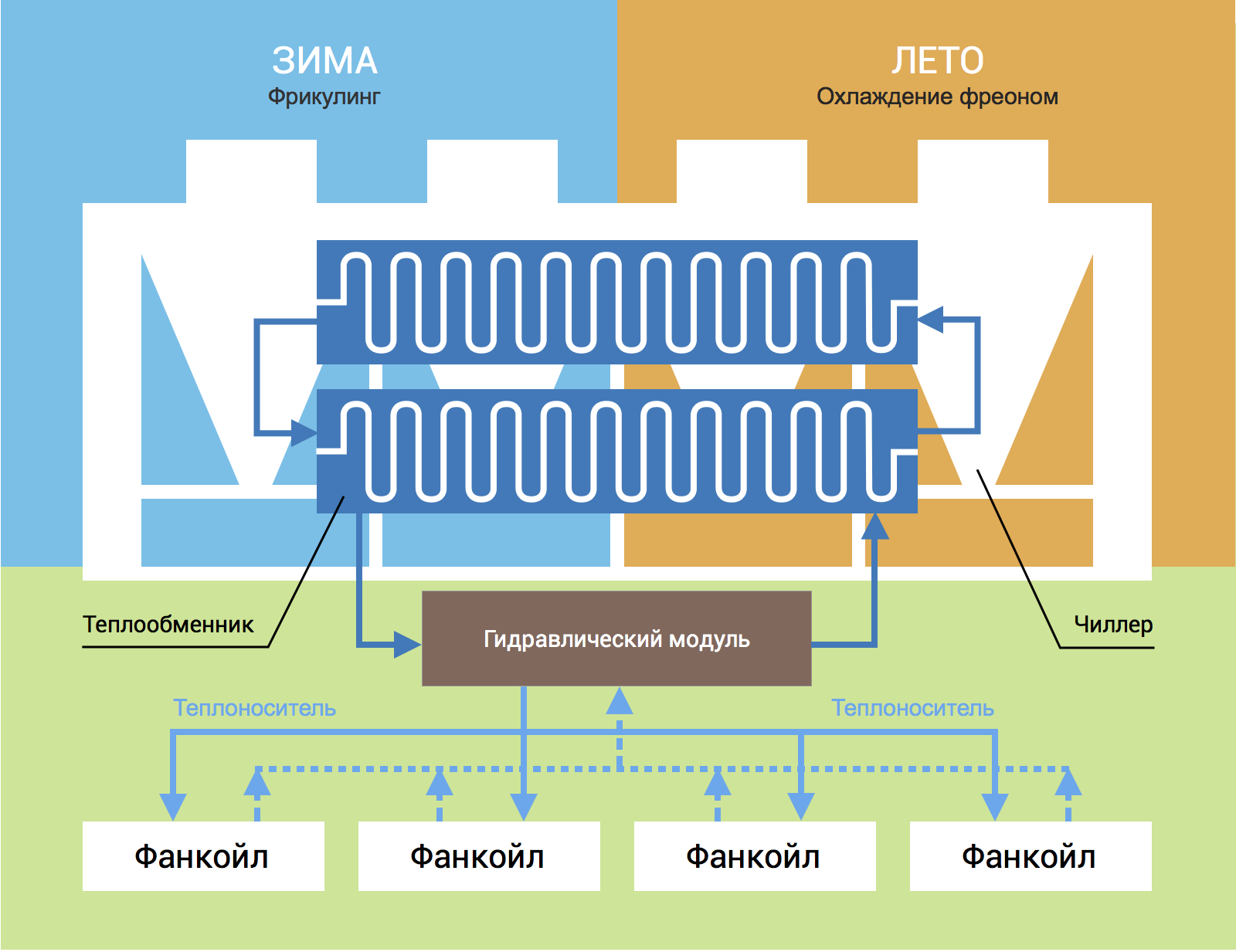
This is an air conditioning system in which the coolant between the central refrigeration machine (chiller) and the air cooling units (fan coil) is a cooled liquid (refrigerant) circulating under relatively low pressure.
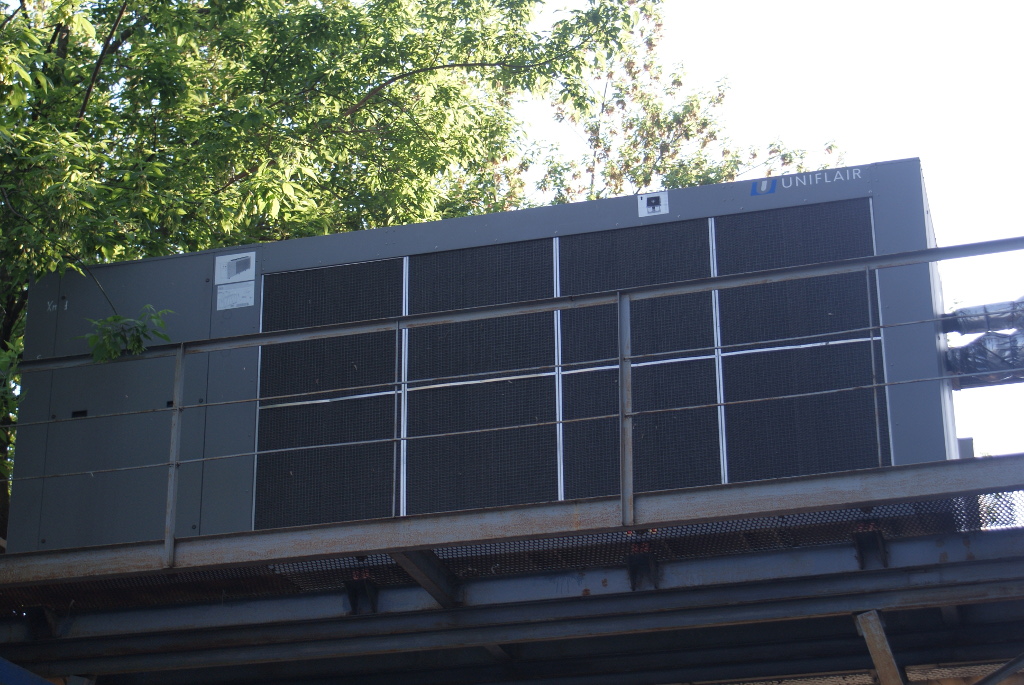
Chiller

Fancoil
In addition to chillers and fan coils, the system includes a pumping station (hydraulic module), an automatic control subsystem, and piping between them. The greatest load falls on the summer season, when the difference between the ambient temperature and the temperature inside the server room is maximum. In the rest of the year, the system uses the “free cooling” technology (from the English free cooling), which uses a low ambient temperature for natural cooling with a minimum load on the chillers. The largest corporations actively use such technologies in their data centers - for example, Microsoft uses them to the maximum in its data center located in the cool climate of Ireland (the city of Dublin). You can see a very interesting photo report here .
The pump station is an important component of the system. Pumps operate around the clock, which continuously supply refrigerant flows from chillers to fan coils.

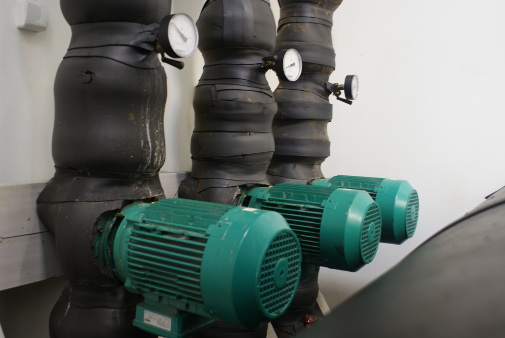
Redundancy implies that the system requires at least two pumps to operate. We have three pumps installed that work in shifts. Every 10 hours, the running pump is turned off, and an idle pump is started instead.

This ensures uniform operating time and in the event of failure of one of the pumps, this will not affect the operation of the system. System engineers of our data centers during daily rounds must check the condition of the pumps and monitor the indications of their work. To monitor the performance of the chillers, we have launched a separate hardware control panel for the cooling system, which is monitored around the clock.
We use the classic server cabinet layout configuration, which forms two climatic zones inside the server room. Two rows of racks are located in front of each other. Cold air comes from under the raised floor, and the servers take it from there. This climate zone is called the “cold corridor”. The temperature in this zone is +20 ± 2 ° C.
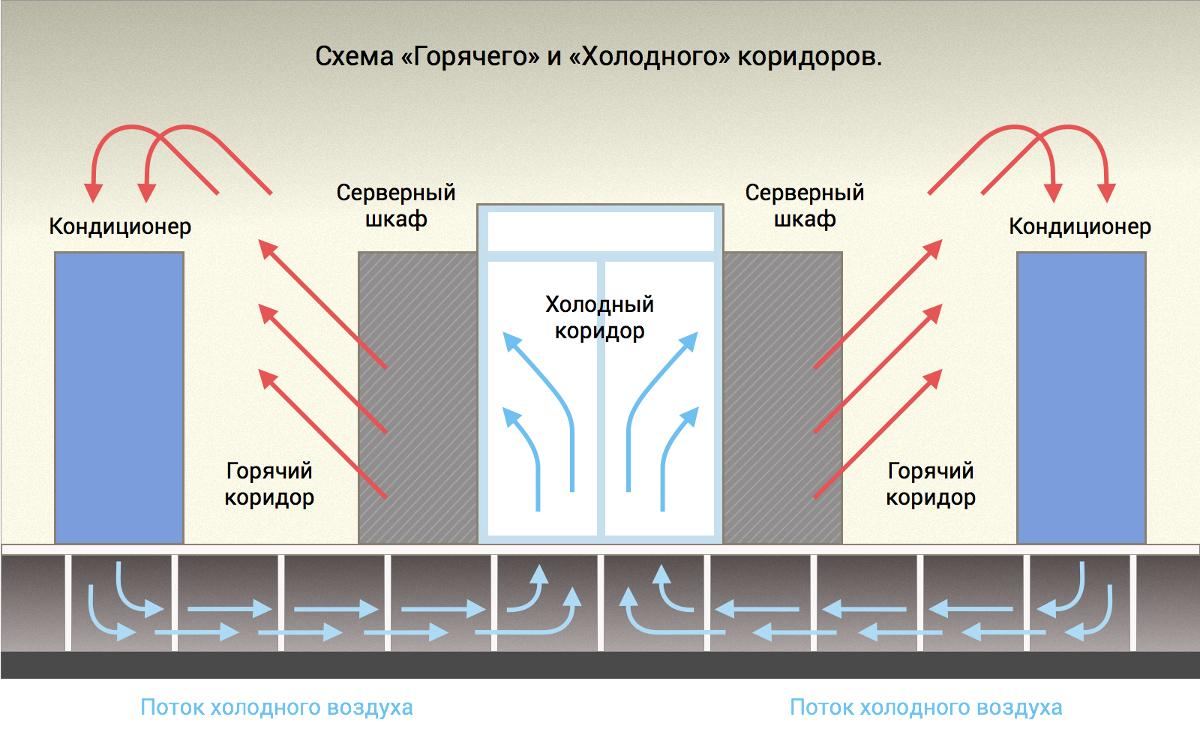

Air heated during the operation of the servers is discharged into the space behind the rack, where the so-called "hot" corridor is located. It contains fan coils that take hot air for cooling.
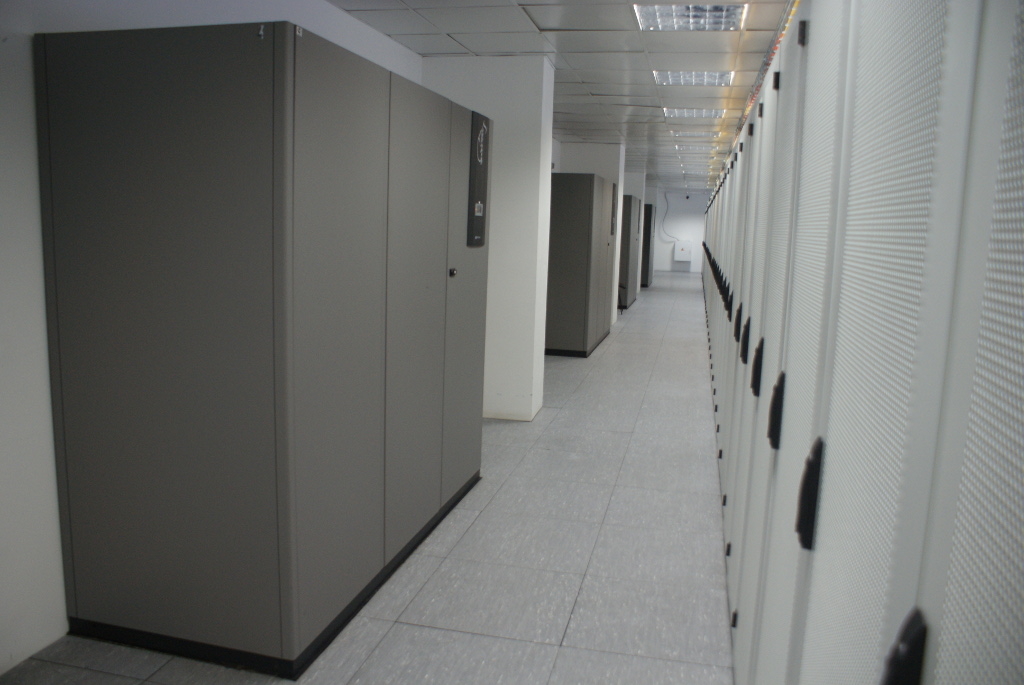
On-line information about the temperature in the “hot” and “cold” corridors is received round-the-clock by the duty system engineer with an update interval of 30 seconds.
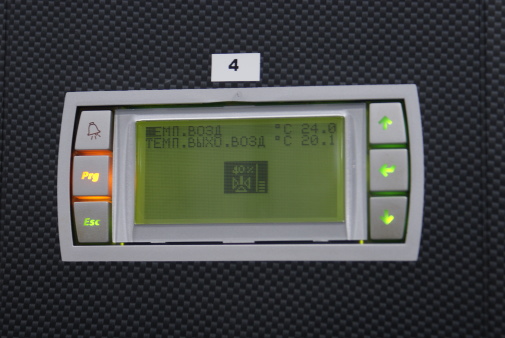
If the temperature exceeds the permissible limits, an alarm will sound. During walks, engineers measure the temperature of equipment with non-contact infrared pyrometers. If we find that the client equipment is overheating, we immediately inform the client about it, indicating the recorded temperature.
Power supply
Continuous power supply to racks is one of the priority tasks. Three independent inputs are suitable for our main electrical panel: two from different transformer substations and one from diesel generator sets.
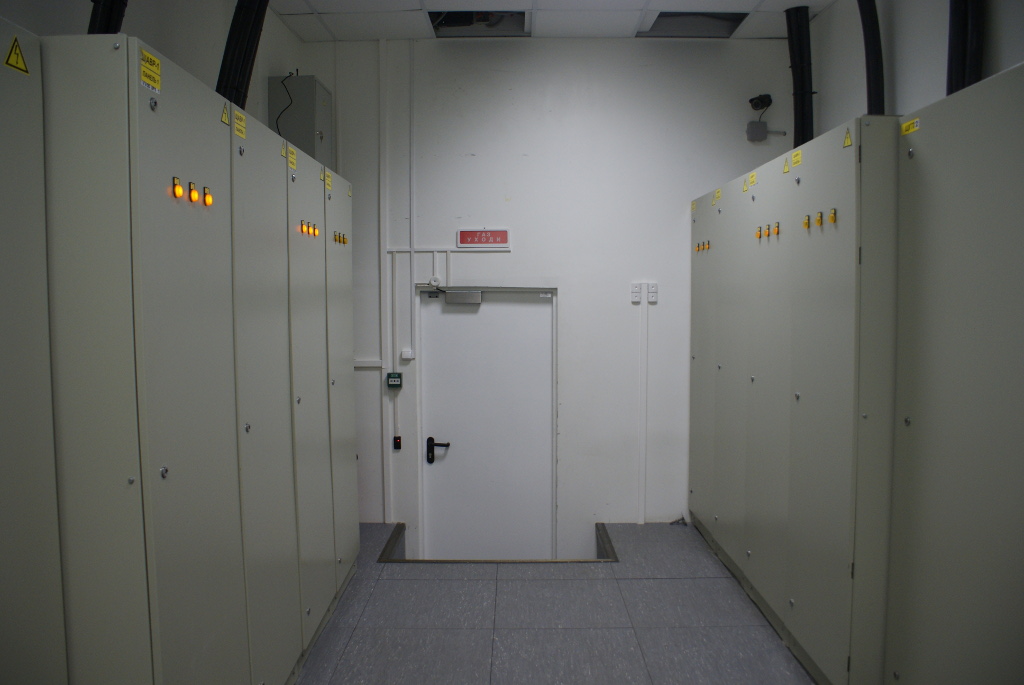
Both inputs work synchronously: the load on them is distributed evenly. In the event of a power outage from one of them, the ATS (automatic transfer switch) instantly transfers the load to the second beam, eliminating downtime.
In the event of a sudden interruption in the supply of electricity (for example, as a result of a serious accident in the city power network), our clusters of UPSs (uninterruptible power supplies) from General Electric are automatically activated.
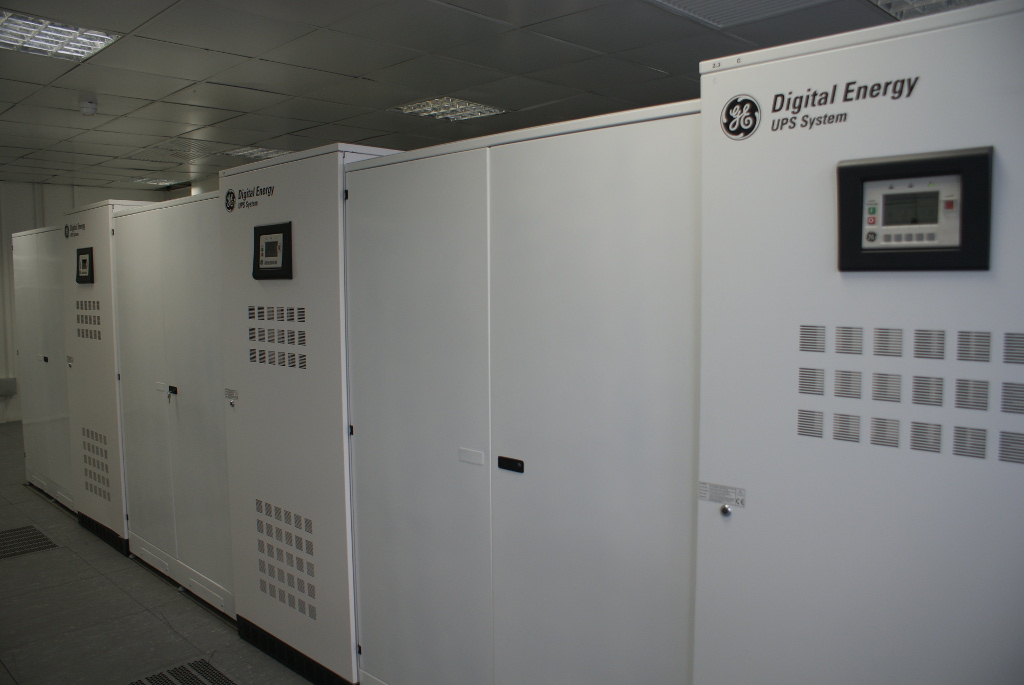
At the same moment, 3 seconds after the loss of power, a command is automatically given to start the diesel generator set (DGU). After 2 minutes, she enters the operating mode and the entire load switches to it. We use high-performance Gesan diesel engines with Volvo Penta engines. In peak load mode, they can produce up to 504 kW of power, so the data center can work as long as needed without stopping: the standard fuel supply is enough for 10 hours, and if necessary, you can always refuel.
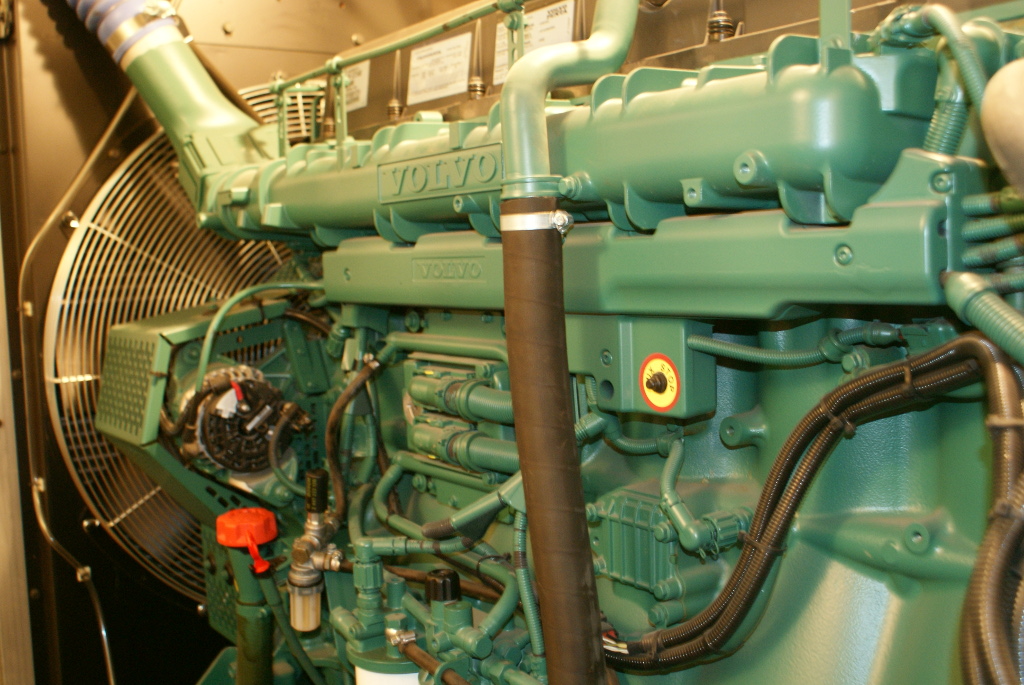
Every month we carry out test launches of diesel generator sets with checking the levels of fuel, oil and antifreeze. Tests are periodically conducted in which a complete interruption in the supply of electricity is simulated and the diesel generator automatically starts up, followed by switching the load to it. In winter, diesel engines can start worse than in summer, so they are equipped with prestarting heaters and are designed to guarantee starting even at −30 ° C.
Firefighting
When working with any equipment, even the most reliable, there is always a risk of short circuit and fire - for example, if any components fail. That is why all data centers are equipped with an automatic fire extinguishing system. It is calculated in such a way that it is guaranteed to eliminate the fire, without damaging the equipment. We use a gas fire extinguishing system for this.
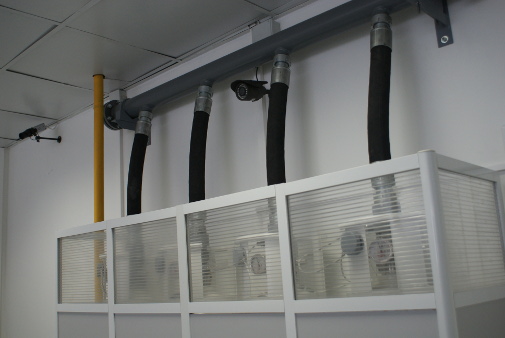
The principle of its operation is based on a chemical slowdown of the combustion reaction. The system delivers a gas fire extinguishing composition (Freon-125) to the room. Once in the combustion zone, this gas decays intensively with the formation of free radicals, which react with the primary combustion products. In this case, the burning rate decreases to complete attenuation.
Automatic installation of a fire alarm quickly detects a fire. The supply of the extinguishing agent is delayed in order to evacuate people from the premises.

In our case, the system gives 30 seconds to evacuate, after which the system is triggered. Protection against accidental operation is also provided, the system activates fire extinguishing only if at least two fire detectors (sensors) have tripped.
It is necessary to evacuate people: gas displaces most of the oxygen from the room, and visibility is reduced to several tens of centimeters. Our engineers are trained to act in the event of a system being triggered and know how to act in a similar situation.
Monitoring and response
All equipment is always under round-the-clock monitoring, and system engineers can always quickly find out the status of each device. This ensures an instant response to all failures and emergencies.

Several times a day, rounds of all the premises of the data center are conducted. During these rounds, we identify all possible shortcomings and inform all responsible about them. Largely because of this, we can declare that our data centers are ready for any unexpected events and are able to work autonomously for any amount of time.
Conclusion
Ensuring the smooth operation of the data center is a very non-trivial task. For its successful solution, all bottlenecks subject to failures are necessarily reserved by additional equipment. Regular inspections and monitoring allow you to diagnose and prevent the probable causes of failures in time. Timely replacement of old equipment with new equipment, the development of more advanced monitoring systems and a flexible approach to exercising control over it - these are our tasks, which are successfully solved every day, guaranteeing our customers that their data and projects will be reliably protected and accessible in a mode 24/7/365.
Readers who cannot post comments here are welcome to join us on the blog .