March 10, 2013 at 18:13
Boeing 787 airliner generates 500 GB for each flight

Airlines will have to upgrade their IT infrastructure, because next-generation aircraft generate very large volumes of traffic. For example, Virgin Atlantic IT Director David Bulman said that the new Boeing 787 Dreamliner passenger plane generates more than 500 gigabytes of information in one flight that needs to be stored and processed.
According to him, literally every key node of the airliner is connected to the network, including engines, flaps and landing gear. If technical problems arise with any of the modules, then the engineers will find out about this in advance and are ready for repair even before the aircraft lands. All nodes in the aggregate generate approximately half a terabyte of data during one trip. Part of this information is transmitted to the base in real time directly during the flight.
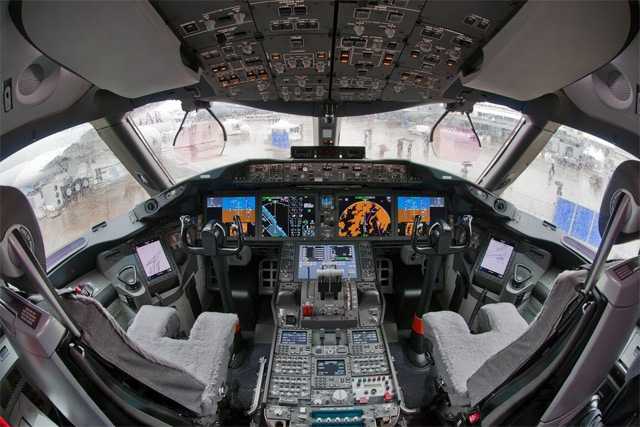
The Boeing 787 Dreamliner is a new generation airliner that should replace the old Boeing 767 in the market. At the moment, 49 copies have been built, the retail price of each liner is from 206 to 244 million dollars, depending on version. The main ones are the 787-8 model with 210 passenger seats and the “extended” model 787-9 with 250-290 seats.
Due to the fact that the aircraft generates such large amounts of data, airlines have to look for technical resources to process it. Thus, Virgin Atlantic plans to organize its own data center (“private cloud”), as well as rent public cloud services to process unclassified technical information. The company tried to create its own solution based on Hadoop, but the attempt did not succeed due to insufficient qualifications of programmers working for the airline, said David Bullman. Virgin Atlantic is currently in talks with companies that provide hosting and data processing services.
According to the CIO, you cannot do without your own data centers. Airlines also need to prepare to increase the flow of other information, for example, passenger baggage is automatically processed using RFID tags. Virgin Atlantic's information flows have doubled over the past year, and may grow even faster in the future.
In fact, airlines are turning into IT companies, that is, their main task is information processing. Similar changes are occurring in many other industries. As a result, the demand for programmers is expanding in all sectors of the economy.