ZX Spectrum - my first computer
Acquaintance
My first computer appeared more than ten years ago. His godfather brought him from Moscow. By that time, I was already in elementary school. Strictly speaking, this device even, perhaps, could not be called a computer, rather a prefix. Because, in my understanding, the computer should consist of a screen, a system unit and a keyboard. There was one keyboard, a bunch of wires and a blue power supply with a large white button on the side.
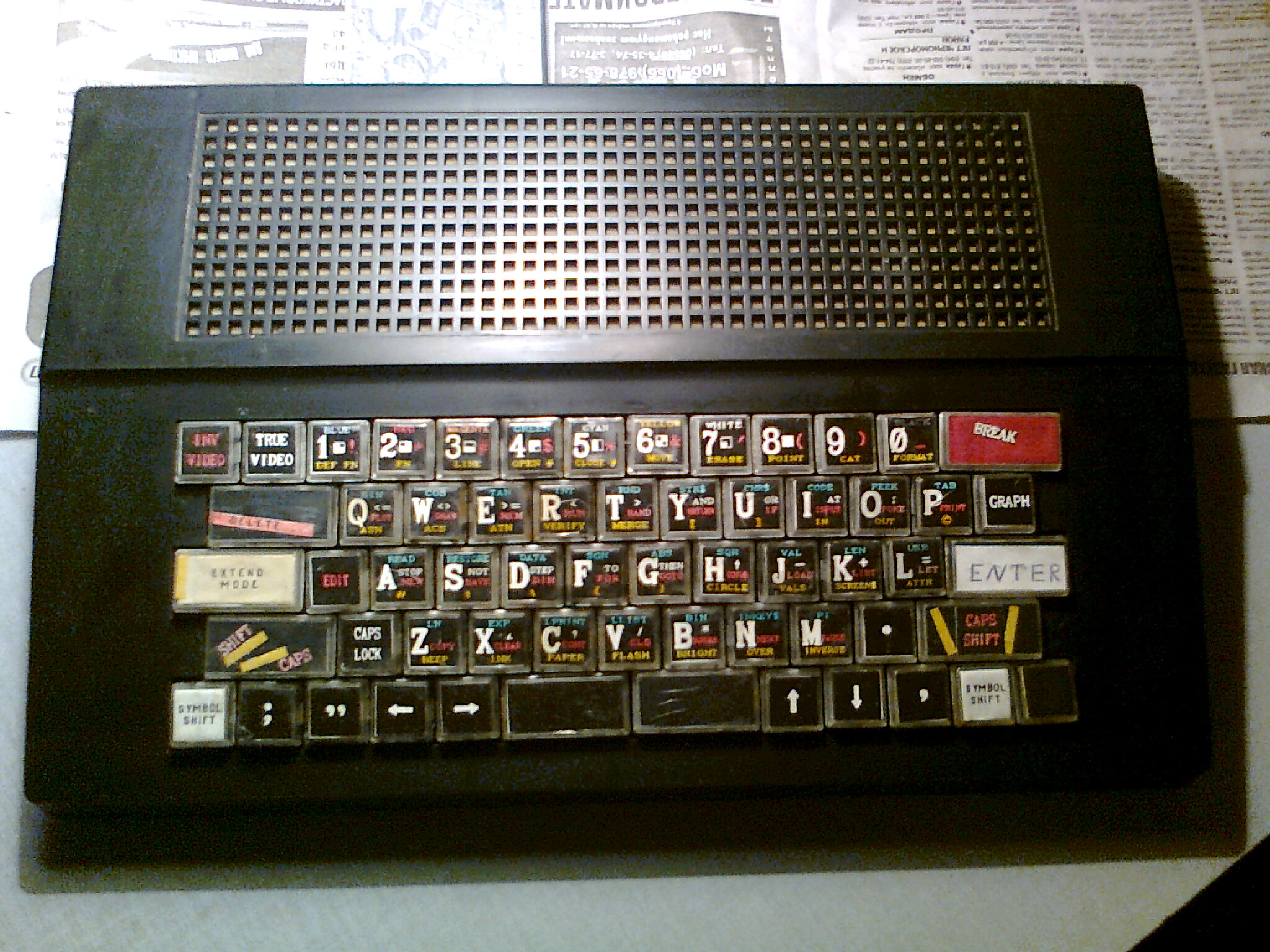
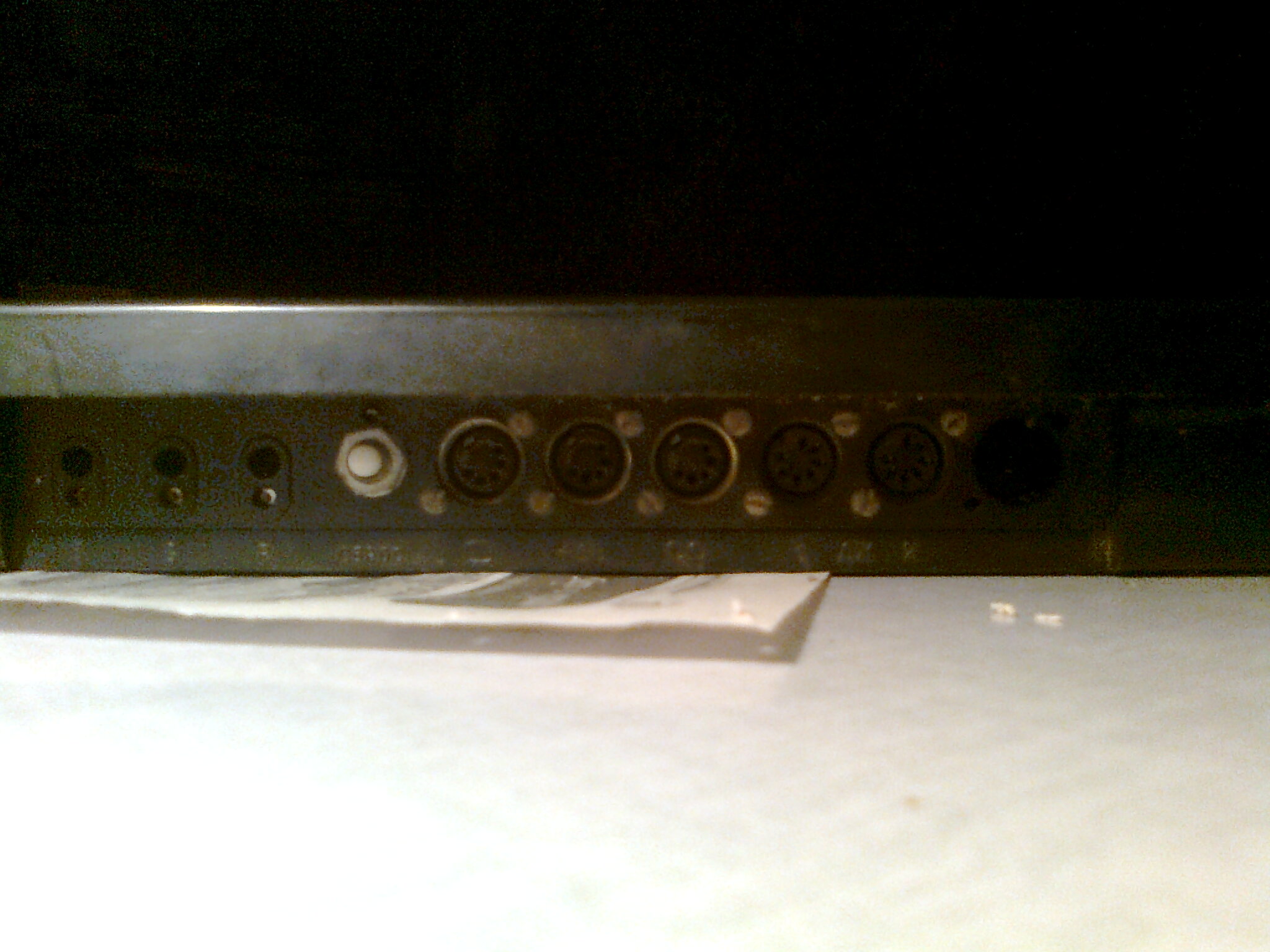
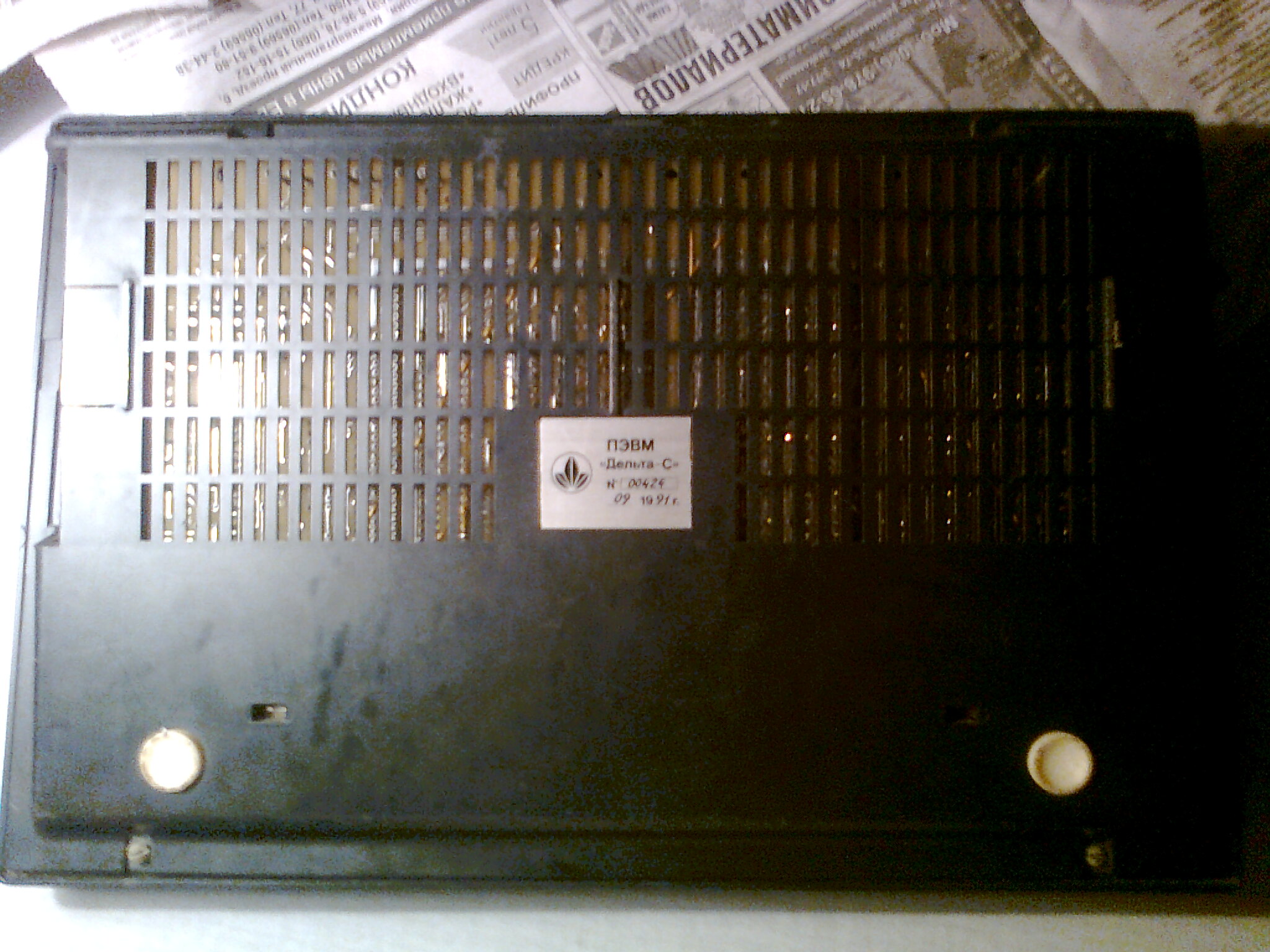
However, this did not bother me. Of course, the main concern was the connection of the keyboard to the display. We did not have a monitor at home, but there were two Photon televisions. One is black and white, the other is color. It never crossed my mind that they can be combined and get a full-fledged computer. However, it was possible.
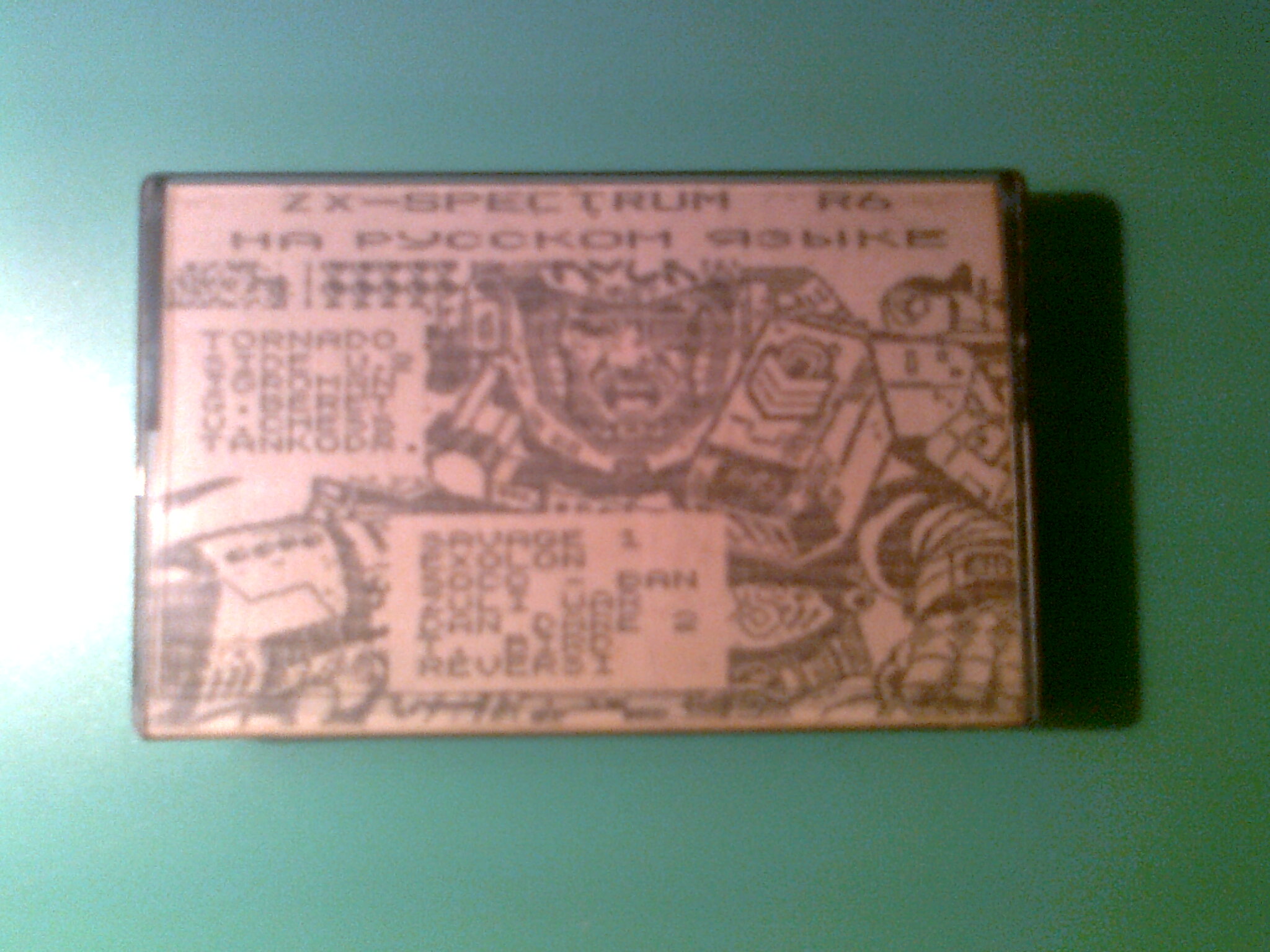
A friend of my dad showed a diagram of how you can attach a keyboard to a TV - this is how the switch-lever between the computer mode and the TV mode itself appeared on the TV. Communication with the TV has been established. There were no problems with the power supply. It remains only to attach the keyboard to the tape recorder "Spring". The information was on magnetic tape. On the tape were recorded either programs or games. I inserted a cassette, entered the necessary command on the keyboard, and - let's go. The boot process was long, tedious and overly noisy. While the program or game was loading, unusual sounds were heard from the speakers of the tape recorder. In addition, sometimes at some stage during the download process, an image may appear on the TV screen. It took 30 or more minutes to download one program. The equipment simply tested the patience of its user. However, the desire to play chess with a computer, to "run through the floors" for monsters or to make an unusual design from cubes was unlimited. I had to wait. Well, finally, booted! Patience reward received.
And if several games are recorded on one cassette, but you want to download not the first in the playlist, but, say, the fifth, you had to rewind the cassette and look for the game, guided by the sound of noise from the speakers. Now it’s even hard to imagine what it really was: very tiring and not very exciting. The desire to communicate with “smart” technology won.
In addition to cassettes with games, I also got cassettes with various programs: ”Artist”, “Layout”.
The textbook was the book of the publishing house "Peter" "System Programs for ZX Spectrum (No. 1)" edited by N. Rodionov.
BASIC is my first programming language
Besides the fact that this device was a wonderful toy, it also turned out to be an environment for "programming". The latter is simple, no frills: on a white background in standby mode the cursor flickers in the form of a square with a white letter “K” in the middle. Then for me this word did not mean anything. The rule was children's curiosity. Therefore, despite the fact that I did not understand what operators, arrays and functions are, I decided to try it. The source of inspiration was a blue folder with a "retarded" (as they said then) text of a translation of Stephen Vickers' book edited by Robin Bredvir "ZX Spectrum Programming in the Basic Language" of the 1989 edition.
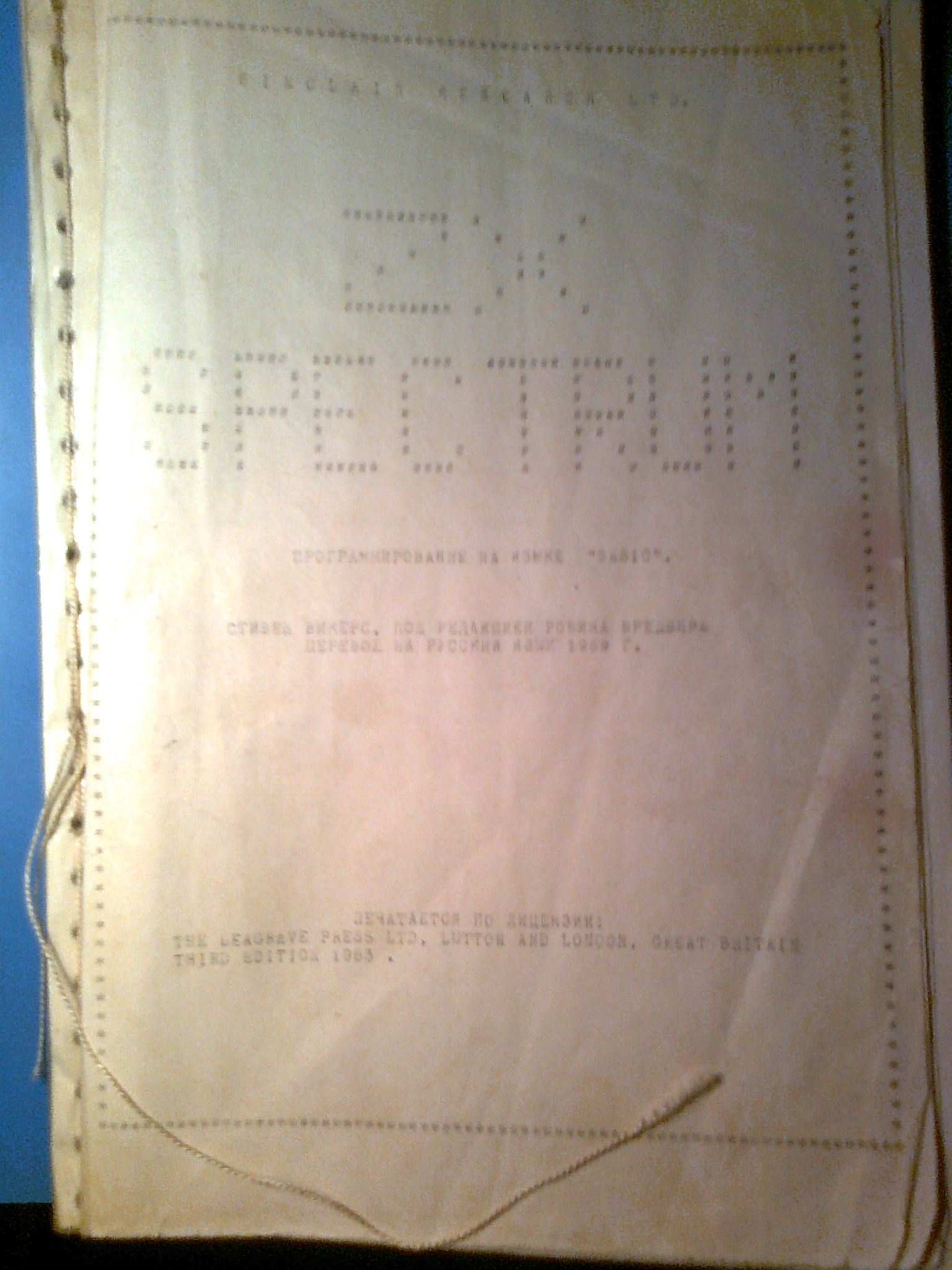
It was on it that I began to understand: what this or that operator means, this or that number or letter. I did not understand some functions of the operators, for example, those that work with loops, but I studied the operators working with graphics and sound very well. It is pleasant to recall how, not limited by any stereotypes and not too burdened with knowledge, at the age of 7-8 he boldly “programmed”, experimented: changed the program code, invented something of his own, giving free rein to imagination and intuition. So, we can say that my first “Hello World!” Was written in the language “Basic”.
Conclusion
Now I am studying at the university, studying "C". On the table is a modern computer. And I hope there will be many of these. But "childish", "almost real" will remain the first forever. It's nice that my favorite ZX Spectrum still benefits today: the keyboard has turned into a simulator for the blind ten-finger method.