December 24, 2010 at 10:26
Kingmax Hercules Nano RAM Kit Review - Ancient Greek Hero in Nano-Armor
The RAM market is saturated with all kinds of solutions for various platforms. Now the user has a truly huge selection of different options - high memory frequency with low latencies, high frequency with high delays, low frequency with low delays and low frequency with high delays. In fact, the question of choice comes down to determining a specific case and the size of the user's budget. Therefore, manufacturers often resort to various methods of attracting attention to their products in the form of massive or colorful radiators, lighting modules or equipping them with cooling systems with fans.
Company Kingmax this fall introduced an updated series of memory HerculesDDR3 types that do not need additional radiators and are capable of operating at a frequency of 2200 MHz. In the manufacture of models used technology Nano Thermal Dissipation . Instead of radiators that remove heat from the memory chips, the module is covered with a special coating of silicon and graphite. This coating contributes to a 10% improvement in heat dissipation compared to conventional DDR3 memory modules. Memory modules come in a small box made in blue and blue.
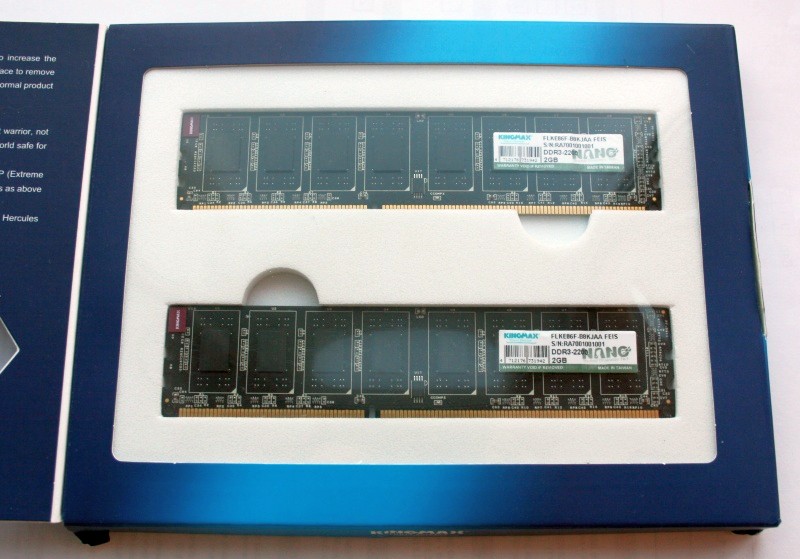
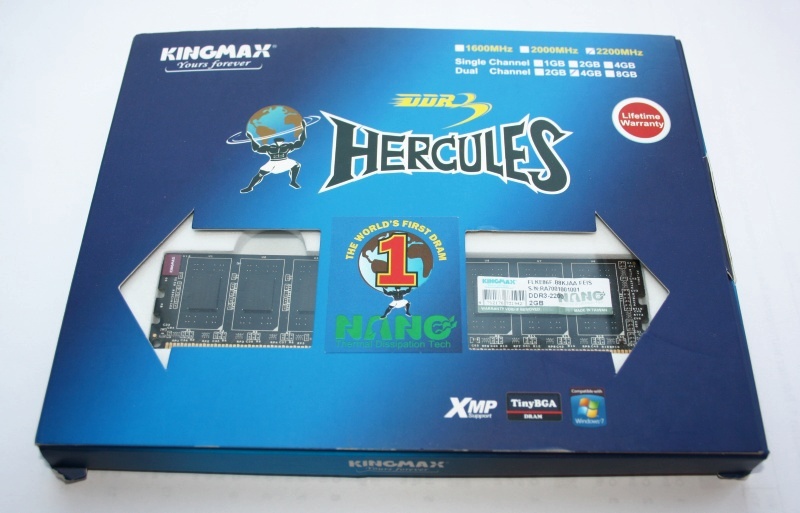
On the front side of which there is a transparent window through which one of the two modules is visible. The first thing that catches your eye is information about the applied Nano Thermal Dissipation technology and a lifetime warranty. Having opened the box, we already see both modules securely laid in a dense porous material, which prevents their damage during transportation. On the back of the box are the main characteristics of the memory modules. They are briefly listed in the table below.

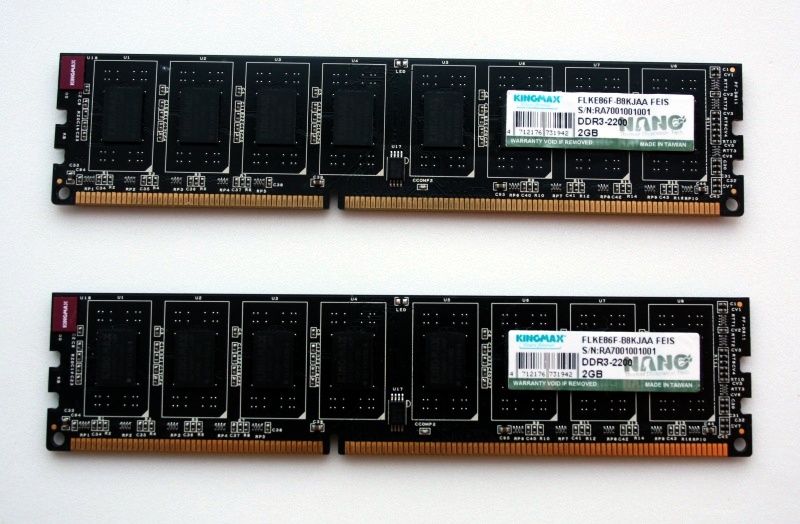
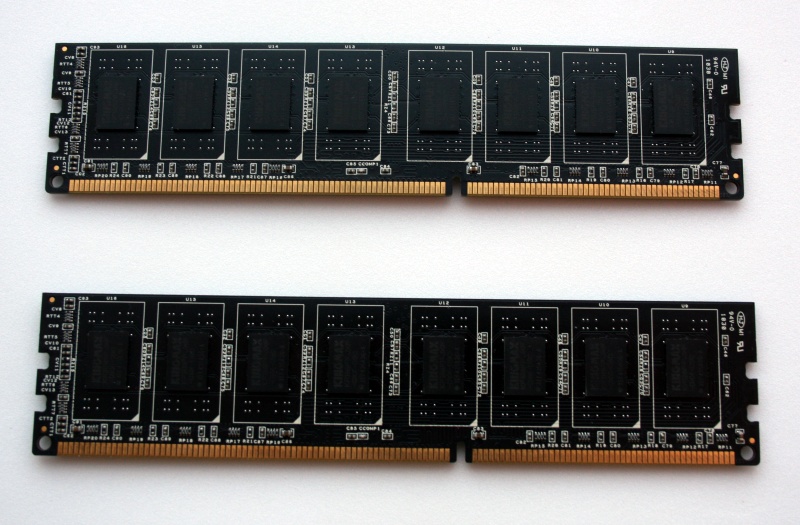
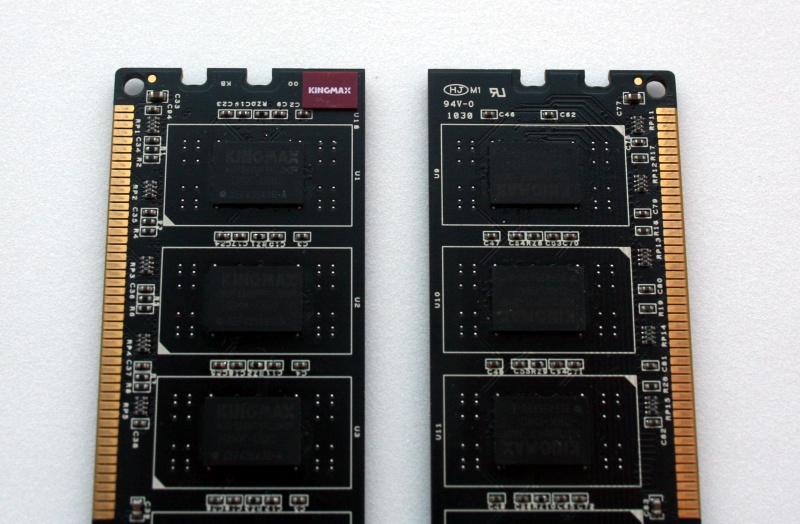
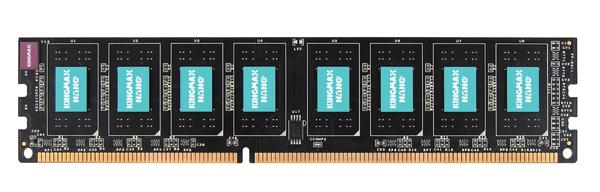
RAM modules are based on black textolite. Each memory module contains 16 memory chips - 8 pieces on each side. The capacity of each module is 2048 MB. The total capacity of the kit corresponds to the capacity of both modules, i.e. 4096 MB.
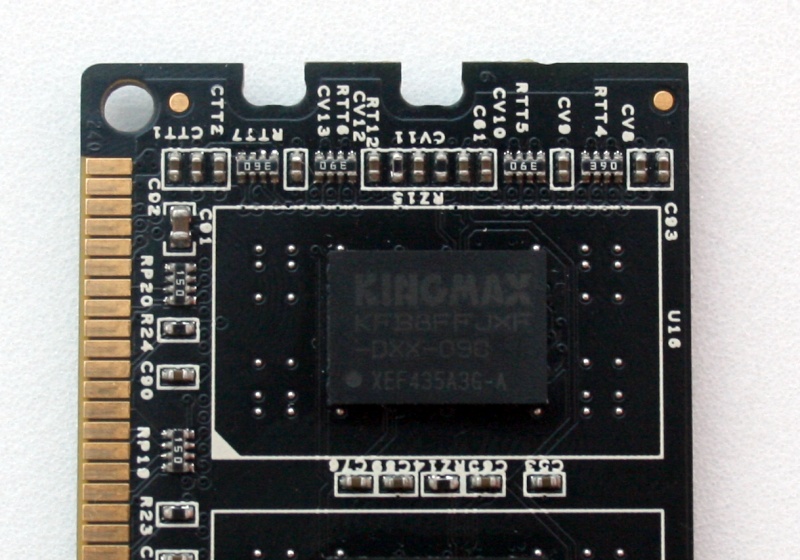
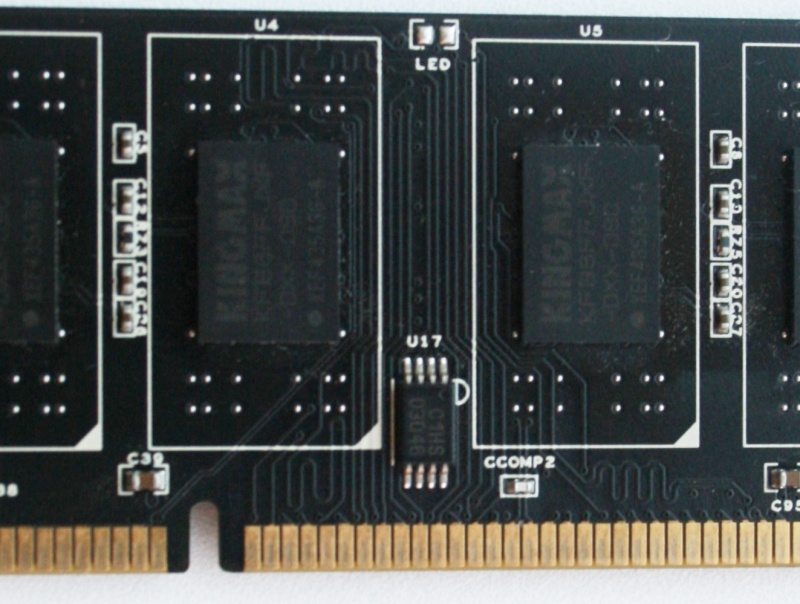
The sticker located on each module also informs us about the model, serial number, type of memory, frequency and volume of the module. In the manufacture of the modules, a six-layer HJ M1 printed circuit board with a Kingmax sticker was used. Memory chips are labeled as Kingmax KFB8FFJXF-DXX-09C. In fact, memory chips are manufactured by Powerchip and in this case we are talking about re-marking. On the PCB, a place is allocated for the LED, which for some reason is not soldered.
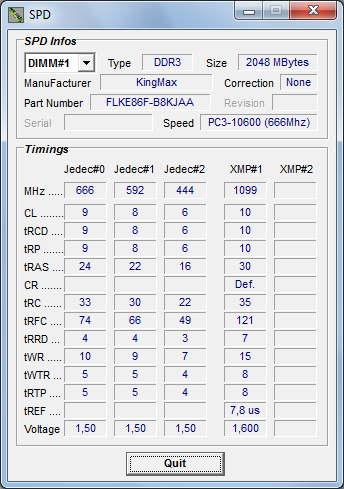
The memory modules installed in the ASUS Maximus III Formula motherboard are as follows. When loaded with Auto Kingmax parameters, Hercules Nano are defined as regular modules with a frequency of 1333 MHz and delays of 9-9-9-24 1T. By activating the XMP profile we get a memory frequency equal to 2200 MHz with delays of 10-10-10-30 1T. The following parameters are recorded in the manufacturer's SPD. Test configuration and testing methodology


Testing of memory modules for stability was carried out by memtest86 + version 4.10 utility. The maximum value of the working frequency was determined by the successful passage of test No. 5 for at least 10 minutes. The final working memory frequency was achieved using a 2:10 multiplier and overclocking the processor in BCLK frequency. The memory supply voltage was manually set to 1.65 V.
The ability of the memory to work was checked at the factory settings by activating the XMP profile. Also, since the overclock of the processor test sample was limited by the BCLK frequency to 220 MHz, the memory was tested at lower "Timings. Additionally, taking into account the peculiarities of memory overclocking on PSC chips, the work on specific timings was tested, namely tRCD = tCL + 3.
Testing results
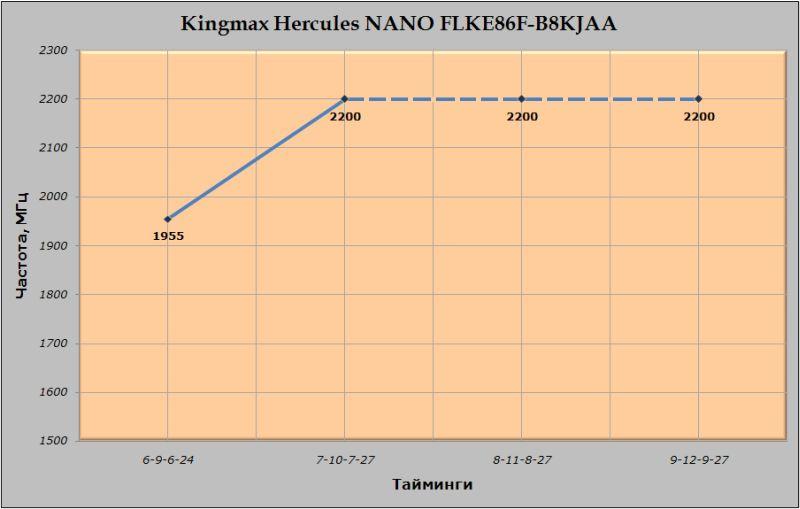
Initially, the stability of the memory set was checked with the settings recorded by the manufacturer in the XPM profile. Successful completion of the test became an additional confirmation of the correct settings. Studying the overclocking potential with “smooth” timings, three modes were tested: 7-7-7-21 1T, 8-8-8-24 1T, 9-9-9-27 1T. The test results are presented below in the form of a diagram with the added test result with the settings corresponding to XMP. The memory was able to pass the test successfully at frequencies of 1823 with delays of 8-8-8-24 and 2035 at 9-9-9-27. Quite decent results for a memory of this level.


Studying the potential at timings for more characteristic PSC memory chips, it was not possible to fully reveal it. The main limitations were the low memory multiplier. The maximum value of which is only 2:10 for the Intel Core i5 750 processor, unlike 2:12 for the Intel Core i7 8XX. The values for frequencies with delays of 8-11-8-27 and 9-12-9-27 indicate those that were achieved under these conditions. However, studying the results obtained using this memory and Core i7-8XX processors, you can find the results of overcoming the milestone of 2400-2500 MHz with delays of 9-12-9-27 at a supply voltage of 1.65-1.8 V. And this is already a very decent result.
From all the above, we can draw the following conclusion - Kingmax was able to produce a very interesting product that attracts attention not only with the lack of radiators and the use of new and unique technologies, but also with very decent overclocking potential.
Based on test results, the Kingmax Hercules Nano RAM Kit won the Editor's Choice Award.

These RAM modules will go on sale with blue memory chips. The updated modules are as follows: As you can see, the difference from the tested ones consists only in the color of the memory chips.
Company Kingmax this fall introduced an updated series of memory HerculesDDR3 types that do not need additional radiators and are capable of operating at a frequency of 2200 MHz. In the manufacture of models used technology Nano Thermal Dissipation . Instead of radiators that remove heat from the memory chips, the module is covered with a special coating of silicon and graphite. This coating contributes to a 10% improvement in heat dissipation compared to conventional DDR3 memory modules. Memory modules come in a small box made in blue and blue.
On the front side of which there is a transparent window through which one of the two modules is visible. The first thing that catches your eye is information about the applied Nano Thermal Dissipation technology and a lifetime warranty. Having opened the box, we already see both modules securely laid in a dense porous material, which prevents their damage during transportation. On the back of the box are the main characteristics of the memory modules. They are briefly listed in the table below.
| Title | Kingmax Hercules Nano Thermal Dissipation Technology |
| Marking | FLKE86F-B8KJAA |
| A type | DDR3 |
| Volume | 2 × 2048 MB |
| Frequency | 2200 MHz |
| Timings | 10-10-10-30 |
| Voltage | 1.5–1.8 V |
RAM modules are based on black textolite. Each memory module contains 16 memory chips - 8 pieces on each side. The capacity of each module is 2048 MB. The total capacity of the kit corresponds to the capacity of both modules, i.e. 4096 MB.
The sticker located on each module also informs us about the model, serial number, type of memory, frequency and volume of the module. In the manufacture of the modules, a six-layer HJ M1 printed circuit board with a Kingmax sticker was used. Memory chips are labeled as Kingmax KFB8FFJXF-DXX-09C. In fact, memory chips are manufactured by Powerchip and in this case we are talking about re-marking. On the PCB, a place is allocated for the LED, which for some reason is not soldered.
The memory modules installed in the ASUS Maximus III Formula motherboard are as follows. When loaded with Auto Kingmax parameters, Hercules Nano are defined as regular modules with a frequency of 1333 MHz and delays of 9-9-9-24 1T. By activating the XMP profile we get a memory frequency equal to 2200 MHz with delays of 10-10-10-30 1T. The following parameters are recorded in the manufacturer's SPD. Test configuration and testing methodology
| CPU | Intel Core i5 750 ES (2.67 GHz, Lynnfield, rev. B1) |
| Motherboard | Asus Maximus III Formula (Intel P55, Intel LGA 1156, BIOS 2001) |
| RAM | Kingmax Hercules NANO FLKE86F-B8KJAA |
| Video card | Gigabyte GeForce 9600GT |
| Power Supply | Enermax EMG500AWT (Modu87 +, 500 W) |
| Storage device | SSD Intel X25-V |
| Cooling system | Coolink Corator DS |
Testing of memory modules for stability was carried out by memtest86 + version 4.10 utility. The maximum value of the working frequency was determined by the successful passage of test No. 5 for at least 10 minutes. The final working memory frequency was achieved using a 2:10 multiplier and overclocking the processor in BCLK frequency. The memory supply voltage was manually set to 1.65 V.
The ability of the memory to work was checked at the factory settings by activating the XMP profile. Also, since the overclock of the processor test sample was limited by the BCLK frequency to 220 MHz, the memory was tested at lower "Timings. Additionally, taking into account the peculiarities of memory overclocking on PSC chips, the work on specific timings was tested, namely tRCD = tCL + 3.
Testing results
Initially, the stability of the memory set was checked with the settings recorded by the manufacturer in the XPM profile. Successful completion of the test became an additional confirmation of the correct settings. Studying the overclocking potential with “smooth” timings, three modes were tested: 7-7-7-21 1T, 8-8-8-24 1T, 9-9-9-27 1T. The test results are presented below in the form of a diagram with the added test result with the settings corresponding to XMP. The memory was able to pass the test successfully at frequencies of 1823 with delays of 8-8-8-24 and 2035 at 9-9-9-27. Quite decent results for a memory of this level.
Studying the potential at timings for more characteristic PSC memory chips, it was not possible to fully reveal it. The main limitations were the low memory multiplier. The maximum value of which is only 2:10 for the Intel Core i5 750 processor, unlike 2:12 for the Intel Core i7 8XX. The values for frequencies with delays of 8-11-8-27 and 9-12-9-27 indicate those that were achieved under these conditions. However, studying the results obtained using this memory and Core i7-8XX processors, you can find the results of overcoming the milestone of 2400-2500 MHz with delays of 9-12-9-27 at a supply voltage of 1.65-1.8 V. And this is already a very decent result.
From all the above, we can draw the following conclusion - Kingmax was able to produce a very interesting product that attracts attention not only with the lack of radiators and the use of new and unique technologies, but also with very decent overclocking potential.
Based on test results, the Kingmax Hercules Nano RAM Kit won the Editor's Choice Award.
These RAM modules will go on sale with blue memory chips. The updated modules are as follows: As you can see, the difference from the tested ones consists only in the color of the memory chips.