November 9, 2010 at 12:45
Samsung is working on a new type of touch screen
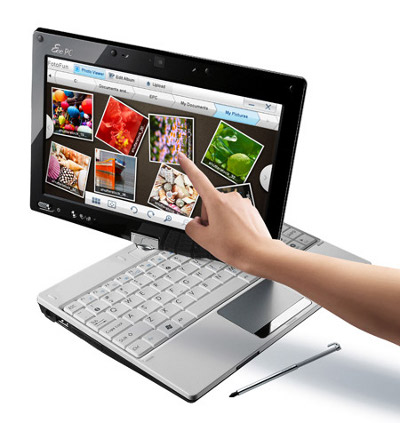
Currently, the development of touch screens has practically stopped - yes, there are tactile displays with feedback, so to speak, but the main work is being done to reduce the cost of the display and to improve its performance. According to Samsung engineers, the time has come to increase the functionality of touch displays - for example, the display's response to pressing force is very relevant. So far, there is no decent implementation of such a function, and Samsung decided to develop a new type of display.
No sooner said than done, and a prototype of such a display is ready. According to the developers, the implementation of the function of recognizing the force of pressing the display is quite complicated, but nevertheless it turned out to be affordable for modern specialists. The technology introduced by Samsung Electronics now allows you to reduce the scroll speed of the browser window, but other options for implementing this function are also possible. Now work is underway on licensing and patenting of new technology.
The developers believe that the new displays will be widely available in mobile devices, and in navigators, stationary monitors.
The technology itself involves the use of nanoparticles that have conductive properties. Nanoparticles are approximately equally concentrated throughout the display material. When the display is pressed, a change in the distance between particles or between particles and the surface of the display is recorded by a change in the conductivity of the particles, which, in turn, changes due to the amplification or weakening of the electric field. Thus, the technology is implemented. According to the same developers, in order to develop a new type of displays, I had to learn how to use the effect from the field of quantum physics, tunneling.
The thickness of the display, which uses the tunneling effect, is about 70 micrometers. There are other options for “training" the display to respond to the force of pressing, but these options are being developed by Samsung as alternative. Unfortunately, such technologies will not appear very soon in everyday life - for their development and implementation it takes several more years.
We'll have to wait, and what to do - such displays will really be very popular.