GSM photo alarm: what and how, and what is wrong
- Tutorial
 There are many devices for photo and video monitoring of apartments, cottages and some other premises. It is clear that you can order some kind of expensive video surveillance system, where everything will already be “turnkey”, but often users are faced with the task of managing small means. The easiest and cheapest way to organize remote photo-alarms is with the help of an old unnecessary smartphone (probably many people have such a mess at home) and the Telephoto application, which from this old phone can send photos via telegram-bot upon request, schedule or motion detection. The idea is simple and witty, it works pretty well, well, except that they still need to work on detecting motion - it does not respond very correctly, but the developers themselves recognize this. I started and tested everything - yes, it works, you can use it.
If you don’t feel like messing with a smartphone-telegram, you can buy a separate inexpensive surveillance camera with a normal motion sensor and SIM card support, which will do about the same, but much more qualitatively.
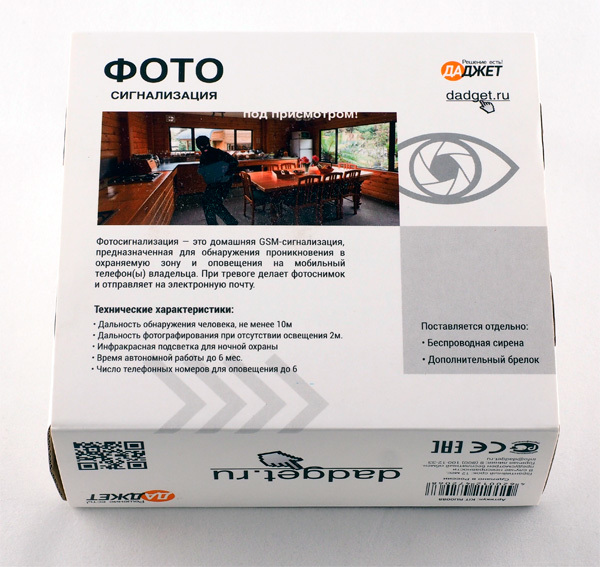
One of these options is Photo Alarm with GSM. It is equipped with a motion sensor and a GSM module, it is designed to work in sub-zero temperatures, for example, in an empty cottage, it can be equipped with a light and sound siren, it does not require a network connection (unlike a smartphone), as it runs 3-6 months on battery power. It costs 8490 rubles (with a remote control), separately you can buy an autonomous siren for 2350 rubles and an additional remote control for 950 rubles.
Inside
Included: photo alarm with motion sensor, control panel, antenna, manual.

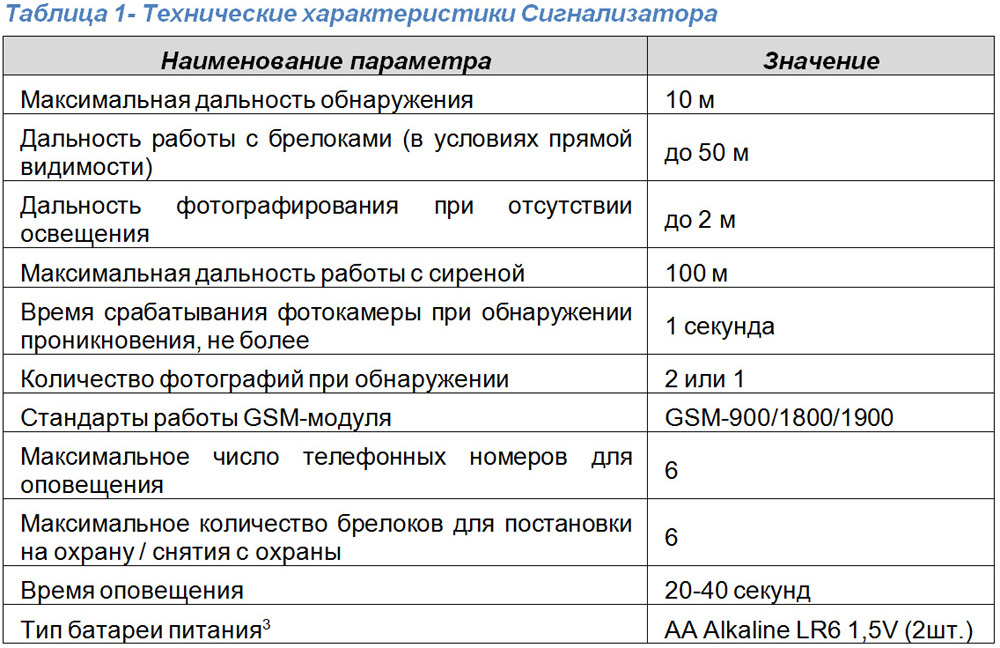
Specifications

In short, something like this
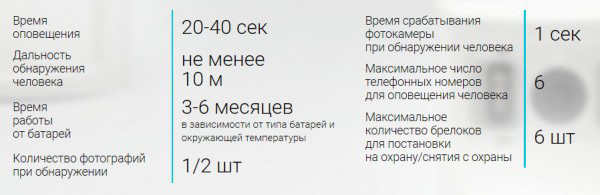
On one set of batteries can send up to 60 photos when motion is detected.
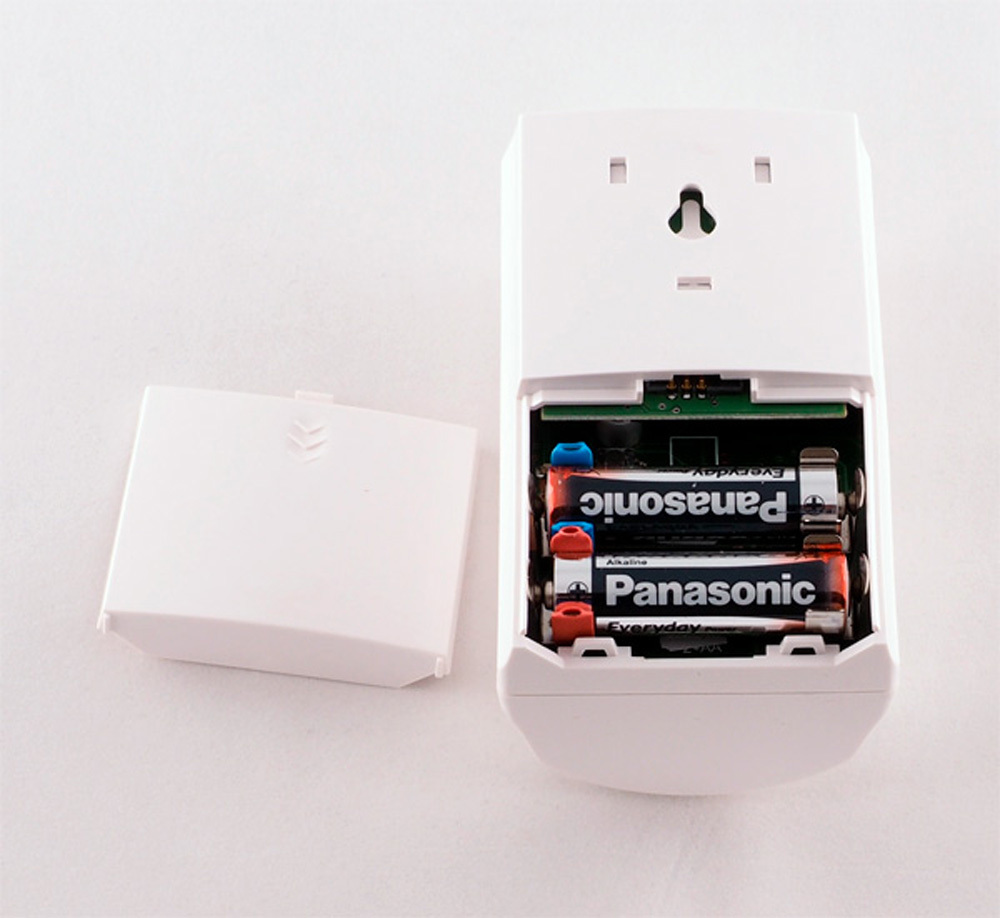
The camera will not be mounted with a 3M double-sided tape, but with a self-tapping screw, as a hole for a dowel is provided in the housing. So more reliable. Two batteries are installed inside, above them is a slot where a mini-SIM format SIM card is installed.

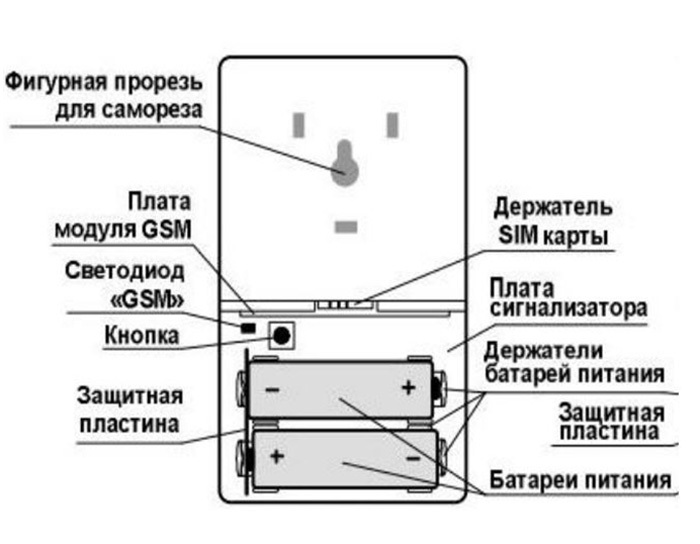
It all works simple and fairly primitive. A SIM card is installed, the camera is hung on a wall or mounted on a surface. From your phone to the camera’s SIM card, send a specially prepared SMS message, which also contains an e-mail to which photos will be sent when motion is detected.
Next, the key fob is registered on the camera by pressing a button, then by pressing another button, exit the programming mode and the camera sends an SMS with settings to your smartphone.

After that, it remains only to arm the camera with the key fob. The camera will inform you about setting the alarm via SMS.
That's all, now if the camera detects movement in the guarded zone, then it photographs the perimeter (takes 1 or 2 photos, how to set it up), sends SMS, makes a call to the phone and sends the photo to the specified e-mail.
If a siren is connected to the camera, it will sound and light signs when triggered. To expand the capabilities, you can use the optional remote control.
To remotely turn off the alarm you need to make a call to the camera’s SIM card number. If the alarm is not turned off, after 60 seconds the camera will automatically enter the armed mode again.
Remotely, the camera settings can be changed through the online service or through a special application.
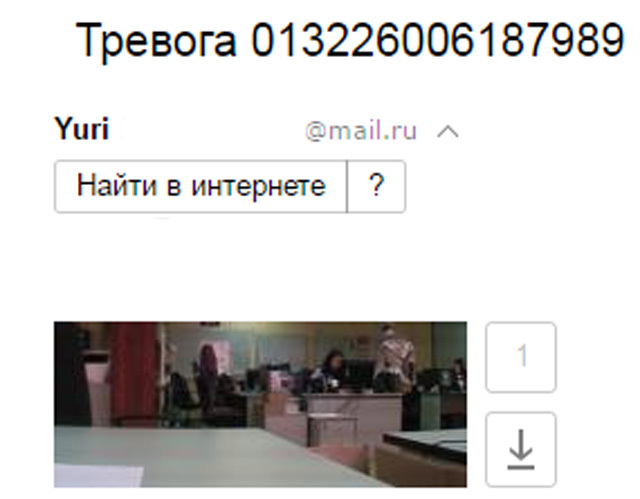
I tested it with a Beeline SIM card - yes, it works. The movement detects, signals, sends a photo.

The motion sensor is triggered by movement from a sufficiently large distance
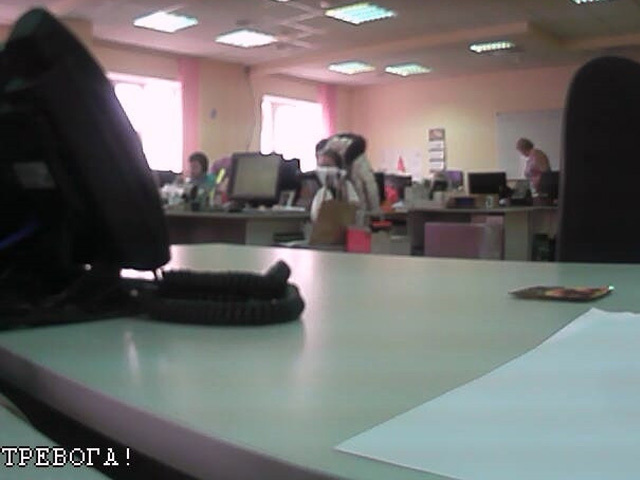
and sends similar images with a resolution of 640x480. If placed next to the door, a thief can be identified.
Installed
What is not quite comfortable? Yes, somehow it’s really unusual: SMS, e-mail. The above method with an old worn smartphone allows you to request photos through the application, receive photos on a schedule. Well, yes, there the motion detection sensor works noticeably worse and you need power from the outlet, but it costs almost nothing.
And here everything is some kind of very analog, despite the fact that it is done via the Internet. I would like to have an application for requesting a snapshot, for receiving snapshots on a schedule, well, that is, I would like more services.
However, on the other hand, there are people for whom such a simple option is noticeably more convenient than any applications in your "Internet".
What's inside
We will not dwell on hardware. It is described in sufficient detail in two previous reviews: review 1 and review 2.
About choosing a sim card
As indicated above, until a certain time, the manufacturer put in a Beeline SIM card, but in subsequent deliveries it will not be at all. How to be
Here are some of the existing tariffs of the main operators.
Megaphone
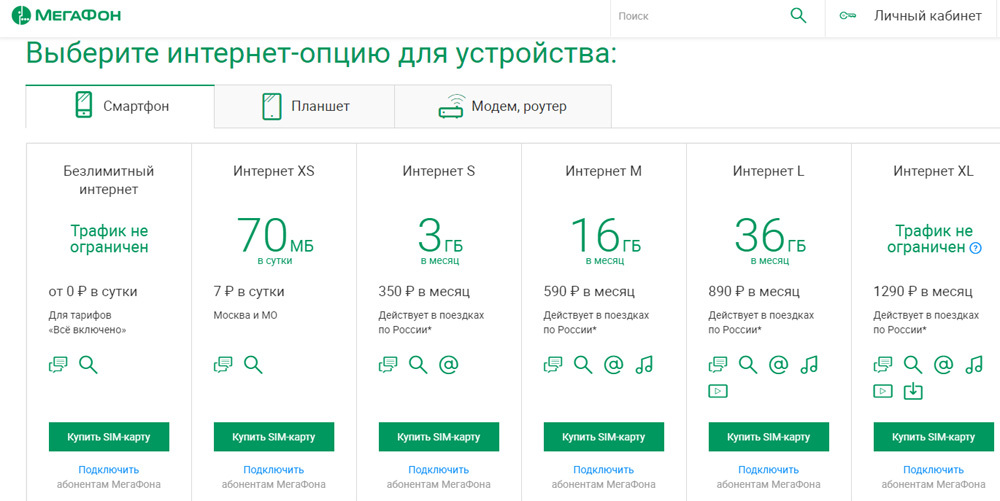
There is a choice, and judging by previous reviews, Megaphone enjoys the attention of
MTS.
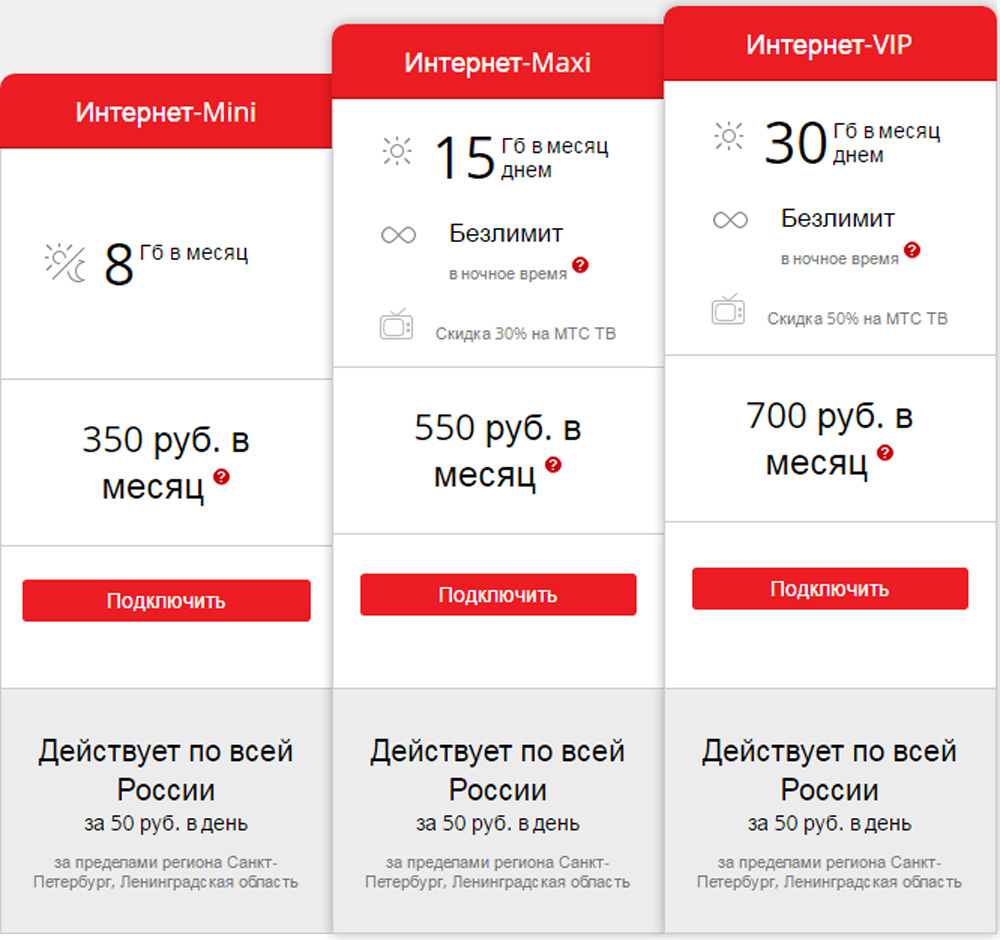
Tariffs are even more democratic. There may be problems with the MTS ov SIM card: some tariff plans may not allow the transfer of photos. To activate the service you need to contact the operator, at the request they will open, but not everyone knows about it.
Beeline

In Beeline, tariffs are also in order.
Tele-2
The operator uses 3G +, which the Photo Alarm modem does not support.

Span. Be careful!
A couple of clips that may be useful
Ending
If we use the Photoalarm system in a country house (private house) together with a siren, we can expect a tangible result: we’ll get both a cracker’s photo and a scarecrow with very loud sounds from valuables. In short, a sensible thing, although not without flaws. Who doesn’t want to bother with iron and wants to buy a “turnkey” option, but with self-installation, saving on an uncle-master from an incomprehensible office, then the Photoalarm is what you need.
On the Dadget Pageyou can purchase both the Photo Alarm itself for 8490 rubles, and the siren for 2350 rubles and an additional keychain for 950 rubles. Readers of the article have the opportunity to get a 10% discount on the GEEKT-AF promotional code. A trifle, but nice! I want to say that in the stores of Dadget there is a so-called extended warranty: exchange and return within a year. I have never seen such a service before. Are you back on Aliexpress for new adventures? Is it worth it? If it’s worth it, I wish you good luck!
Information for bloggers and authors:
The Dadget company is interested in publishing independent objective reviews of dadgets in various media and is happy to provide dadgets to bloggers and authors who want to test them and write a review.
The device after writing the review remains with the author. The company does not try to tell the author exactly what to write about our product, but asks to show the article before publication. In this case, it is possible to clarify information and prevent errors. Whether or not to consider company comments is always at the discretion of the author. More details ...