November 30, 2015 at 10:53
Laboratory of Robotics and Girls in Skolkovo
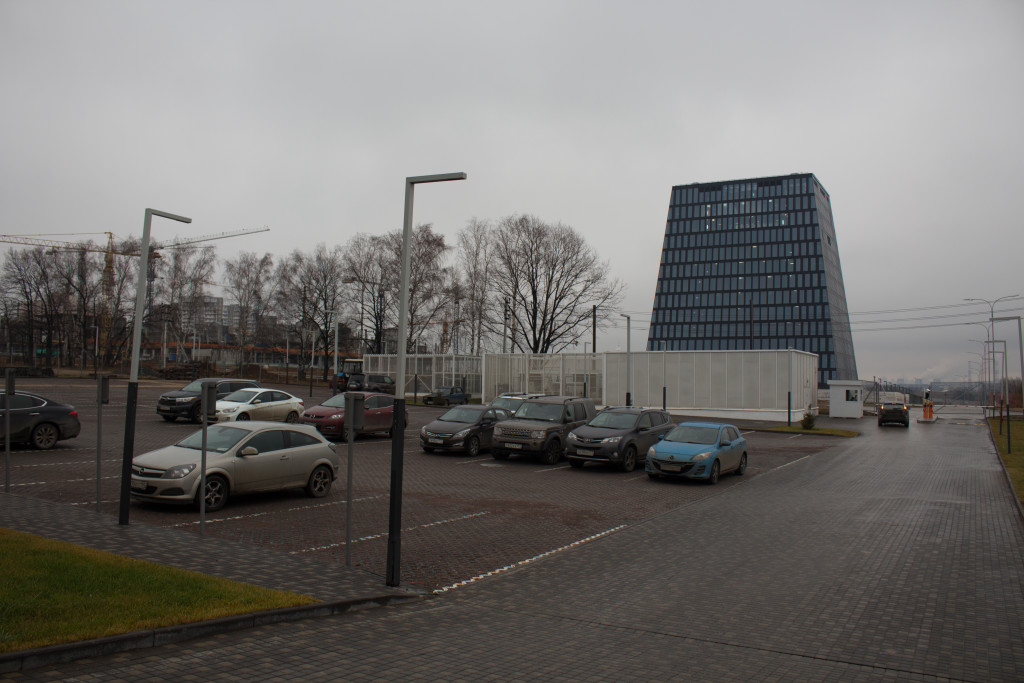
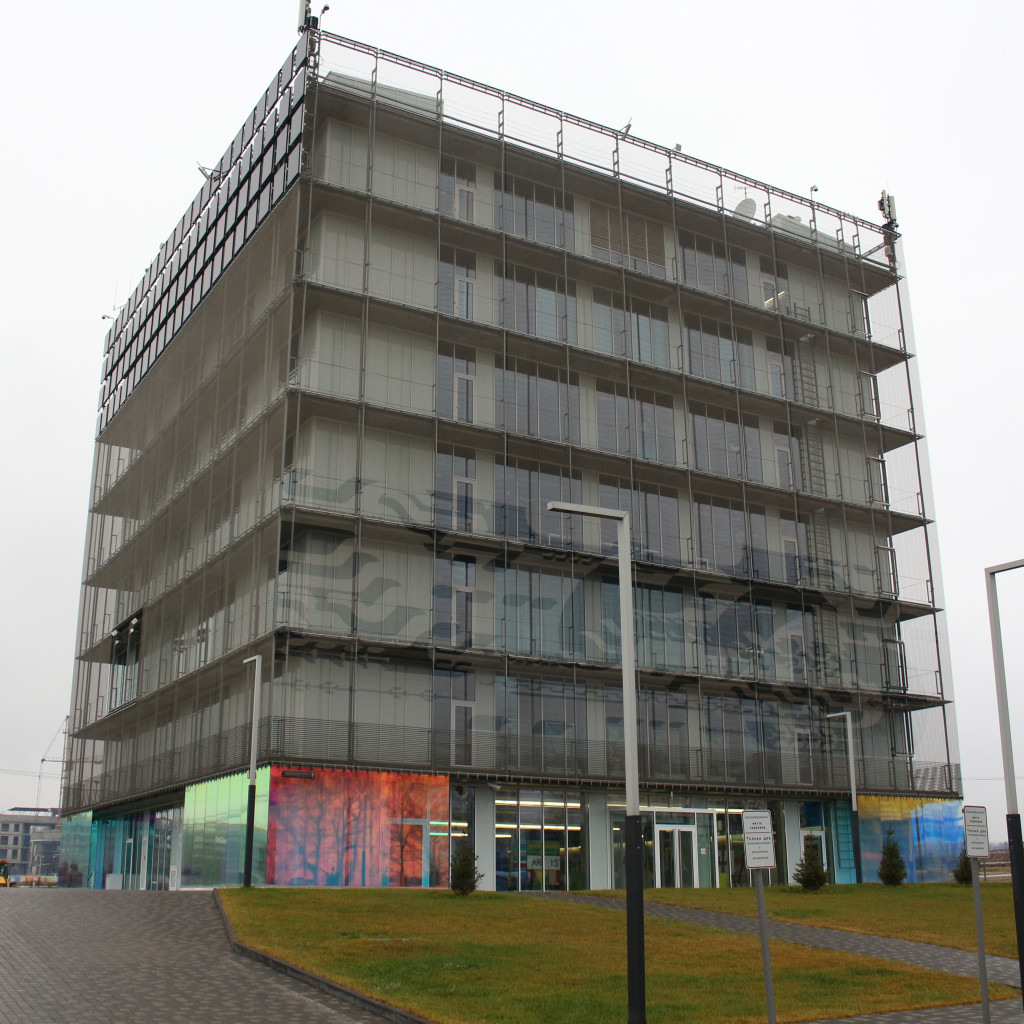
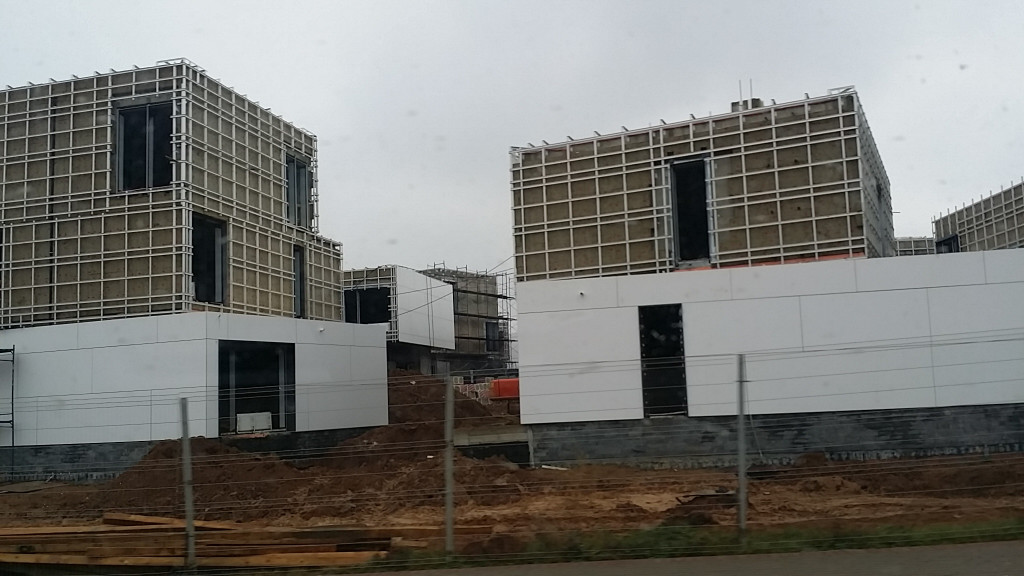
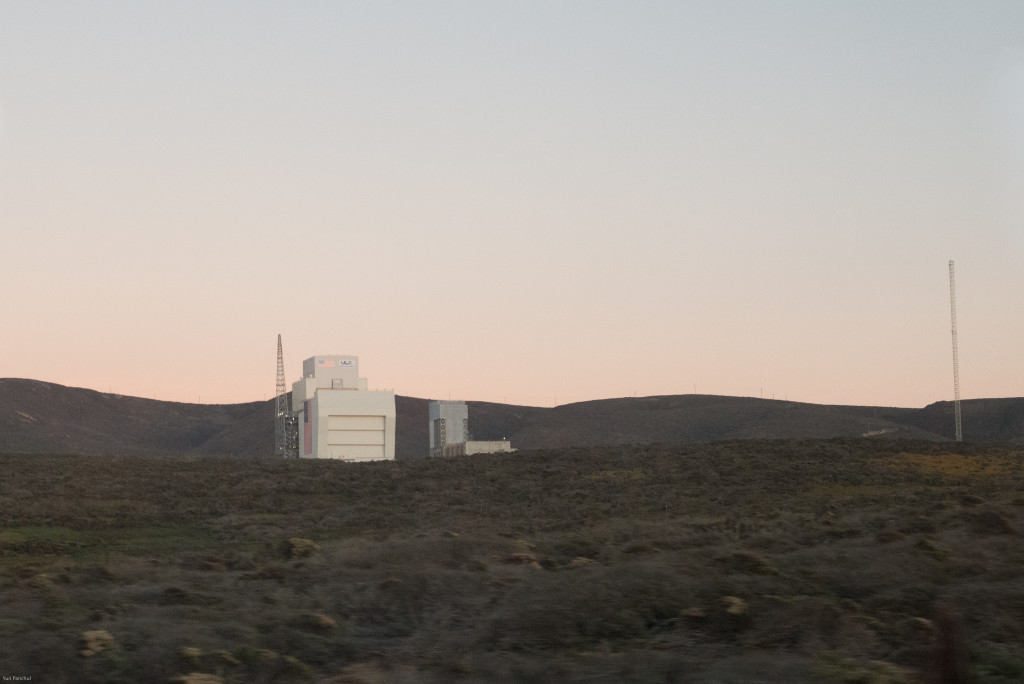
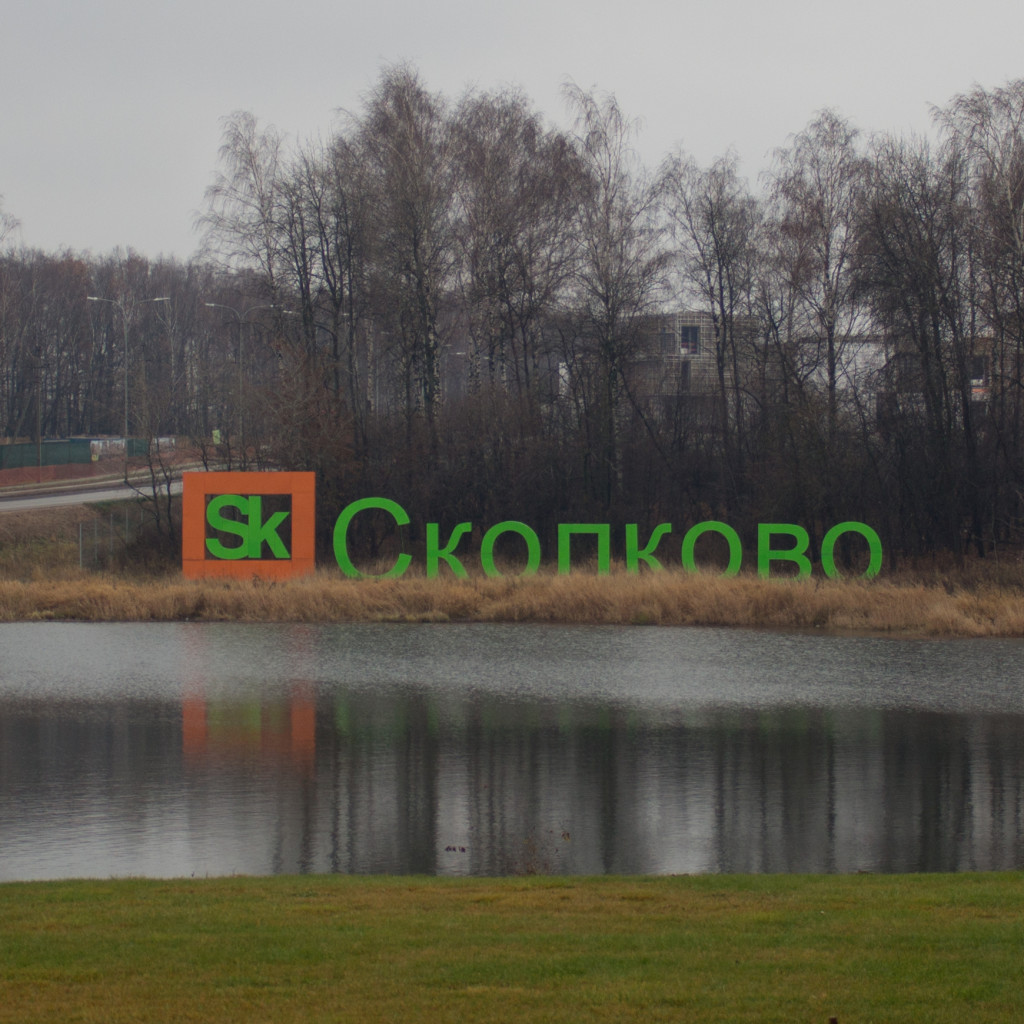
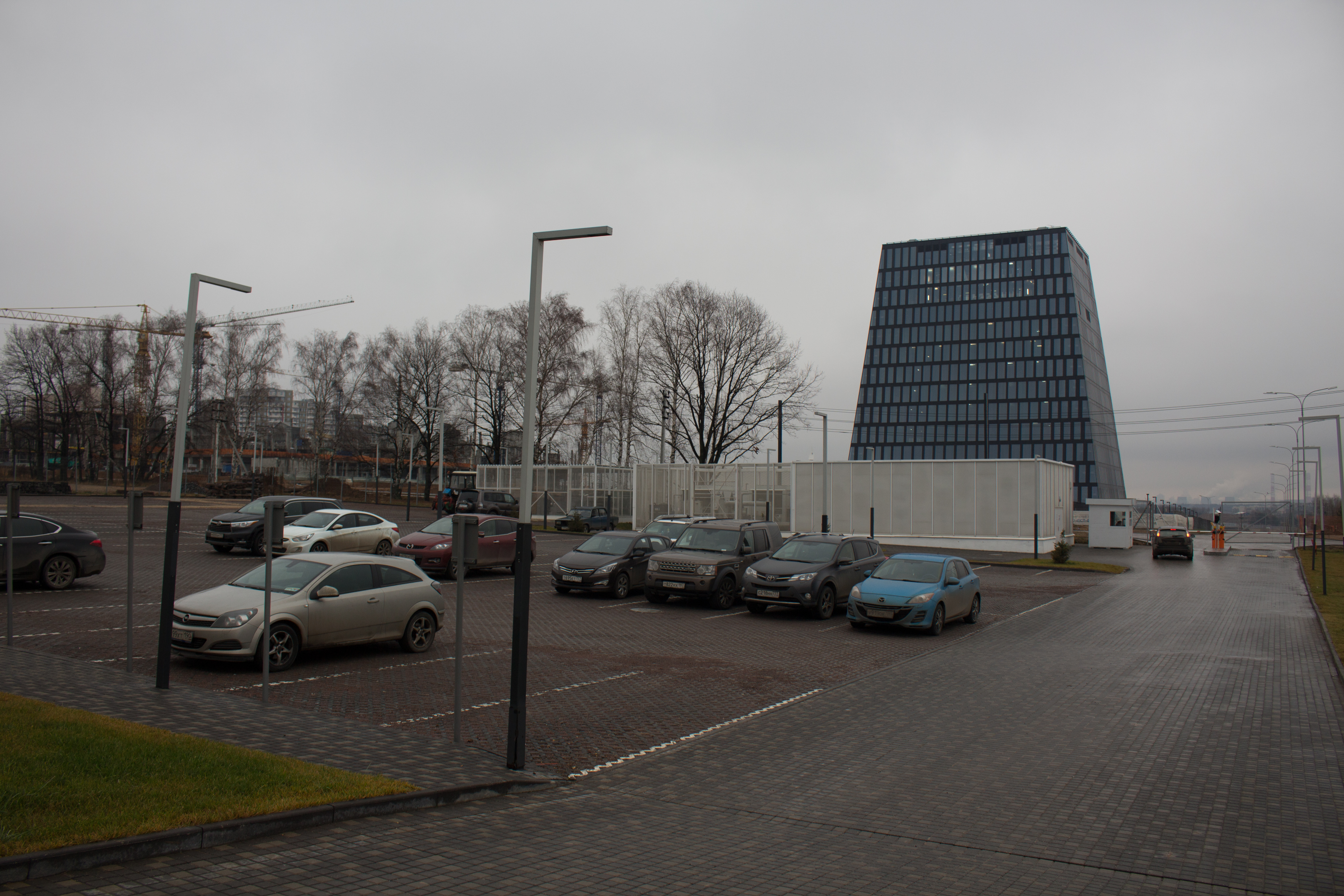
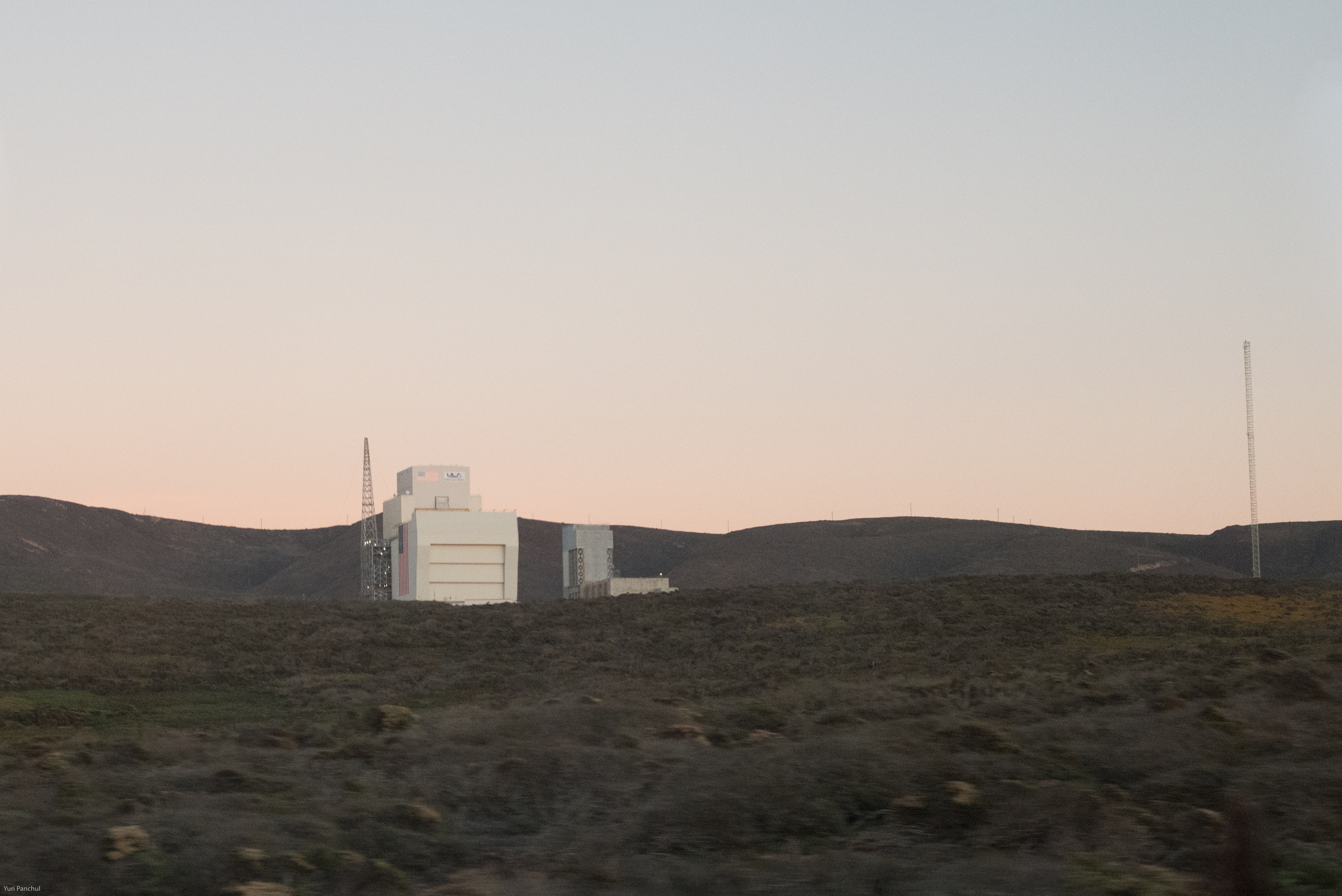
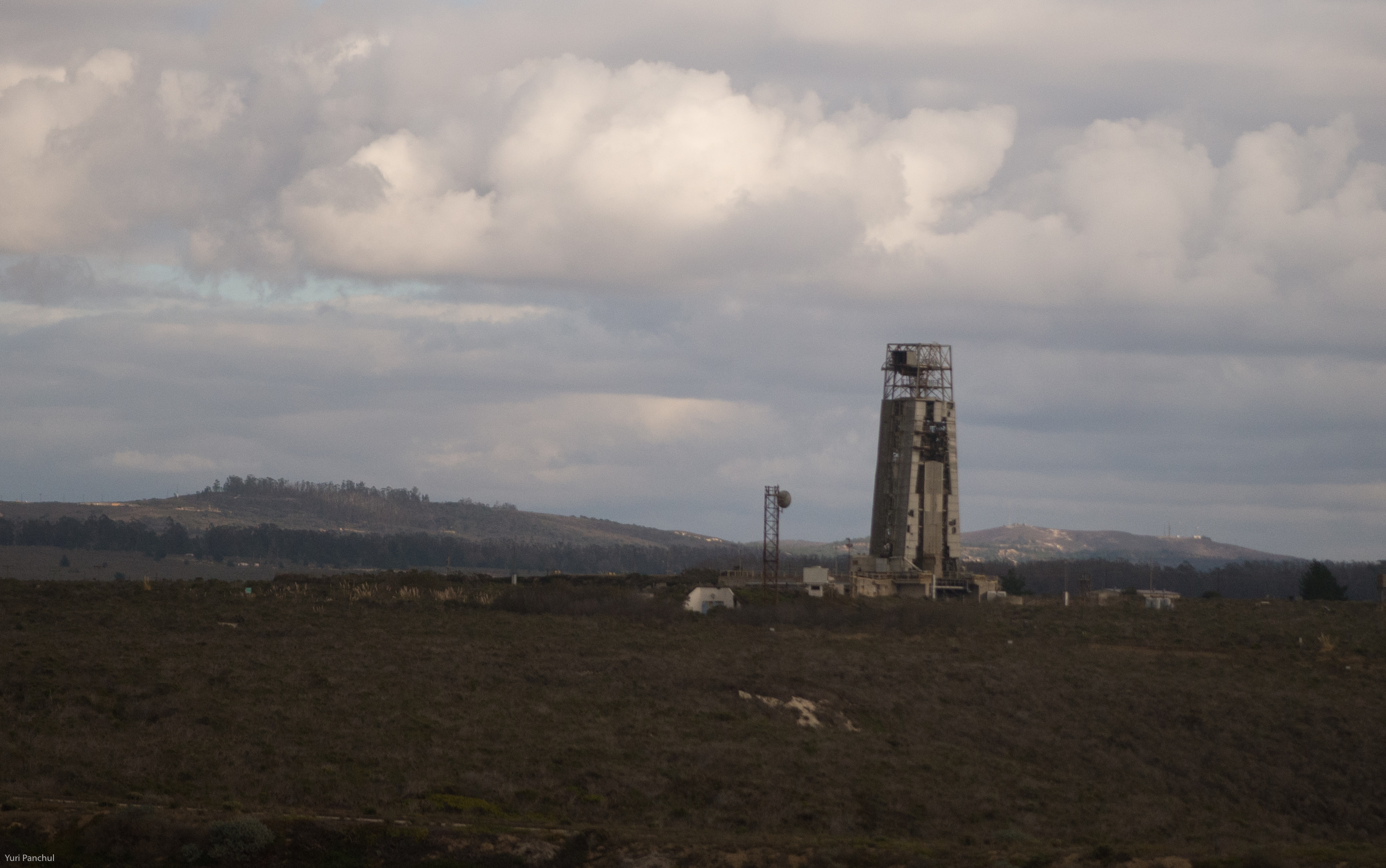
Skolkovo in November resembles the Vandenberg Air Force Base , a military facility with a spaceport located in the United States (Santa Barbara County, California). The same graceless, withered plain under a gray sky, on which are boxes and prisms of mysterious structures. Here we compare several places of Skolkovo and Vandenberg base (I walked along the first one and photographed the second from the train window):
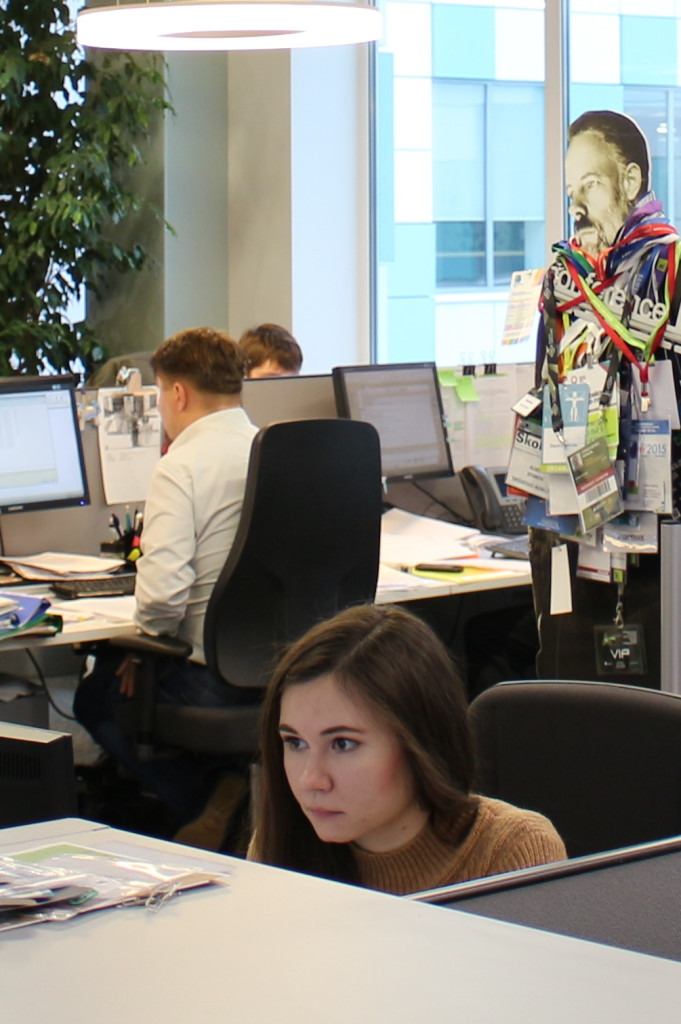
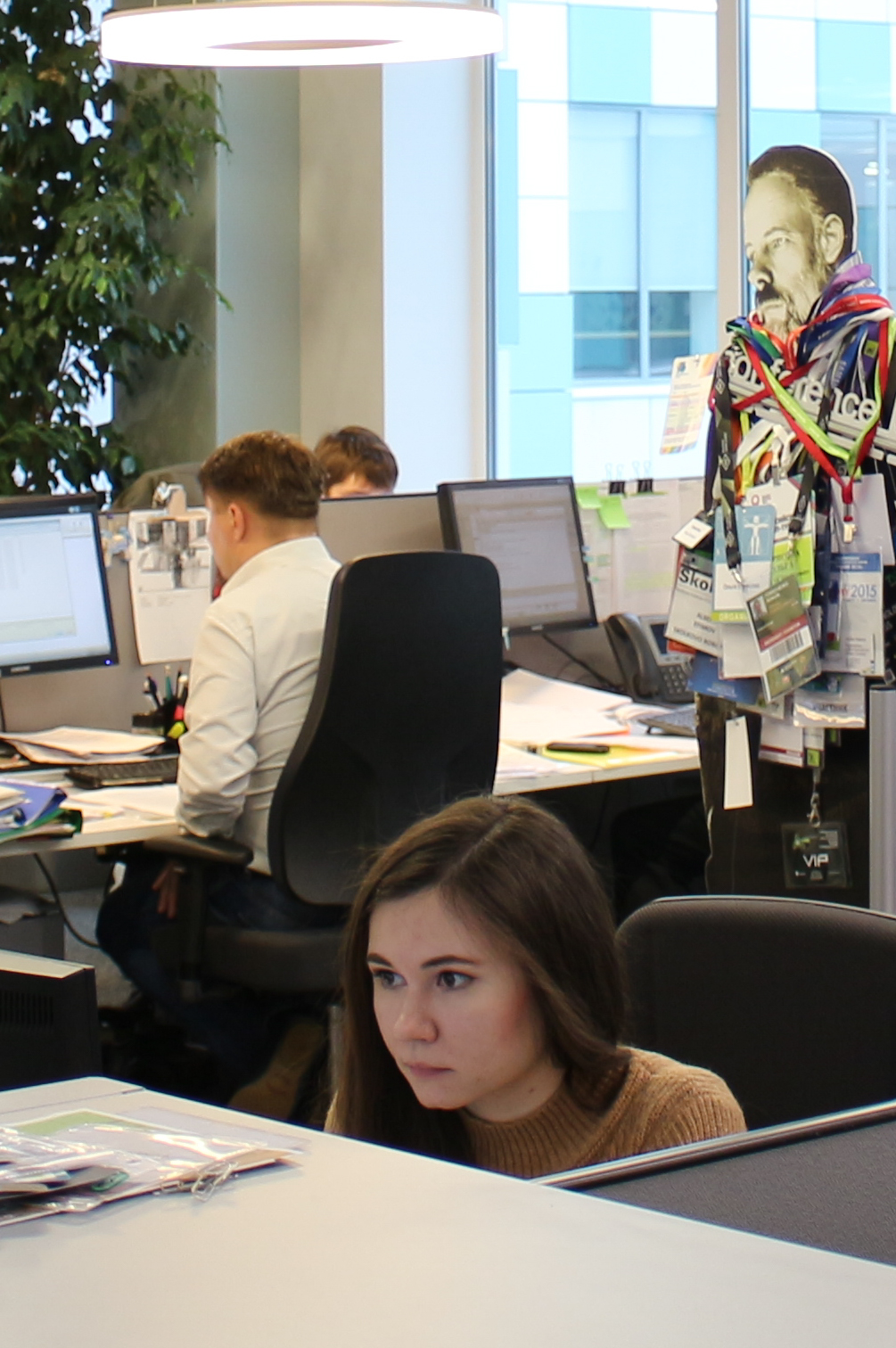
This is Skolkovo: But this is Vandenberg: However, girls who are of this sophisticated beauty who grows only next to high technology work in Skolkovo: I went to Skolkovo at the invitation of Nikolai Suetin




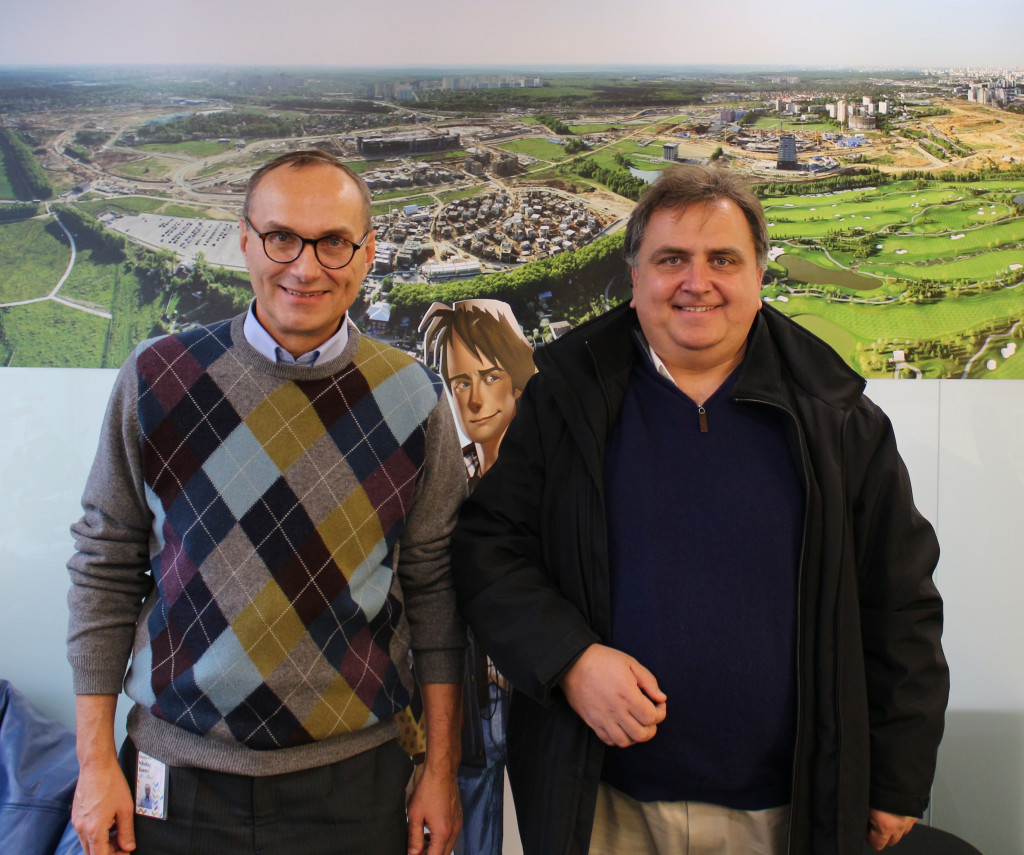
, the main Skolkovets, versed in electronics, mainly from the physical side. That is, he is not only the director of science and technology in the Skolkovo IT cluster, but also a real scientist, author of more than 20 patents and more than 200 scientific publications in the field of physics, chemistry, nanomaterials and electronics : I talked with Nikolai Suetin about the published Imagination Technologies deals with Elvis Group and Baikal Electronics . As a seasoned Intellectual, Nikolai recalled that neither Imagination nor ARM had supplanted Intel in the microserver market. I referred to the recently released 64-bit Out-of-Order MIPS P6600 processor
, but Nikolay was skeptical about this, which I did not argue - Intel's position on the server market is undeniable, therefore, everything is not easy there.
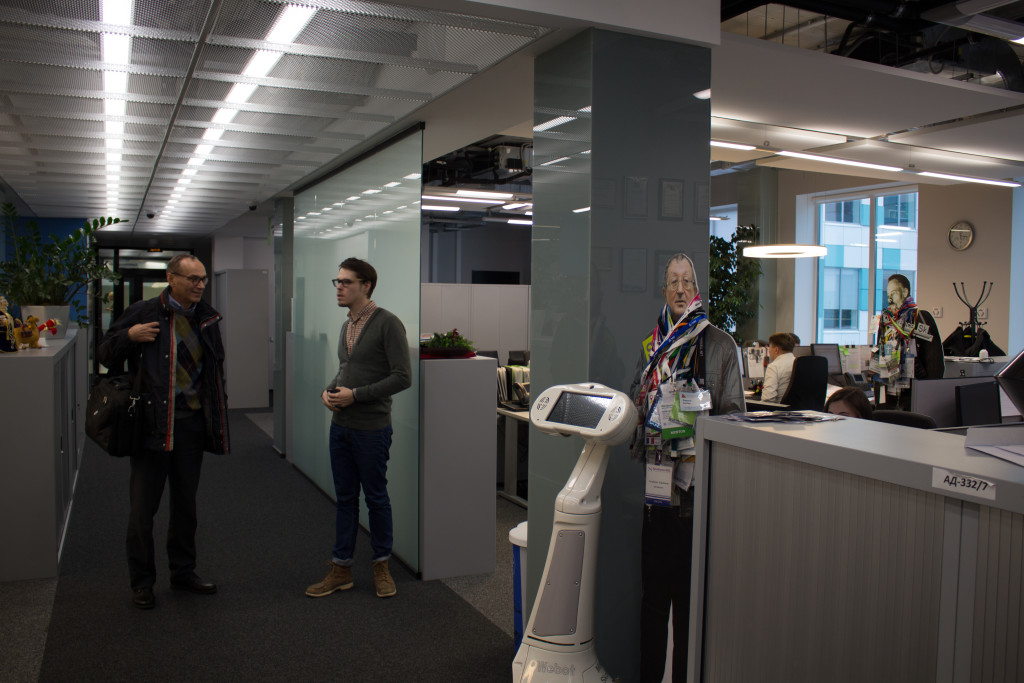
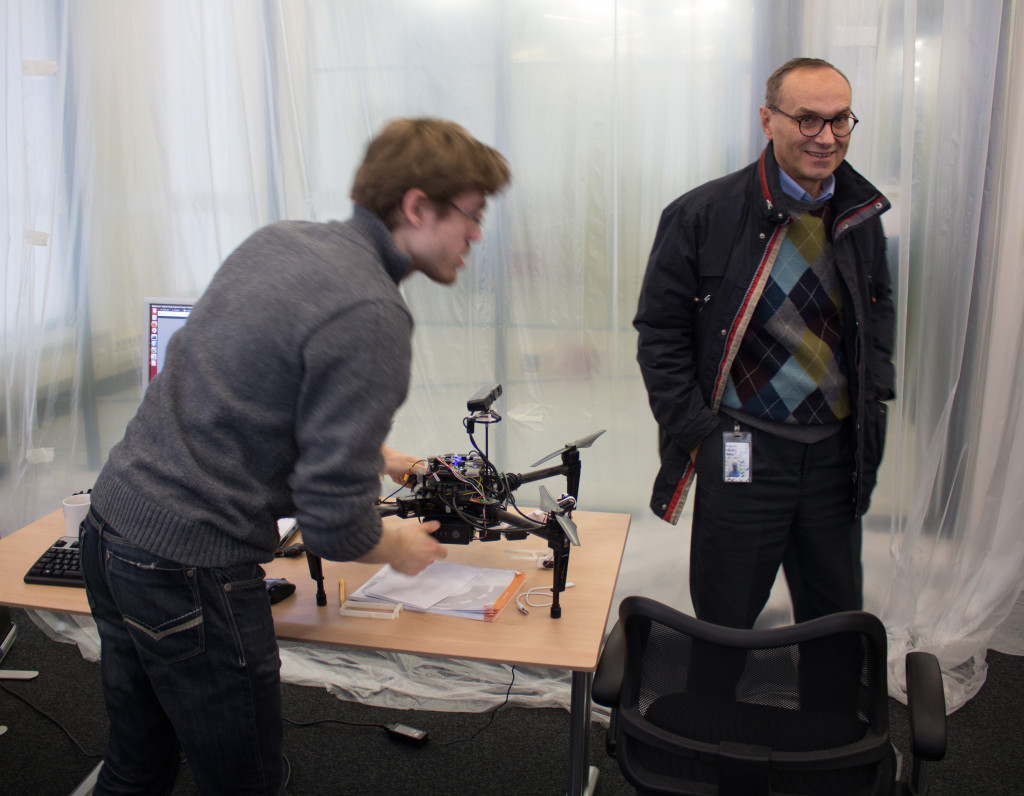
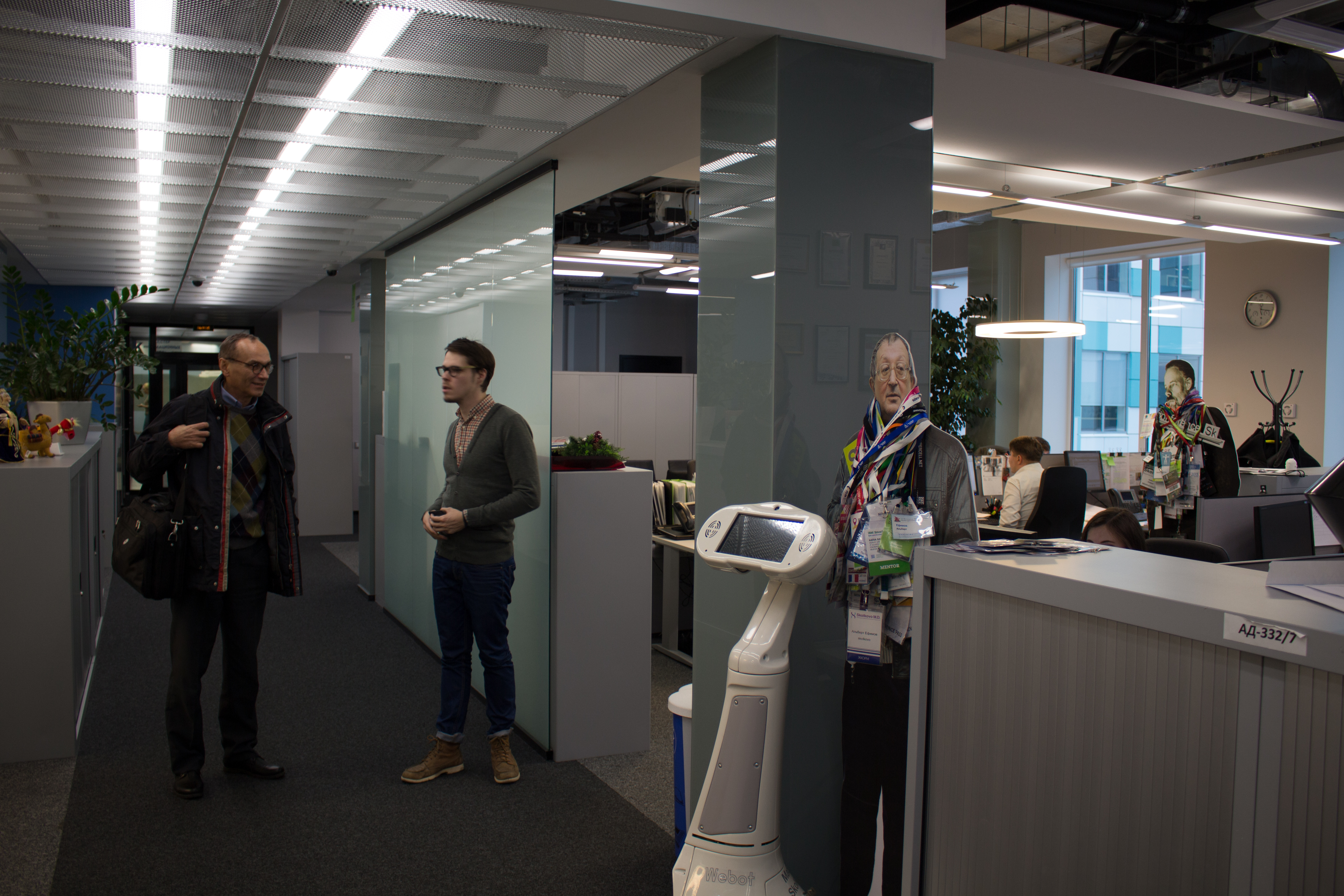
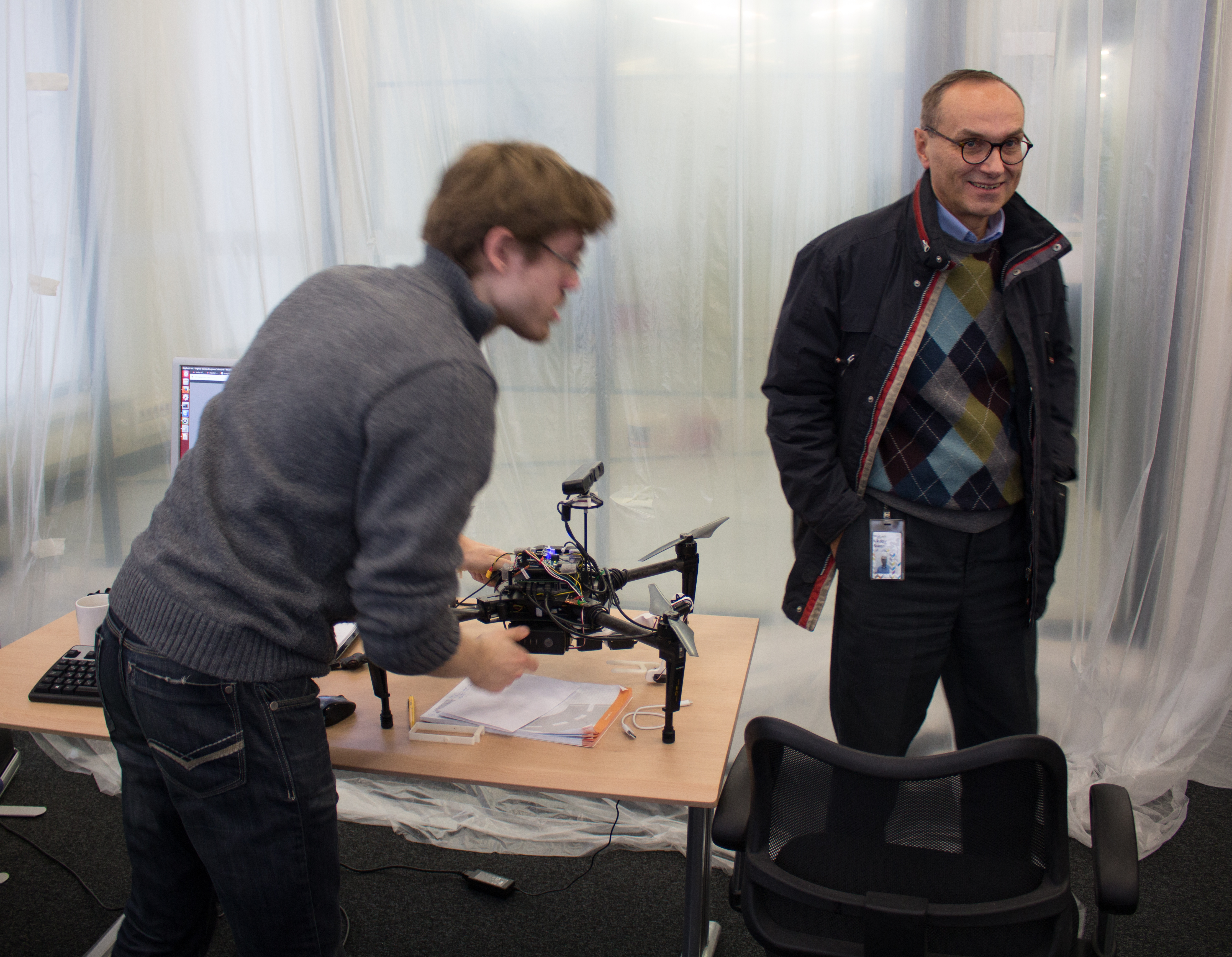
Then Nikolai introduced me to the gentlemen in Robotics Labs - Dmitry Teteryukov and Mikhail Matrosov. The head of the robotics center Albert Efimov passed there, and in one of the photos you can see Pyotr Levich, whom I met later: Mikhail Matrosov showed me a quadrocopter with a camera that recognizes faces and hands something to a person: They use classic motors to control motors and sensors AVR-th Arduino, for pattern recognition - a computer on an Intel processor.
I agreed that simple embedded systems can be fully programmed in the Arduino software environment without bothering with professional environments, since there are ways to handle interrupts in the Arduino environment, i.e. It is flexible enough for the type of application you need. However, I immediately had a question whether Skoltech taught courses on 1) the professional programming of microcontrollers and 2) the use of real-time operating systems (with the introduction of concepts such as tasks, event, mailbox, semaphore, etc.)
It turned out - no. The robotics laboratory in Skoltech is made in the image of the corresponding laboratory at MIT and other international universities, and its goal is to focus purely on robotics, not on the technologies that robotics relies on.
For the same reason, they generally do not design their own circuit boards (PCBs), although they do have a specialist in designing boards.
The same applies to pattern recognition programs. Robotic skolkovets use ready-made open-source recognition programs, fastening them with control cameras, sensors and activators with a relatively small amount of glue code.
Since I myself worked on a recognition program 25 years ago, I agreed with my comrades that this should not be done in a robotics laboratory. Since such programs consist of hundreds of algorithms (both general purpose and ad hoc), and each algorithm can be the subject of a whole study for one researcher (who then publishes an article about it) or a whole multi-month project for a practical programmer (who does not write an article but content with practical results).
However, this raises an interesting question. Take other robotics laboratories, for example, I somehow stopped by a similar laboratory at Harvey Mudd College, a 4-year-old college of engineering near Los Angeles. It looks like this:


This laboratory at Harvey Mudd, like the Skolkovo people, also focuses on finite systems, rather than on the technologies on which the components of these systems are based. However, in Harvey Mudd, as in other universities of this type, in the same buildings, there are courses on component technologies - the basics of digital logic, labs with microcontrollers and FPGAs, introduction to embedded systems, etc.
Therefore, I would expect from Skolkovo to have a number of expertise on these issues. And also the corresponding courses either in Skoltech, or in other educational institutions collaborating with them. Honestly, I did not understand how they solve this problem.
On the one hand, in 2010, it was circulated in the press that supposedly the Skolkites planned to bring all such expertise from the West because they wanted to break with traditional Russian universities that were supposedly 1) retrograde 2) traditionally associated with the military-industrial complex, which overshadowed Western partners (remember that then even McFaul participated in tech-parties).
On the other hand, it is clear that Ohm’s law and the rules of Boolean algebra do not depend on the hemisphere of the Earth and the degree of enthusiasm in discussing Steve Jobs (this is a point that I have to periodically explain to humanities), so it would be logical to adapt traditional Russian components for teaching courses on technolonies frames i.e. create a link between Skolkov and Moscow Engineering Physics Institute, Moscow State University, Moscow Institute of Physics and Technology, Moscow Institute of Economics and Technology, ITMO and other universities of this type.
I think that this will eventually happen, especially considering that the traditional Russian universities themselves do not stand still, but update their programs. For importing professors from America or Japan to Russia to teach the basics of digital logic, Verilog hardware description languages, programming microcontrollers, creating RTOSs and other such things is not cost efficient.
* * * * * * * * * * * * * * * * * * * * * * * * * * * * * * * * * * * * * * * * *
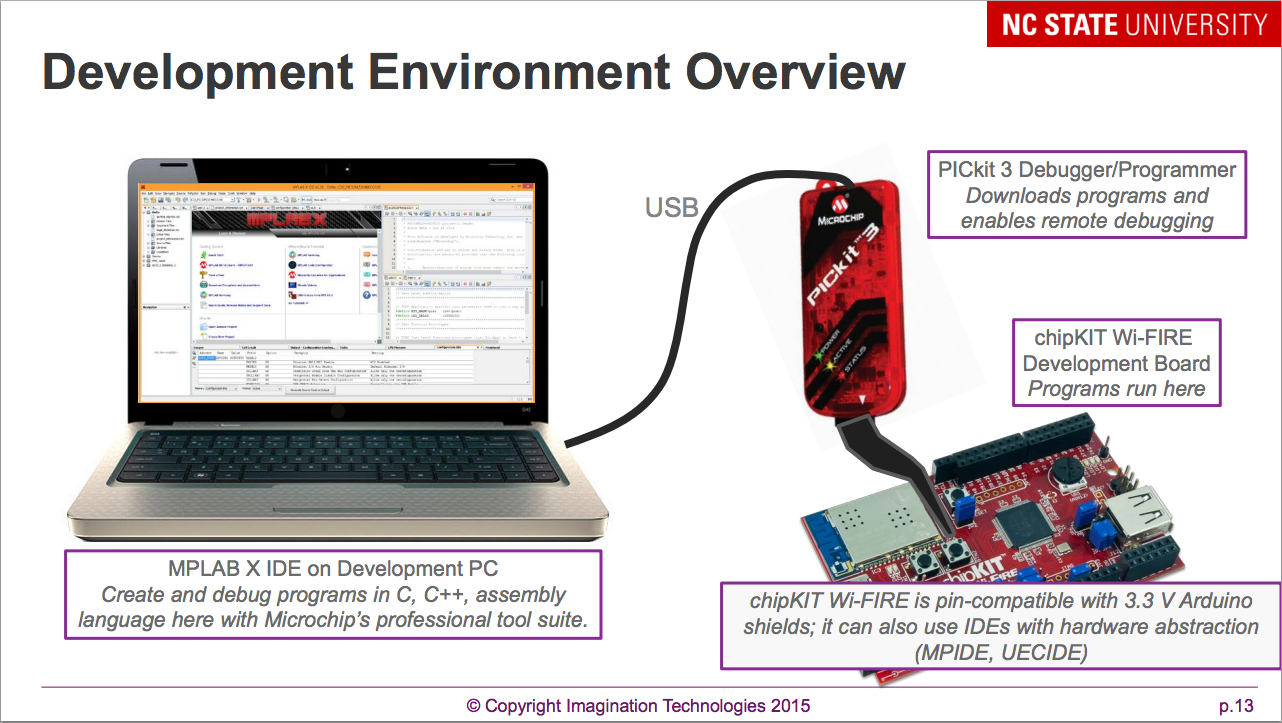
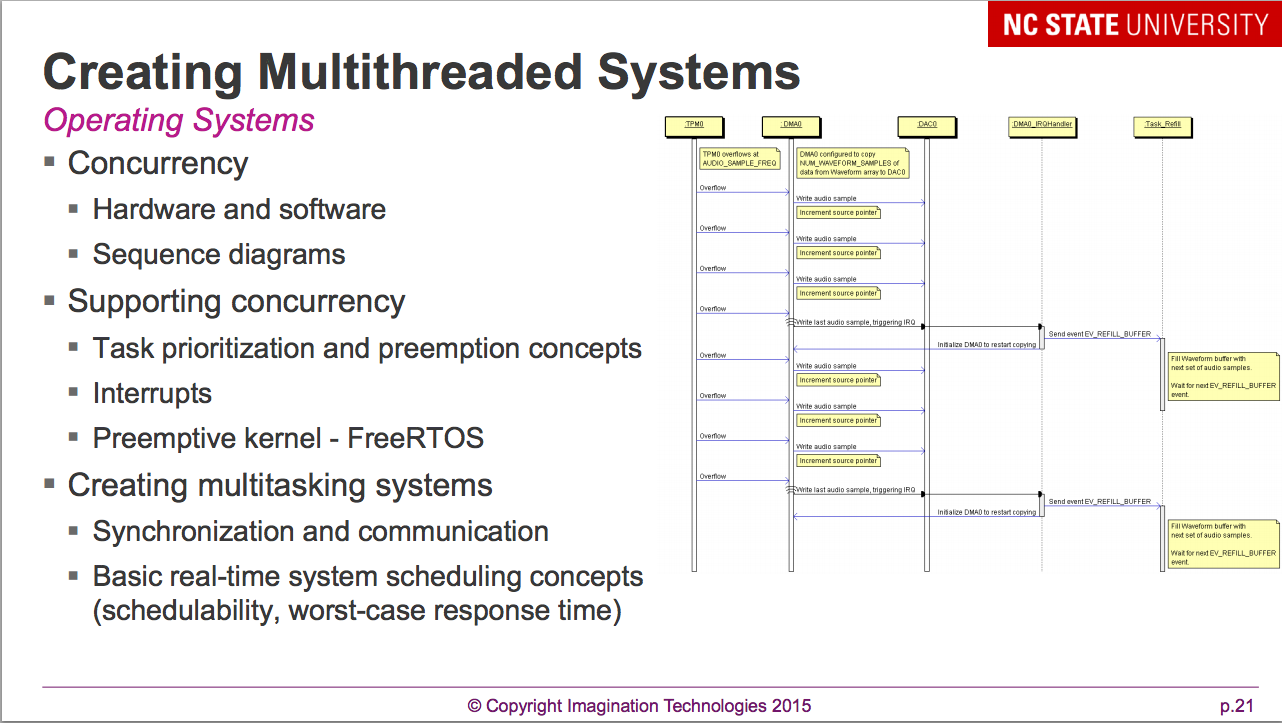
In addition to visiting the Skolkovo laboratories, I invited them to try some products from our company Imagination Technologies and our partners. In particular, motherboards based on the Microchip PIC32MZ microcontroller as an alternative to Arduino and a more powerful control computer. Microchip PIC32MZ based boards can be programmed using both the MPLAB X industrial environment and the exact analogue of the Arduino MPIDE environment . Imagination is also sponsoring the creation of a new university Microchip PIC32MZ microcontroller programming course , which includes RTOSs and the newfangled connection of microcontrollers to the cloud. The main creator of the course is Professor Alex Dean from

The University of North Carolina , the course committee includes representatives from Imagination Technologies (including myself), Microchip Technology and Digilent (National Instruments).
Some Russian universities will take part in the review and beta testing of the course. The Microchip PIC32MZ microcontroller, as the basis of the course, surpasses the popular alternatives (STM32F3 / 4) in that it carries caches and TLB MMUs, which extends the learning options (even allows you to run Linux and BSD (Lite) operating systems on the PIC32MZ ).
Here are a couple of Alex Dean slides at the Microchip Masters conference about this course:

Well, the PIC32MZ is good for control. What about a mid-range / high-energy embedded computer that could be used for more complex algorithms, such as pattern recognition?
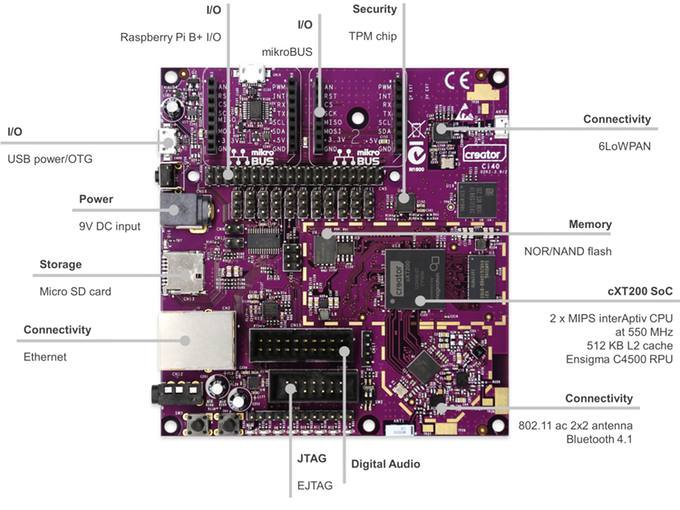
It was about such a computer that there was a recent press release from Imagination. The MIPS Creator Ci40 is a SoC-based board with the MIPS interAptiv microprocessor core and multi-threading support on a single core - something ARM does not have with competing with MIPS / Imagination.
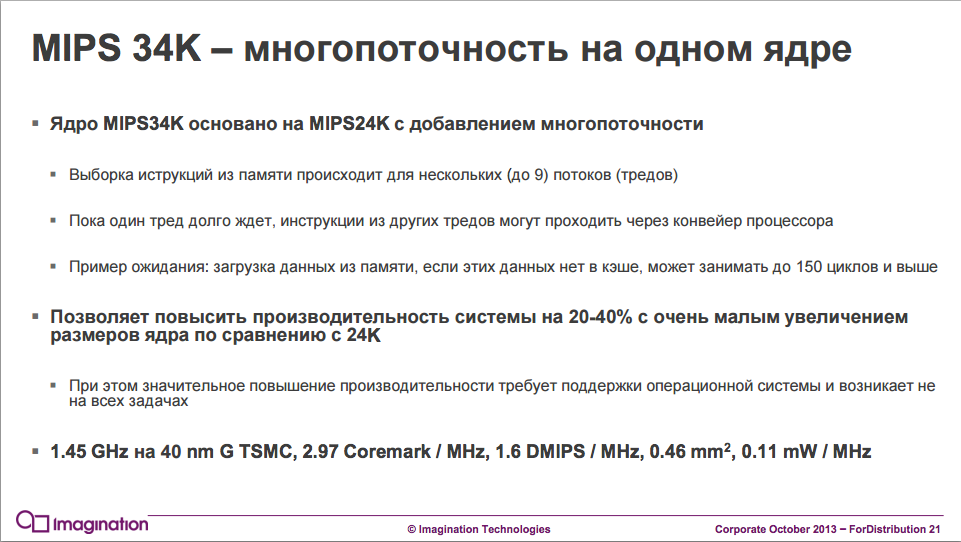
MIPS interAptiv is used for pattern recognition in particular by MobilEye, which created a system for preventing car collisions on its basis. MobilEye's customers are more than 20 companies, in particularAudi, BMW, Fiat, Ford, General Motors, Honda, Nissan, Peugot, Citroen, Renault, Volvo and Tesla . A couple of years ago I made slides explaining the advantages of multithreading on a single core compared to a multicore system. The main advantage is increased efficiency, productivity per milliwatt, due to a more complete loading of the processor pipeline. While one thread / thread is waiting for something for a long time, instructions from other threads can pass through the processor pipeline. Waiting example: loading data from memory, if this data is not in the cache, can take up to 150 cycles and above. The slides are based on the MIPS 34K core, the predecessor of MIPS interAptiv, but almost everything that is true for 34K is also true for interAptiv: Everything is technical, now there are a few more skolkov photos. It has for example a pond:

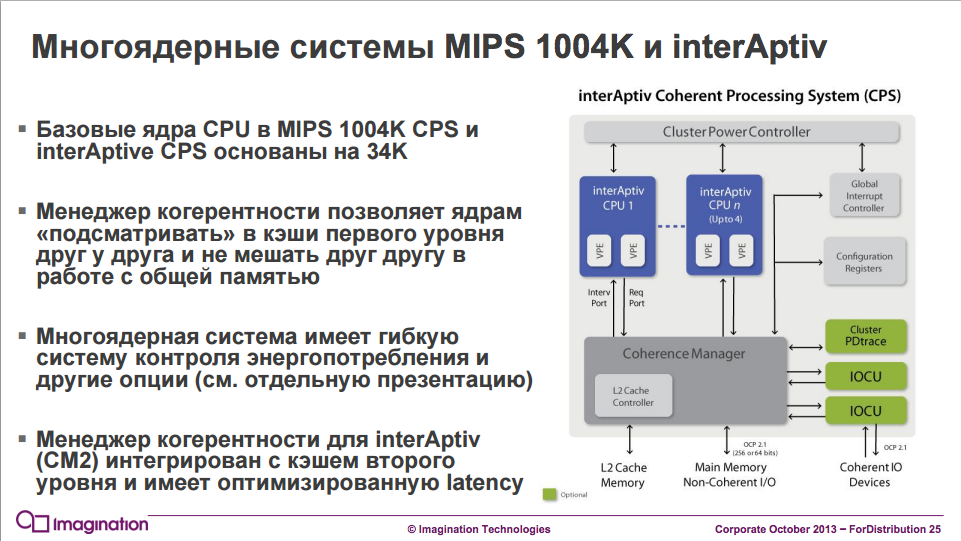
It is completely different than the creek that flows along the Silicon Valley between the offices of Imagination and Intel: And finally, a photo of me with Skolkovo pencils. The architects of this building are clearly familiar with the designers of Google's offices:

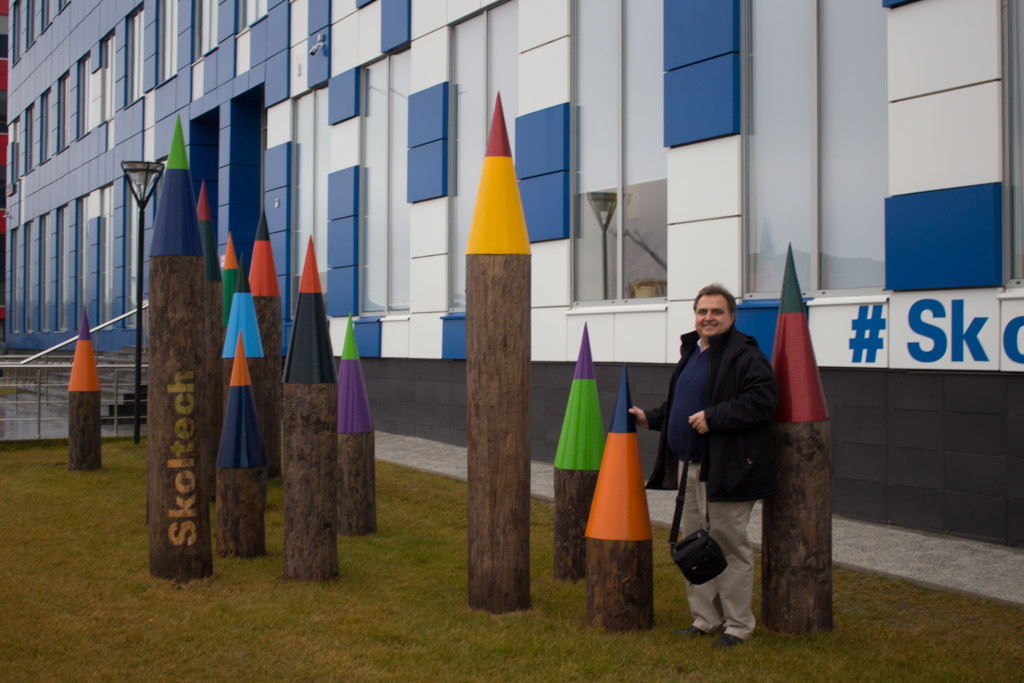
In conclusion, I can say that Skolkovo, as it is not strange, is completely open to visitors. Although it was said that it was allegedly surrounded by barbed wire and in general, but in reality it is difficult to get there only by car (a serious checkpoint). If you want to walk there on foot, then all you need to do is to come to the parking lot near the entrance (either by bus from the metro or by car), then take the shuttle and drive through this checkpoint without any checks, then go and enjoy the smell of autumn grass and early snow around Skolkovo buildings and ponds (you can also get inside the hypercube without any problems).
This is Skolkovo: But this is Vandenberg: However, girls who are of this sophisticated beauty who grows only next to high technology work in Skolkovo: I went to Skolkovo at the invitation of Nikolai Suetin

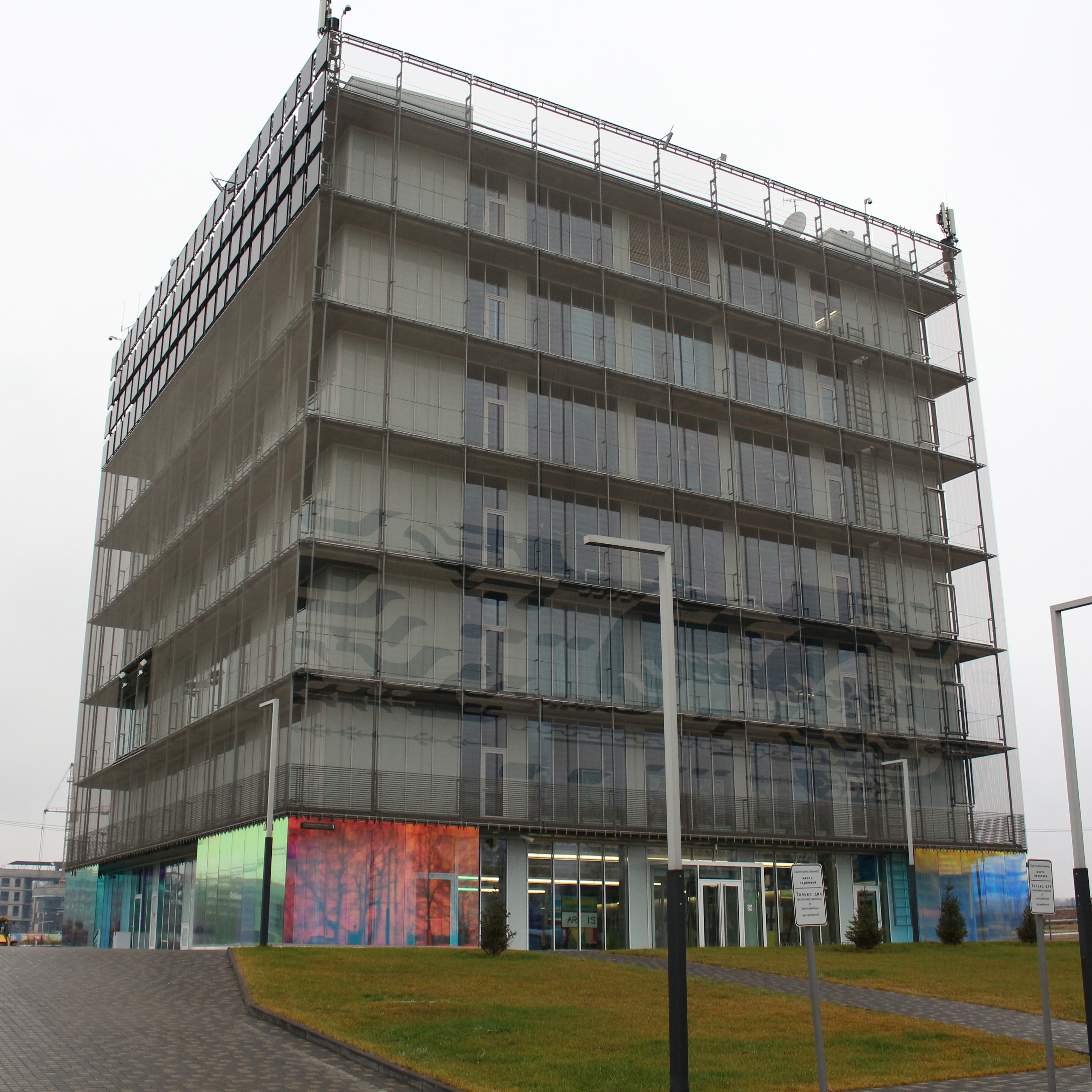
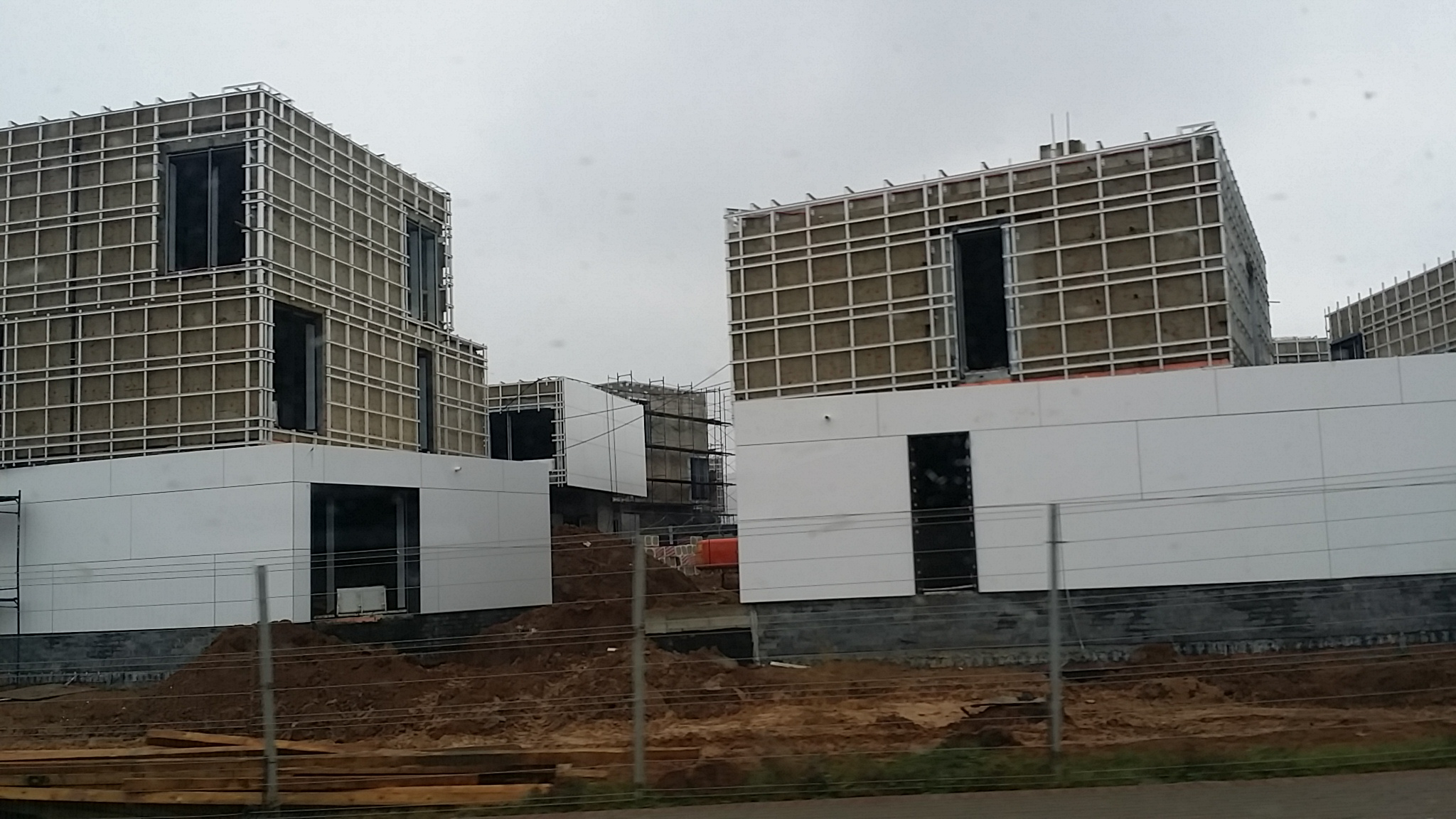
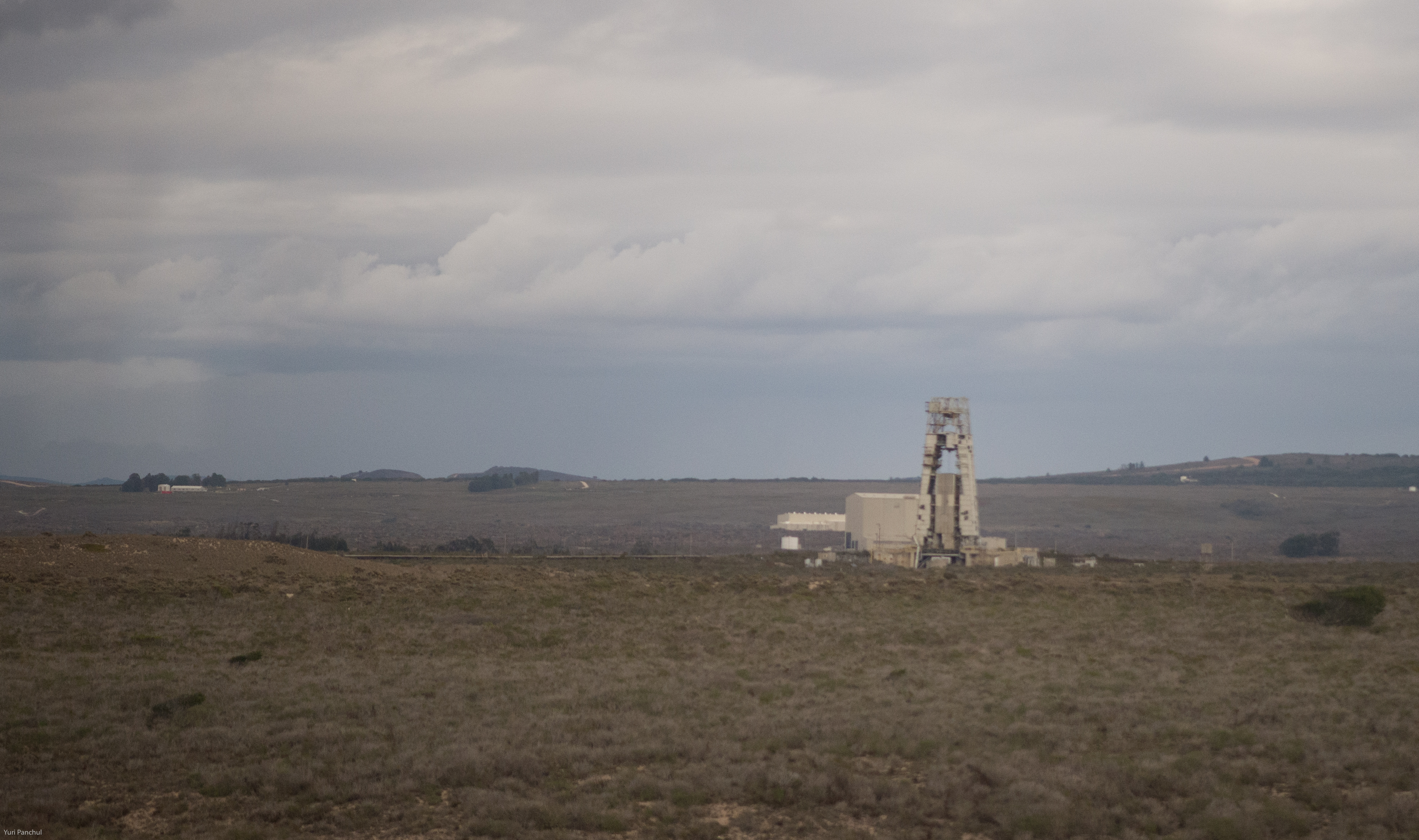
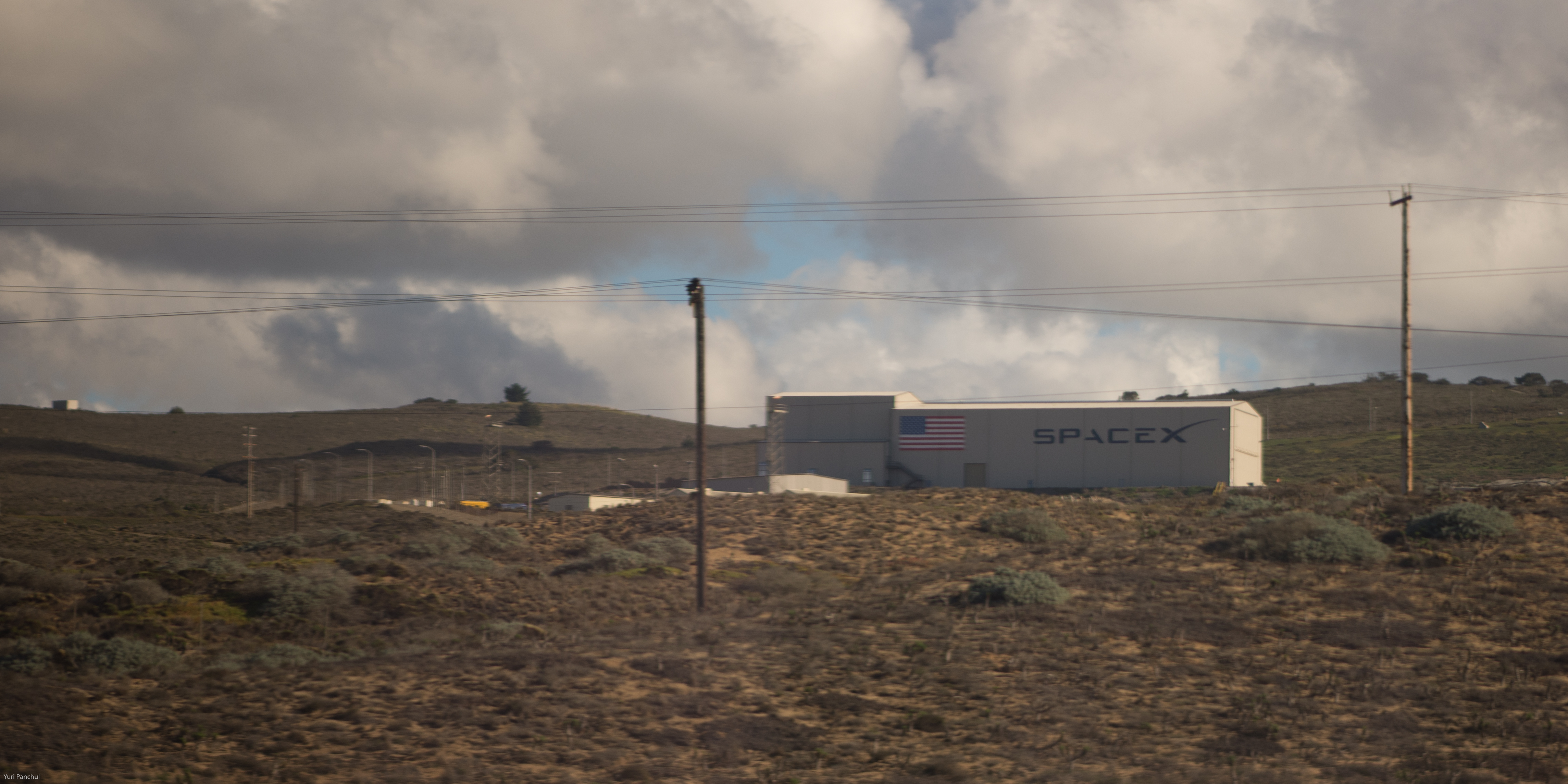
, the main Skolkovets, versed in electronics, mainly from the physical side. That is, he is not only the director of science and technology in the Skolkovo IT cluster, but also a real scientist, author of more than 20 patents and more than 200 scientific publications in the field of physics, chemistry, nanomaterials and electronics : I talked with Nikolai Suetin about the published Imagination Technologies deals with Elvis Group and Baikal Electronics . As a seasoned Intellectual, Nikolai recalled that neither Imagination nor ARM had supplanted Intel in the microserver market. I referred to the recently released 64-bit Out-of-Order MIPS P6600 processor
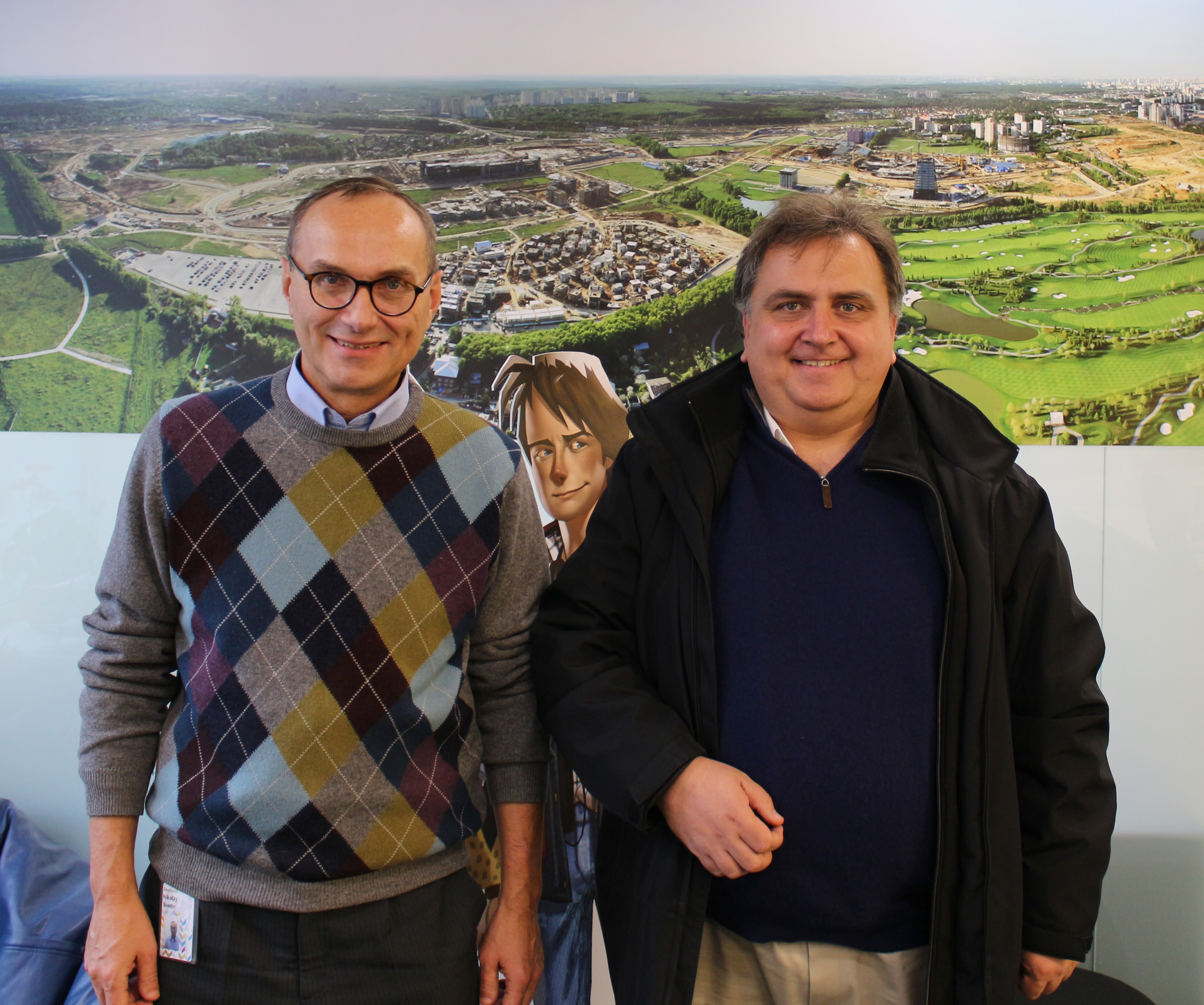
, but Nikolay was skeptical about this, which I did not argue - Intel's position on the server market is undeniable, therefore, everything is not easy there.
Then Nikolai introduced me to the gentlemen in Robotics Labs - Dmitry Teteryukov and Mikhail Matrosov. The head of the robotics center Albert Efimov passed there, and in one of the photos you can see Pyotr Levich, whom I met later: Mikhail Matrosov showed me a quadrocopter with a camera that recognizes faces and hands something to a person: They use classic motors to control motors and sensors AVR-th Arduino, for pattern recognition - a computer on an Intel processor.
I agreed that simple embedded systems can be fully programmed in the Arduino software environment without bothering with professional environments, since there are ways to handle interrupts in the Arduino environment, i.e. It is flexible enough for the type of application you need. However, I immediately had a question whether Skoltech taught courses on 1) the professional programming of microcontrollers and 2) the use of real-time operating systems (with the introduction of concepts such as tasks, event, mailbox, semaphore, etc.)
It turned out - no. The robotics laboratory in Skoltech is made in the image of the corresponding laboratory at MIT and other international universities, and its goal is to focus purely on robotics, not on the technologies that robotics relies on.
For the same reason, they generally do not design their own circuit boards (PCBs), although they do have a specialist in designing boards.
The same applies to pattern recognition programs. Robotic skolkovets use ready-made open-source recognition programs, fastening them with control cameras, sensors and activators with a relatively small amount of glue code.
Since I myself worked on a recognition program 25 years ago, I agreed with my comrades that this should not be done in a robotics laboratory. Since such programs consist of hundreds of algorithms (both general purpose and ad hoc), and each algorithm can be the subject of a whole study for one researcher (who then publishes an article about it) or a whole multi-month project for a practical programmer (who does not write an article but content with practical results).
However, this raises an interesting question. Take other robotics laboratories, for example, I somehow stopped by a similar laboratory at Harvey Mudd College, a 4-year-old college of engineering near Los Angeles. It looks like this:
This laboratory at Harvey Mudd, like the Skolkovo people, also focuses on finite systems, rather than on the technologies on which the components of these systems are based. However, in Harvey Mudd, as in other universities of this type, in the same buildings, there are courses on component technologies - the basics of digital logic, labs with microcontrollers and FPGAs, introduction to embedded systems, etc.
Therefore, I would expect from Skolkovo to have a number of expertise on these issues. And also the corresponding courses either in Skoltech, or in other educational institutions collaborating with them. Honestly, I did not understand how they solve this problem.
On the one hand, in 2010, it was circulated in the press that supposedly the Skolkites planned to bring all such expertise from the West because they wanted to break with traditional Russian universities that were supposedly 1) retrograde 2) traditionally associated with the military-industrial complex, which overshadowed Western partners (remember that then even McFaul participated in tech-parties).
On the other hand, it is clear that Ohm’s law and the rules of Boolean algebra do not depend on the hemisphere of the Earth and the degree of enthusiasm in discussing Steve Jobs (this is a point that I have to periodically explain to humanities), so it would be logical to adapt traditional Russian components for teaching courses on technolonies frames i.e. create a link between Skolkov and Moscow Engineering Physics Institute, Moscow State University, Moscow Institute of Physics and Technology, Moscow Institute of Economics and Technology, ITMO and other universities of this type.
I think that this will eventually happen, especially considering that the traditional Russian universities themselves do not stand still, but update their programs. For importing professors from America or Japan to Russia to teach the basics of digital logic, Verilog hardware description languages, programming microcontrollers, creating RTOSs and other such things is not cost efficient.
* * * * * * * * * * * * * * * * * * * * * * * * * * * * * * * * * * * * * * * * *
In addition to visiting the Skolkovo laboratories, I invited them to try some products from our company Imagination Technologies and our partners. In particular, motherboards based on the Microchip PIC32MZ microcontroller as an alternative to Arduino and a more powerful control computer. Microchip PIC32MZ based boards can be programmed using both the MPLAB X industrial environment and the exact analogue of the Arduino MPIDE environment . Imagination is also sponsoring the creation of a new university Microchip PIC32MZ microcontroller programming course , which includes RTOSs and the newfangled connection of microcontrollers to the cloud. The main creator of the course is Professor Alex Dean from
The University of North Carolina , the course committee includes representatives from Imagination Technologies (including myself), Microchip Technology and Digilent (National Instruments).
Some Russian universities will take part in the review and beta testing of the course. The Microchip PIC32MZ microcontroller, as the basis of the course, surpasses the popular alternatives (STM32F3 / 4) in that it carries caches and TLB MMUs, which extends the learning options (even allows you to run Linux and BSD (Lite) operating systems on the PIC32MZ ).
Here are a couple of Alex Dean slides at the Microchip Masters conference about this course:
Well, the PIC32MZ is good for control. What about a mid-range / high-energy embedded computer that could be used for more complex algorithms, such as pattern recognition?
It was about such a computer that there was a recent press release from Imagination. The MIPS Creator Ci40 is a SoC-based board with the MIPS interAptiv microprocessor core and multi-threading support on a single core - something ARM does not have with competing with MIPS / Imagination.
MIPS interAptiv is used for pattern recognition in particular by MobilEye, which created a system for preventing car collisions on its basis. MobilEye's customers are more than 20 companies, in particularAudi, BMW, Fiat, Ford, General Motors, Honda, Nissan, Peugot, Citroen, Renault, Volvo and Tesla . A couple of years ago I made slides explaining the advantages of multithreading on a single core compared to a multicore system. The main advantage is increased efficiency, productivity per milliwatt, due to a more complete loading of the processor pipeline. While one thread / thread is waiting for something for a long time, instructions from other threads can pass through the processor pipeline. Waiting example: loading data from memory, if this data is not in the cache, can take up to 150 cycles and above. The slides are based on the MIPS 34K core, the predecessor of MIPS interAptiv, but almost everything that is true for 34K is also true for interAptiv: Everything is technical, now there are a few more skolkov photos. It has for example a pond:
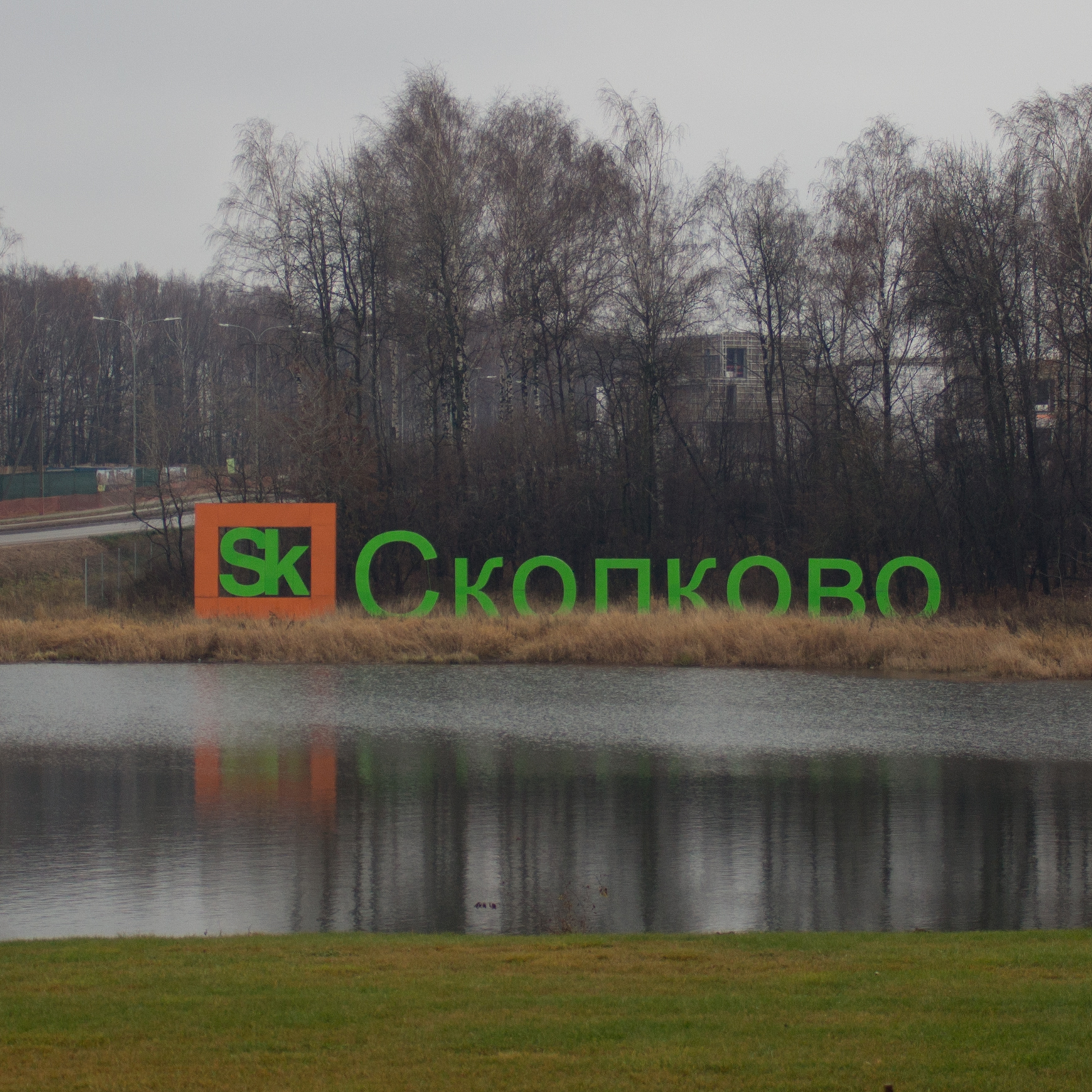
It is completely different than the creek that flows along the Silicon Valley between the offices of Imagination and Intel: And finally, a photo of me with Skolkovo pencils. The architects of this building are clearly familiar with the designers of Google's offices:
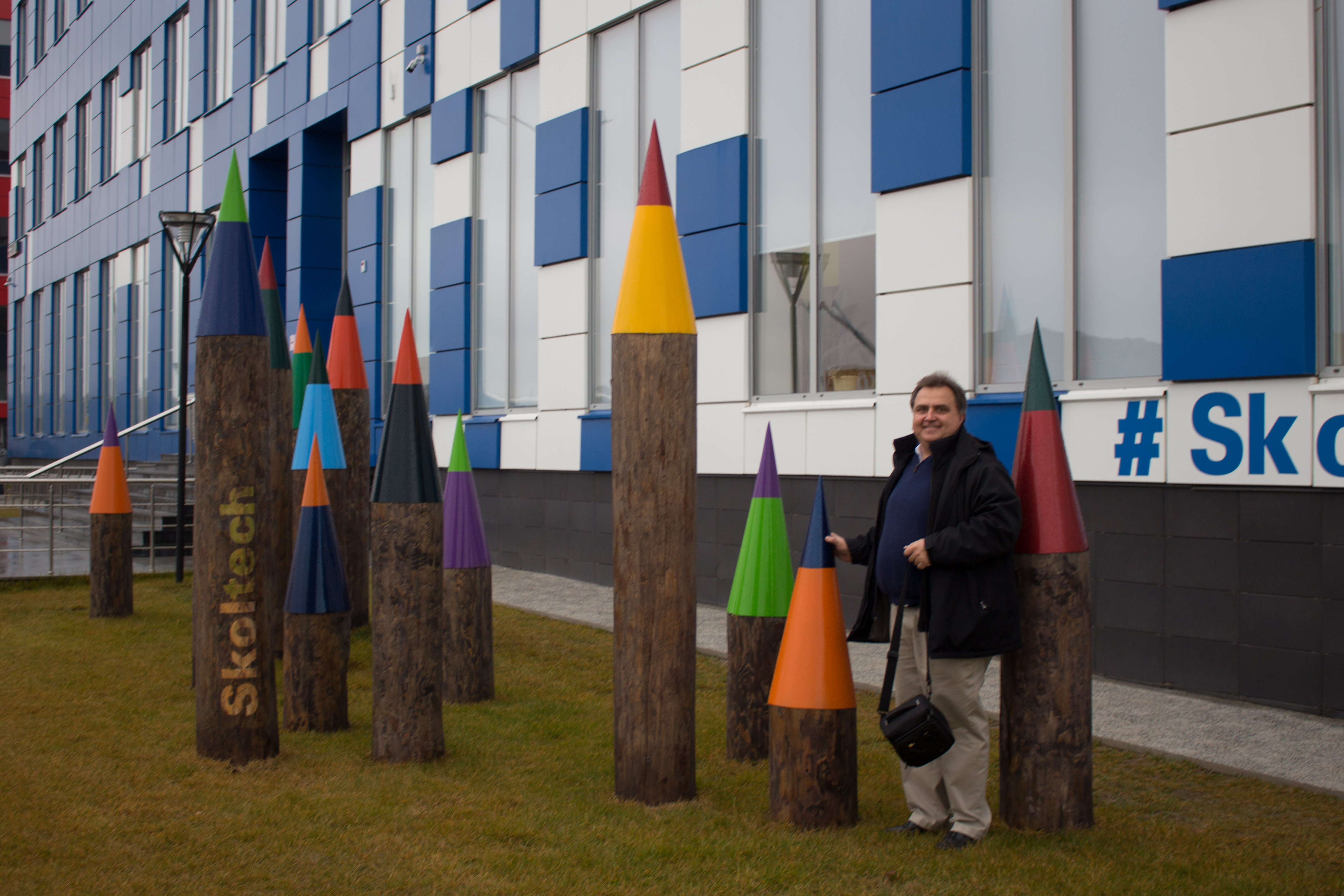
In conclusion, I can say that Skolkovo, as it is not strange, is completely open to visitors. Although it was said that it was allegedly surrounded by barbed wire and in general, but in reality it is difficult to get there only by car (a serious checkpoint). If you want to walk there on foot, then all you need to do is to come to the parking lot near the entrance (either by bus from the metro or by car), then take the shuttle and drive through this checkpoint without any checks, then go and enjoy the smell of autumn grass and early snow around Skolkovo buildings and ponds (you can also get inside the hypercube without any problems).
Only registered users can participate in the survey. Please come in.
What topics of the post are you interested in?
- 18.6% Robot 41
- 22.7% Microcontrollers 50
- 10.4% Embedded Processors 23
- 9.5% Multithreading 21
- 15.4% Pattern Recognition 34
- 11.3% Education Issues 25
- 8.1% Comparison of the Skolkovo territory and the territory of the Vandenberg military space center 18
- 11.8% Comparison of the pond in Skolkovo and the pond between Intel and Imagination in Silicon Valley 26
- 75.4% Skolkovo girl 166
- 20.4% Open / closed Skolkovo 45