Japanese company plans to create an "invisible" train
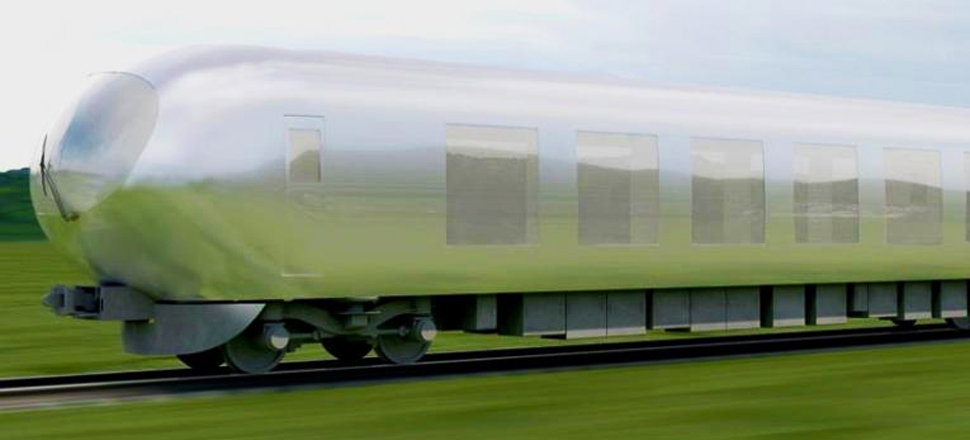
The Japanese company Seibu Railway, continuing to celebrate the 100th anniversary of the company, plans to release a new series of railway trains , the launch of which is scheduled for 2018. A distinctive feature of the new compositions will be their "invisibility" - they will have to merge with the surrounding landscape.
Designer Kazuyo Sejima, who is working on the new train project , has not previously been involved in the creation of trains — she is actually an architect, a Pritzker Prize winner, often referred to as the “Nobel Prize for Architects”. But the Japanese are very fond of their trains and are constantly trying to invent something unusual. Japanese high-speed trains and Muggles traditionally set speed records. And now the Japanese have decided to outdo all and in appearance of the compositions.
Kazuo Sejima decided that being in a train for passengers should be as comfortable as they feel in their own home - so that "the train for passengers is not a transport, but a place where they want to get." She was also very interested in the opposite of the tasks of designing a building, always standing in one place, and a train moving in space.
The train follows various landscapes, and the designer thought it would be great to make it harmoniously blend with any of them. Due to the partially mirrored surface and streamlined appearance, the train will have to “turn” into a part of its environment.
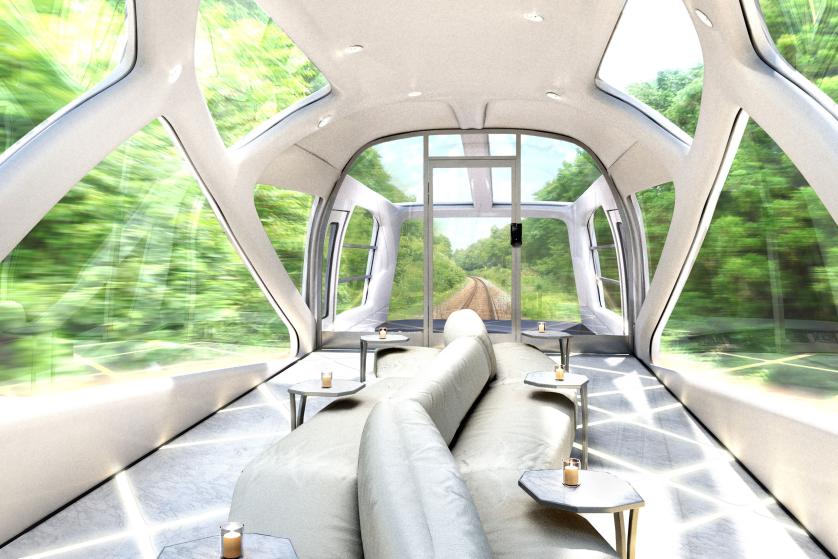
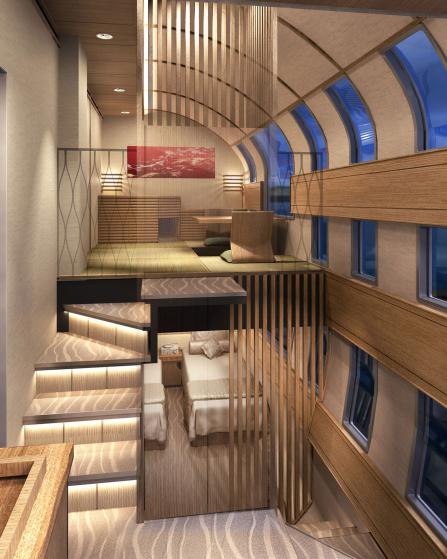
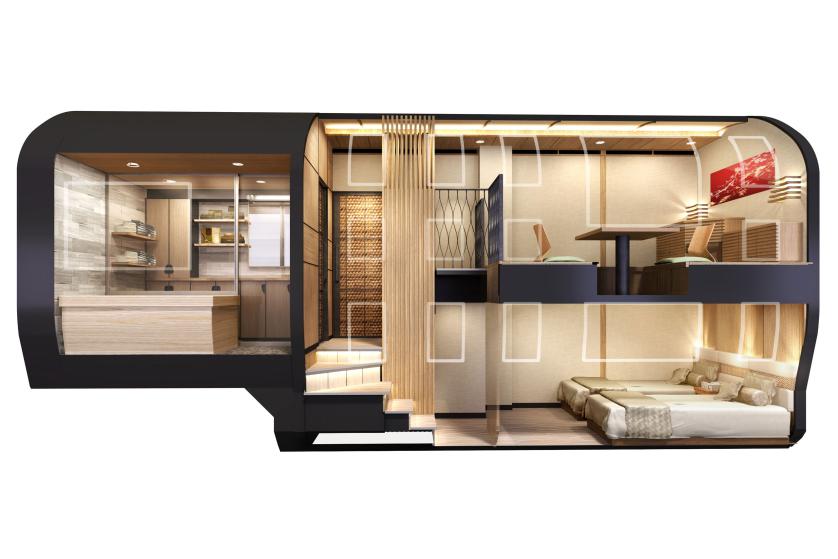
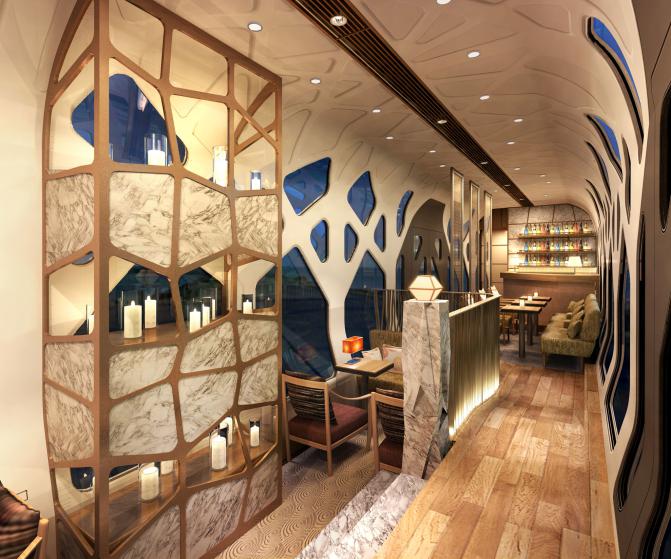
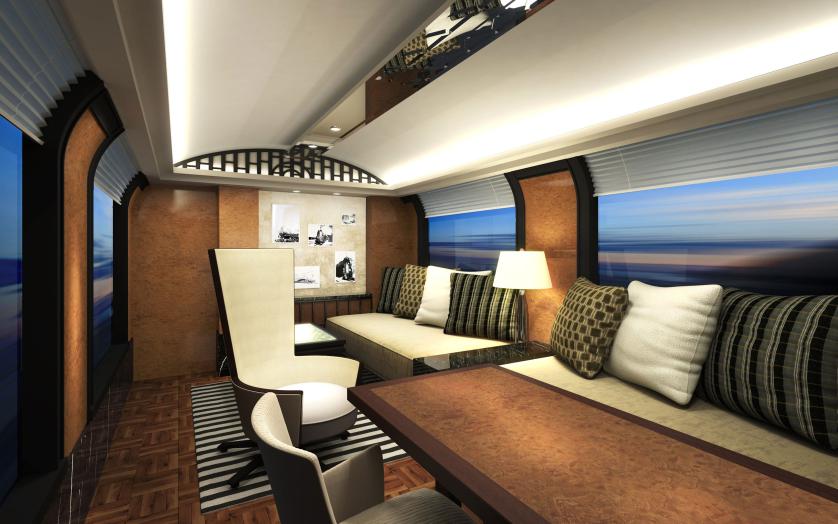
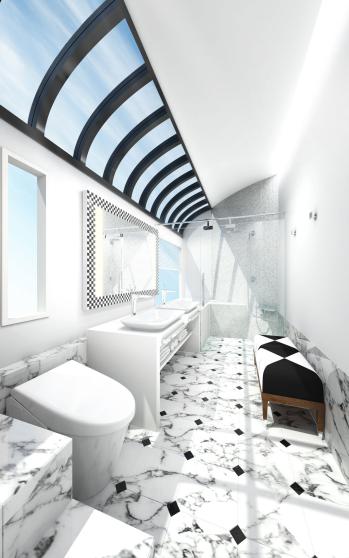
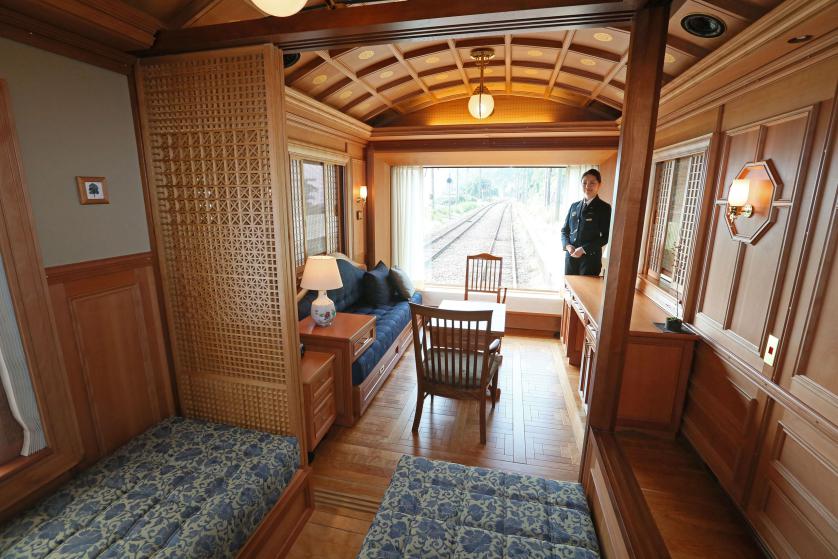
And here are illustrations from the design competition of trains of the futureheld in 2014, which was specially attended by non-professionals:





Seibu Railway Company, Ltd. - A large Japanese private railway operator and the central company of the Seibu Group, which is involved in public transport, real estate, retail and other industries. The company’s lines connect the central part of the Japanese capital of Tokyo with the cities of Saitama Prefecture. The company also owns an extensive network of bus routes and taxis.

The very first Seibu 101 series train from 1969