April 16, 2017 at 03:09
DIY exoskeleton
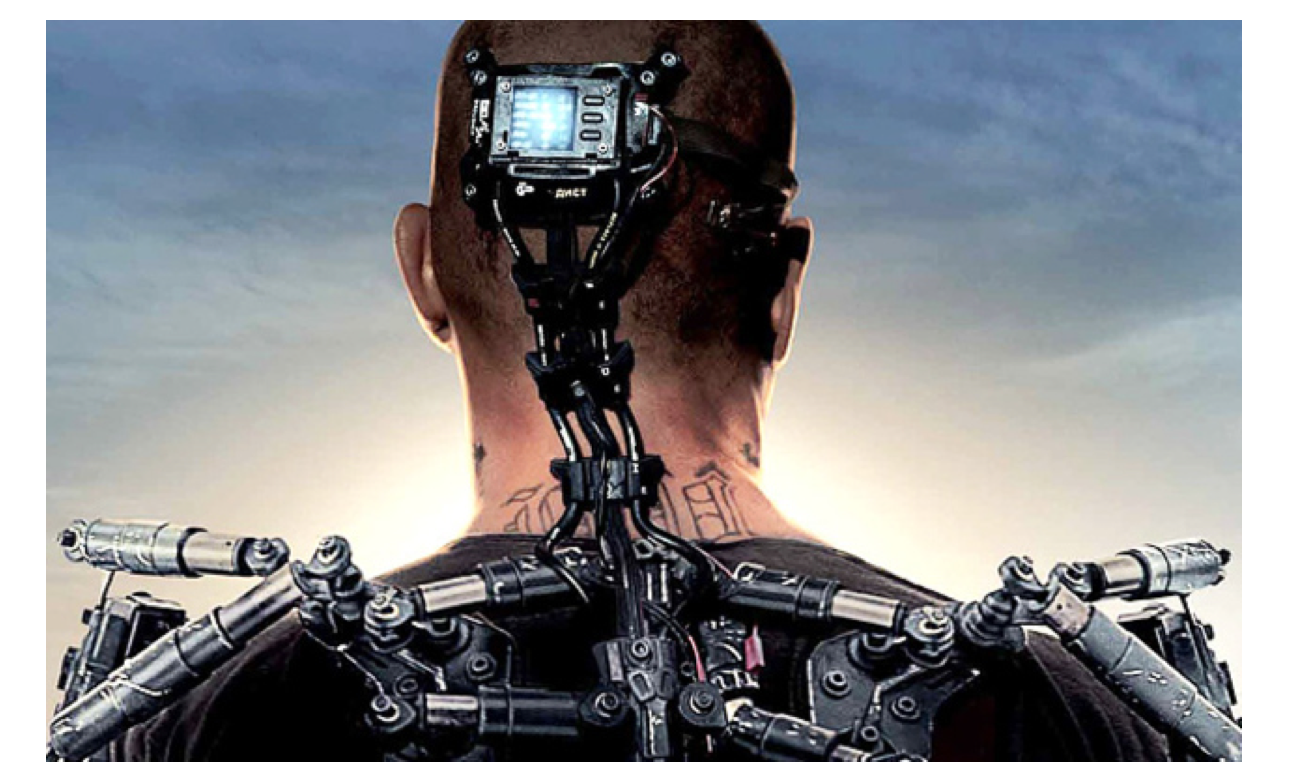
I remember watching “Avatar,” completely stunned by the exoskeletons shown there. Since then, I think that the future is behind these smart pieces of iron. I still really want to attach my sharpened hands to this topic on the wrong side. Moreover, if you believe the analytical agency ABI Research, the volume of the global exoskeleton market by 2025 will be $ 1.8 billion. At this stage, not being a techie, engineer, architect and programmer, I am in some confusion. I think how to approach this topic. I would be glad if people who would be interested in participating in such projects are noted in the comments to the article.
Four key companies currently operate on the exoskeleton market: American Indego, Israeli ReWalk, Japanese Hybrid Assistive Limb and Ekso Bionics. The average cost of their products is from 75 to 120 thousand euros. In Russia, people also do not sit without doing. For example, the Exoatlet company is actively working on medical exoskeletons.

The first exoskeleton was jointly developed by General Electric and the United States military in the 60s, and was called Hardiman. He could lift 110 kg with the force used when lifting 4.5 kg. However, it was impractical due to its considerable mass of 680 kg. The project was not successful. Any attempt to use the full exoskeleton ended in an intense uncontrolled movement, as a result of which it was never fully tested with the person inside. Further research focused on one arm. Although she was supposed to lift 340 kg, her weight was 750 kg, which was twice the lifting force. Without getting all the components to work together, the practical use of the Hardiman project was limited.
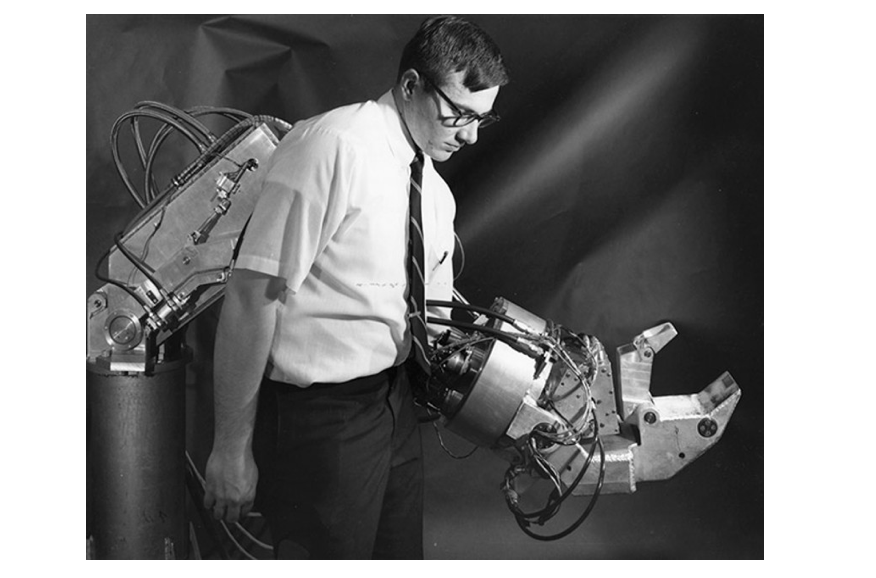
Next will be a brief narrative of modern exoskeletons that have somehow reached the level of commercial implementation.
Rex
REX is a motorized exoskeleton suit (exoskeleton suit) that provides upright posture for people with paralysis of the lower extremities. Created by REX Bionics, it is available for purchase in Russia.
Price in Russia: about 9 million rubles .
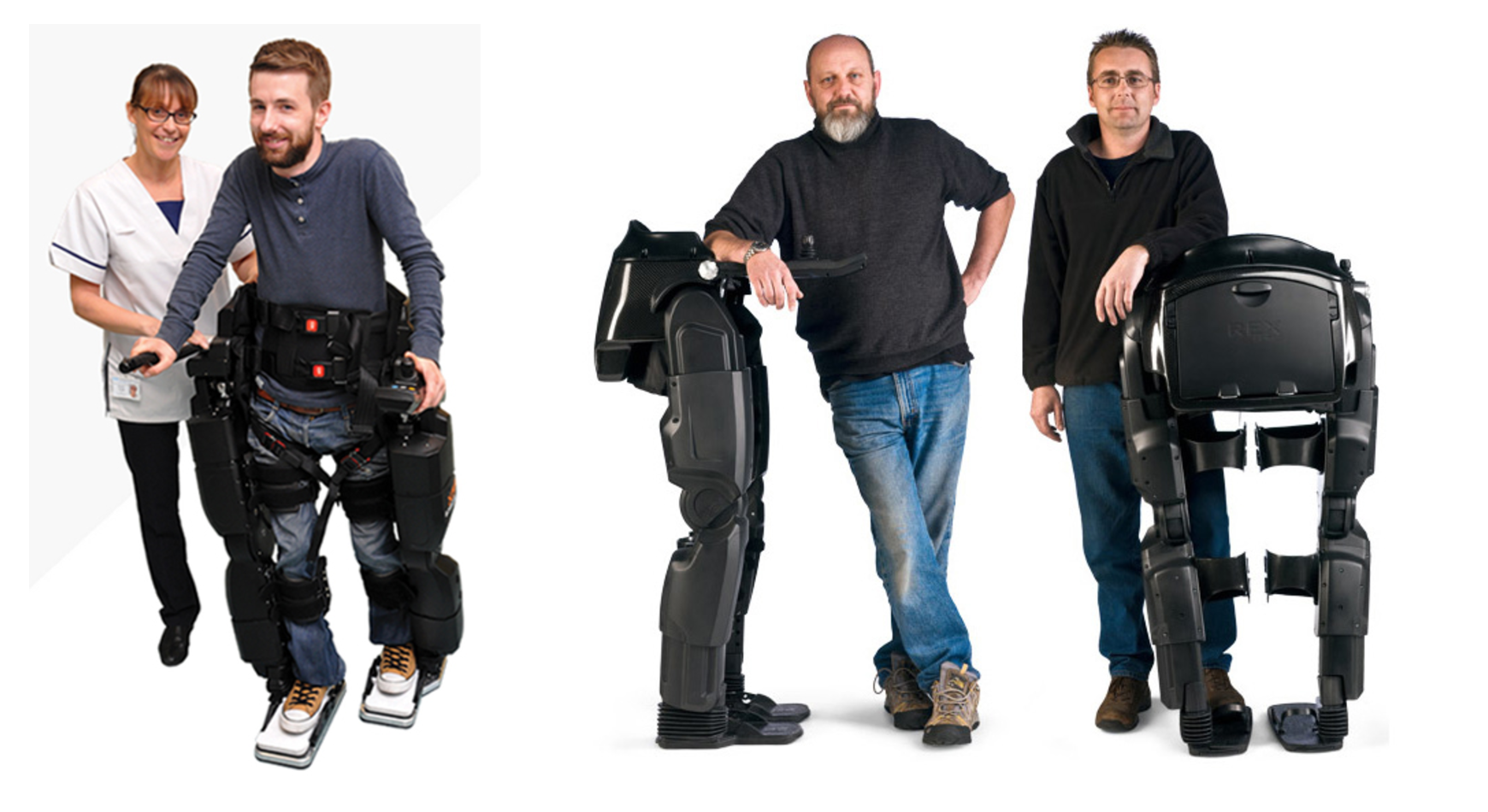
Features and specifications:
1. Self-walking. It does not require crutches or other means to stabilize, while leaving your hands free.
4. Exoskeleton for legs allows you to: stand up, sit down, turn around, walk backward, stand on one leg, walk up stairs, walk on various, even inclined surfaces.
5. The device is very easy to control - all functions are activated using the joystick.
6. The device can be used all day, thanks to a high-capacity removable battery.
7. With a small weight of REX of only 38 kilograms, it can withstand a user weighing up to 100 kilograms and with growth from 1.42 to 1.93 meters.
8. Convenient fixation system does not cause any discomfort even if you wear it all day.
9. Also, when the user does not move, but just stands, REX does not spend battery power.
10. Access to buildings without ramps, thanks to the ability to walk up stairs without outside help.
Hal
HAL ( Hybrid Assistive Limb ) - is a robotic exoskeleton with upper limbs. At the moment, two prototypes have been developed - HAL 3 (restoration of the motor function of the legs) and HAL 5 (restoration of the arms, legs and torso). With HAL 5, the operator is able to lift and carry objects five times the mass of the maximum load under normal conditions.
Price in Russia : promised for 243,600 rubles . In open sources information could not be confirmed.
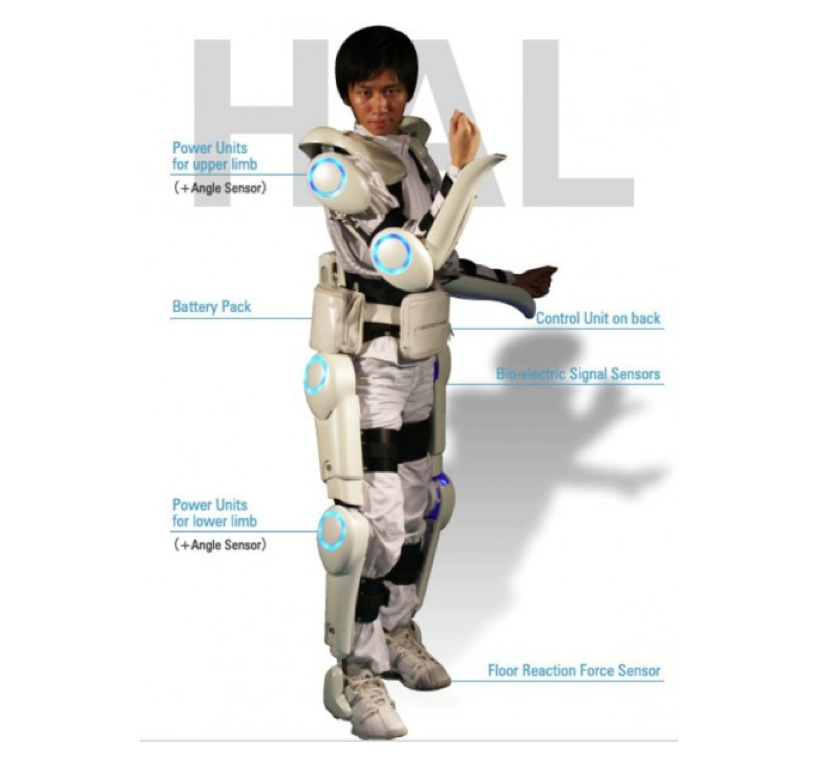
Features and specifications:
1. The weight of the device is 12 kg.
2. The exoskeleton can withstand up to 80 kg.
3. The device can work from 60 to 90 minutes without recharging.
4. The exoskeleton is actively used for the rehabilitation of patients with pathology of motor functions of the lower extremities due to disorders of the central nervous system or as a result of neuromuscular diseases.
Rewalk
Rewalk - an exoskeleton that allows people suffering from paralysis of the lower extremities. Like an external skeleton or bioelectronic suit, the ReWalk device, using special sensors, detects deviations in a person’s balance, and then transforms them into impulses that normalize his movements, which allows a person to walk or stand. ReWalk is already available in Europe and is currently approved by the FDA in the United States.
Price in Russia: from 3.4 million rubles (on order).
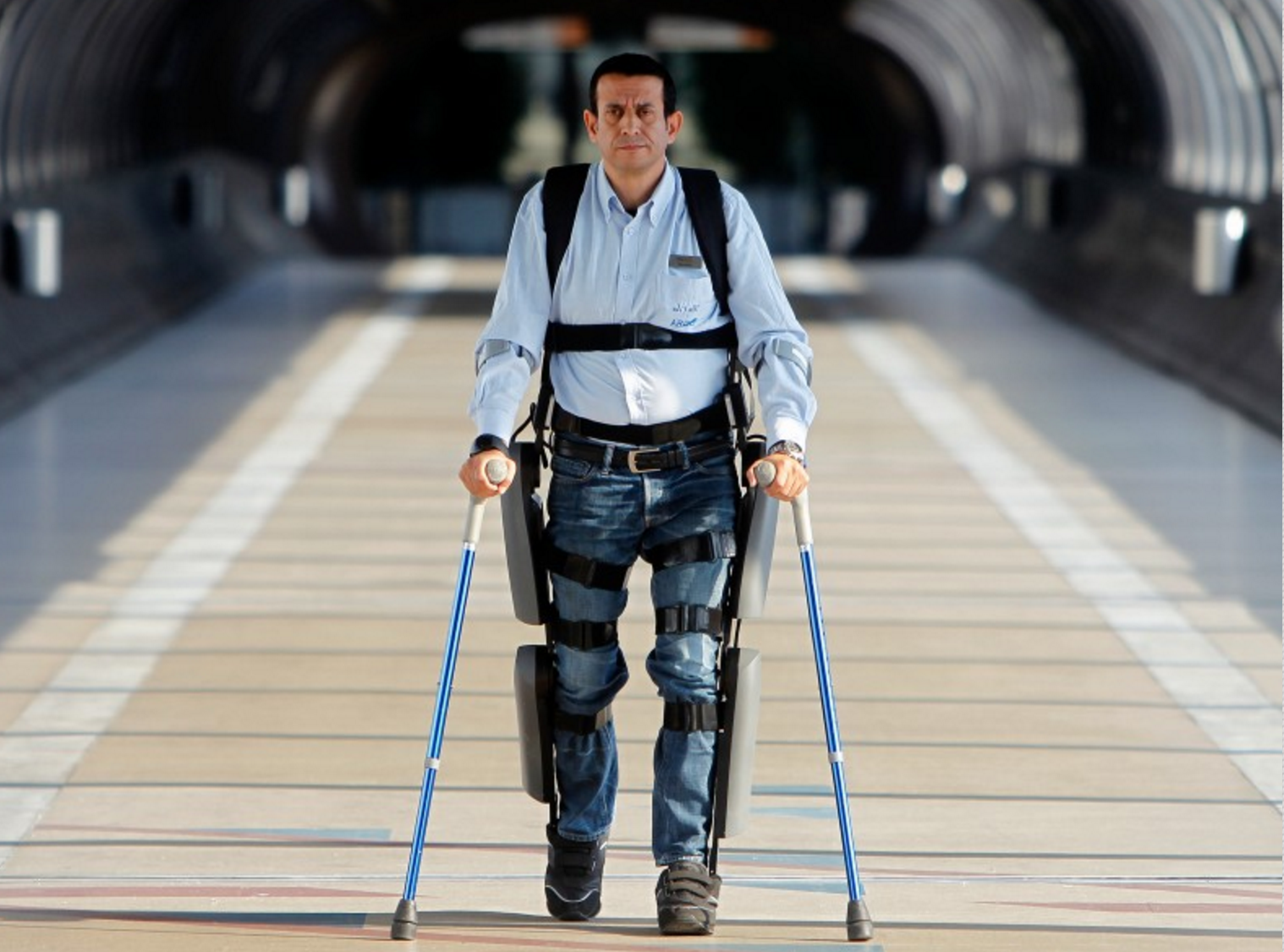
Features and specifications:
1. The weight of the device is 25 kg.
2. The exoskeleton can withstand up to 80 kg.
3. The device can work up to 180 minutes without recharging.
4. Battery charging time 5-8 hours
5. The exoskeleton is actively used for the rehabilitation of patients with pathology of motor functions of the lower extremities due to disorders of the central nervous system or as a result of neuromuscular diseases.
Ekso bionic
Ekso GT is another exoskeleton project that helps people with severe diseases of the musculoskeletal system regain the ability to move around.
Price in Russia: from 7.5 million rubles (on order).

Features and specifications:
1. The weight of the device is 21.4 kg.
2. The exoskeleton can withstand up to 100 kg.
3. Maximum thigh width: 42 cm;
4. Battery weight: 1.4 kg;
5. Dimensions (HxWxD): 0.5 x 1.6 x 0.4 m.
6. The exoskeleton is actively used for the rehabilitation of patients with pathology of the motor functions of the lower extremities due to disorders of the central nervous system or as a result of neuromuscular diseases.
Next, I propose a field for imagination. Let's think together, what could be a real "folk exoskeleton"?
DM
DM ( Dream machine ) - a hydraulic automated exoskeleton with a voice control system.
Price in Russia: 700,000 rubles.
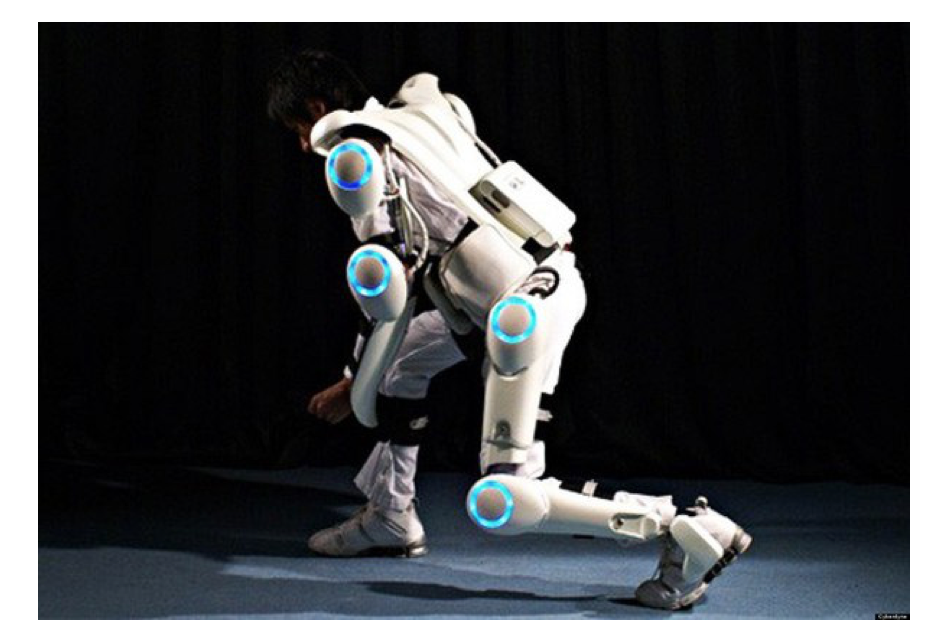
Features and specifications:
1. The weight of the device is 21 kg.
2. The exoskeleton must support the user's weight up to 100 kg.
3. The scope can be much wider than rehabilitation of patients with pathology of motor functions of the lower extremities due to disorders of the central nervous system or as a result of neuromuscular diseases. It can be industry, construction, show business and fashion industry.
Questions for discussion:
1. What is the optimal composition of the project team?
2. What is the cost of the project at the initial stage?
3. What are the pitfalls?
4. How do you see the optimal project implementation period from an idea to a commercial launch?
5. Should I start a similar project now and why?
6. What should be the geography and expansion of the market?
7. Personally, are you ready to take part in such a project, and if so, in what capacity?
Z.Y. I would be grateful for the constructive discussion, opinions, arguments and arguments for and against in the comments. I am sure that I am not the only one in thought. Meanwhile, I am sure that the exoskeleton is a new iPhone in world mass culture on the horizon of the next ten years.