
 September 15, 2016 at 12:50
How conflicting developers are - infographics according to the results of the survey on "My Circle"
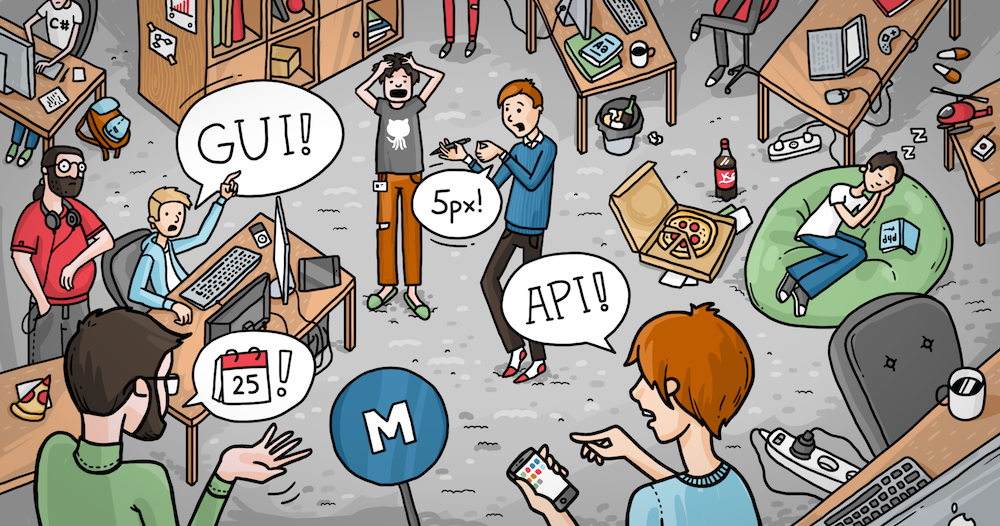
We conducted a survey among users of Habr and My Circle, in which more than 3800 respondents took part. The questions were the most diverse, but the goal was the same - to find out how, why and with whom programmers, designers, managers and other IT workers are in conflict.
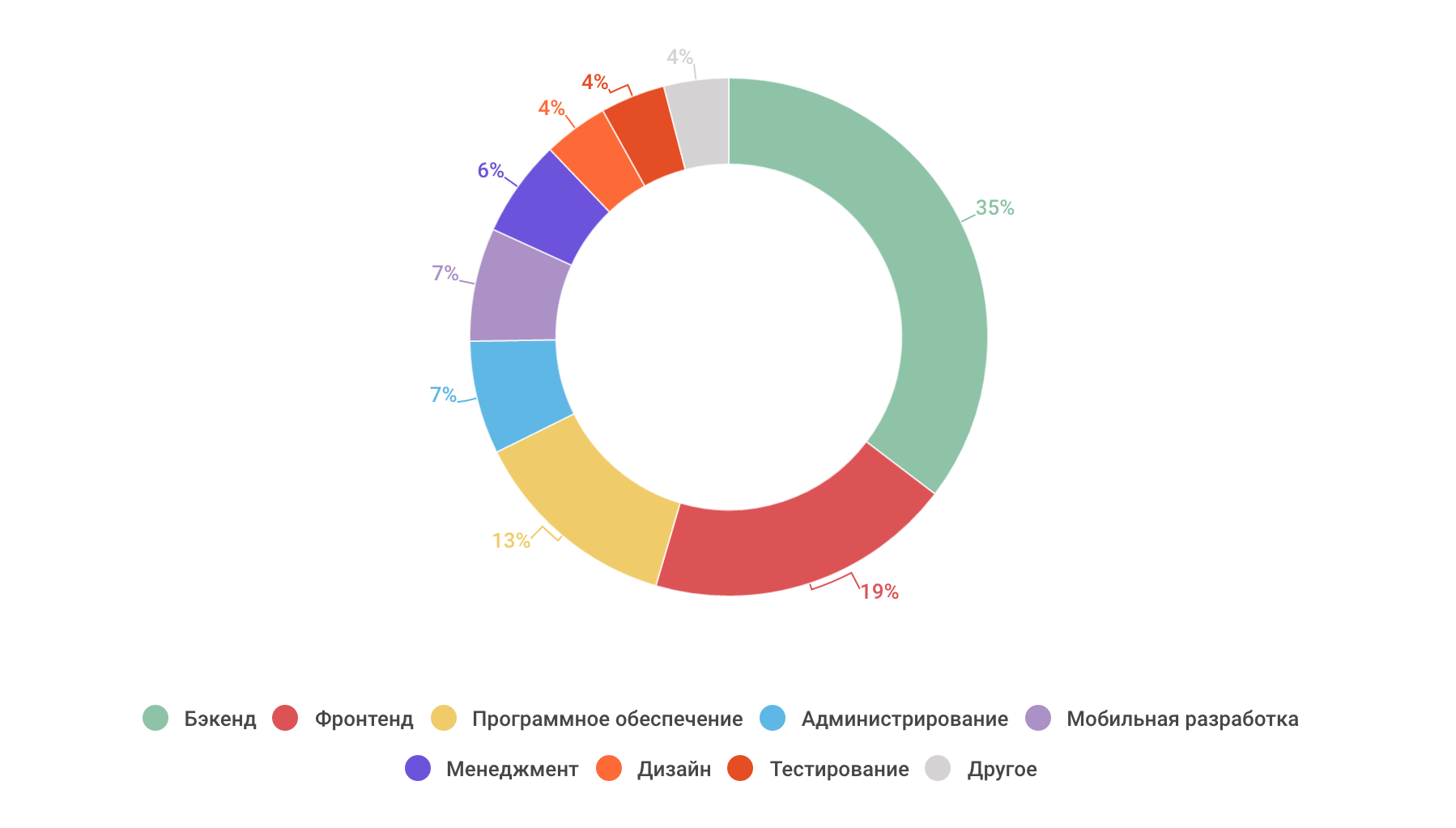
What is your specialization?
Who took part in the survey - we tried to cover all professions and areas of work of the electronic front, breaking the developers into the most representative groups.
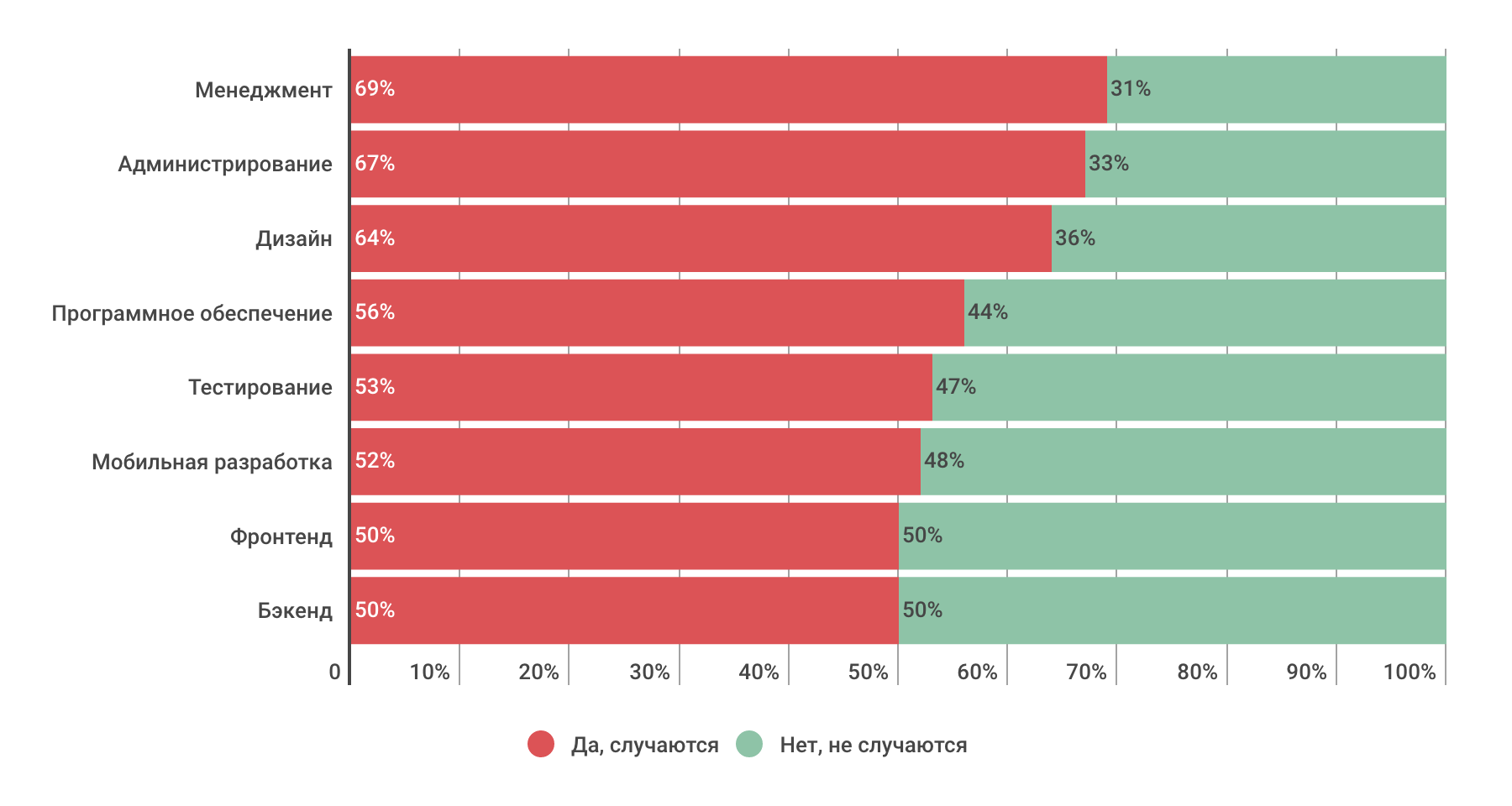
Do you have conflicts with colleagues?
Which of the IT professionals is the most conflicting?
Managers, administrators and designers have the most conflicts with colleagues: two out of three specialists in these fields of activity say that they have conflicts. Most likely, this is due to the need to work and interact with b about lshim number of colleagues.
Developers, especially front-end and back-end, have the least conflicts: only one of the two specialists in these fields of activity indicated that they have conflicts.
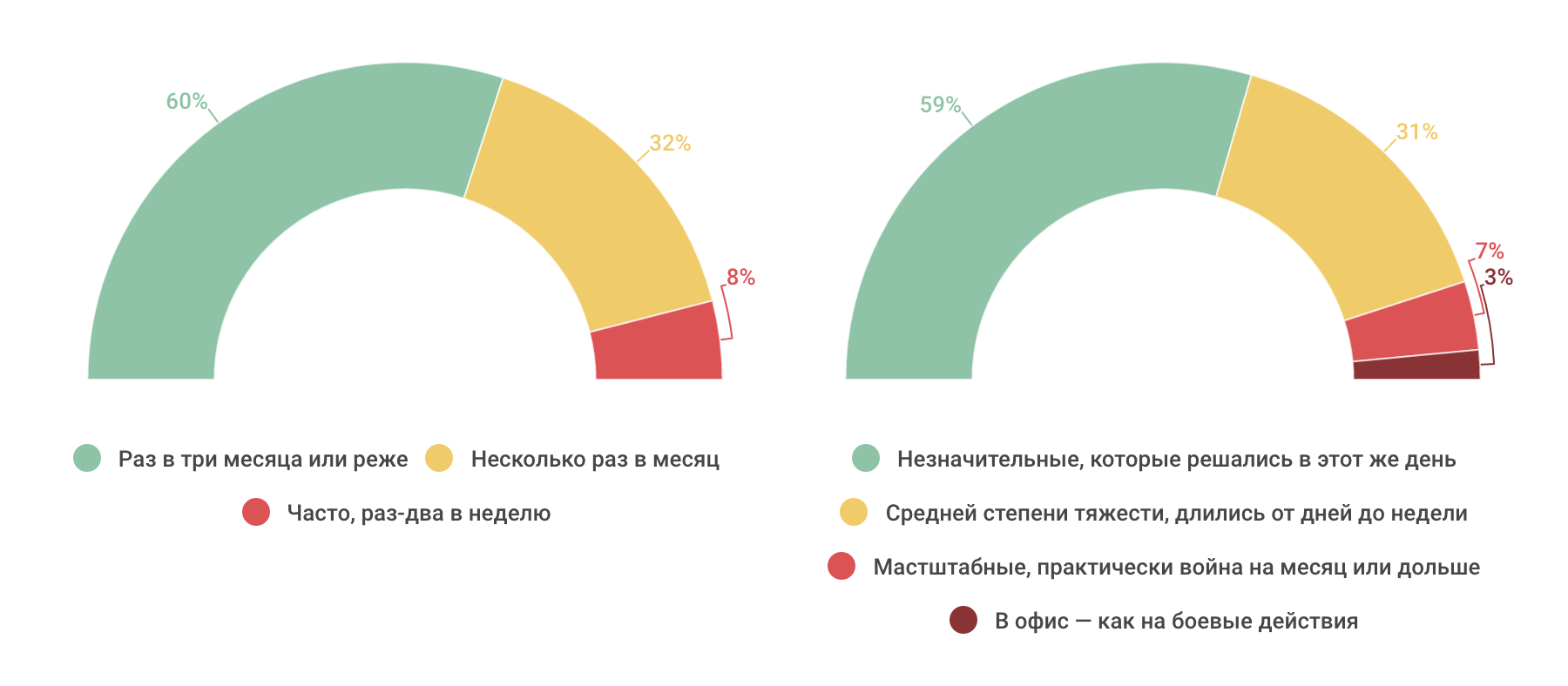
How often do you have conflicts and what scale have they been in the past year?
Basically, conflicts are infrequent and are resolved on the same day. Nevertheless, every tenth of them is often and lasts for a debt. Someone even goes to the office, as if in battle.
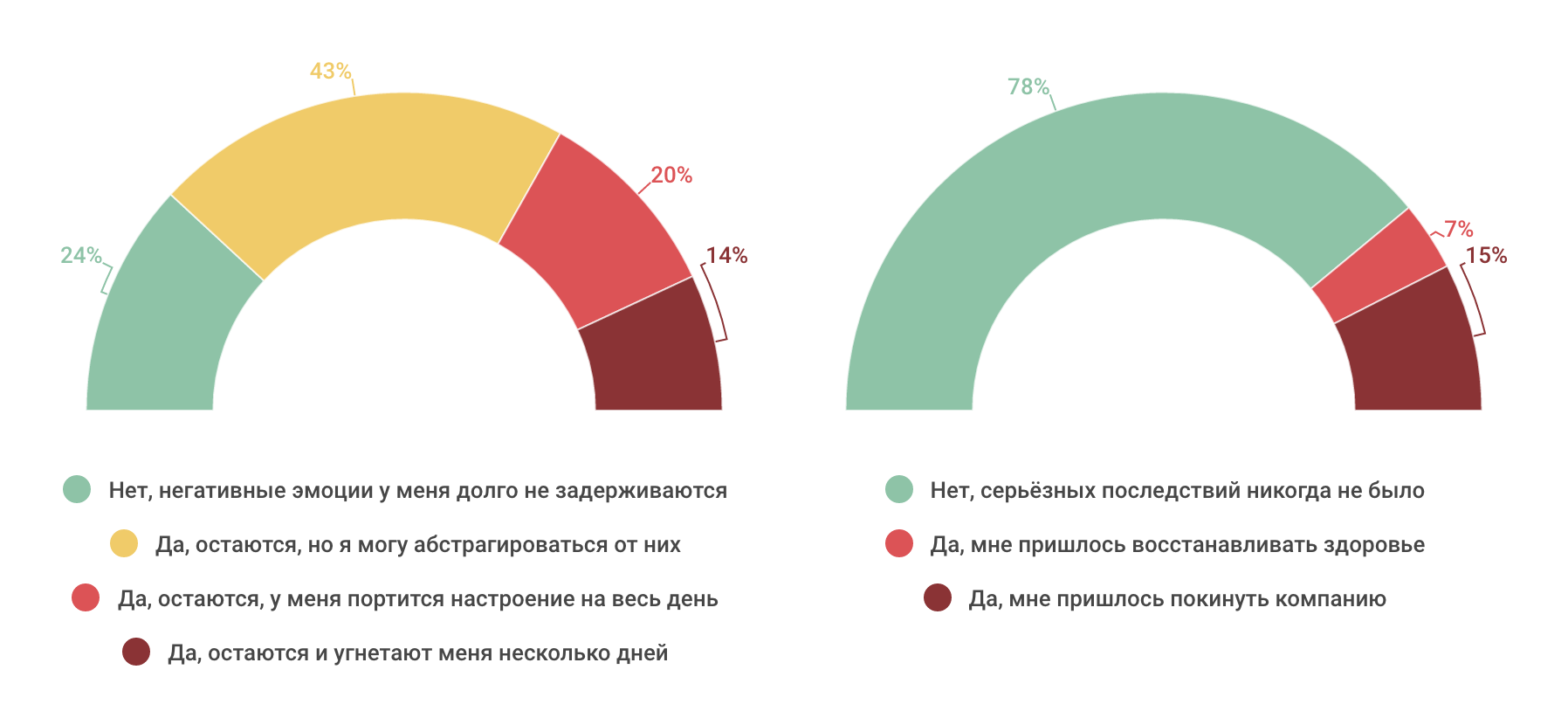
Do you have any discomfort from the conflict and have serious consequences for you?
For every third, conflicts involve a long experience of negative emotions: from a day or more. But this can not affect the performance. Nevertheless, only every fifth person speaks about serious consequences. Perhaps people just prefer not to complain.
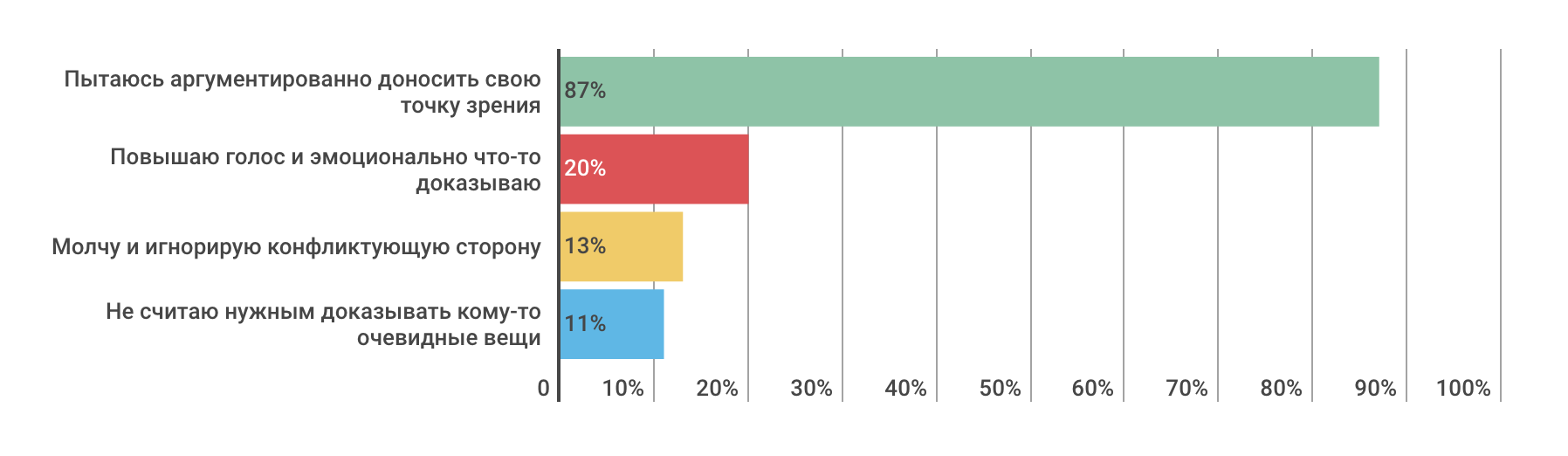
What is your position in conflict most often?
The overwhelming majority try to reasonably convey their point of view. However, every fifth person is sometimes inclined to raise his voice. And one in ten is generally inclined to ignore the conflicting side and remain silent.
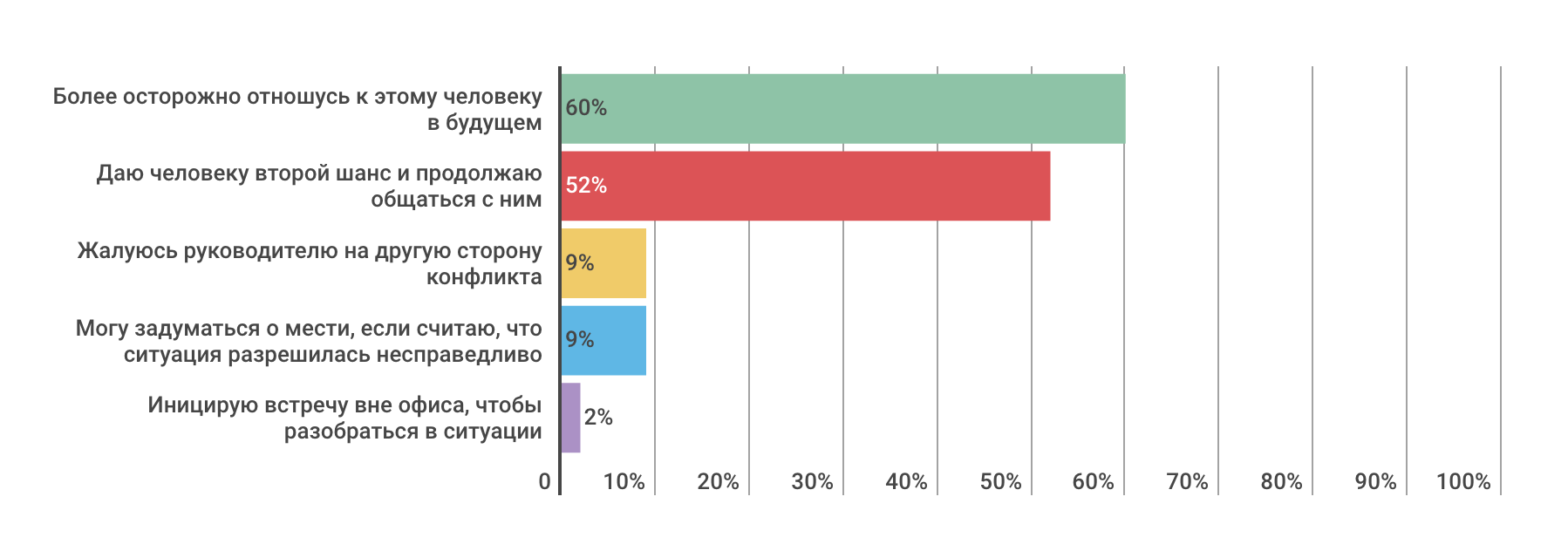
What actions do you take after the conflict?
Every second gives the conflicting side a second chance and continues to communicate as before. One in ten prefers to complain to management. Also, one in ten has plans for revenge. There are also few who prefer to understand the situation, even outside the office.
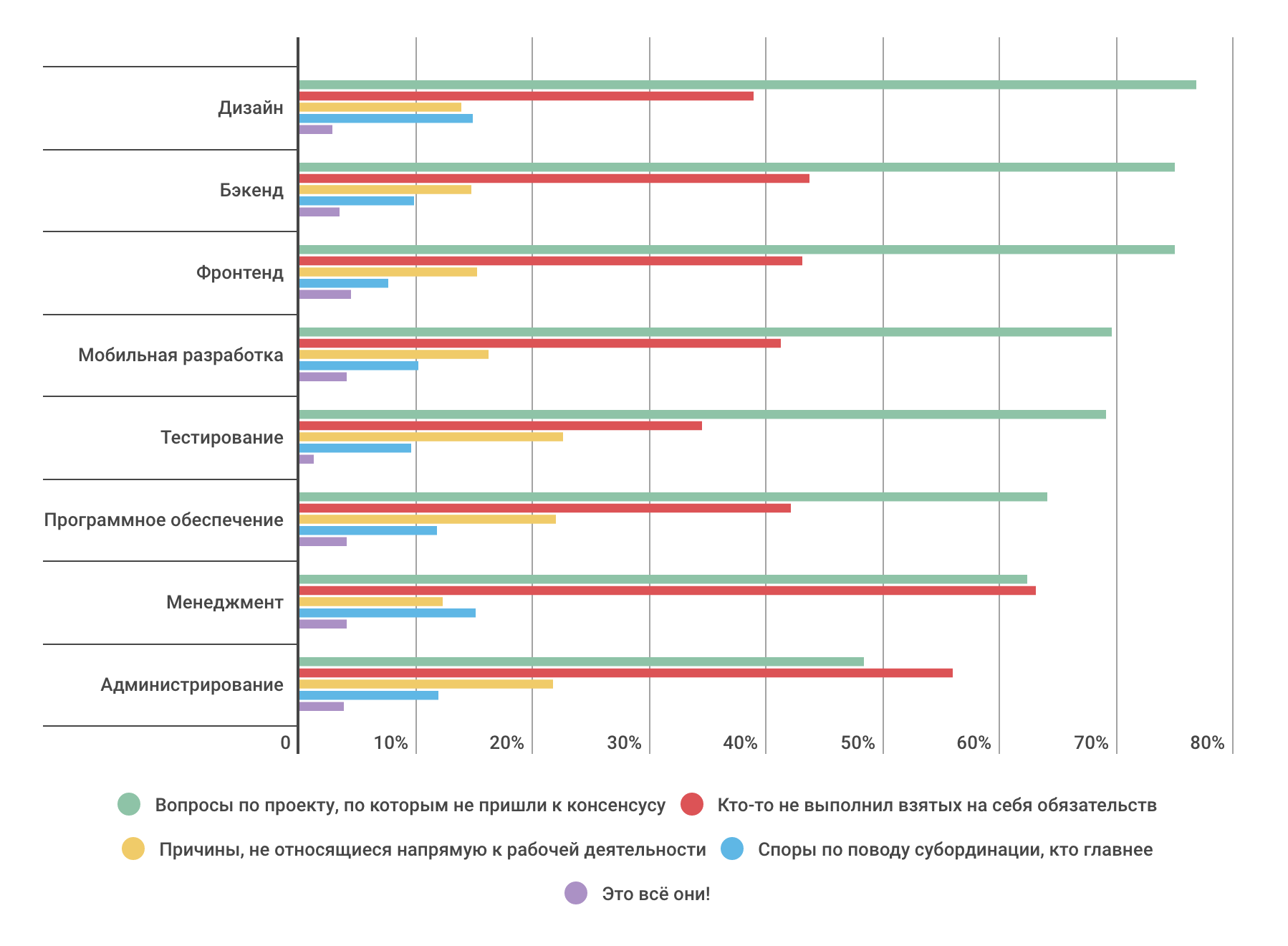
Why do you most often have conflicts?
Most IT professionals are at odds over work tasks that they cannot agree on. Three to four out of five specialists name this item as a possible cause of conflict.
The next most frequent source of conflict is when someone does not fulfill his obligations. In most areas of activity, every second calls this a possible cause of conflict. However, for administrators and managers, default is the same or even much more frequent source of conflict than disputes over a project.
Administrators, testers and software developers are slightly more likely than others to indicate reasons that are not directly related to work as a potential source of conflict. This is evidenced by every fifth in these areas of activity. Most likely, these are mainly personality factors.
And managers and designers more often than others face problems of subordination - every sixth of them speaks of similar conflicts.
Of course, there are always those who deny their own guilt in the emergence of a difficult situation.
Who do you most often have conflicts with?
In most areas of activity, conflicts most often happen to developers. On average, every second speaks of such conflicts. Least of all conflicts with developers have designers and administrators. Here only every third person speaks of this kind of misunderstanding.
For most areas of activity, conflicts with managers happen at approximately the same frequency: every second person talks about them. A little less conflict with managers themselves managers and administrators. And least of all testers have conflicts with managers. Here only every sixth designated the manager as a possible side of the conflict.
Most designers are in conflict with mobile developers and front-end. Such conflicts are reported by every third of them. And this is understandable - these developers, by the nature of their activity, are directly related to the results of the work of designers.
With office administration, administrators, managers and software developers are the most conflicted. Among administrators, two out of five talk about such conflicts.
Administrators and managers are again in conflict with human resources specialists. Every tenth among them speaks of such conflicts.
Also, a slightly higher than average percentage of denial of conflict among administrators and software developers.
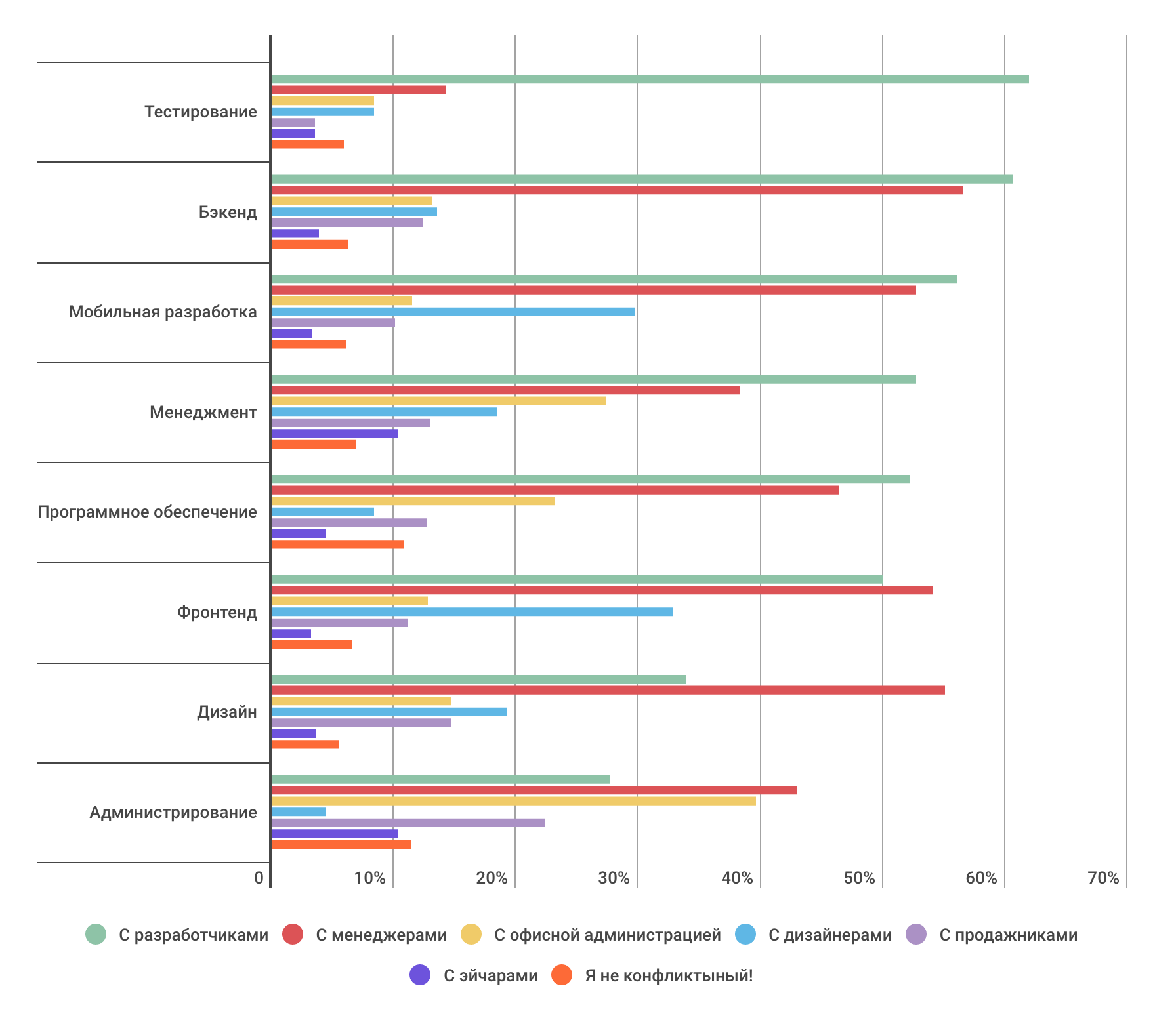
What rank do you have conflicts with?
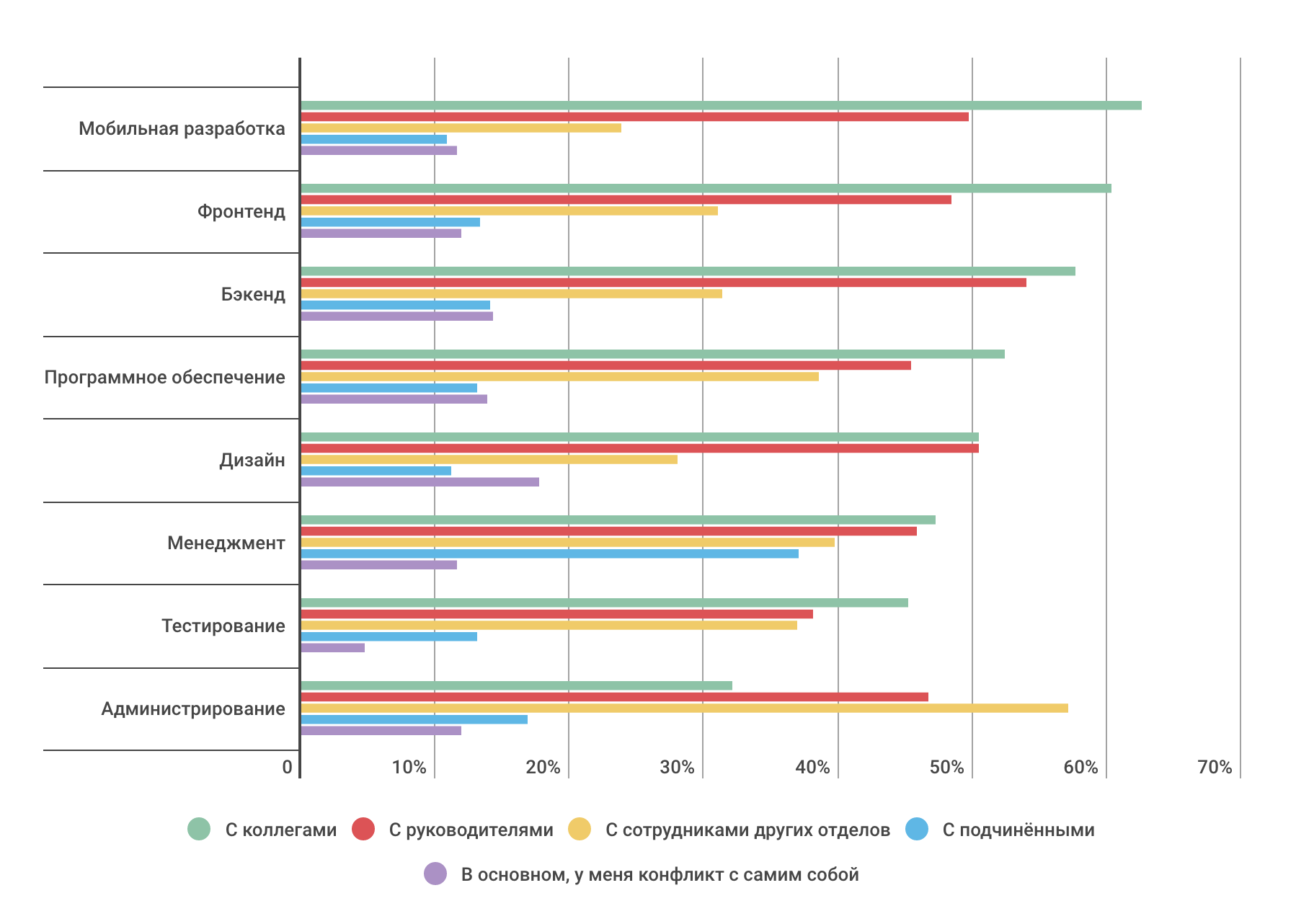
In all areas of activity, most conflicts occur with colleagues. Every second or third out of five talks about it. Administrators are the exception, they mostly conflict with employees of other departments and with managers, and only one in three speaks of conflicts with colleagues.
With subordinates, managers conflict more than others. And least of all, designers and developers of mobile applications.
But the designer’s conflict with himself, apparently, is a consequence of a heightened sense of beauty.
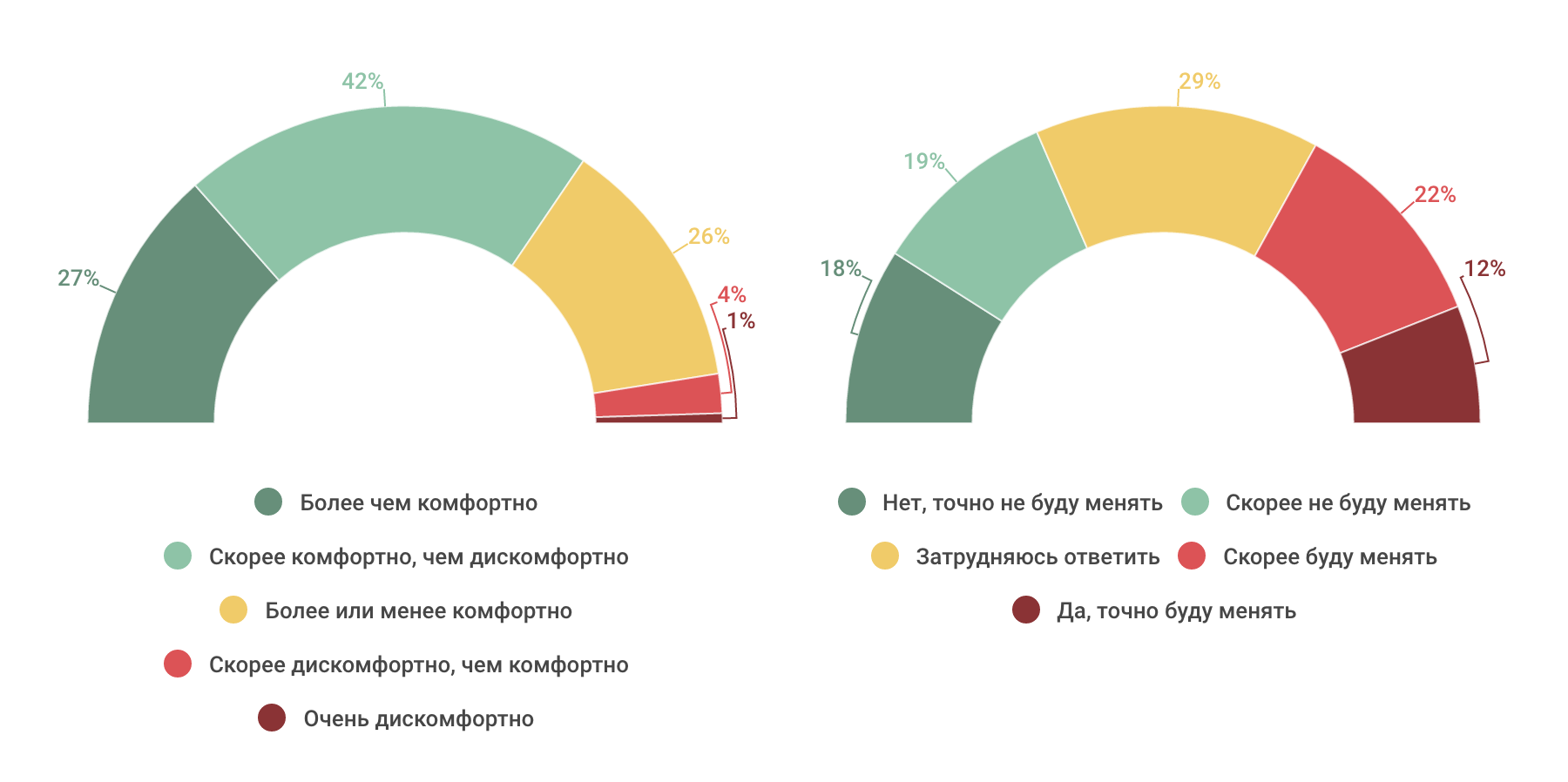
Are you comfortable working in the current team and how likely are you going to change jobs because you don't like the team?
The vast majority feel comfortable in the current team. Moreover, one in three is inclined to change their place of work in the event of a serious conflict or a high degree of dissatisfaction with the team.
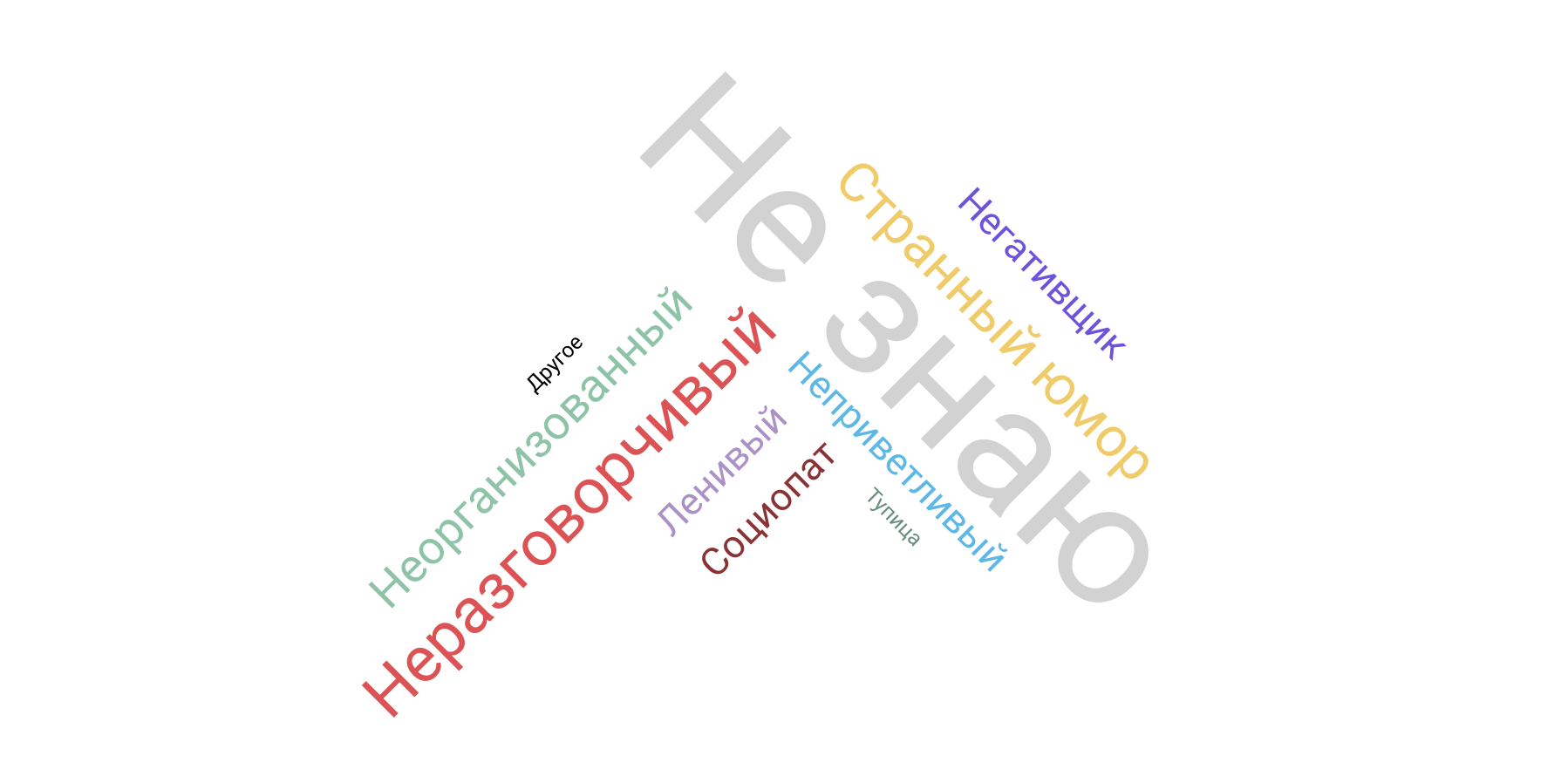
What negative ratings did you get from your colleagues?
More than half (55%) of respondents do not know anything about negative assessments in relation to themselves. Every fifth is taciturn. Every sixth with a strange sense of humor. Every eighth is unorganized. Every tenth is inhospitable.
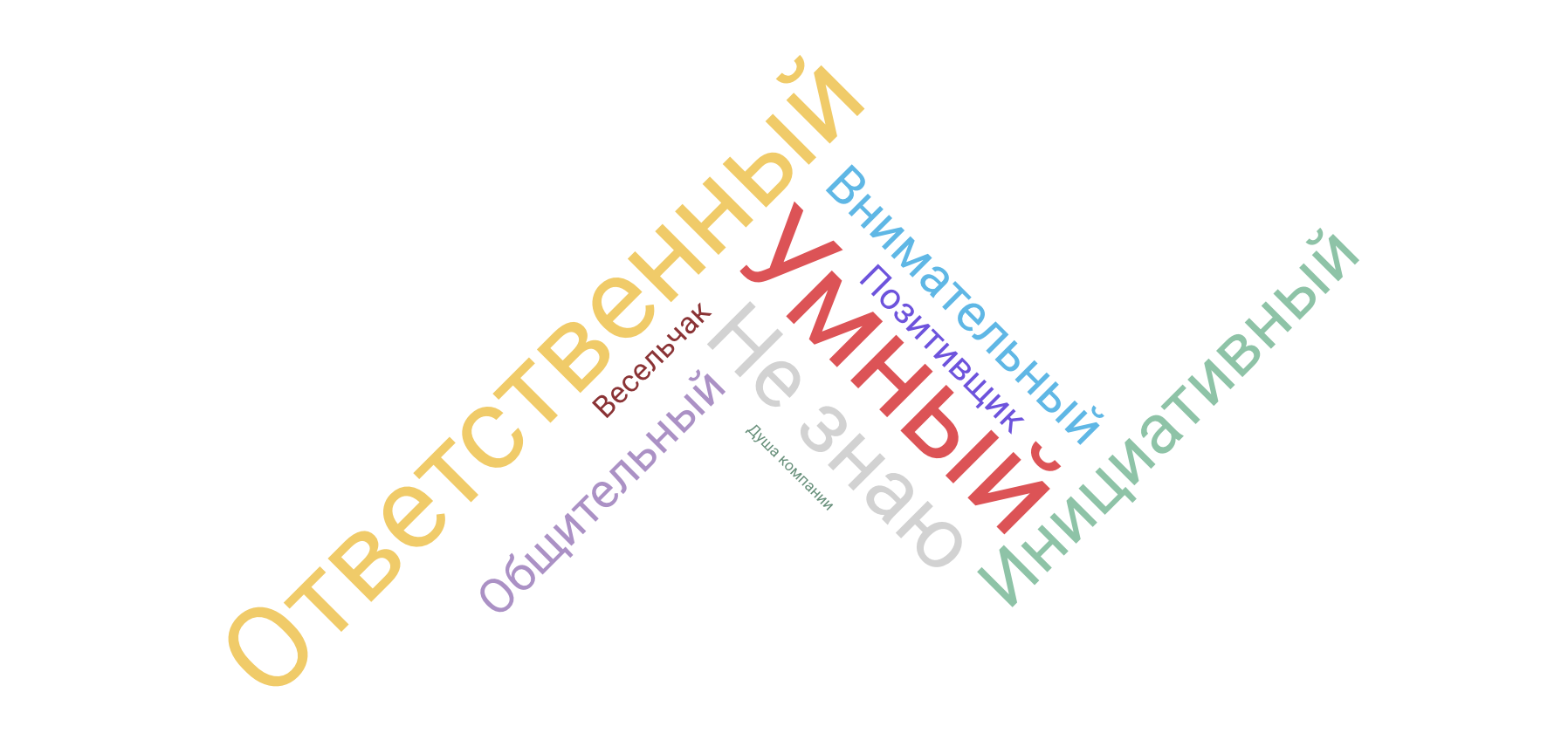
What positive marks did you get from your colleagues?
They do not know anything about positive assessments in relation to themselves much less - only 30%. Two out of five are smart or responsible. Every fourth initiative. Every fifth is attentive or sociable. Every sixth positivist.
Treat your colleagues with understanding!
All diagrams were prepared using the infogr.am service .