Acronis People: Why is there a girl philologist in the international IT team?
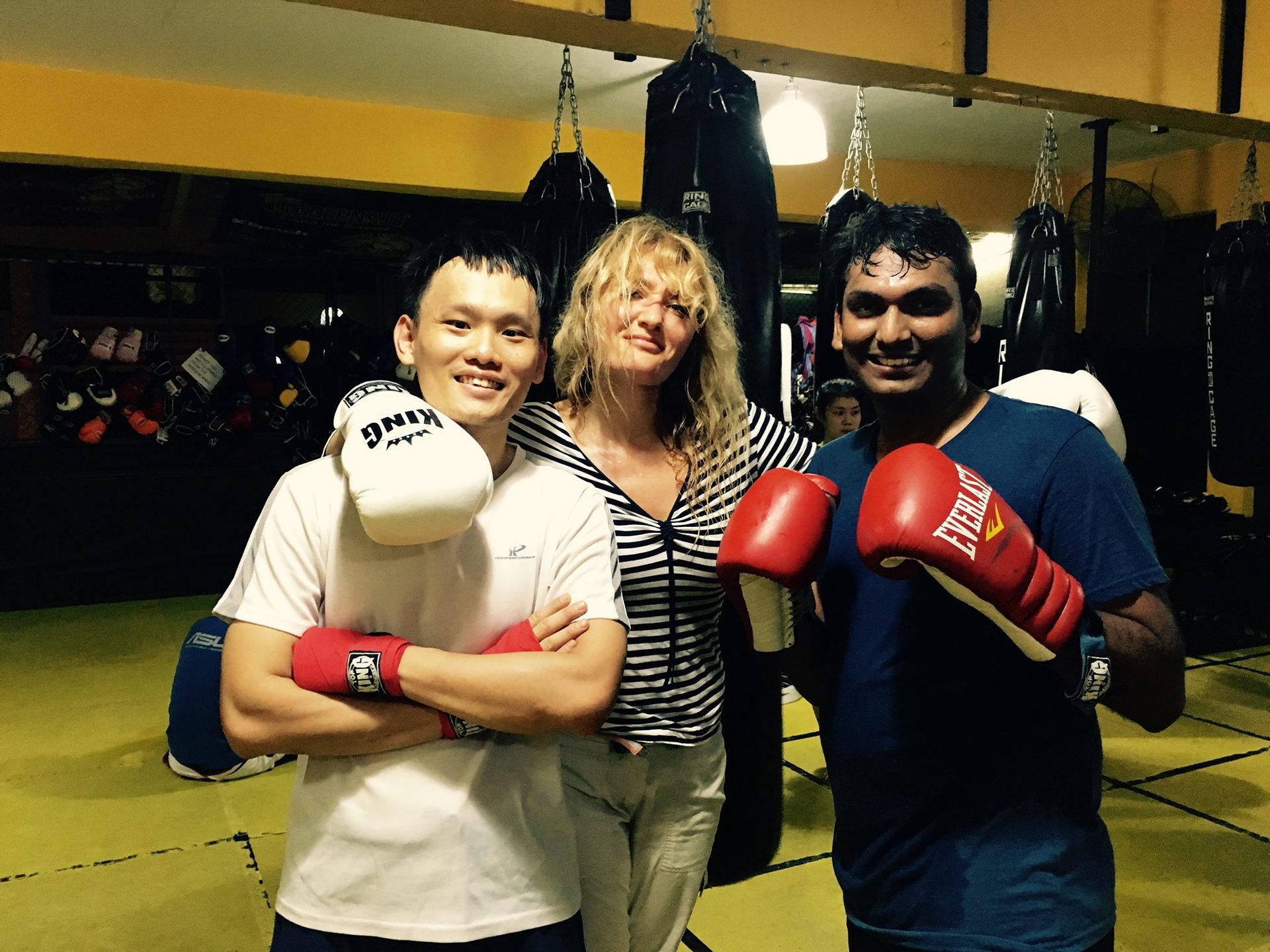
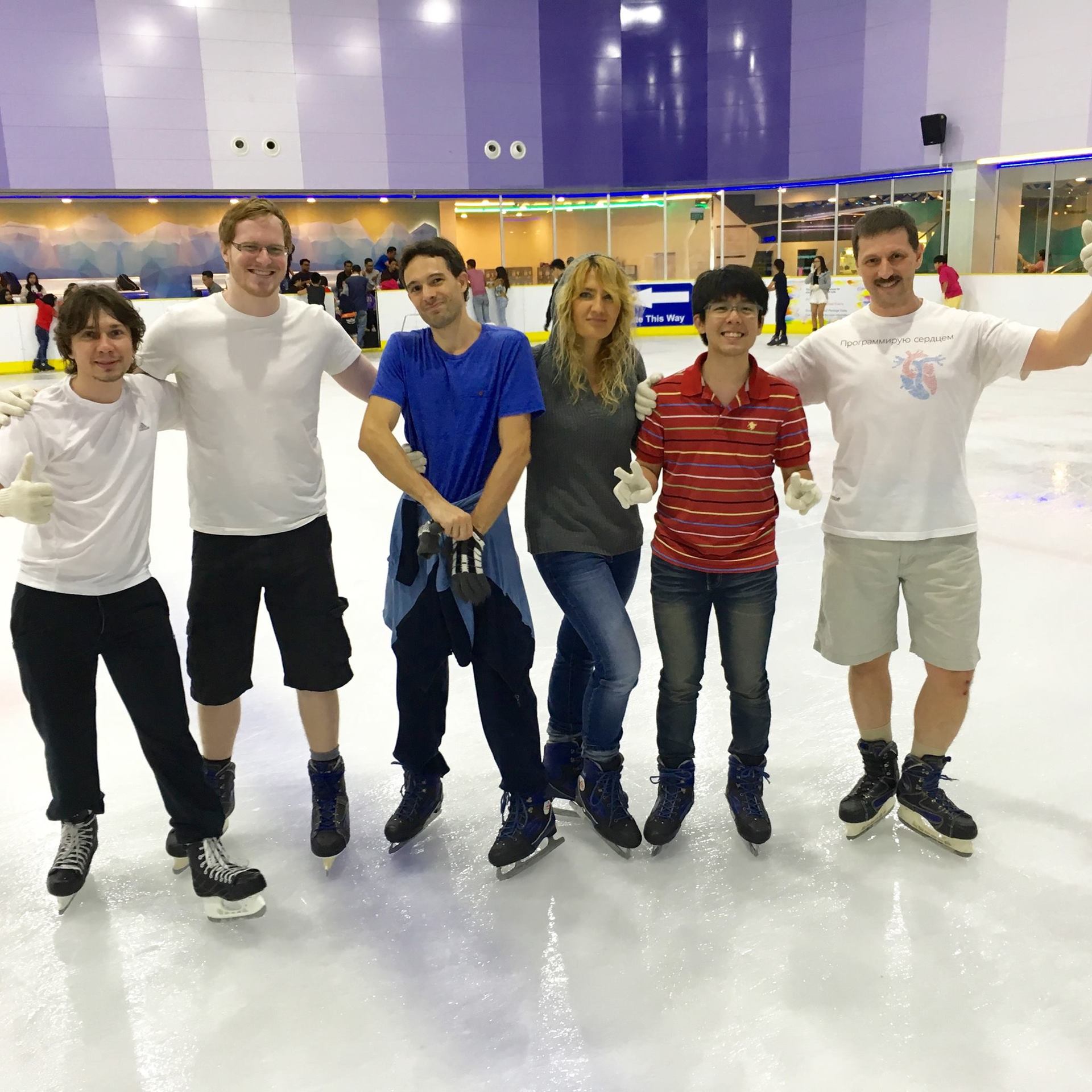
The #Acronis family has extraordinary people in unusual positions. Meet Diana Dziuba , a full-time teacher of Russian for foreigners, teaching our colleagues in the Singapore office.
How did Diana come into such an interesting profession? How did a PhD linguist get into an IT company? What is interesting to her students at the Acronis Singapore office? And where does the Pentagon and the legendary band U2? The word Diana.
I am from a family of three generations of military pilots, we were transferred from city to city, from country to country. I was born in Ukraine, grew up in Poland, then we were sent to Siberia, where I graduated from school a little earlier than necessary. At 15, she entered university and 4 years later received a diploma of a primary school teacher. At such a young age, the “teacher” came out of me so-so, and Tver was somehow close to me, where we had moved from Irkutsk by that time.
Arrived in Moscow. It turned out that there were many opportunities, but nowhere to live. I learned that there is a master's program at the A.S. Russian Language Institute Pushkin, where they train teachers of Russian as a foreign language, provided that they pass the entrance exams and have a basic philological education, well - and the key point is that they provide a hostel! 6 philologists a year were admitted to the free department. I did not have a basic philological, but they had a hostel. This fact seriously helped me get a basic philological - at home, for two summer months. I passed the qualification exam in philology, creating a strange precedent - before philologists hadn’t been eager for them, - then entrance to the magistracy, well, it started ...
For two years of study at the magistracy, she fell in love with the profession. Then there was a free post-graduate department, where only two people were taken per year with a competition of 36 people per place and - with a bonus - they provided housing.
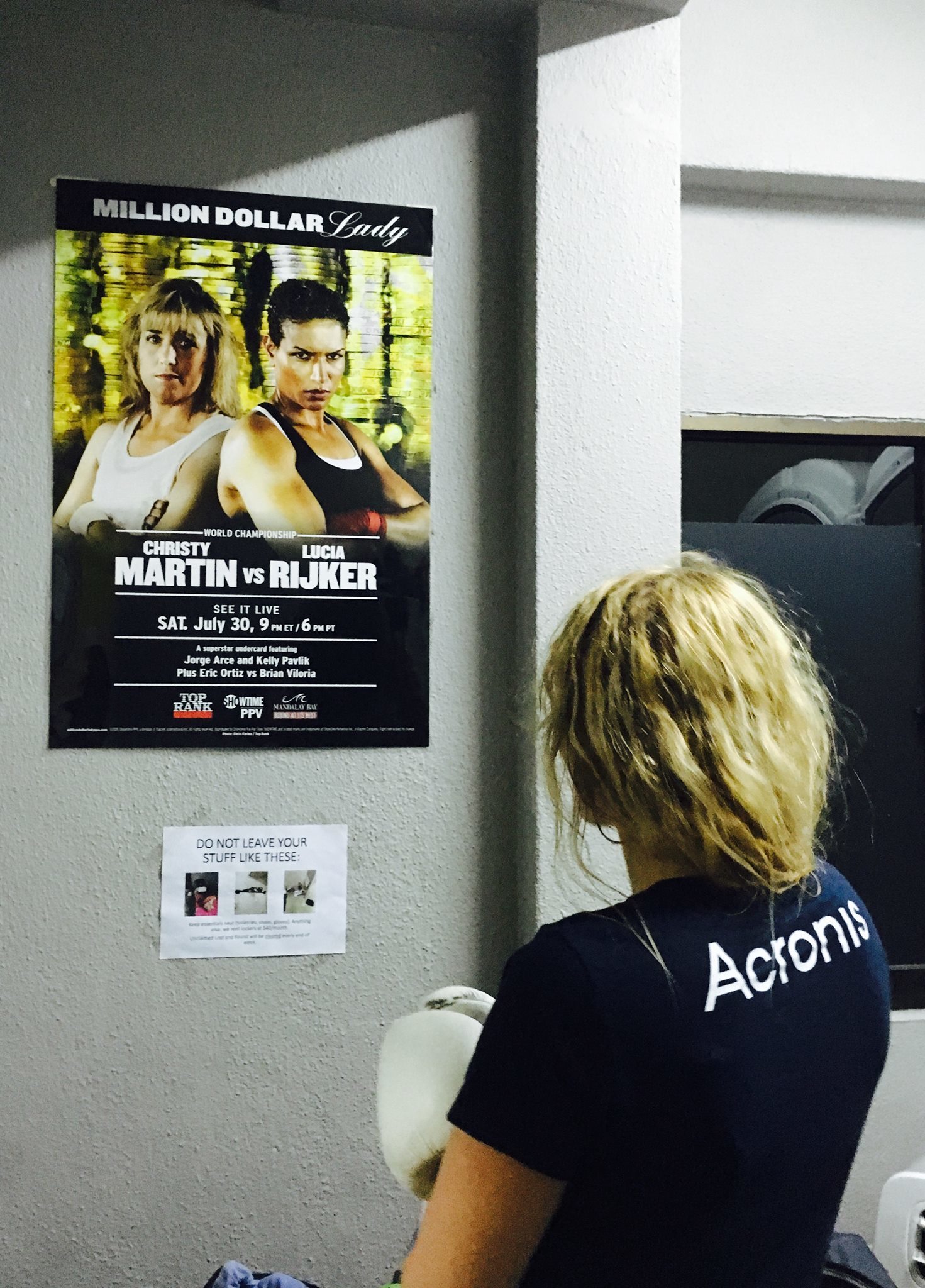
And then I came for an interview with a physicist Zhena Pyshmintsev, the founder of the first Russian language school for foreigners in Russia, Russian Village School. After - literally - three or four questions, he hired me. A few years later I was "taken" to one of the largest international law firms, where I worked for the next 13 years. For a change, I took on external projects that always arose unexpectedly - I taught Al Jazeera, Voice of America, The Times and Sky News journalists to speak, did full informational support for the Russian part of the U2 world tour, and conducted master classes for mentors of military translators at the US Department of Defense ... I didn’t get bored!

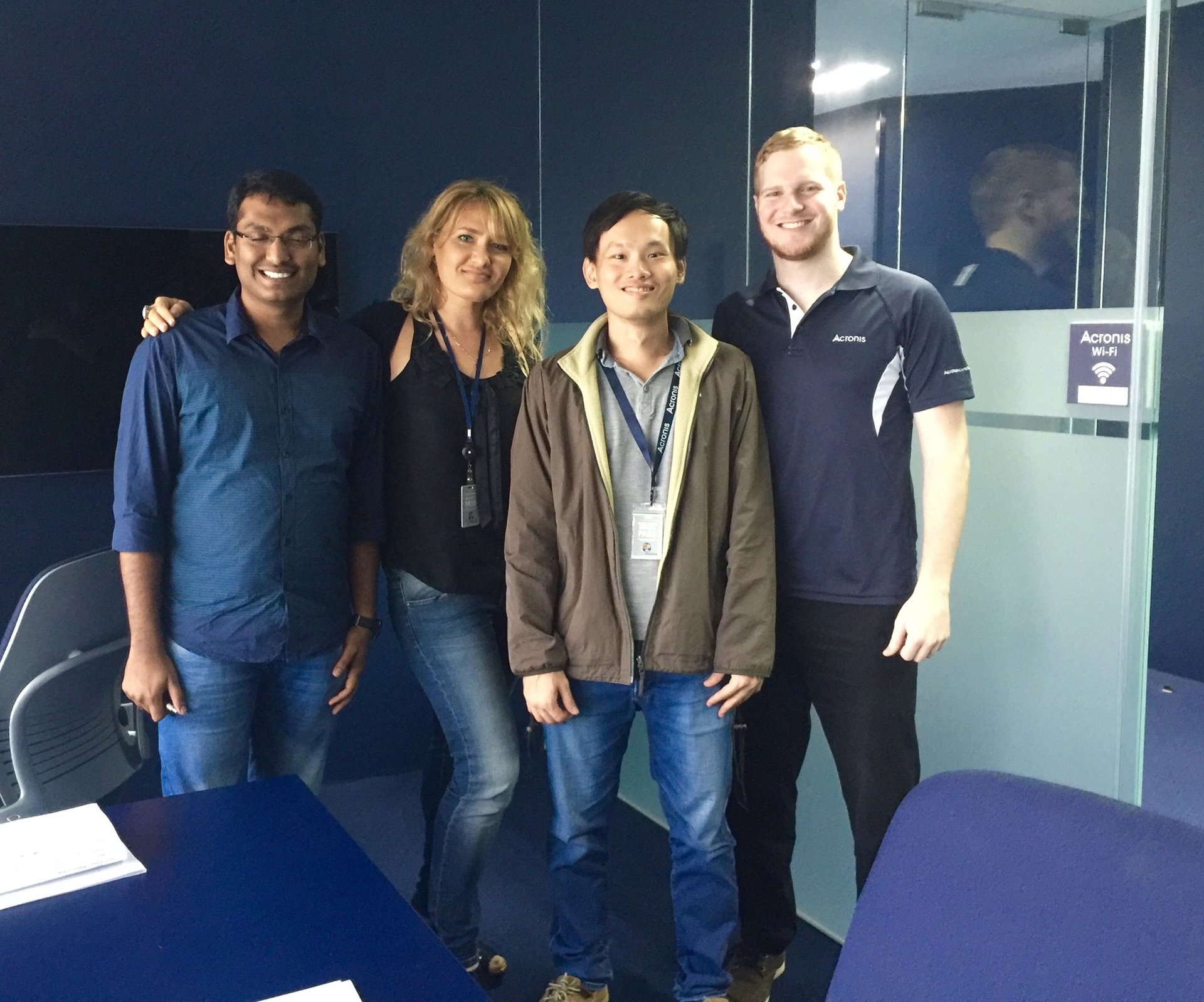
One of these “projects for a change” was the training for Acronis in Singapore, where the very same Evgeny Pyshmintsev asked me to go for a month: “I need to help a fellow at PhysTech, he needs a Language Trainer. It’s only 4 weeks and it’s warm there ... Come on, huh? ”I left. She probably managed it, because two hours before my departure from Singapore, the very friend at the PhysTech, Belousov, met me and offered to stay at Acronis. Apparently, this is Phystech Style - they easily make non-standard decisions. I - honestly - did not immediately believe that the project “Russian as non-Russian” could find life in such an unexpected format as an IT company in Singapore ... But Belousov believed. And this is cool, - not every boss is ready to make efforts and seriously spend money on projects that, somehow, can be very illusory associated with the effectiveness of employees. But this is a smart approach - people in a company with Russian roots really should know more about Russia than we all know from the international press. And ownership always unites. Sergey managed to inspire his people with this idea. Everything turned out as he saw it - techies learn Russian in Singapore, the Boston office draws up lists for the autumn session. I have 11 students here, they are eager to speak, joyfully greet each other in Russian and ask me about everything that interests them: what we eat (for Singaporeans this is a vital question!), What we think (about everything), how we rest (much without it), and, of course, as we say. This is what I’m busy with ... Sergey managed to inspire his people with this idea. Everything turned out as he saw it - techies learn Russian in Singapore, the Boston office draws up lists for the autumn session. I have 11 students here, they are eager to speak, joyfully greet each other in Russian and ask me about everything that interests them: what we eat (for Singaporeans this is a vital question!), What we think (about everything), how we rest (much without it), and, of course, as we say. This is what I’m busy with ... Sergey managed to inspire his people with this idea. Everything turned out as he saw it - techies learn Russian in Singapore, the Boston office draws up lists for the autumn session. I have 11 students here, they are eager to speak, joyfully greet each other in Russian and ask me about everything that interests them: what we eat (for Singaporeans this is a vital question!), What we think (about everything), how we rest (much without it), and, of course, as we say. This is what I’m busy with ... what we think (about everything), how we relax (where without it), and, of course, as we say. This is what I’m busy with ... what we think (about everything), how we relax (where without it), and, of course, as we say. This is what I’m busy with ...

And I'm learning myself. On its mistakes and the potential of Acronis. Ironically, it was here that for the first time I discovered the very gap between the understanding that you can lose information and the factual confirmation of how this happens. Learned the word backup. There was confidence in the future ... Whether there will be more!
I am from a family of three generations of military pilots, we were transferred from city to city, from country to country. I was born in Ukraine, grew up in Poland, then we were sent to Siberia, where I graduated from school a little earlier than necessary. At 15, she entered university and 4 years later received a diploma of a primary school teacher. At such a young age, the “teacher” came out of me so-so, and Tver was somehow close to me, where we had moved from Irkutsk by that time.
Arrived in Moscow. It turned out that there were many opportunities, but nowhere to live. I learned that there is a master's program at the A.S. Russian Language Institute Pushkin, where they train teachers of Russian as a foreign language, provided that they pass the entrance exams and have a basic philological education, well - and the key point is that they provide a hostel! 6 philologists a year were admitted to the free department. I did not have a basic philological, but they had a hostel. This fact seriously helped me get a basic philological - at home, for two summer months. I passed the qualification exam in philology, creating a strange precedent - before philologists hadn’t been eager for them, - then entrance to the magistracy, well, it started ...
For two years of study at the magistracy, she fell in love with the profession. Then there was a free post-graduate department, where only two people were taken per year with a competition of 36 people per place and - with a bonus - they provided housing.
And then I came for an interview with a physicist Zhena Pyshmintsev, the founder of the first Russian language school for foreigners in Russia, Russian Village School. After - literally - three or four questions, he hired me. A few years later I was "taken" to one of the largest international law firms, where I worked for the next 13 years. For a change, I took on external projects that always arose unexpectedly - I taught Al Jazeera, Voice of America, The Times and Sky News journalists to speak, did full informational support for the Russian part of the U2 world tour, and conducted master classes for mentors of military translators at the US Department of Defense ... I didn’t get bored!
One of these “projects for a change” was the training for Acronis in Singapore, where the very same Evgeny Pyshmintsev asked me to go for a month: “I need to help a fellow at PhysTech, he needs a Language Trainer. It’s only 4 weeks and it’s warm there ... Come on, huh? ”I left. She probably managed it, because two hours before my departure from Singapore, the very friend at the PhysTech, Belousov, met me and offered to stay at Acronis. Apparently, this is Phystech Style - they easily make non-standard decisions. I - honestly - did not immediately believe that the project “Russian as non-Russian” could find life in such an unexpected format as an IT company in Singapore ... But Belousov believed. And this is cool, - not every boss is ready to make efforts and seriously spend money on projects that, somehow, can be very illusory associated with the effectiveness of employees. But this is a smart approach - people in a company with Russian roots really should know more about Russia than we all know from the international press. And ownership always unites. Sergey managed to inspire his people with this idea. Everything turned out as he saw it - techies learn Russian in Singapore, the Boston office draws up lists for the autumn session. I have 11 students here, they are eager to speak, joyfully greet each other in Russian and ask me about everything that interests them: what we eat (for Singaporeans this is a vital question!), What we think (about everything), how we rest (much without it), and, of course, as we say. This is what I’m busy with ... Sergey managed to inspire his people with this idea. Everything turned out as he saw it - techies learn Russian in Singapore, the Boston office draws up lists for the autumn session. I have 11 students here, they are eager to speak, joyfully greet each other in Russian and ask me about everything that interests them: what we eat (for Singaporeans this is a vital question!), What we think (about everything), how we rest (much without it), and, of course, as we say. This is what I’m busy with ... Sergey managed to inspire his people with this idea. Everything turned out as he saw it - techies learn Russian in Singapore, the Boston office draws up lists for the autumn session. I have 11 students here, they are eager to speak, joyfully greet each other in Russian and ask me about everything that interests them: what we eat (for Singaporeans this is a vital question!), What we think (about everything), how we rest (much without it), and, of course, as we say. This is what I’m busy with ... what we think (about everything), how we relax (where without it), and, of course, as we say. This is what I’m busy with ... what we think (about everything), how we relax (where without it), and, of course, as we say. This is what I’m busy with ...
And I'm learning myself. On its mistakes and the potential of Acronis. Ironically, it was here that for the first time I discovered the very gap between the understanding that you can lose information and the factual confirmation of how this happens. Learned the word backup. There was confidence in the future ... Whether there will be more!