Uber's Strategy for Diversifying Robotaxi Suppliers
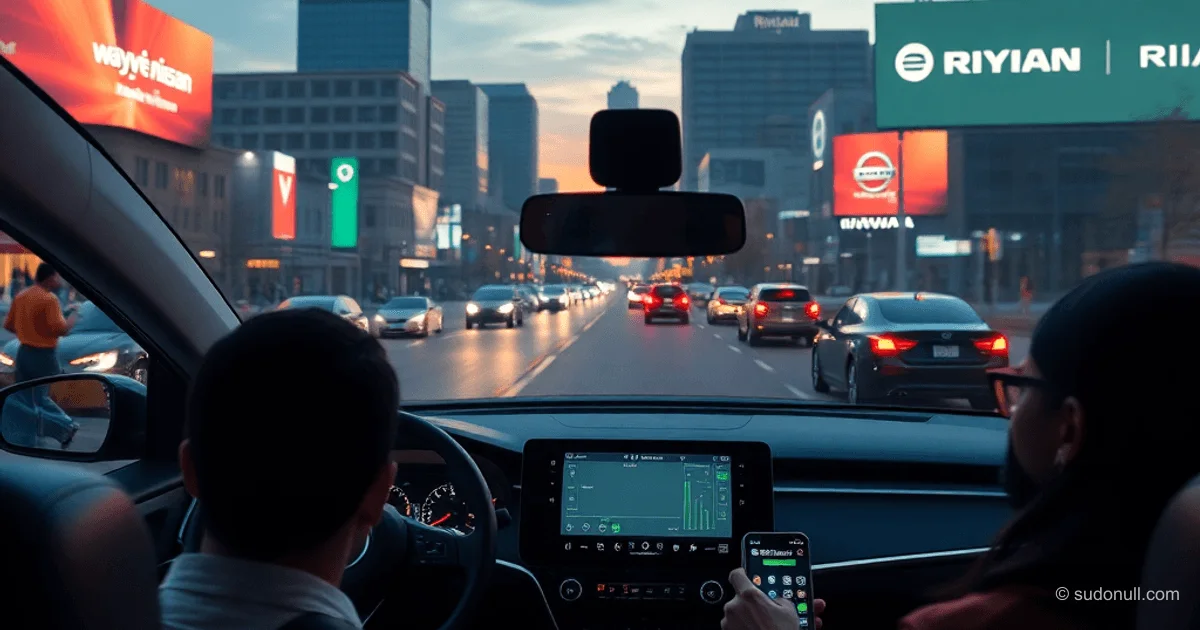
Uber is actively expanding its network of partnerships with robotaxi developers, having signed deals with Zoox, Wayve-Nissan, and Rivian in recent weeks. Over the past five years, the company has inked at least a dozen contracts, including with WeRide, AVride, May Mobility, Momenta, Pony.AI, Wayve, Baidu's Apollo Go, Motional, and Lucid-Nuro. The main goal is to prevent market monopolization by leaders like Waymo or Tesla, positioning Uber as the central aggregator.
Current Status of Partners and Competition
Fewer than half of Uber's partners have launched fully driverless paid robotaxi services. In the US, only Waymo offers such a service, with Uber integrating its systems in Atlanta, Austin, and Phoenix. In other cities, Uber competes directly with Waymo.
Analysts stress that diversifying suppliers minimizes risks from competitors scaling on their own. Uber, which ditched its own autonomous vehicle development a few years back, is now focused on integrating third-party tech. Partners like Nuro and Hyundai's Motional aren't planning their own apps, which simplifies collaboration.
Expert Analysis of the Strategy
Mark Mahaney from Evercore ISI notes: "The more diversified the supplier base, the better for the central network—and that's Uber." This lets the company claim a slice of the robotaxi economy without sinking money into R&D.
Lloyd Walmsley from Mizuho Financial Group adds that Uber's role as an investor signals confidence, drawing in extra capital:
- Uber's stakes are small relative to market caps.
- A modest investment builds an ecosystem that attracts third-party funders.
- It validates the partners' long-term viability.
Laura Major, CEO of Motional, calls autonomy "existential" for Uber. These partnerships create a broad ecosystem amid market uncertainty, dialing down monopoly risks.
Defensive and Opportunistic Approach
Uber's strategy blends defense with growth opportunities. Waymo already runs commercial robotaxis via its own app and fleet, and Tesla is gearing up for the same. Uber is diversifying to avoid relying on any single supplier.
Opportunistically, more autonomy options drive down ride costs and boost demand. Mahaney predicts growth in the overall rides market. A roster of partners gives Uber leverage for better terms—one or two dominant players would push aggressive pricing.
Key Success Factors
Motional highlights cost as the make-or-break factor:
- Scaling the cheapest, safest rides.
- A large commercial fleet's efficiency trumps demos in a few cities.
- Scattered vehicles in a city pale in efficiency next to a unified fleet.
Mahaney emphasizes: the robotaxi market lacks clear boundaries so far—Uber is playing the long game for growth.
On top of that, Uber acquired SpotHero for parking reservations in Chicago. They're integrating the feature into Uber One and the main app to broaden services.
What Matters
- Uber has forged 12+ partnerships over 5 years to fend off Waymo and Tesla monopolies.
- Diversifying suppliers locks in Uber's aggregator role with a cut of the economy.
- Partners like Nuro and Motional skip their own apps, streamlining integration.
- Cost and fleet scalability are the keys to market dominance.
- SpotHero parking integration rounds out autonomous services.
— Editorial Team










No comments yet.