LG G2 - impressions
Hello! Not so long ago, I managed to “squeeze” the LG G2. The smartphone is very interesting, and Habré about it already wrote . Nevertheless, there is a general impression, and pleasant little things that I want to talk about. Yes, and no one has done the buttons on the rear panel yet, it turned out really cool. :)
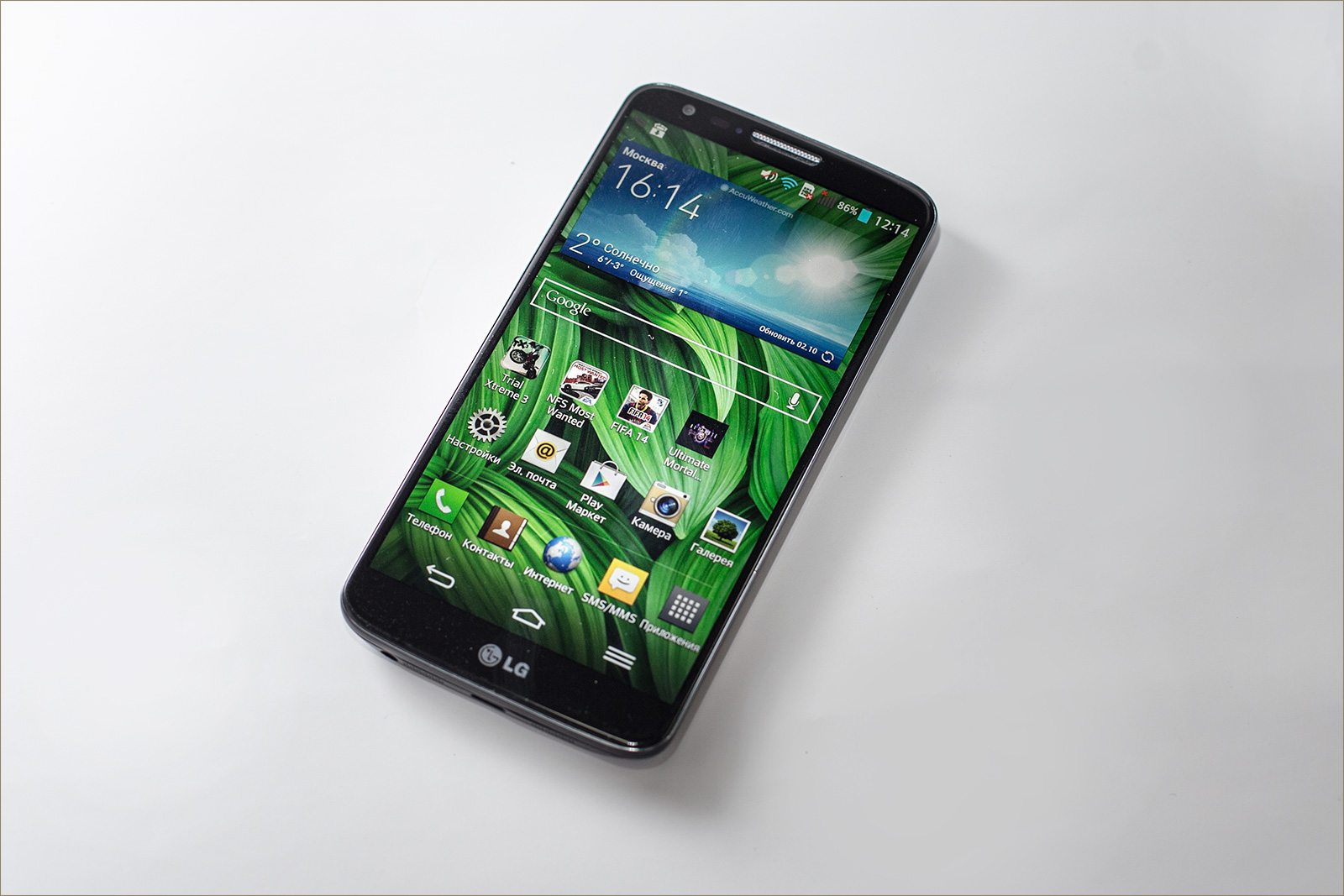
The internals of the smartphone are the most modern: a processor based on the 800th kvalkomma, the Adreno 330 video core, all relevant wireless interfaces, in general - as in the best houses.
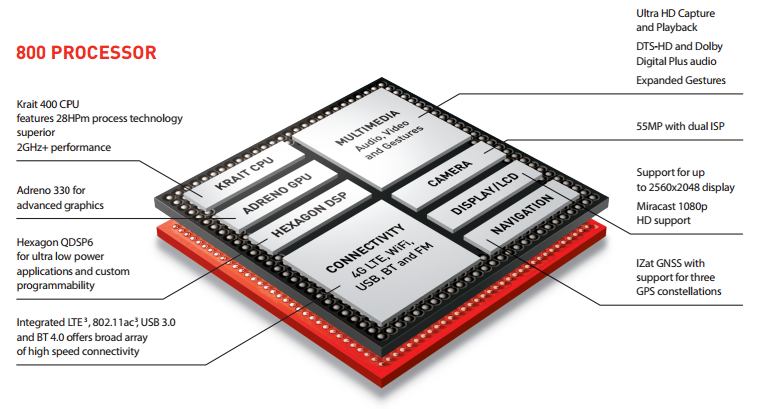
The Galaxy S4 has even less power, in addition, they only planned to release a version based on Qualcomm Snapdragon 800, but it didn’t reach the finished copies. The most interesting thing in the new product, of course, is not a processor with memory: LG promised a new screen, a new camera and improved software, and it was these issues that interested me in the first place. The battery with a decent 3000 mAh capacity is responsible for autonomy.

The internal memory is 32 GB, they answered me negatively on the versions with a large amount of internal memory. Ah, I almost forgot: the smartphone uses a new feature that came from the world of large PCs: dedicated memory for graphics, it works, however, a little differently. The Adreno 330 GPU can not only access the “common” RAM, but also has its own fast and energy-efficient “buffer”, which reduced power consumption when displaying “static” information — until the frame changes — the smartphone will not recount it, but will stupidly give it away from the video cache. LG tests showed that there is an increase in autonomy and it is noticeable. In practice, comparing the device with the feature turned on and without will not work, so it remains to take their word for it.
G2 has a matrix with a huge diagonal: 5 point and 2 tenths. But a couple of years ago everyone laughed at devices with 4.7-inch screens, they say, you can dig. The screen is good for two reasons: firstly, FullHD reigns supreme on these five penny inches. And secondly ... LG engineers managed to shove this gigantic screen into the case, which does NOT exceed the usual 4.7 - 5-inch devices with its case sizes. Magically. Rather, there is no magic here, the buttons under the screen and the buttons on the side faces of the smartphone were sacrificed, but with all these sacrifices, the smartphone only got better.
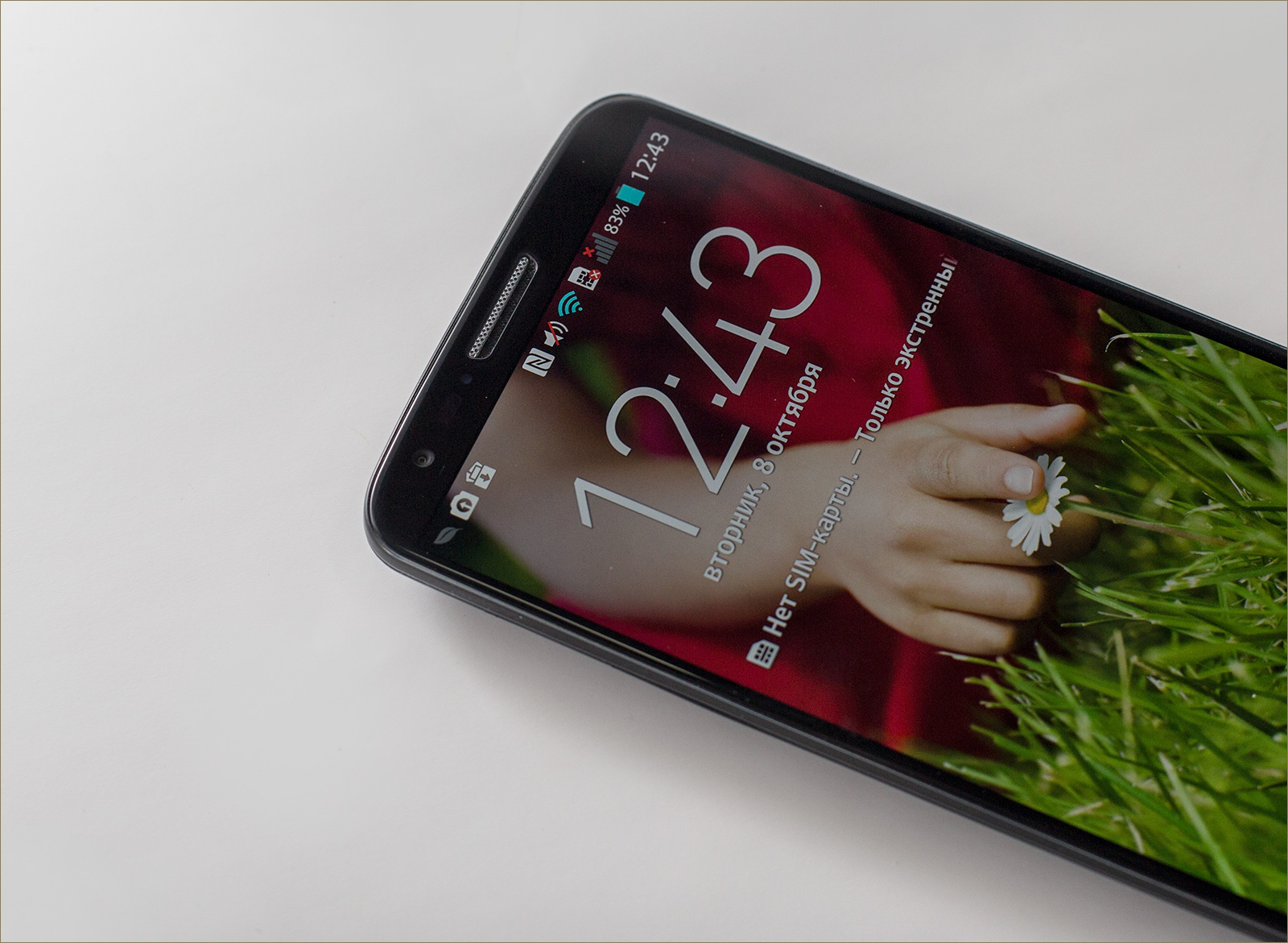
On-screen management has long been honed by Google at its flagships. We need buttons - here they are, we do not need them - we hide it. In this regard, LG went a little further, allowing you to choose the color and status of the bar, and slightly vary the controls located on it, but more on that later.
With the side edges of the smartphone, everything is a little more complicated. The control buttons are moved to the rear panel, and I would call this solution ingenious. Lock and volume control are now equally convenient and accessible to righties and lefties. You take a smartphone, and the index finger rests on the controls.
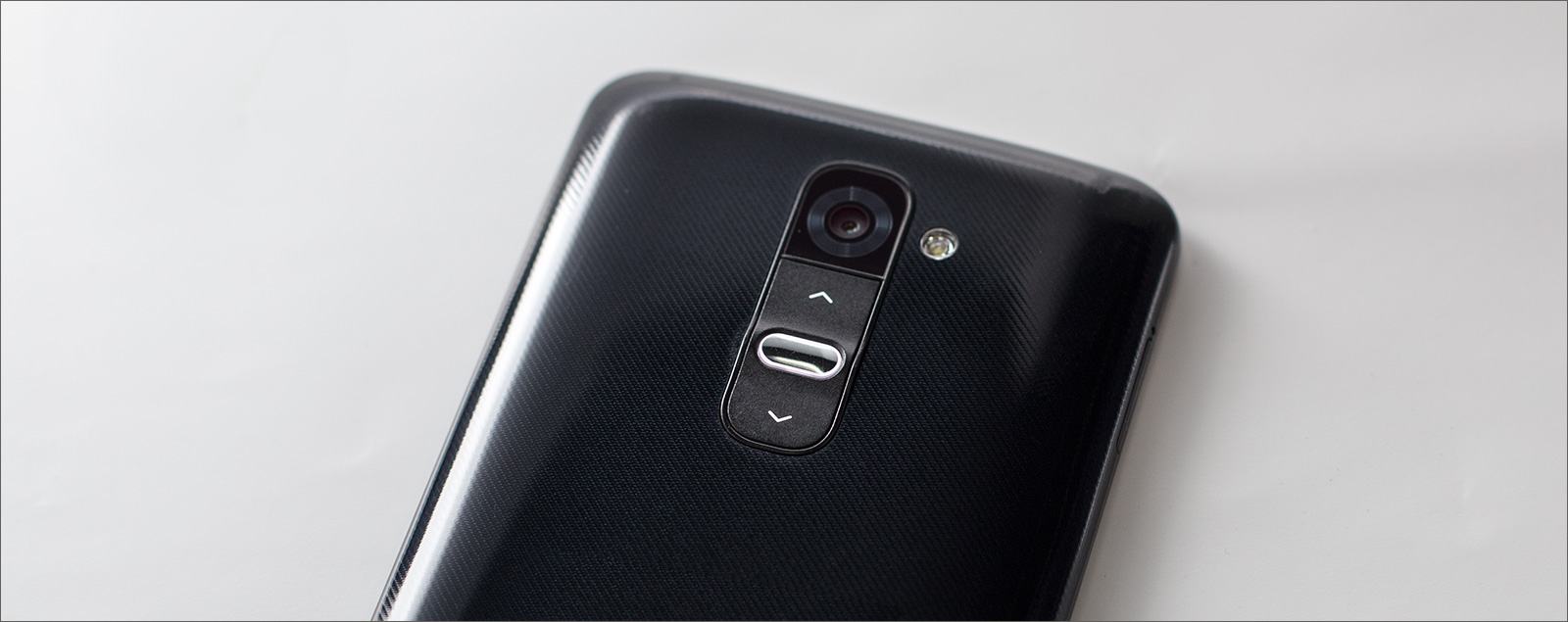
To drop the device with such a grip is very difficult, even if you take the phone out of your pocket on the go and try to unlock it at the same time. It is not necessary to intercept to change the volume, lock the screen or what other actions with the hardware keys. Okay, back to the screen.
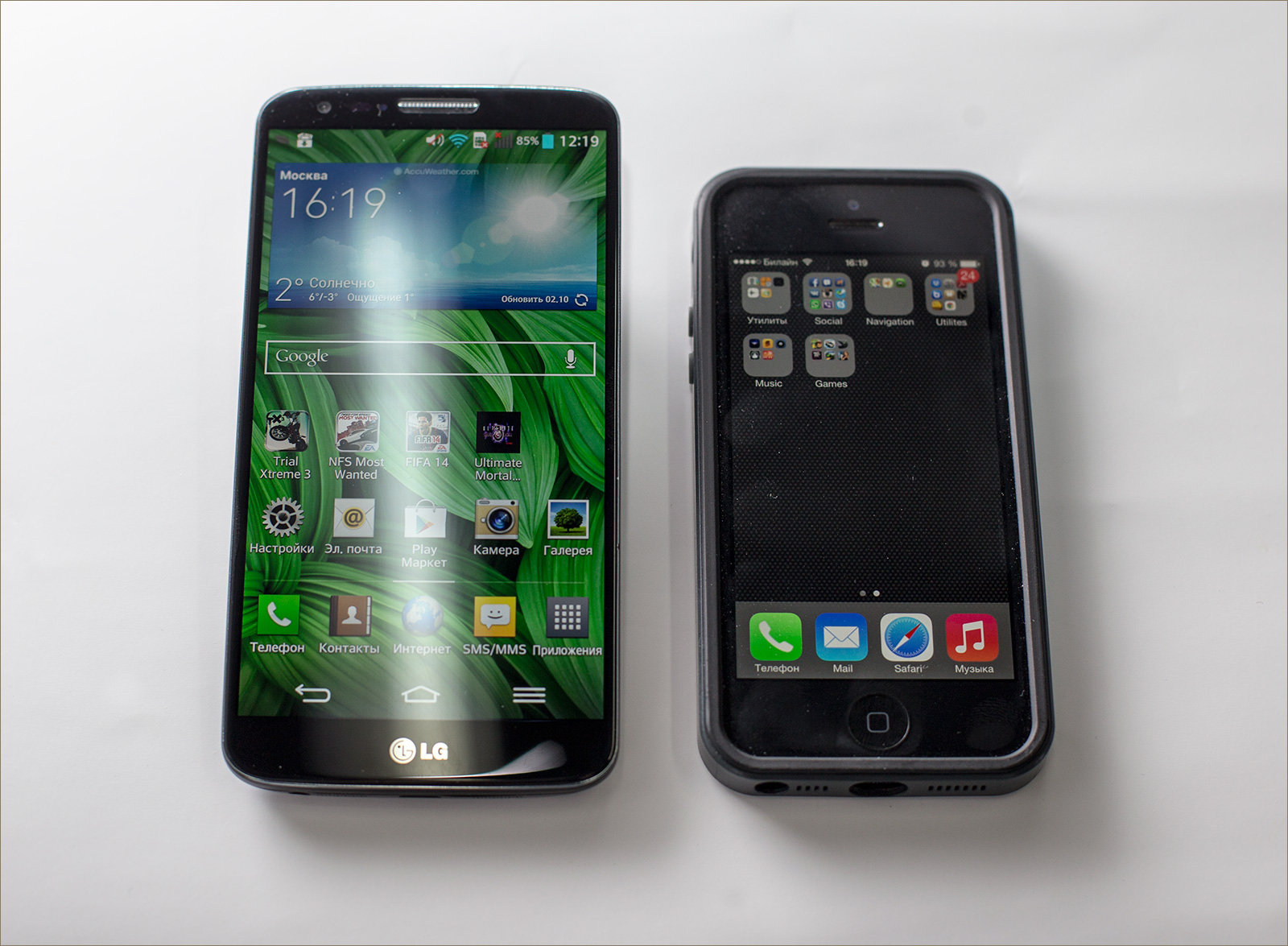
Display - FullHD, IPS matrix with appropriate viewing angles and color reproduction. Adobe RGB, of course, should not be expected, but there is no need for it, and almost full sRGB coverage is announced from the box. Image density - 424 PPI, you can forget about ladders or soap on the screen. Everything is crystal clear and clean.
With the camera, everything is ambiguous. In each new press release since the transition to Android 4.0, LG promised that they would fix the camera. Not that it’s “all right there,” but according to its photographic capabilities, the LG Optimus G is stuck at the level of the third galaxy as a maximum, despite the fact that the camera module in it is significantly newer. In G pro, a miracle did not happen, but there was at least some tendency to improve. And now ... G2, foreign releases, and ... what is seen is shocking. G2 shoots better than S4 (not in all cases, but the level of the photo-flagship of the main competitor for the minds of consumers has been reached and at least the parity in the photo capabilities of smartphones is observed).
I won’t bring a lot of my shots (it’s somehow not interesting to take a table in the LG office or a refrigerator in a showroom with good lighting), but I’ll gladly share what I’ve picked up on the Internet:

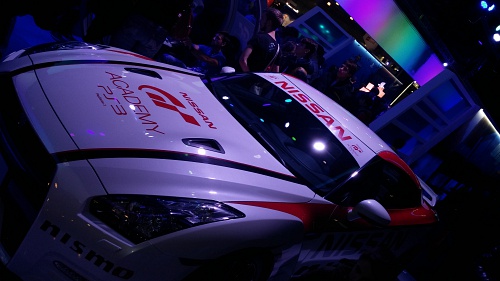
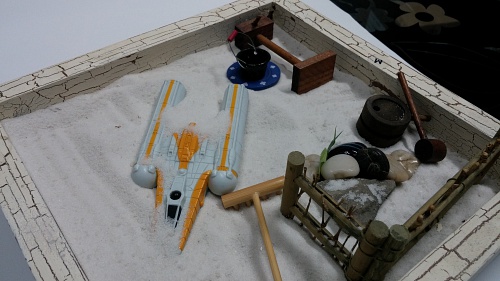

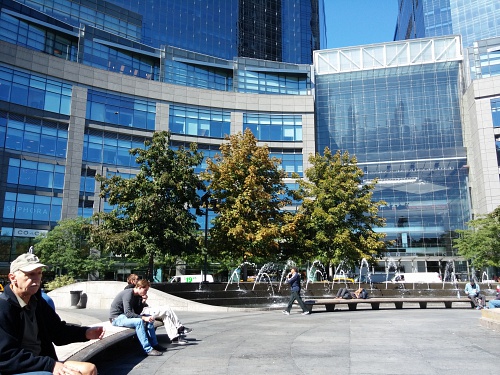

Yes, and I recently wrote a post about comparing cameras, you can evaluate photo capabilities in it .
As you can see, everything is worthy. And the merit in this is the corrected software. So there is a hope for improving the photo capabilities of the previous two devices with the G index (albeit a ghostly one).
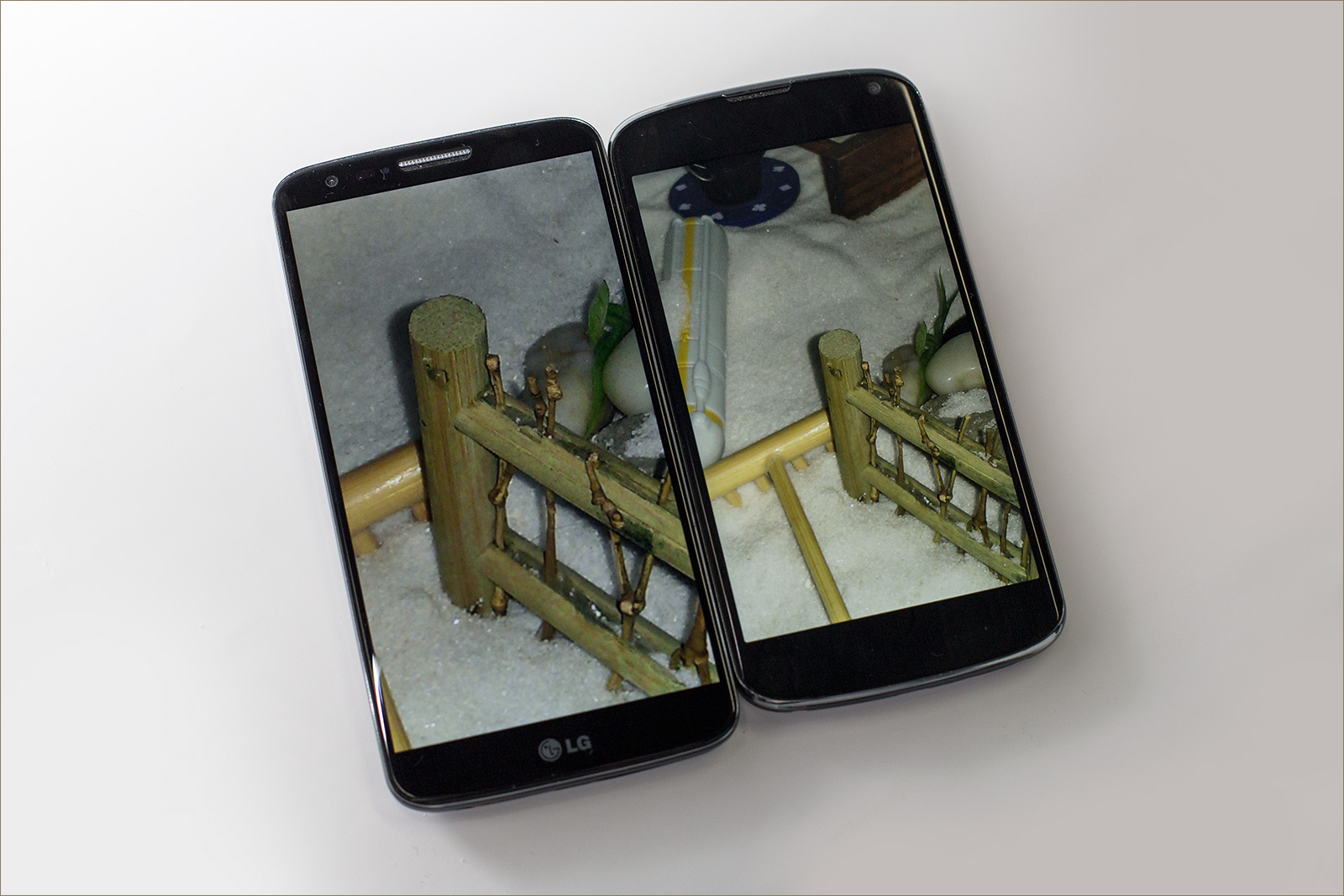
Firstly, the menu itself and the approach to customizing the user environment have changed. It has become really more convenient. There is no need to climb into the thirty-kilometer menu, everything you need is available literally in 2-3 tapas.
Secondly, autofocus is no longer a chthonic monster in lethargic hibernation, but a bold and active participant in the photo process. It works quickly, clings to what it should.
Thirdly, an optical stabilizer appeared in the camera. Of course, with such a focal length, he will not save from strong shaking, but he is able to improve photographic abilities in difficult conditions. In general, the presence of features is not its absence.
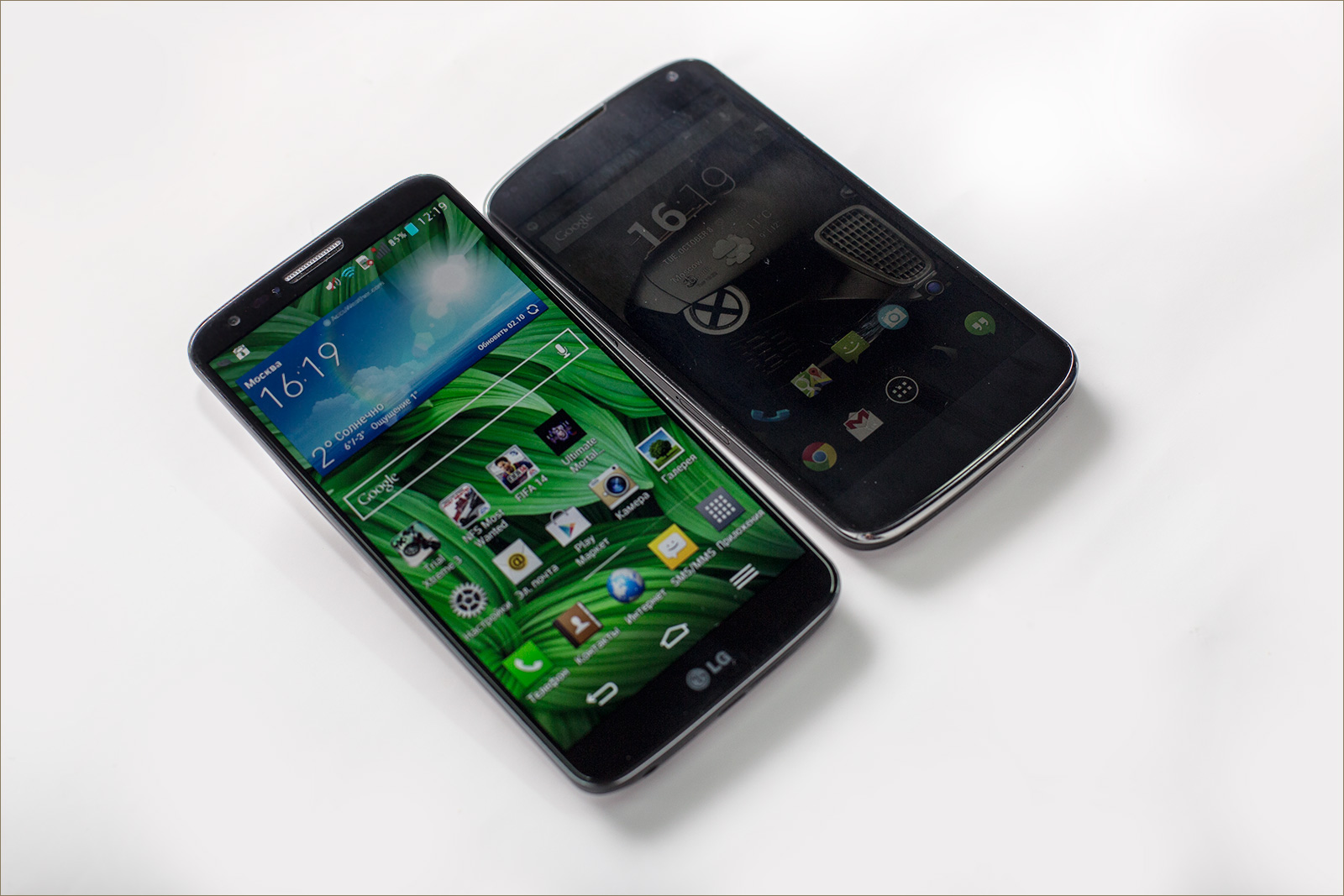
Someone will say that LG in vain changed its “glass” style (which was laid down in the Nexus 4 and continued in Optimus G), and the G2 is generally similar to the Galaxy S4. In some ways, I agree, in some - no. Glass Optimus G weighs a lot, the thickness of the glass is clearly more than plastic, and yet these fractions of a millimeter could go to the battery, the filling of the smartphone, and plastic is not so afraid of falls. In addition, no matter how cool the gorilla glass is, it still scratches with a bang, my Nexus has already got shameful scratches, and I don’t know how and when I put them. He didn’t fall too much (and certainly didn’t fall on the street), didn’t lie in the sand and in general he was either in his pocket or in his hands, or on a table on a special rubberized napkin (so as not to leave).
There are only two colors available so far - brilliant white (glossy varnish on the case) and “carbon” black (no less glossy).
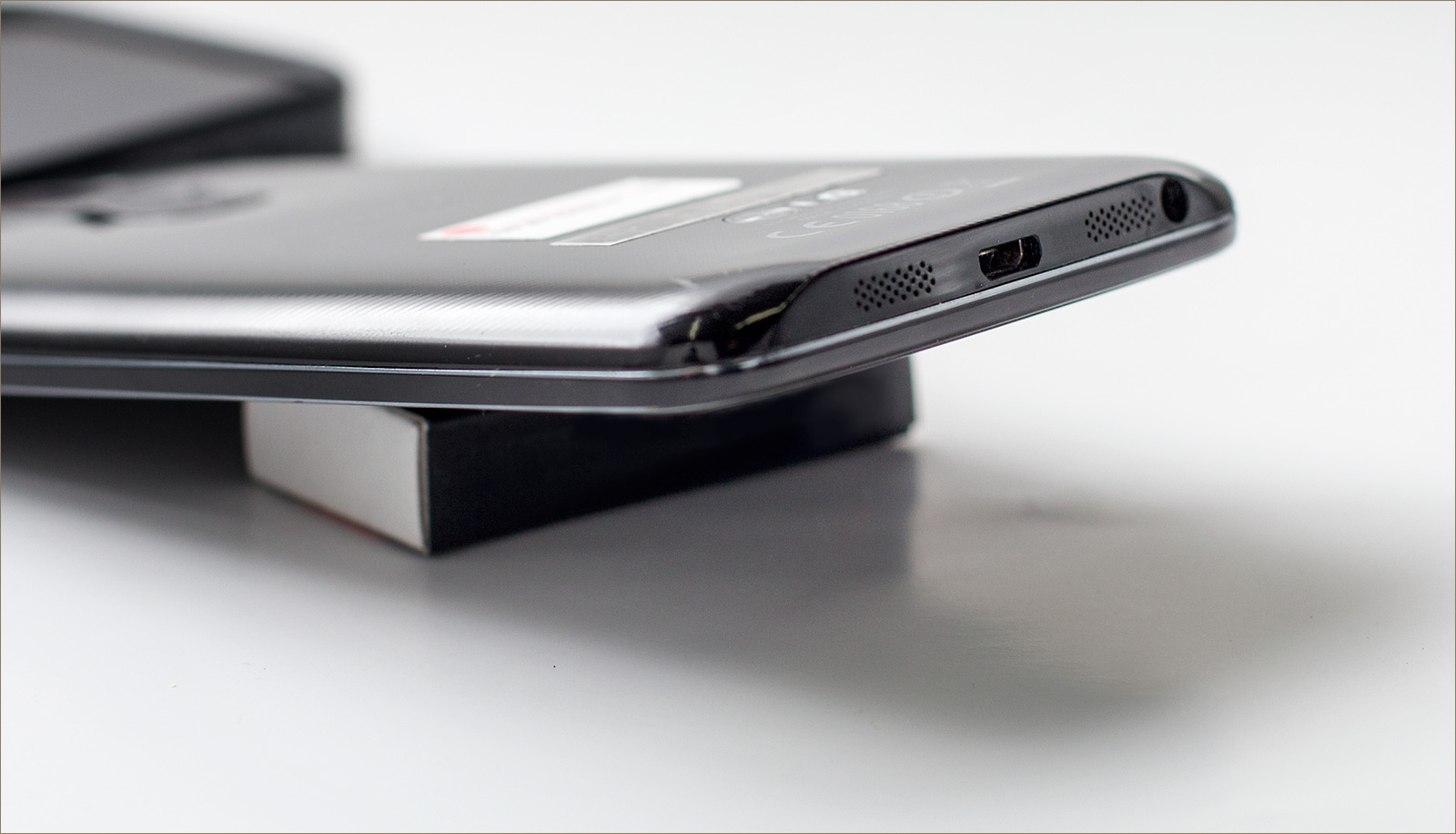
To be honest, I would prefer the cover material in the style of the old and good Galaxy S2 - small corrugation, which does not show fingerprints or micro-scratches, and the material is much more pleasant to the touch than slippery plastic.
Overhead book covers (which slightly thicken the device, but give it a couple of interesting features) can protect the original coating, but the covers and other means of protecting the appearance for me are akin to cellophane on TV remotes.
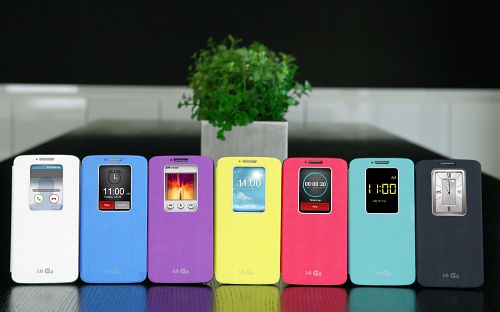
Actually, here we are talking about a book-case. There are many colors to choose from, the front panel contains a “window” and a magnetic sensor. With such a cover, you won’t have to use the lock button at all. It looks very nice, in closed mode you can select the type of information displayed in the “window”, moreover, without removing the smartphone from the lock and without opening the cover. With a simple swipe left / right and / or up / down you select what you need - a clock, weather or a timer. I think in the future the number of supported utilities for the “window” will only increase.
In addition to the unfortunate camera software that was finally made happy, the Koreans also improved the Optimus UI shell.
As I said earlier, now there is support for On-Screen controls, and the panel itself can be configured both by the elements displayed on it, there and by color design.
In addition, improvements affected the overall performance. I have previously considered the LG shell to be one of the best in terms of cost-saving resources and “unobtrusiveness”, almost all of its components and ext. applications were simply cut out from the application manager, and the built-in programs for working with files, documents and notes were very, very good. In general, now the native software tupit less (although before it was not a brake). that can not but rejoice. It remains to hire a good designer to redraw the icons and pictograms, and a couple of translators to translate everything correctly into Russian. And everything will be in chocolate.
LG again was in no hurry to overtake everyone and everything with the release of the flagship, and the result makes me happy. It turned out to be a well-balanced device with a good set of characteristics and a very nice camera, convenient (!) Design, and LG software, as I already said, did not cause any rejection from the time the entire line was switched to the unified Optimus UI.
I hope and wait for the backport of improvements in the camera and performance to the rest of the smartphones in the line, the benefit of constant kicks from the community has led the mobile unit to replace the people responsible for this business. Updates promise to release faster and support smartphones longer.
general information
The internals of the smartphone are the most modern: a processor based on the 800th kvalkomma, the Adreno 330 video core, all relevant wireless interfaces, in general - as in the best houses.
The Galaxy S4 has even less power, in addition, they only planned to release a version based on Qualcomm Snapdragon 800, but it didn’t reach the finished copies. The most interesting thing in the new product, of course, is not a processor with memory: LG promised a new screen, a new camera and improved software, and it was these issues that interested me in the first place. The battery with a decent 3000 mAh capacity is responsible for autonomy.
The internal memory is 32 GB, they answered me negatively on the versions with a large amount of internal memory. Ah, I almost forgot: the smartphone uses a new feature that came from the world of large PCs: dedicated memory for graphics, it works, however, a little differently. The Adreno 330 GPU can not only access the “common” RAM, but also has its own fast and energy-efficient “buffer”, which reduced power consumption when displaying “static” information — until the frame changes — the smartphone will not recount it, but will stupidly give it away from the video cache. LG tests showed that there is an increase in autonomy and it is noticeable. In practice, comparing the device with the feature turned on and without will not work, so it remains to take their word for it.
Screen and controls
G2 has a matrix with a huge diagonal: 5 point and 2 tenths. But a couple of years ago everyone laughed at devices with 4.7-inch screens, they say, you can dig. The screen is good for two reasons: firstly, FullHD reigns supreme on these five penny inches. And secondly ... LG engineers managed to shove this gigantic screen into the case, which does NOT exceed the usual 4.7 - 5-inch devices with its case sizes. Magically. Rather, there is no magic here, the buttons under the screen and the buttons on the side faces of the smartphone were sacrificed, but with all these sacrifices, the smartphone only got better.
On-screen management has long been honed by Google at its flagships. We need buttons - here they are, we do not need them - we hide it. In this regard, LG went a little further, allowing you to choose the color and status of the bar, and slightly vary the controls located on it, but more on that later.
With the side edges of the smartphone, everything is a little more complicated. The control buttons are moved to the rear panel, and I would call this solution ingenious. Lock and volume control are now equally convenient and accessible to righties and lefties. You take a smartphone, and the index finger rests on the controls.
To drop the device with such a grip is very difficult, even if you take the phone out of your pocket on the go and try to unlock it at the same time. It is not necessary to intercept to change the volume, lock the screen or what other actions with the hardware keys. Okay, back to the screen.
Display - FullHD, IPS matrix with appropriate viewing angles and color reproduction. Adobe RGB, of course, should not be expected, but there is no need for it, and almost full sRGB coverage is announced from the box. Image density - 424 PPI, you can forget about ladders or soap on the screen. Everything is crystal clear and clean.
Camera
With the camera, everything is ambiguous. In each new press release since the transition to Android 4.0, LG promised that they would fix the camera. Not that it’s “all right there,” but according to its photographic capabilities, the LG Optimus G is stuck at the level of the third galaxy as a maximum, despite the fact that the camera module in it is significantly newer. In G pro, a miracle did not happen, but there was at least some tendency to improve. And now ... G2, foreign releases, and ... what is seen is shocking. G2 shoots better than S4 (not in all cases, but the level of the photo-flagship of the main competitor for the minds of consumers has been reached and at least the parity in the photo capabilities of smartphones is observed).
I won’t bring a lot of my shots (it’s somehow not interesting to take a table in the LG office or a refrigerator in a showroom with good lighting), but I’ll gladly share what I’ve picked up on the Internet:
Yes, and I recently wrote a post about comparing cameras, you can evaluate photo capabilities in it .
As you can see, everything is worthy. And the merit in this is the corrected software. So there is a hope for improving the photo capabilities of the previous two devices with the G index (albeit a ghostly one).
Firstly, the menu itself and the approach to customizing the user environment have changed. It has become really more convenient. There is no need to climb into the thirty-kilometer menu, everything you need is available literally in 2-3 tapas.
Secondly, autofocus is no longer a chthonic monster in lethargic hibernation, but a bold and active participant in the photo process. It works quickly, clings to what it should.
Thirdly, an optical stabilizer appeared in the camera. Of course, with such a focal length, he will not save from strong shaking, but he is able to improve photographic abilities in difficult conditions. In general, the presence of features is not its absence.
Design and usability
Someone will say that LG in vain changed its “glass” style (which was laid down in the Nexus 4 and continued in Optimus G), and the G2 is generally similar to the Galaxy S4. In some ways, I agree, in some - no. Glass Optimus G weighs a lot, the thickness of the glass is clearly more than plastic, and yet these fractions of a millimeter could go to the battery, the filling of the smartphone, and plastic is not so afraid of falls. In addition, no matter how cool the gorilla glass is, it still scratches with a bang, my Nexus has already got shameful scratches, and I don’t know how and when I put them. He didn’t fall too much (and certainly didn’t fall on the street), didn’t lie in the sand and in general he was either in his pocket or in his hands, or on a table on a special rubberized napkin (so as not to leave).
There are only two colors available so far - brilliant white (glossy varnish on the case) and “carbon” black (no less glossy).
To be honest, I would prefer the cover material in the style of the old and good Galaxy S2 - small corrugation, which does not show fingerprints or micro-scratches, and the material is much more pleasant to the touch than slippery plastic.
Overhead book covers (which slightly thicken the device, but give it a couple of interesting features) can protect the original coating, but the covers and other means of protecting the appearance for me are akin to cellophane on TV remotes.
Accessories
Actually, here we are talking about a book-case. There are many colors to choose from, the front panel contains a “window” and a magnetic sensor. With such a cover, you won’t have to use the lock button at all. It looks very nice, in closed mode you can select the type of information displayed in the “window”, moreover, without removing the smartphone from the lock and without opening the cover. With a simple swipe left / right and / or up / down you select what you need - a clock, weather or a timer. I think in the future the number of supported utilities for the “window” will only increase.
Software
In addition to the unfortunate camera software that was finally made happy, the Koreans also improved the Optimus UI shell.
As I said earlier, now there is support for On-Screen controls, and the panel itself can be configured both by the elements displayed on it, there and by color design.
In addition, improvements affected the overall performance. I have previously considered the LG shell to be one of the best in terms of cost-saving resources and “unobtrusiveness”, almost all of its components and ext. applications were simply cut out from the application manager, and the built-in programs for working with files, documents and notes were very, very good. In general, now the native software tupit less (although before it was not a brake). that can not but rejoice. It remains to hire a good designer to redraw the icons and pictograms, and a couple of translators to translate everything correctly into Russian. And everything will be in chocolate.
Summary
LG again was in no hurry to overtake everyone and everything with the release of the flagship, and the result makes me happy. It turned out to be a well-balanced device with a good set of characteristics and a very nice camera, convenient (!) Design, and LG software, as I already said, did not cause any rejection from the time the entire line was switched to the unified Optimus UI.
I hope and wait for the backport of improvements in the camera and performance to the rest of the smartphones in the line, the benefit of constant kicks from the community has led the mobile unit to replace the people responsible for this business. Updates promise to release faster and support smartphones longer.