Non-power line
The Industrial Museum in Bad Kösen, Germany, is a small 18th century factory for pumping mineralized water from the depths for the subsequent extraction of salt from it. Energy is produced by a water wheel on the river, salt water is pumped out of the pump and supplied to the cooling tower.
The most beautiful here is the operating device for the transfer of mechanical energy from the water wheel to the pump. The reciprocating movements of the wooden rods on the swinging supports transmit the generated power to a distance of 175 meters:
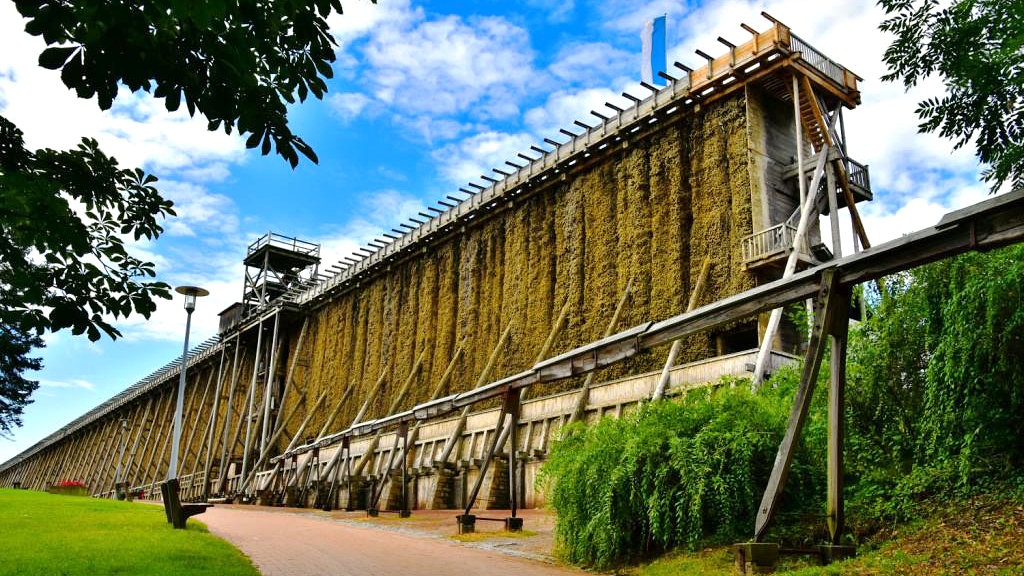
In the background, a cooling tower, on the front, swinging supports of the wooden power transmission line.
In the video support swinging from 1:10
The mechanical energy transmission lines of Stangenkunst (in German) or Flatrod (in English) have their history since the 16th century.
They were used primarily for pumping water from mines, as well as for lifting and grinding ore, lifting and lowering people, and ventilation.
Stangenkunst'y could change direction (go around an obstacle or go first up the slope, and then down), and in particularly extreme cases reached a length of 4 kilometers.
Germany, 1765:
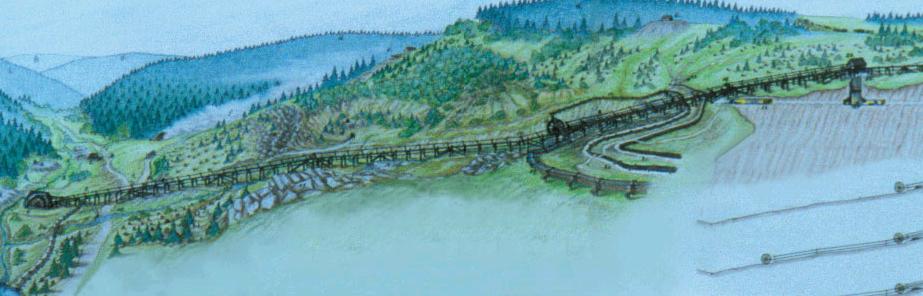
Part of a system of 140 dams, 600 kilometers of canals, and 200 water wheels for servicing mines in the Harz Mountains, Germany. In the lower right corner is our Stangenkunst: (very clickable) Advanced 19th century Flatrod of one of the largest water wheels on the British Isle of Man:

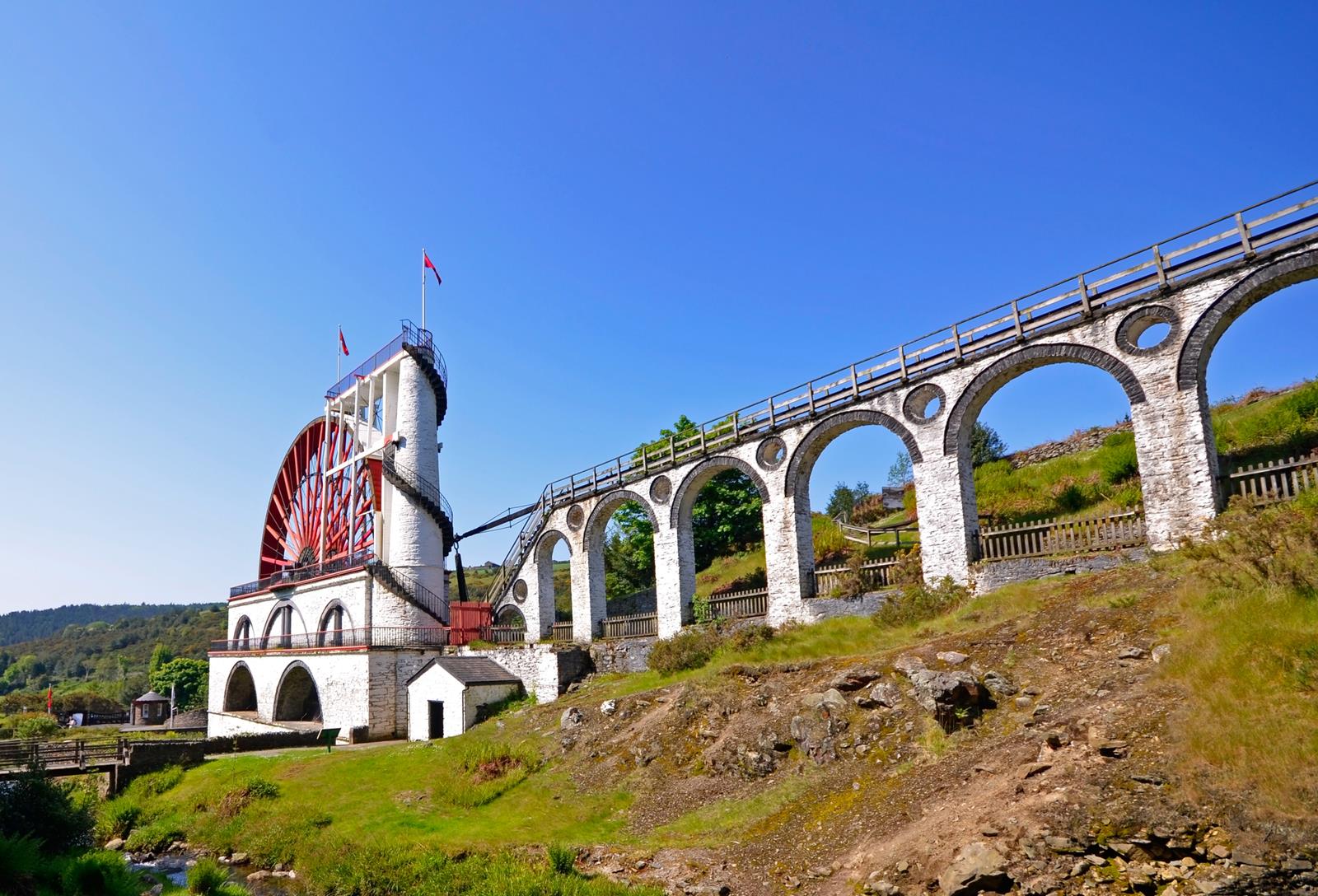
Here the rods are fixed on rollers, which roll on rails and transmit power of about 150 hp. 200 meters away.
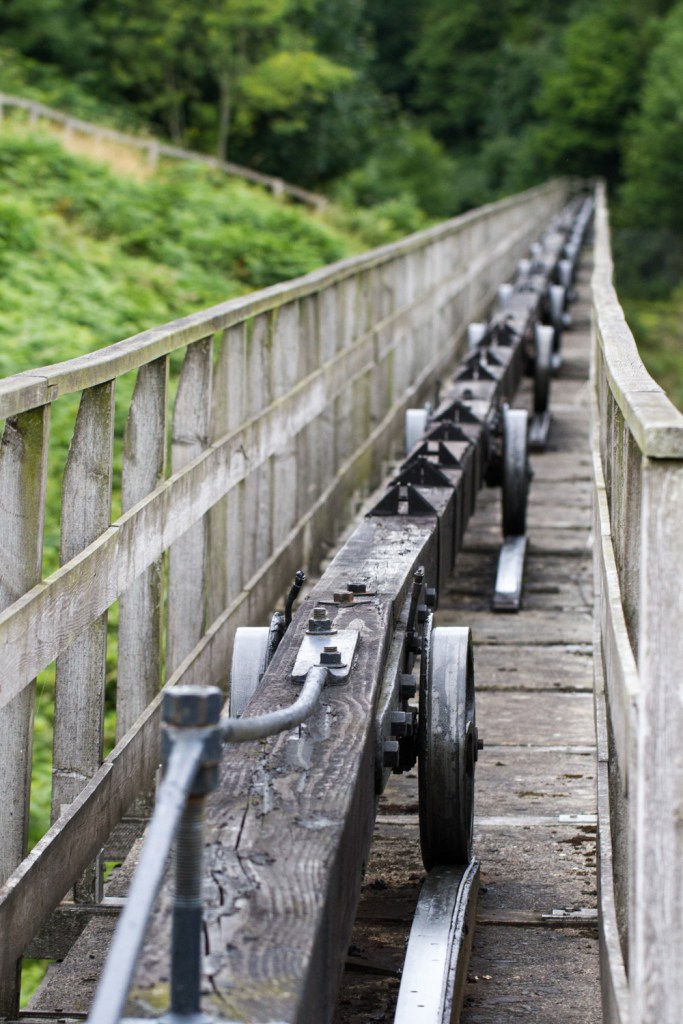
Special devices made it possible to parallelize the operation of one engine on, for example, several pumps.
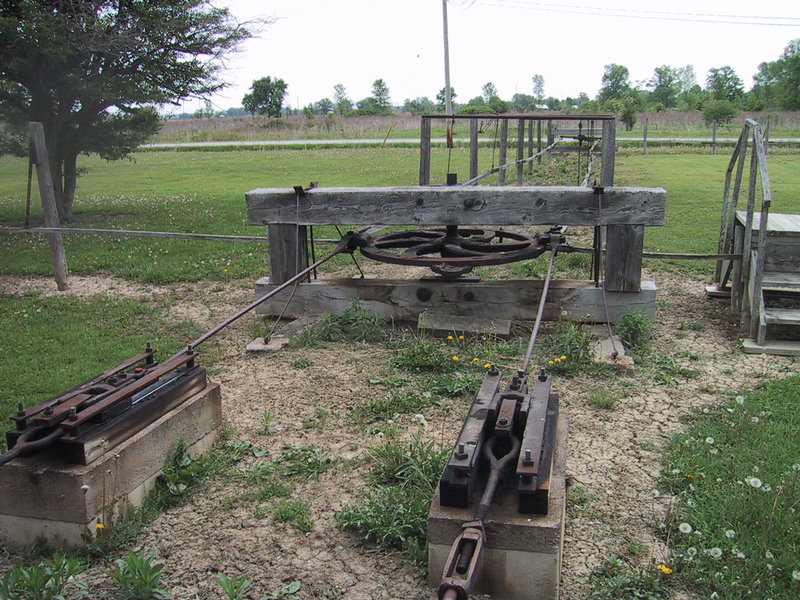
This is in Canada (to all
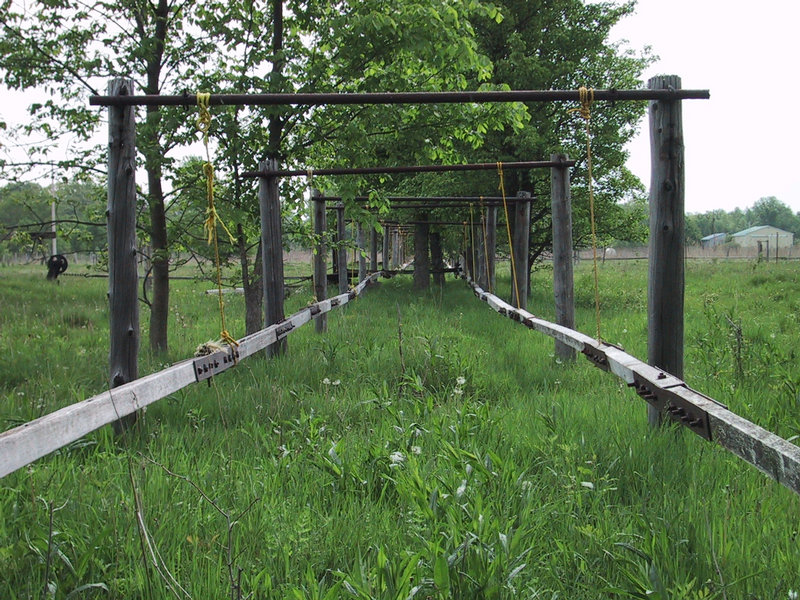
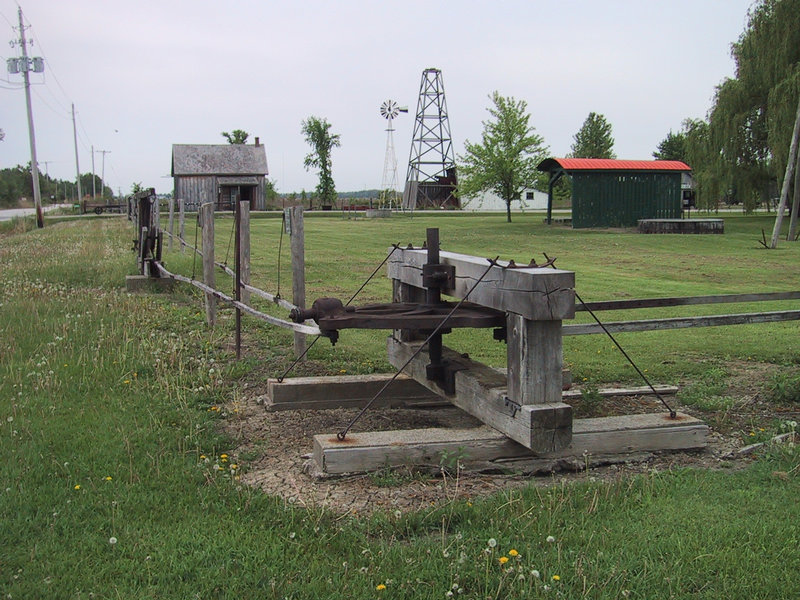
appearances , the system is working and is used for its intended purpose): The development of the theme is the American system Jerker line, which was widely used in the oil fields. Here everything is on the ropes:
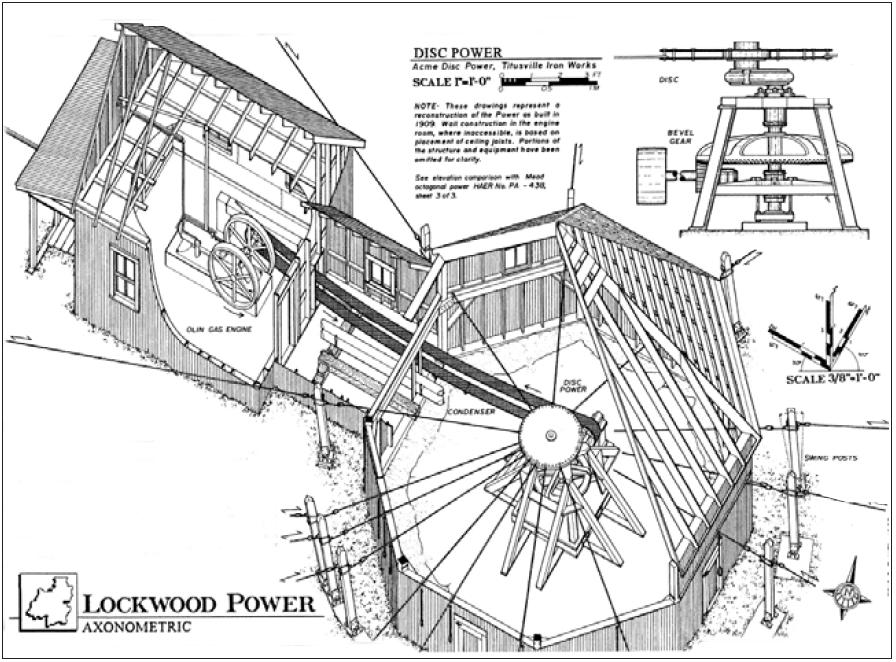
She is in action:
In the second half of the XX century described mechanisms have almost disappeared from widespread use, but some places are preserved in the museum, and even in the practical application
for those wishing to immerse themselves in the subject further:
Museum Site (. It)
Wikipedia (. English)
Just a great site about the ancient technique ( English)
The most beautiful here is the operating device for the transfer of mechanical energy from the water wheel to the pump. The reciprocating movements of the wooden rods on the swinging supports transmit the generated power to a distance of 175 meters:
In the background, a cooling tower, on the front, swinging supports of the wooden power transmission line.
In the video support swinging from 1:10
The mechanical energy transmission lines of Stangenkunst (in German) or Flatrod (in English) have their history since the 16th century.
They were used primarily for pumping water from mines, as well as for lifting and grinding ore, lifting and lowering people, and ventilation.
Stangenkunst'y could change direction (go around an obstacle or go first up the slope, and then down), and in particularly extreme cases reached a length of 4 kilometers.
Germany, 1765:
Part of a system of 140 dams, 600 kilometers of canals, and 200 water wheels for servicing mines in the Harz Mountains, Germany. In the lower right corner is our Stangenkunst: (very clickable) Advanced 19th century Flatrod of one of the largest water wheels on the British Isle of Man:

Here the rods are fixed on rollers, which roll on rails and transmit power of about 150 hp. 200 meters away.
Special devices made it possible to parallelize the operation of one engine on, for example, several pumps.
This is in Canada (to all
appearances , the system is working and is used for its intended purpose): The development of the theme is the American system Jerker line, which was widely used in the oil fields. Here everything is on the ropes:
She is in action:
In the second half of the XX century described mechanisms have almost disappeared from widespread use, but some places are preserved in the museum, and even in the practical application
for those wishing to immerse themselves in the subject further:
Museum Site (. It)
Wikipedia (. English)
Just a great site about the ancient technique ( English)