Posture Corrector Lumo Lift - what's new?
Invariably materials about posture and spine are quite popular. It is understandable: no matter how they criticize the correctors, it is fundamentally clear that a flat back is better than a stooped back.
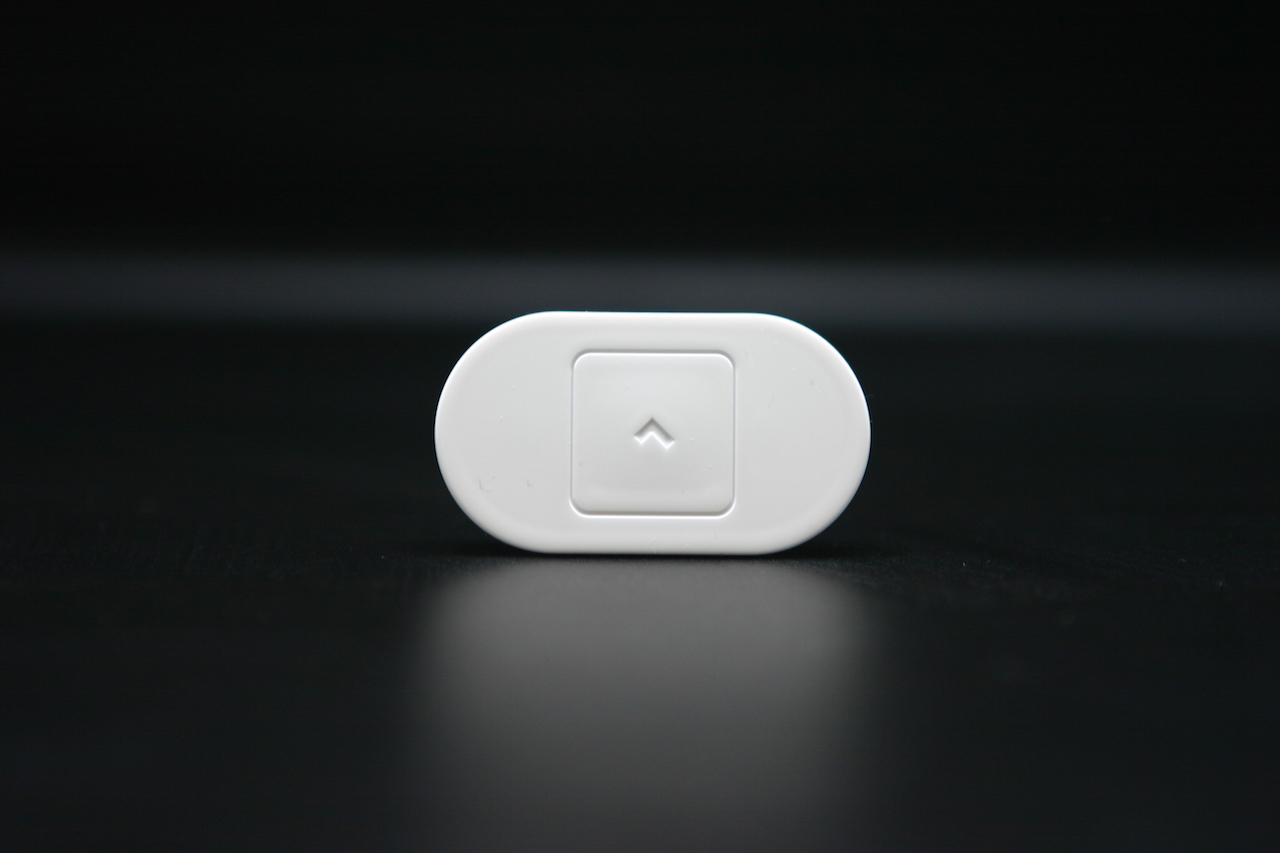
To date, there are not so many successful "draw" projects on this topic, and Lumo Lift is one of them. By 2017, it has changed several times outside and inside, and we invite you to take a look at what it is now.
Is the corrector useful or not?
Everyone answers this question for himself. The fact is that the correctors help maintain the position of the back in the desired form. These gadgets do not claim to have orthopedic abilities, or more simply, they do not know how to properly.
They help to look better, smoother, which is more beneficial to the base than sitting with hunched shoulders. This helps not only our posture, but also the respiratory system, reduces stress and improves the overall condition. There is no deception: the correctors offer help and support so that you can develop the habit of keeping your back level with time.
Lumo Lift is one of the first and most famous international projects that we have been carrying for several years now, and the gadget has changed several times over the years.
Appearance
The directly recognizable shape of the device — the white oval — is the same, but the box has changed several times. The long journey from fragile and inconvenient, but conceptual (oval) packaging to simple and miniature cardboard was overcome in two years.
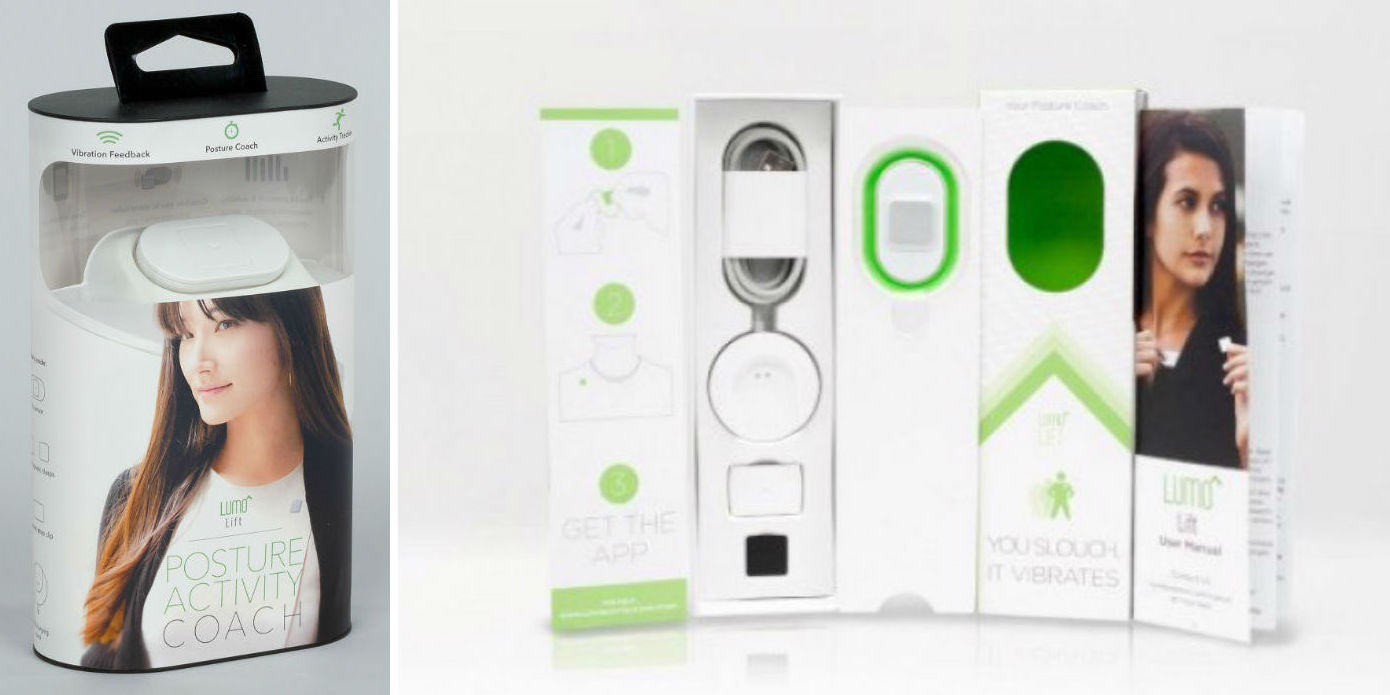
The first two packages
However, the basic idea remains today:
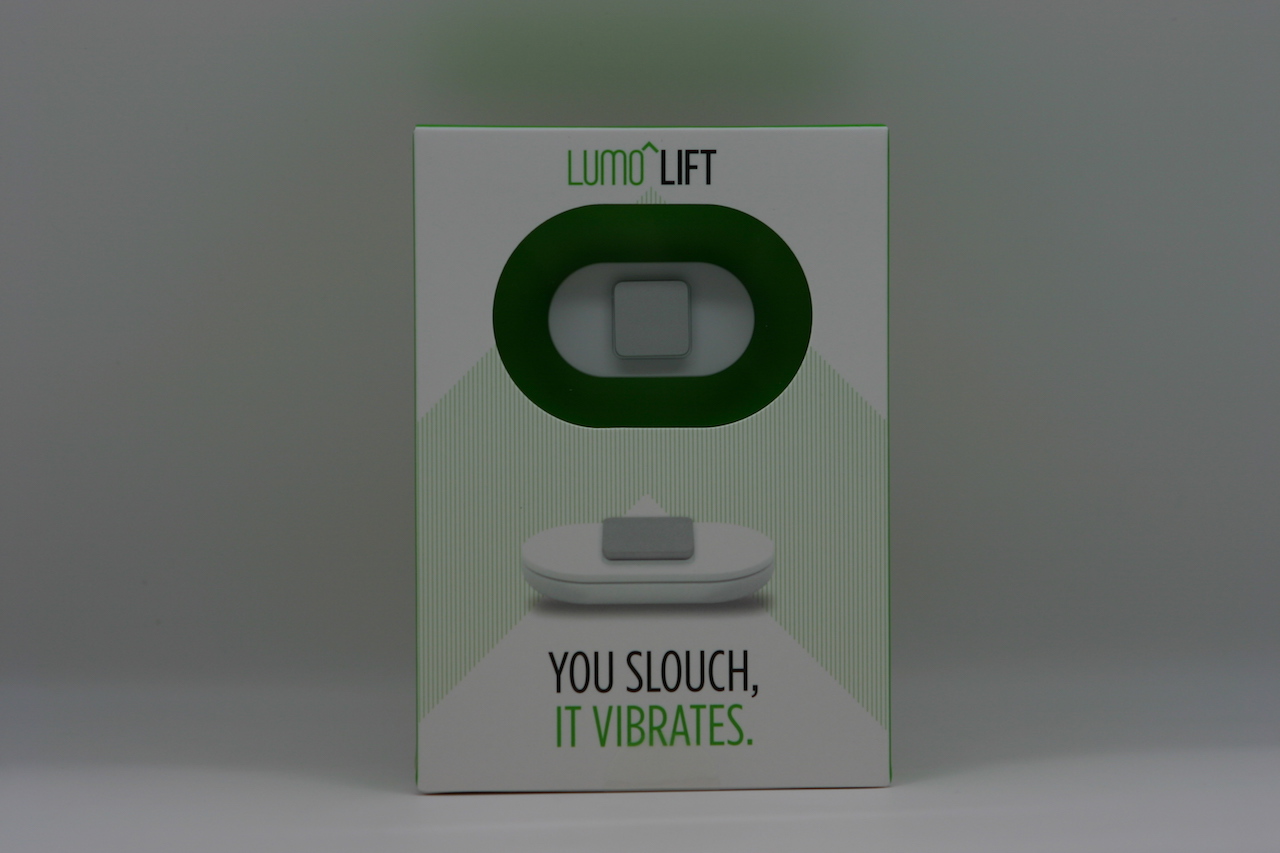
Modern packaging The
product is represented by the “face”, with maximum emphasis on the sensor itself. Each of the boxes had this feature.
Completion
For several years of sales, not only on our website, but also with the help of partners, we personally received only three calls related to this third clip:
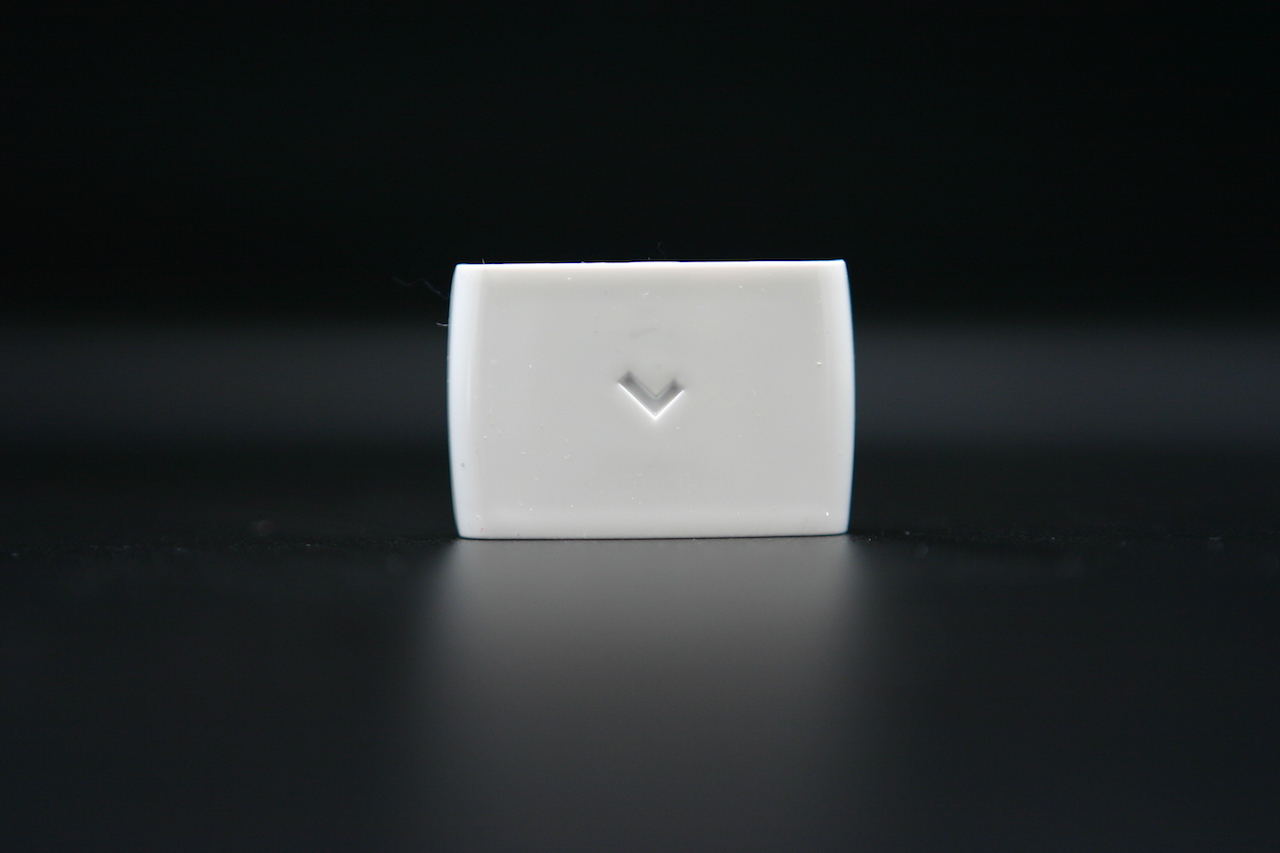
Someone she broke, someone lost, and people wanted to fill the kit. This clip gave another opportunity to fix the sensor on the body - on the straps of lingerie or a thin T-shirt or top.
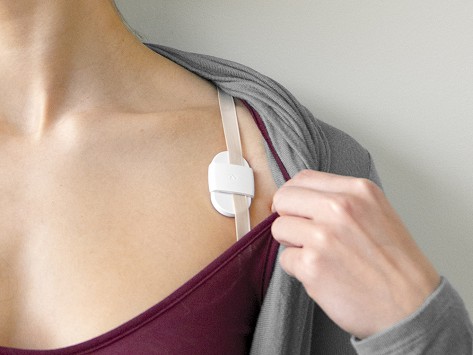
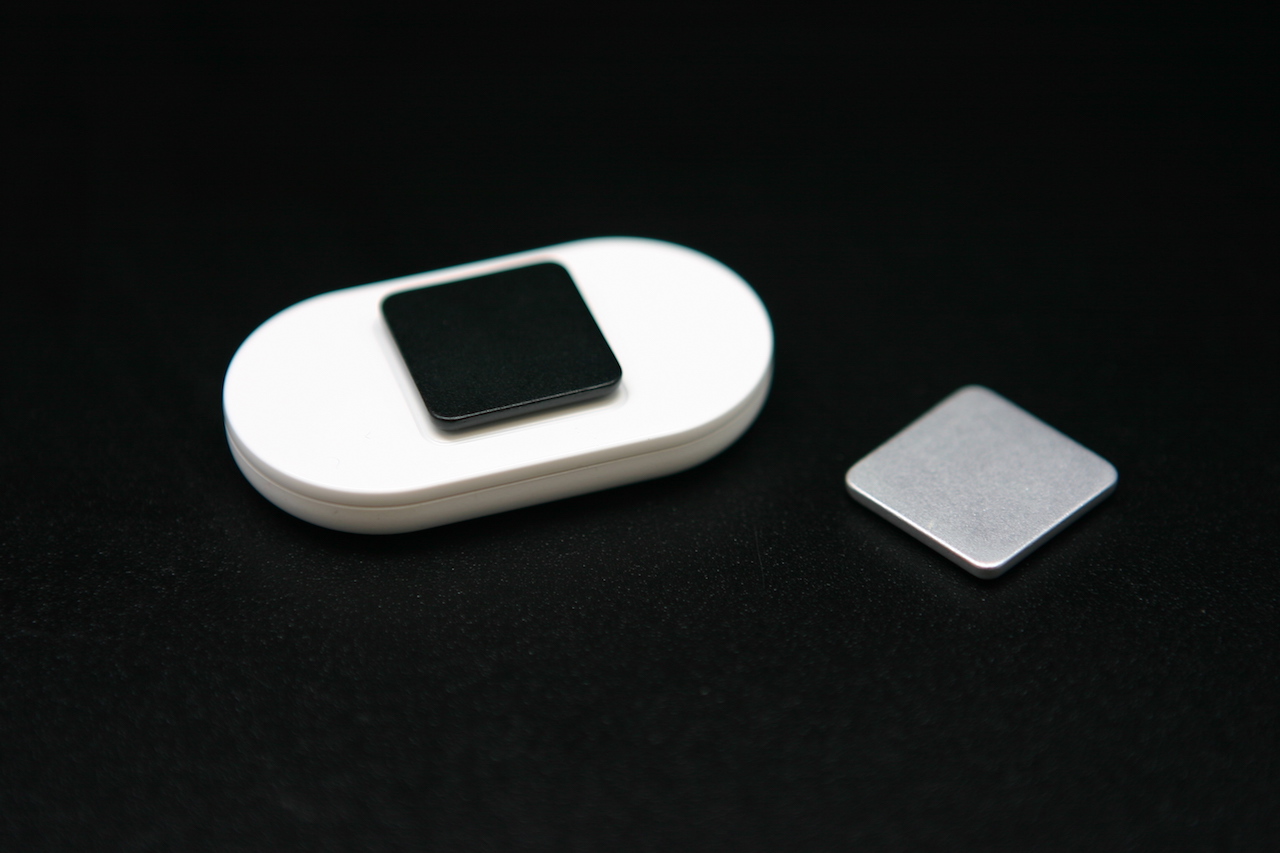
The current version of the gadget of this accessory has been imperceptibly lost, and now only the docking station, two magnets and the Lumo Lift sensor are bundled.
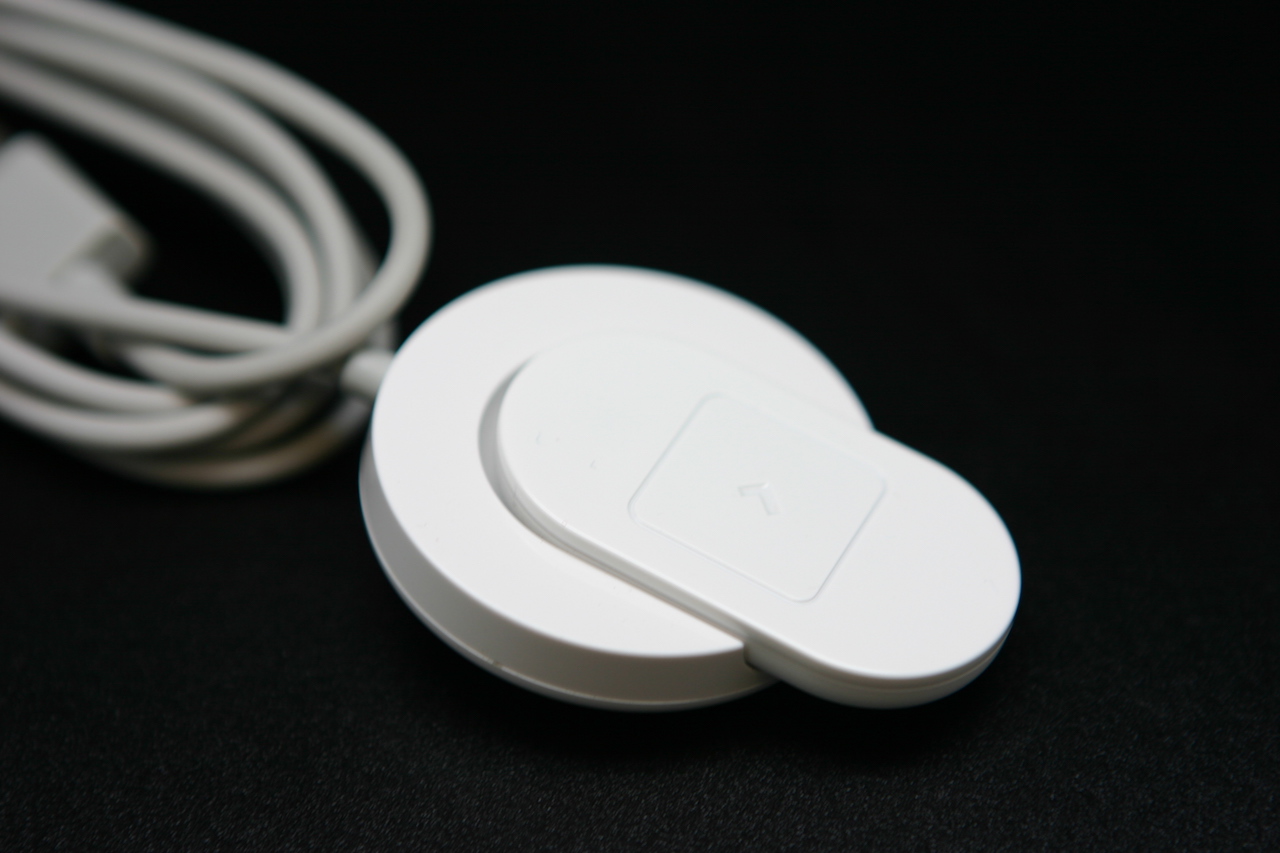
The gadget has a built-in battery and its charging station: it charges in a couple of hours, and autonomy lasts up to 5-6 days of use, depending on the frequency of the “alarm” signal.
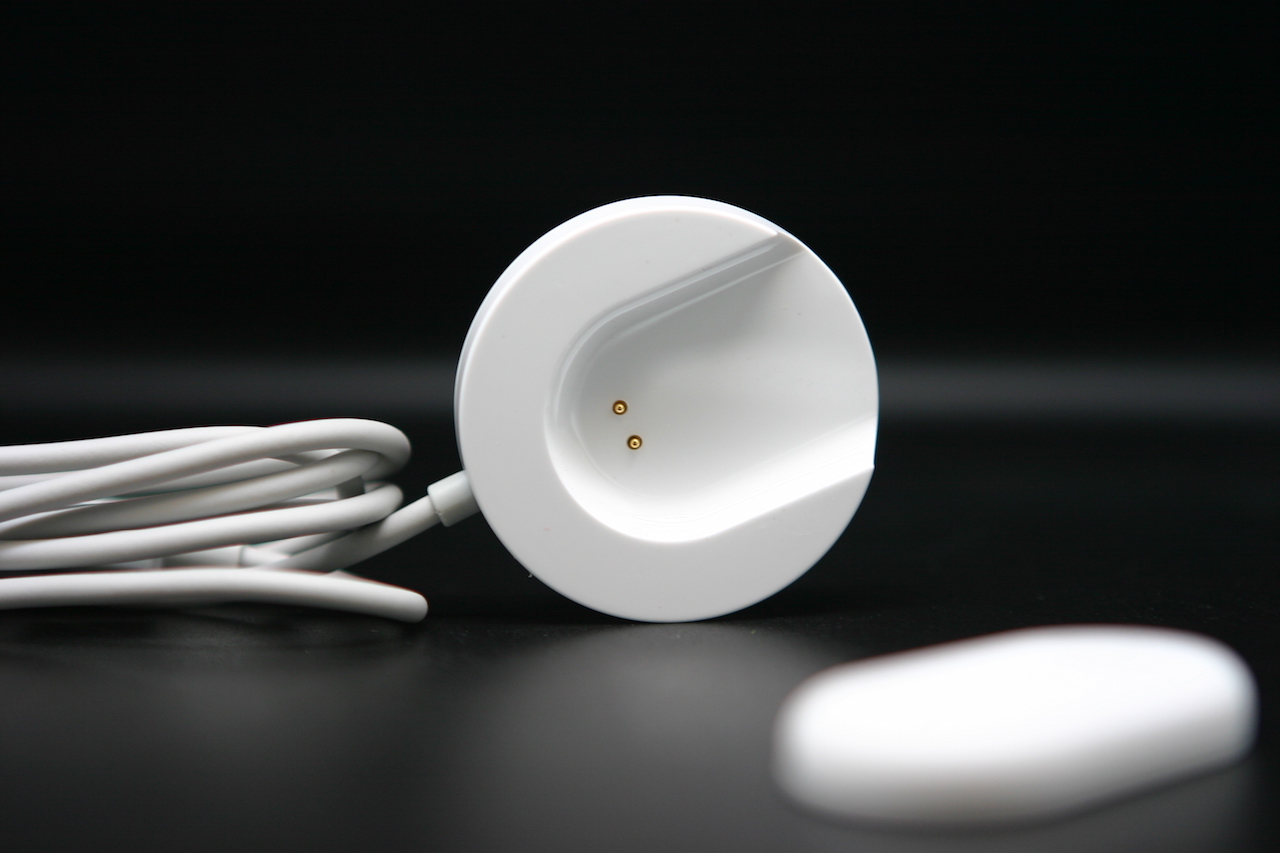
Dimensions of all elements and their design remained the same: the docking station is still a circle with a notch under the sensor:
The sensor itself is still a small oval, as if consisting of two parts: the upper part is also the button, pressing which fixes the desired pose.
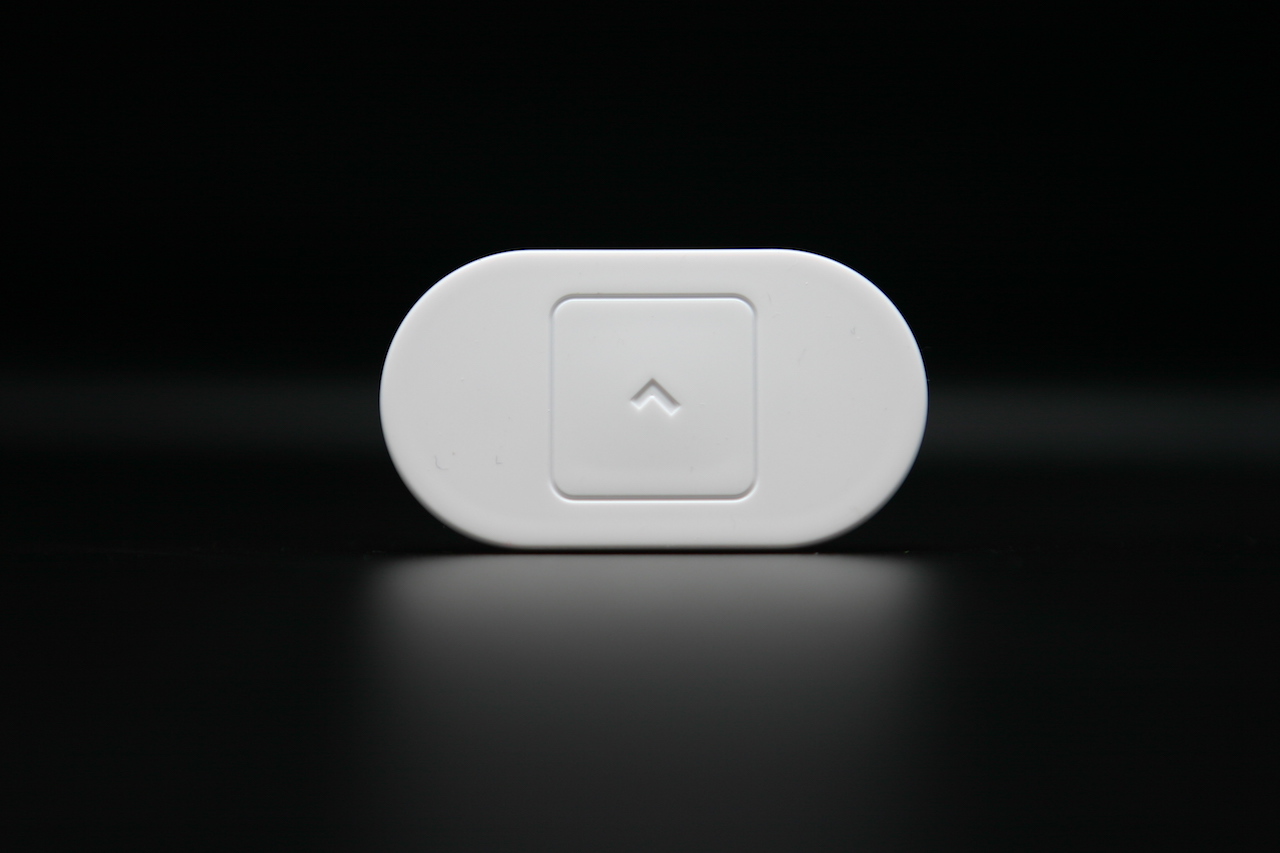
The central part is a place for a magnet, which tightly fixes the device on clothes.
The
updated software application has become simpler and clearer, although it has lost several individual features. The screen is no longer divided into two parts. More precisely, more correctly, the accents are now differently placed, and the central place is given to the statistics of the even position of the back.

New | Old
On the same screen, in the lower left corner there are activity statistics, and in the right - calories, because Lumo Lift still remained a pedometer, but now it has the main emphasis - posture corrector, and so it is first of all and sold.
He stayed with a pedometer so as not to remain inactive while walking, since the sensor does not have time to estimate the pose even in a two-second interval, and in order not to hang “dead weight”, the activity statistics by steps is saved.
The application has become much simpler and more convenient: for example, if earlier it was possible to configure the inactivity interval, now it is not. Now the active / inactive button is instantly accessible from the main menu:
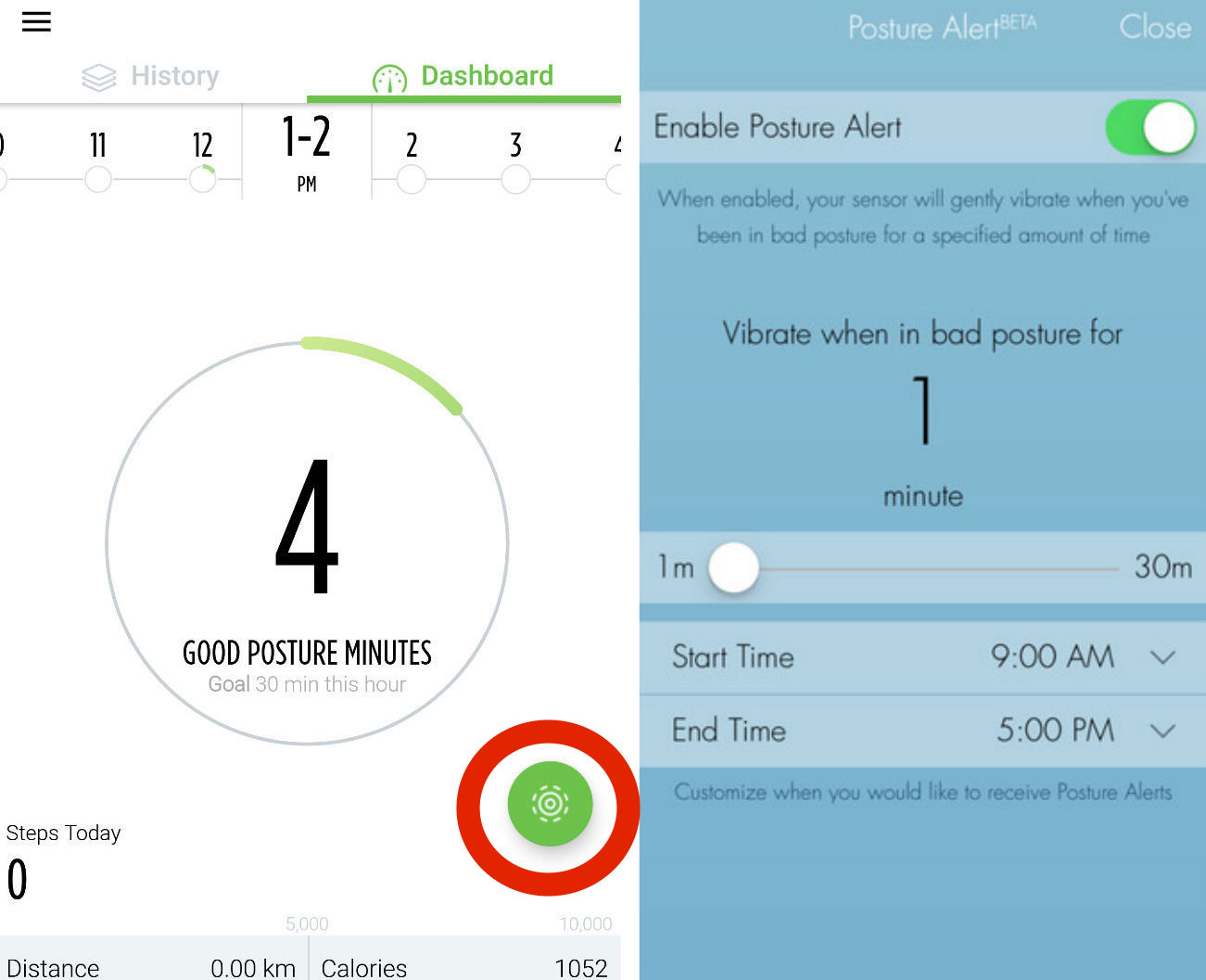
The signal intervals themselves also became logical, and their range is from 3 seconds to 2 minutes! The recommended best option is 15 seconds. All this is configured in a separate menu.
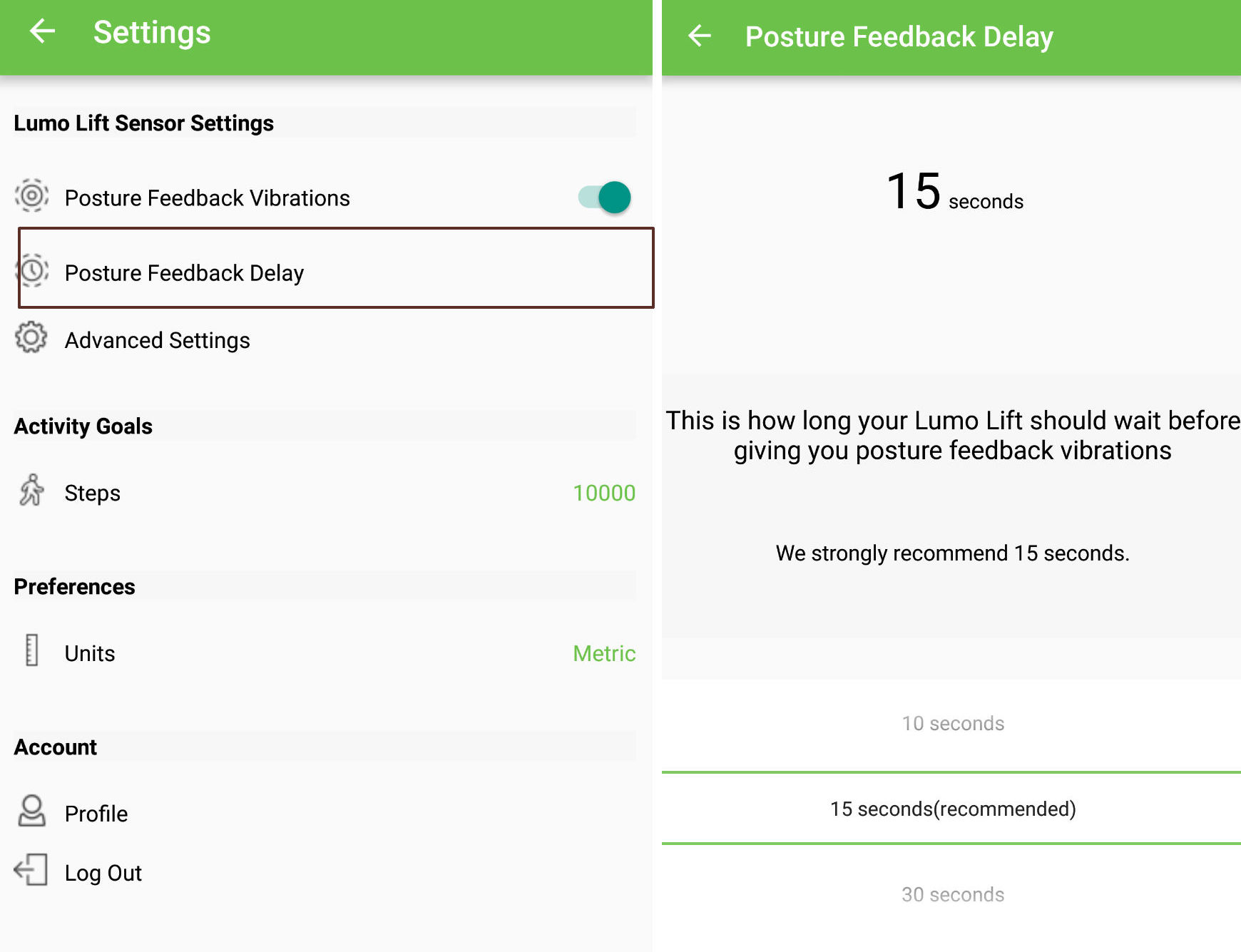
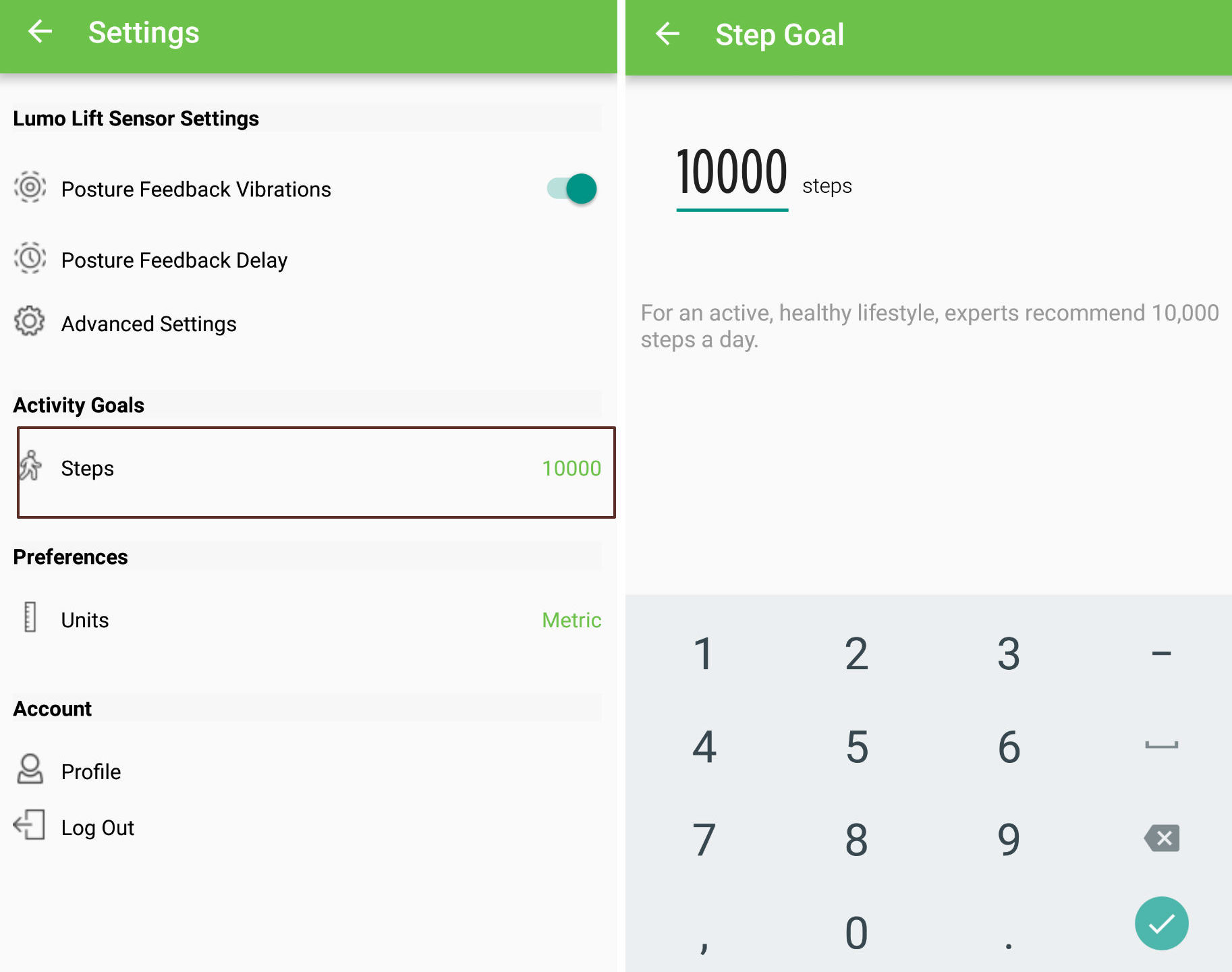
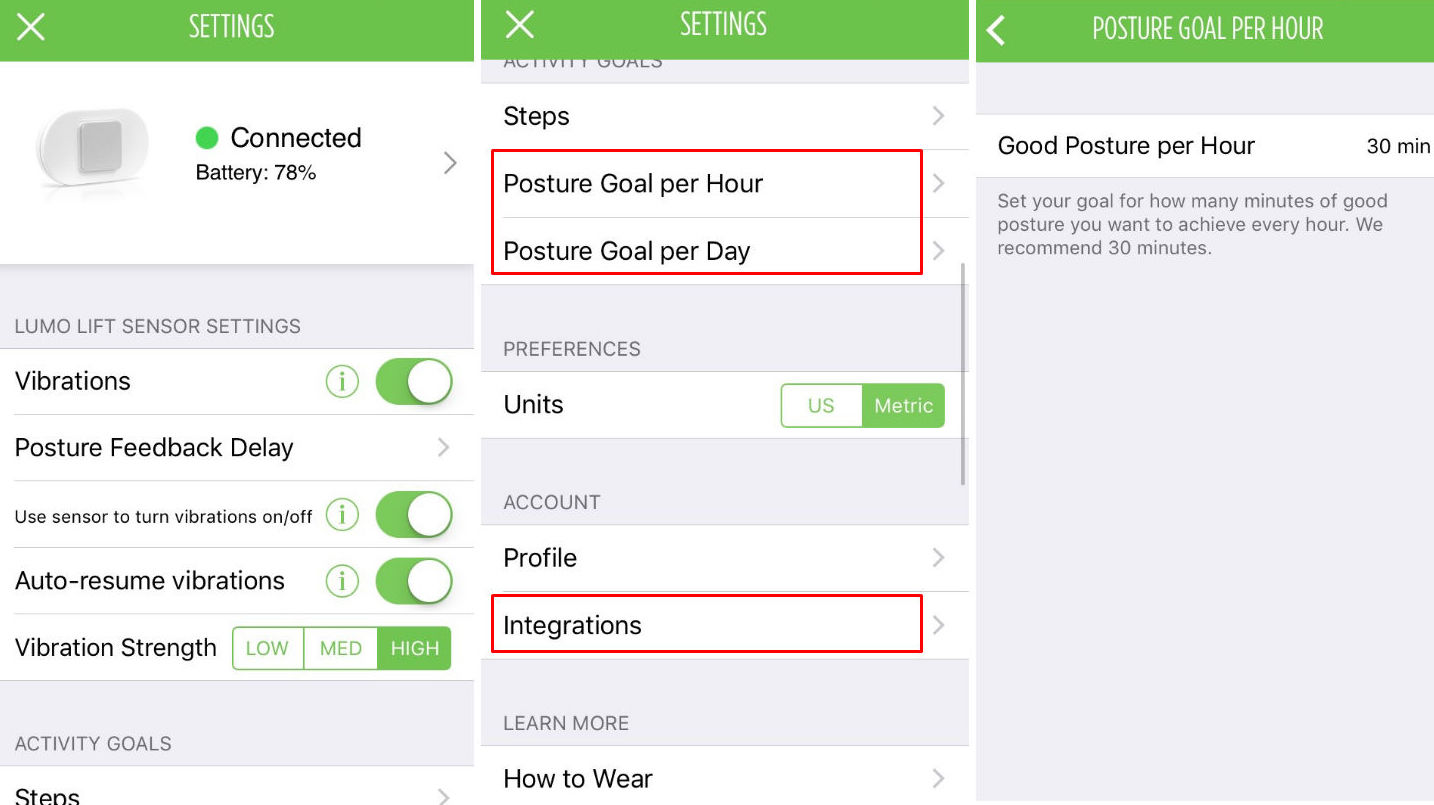
In the same menu it is possible to change / calibrate the profile, manually set the target step by step.
The main display is divided into two parts: the current day and history, - in the history the statistics of the correct position of the back and the activity of the day are laid out. The current day is also "decomposed" on the watch using the rolling slider, which makes it possible to see the results in more fractional intervals.
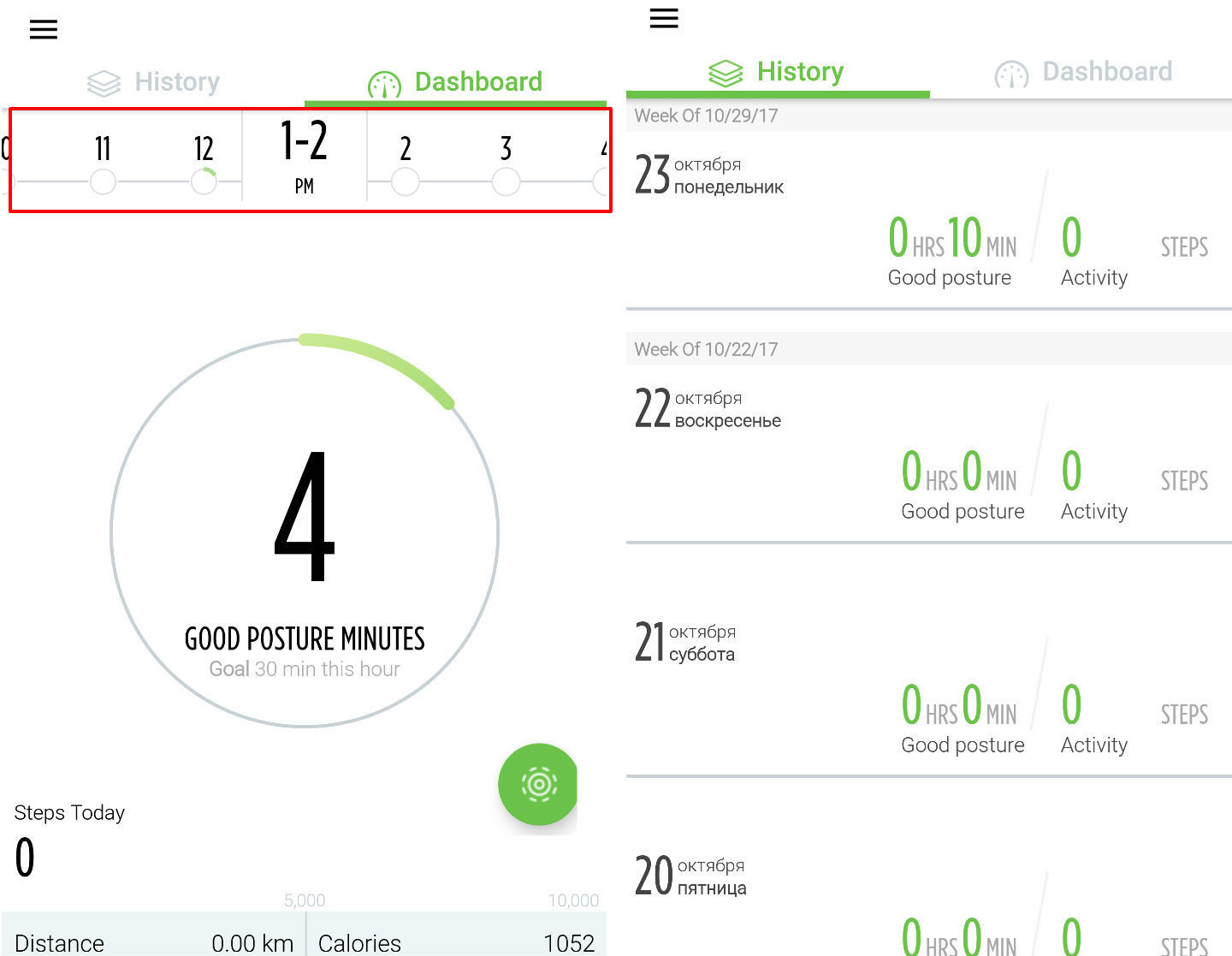
The application has become simpler and clearer, the settings are more convenient, and by eliminating the superfluous and unnecessary, as if easier. By the way, synchronization with FitnessPal is also gone.
IOS - even more possibilities
It turned out that initially, when the Android application entered the market, it did not exist at all, then, probably, a year later, it came out, but still lags behind the iOS version in some details: it is somehow more complete , richer. The application was updated twice a year.
Application design is common, but the devil is in the details. Here are just two examples:
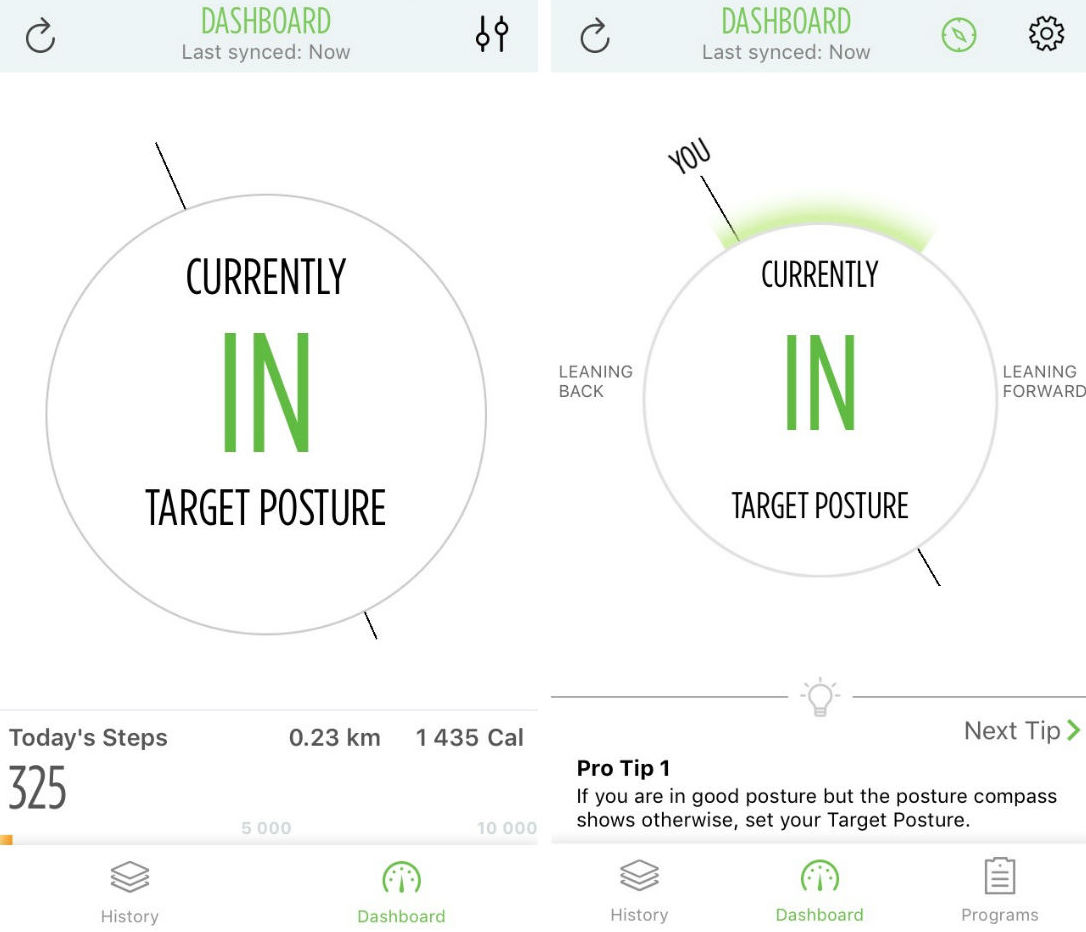
New | The newest
Now for some details. Firstly, compared to Android software, the menu here is below, not top, and there are not two, but three: the last menu item has several training programs with exercises.
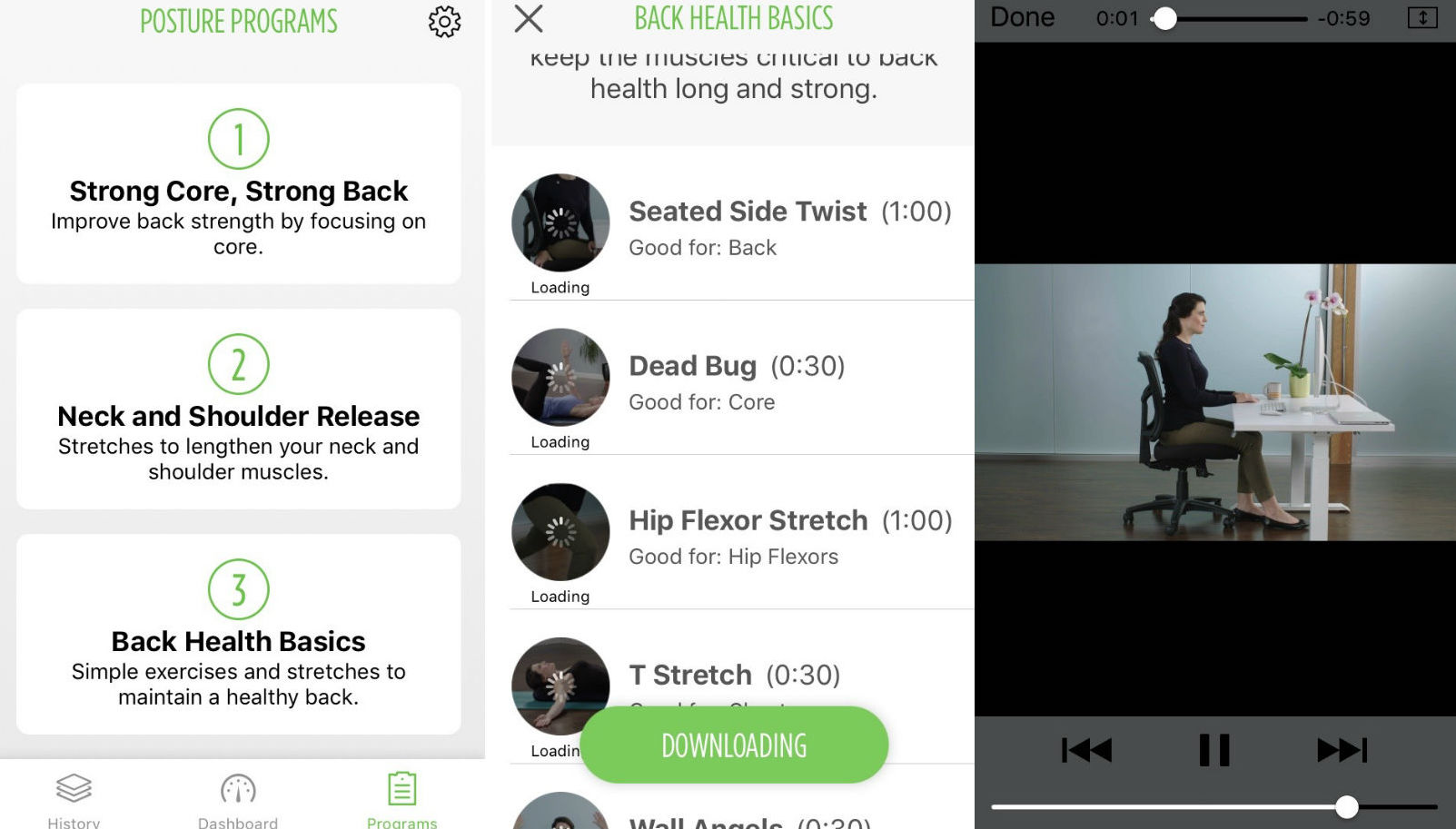
Programs are a collection of several simple video lesson lessons that you are supposed to be able to do easily in the workplace. By default, they are not in the application: they must be downloaded. It does not take much time.
The main screen came out even more convenient and interactive. Here you can not only turn on or off the vibration, but also set the interval immediately, without getting into the settings.
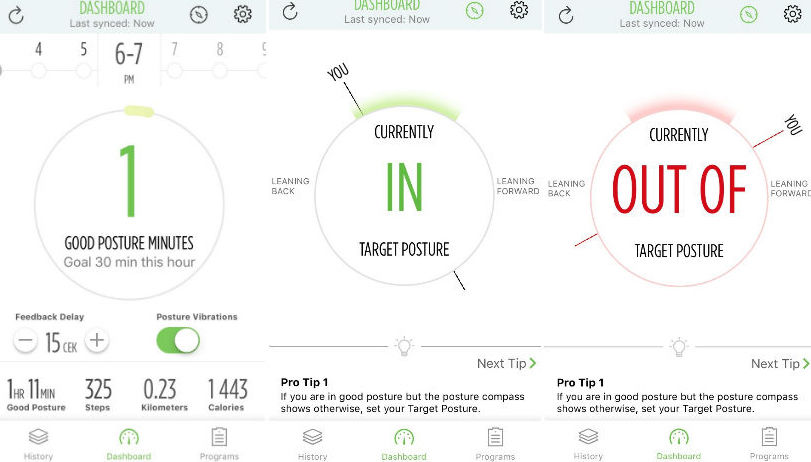
The central element - the circle - in the IOS version is active, and clicking on it switches to the "compass". Here you can observe in real time the deviations from the original posture: if you go beyond the normal range in one direction or another, the circle changes color.
There are slightly more settings: firstly, in an IOS application, you can set a goal not only step-by-step, but also according to the time of an even position of the back. Synchronization with HealthKit is also available.
Activity statistics are also offered in an expanded form:
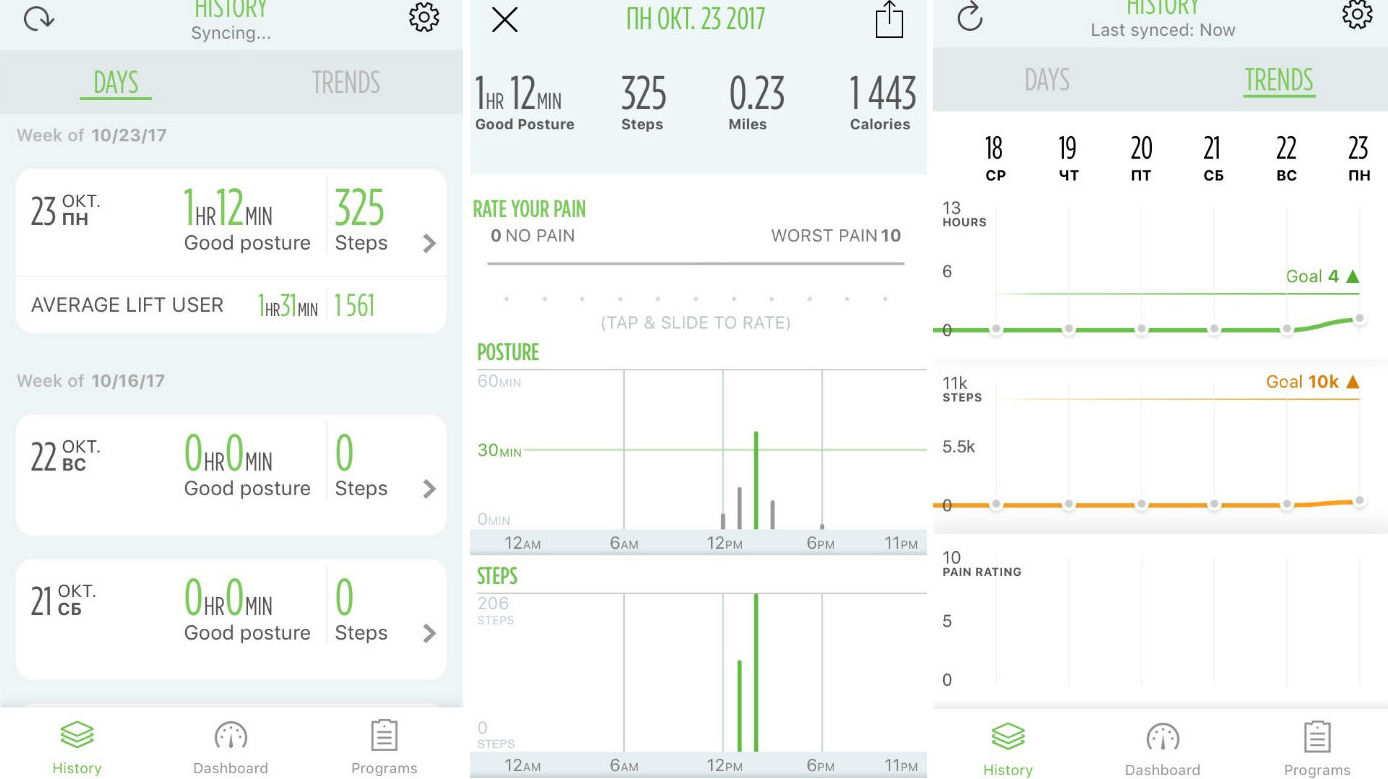
As you can see, the application is more interesting, richer, with the addition, so to speak, of the game-training element in the form of a “compass” of your back.
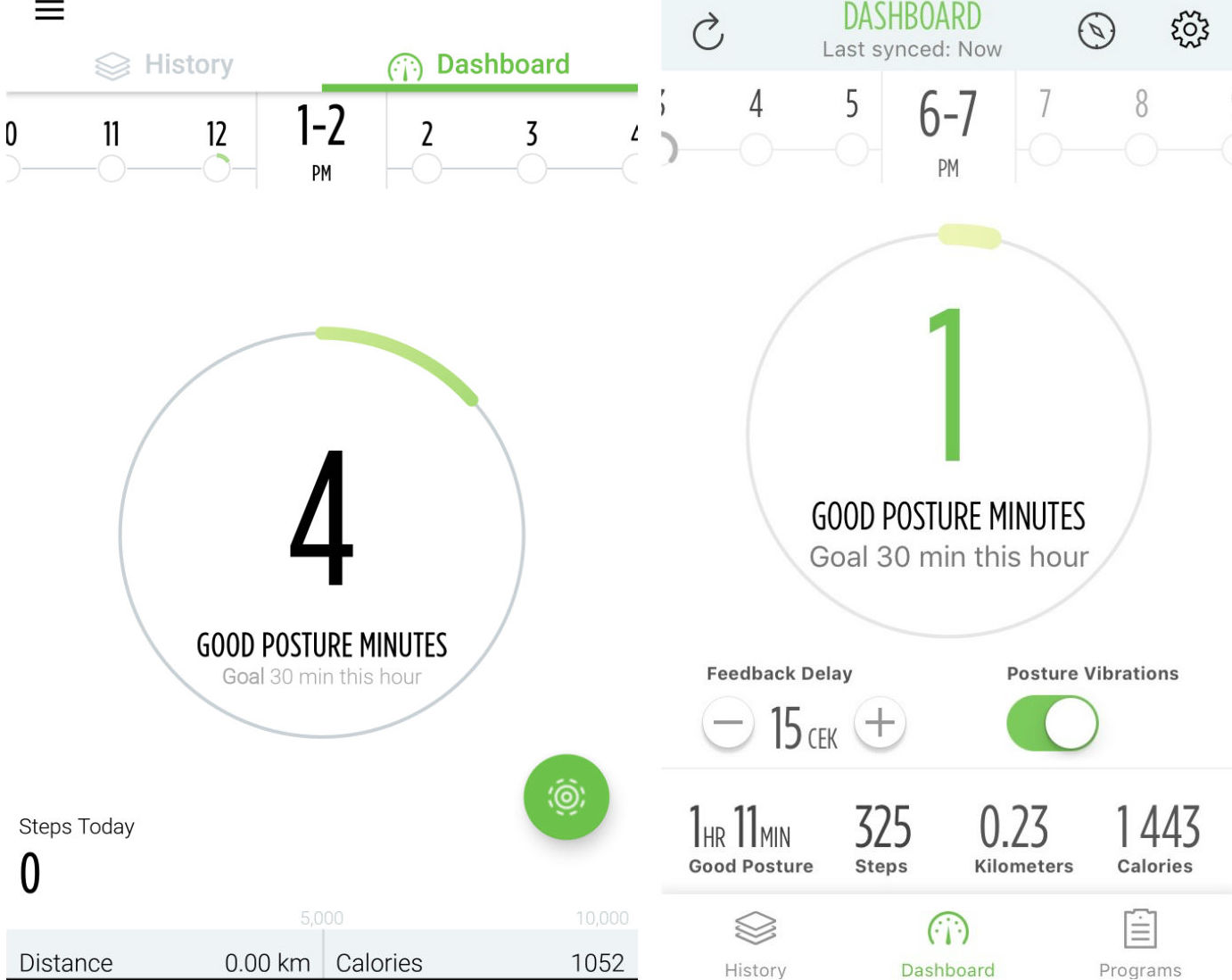
Android | IOS, the main screen
How it works now
Everything is as before: the essence of working with a gadget comes down to a few simple steps:
In order to observe the changes and improvements - just the application is needed, where you will be able to observe the increasing interval of “good” posture day after day, so that in the future you will completely abandon the assistant corrector.
Lumo Lift is attached not to the body, but to clothes with a magnet, and therefore the clothes should fit snugly. This could be underwear, a shirt, a shirt under a jacket or something like that. Otherwise you may not feel the vibration. The gadget is designed to be worn on the chest.

Lumo Lift works as a corrector when you sit, and sitting posture is the greatest threat to your back. However, we must understand that the gadget works both forward and backward, so that leaning back on the back of the working chair, you will also feel the signal from the corrector.
Cost of
ABOUT! This, too, is gradually changing. At the start, Lumo was presented in Russia at a price of 7490, then 6900, and so on and so forth. The current retail price of the gadget is 5990 rubles .
The gadget has changed and changed for the better: it has become simpler and more useful, it has become more convenient to work with the application, and now the software is deprived of some of the features that burden it, and access to the basic settings (somewhere more, to a lesser extent) has become more logical. The price also tends to decrease in international retail, which sooner or later will allow comparing the Lumo corrector tracker with simpler models. From an aesthetic point of view, an equal device in price and quality simply does not exist right now.
To date, there are not so many successful "draw" projects on this topic, and Lumo Lift is one of them. By 2017, it has changed several times outside and inside, and we invite you to take a look at what it is now.
Is the corrector useful or not?
Everyone answers this question for himself. The fact is that the correctors help maintain the position of the back in the desired form. These gadgets do not claim to have orthopedic abilities, or more simply, they do not know how to properly.
They help to look better, smoother, which is more beneficial to the base than sitting with hunched shoulders. This helps not only our posture, but also the respiratory system, reduces stress and improves the overall condition. There is no deception: the correctors offer help and support so that you can develop the habit of keeping your back level with time.
Lumo Lift is one of the first and most famous international projects that we have been carrying for several years now, and the gadget has changed several times over the years.
Appearance
The directly recognizable shape of the device — the white oval — is the same, but the box has changed several times. The long journey from fragile and inconvenient, but conceptual (oval) packaging to simple and miniature cardboard was overcome in two years.
The first two packages
However, the basic idea remains today:
Modern packaging The
product is represented by the “face”, with maximum emphasis on the sensor itself. Each of the boxes had this feature.
Completion
For several years of sales, not only on our website, but also with the help of partners, we personally received only three calls related to this third clip:
Someone she broke, someone lost, and people wanted to fill the kit. This clip gave another opportunity to fix the sensor on the body - on the straps of lingerie or a thin T-shirt or top.
The current version of the gadget of this accessory has been imperceptibly lost, and now only the docking station, two magnets and the Lumo Lift sensor are bundled.
The gadget has a built-in battery and its charging station: it charges in a couple of hours, and autonomy lasts up to 5-6 days of use, depending on the frequency of the “alarm” signal.
Dimensions of all elements and their design remained the same: the docking station is still a circle with a notch under the sensor:
The sensor itself is still a small oval, as if consisting of two parts: the upper part is also the button, pressing which fixes the desired pose.
The central part is a place for a magnet, which tightly fixes the device on clothes.
The
updated software application has become simpler and clearer, although it has lost several individual features. The screen is no longer divided into two parts. More precisely, more correctly, the accents are now differently placed, and the central place is given to the statistics of the even position of the back.
New | Old
On the same screen, in the lower left corner there are activity statistics, and in the right - calories, because Lumo Lift still remained a pedometer, but now it has the main emphasis - posture corrector, and so it is first of all and sold.
He stayed with a pedometer so as not to remain inactive while walking, since the sensor does not have time to estimate the pose even in a two-second interval, and in order not to hang “dead weight”, the activity statistics by steps is saved.
The application has become much simpler and more convenient: for example, if earlier it was possible to configure the inactivity interval, now it is not. Now the active / inactive button is instantly accessible from the main menu:
The signal intervals themselves also became logical, and their range is from 3 seconds to 2 minutes! The recommended best option is 15 seconds. All this is configured in a separate menu.
In the same menu it is possible to change / calibrate the profile, manually set the target step by step.
The main display is divided into two parts: the current day and history, - in the history the statistics of the correct position of the back and the activity of the day are laid out. The current day is also "decomposed" on the watch using the rolling slider, which makes it possible to see the results in more fractional intervals.
The application has become simpler and clearer, the settings are more convenient, and by eliminating the superfluous and unnecessary, as if easier. By the way, synchronization with FitnessPal is also gone.
IOS - even more possibilities
It turned out that initially, when the Android application entered the market, it did not exist at all, then, probably, a year later, it came out, but still lags behind the iOS version in some details: it is somehow more complete , richer. The application was updated twice a year.
Application design is common, but the devil is in the details. Here are just two examples:
New | The newest
Now for some details. Firstly, compared to Android software, the menu here is below, not top, and there are not two, but three: the last menu item has several training programs with exercises.
Programs are a collection of several simple video lesson lessons that you are supposed to be able to do easily in the workplace. By default, they are not in the application: they must be downloaded. It does not take much time.
The main screen came out even more convenient and interactive. Here you can not only turn on or off the vibration, but also set the interval immediately, without getting into the settings.
The central element - the circle - in the IOS version is active, and clicking on it switches to the "compass". Here you can observe in real time the deviations from the original posture: if you go beyond the normal range in one direction or another, the circle changes color.
There are slightly more settings: firstly, in an IOS application, you can set a goal not only step-by-step, but also according to the time of an even position of the back. Synchronization with HealthKit is also available.
Activity statistics are also offered in an expanded form:
As you can see, the application is more interesting, richer, with the addition, so to speak, of the game-training element in the form of a “compass” of your back.
Android | IOS, the main screen
How it works now
Everything is as before: the essence of working with a gadget comes down to a few simple steps:
- Put on
- Press, fixing the pose
- Feel three vibration responses (posture fixed)
- Watch your posture and straighten up when you forget
In order to observe the changes and improvements - just the application is needed, where you will be able to observe the increasing interval of “good” posture day after day, so that in the future you will completely abandon the assistant corrector.
Lumo Lift is attached not to the body, but to clothes with a magnet, and therefore the clothes should fit snugly. This could be underwear, a shirt, a shirt under a jacket or something like that. Otherwise you may not feel the vibration. The gadget is designed to be worn on the chest.
Lumo Lift works as a corrector when you sit, and sitting posture is the greatest threat to your back. However, we must understand that the gadget works both forward and backward, so that leaning back on the back of the working chair, you will also feel the signal from the corrector.
Cost of
ABOUT! This, too, is gradually changing. At the start, Lumo was presented in Russia at a price of 7490, then 6900, and so on and so forth. The current retail price of the gadget is 5990 rubles .
The gadget has changed and changed for the better: it has become simpler and more useful, it has become more convenient to work with the application, and now the software is deprived of some of the features that burden it, and access to the basic settings (somewhere more, to a lesser extent) has become more logical. The price also tends to decrease in international retail, which sooner or later will allow comparing the Lumo corrector tracker with simpler models. From an aesthetic point of view, an equal device in price and quality simply does not exist right now.