DARPA Rascal Project - US Air Force Air Launch
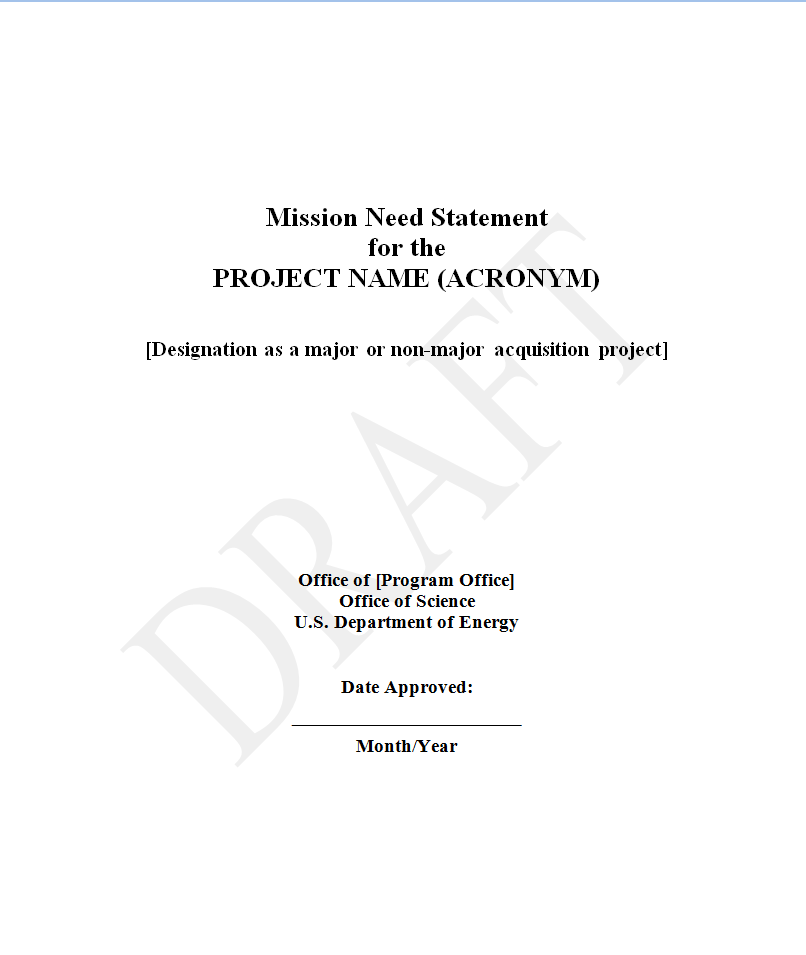
In 2001, the US Air Force issued an MNS application * ( hereinafter the terms and abbreviations, which are given at the end of the article are marked with an asterisk ), outlining the requirements for the “Operationally Adaptive Space Launch System” (ORS *).
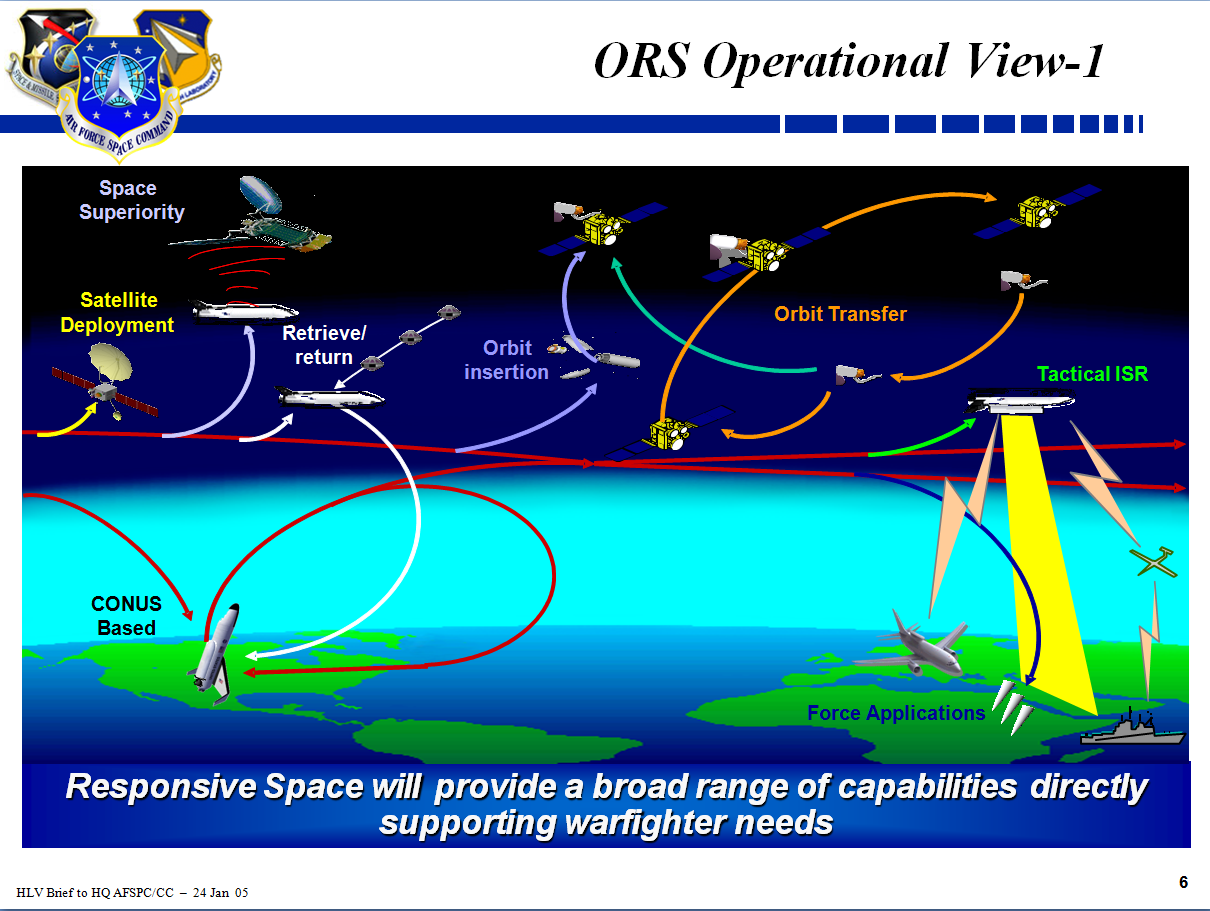
The requirements of MNS included the following basic basic tasks:
- fast response time of the mission (launch);
- the possibility of launching (launch of spacecraft *) from any latitude of the territory of the United States and its allies
- accessibility (cost of withdrawal of 1 kg of LU * per LEO *) both on the basis of each mission and the overall low cost of the program (R & D).
In response to the MNS, as well as taking into account the estimated commercial needs of the space launch market, several concepts were proposed that meet these requirements.

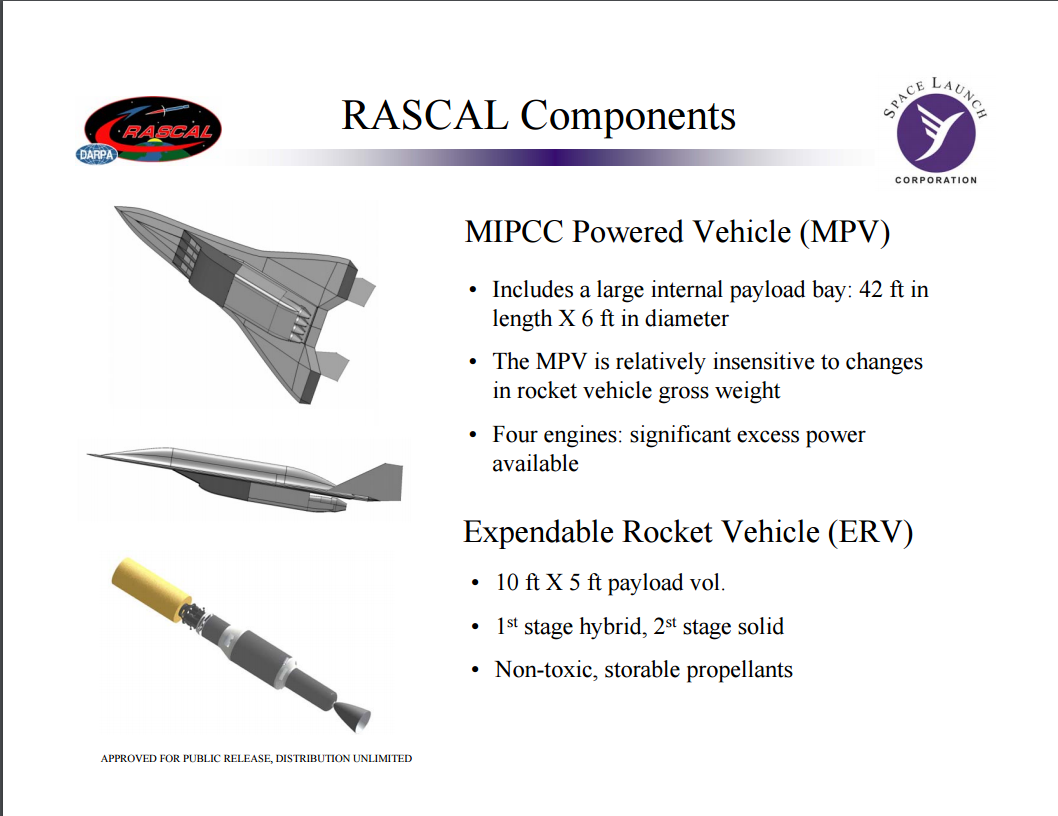
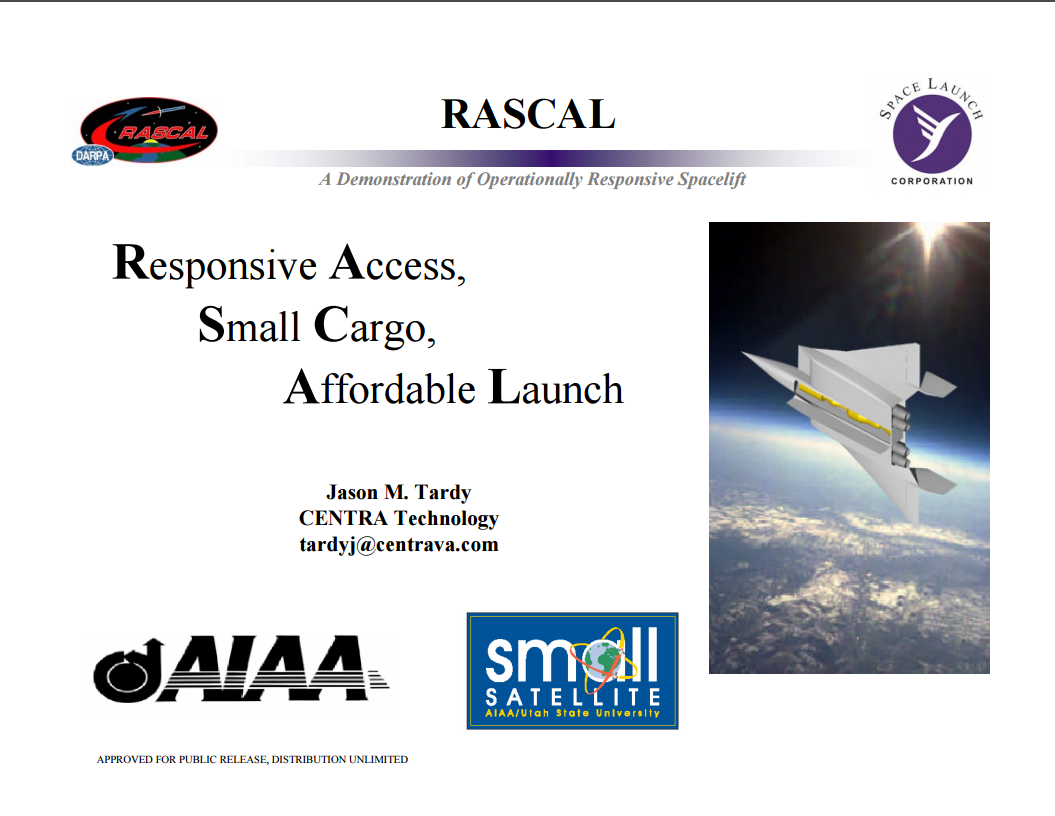
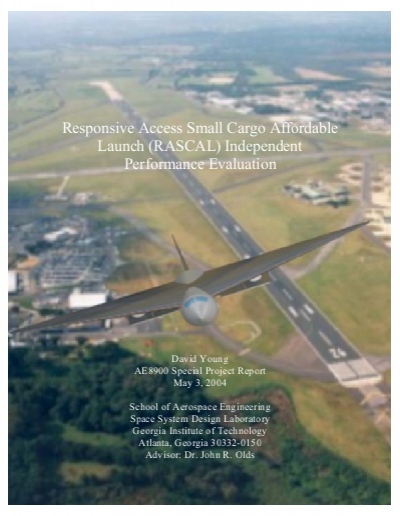
The most realistic was a project based on the principle of "air" start. Rascal-Responsive Access Small Cargo Affordable Launch.
Air Launch (BC) -method of launching rockets or airplanes from a height of several kilometers, where the launch vehicle is delivered. The means of delivery is most often served by another aircraft, but a balloon or an airship can also act.
The main advantages of aircraft:
- As a rule, this system (or part of it) is reusable with a low cost of MU * to LEO. This is due to the fact that the technically most difficult first stage is the most expensive;
- It uses the fact that the "freebie" is given to us by the universe, and specifically the atmosphere. Rather, the properties of the atmosphere when physical bodies move or are in it: lift force and / or Archimedean force, i.e. those factors that for conventional vertical launch launch vehicles are a nuisance;
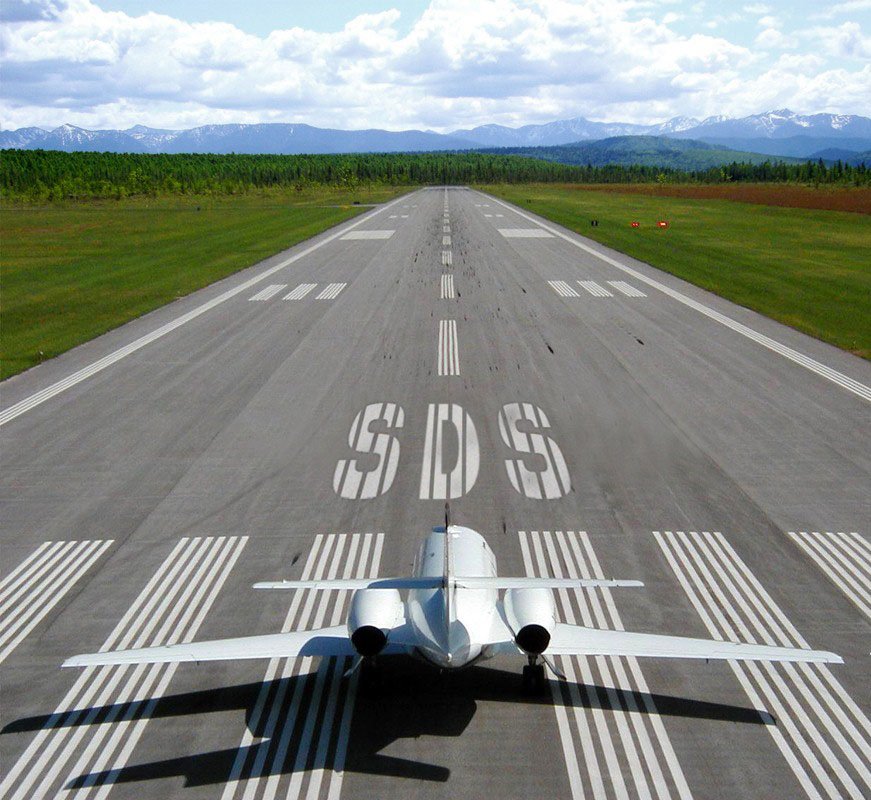
- The aircraft system is not tied to the launch complex (SC) or the launch position (SP), roughly speaking to the expensive cosmodrome with all the infrastructure. And accordingly, there is no reference to the launching latitude (headache of the USSR and now Russia).
In fact, any runways, both military and civilian, of the required category can be used;
- Logistics (all elements, including aircraft and carrier-aerotransportable), fuel components - conventional fuel components for aircraft of our time;
- Efficiency;
- The cheapness of the system components and the well-established commercial production of them;
- Ecological aspect (exclusion zones under falling steps of the PH);
etc.
There are disadvantages:
- The small mass of the displayed MON and the limitations on the size of the spacecraft;
- Practically (due to the mass and size limitations of the carrier), only NOO or higher orbits are achievable, with a significant decrease in the mass of the PN;
- The complexity of both calculations and the performance of the carrier, capable of withstanding about - and hypersonic speeds (heating, thermal protection, aerodynamics, etc.)
- Constantly mobile ballast (fuel stock for returning and landing the first stage);
- Other
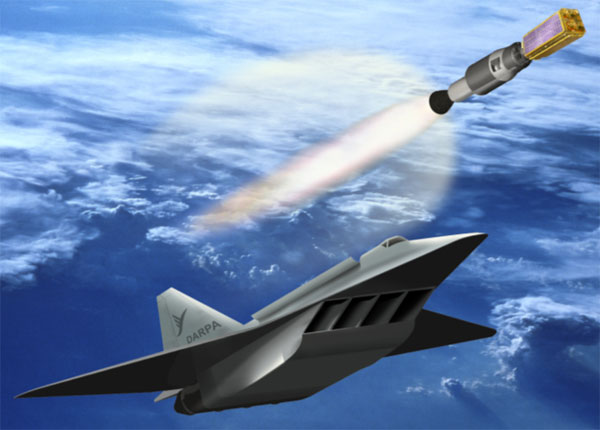
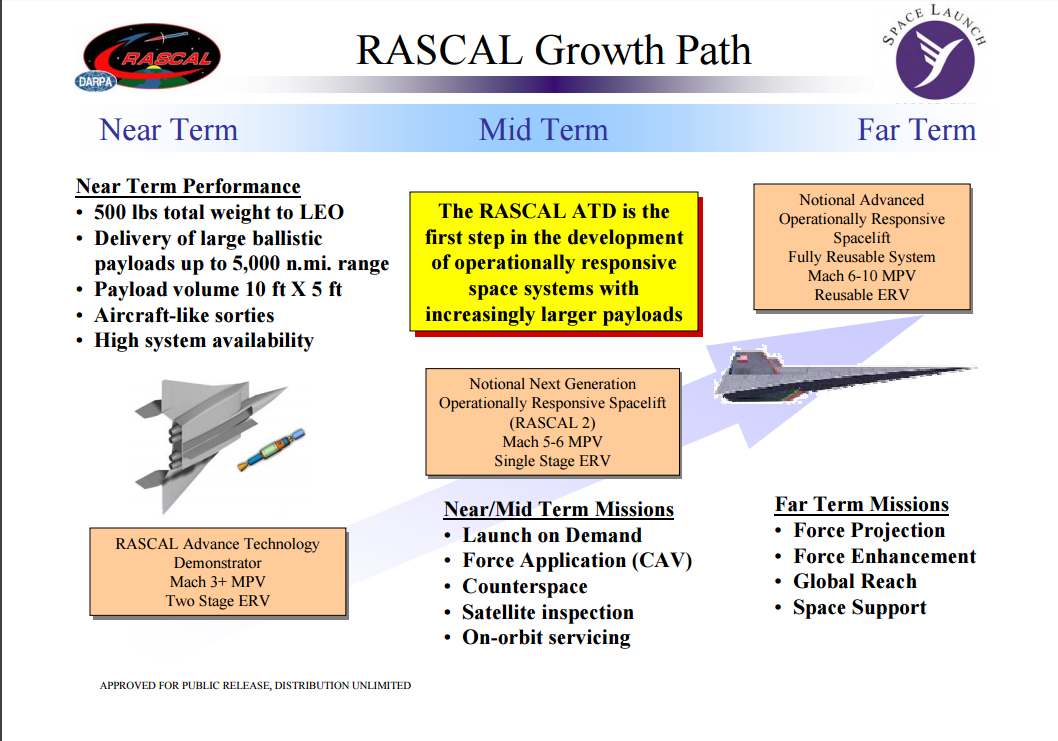
Launched in March 2002, the RASCAL project is an attempt, with the support and under the auspices of TAR * DARPA, of developing a partially reusable air-launched space launch system capable of quickly and regularly delivering a payload to an NOU at a very economical price.
Phase II - the 18-month program development phase began in March 2003 with the choice of the SLC space rocket corporation (Irwin, California) as the general contractor and system integrator.

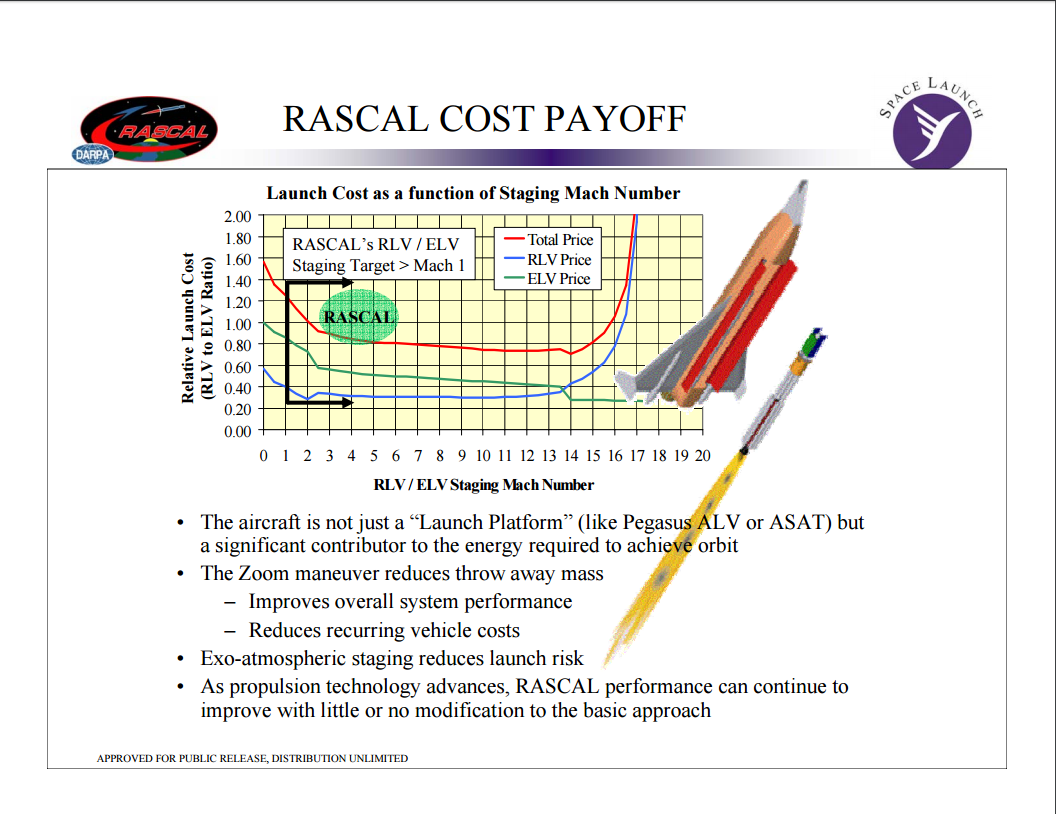
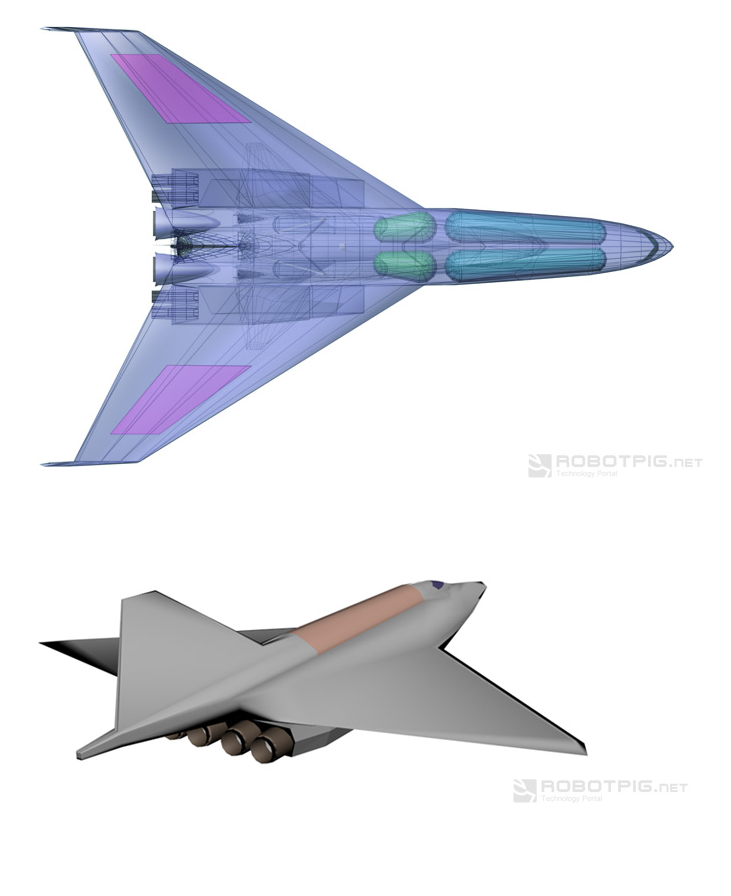
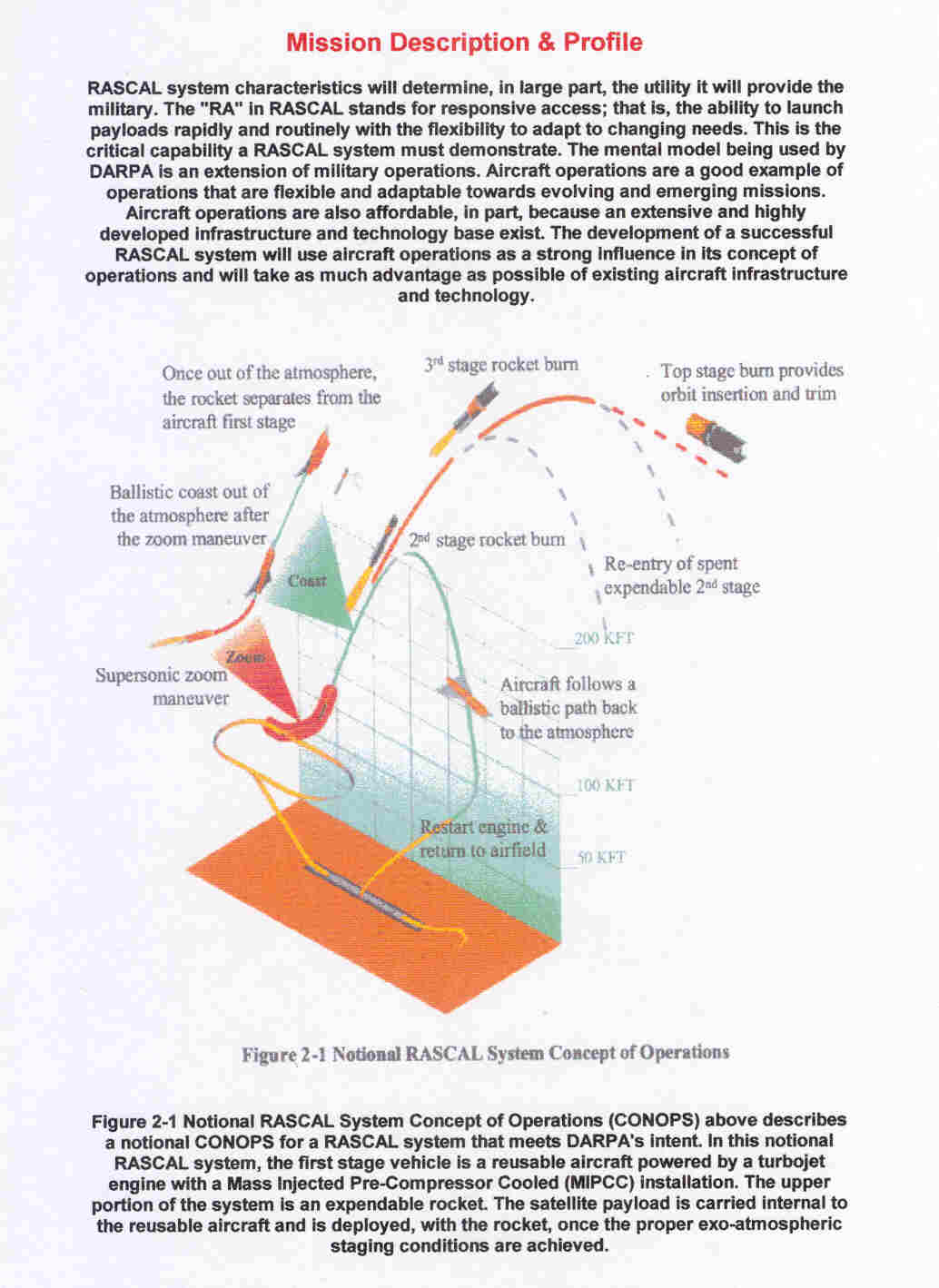
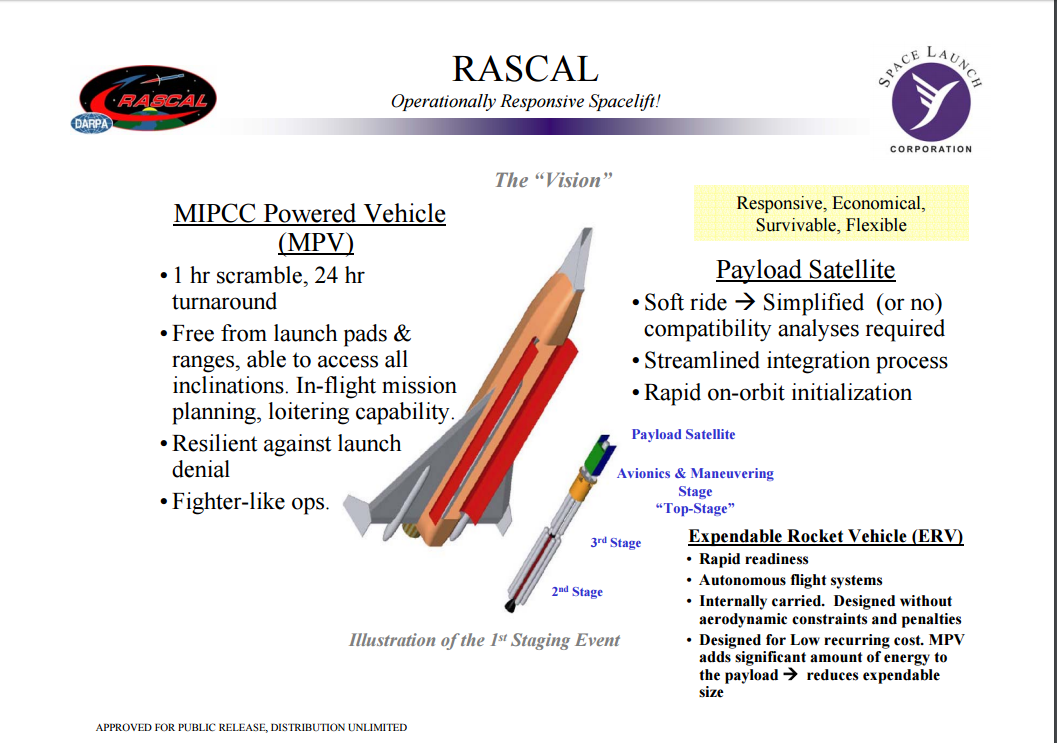
RASCAL relies on the air-based Spacelift architecture (VKS *), consisting of a reusable aircraft
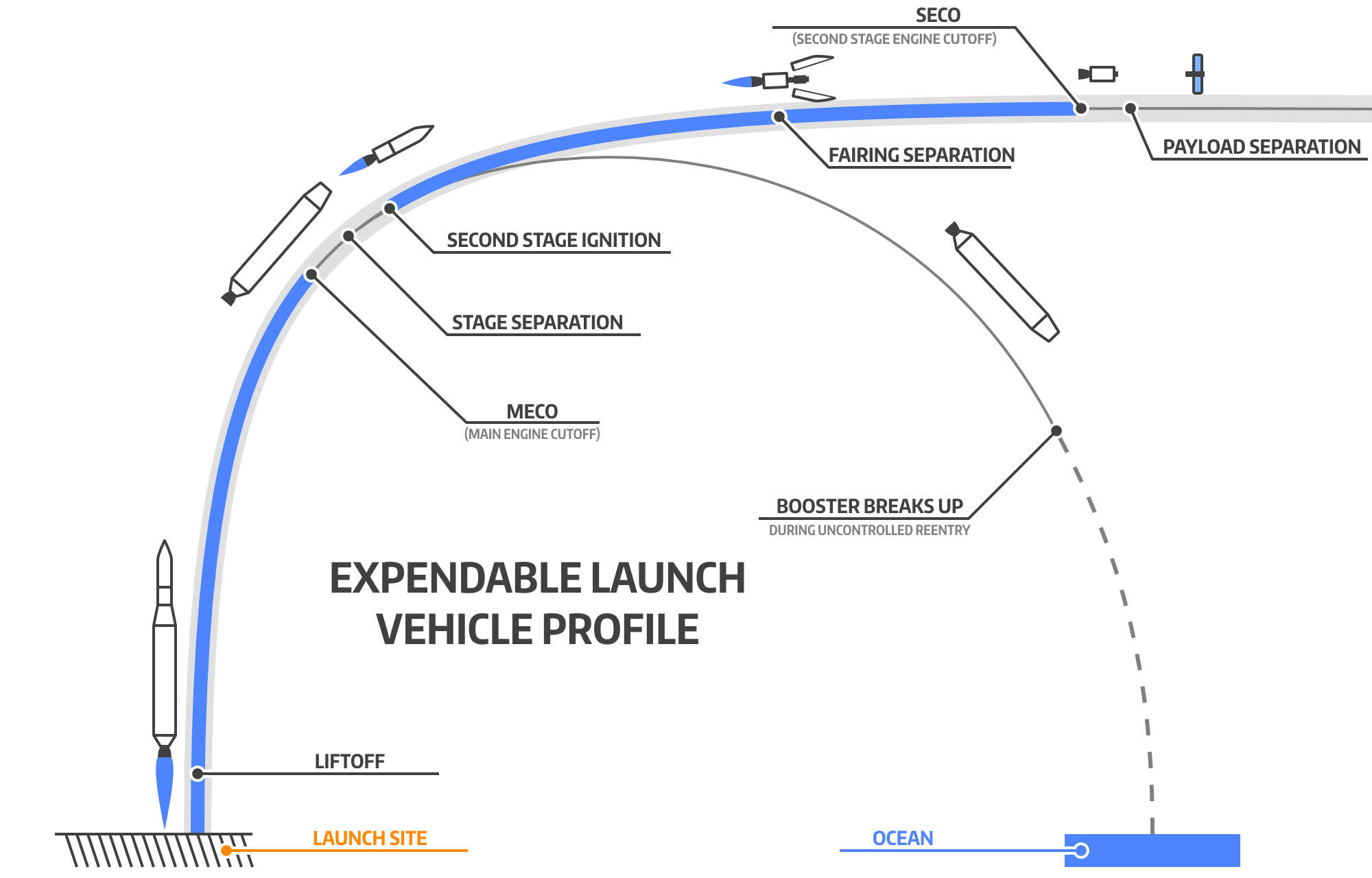
AND a disposable rocket (upper stage) (ELV *), which in this case is called ERV *.
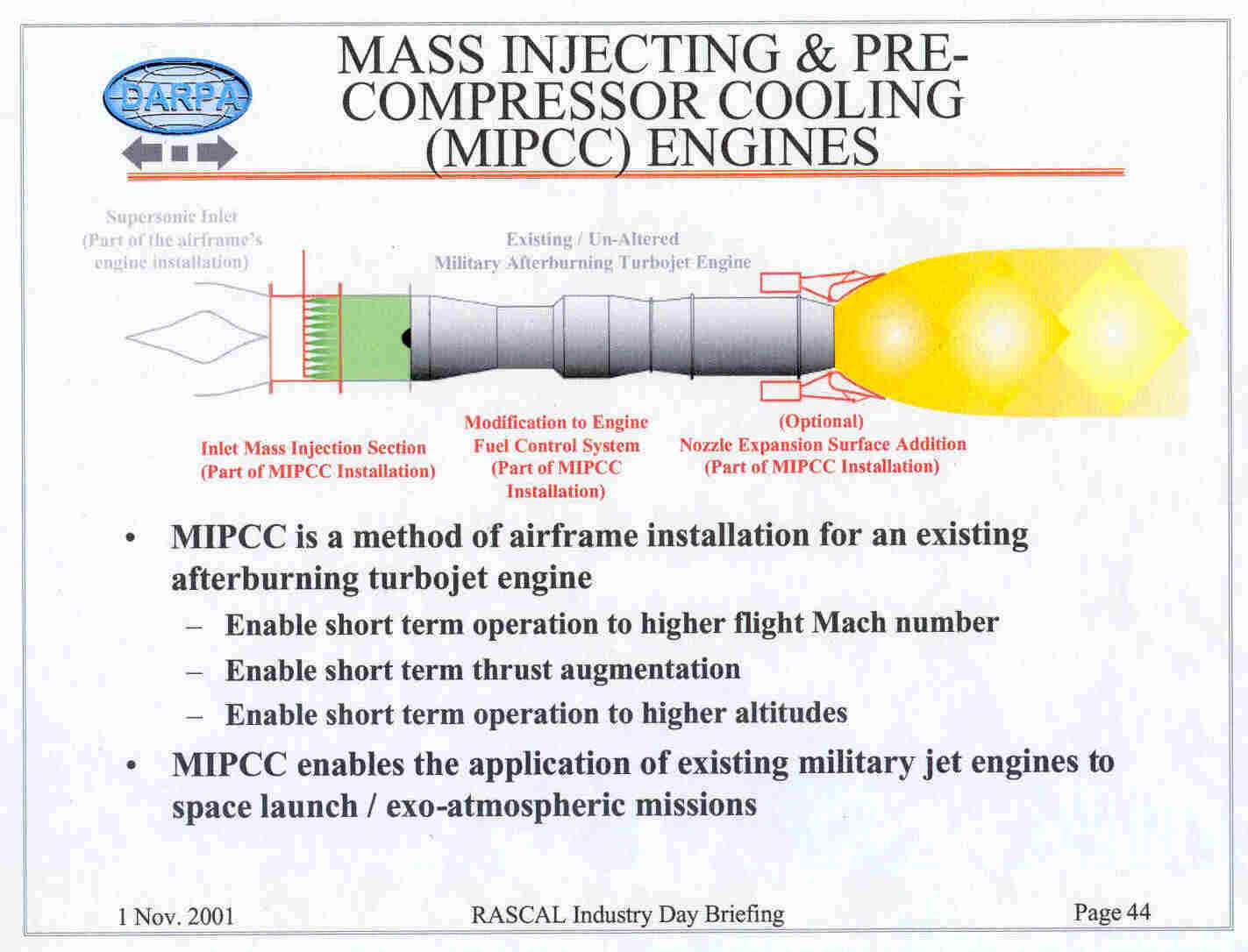
Turbojet engines of a reusable vehicle are made in a forced version, known since the 50s as MIPCC *.
MIPCC technology is perfect for achieving high Mach numbers when flying in the atmosphere.
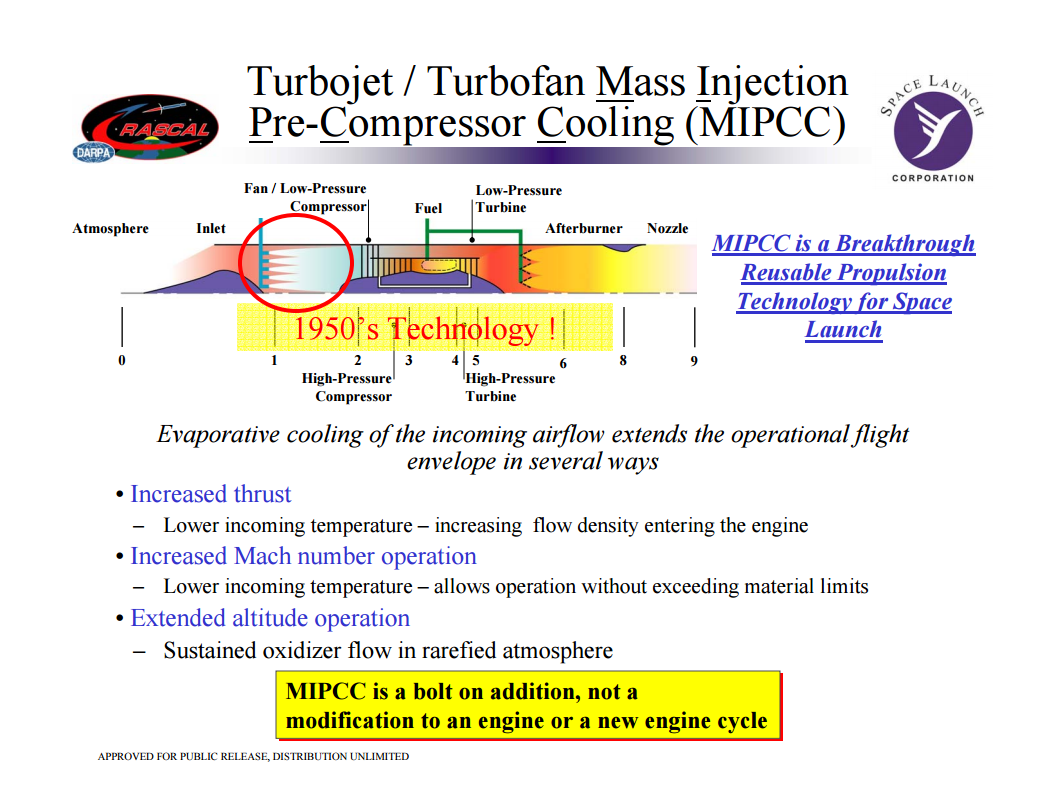
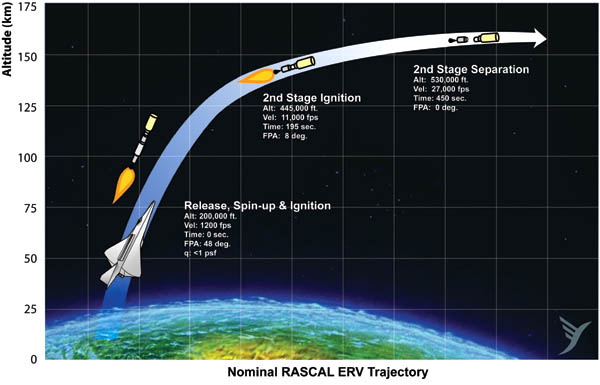
After reaching near hypersonic speeds (or hypersonic speeds with M> 5) in horizontal flight, the carrier makes an aerodynamic maneuver of the “dynamic slide” type (Zoom Maneuver) and performs an exo-atmospheric (from altitudes over 50 km) launch of a disposable rocket (upper stage).
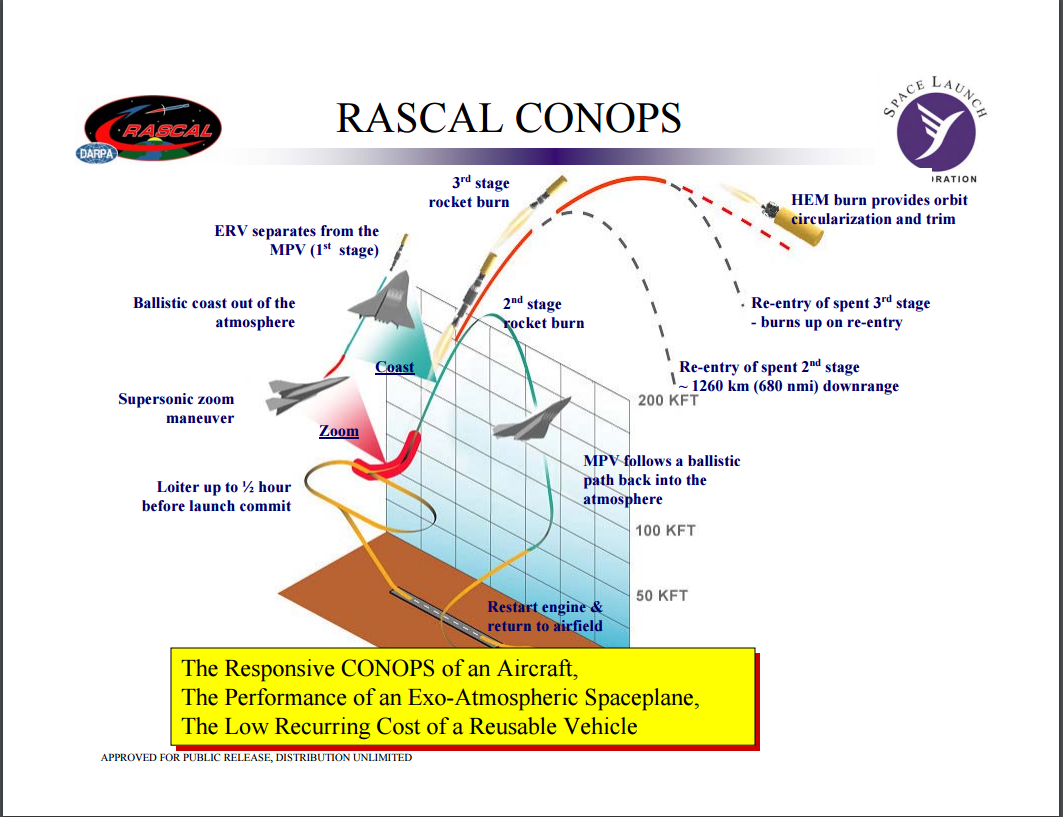

The high power of the turbofan with MIPCC technology not only allows for a simplified two-stage ERV design, but also significantly reduces the structural requirements for ERV, which with this output profile does not experience any significant aerodynamic loads.
The subsequent cost start-up is projected to be below $ 750,000 for the delivery of 75 kg of payload to the LEO.
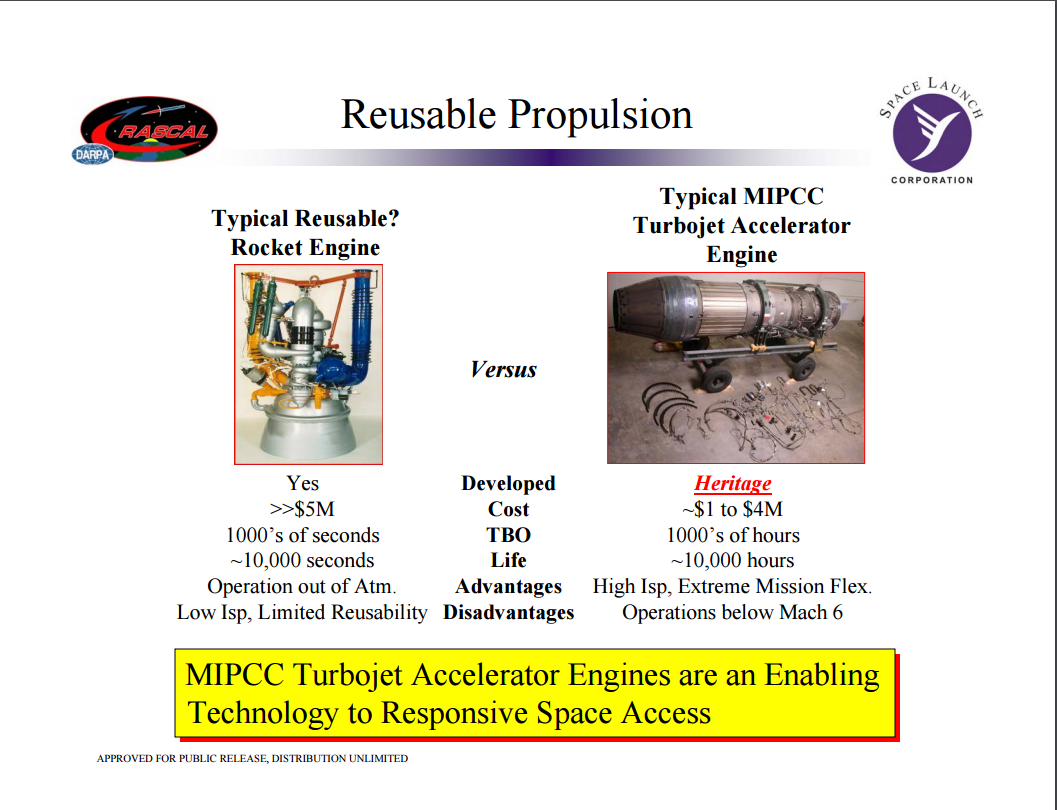
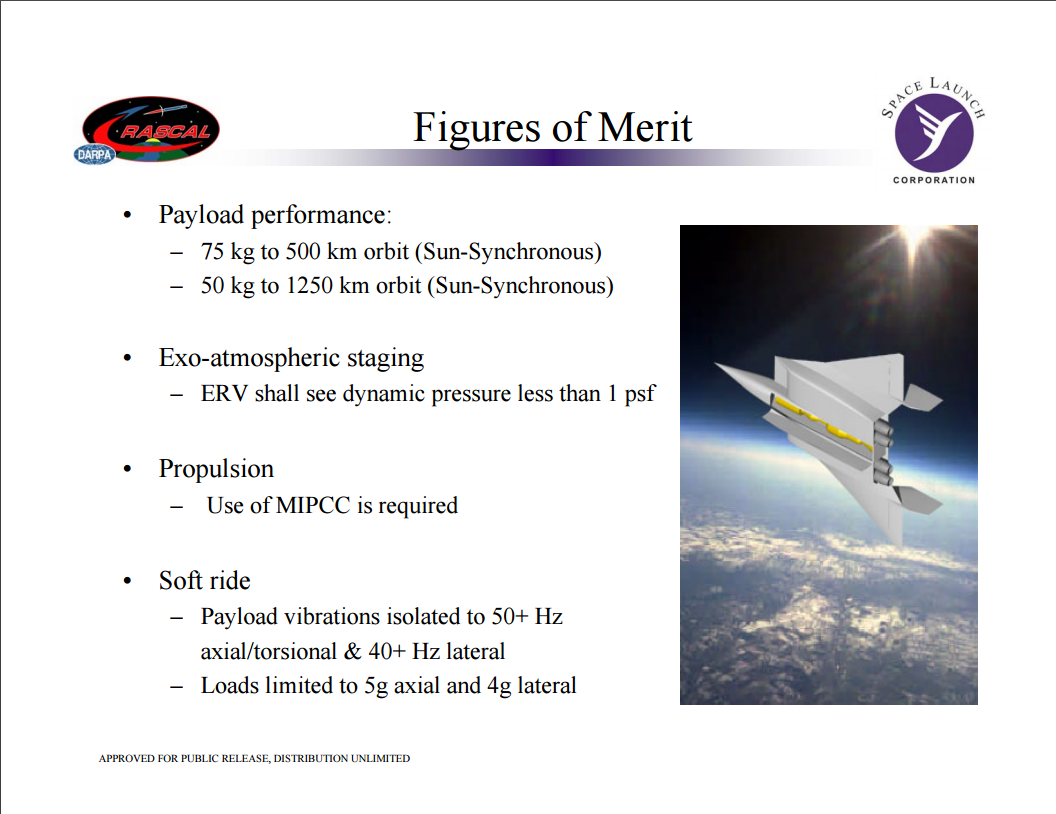
The RASCAL architecture also supports a run cycle between missions of less than 24 hours.
In the future, it is intended to use the variant with a reusable second stage system.
In 2002, the president of Destiny Aerospace, Mr. Tony Materna, inspired by the money and prospects of DARPA, set about trying to use the existing and retired American single-engine, single-engine, delta-wing Convair F-106 Delta Dart fighter, for this system.
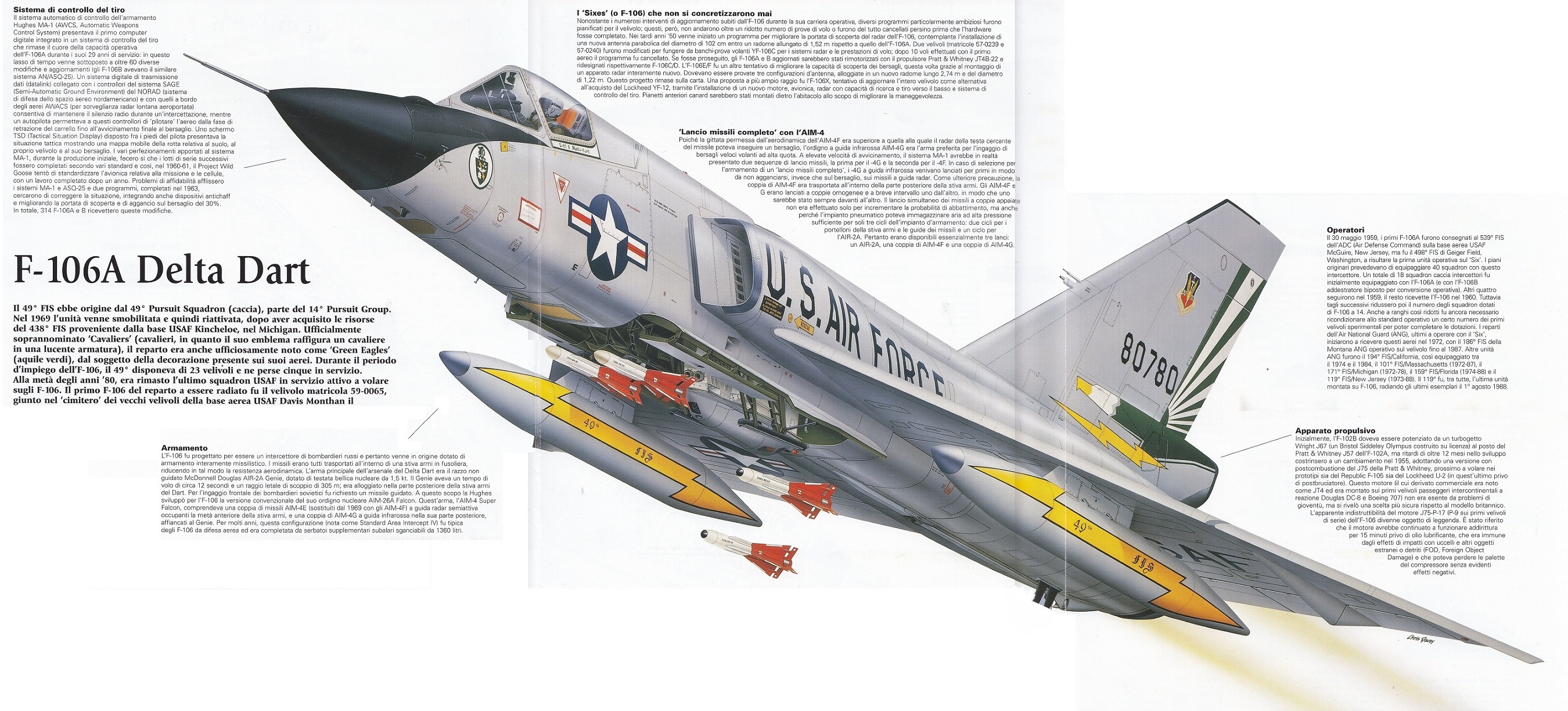

In fact, on the modification of the Convair F-106B in the 60s, the MIPCC technology was already tested and applied. If I am not mistaken, it was developed on it.
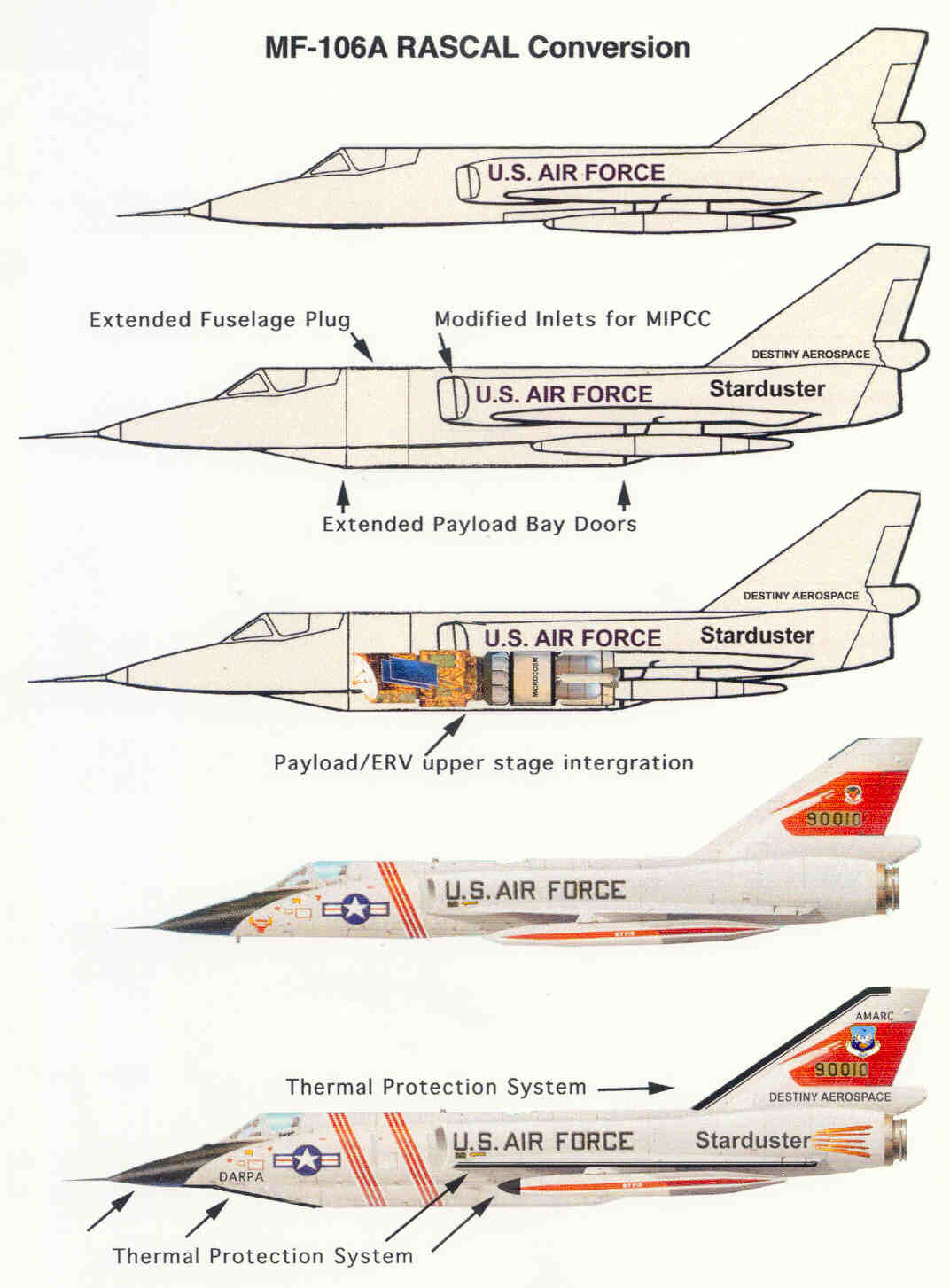
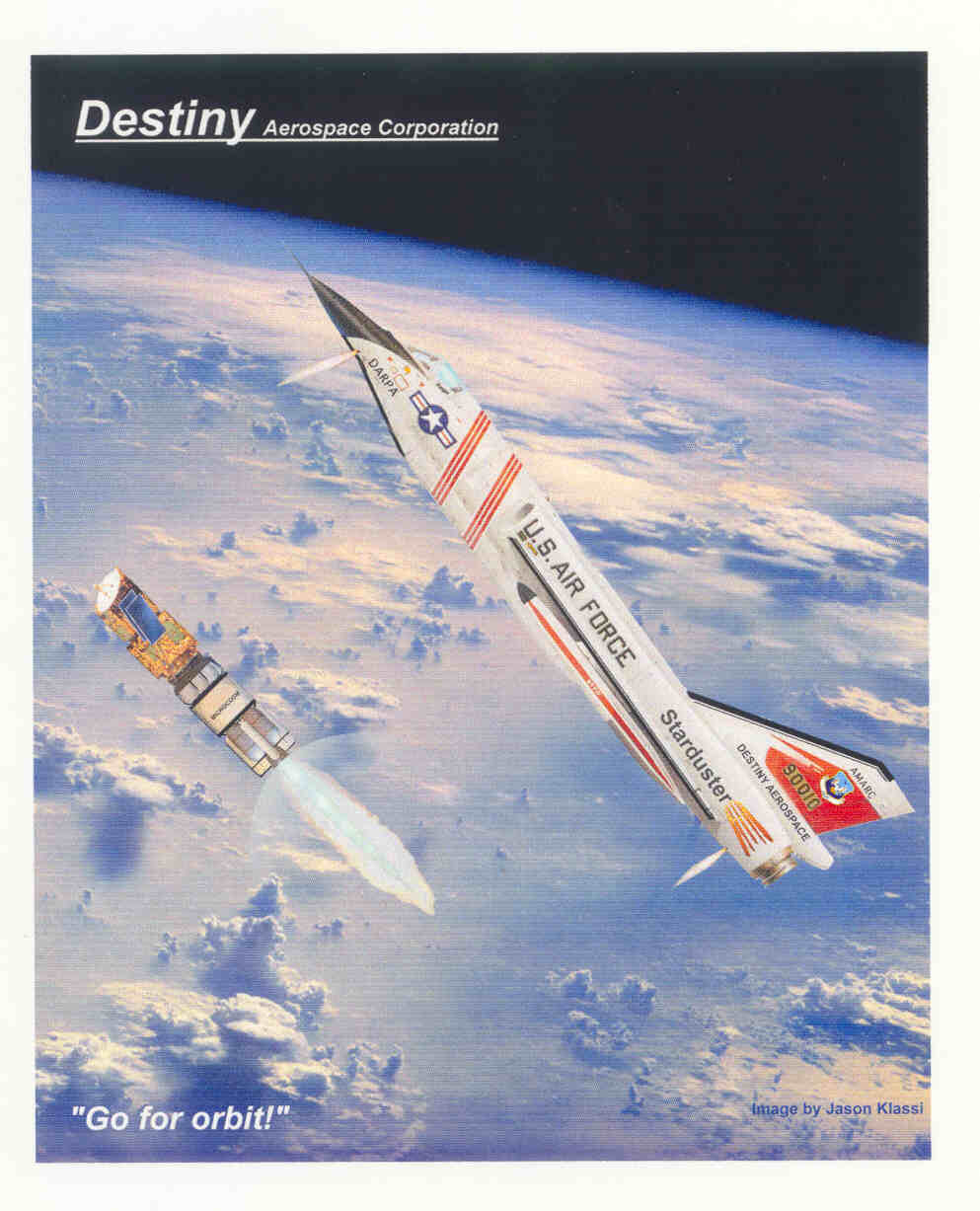
It is a pity that the cheap and quickly implemented RASCAL project based on the F-106 did not get off the ground after nearly two years of research.
The small fleet of the seven remaining flyable F-106s available at Davis Monthan AFB AZ was first reduced to 4 units (three F-106s were donated to museum expositions at Castle CA, Hill AFB, UT & Edwards AFB, CA), and Tony Matern did not wait for interest and investment.
→ Read the Final Draft of that proposal below
. A development project similar in principle and with similar parameters is being carried out in Russia at OAO NPO Molniya on the subject of research and development work Molot. Details can be read here and here .
Terms and abbreviations marked "*"
MNS — Mission Need Statement= Официальное требование (заявка)
→ MNS
ORS — Operationally Responsive Spacelift = система запуска КА с быстрым реагированием

ВС — воздушный старт, ВКС(air-launched spacelift) = воздушно-космический старт.
Rascal — Responsive Access Small Cargo Affordable Launch=Доступная система запуска КА воздушного базирования с быстрым временем реакции.
КА — космический аппарат
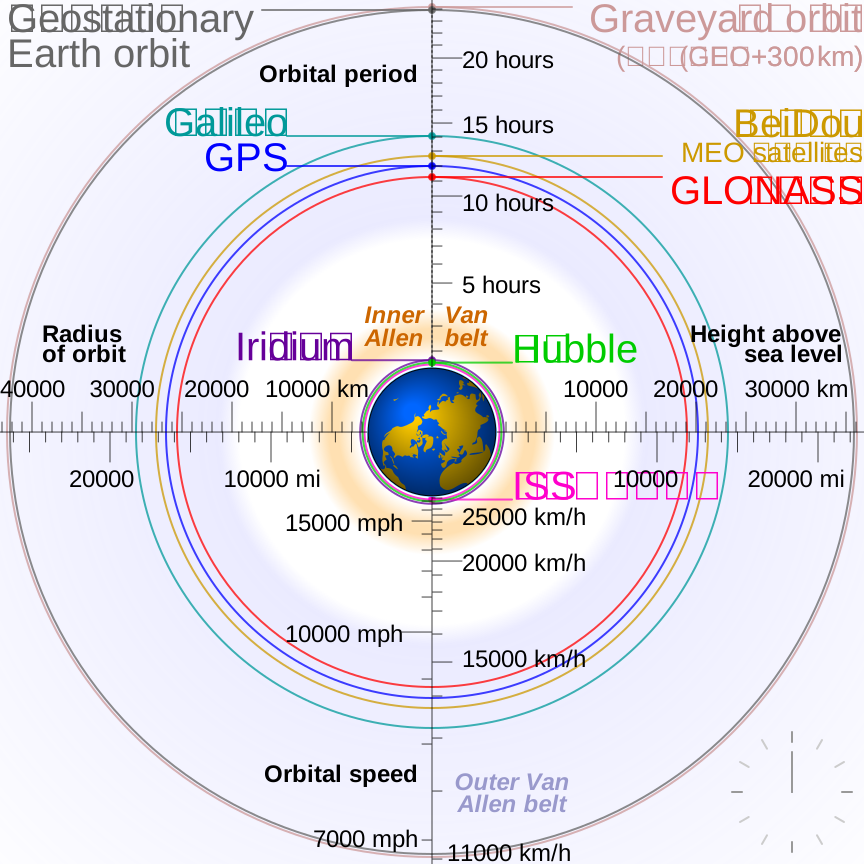
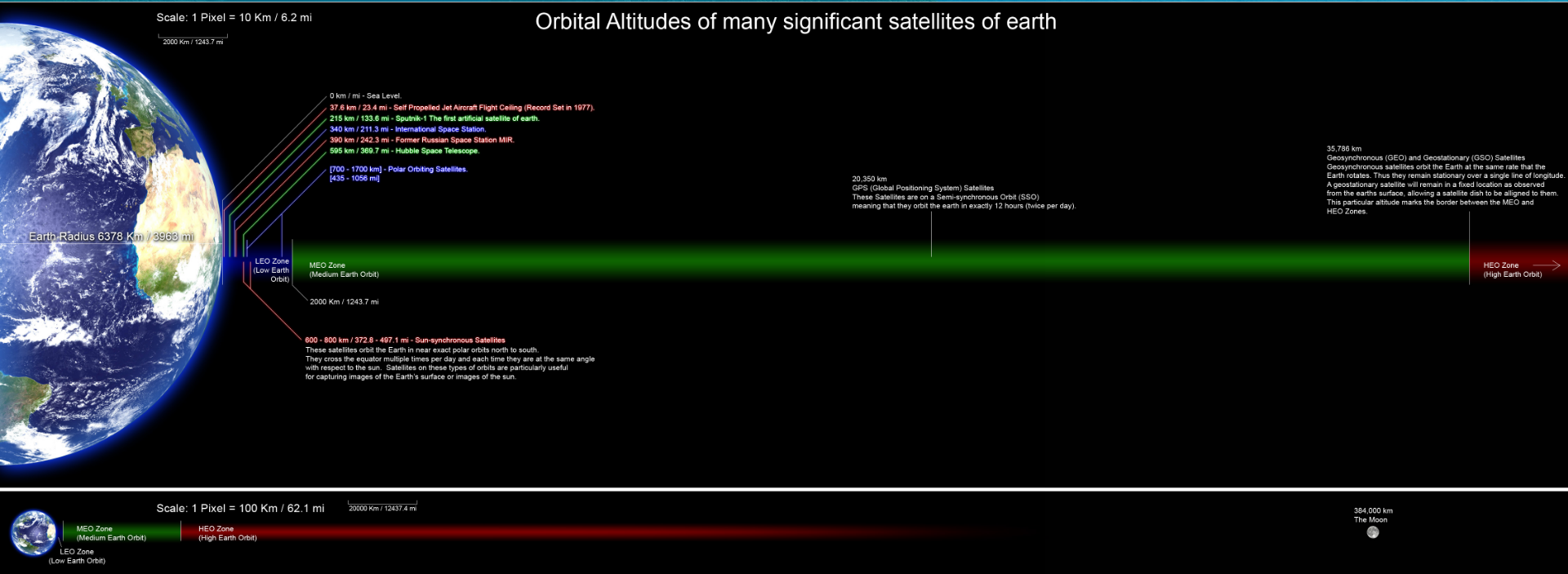
LEO(НОО) — низкая околоземная орбита (Low Earth orbit)
ПН — полезная нагрузка
ВПП — взлётно-посадочная полоса
ELV — expendable launch vehicle
→ ERV — Expendable Rocket Vehicle
MIPCC — Mass Injection Pre-Compressor Cooling = Технология представляет собой распыление воды только в передней части лопаток компрессора двигателя J-75, как только самолет приближается к Mach 3.
Это приводит к охлаждению перегретого воздуха на входе двигателя, как бы обманывая двигатель, симулируя его работу на более низком числе Маха.
Впрыск воды также увеличивает плотность потока через двигатель, а также его объем (секундный расход). Результат-ТРД выдает тем больше тяги, чем быстрее двигается ЛА.
Повышение тяги теоретически возможно на 100%, 200% и 300%, в зависимости от количество впрыскиваемой воды.
Этот метод также позволяет ТРД J-75 работать при гораздо более высоких высотах, чем его расчетные проектные показатели.
→ TTO — Tactical Technology Office
Использованы документы, фото и видео:
www.nasa.gov
www.yumpu.com
en.wikipedia.org
www.faa.gov
www.space.com
www.darpa.mil
robotpig.net
www.456fis.org
www.f-106deltadart.com
www.aerosem.caltech.edu
→ MNS
ORS — Operationally Responsive Spacelift = система запуска КА с быстрым реагированием
ВС — воздушный старт, ВКС(air-launched spacelift) = воздушно-космический старт.
Rascal — Responsive Access Small Cargo Affordable Launch=Доступная система запуска КА воздушного базирования с быстрым временем реакции.
КА — космический аппарат
LEO(НОО) — низкая околоземная орбита (Low Earth orbit)
ПН — полезная нагрузка
ВПП — взлётно-посадочная полоса
ELV — expendable launch vehicle
→ ERV — Expendable Rocket Vehicle
MIPCC — Mass Injection Pre-Compressor Cooling = Технология представляет собой распыление воды только в передней части лопаток компрессора двигателя J-75, как только самолет приближается к Mach 3.
Это приводит к охлаждению перегретого воздуха на входе двигателя, как бы обманывая двигатель, симулируя его работу на более низком числе Маха.
Впрыск воды также увеличивает плотность потока через двигатель, а также его объем (секундный расход). Результат-ТРД выдает тем больше тяги, чем быстрее двигается ЛА.
Повышение тяги теоретически возможно на 100%, 200% и 300%, в зависимости от количество впрыскиваемой воды.
Этот метод также позволяет ТРД J-75 работать при гораздо более высоких высотах, чем его расчетные проектные показатели.
→ TTO — Tactical Technology Office
Использованы документы, фото и видео:
www.nasa.gov
www.yumpu.com
en.wikipedia.org
www.faa.gov
www.space.com
www.darpa.mil
robotpig.net
www.456fis.org
www.f-106deltadart.com
www.aerosem.caltech.edu
Only registered users can participate in the survey. Sign in , please.