July 17, 2019 at 17:53
Why do you need hidden game mechanics
- Transfer
Video games are a unique art. All because of how they create an impression. The player controls what is happening and creates a level of immersion that cannot be compared with anything else. He is not just watching something, he is participating in it.
The formation of these sensations is the essence of game design. Each twist or game mechanic helps create emotions. Most of them are obvious to the player, but sometimes you have to trick. Developers hide certain mechanics to give the player the best experience. They are, they work in the background, but the player is never informed about this.
Trick a player to make him feel cool
One of the popular types of such a mechanic is one that makes the player feel powerful and indestructible. By slightly adjusting some elements of the action, the designers can make the players feel stronger than they really are.
Great examples of this can be Assassin's Creed or Doom, where the last few health items are done a little differently. Naturally, when a player sees a health bar, he assumes that all health divisions are equal, but this is not so. The last few HP streaks are more important than the rest - because of this, the player spends more time in this state - it creates a feeling that he is holding a thread of death.

System Shock uses a similar tactic, but flips it. In it, your last bullet deals additional damage, which increases the player's chances of winning.
Do you know what is very annoying? Suddenly be killed out of nowhere. That is why in some games (for example, Bioshock, Assassin's Creed and Luftrausers) there are systems when in certain situations the AI intentionally misses the first shot.
To destroy the player’s shield in the first Halo, an almost full ammunition store is required - the player runs out of health at about the same time that the enemy starts reloading. This forces players to make decisions in a split second to survive.
Creating suspense
Instead of making the player feel cool and strong, these hidden mechanics are designed to create fear, anxiety or tension. Such mechanics are often used to enhance the atmosphere in horror and survivals.
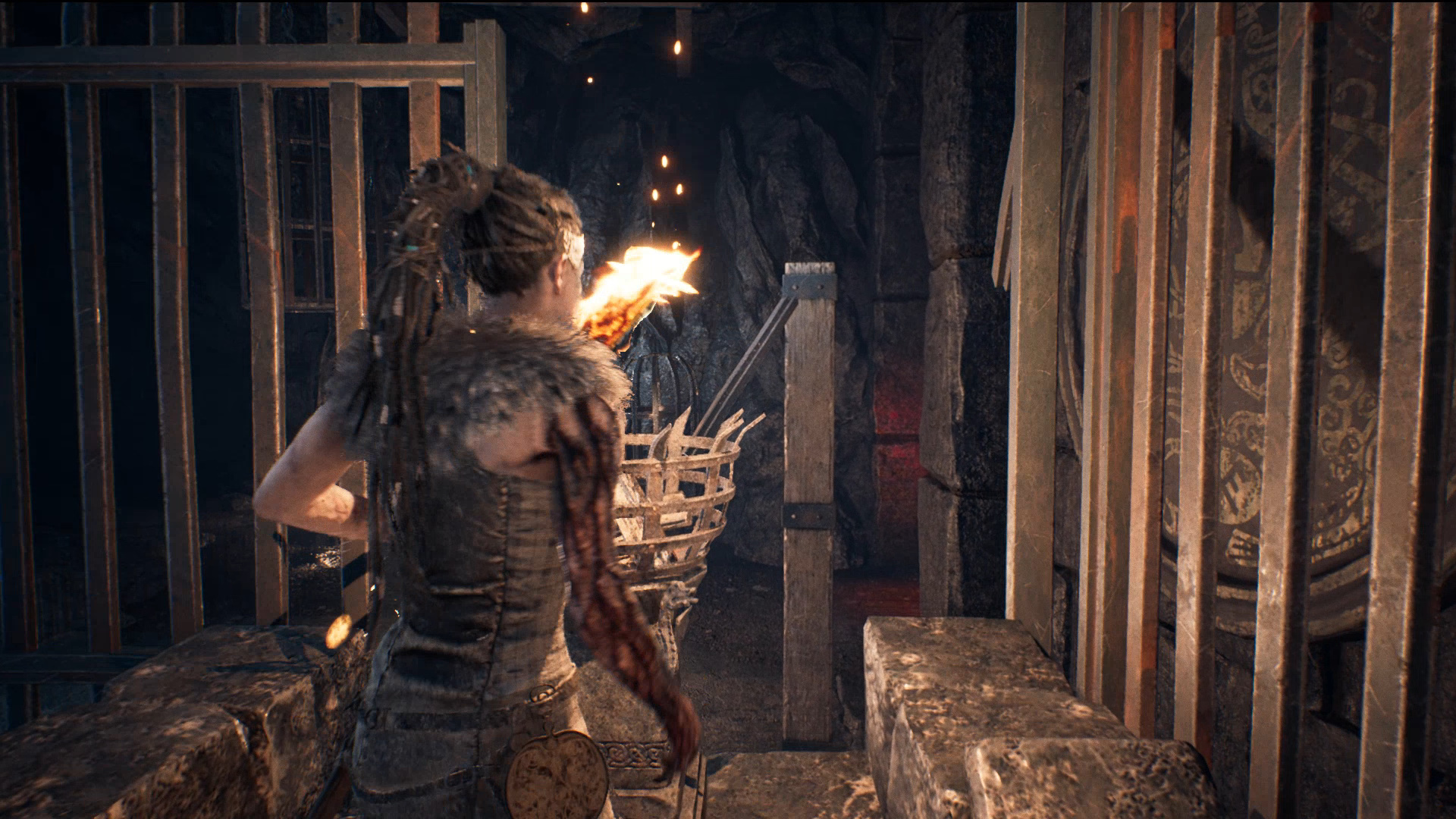
Hellblade: Senua's Sacrifice is a great example. At the beginning of the passage, the players are told about the “dark rot”, which with each death increasingly covers the hand of the main character - if she reaches her head, the game will have to start again. But at some point, this curse simply stops growing - the threat of losing all progress is needed in order to strengthen the feeling of tension.
Another example can be found in the Uncharted series, where a player must escape from collapsing places - for example, from a train falling from a cliff. It seems that the train may fall at any moment and will have to load from the checkpoint. But the animation of the falling object is actually tied to the progress of the passage - it will accelerate and slow down depending on how far the player is. At such levels, the user always has time at the last moment, and the object falls apart completely just a few moments after the rescue.
Another example is the Alien vs Predator game. Usually autosave is turned on when a player reaches a kind of checkpoint - whether it be passing a certain zone or defeating a difficult boss. But in AvP, autosave is often used to create suspense. When the auto save icon appears right in front of the room without any obvious reason, the player naturally assumes that something will happen now. This pumps extra voltage.
AI that does not behave the way you think
Artificial intelligence itself can be regarded as a kind of hidden mechanics, because you never know what exactly they are going to do. In most video games, AI is pretty straightforward, and a player can easily predict its actions. This category will be about AI in video games that behave so discreetly or not intuitively that the player will never notice it.
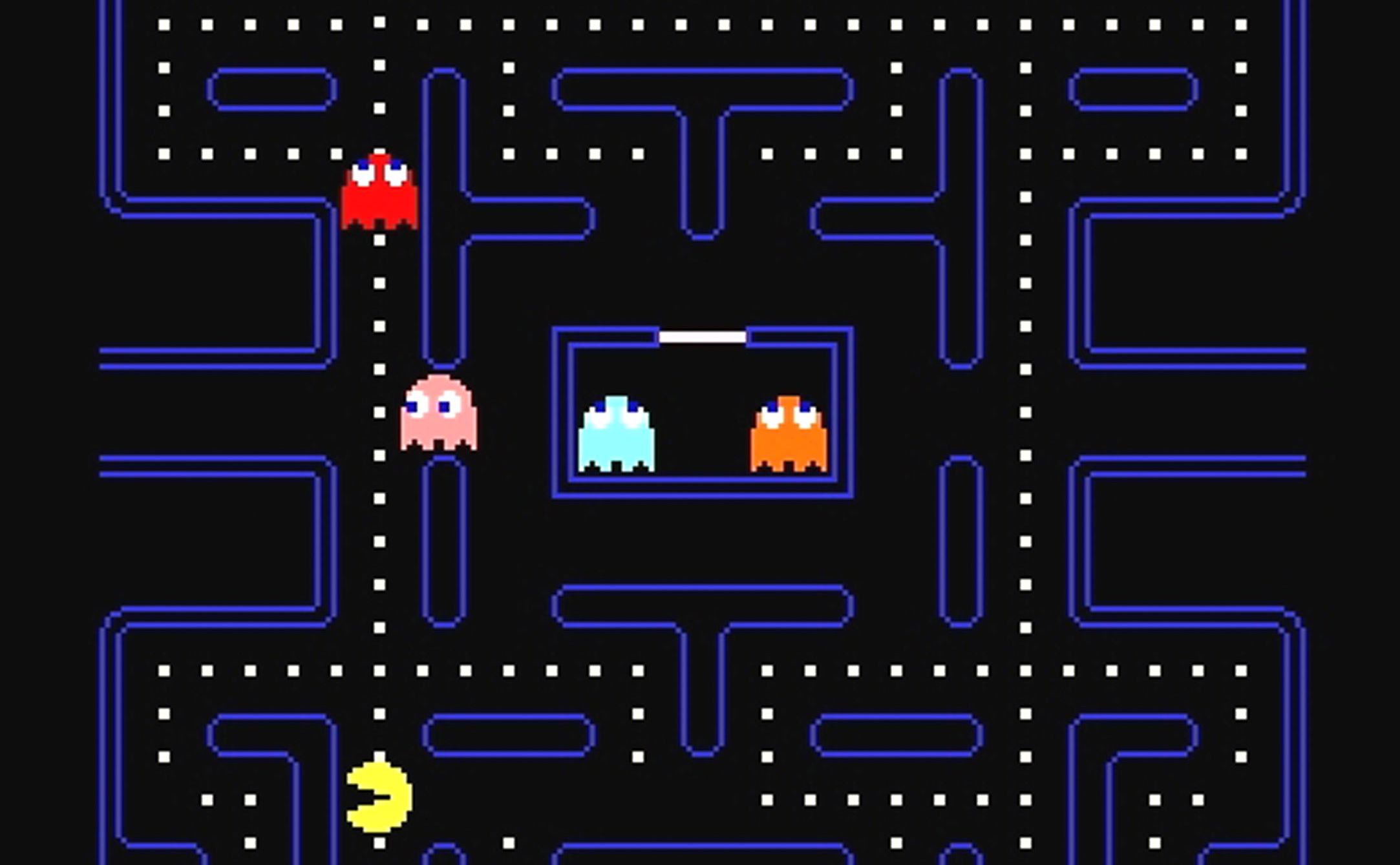
The earliest example can be found in Pac-Man - each of the ghost characters actually has a unique AI that controls their movement. The red ghost is just chasing the player, and the pink and blue ghosts are trying to pop out in front of Pac-Man. The movement of the orange ghost is most likely just random.
Something similar can be found in the Amnesia series. It may seem that the enemies are just chasing the player, but in reality, everything is a little more complicated. Enemies try to get as close as possible to the player, while remaining outside of his zone. This creates the feeling that the player is being watched, and the impression that enemies appear from nowhere.

Sometimes AI does change as you progress through the game. In Alien: Isolation, an alien can learn a player’s habits (for example, where he likes to hide) and adjust his behavior. Another example is Enter the Gungeon, in which artificial intelligence takes time to “warm up” - the further the player goes, the better the AI becomes.
Dynamic change of difficulty
Perhaps this is the largest of the hidden mechanics. It is annoying to play again and again in the same place, so many games dynamically change complexity right in the process. The game can give the player a little more “luck” or add additional difficulties when necessary.
Other
Some games tweak the physics to make the game more fun at some points. In FEAR, bullets are slightly attracted to explosive objects. And in Doom and Half-Life 2, opponents ragdolls are pulled to the ledges to increase the likelihood of a fall.

Other games try to hide the loading of new locations due to in-game actions. Sometimes it looks silly - for example, accidentally “stumble” in Jak and Daxter. Or vice versa - as in The Suffering, where the character is slowly losing his mind - the hero holds his head while the level is loading around.