February 27, 2018 at 13:40
How to organize parking in 5 hours using the critical path determination method CPM?
The arsenal of any project manager has its own reserves of managerial methods. Everyone strives for effective results based on their own intuition, practical experience, popular tools and well-known prioritization techniques. These results can be achieved if there is no chaos in the project life cycle, and the manager knows what to do at each stage, including determining the critical path of the project.
What is the role of determining the critical path and what is the purpose of the special CPM method? In this material, we learn to determine the critical path by the example of designing parking at the office. We’ll deal with terminology first.

The critical path in project management is certain tasks that need to be performed in a clear order and for a certain period of time. If part of one task can be slowed down or postponed without leaving work on others, then such a task is not critical. Tasks with a critical value cannot be delayed during the implementation of the project and are limited in time.
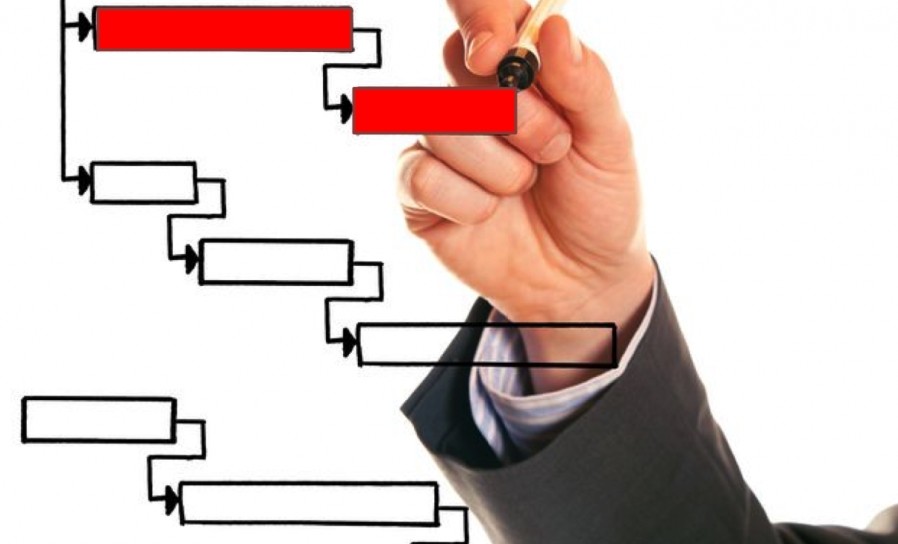
The Critical Path Method is an algorithm for planning, managing and analyzing the timing of a project. The step-by-step CPM system helps to identify critical and non-critical tasks from the beginning to the end of the project and prevents temporary risks.
The method was developed by one of the American companies in 1957. Its employees planned the closure, repair, and restart of chemical plants. The tasks in this project were numerous and complex, therefore, the need arose for such a technique. After that, the critical path method quickly spread to projects in the agricultural and construction sectors and wherever they wanted to learn how to cope with routine tasks .
Today, this method of identifying critical tasks is widely used in many industries, including software development.
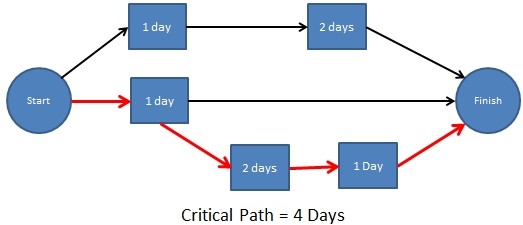
Critical tasks of the project have zero run-time reserve. If the duration of these tasks changes, then the terms of the entire project will “shift”. This is why critical tasks in project management require special control and timely risk identification.
Analysis of the critical path is needed in order to predict the timing of the completion of the project.
Here are 6 key benefits of critical path analysis:
However, there are hardly any ideal methodologies, so some of the pitfalls of CPM should be considered.
It is believed that the methodology was developed for routine and complex projects with the possibility of minimal change in time to complete tasks. When applied to more chaotic projects, CPM will lose its usefulness. But there are alternatives, for example, PERT diagrams that allow you to change the duration of each activity.
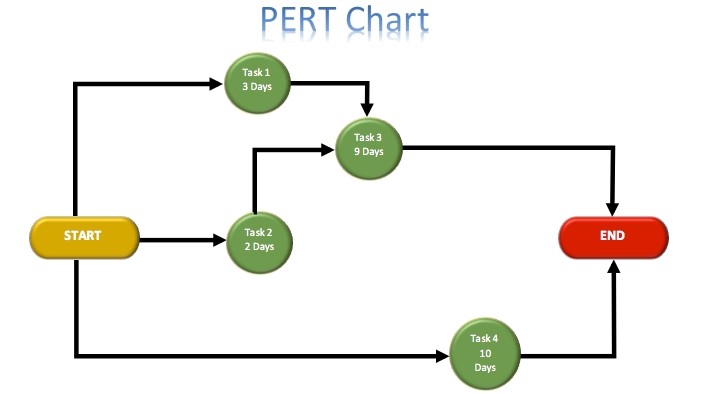
The critical path models events and activities in the project, representing them in an interconnected network. Actions are visualized as “nodes”, and the beginning and end of activities look like arches and lines between nodes.
The CPM method involves 5 consecutive steps:
Representing the scale of the project, you can break down the work structure into a list of activities, give them names or codes. All activities in the project should have a duration and a specific date.
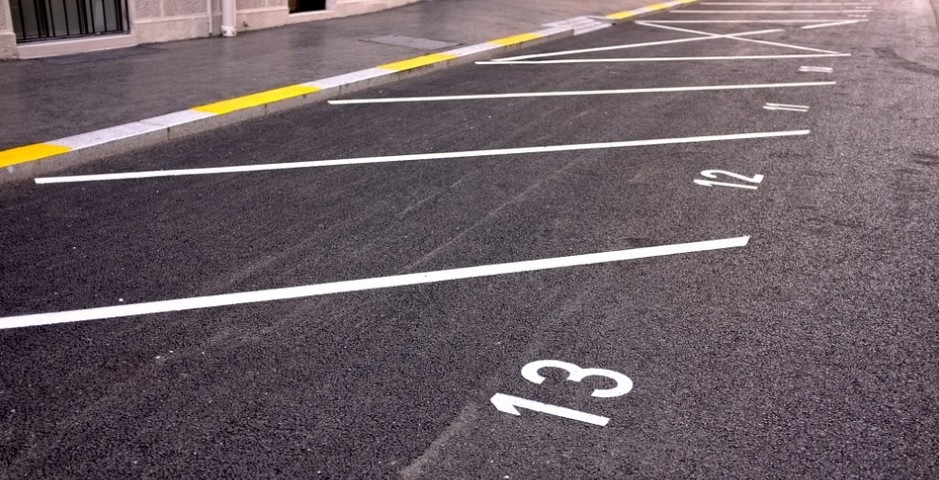
We turn to the project of organizing parking near the office. This is a simple short-term project that can be completed in one day. Suppose our goal is to “smash” parking in an empty paved area near the office. To do this, it is necessary to plan and do certain steps so that the first car can freely park in a designated area.
For the successful implementation of the project, we plan 6 phased activities. It is necessary to determine the territory and clean it of debris, buy paint for marking, make all measurements, apply paint and, finally, install a barrier.
This is the most important step because it gives a clear idea of the relationships between activities and helps establish dependencies, as some actions will depend on the completion of others. To correctly assess the tasks and their priority, ask yourself three questions:
In our example activity should be arranged in this order:
Once you have determined which actions depend on each other, you can create a network diagram or a critical path analysis diagram. Using arrows, you can easily connect activities based on their dependencies.
Estimating how much time will be spent on each action, you can determine the time required to complete the entire project (small projects can be evaluated in a few days, more complex ones require a lengthy evaluation).
Our illustrative project is the simplest, so one day is enough to evaluate. Based on the plan, you can determine the duration of the stages and the entire project:
Grouping actions will help you create the longest sequence on the path or critical path using the following options:
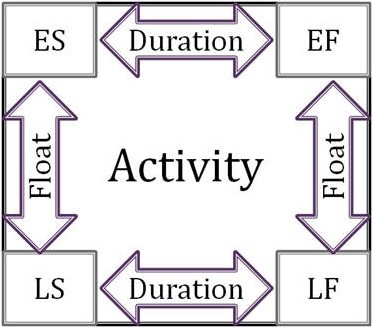
The time between the closest and last start time, or between the closest and last finish time, is called the standby time of the project. This is the time for which the start and finish times may be delayed without changing the project deadlines.
Obviously, some steps in the parking arrangement project cannot begin until others are completed. They are addicted. Stages 4,5,6 are sequential actions, because they should occur in a certain order. These stages are the most important critical tasks to resolve the issue. We will place them on the critical path of the project, because we remember that it is impossible to start some stages until others are completed.
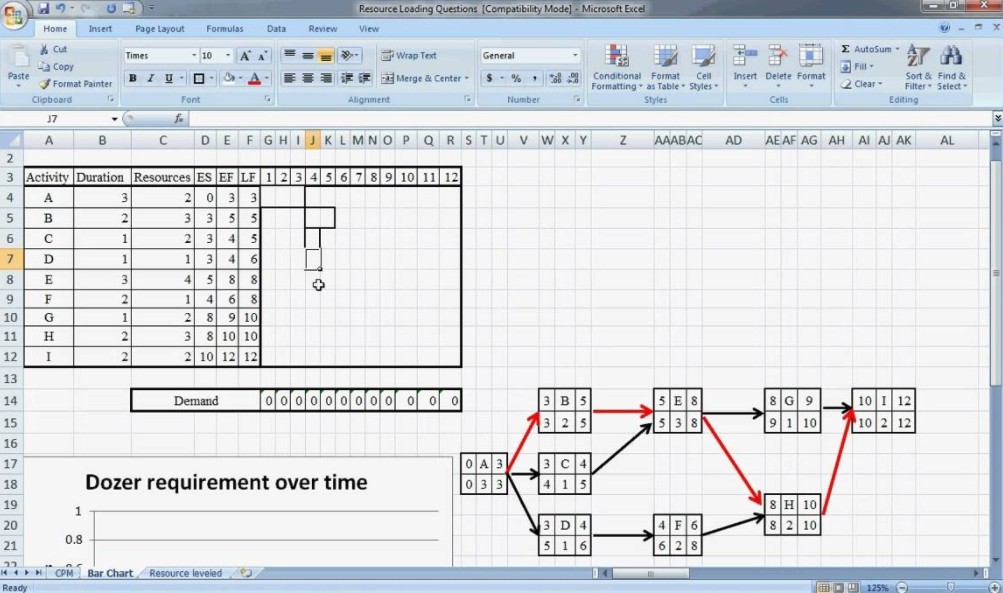
In the graphical diagram of the critical path, graphs, sections, columns, arrows, columns are used to obtain a complete picture of the project and individual tasks. With their help it is easy to visualize activities and dependencies both on paper and I use special programs and tools for these purposes. The simplest calculation of the critical path can be performed even in Excel using Gantt charts.
In an effort to get the most out of the critical path method and ensure the continuous development of projects, we can still encounter some limitations that can affect projects and create new dependencies.
For example, if a team is suddenly reduced from 10 to 5 people, then you are faced with resource limitations.
Thus, the critical path turns into a “critical path of resources”, where the resources associated with each type of activity become an integral part of the process.
This means that some tasks must be performed in a different order, which can lead to delays and, therefore, make the project longer than expected.
Although the CPM critical path method is often criticized today, its fundamentals continue to be sought after by project managers.
CPM has several advantages:
Using the CPM method, you can transfer less important tasks and focus your efforts on optimizing work.
Have you used the CPM method in your work? Share your experience in the comments!
What is the role of determining the critical path and what is the purpose of the special CPM method? In this material, we learn to determine the critical path by the example of designing parking at the office. We’ll deal with terminology first.
What is the critical path in project management?
The critical path in project management is certain tasks that need to be performed in a clear order and for a certain period of time. If part of one task can be slowed down or postponed without leaving work on others, then such a task is not critical. Tasks with a critical value cannot be delayed during the implementation of the project and are limited in time.
The Critical Path Method is an algorithm for planning, managing and analyzing the timing of a project. The step-by-step CPM system helps to identify critical and non-critical tasks from the beginning to the end of the project and prevents temporary risks.
The method was developed by one of the American companies in 1957. Its employees planned the closure, repair, and restart of chemical plants. The tasks in this project were numerous and complex, therefore, the need arose for such a technique. After that, the critical path method quickly spread to projects in the agricultural and construction sectors and wherever they wanted to learn how to cope with routine tasks .
Today, this method of identifying critical tasks is widely used in many industries, including software development.
Critical tasks of the project have zero run-time reserve. If the duration of these tasks changes, then the terms of the entire project will “shift”. This is why critical tasks in project management require special control and timely risk identification.
Benefits of Critical Path Analysis
Analysis of the critical path is needed in order to predict the timing of the completion of the project.
Here are 6 key benefits of critical path analysis:
- The CPM method visually visualizes the project in graphical form.
- Defines the most important tasks.
- Saves time and helps in managing deadlines.
- Helps compare planned with real status.
- Defines all critical activities to which attention should be paid.
- Makes dependencies clear and transparent.
However, there are hardly any ideal methodologies, so some of the pitfalls of CPM should be considered.
Limitations of the critical path method
It is believed that the methodology was developed for routine and complex projects with the possibility of minimal change in time to complete tasks. When applied to more chaotic projects, CPM will lose its usefulness. But there are alternatives, for example, PERT diagrams that allow you to change the duration of each activity.
The critical path models events and activities in the project, representing them in an interconnected network. Actions are visualized as “nodes”, and the beginning and end of activities look like arches and lines between nodes.
Stages of the critical path method
The CPM method involves 5 consecutive steps:
1. Definition of activities / tasks
Representing the scale of the project, you can break down the work structure into a list of activities, give them names or codes. All activities in the project should have a duration and a specific date.
We turn to the project of organizing parking near the office. This is a simple short-term project that can be completed in one day. Suppose our goal is to “smash” parking in an empty paved area near the office. To do this, it is necessary to plan and do certain steps so that the first car can freely park in a designated area.
For the successful implementation of the project, we plan 6 phased activities. It is necessary to determine the territory and clean it of debris, buy paint for marking, make all measurements, apply paint and, finally, install a barrier.
2. Sequencing
This is the most important step because it gives a clear idea of the relationships between activities and helps establish dependencies, as some actions will depend on the completion of others. To correctly assess the tasks and their priority, ask yourself three questions:
- What task must be completed before this task is completed?
- What tasks should be performed simultaneously with this task?
- What tasks should be performed immediately after this task?
In our example activity should be arranged in this order:
- Choose a place.
- To clear a platform of garbage.
- Buy paint for a marking.
- Measure the site for a certain number of cars.
- Mark and indicate parking signs.
- Install a barrier.
3. Creating groups / networks of activities
Once you have determined which actions depend on each other, you can create a network diagram or a critical path analysis diagram. Using arrows, you can easily connect activities based on their dependencies.
4. Determination of time periods for the completion of each activity
Estimating how much time will be spent on each action, you can determine the time required to complete the entire project (small projects can be evaluated in a few days, more complex ones require a lengthy evaluation).
Our illustrative project is the simplest, so one day is enough to evaluate. Based on the plan, you can determine the duration of the stages and the entire project:
- 15 minutes to choose a place
- 90 minutes to clear the site
- 30 minutes to buy paint for marking
- 45 minutes to measure the site
- 60 minutes for marking
- 60 minutes to install the barrier
- The total time spent on the project will be 5 hours.
5. Search for the critical path
Grouping actions will help you create the longest sequence on the path or critical path using the following options:
- The closest start time (Early Start) is the moment when all previous tasks are completed.
- The closest finish time (Early Finish) - the closest start time and the time required to complete the task.
- The last time to finish (Late Finish) is the final moment - all activities are completed without delay.
- Last Start Time (Late Start) - The last end time minus the time it takes to complete the task.
The time between the closest and last start time, or between the closest and last finish time, is called the standby time of the project. This is the time for which the start and finish times may be delayed without changing the project deadlines.
Obviously, some steps in the parking arrangement project cannot begin until others are completed. They are addicted. Stages 4,5,6 are sequential actions, because they should occur in a certain order. These stages are the most important critical tasks to resolve the issue. We will place them on the critical path of the project, because we remember that it is impossible to start some stages until others are completed.
How to build a critical path diagram?
In the graphical diagram of the critical path, graphs, sections, columns, arrows, columns are used to obtain a complete picture of the project and individual tasks. With their help it is easy to visualize activities and dependencies both on paper and I use special programs and tools for these purposes. The simplest calculation of the critical path can be performed even in Excel using Gantt charts.
How does resource limitation affect a method?
In an effort to get the most out of the critical path method and ensure the continuous development of projects, we can still encounter some limitations that can affect projects and create new dependencies.
For example, if a team is suddenly reduced from 10 to 5 people, then you are faced with resource limitations.
Thus, the critical path turns into a “critical path of resources”, where the resources associated with each type of activity become an integral part of the process.
This means that some tasks must be performed in a different order, which can lead to delays and, therefore, make the project longer than expected.
In conclusion
Although the CPM critical path method is often criticized today, its fundamentals continue to be sought after by project managers.
CPM has several advantages:
- Determines the priority of tasks.
- Gives a clear understanding of the time intervals of the project. This helps reduce the time needed to complete the project.
- It provides an opportunity to compare planned and actual progress.
- Assesses the risks.
- Helps in the distribution of team members.
- Helps the team stay focused on the essentials.
Using the CPM method, you can transfer less important tasks and focus your efforts on optimizing work.
Have you used the CPM method in your work? Share your experience in the comments!