Why "1984" won't come
Since Eric Arthur Blair, better known by his pseudonym as George Orwell, wrote the dystopian "1984", the public has been very wary of any government initiatives involving some state oversight and the use of an identification mechanism. If you are familiar with classics, and you are only afraid of the thought of Room 101, then you can probably imagine what Orwell’s novel would look like if he knew about our hyper-connected world. Fortunately, the terrifying future he presented with the almighty and all-seeing Big Brother has not materialized yet. The right to privacy and the right to access information have been retained.
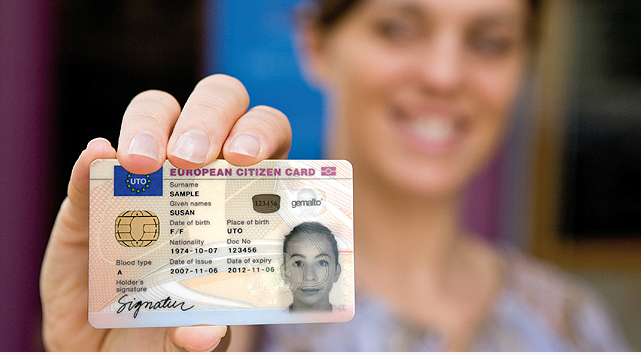
Thanks to innovative solutions for identification and strict regulation of this sphere, it becomes possible to create reliable and secure identity cards of citizens without violating civil liberties. If in the novel information was used to subordinate society and to suppress resistance to the regime, in the modern world, authorities are exploring ways to protect personal data of citizens and to better understand how personal data is used. One example is e-ID, which allows states to create national identification systems, which ultimately leads to increased levels of trust, the emergence of new rights and increased legislative transparency.
The idea of electronic identification cards has proved so popular among governments of various countries precisely because of the high reliability, convenience and openness of such identification cards. Using eID helps to combat fraudulent documents, identity theft and helps to reduce the number of fraudulent activities with financial and social services: for taxpayers, each case of using fraudulent identifiers by fraudsters can cost up to 50,000 euros.
The technology is highly reliable - a smart card equipped with a microprocessor is considered the most secure means of authentication, which helps prevent fraud using accounts and protect citizens' personal data as efficiently as possible. If today with the help of smart cards payment transactions amounting to trillions of dollars are safely carried out all over the world every day, this same technology can prevent fraud with personal data.
Another strength of smart cards is the ease of use. E-ID cards can be in your pocket, and can be copied to your phone. The presence of a large number of such cards in circulation instantly makes them the preferred choice for access to various electronic public services. Such certificates can be used for many other purposes, including as a digital wallet, as a means of payment, for digital signature, authentication, or even as a travel ticket. Modern authentication solutions make people's lives more convenient - and this has nothing to do with the inhuman despotic regime that was introduced in 1984.
Finally, the concept of electronic credentials explains why the 1984 plot remained fiction: it's all about ensuring transparency and access control. As one example of how the national identity card system empowers citizens, we can cite the Belgian electronic identity card system. According to Belgian law governing electronic identity, the government must provide citizens with the “My File” application, which should be available online. It allows citizens to find out exactly who accessed their personal data. At the same time, a special form for submitting appeals or complaints is available to citizens, thanks to which they can send a request to the government so that the government justifies one or another fact of access to their personal data.
It is quite obvious that from the point of view of the problem of identifying and protecting personal data, the plot of 1984 has no place in the modern world - powerful solutions can be introduced to identify users without infringing on their civil rights.

The advantages of electronic identity cards have already been appreciated by citizens and governments of many countries: today in the world more than 50 countries use this technology. Estonia was one of the first countries to build a digital infrastructure for its citizens by introducing e-IDs and launching e-Government services. Estonian e-IDs have become part of the national public key infrastructure (PKI), which allows citizens to use secure online services.
The essence of the technology boils down to the fact that digitized data about an authorized user is stored on an e-ID plastic card, including its full name, gender, national identification number and public key certificate. The microprocessor is integrated into the smart card, which provides higher protection of the identity and allows online authentication and digital signature of documents. In addition, the card contains a photograph of the owner and, as a rule, his fingerprints (and sometimes a scan of the iris), which allows the card to be used for biometric identification and authentication. The new generation of cards also includes the most advanced means of protection against identity theft to preserve the confidentiality of personal data of citizens.
The citizens have a single identification card, an e-ID, which provides them with access to a variety of applications, including public services, social security services, and can also act as an electronic passport, driver’s license, as a basis for voting in elections , a document for crossing the border, as well as a certificate for health services and social benefits.
Along with the development of digital and biometric services, the level of penetration of electronic digital identity cards of a citizen will also grow. We, as consumers, are getting more and more used to modern technologies and biometric services in our daily lives. In our report Connected Living 2025We conducted a survey of 1200 young people around the world to find out their expectations from modern digital technology in the coming decade. Most respondents said they expect to see, for example, simple electronic payment tools, digital personal assistants, or the ability to unlock devices using biometrics. Convenience and security embedded in smart cards are the key to natural evolution and help to simplify our access to digital services and services.

The growing popularity of electronic identity cards (e-IDs) is affecting various aspects of our daily lives. But there is another phenomenon that is starting to gain momentum today - the development of mobile identities (Mobile ID).
Mobile ID (or mGov) is a digital ID that allows you to use a mobile phone for secure access to electronic services and for digital signing of documents. Given the ubiquity of smartphones, the availability of the Mobile-ID option will provide greater convenience for citizens. A mobile ID will allow citizens to pay taxes online, receive all kinds of certificates and even vote in elections. In addition, the development of mobile identities will also contribute to the active use of services, as people will have access to these services around the clock without having to plan visits to government agencies during their working day.
Implementing digital identity solutions, whether Mobile ID or e-ID, is a key strategic step for governments looking to digitally transform their communities to help them build a modern national identity infrastructure. It is expected that the number of digital transactions between the state and citizens will increase by 30% by 2020 (BCG 2015). BCG forecasts are based on a model that calculates the total number of transactions made today by citizens, and also takes into account changes in the nature of online access.
Key benefits of this digital transition include:
Improving usability and meeting citizens' expectations
Save money and reduce fraud
The first to start implementing projects using Mobile ID were countries where the penetration rate of mobile phones and new technologies is especially high - Austria, Estonia, Finland, Norway and Turkey. Some of these countries are already using mobile identities (including for mobile access to public services, which is implemented on the basis of existing e-ID platforms). In 2014, Oman became the first country in the Middle East where the national electronic identity infrastructure began to support the Mobile ID authentication scheme.
Gemalto recently launched in test mode the Mobile Connect solution, which is available to citizens of Spain and Finland. Subscribers of operators participating in the project will be able to use public services online. The goal of this project is to create an international electronic identity service built using valid identities, as well as introduce a new type of trust services for the global market.
It seems that due to the convenience and level of security offered by mobile identities, they will continue to gain popularity. For the widest possible distribution of mobile identity services, close interaction between government bodies, banks, telecommunications companies and the private sector is necessary. Moreover, the first important factor is the role of the state in creating a trusted infrastructure, and the second main condition is to ensure the protection of users when they work with online services.
We would like to know what your opinion on electronic identities is. If you already have an electronic ID - how exactly did it help you?
Thanks to innovative solutions for identification and strict regulation of this sphere, it becomes possible to create reliable and secure identity cards of citizens without violating civil liberties. If in the novel information was used to subordinate society and to suppress resistance to the regime, in the modern world, authorities are exploring ways to protect personal data of citizens and to better understand how personal data is used. One example is e-ID, which allows states to create national identification systems, which ultimately leads to increased levels of trust, the emergence of new rights and increased legislative transparency.
The idea of electronic identification cards has proved so popular among governments of various countries precisely because of the high reliability, convenience and openness of such identification cards. Using eID helps to combat fraudulent documents, identity theft and helps to reduce the number of fraudulent activities with financial and social services: for taxpayers, each case of using fraudulent identifiers by fraudsters can cost up to 50,000 euros.
The technology is highly reliable - a smart card equipped with a microprocessor is considered the most secure means of authentication, which helps prevent fraud using accounts and protect citizens' personal data as efficiently as possible. If today with the help of smart cards payment transactions amounting to trillions of dollars are safely carried out all over the world every day, this same technology can prevent fraud with personal data.
Another strength of smart cards is the ease of use. E-ID cards can be in your pocket, and can be copied to your phone. The presence of a large number of such cards in circulation instantly makes them the preferred choice for access to various electronic public services. Such certificates can be used for many other purposes, including as a digital wallet, as a means of payment, for digital signature, authentication, or even as a travel ticket. Modern authentication solutions make people's lives more convenient - and this has nothing to do with the inhuman despotic regime that was introduced in 1984.
Finally, the concept of electronic credentials explains why the 1984 plot remained fiction: it's all about ensuring transparency and access control. As one example of how the national identity card system empowers citizens, we can cite the Belgian electronic identity card system. According to Belgian law governing electronic identity, the government must provide citizens with the “My File” application, which should be available online. It allows citizens to find out exactly who accessed their personal data. At the same time, a special form for submitting appeals or complaints is available to citizens, thanks to which they can send a request to the government so that the government justifies one or another fact of access to their personal data.
It is quite obvious that from the point of view of the problem of identifying and protecting personal data, the plot of 1984 has no place in the modern world - powerful solutions can be introduced to identify users without infringing on their civil rights.
Estonia is pushing ahead
The advantages of electronic identity cards have already been appreciated by citizens and governments of many countries: today in the world more than 50 countries use this technology. Estonia was one of the first countries to build a digital infrastructure for its citizens by introducing e-IDs and launching e-Government services. Estonian e-IDs have become part of the national public key infrastructure (PKI), which allows citizens to use secure online services.
The essence of the technology boils down to the fact that digitized data about an authorized user is stored on an e-ID plastic card, including its full name, gender, national identification number and public key certificate. The microprocessor is integrated into the smart card, which provides higher protection of the identity and allows online authentication and digital signature of documents. In addition, the card contains a photograph of the owner and, as a rule, his fingerprints (and sometimes a scan of the iris), which allows the card to be used for biometric identification and authentication. The new generation of cards also includes the most advanced means of protection against identity theft to preserve the confidentiality of personal data of citizens.
The citizens have a single identification card, an e-ID, which provides them with access to a variety of applications, including public services, social security services, and can also act as an electronic passport, driver’s license, as a basis for voting in elections , a document for crossing the border, as well as a certificate for health services and social benefits.
Along with the development of digital and biometric services, the level of penetration of electronic digital identity cards of a citizen will also grow. We, as consumers, are getting more and more used to modern technologies and biometric services in our daily lives. In our report Connected Living 2025We conducted a survey of 1200 young people around the world to find out their expectations from modern digital technology in the coming decade. Most respondents said they expect to see, for example, simple electronic payment tools, digital personal assistants, or the ability to unlock devices using biometrics. Convenience and security embedded in smart cards are the key to natural evolution and help to simplify our access to digital services and services.
Will electronic identity become mobile identity?
The growing popularity of electronic identity cards (e-IDs) is affecting various aspects of our daily lives. But there is another phenomenon that is starting to gain momentum today - the development of mobile identities (Mobile ID).
Mobile ID (or mGov) is a digital ID that allows you to use a mobile phone for secure access to electronic services and for digital signing of documents. Given the ubiquity of smartphones, the availability of the Mobile-ID option will provide greater convenience for citizens. A mobile ID will allow citizens to pay taxes online, receive all kinds of certificates and even vote in elections. In addition, the development of mobile identities will also contribute to the active use of services, as people will have access to these services around the clock without having to plan visits to government agencies during their working day.
Implementing digital identity solutions, whether Mobile ID or e-ID, is a key strategic step for governments looking to digitally transform their communities to help them build a modern national identity infrastructure. It is expected that the number of digital transactions between the state and citizens will increase by 30% by 2020 (BCG 2015). BCG forecasts are based on a model that calculates the total number of transactions made today by citizens, and also takes into account changes in the nature of online access.
Key benefits of this digital transition include:
Improving usability and meeting citizens' expectations
- The ability to ensure the availability of the service 24/7, wherever the user is.
- Increasing the degree of satisfaction of users working with government services and services of private companies, as well as ensuring the transparency of these services.
- The opportunity to save time for citizens who no longer have to get to government offices or stand in lines: on average, saving time per transaction is 30 minutes, which means a total annual savings of 29 billion hours.
Save money and reduce fraud
- According to the BCG global survey, access to public services in electronic form (e-Government) will achieve annual global savings of $ 50 billion by 2020.
- Initiatives like the British Gov.uk Verify are expected to reduce the cost of providing identity services in some cases by 90% (currently in the UK the corresponding annual cost is £ 3.3 billion).
- In 2014, 51% of all data leaks were the result of fraudulent activities with identity cards (according to the Gemalto Data Breach Level Index report). Mobile ID credentials solve this problem by offering a reliable authentication solution that provides secure access to online services.
The first to start implementing projects using Mobile ID were countries where the penetration rate of mobile phones and new technologies is especially high - Austria, Estonia, Finland, Norway and Turkey. Some of these countries are already using mobile identities (including for mobile access to public services, which is implemented on the basis of existing e-ID platforms). In 2014, Oman became the first country in the Middle East where the national electronic identity infrastructure began to support the Mobile ID authentication scheme.
Gemalto recently launched in test mode the Mobile Connect solution, which is available to citizens of Spain and Finland. Subscribers of operators participating in the project will be able to use public services online. The goal of this project is to create an international electronic identity service built using valid identities, as well as introduce a new type of trust services for the global market.
It seems that due to the convenience and level of security offered by mobile identities, they will continue to gain popularity. For the widest possible distribution of mobile identity services, close interaction between government bodies, banks, telecommunications companies and the private sector is necessary. Moreover, the first important factor is the role of the state in creating a trusted infrastructure, and the second main condition is to ensure the protection of users when they work with online services.
We would like to know what your opinion on electronic identities is. If you already have an electronic ID - how exactly did it help you?