
 September 29, 2016 at 16:27
Neuromarketing: How Brain Research Helps Brands Sell
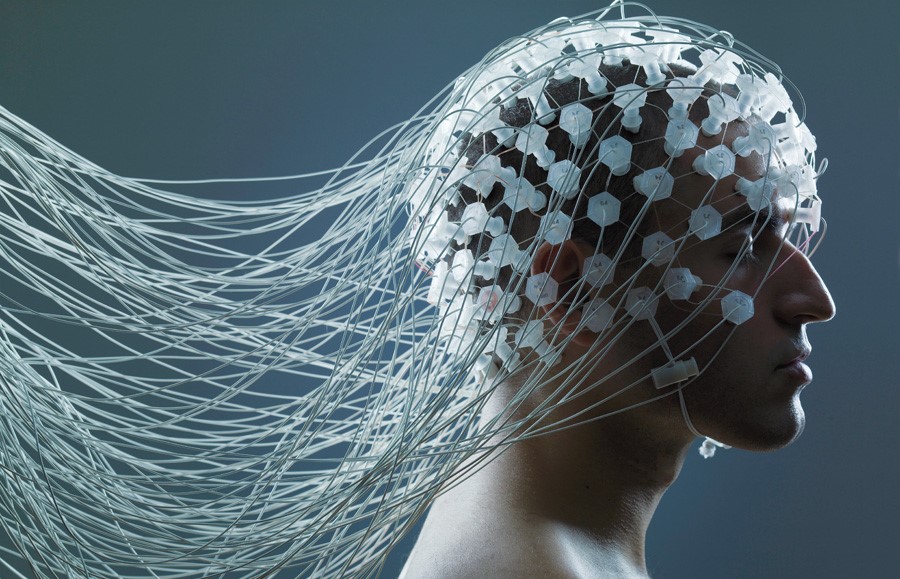
Neuromarketing is a new area of marketing that uses brain research to study consumer behavior. In 2015, the global turnover of such studies amounted to $ 26 billion. Procter & Gamble, General Motors and other companies create their own commercials based on neuromarketing research.
Natalia Galkina, director of the neuromarketing company Neurotrend, spoke about the development of this area in Russia in an interview for RR. We have chosen the main thing.
What is neuromarketing?
Neuromarketing is a marketing research that uses brain science methods and technologies. Neuromarketing allows you to determine, for example, who is the target audience of the brand.
“The most famous neuromarketing technology in the world called the“ Method of extracting Zaltman metaphors ”, professor at Harvard University Jerry Zaltman developed at the end of the last century. It is based on the impact on the human subconscious with the help of graphic images. The scientist found out that a correctly selected picture activates hidden images-metaphors, which are born unconsciously and cause positive emotions that prompt a person to make a purchase. Today, Procter & Gamble, General Motors and other leading companies identify the images they need, and then based on them build the schedule of their commercials. ”
What do advertisers want to know?
Neuromarketing is now most actively engaged in testing advertising. The main question with which clients come to neuromarketologists is: “Why does the target audience not see and do not perceive the concept that I came up with?”
State-owned companies use neuromarketing research to evaluate the effectiveness of social advertising: how people relate to a particular topic, how to properly convey the meaning of reform to a certain circle of people.
Researchers offer companies technology that can help them find the most perceived image, one that’s easiest to convey to consumers.
“When a person briefly notices the logo of a brand, he does not have the opportunity to analyze it, but the brain manages to process what he sees. So, if a person again encounters this image, he will perceive it as something familiar, will have more confidence in the company and, in the end, will give it preference when buying. ”
How are the studies?
The customer formulates the task - it can be, for example, brand promotion or strengthening market positions. After that, the neuromarket-marketing company gives recruiting agencies a description of the target audience and selects people for research.
At the next stage, people are invited to the laboratory for research using special equipment. Using instruments register the neurophysiological parameters of a person.
- Ai-trackers (“eye tracking”) record eye movements and track the coordinates of the gaze (exactly where you are looking). They are used to study the attention and interest of respondents.
- A high-resolution camera helps analyze micro-facial expressions to determine emotions (surprise, fear, irritation, joy, and other emotions).
- A polygraph (“lie detector”) is used to register respiration, indicators of cardiovascular activity, and electrical resistance of the skin. A polygraph is used to assess emotional involvement.
- An electroencephalograph records the bioelectric activity of the brain.
Usually, all devices are used in research at the same time. People are shown a video of the company and take data: indicators of attention, interest, memorization, involvement and cognitive load.
The main tasks in neuromarketing: to correctly capture and interpret data. After analyzing the data, the researchers send the customer a report with recommendations. The whole procedure takes about five to seven days.
“Studies by the neuromarketing agency SalesBrain have shown that active smartphone users are more influenced by advertising more than TV fans. A person experiences more positive emotions when he sees an ad on the screen of a mobile device. According to Google and Nielsen, 28% of people who search the Internet for over an hour using their phone or tablet make a purchase, and 55% come to the store. ”
What Russian brands use neuromarketing?
Leading Russian mobile operators, GK Cherkizovo, Borjomi, Faberlic and others. "Neurotrend" tested the films "Yolki 1914", both parts of "Gorky", "Legend No. 17", "Crew".
How much does neuromarketing research cost?
The average cost of a full study is from 300 to 700 thousand rubles.
Is it ethical to conduct such studies?
Neuromarketing is simply a new method of obtaining data in marketing. Researchers can do a deep analysis of consumer behavior, but they do not influence it. The Advertising Act prohibits covert exposure to humans.
However, the technologies will develop and in the future there will be an opportunity to simplify data collection and receive information about consumers without putting on devices. This will entail many ethical problems - a person may not know that he is involved in testing.
