May 27, 2016 at 8:10 pm
Comparison of Vutlan SC8100 and APC NetBotz Rack Monitor 200 Monitoring Systems
In the life cycle of any enterprise there comes a period when the complexity or quantity of equipment exceeds the capabilities of the staff. And if with 2-3 servers, 1 air conditioner or 1 power distribution cabinet, the engineer can keep all the data in his head and constantly monitor the parameters of the devices, then with dozens or even hundreds of pieces of equipment, the monitoring system for the parameters pays off and becomes a necessary part of the infrastructure. Most often, the monitoring module is used in the IT sector to monitor data center parameters: temperature, humidity, equipment status, power parameters, leaks and no fire. Sometimes there are non-standard solutions for using monitoring systems to track equipment parameters: air conditioners, cabinet cabinets, cabinet cabinets, machine tools, telematics objects, smart homes.
The comparison will be carried out in 3 categories:
In the first case, we consider the main differences in characteristics. We will only compare those parameters, the differences in which affect the ease of installation or operation of the system. In the same paragraph, we consider the possibility of scaling the system: the number of ports for sensors in both monitoring systems, differences and a variety of sensors. In the second case, consider the software features of parameter monitoring systems. Collecting information from sensors is a third of the task. The main thing is to notify the maintenance staff when the parameters go beyond the norm, and ideally, to predict the dynamics of the change of parameters, and not allow the parameters to go beyond the norm. In the third case, we compare prices for a typical set of modules and sensors of monitoring systems.
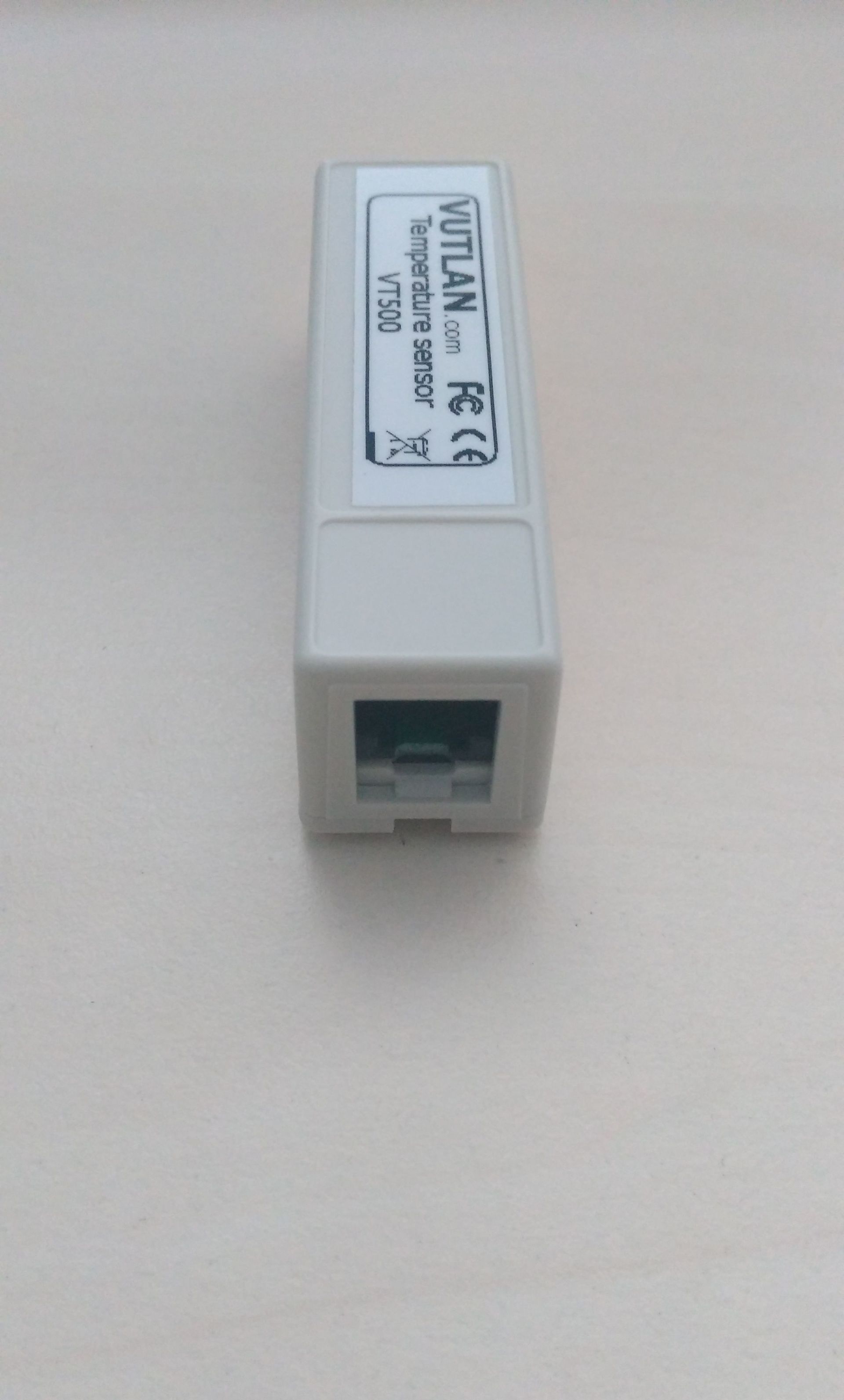
And now some text and pictures. I’ll immediately answer the question of why I pay so much attention to installation, sensors and connectors. Almost always, the sensors are removed from the monitoring system at a distance greater than the length of the standard patch cord from the kit. In the diagram, a temperature sensor is connected to the Vutlan SC8100 port A1, which is located in the same rack. But all the other sensors (ports A2-A6) are located in the next room.
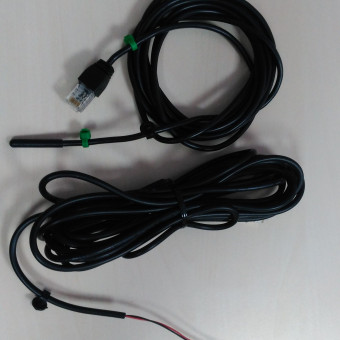
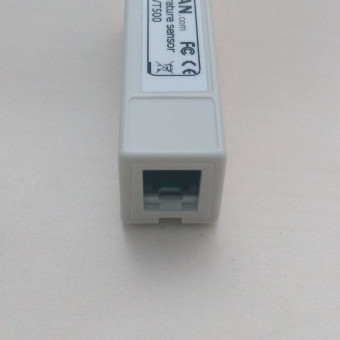
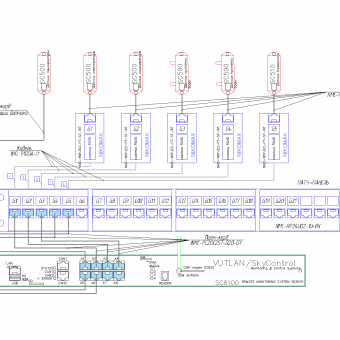
To do this, I had to use a standard patch panel, and inexpensive office boxes for cable termination. When connecting the APC Netbotz Rack Monitor 200 to the patch panel, the most common RJ-45 patch cords (1 pc) are used. And the sensors are simply included in the office box. In the case of the sensors of the Vutlan monitoring system, you will have to worry about finding a rare and non-standard patch cord: 6P4C with direct crimping.

Outwardly, it looks like a four-wire RJ-11 cable for connecting a telephone. But the standard cable has a cross crimp, and the cable for connecting the sensors is straight, because of this, using the standard RJ-11 cable to connect the sensor will not work. And it is necessary to “order in advance” suitable ones, or by purchasing 6P6C connectors, crimp the cables yourself. Dry contact modules in monitoring systems are implemented in different ways. In the Vutlan production system, dry contacts are installed in the system as a separate module, with PCB connectors. In the APC system, dry contacts are represented by a sensor plugged into a standard port.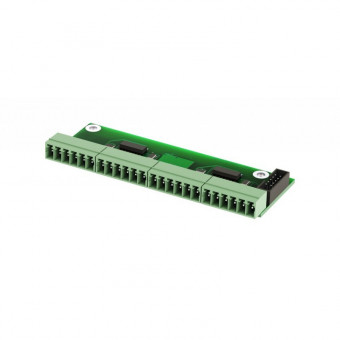

With a small number of (1-2) dry contact outputs, the solutions are equivalent; with a large number of dry contacts, the Vutlan monitoring system wins. An important, and maybe, for some, decisive selection criterion will be the variety of sensors connected to the parameter monitoring system. The Vutlan monitoring system has a wider selection of sensors: analog sensors , digital sensors , current and voltage sensors , and a whole section “ accessories" A good example is the VT491 volumetric temperature sensor or the VT11 controlled dry contact sensor. You will not find such sensors in the APC Netbotz product range. But are they really necessary, because VT11 is easily replaced by a relay output, and the room temperature is considered CDEF functions? Mankind, over two thousand years, has invented a huge number of sensors: pressure, movement, acidity, density - generally any physical quantities. And, using a 4-20 mA current sensor or a DC voltage sensor, you can integrate any third-party analog sensor into the monitoring system. Using dry contacts and relays, any discrete sensor can be integrated.
И один и второй модуль системы мониторинга выполняют свою основную функцию: агрегация показаний датчиков, и отображение значений по Web или SNMP протоколу:

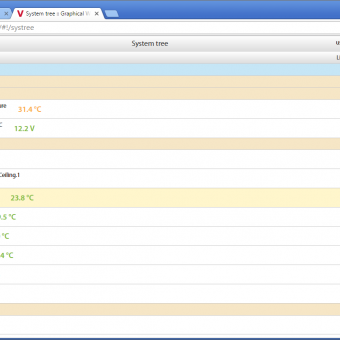
И в одном, и во втором модуле присутствует возможность устанавливать границы значений, и уведомление о выходе значений за границы нормы:


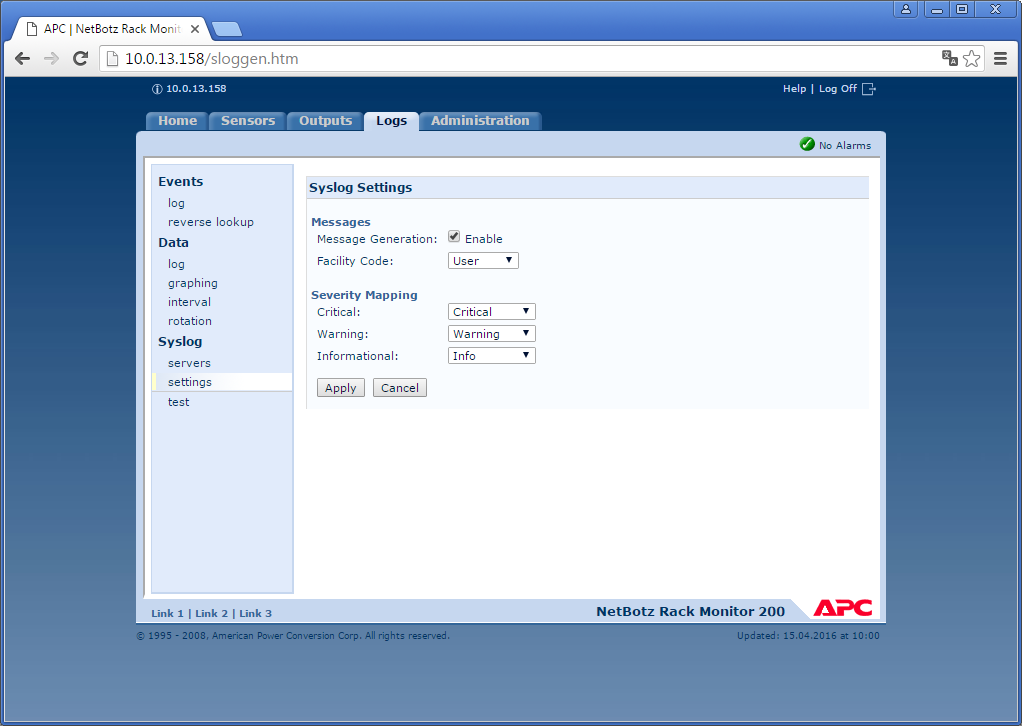
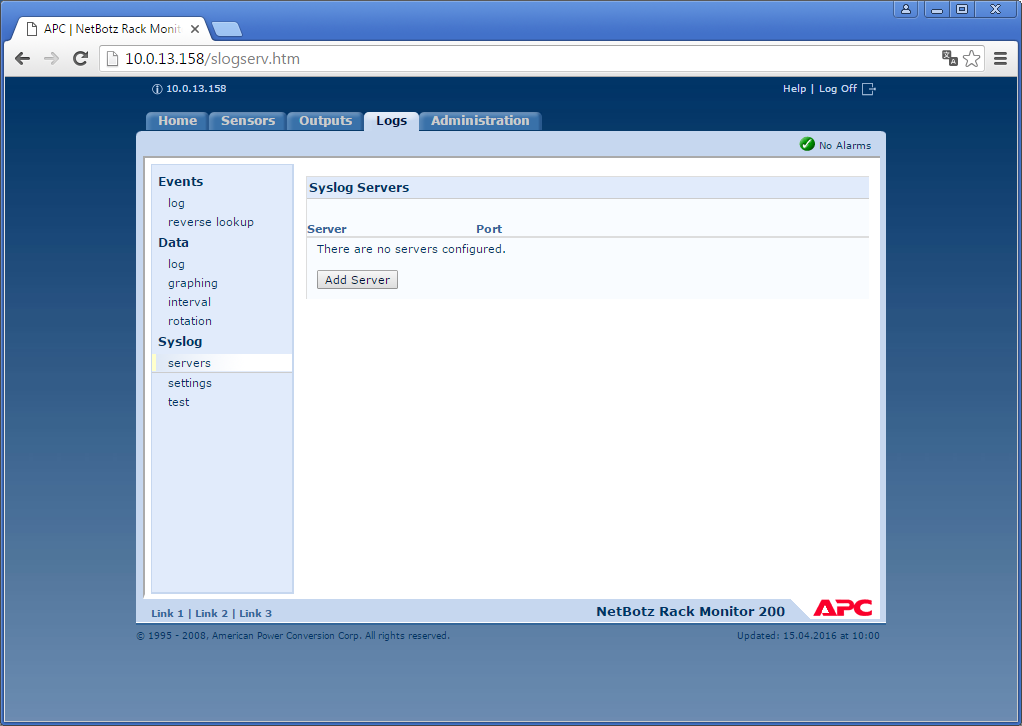
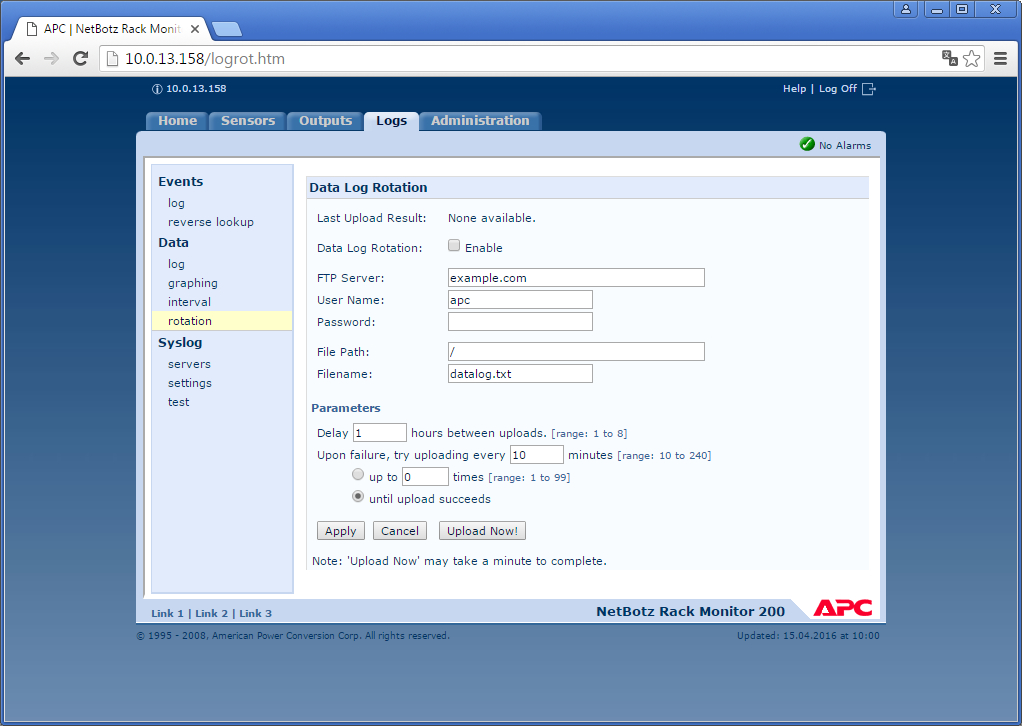
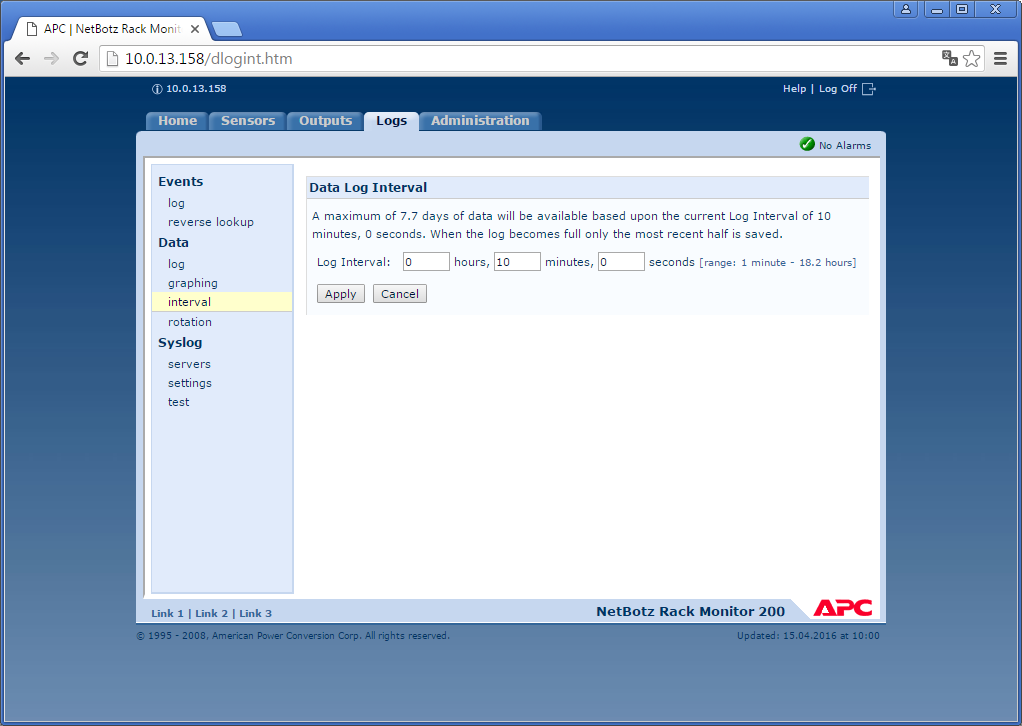
Все дополнительные, не основные функции присутствуют в обеих системах мониторинга: ftp backup, RADUIS авторизация, ntp клиент, syslog клиент, графики датчиков:


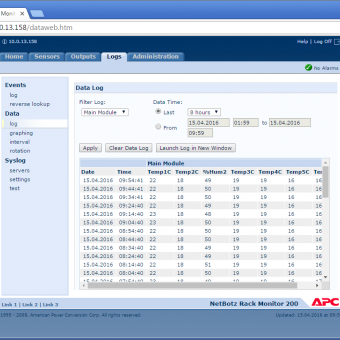
Для любопытствующих, скриншоты web интерфейсов APC Netbotz Rack Monitor 200 и vutlan SC8100 можно посмотреть тут


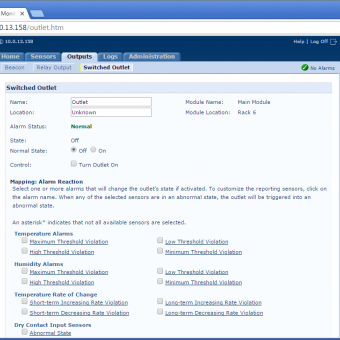
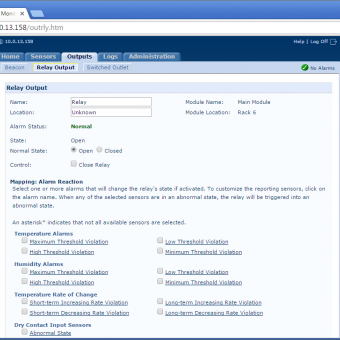
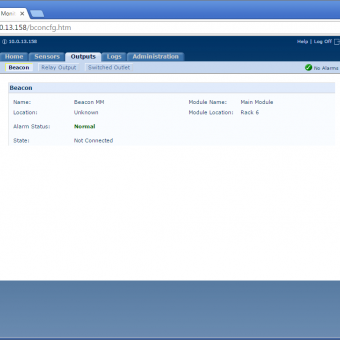

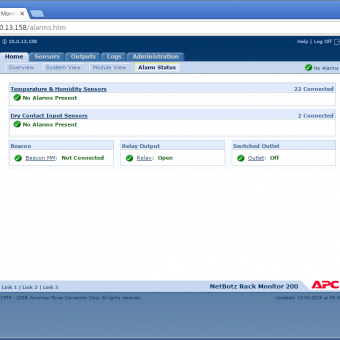
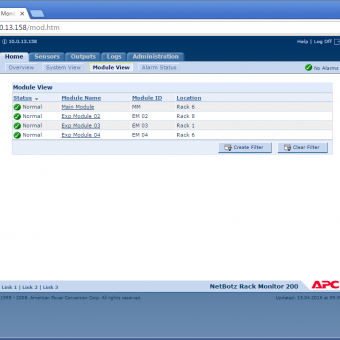
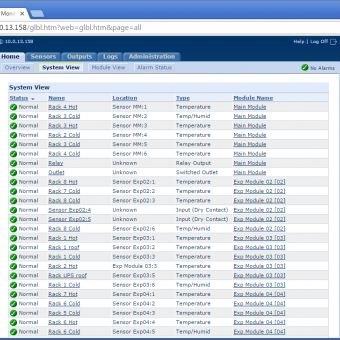


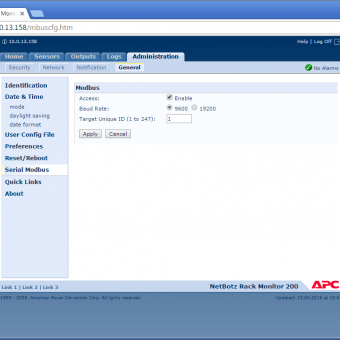
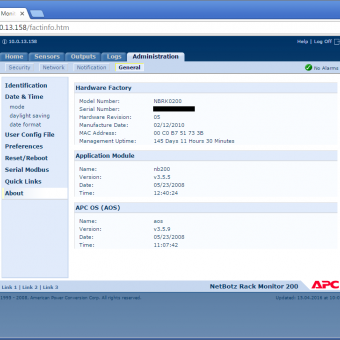
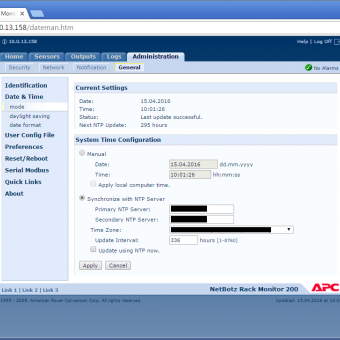


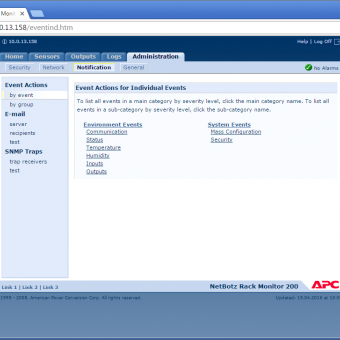


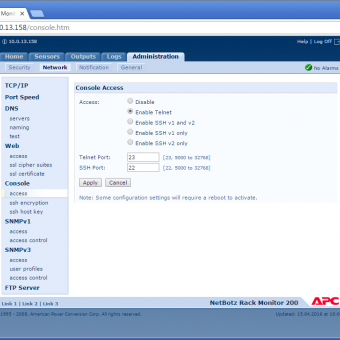
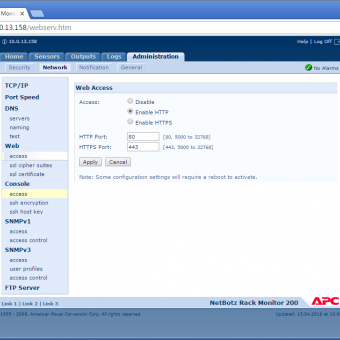

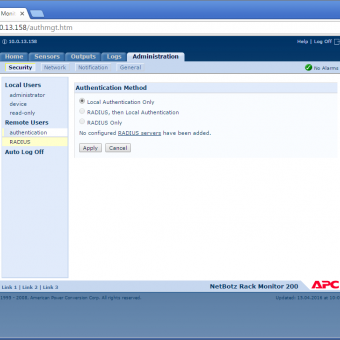
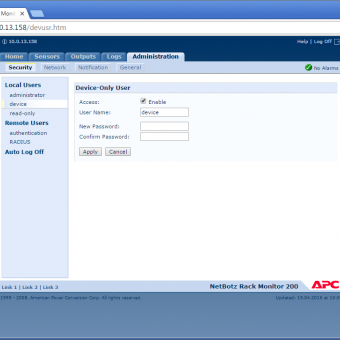
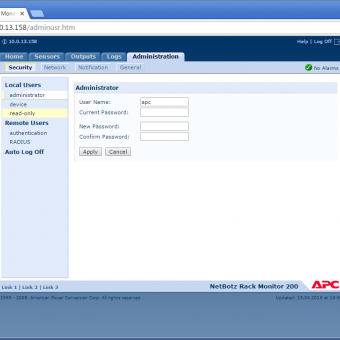
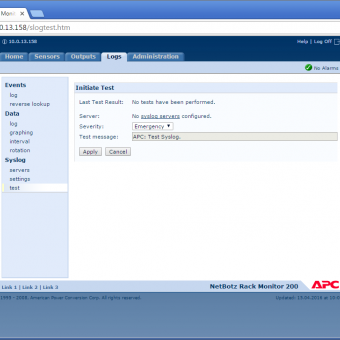
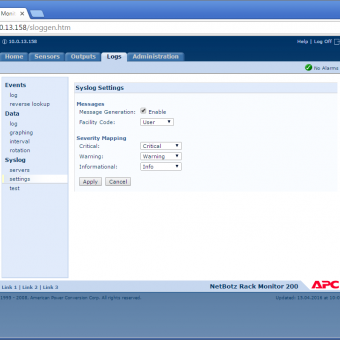

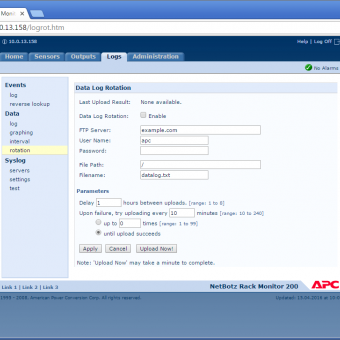
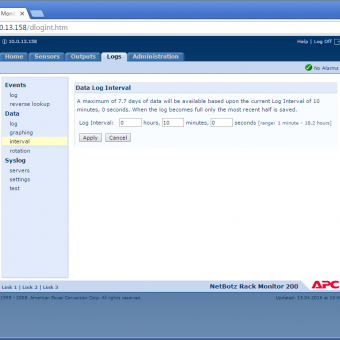
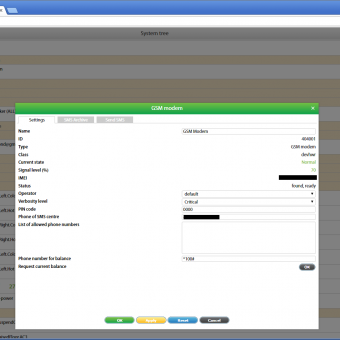
По адресу http://www.telemetry.asia/there is demo access to VT2100 username guest, password guest. Although the model of the monitoring system is different, I did not find any differences in the Web interface. The main difference between these monitoring modules is the greater functionality of the built-in NMS system of the monitoring module from Vutlan. For any sensor or received value, you can set any CDEF formula for processing this value (increase / decrease by 10 times, translate seconds into hours / days, decrease / increase by some constant, etc.) Also set alarm and warning values. When going beyond the normal limits of any monitored parameter, the system will react by sending an email, SMS message (if there is a GSM module) or it will work according to a previously created logic circuit (it will close the contacts of the output relay by turning on the siren and the red flashing beacon):

In a system from Vutlan, it is possible to create graphic cards and place sensors on it. It is possible to combine sensors into groups, and work with a group of sensors as separate sensors.
Conclusions
Unfortunately, technically perfect solutions do not exist. In each case there are convenient solutions and there are inconvenient for this particular case. If you are designing a project “from scratch” and you have an unlimited budget, a good choice would be to focus on the infrastructure of the APC company: cabinets, socket blocks, uninterruptible power supply and monitoring system. Then standard sensors can be connected to the port on the outlet block:
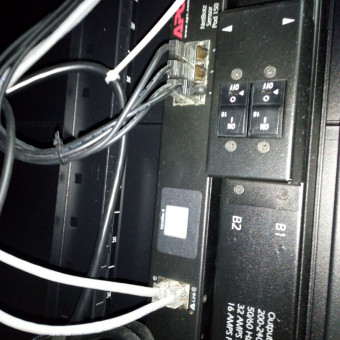

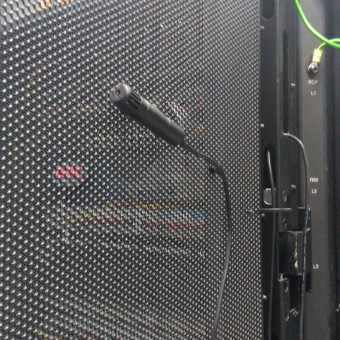
The socket block and the monitoring module will stand vertically in the back of the cabinet, without taking up a useful and expensive place in the cabinet. Some of the sensors can be connected to an uninterruptible power supply, and, on it, use relay outputs. Sensors, using the proprietary APC plastic lock (costing a few bucks), are very conveniently and beautifully attached to the cabinet doors:


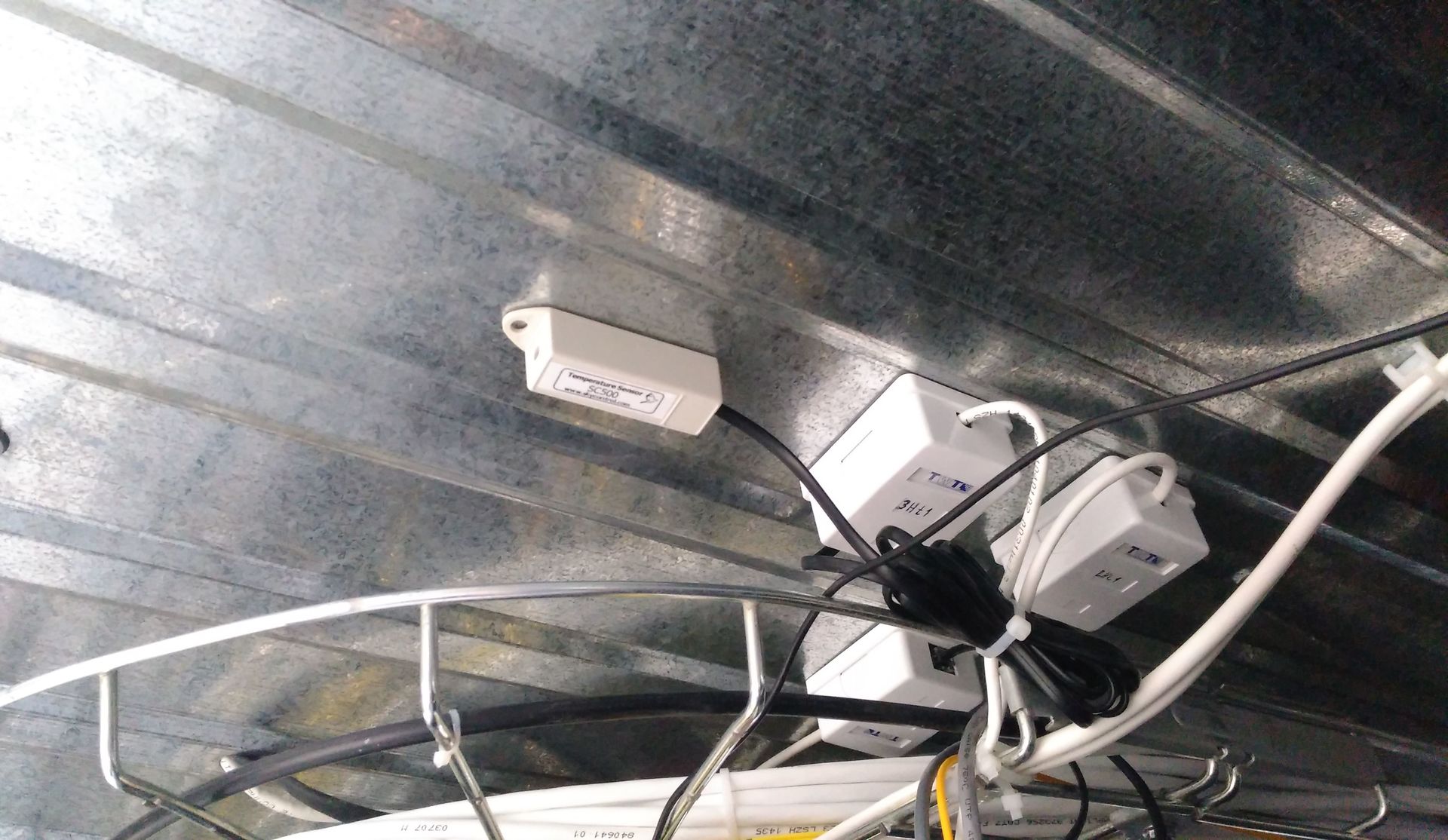
All equipment is automatically recognized by the NMS APC StruxureWare Data Center Expert. But, if you decide to use air conditioners or DGUs from another manufacturer, you will encounter a bunch of problems: mismatch of SNMP versions, lack of the protocol you need (for example: ACS controllers use their own private protocol to communicate with their server, and ICMP ping over TCP / IPv4. As a rule, there is no SNMP), the lack of templates for the equipment you need, the inability to aggregate schedules and a lot of problems. With a large and uniform APC production infrastructure and unlimited budget, it makes sense to pay attention to the monitoring system, but if you want to save money and buy cabinets from another manufacturer, you should know that the plastic locks do not hold in the cabinet doors - they drop out, which means that aesthetic beauty will be gone. The solution from Vutlan is more convenient for small objects (up to 10-20 sensors), and much cheaper for large objects (from 50 sensors). For small objects, NMS is very convenient, which is integrated into the web interface of the monitoring module. In small volumes and at the initial stage, it is enough. If you increase the number of equipment and the number of sensors, or specific requirements - you will have to choose an external NMS system. It is possible through HTTP post requests or API. Access the integrated monitoring system in the Vutlan monitoring module. At the time of the purchase of equipment, the API was open, now all references to the API and http post requests from In small volumes and at the initial stage, it is enough. If you increase the number of equipment and the number of sensors, or specific requirements - you will have to choose an external NMS system. It is possible through HTTP post requests or API. Access the integrated monitoring system in the Vutlan monitoring module. At the time of the purchase of equipment, the API was open, now all references to the API and http post requests from In small volumes and at the initial stage, it is enough. If you increase the number of equipment and the number of sensors, or specific requirements - you will have to choose an external NMS system. It is possible through HTTP post requests or API. Access the integrated monitoring system in the Vutlan monitoring module. At the time of the purchase of equipment, the API was open, now all references to the API and http post requests fromThe documentation is cut out. A new product line with an open API is planned. If you have equipment from different manufacturers, it is more convenient to monitor it through a solution from Vutlan. It is more flexible both in the software part (it has great capabilities) and in the hardware part - a larger number of sensors. Fun fact: the first temperature sensors that came to the Vutlan SC8100 monitoring module were equipped with 6P4C beige cords. Imagine a black monitoring module, a black patch panel, a black telecommunications cabinet and beige sensors with beige wires. The new temperature sensors are equipped with black patch cables, but the sensors themselves are still beige. I hope that this is not a random, thoughtless purchase, but the development of the system in the right direction.

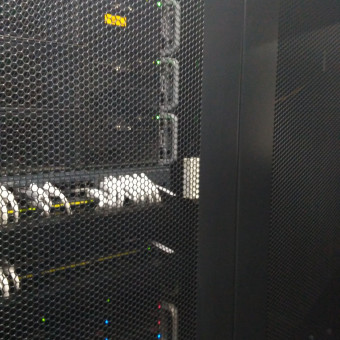
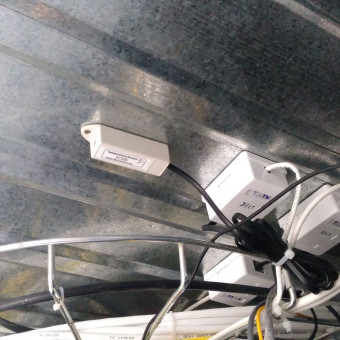
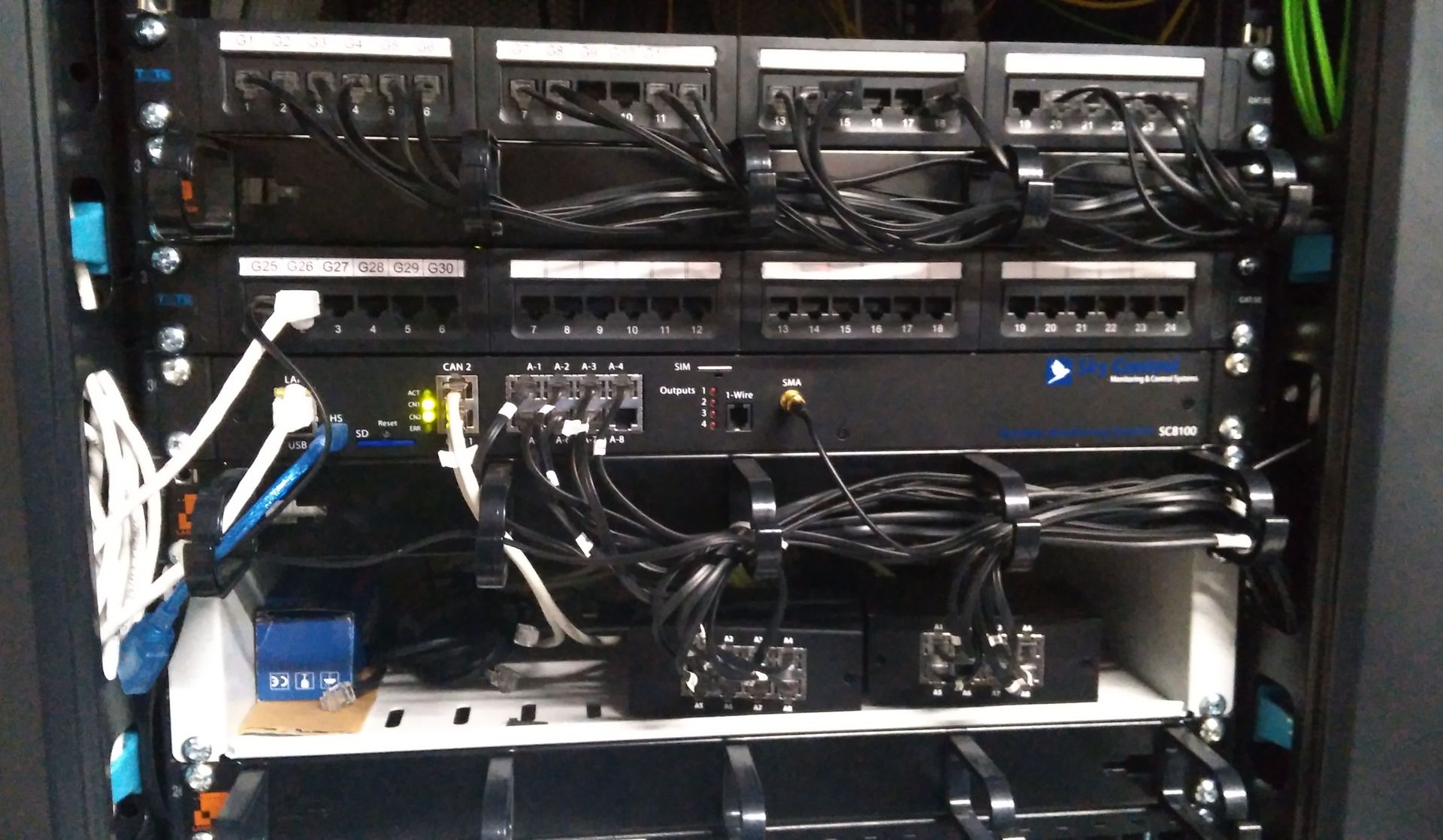
The optional analog sensor modules (VT408) cannot be mounted in a standard 19 ”1U. We have to put a shelf and place the module on it. It looks - not organically, but from the positive - in your closet appears a shelf for patch cords, fasteners and other trifles. In the 2000s, Zyxel produced a chassis for the DSLAM Zyxel IES-1000 , in which different modules could be installed. I hope that the manufacturer will still do, as promised in the next version of this module, a chassis for VT408 modules, with a single common power supply, one CAN port and the ability to install additional contact modules.
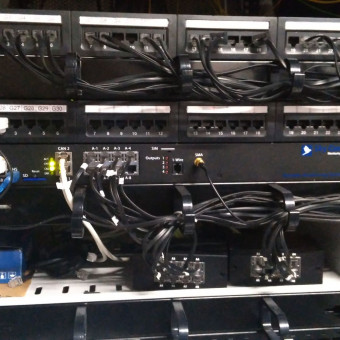
If these features are not taken into account, then the solution from Vutlan is stable, does not cause problems, has a “live” forum. There are firmware fixes for current problems. The cost of equipment and the cost of ownership of the system compared to the APC solution is not high. The built-in NMS in the monitoring module is suitable for the role of a backup (second) primary NMS system. The ability to integrate data into the NMS system via SNMP protocol allows you to integrate sensor readings into your monitoring system. For 2015-2016, Vutlan has significantly expanded the range of modules: the VT8101, VT300 and others appeared. Now, knowing the need and the number of required temperature, humidity, leakage sensors, the number of terminals of dry contacts or relays, you can choose the equipment so that the “port price” will be much lower than that of APC.
The comparison will be carried out in 3 categories:
- Specifications and Scalability / Expandability
- System features
- Price
In the first case, we consider the main differences in characteristics. We will only compare those parameters, the differences in which affect the ease of installation or operation of the system. In the same paragraph, we consider the possibility of scaling the system: the number of ports for sensors in both monitoring systems, differences and a variety of sensors. In the second case, consider the software features of parameter monitoring systems. Collecting information from sensors is a third of the task. The main thing is to notify the maintenance staff when the parameters go beyond the norm, and ideally, to predict the dynamics of the change of parameters, and not allow the parameters to go beyond the norm. In the third case, we compare prices for a typical set of modules and sensors of monitoring systems.
- Specifications
| Compare feature | Vutlan SC8100 | APC NetBotz 200 |
| Nutrition | AC 220 V, DC 12 V for connecting a backup battery | AC 220 V. Socket C13 and C14 |
| Power consumption | 18 | 51 |
| Mounting | 19 ”, 1U. Horizontal mounting. | 19 ”, 1U. APC cabinets can be mounted vertically on the back of the cabinet, similar to PDUs. |
| Sensor Connectors | 6P4C (RJ-11) with custom crimping | 8P8C (RJ-45) |
| Maximum number of sensors (without expansion modules) | 8 | 6 |
| Maximum number of sensors (including expansion modules) | 100 | |
| The maximum length of the line to the sensor, meters | 50-150. Depending on the type of sensor | 100 |
| Relay outputs (without expansion modules), pcs | 4 | 1 |
| Dry contacts (without expansion modules), pcs. | 0 | 1 |
| Optional dry contact module | SC16, 16 pcs. SC8100 rear mounting | NetBotz RackSensor Pod 150. 6 universal sensors. Rack Mount (Horizontal / Vertical) |
| Optional Sensor Module | VT408, 8 analog sensors. Rack mounting is not convenient | NetBotz RackSensor Pod 150. 6 universal sensors. Rack mountable (horizontal / vertical) |
| temperature sensor | Yes | Yes |
| Temperature and humidity sensor | Yes | Yes |
| Humidity sensor | Yes | Not |
| Leak Sensor, Local | Yes | Yes |
| Air flow sensor | Yes | Not |
| Leak Sensor, Cord | Yes | Yes |
| Smoke detector | Yes | Not |
| Current sensor, 4-20 mA | Yes | Not |
| Current sensor, up to 100A | Yes | Not |
| ACS (connection of proximity card reader) | Yes | Yes, by the module. |
| Video surveillance (video camera connection) | Yes | Yes |
| GSM module | Yes, by the module | No, GSM appears in Netbotz 500 |
| SNMP | v1 + v2 or v3, there is SNMP Trap | v1 or v3, there is SNMP Trap |
| SNMP OID arbitrary hardware tracking | Yes | Not |
| ICMP ping arbitrary hardware tracking | Yes | Not |
| The presence of NMS in the Web interface, | It is possible to build and analyze graphs (notifications, thresholds), graphic cards | It is possible to build graphs, a notification of exceeding threshold values |
And now some text and pictures. I’ll immediately answer the question of why I pay so much attention to installation, sensors and connectors. Almost always, the sensors are removed from the monitoring system at a distance greater than the length of the standard patch cord from the kit. In the diagram, a temperature sensor is connected to the Vutlan SC8100 port A1, which is located in the same rack. But all the other sensors (ports A2-A6) are located in the next room.
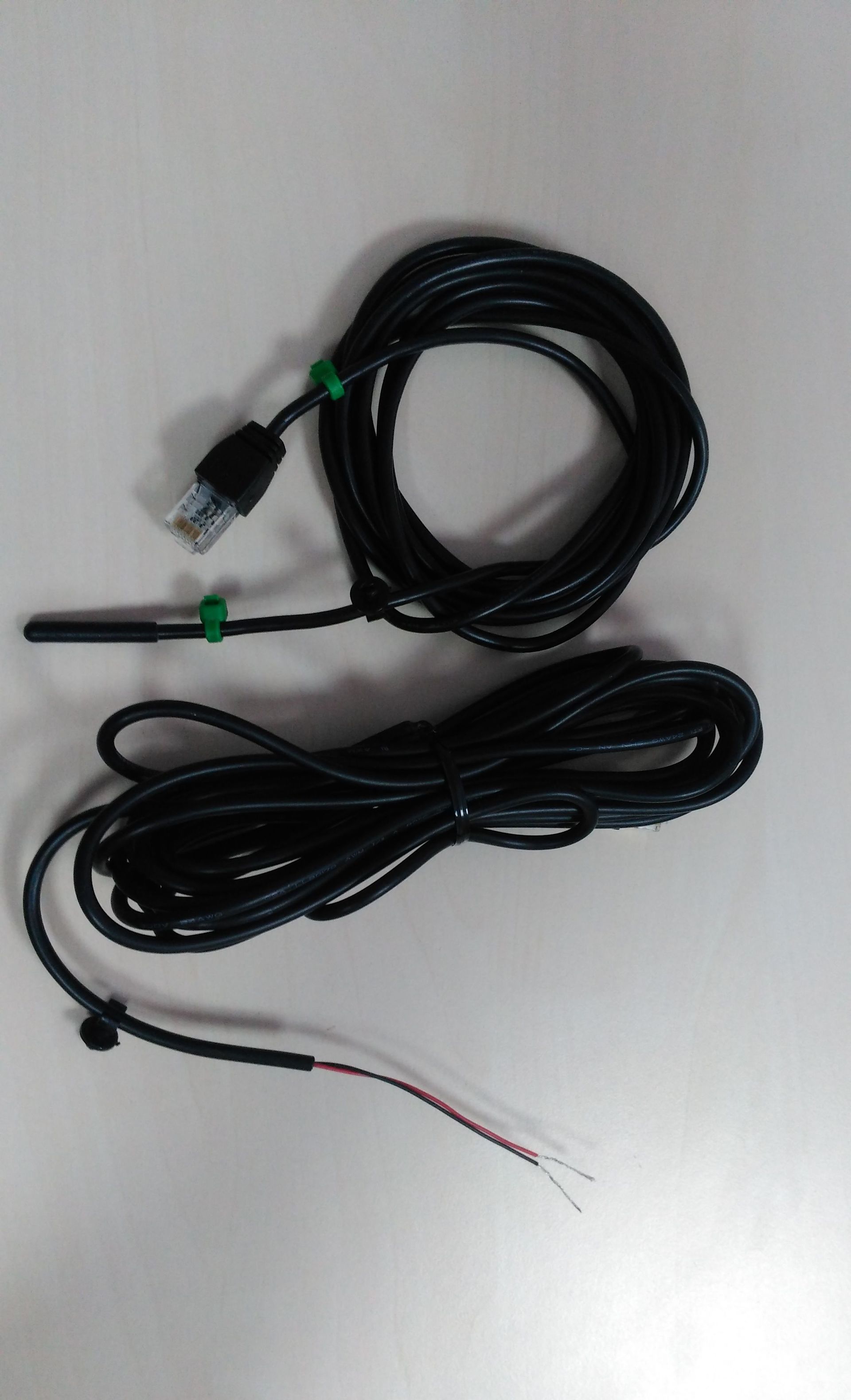
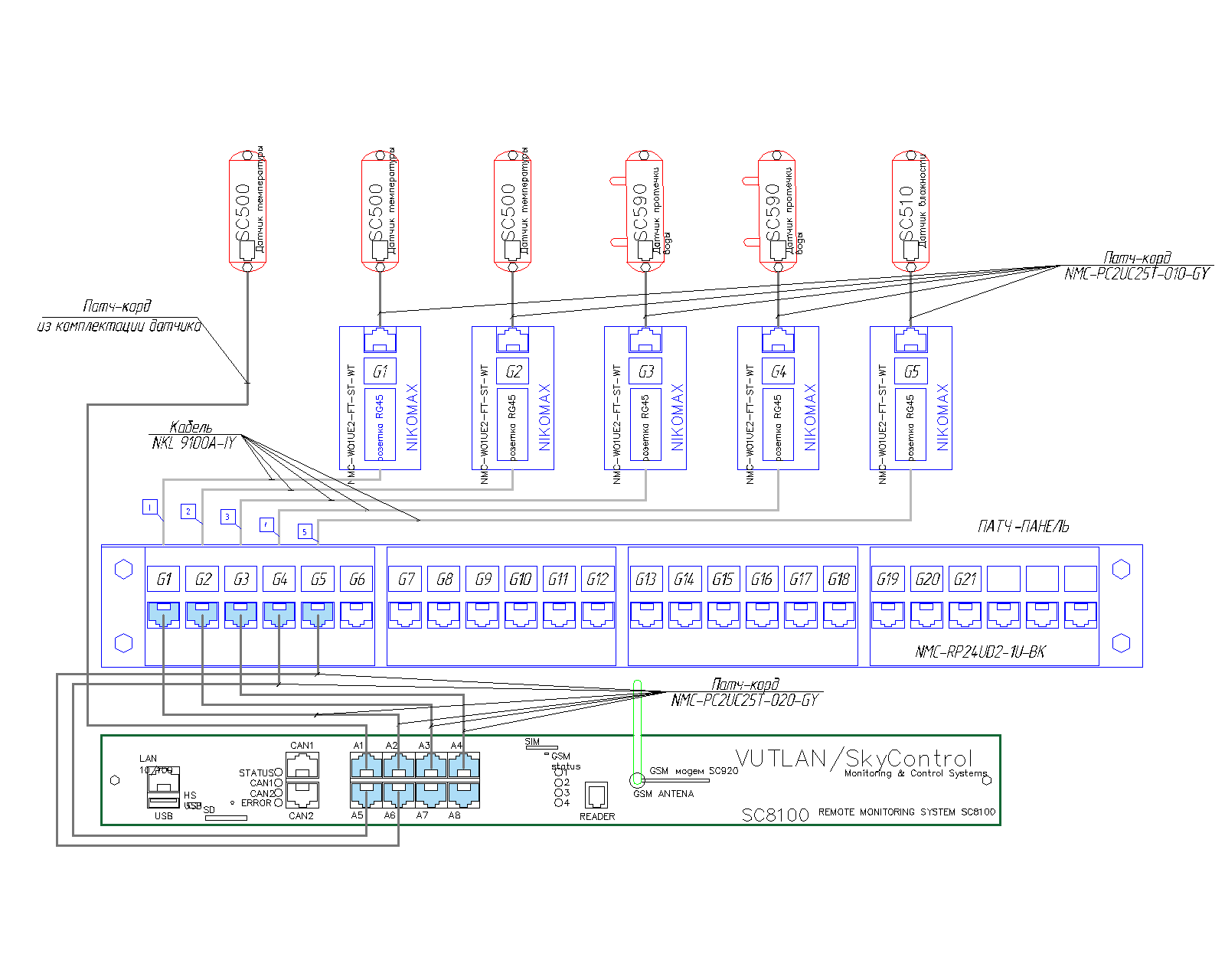
To do this, I had to use a standard patch panel, and inexpensive office boxes for cable termination. When connecting the APC Netbotz Rack Monitor 200 to the patch panel, the most common RJ-45 patch cords (1 pc) are used. And the sensors are simply included in the office box. In the case of the sensors of the Vutlan monitoring system, you will have to worry about finding a rare and non-standard patch cord: 6P4C with direct crimping.
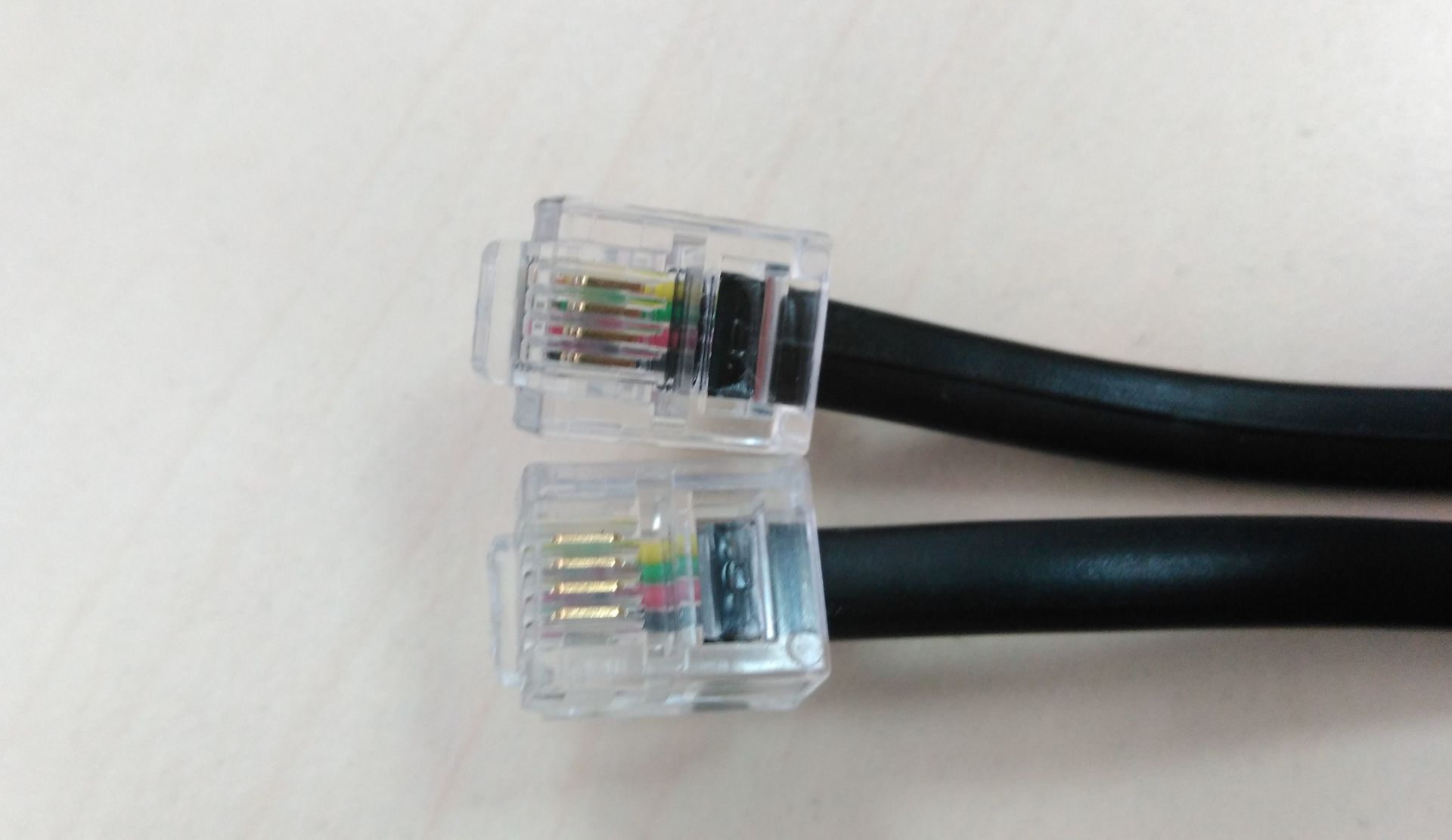
Outwardly, it looks like a four-wire RJ-11 cable for connecting a telephone. But the standard cable has a cross crimp, and the cable for connecting the sensors is straight, because of this, using the standard RJ-11 cable to connect the sensor will not work. And it is necessary to “order in advance” suitable ones, or by purchasing 6P6C connectors, crimp the cables yourself. Dry contact modules in monitoring systems are implemented in different ways. In the Vutlan production system, dry contacts are installed in the system as a separate module, with PCB connectors. In the APC system, dry contacts are represented by a sensor plugged into a standard port.

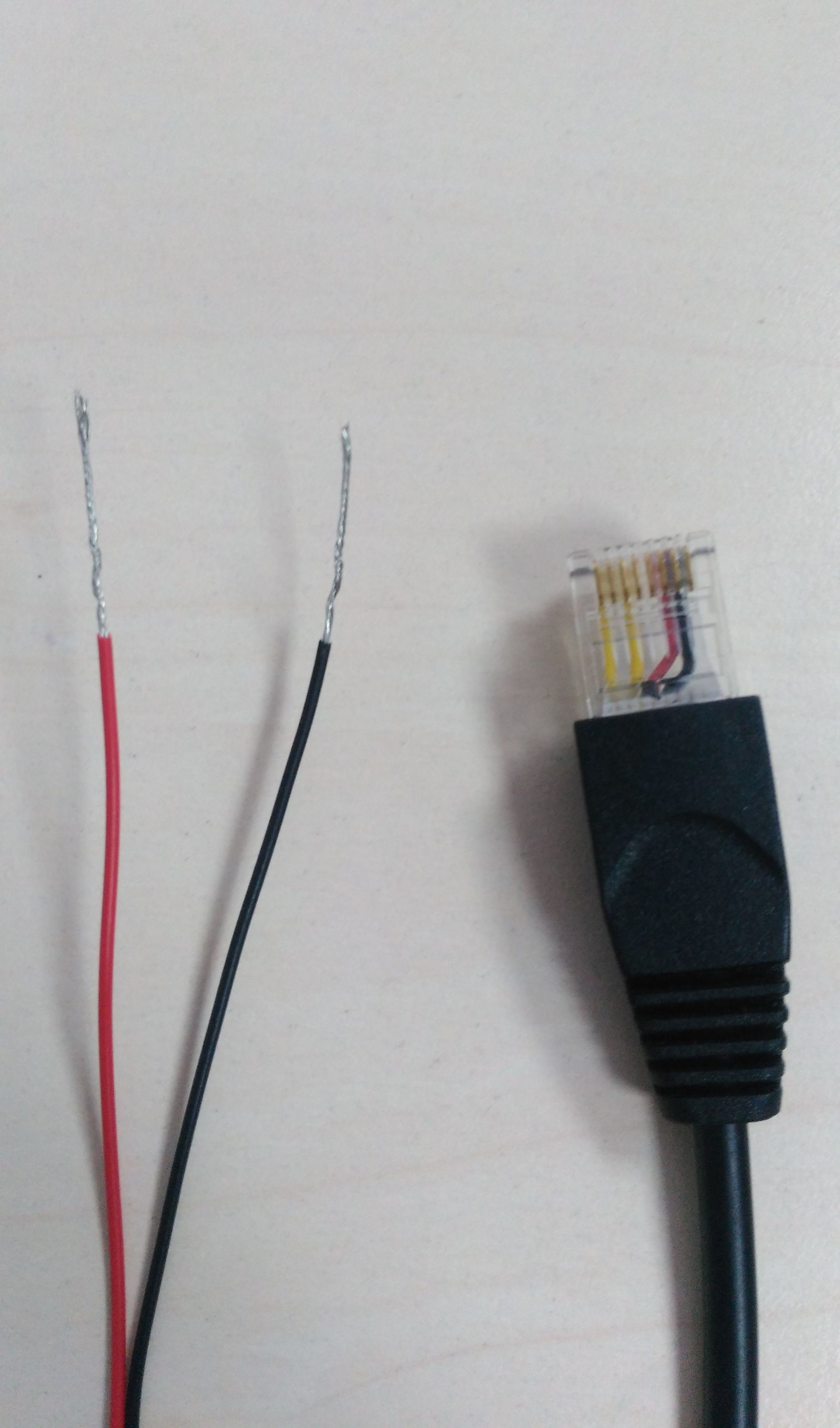
With a small number of (1-2) dry contact outputs, the solutions are equivalent; with a large number of dry contacts, the Vutlan monitoring system wins. An important, and maybe, for some, decisive selection criterion will be the variety of sensors connected to the parameter monitoring system. The Vutlan monitoring system has a wider selection of sensors: analog sensors , digital sensors , current and voltage sensors , and a whole section “ accessories" A good example is the VT491 volumetric temperature sensor or the VT11 controlled dry contact sensor. You will not find such sensors in the APC Netbotz product range. But are they really necessary, because VT11 is easily replaced by a relay output, and the room temperature is considered CDEF functions? Mankind, over two thousand years, has invented a huge number of sensors: pressure, movement, acidity, density - generally any physical quantities. And, using a 4-20 mA current sensor or a DC voltage sensor, you can integrate any third-party analog sensor into the monitoring system. Using dry contacts and relays, any discrete sensor can be integrated.
- System features
И один и второй модуль системы мониторинга выполняют свою основную функцию: агрегация показаний датчиков, и отображение значений по Web или SNMP протоколу:


И в одном, и во втором модуле присутствует возможность устанавливать границы значений, и уведомление о выходе значений за границы нормы:
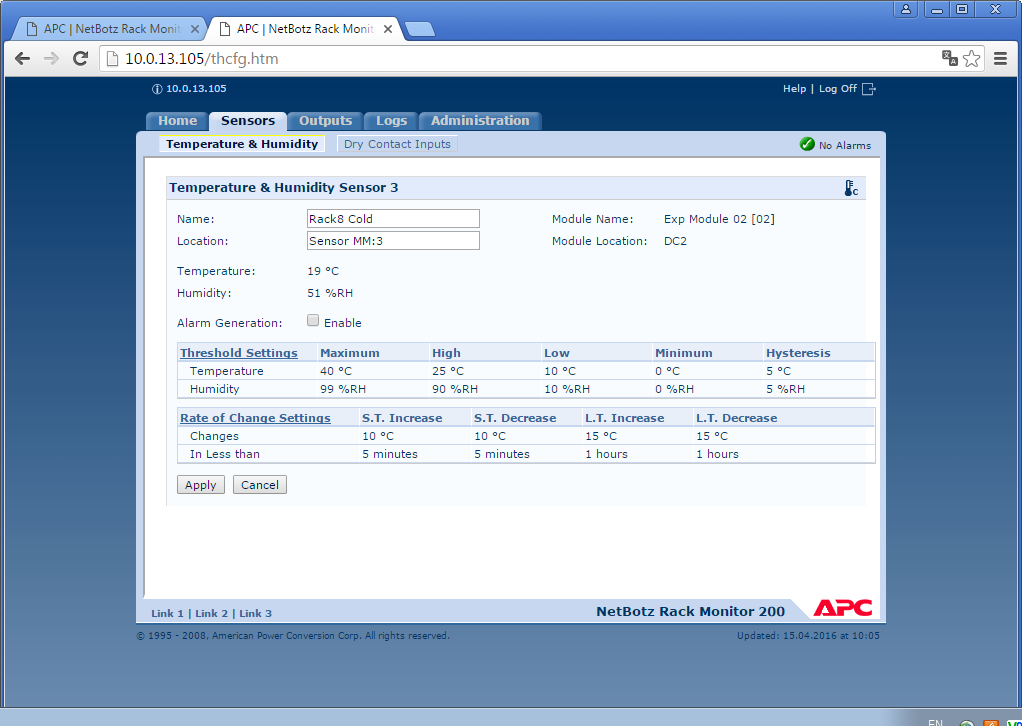
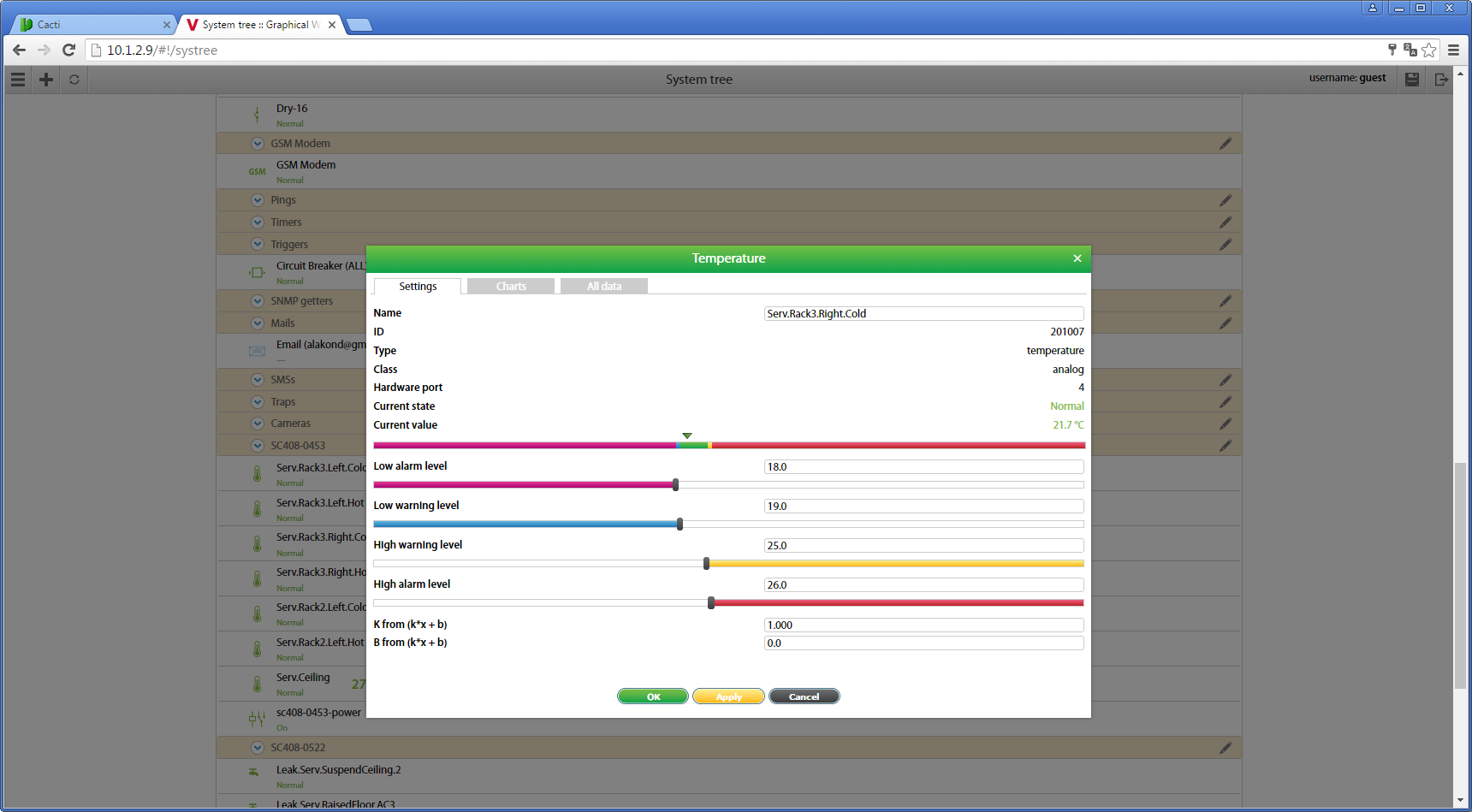
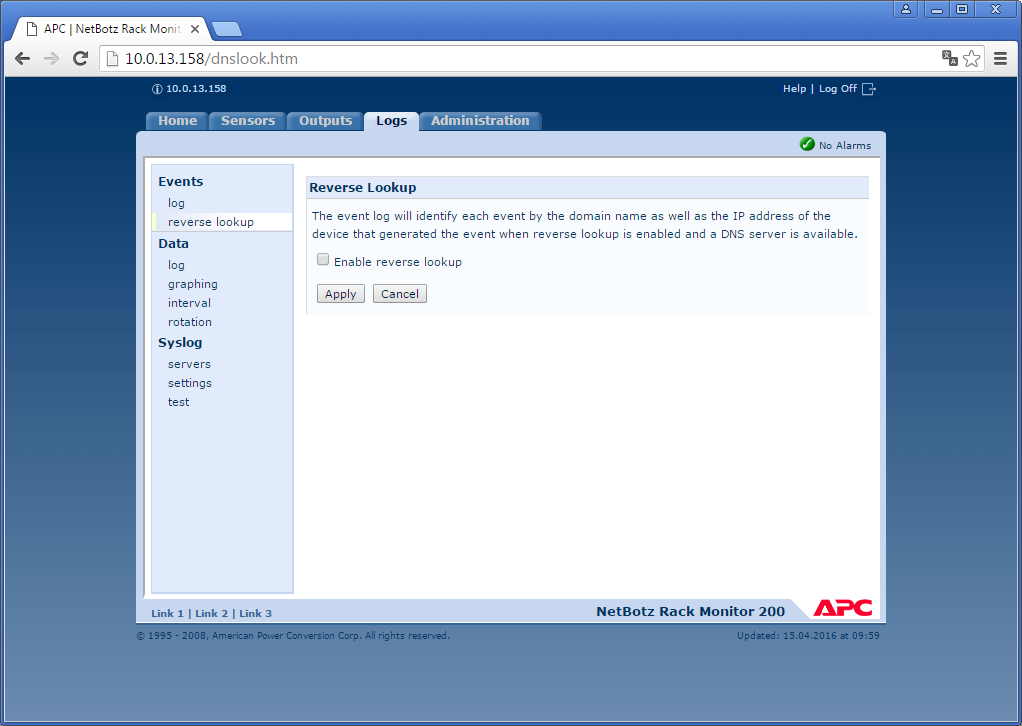
Все дополнительные, не основные функции присутствуют в обеих системах мониторинга: ftp backup, RADUIS авторизация, ntp клиент, syslog клиент, графики датчиков:


Для любопытствующих, скриншоты web интерфейсов APC Netbotz Rack Monitor 200 и vutlan SC8100 можно посмотреть тут

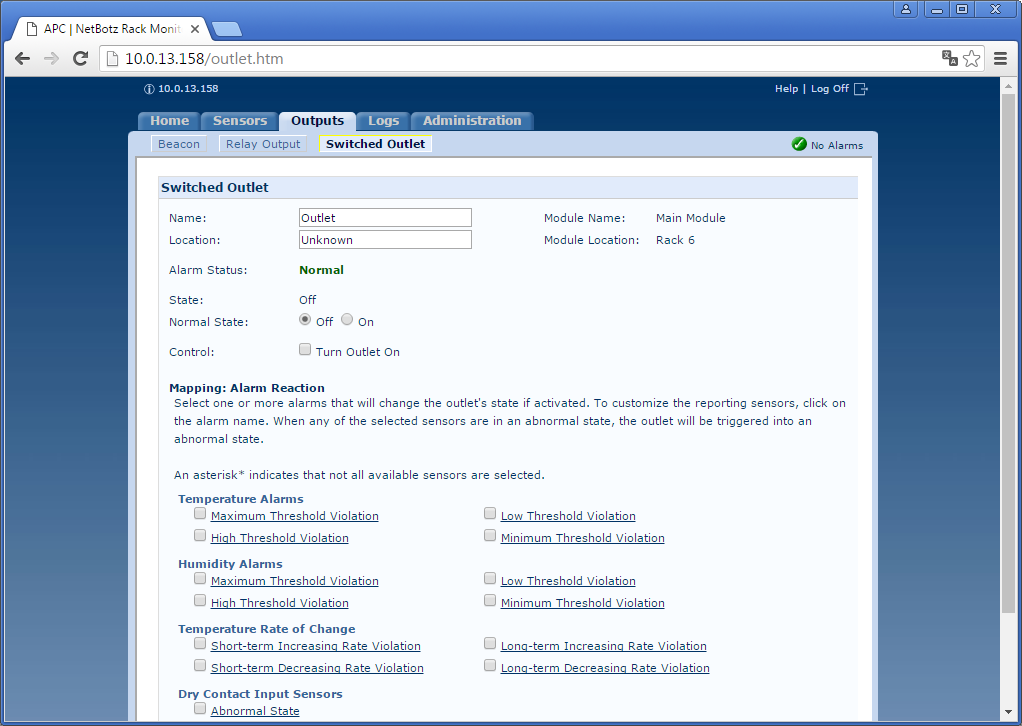


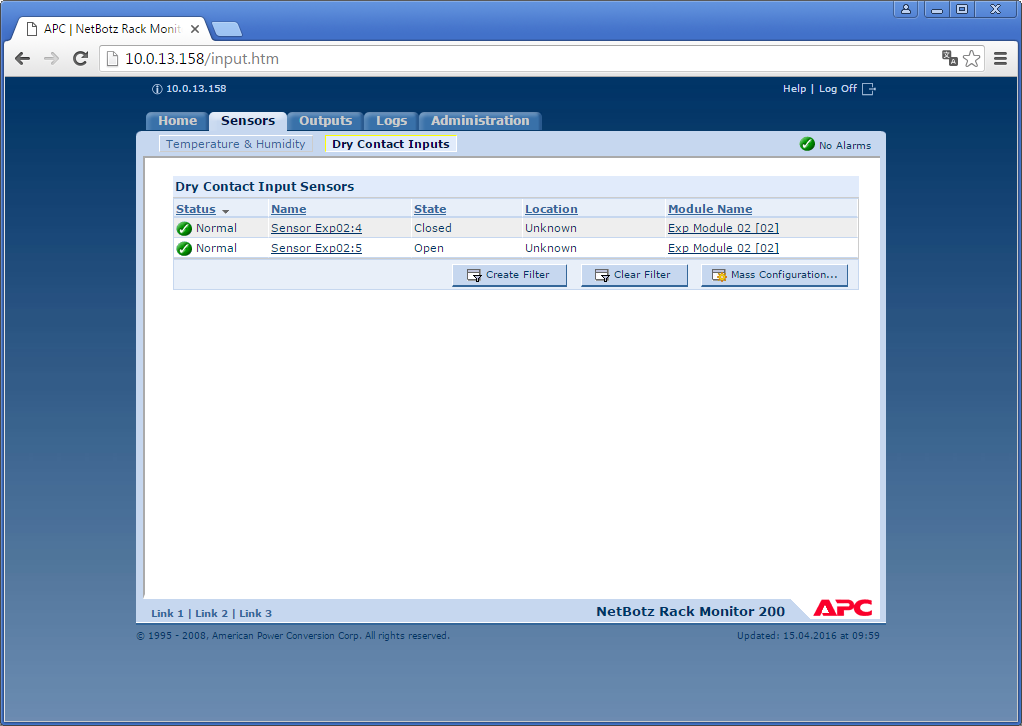
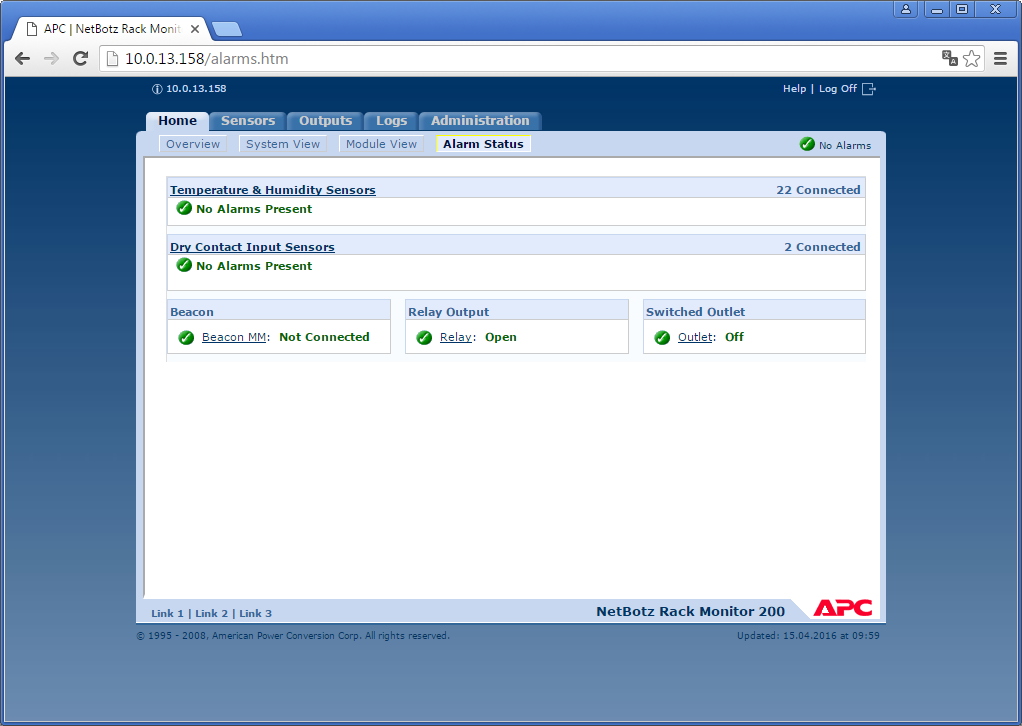
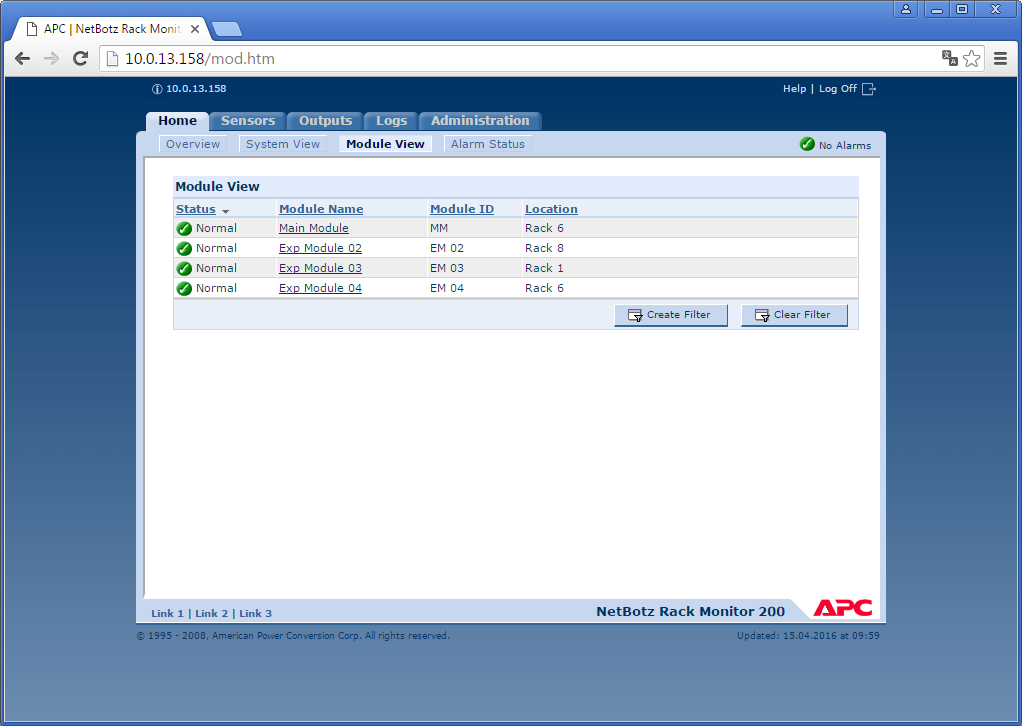


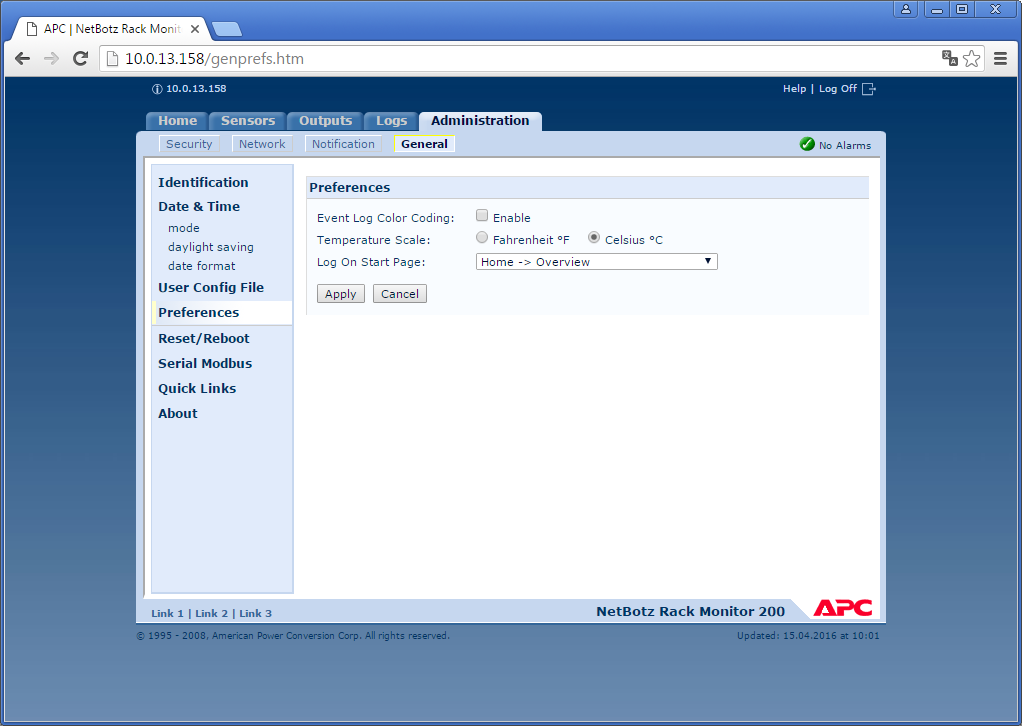
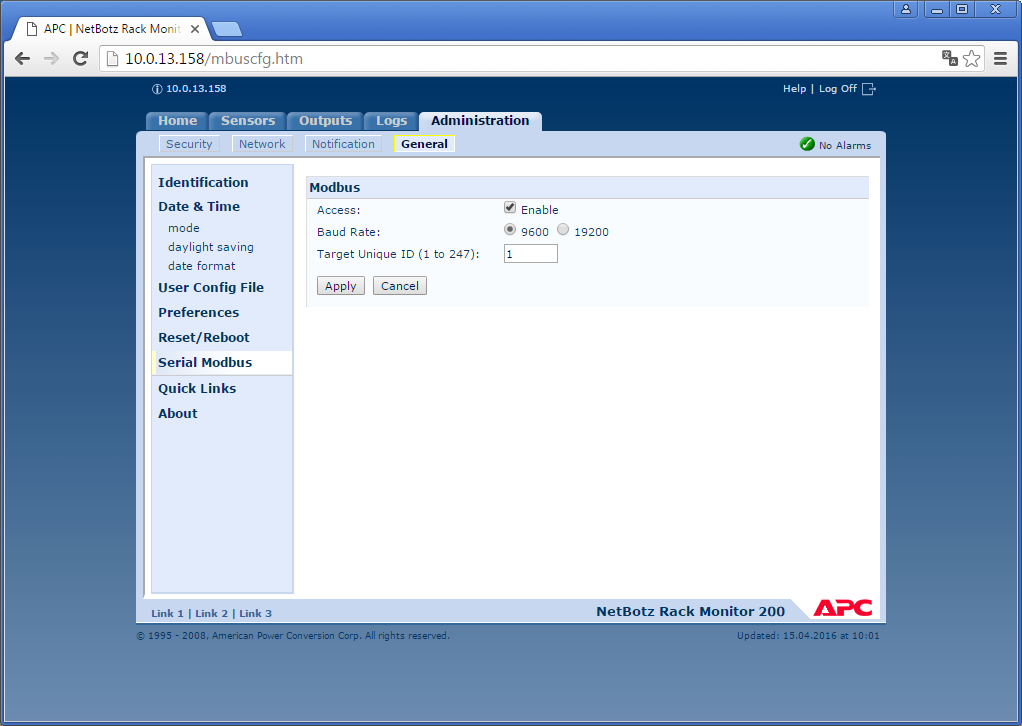
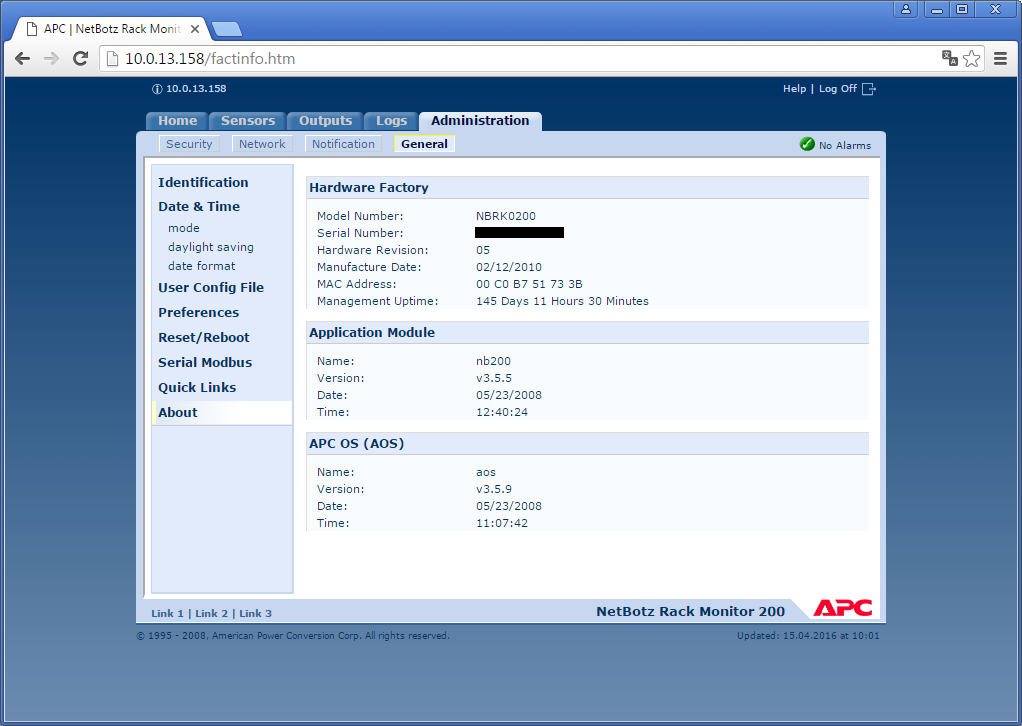

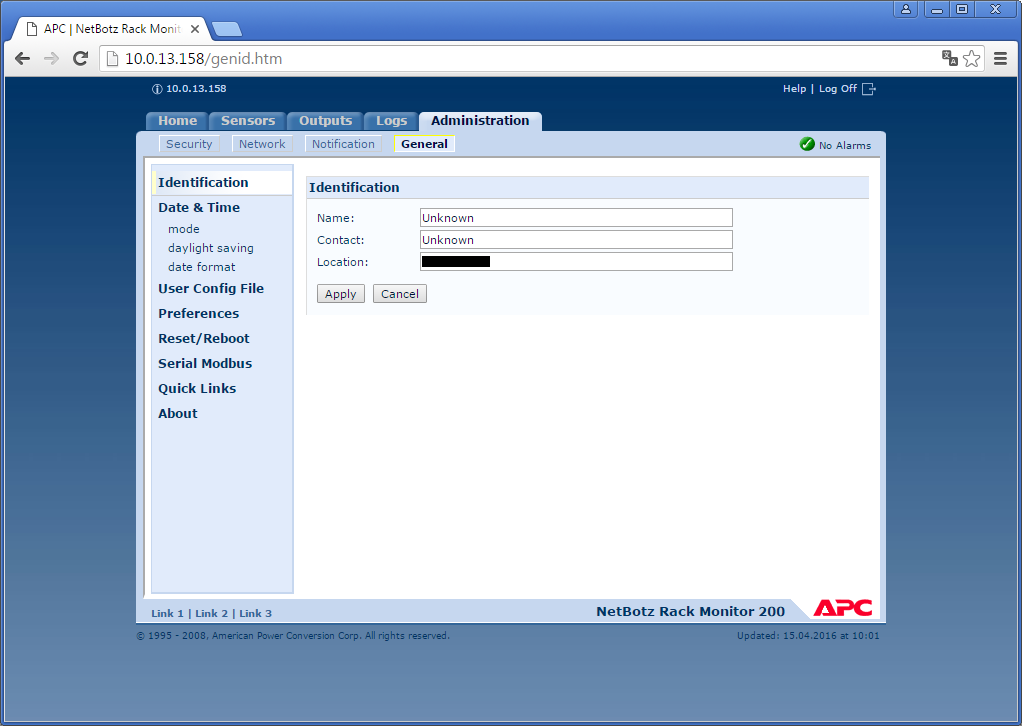
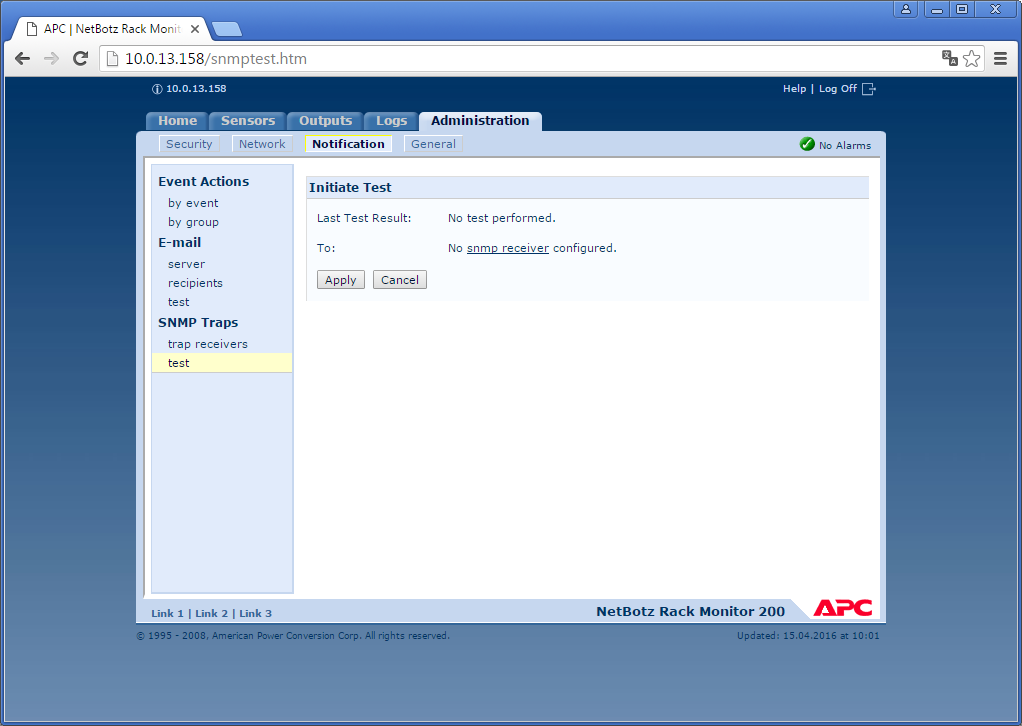

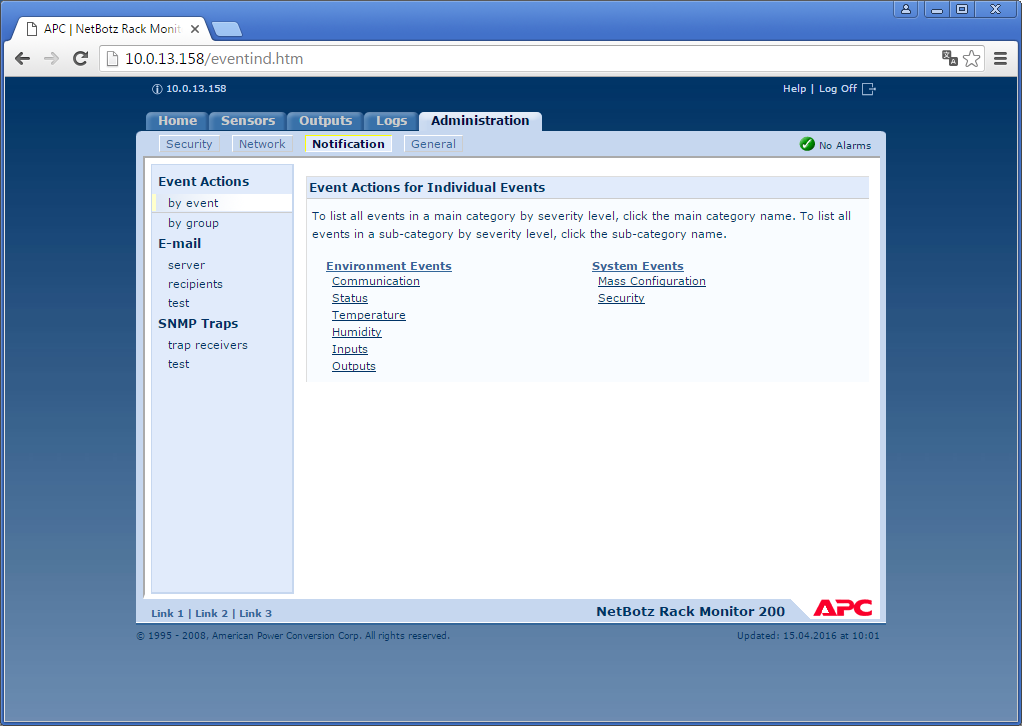
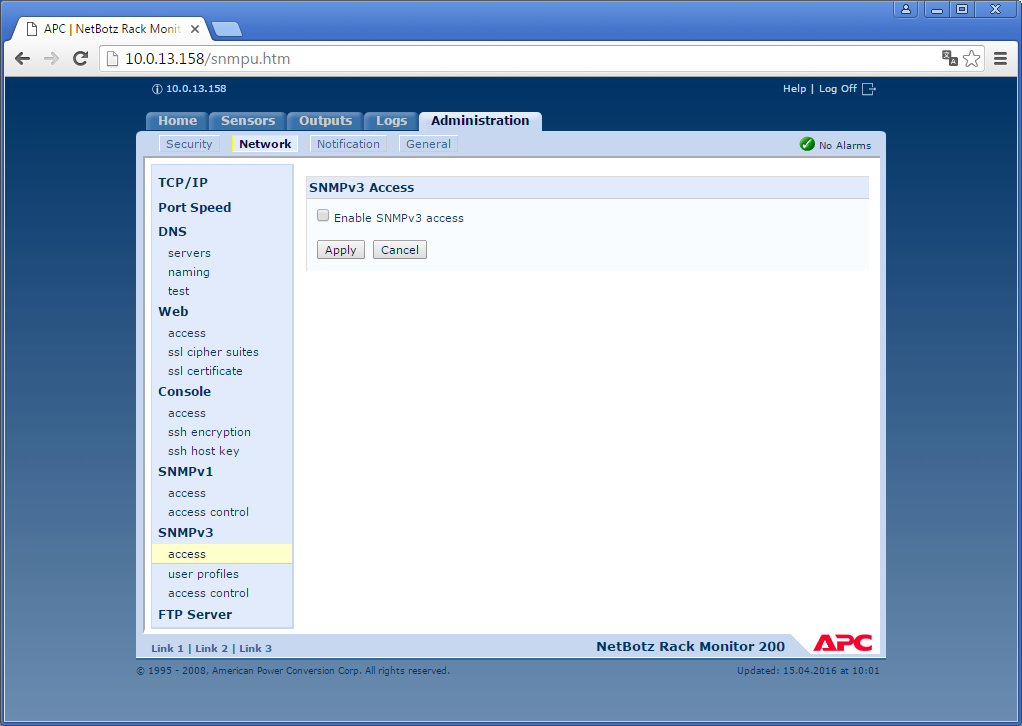
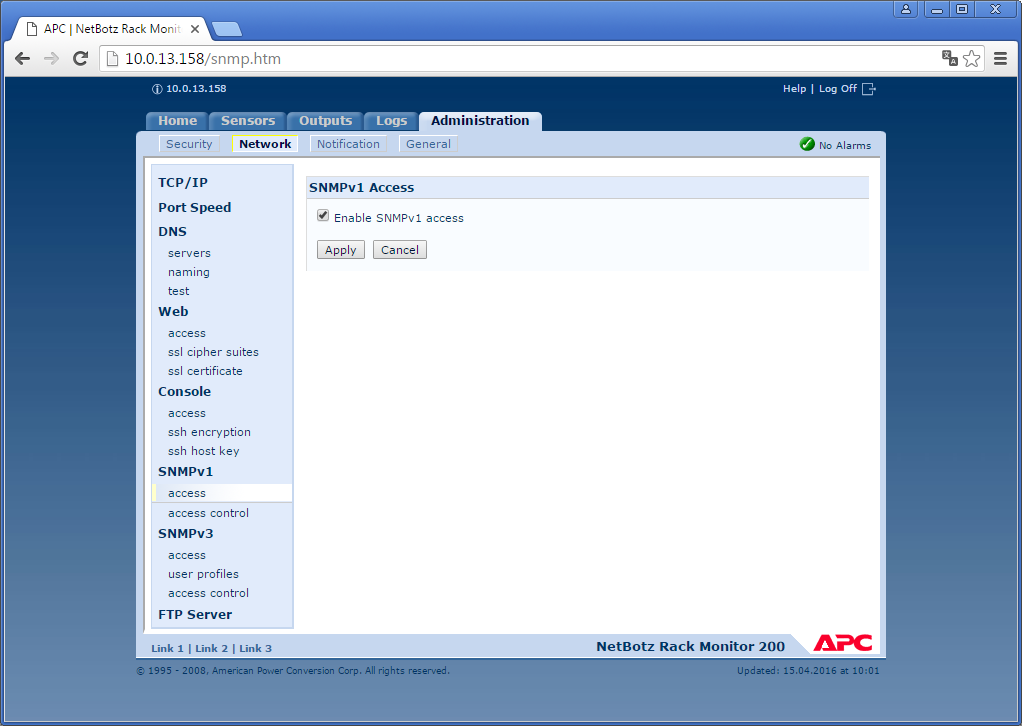

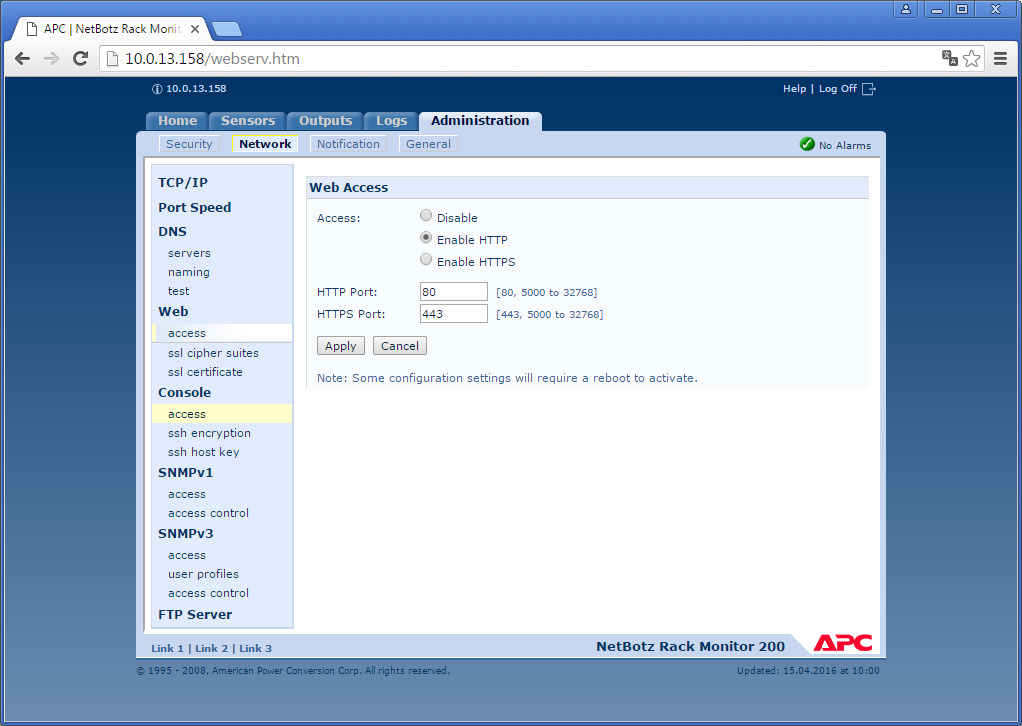
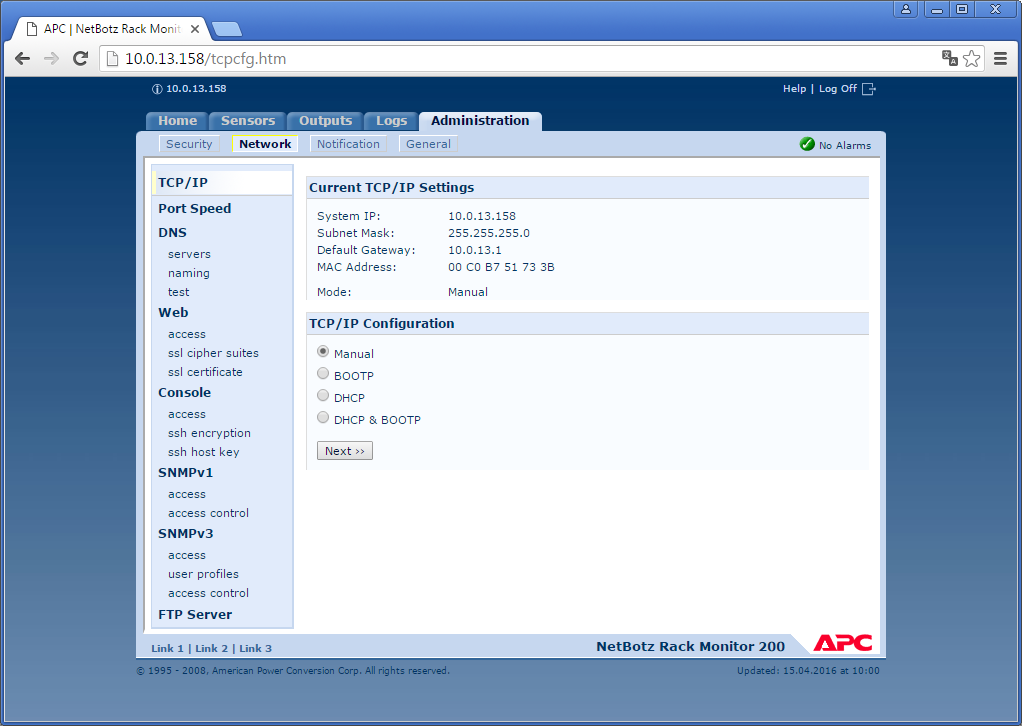
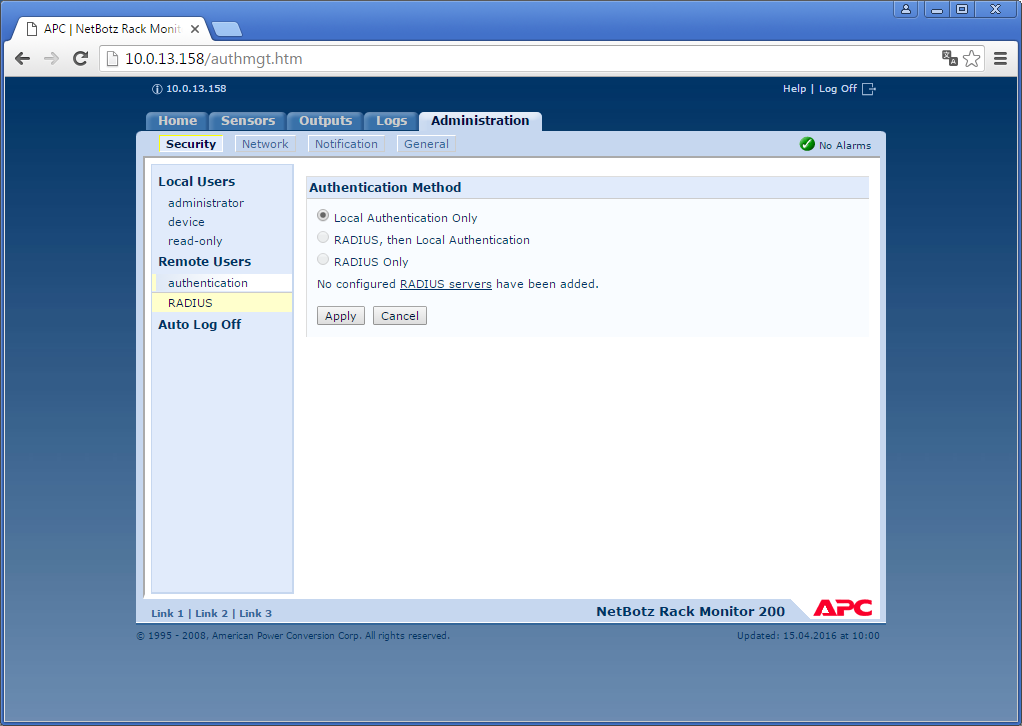
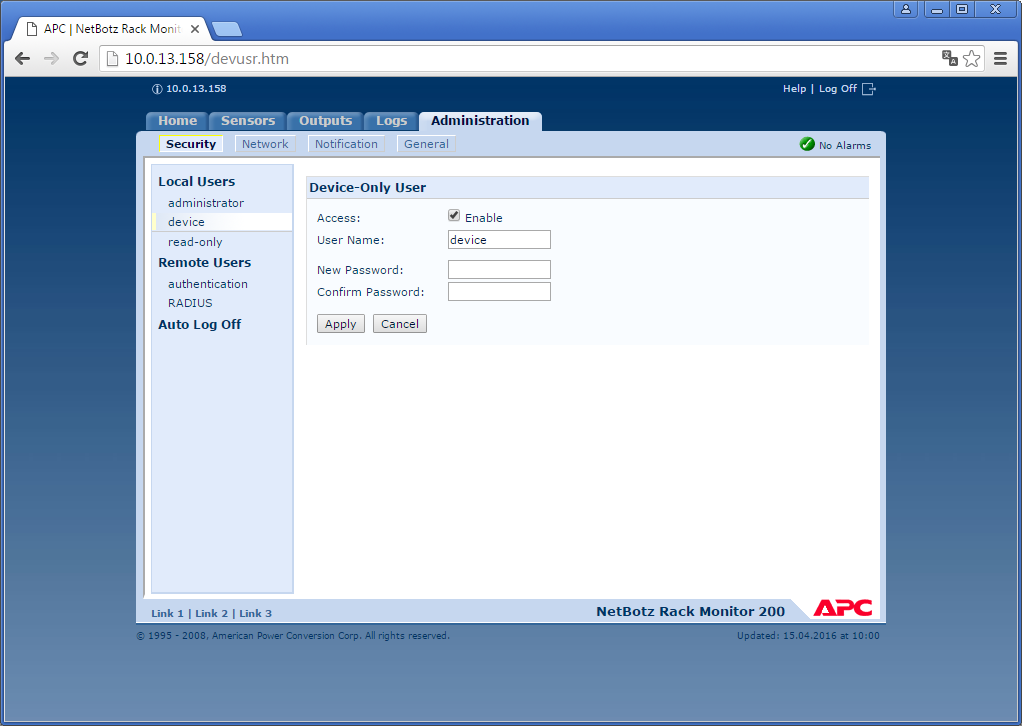
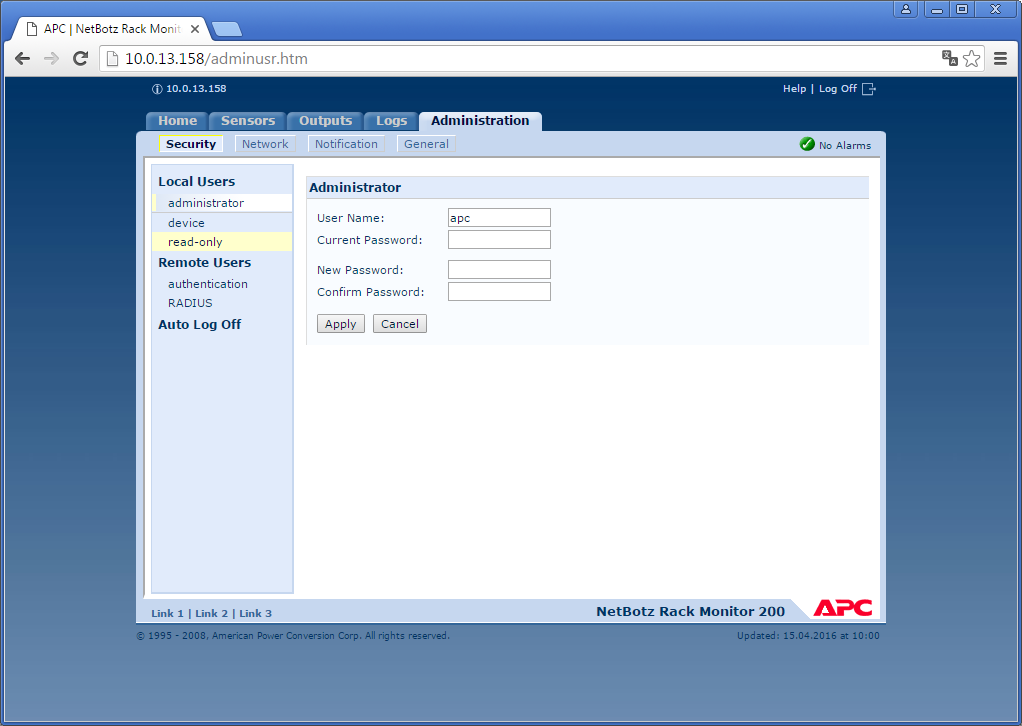

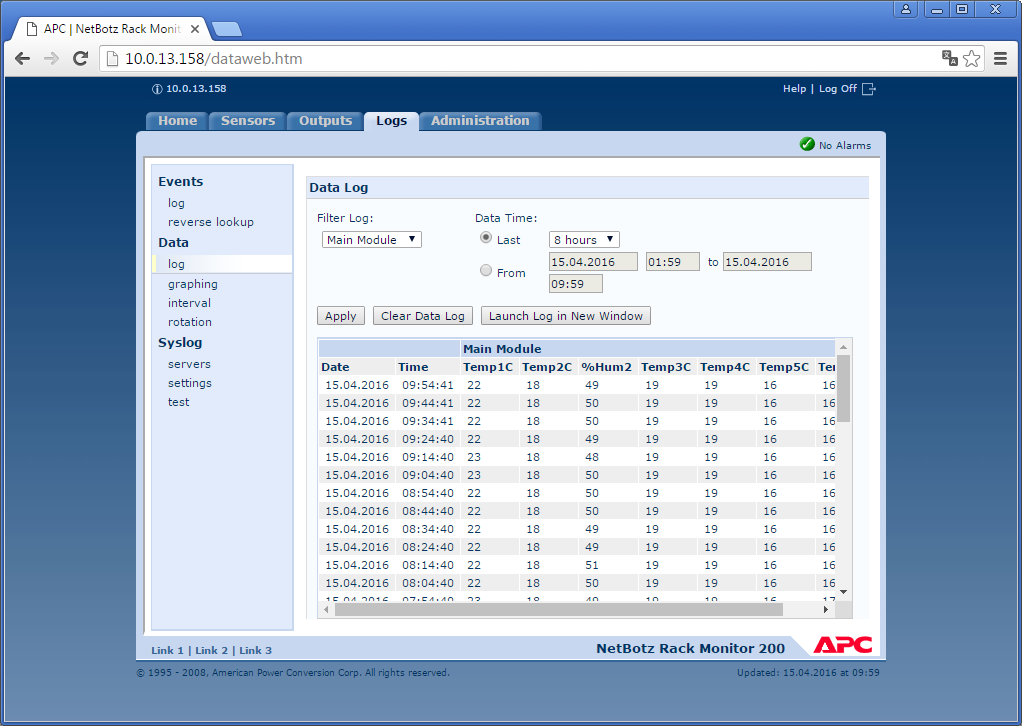
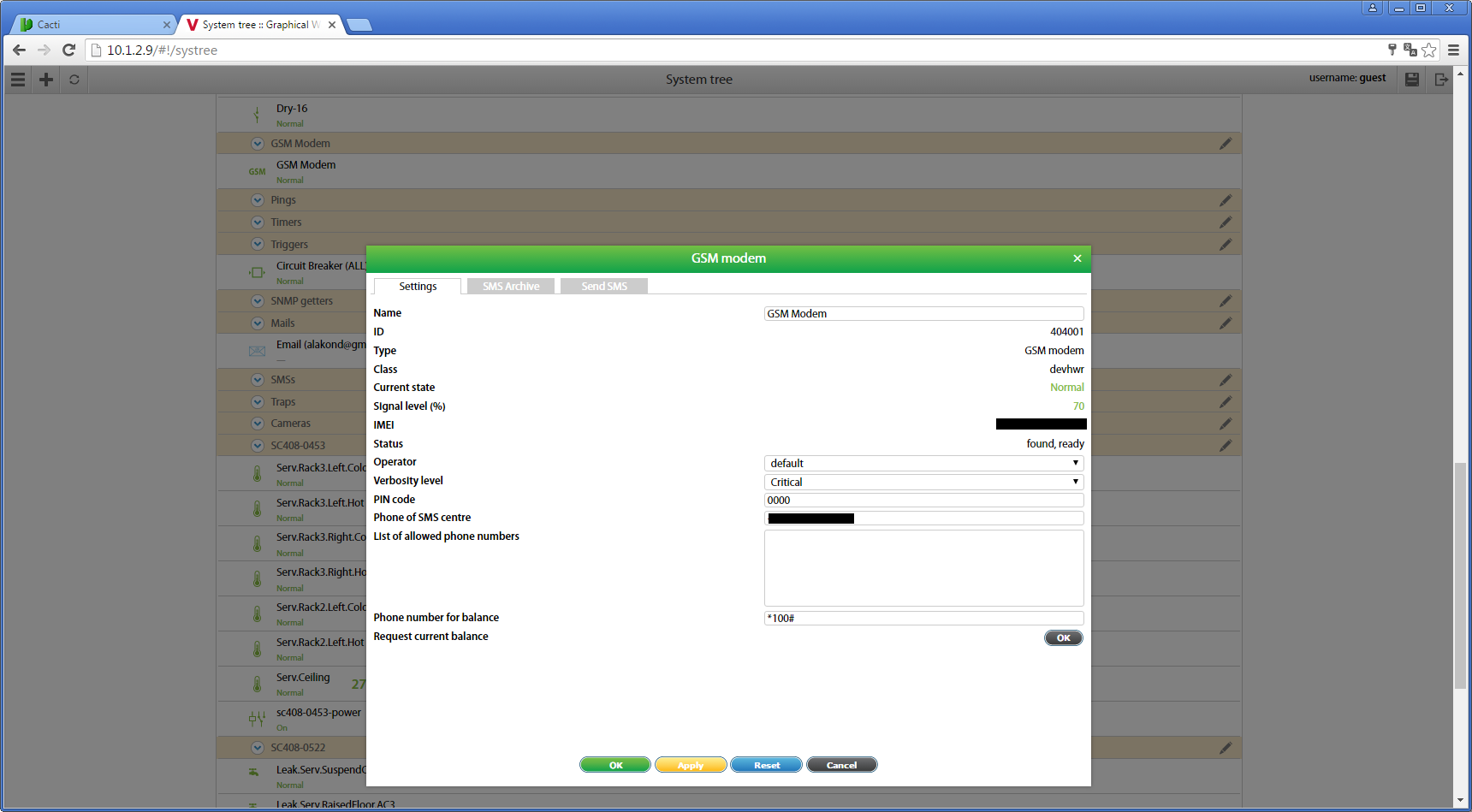
По адресу http://www.telemetry.asia/there is demo access to VT2100 username guest, password guest. Although the model of the monitoring system is different, I did not find any differences in the Web interface. The main difference between these monitoring modules is the greater functionality of the built-in NMS system of the monitoring module from Vutlan. For any sensor or received value, you can set any CDEF formula for processing this value (increase / decrease by 10 times, translate seconds into hours / days, decrease / increase by some constant, etc.) Also set alarm and warning values. When going beyond the normal limits of any monitored parameter, the system will react by sending an email, SMS message (if there is a GSM module) or it will work according to a previously created logic circuit (it will close the contacts of the output relay by turning on the siren and the red flashing beacon):
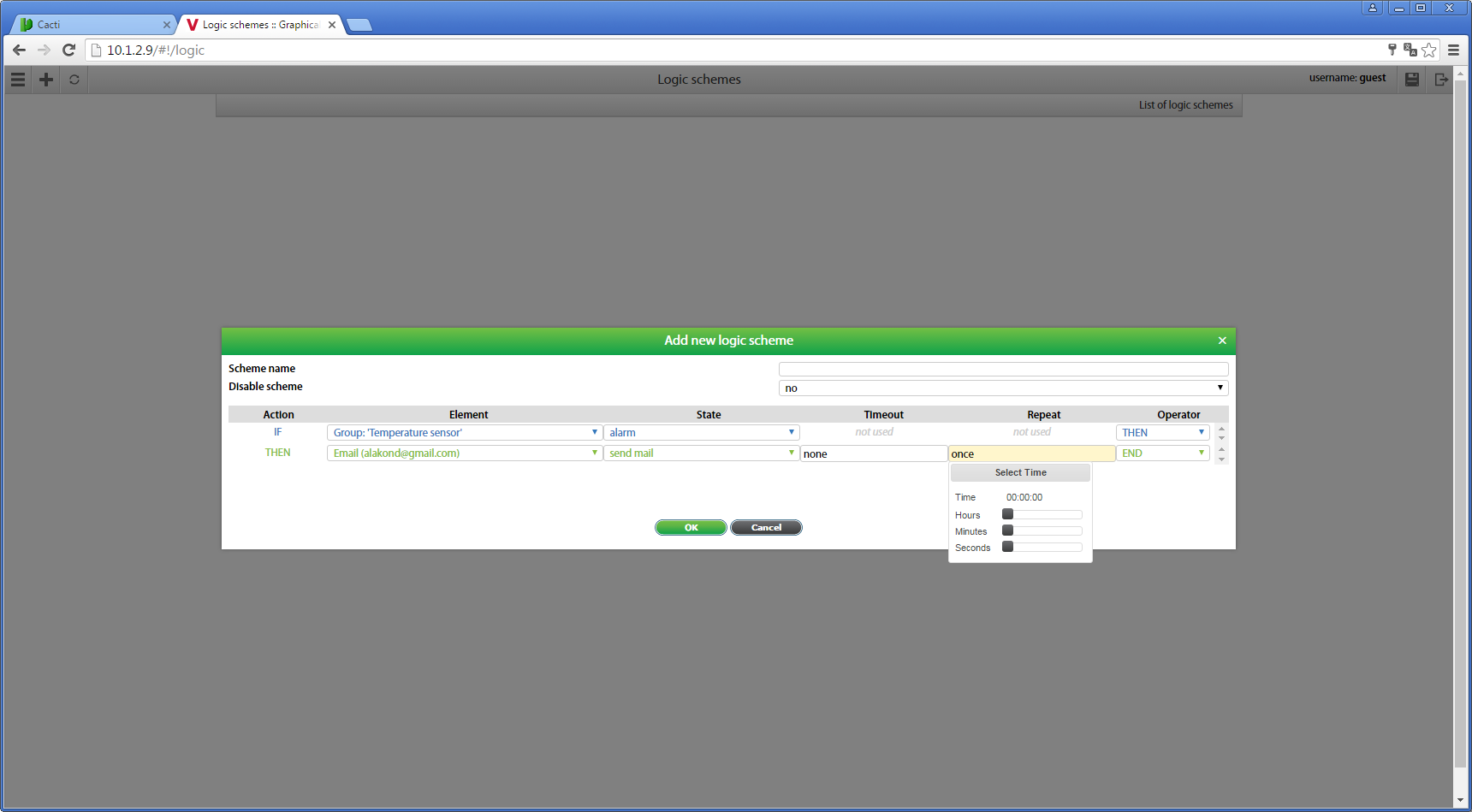
In a system from Vutlan, it is possible to create graphic cards and place sensors on it. It is possible to combine sensors into groups, and work with a group of sensors as separate sensors.
- Price
| Vutlan SC8100 | APC NetBotz 200 | |
| Vutlan SC8100 monitoring module, 8 ports and APC NetBotz Rack Monitor 200, 6 ports. | $ 490 | $ 377 |
| Optional Sensor Module (VT408, 8 ports, and RackSensor Pod 150, 6 ports) | $ 150 | $ 240 |
| Optional port for sensors, based on VT408 cost for Vutlan or APC NetBotz RackSensor Pod 150 | $ 19 | $ 40 |
| The cost of 1 port of “dry contacts” (excluding the price of an additional port, “sensor only”). | $ 4 | $ 33 |
| temperature sensor | $ 21 | $ 78 |
| Temperature and humidity sensor | $ 81 | $ 118 |
| Humidity sensor | $ 38 | |
| Leak Sensor, Local | $ 32 | $ 120 |
| Air flow sensor | $ 21 | |
| Leak Sensor, Cord | $ 28 | $ 220 |
| Smoke detector | $ 41 | $ 170 |
| Current sensor, 4-20 mA | $ 48 | $ 530 |
Conclusions
Unfortunately, technically perfect solutions do not exist. In each case there are convenient solutions and there are inconvenient for this particular case. If you are designing a project “from scratch” and you have an unlimited budget, a good choice would be to focus on the infrastructure of the APC company: cabinets, socket blocks, uninterruptible power supply and monitoring system. Then standard sensors can be connected to the port on the outlet block:
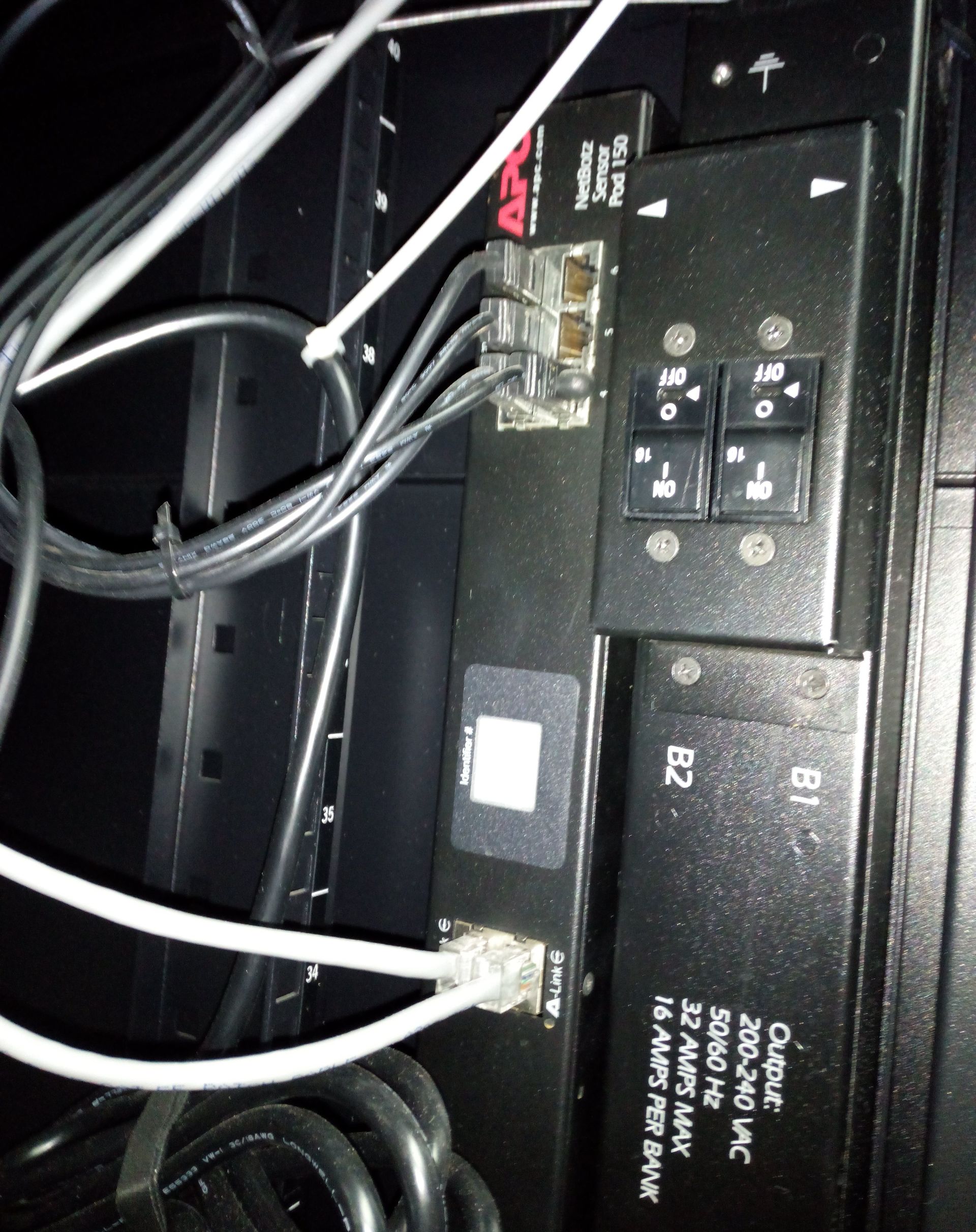
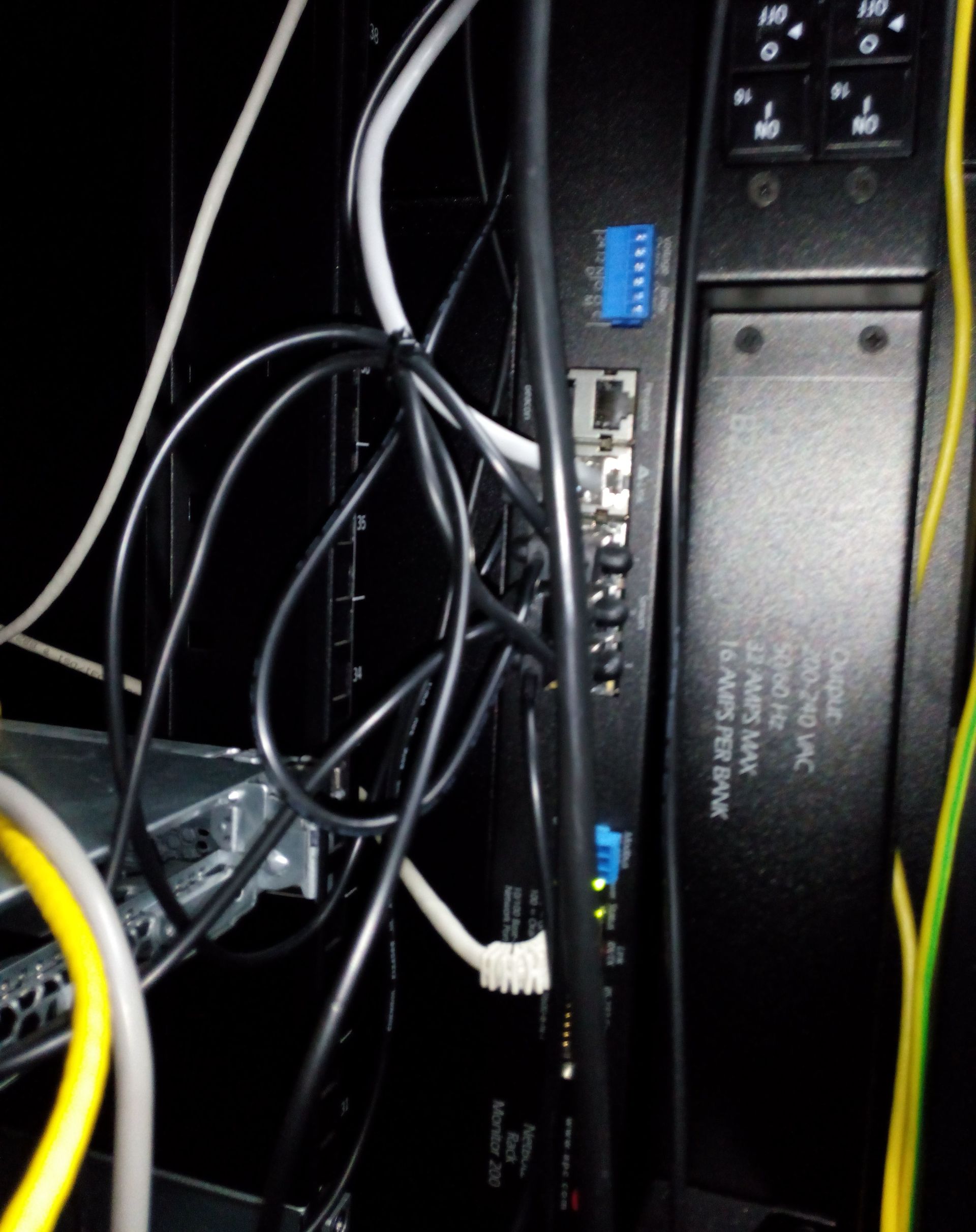
The socket block and the monitoring module will stand vertically in the back of the cabinet, without taking up a useful and expensive place in the cabinet. Some of the sensors can be connected to an uninterruptible power supply, and, on it, use relay outputs. Sensors, using the proprietary APC plastic lock (costing a few bucks), are very conveniently and beautifully attached to the cabinet doors:
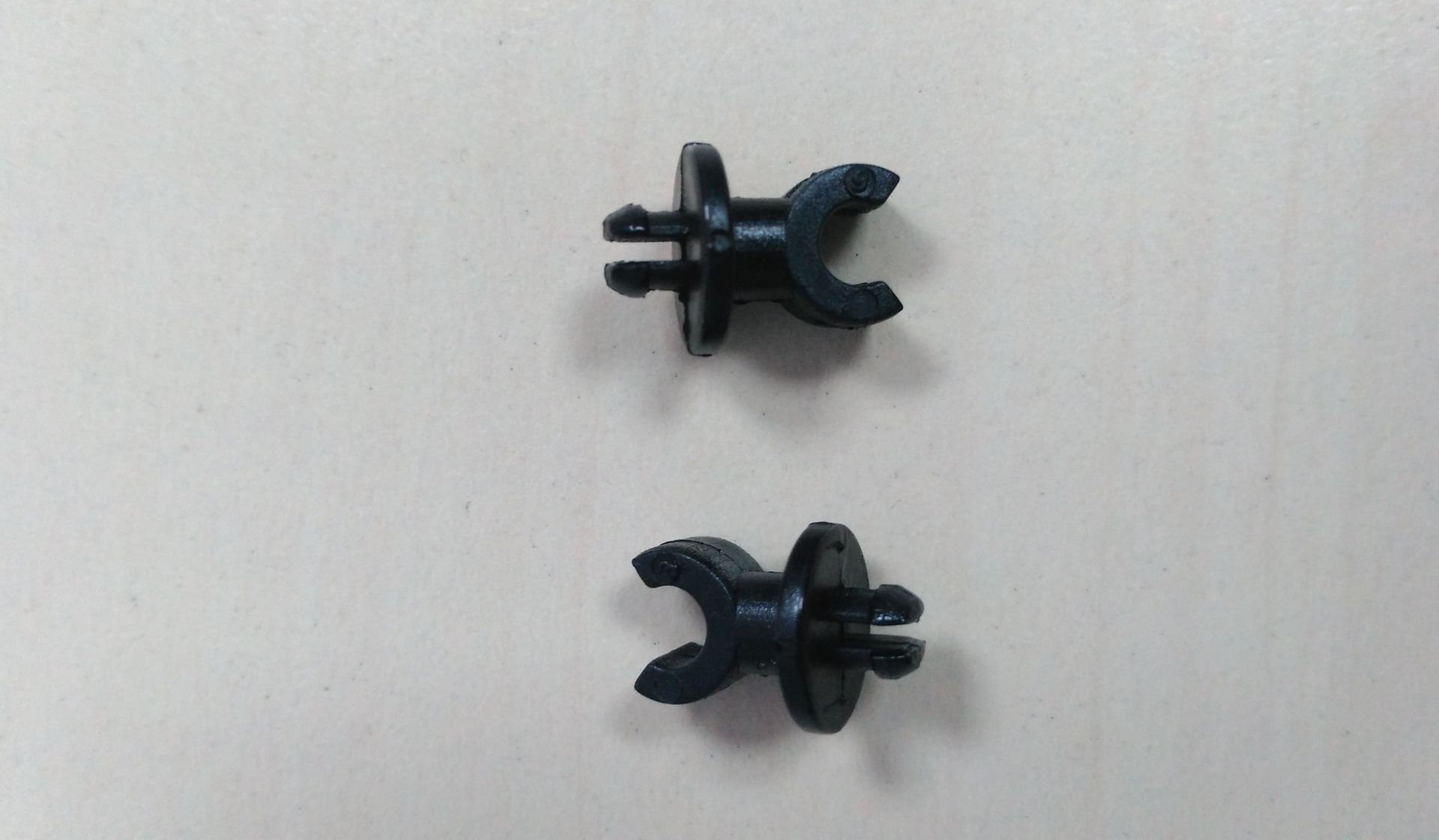

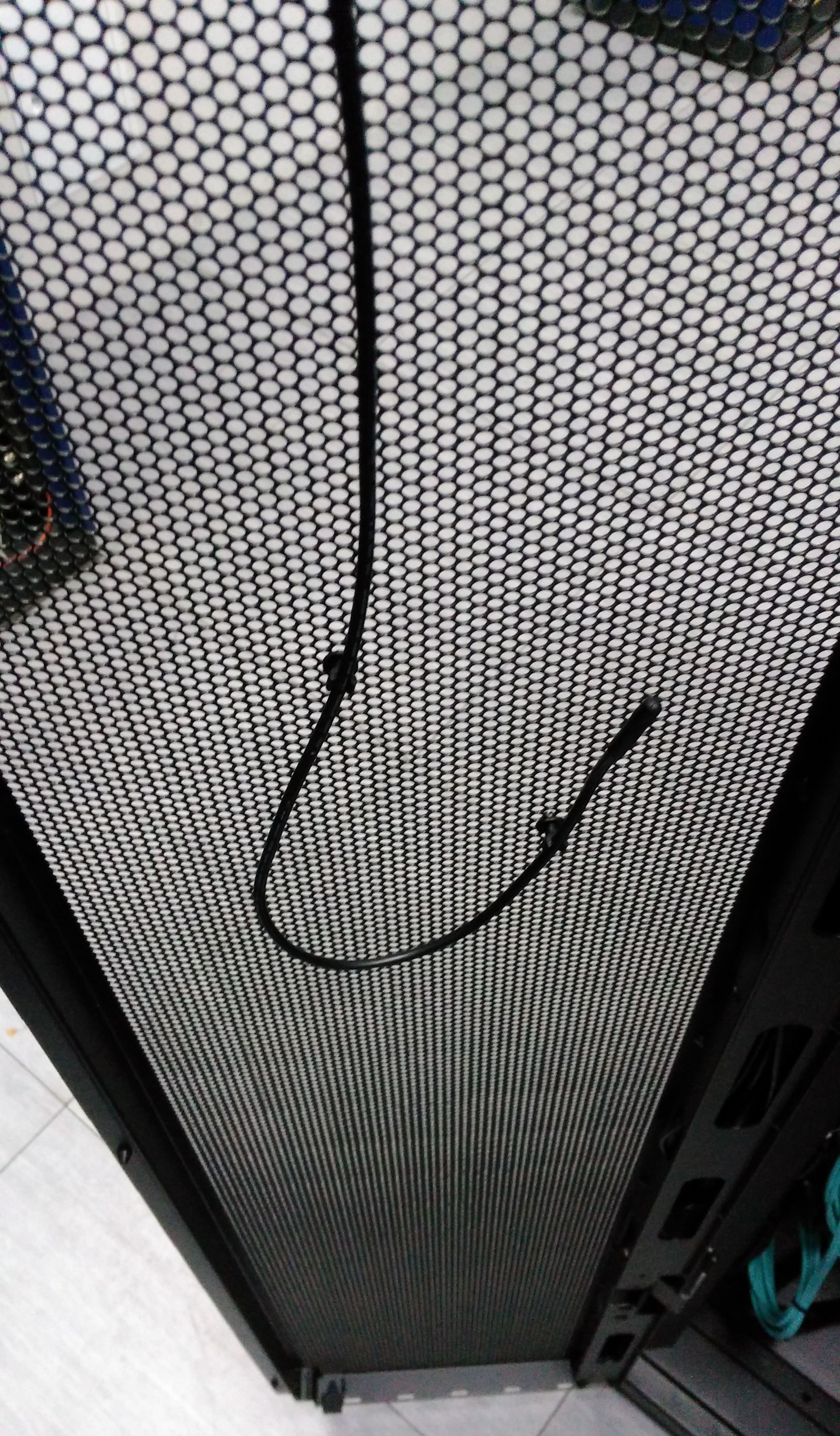
All equipment is automatically recognized by the NMS APC StruxureWare Data Center Expert. But, if you decide to use air conditioners or DGUs from another manufacturer, you will encounter a bunch of problems: mismatch of SNMP versions, lack of the protocol you need (for example: ACS controllers use their own private protocol to communicate with their server, and ICMP ping over TCP / IPv4. As a rule, there is no SNMP), the lack of templates for the equipment you need, the inability to aggregate schedules and a lot of problems. With a large and uniform APC production infrastructure and unlimited budget, it makes sense to pay attention to the monitoring system, but if you want to save money and buy cabinets from another manufacturer, you should know that the plastic locks do not hold in the cabinet doors - they drop out, which means that aesthetic beauty will be gone. The solution from Vutlan is more convenient for small objects (up to 10-20 sensors), and much cheaper for large objects (from 50 sensors). For small objects, NMS is very convenient, which is integrated into the web interface of the monitoring module. In small volumes and at the initial stage, it is enough. If you increase the number of equipment and the number of sensors, or specific requirements - you will have to choose an external NMS system. It is possible through HTTP post requests or API. Access the integrated monitoring system in the Vutlan monitoring module. At the time of the purchase of equipment, the API was open, now all references to the API and http post requests from In small volumes and at the initial stage, it is enough. If you increase the number of equipment and the number of sensors, or specific requirements - you will have to choose an external NMS system. It is possible through HTTP post requests or API. Access the integrated monitoring system in the Vutlan monitoring module. At the time of the purchase of equipment, the API was open, now all references to the API and http post requests from In small volumes and at the initial stage, it is enough. If you increase the number of equipment and the number of sensors, or specific requirements - you will have to choose an external NMS system. It is possible through HTTP post requests or API. Access the integrated monitoring system in the Vutlan monitoring module. At the time of the purchase of equipment, the API was open, now all references to the API and http post requests fromThe documentation is cut out. A new product line with an open API is planned. If you have equipment from different manufacturers, it is more convenient to monitor it through a solution from Vutlan. It is more flexible both in the software part (it has great capabilities) and in the hardware part - a larger number of sensors. Fun fact: the first temperature sensors that came to the Vutlan SC8100 monitoring module were equipped with 6P4C beige cords. Imagine a black monitoring module, a black patch panel, a black telecommunications cabinet and beige sensors with beige wires. The new temperature sensors are equipped with black patch cables, but the sensors themselves are still beige. I hope that this is not a random, thoughtless purchase, but the development of the system in the right direction.

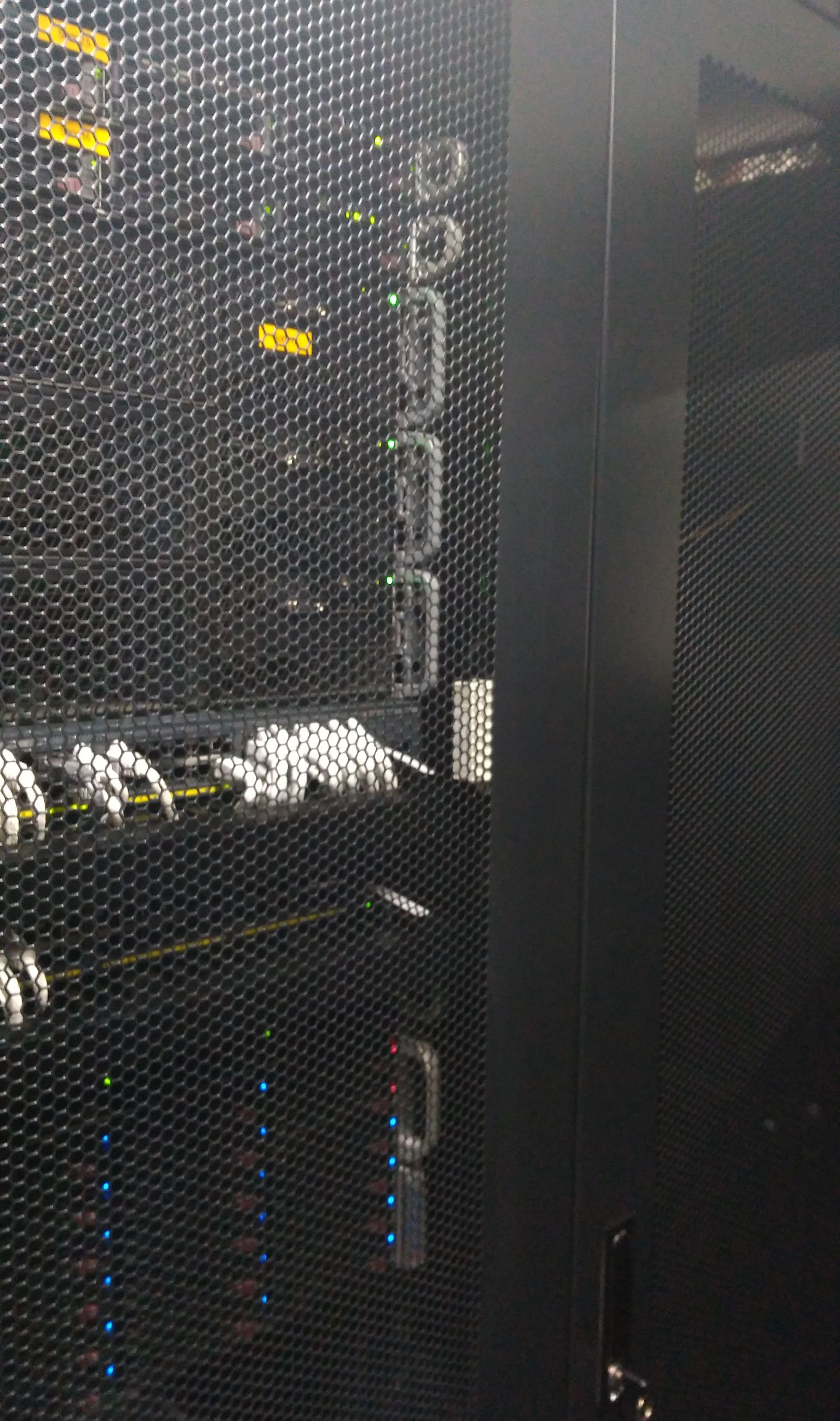
The optional analog sensor modules (VT408) cannot be mounted in a standard 19 ”1U. We have to put a shelf and place the module on it. It looks - not organically, but from the positive - in your closet appears a shelf for patch cords, fasteners and other trifles. In the 2000s, Zyxel produced a chassis for the DSLAM Zyxel IES-1000 , in which different modules could be installed. I hope that the manufacturer will still do, as promised in the next version of this module, a chassis for VT408 modules, with a single common power supply, one CAN port and the ability to install additional contact modules.
If these features are not taken into account, then the solution from Vutlan is stable, does not cause problems, has a “live” forum. There are firmware fixes for current problems. The cost of equipment and the cost of ownership of the system compared to the APC solution is not high. The built-in NMS in the monitoring module is suitable for the role of a backup (second) primary NMS system. The ability to integrate data into the NMS system via SNMP protocol allows you to integrate sensor readings into your monitoring system. For 2015-2016, Vutlan has significantly expanded the range of modules: the VT8101, VT300 and others appeared. Now, knowing the need and the number of required temperature, humidity, leakage sensors, the number of terminals of dry contacts or relays, you can choose the equipment so that the “port price” will be much lower than that of APC.