The evolution of emails into "mail microsites"
- Transfer
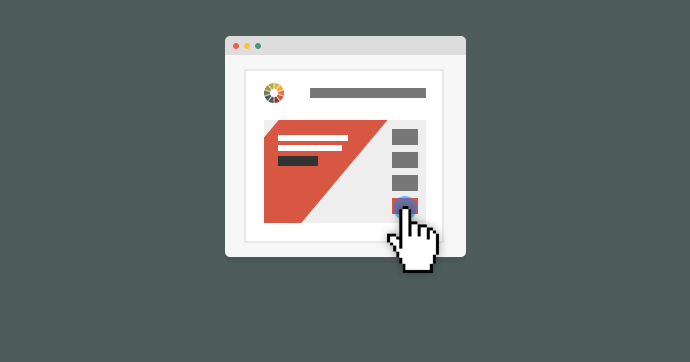
“Future emails will be more like microsites than static emails,” wrote Chad White, Research Director of the popular Litmus email newsletter service, in his book “ Email Marketing Rules ”. Soon, users will be able to watch videos, browse product catalogs and make purchases directly from the inbox.
The book was published in 2014, when there were certain signals indicating that these forecasts would come true. But in 2015, according to White, email development accelerated significantly. Here are just a few examples of the new functionality that you should pay attention to when creating mailing lists .
Scrolling content and product catalogs
The first attempts to create “scrollable” mail content were made using technologies such as JavaScript, but various security issues surfaced. Today, with CSS3 and HTML5, you can easily make mail carousels, which work just like carousels on websites.
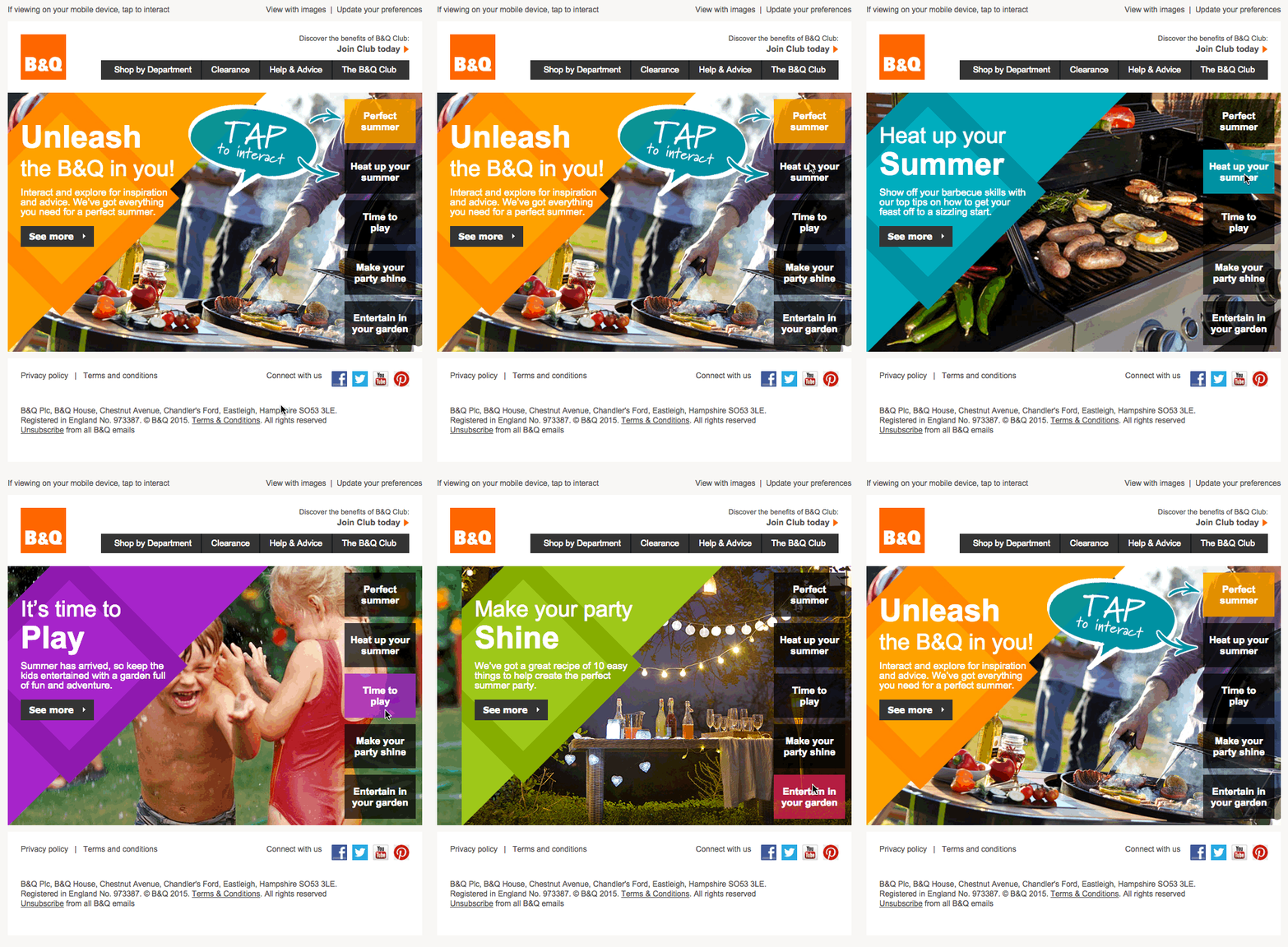
Many well-known companies already use this technique in letters sent to their subscribers. Here is an example mailing from a British retailer B&Q:
Navigation
Convenient navigation elements optimized for touch devices are a sure way to increase conversion. The lack of space in emails led to the use of the “hamburger” icon for menus in them.

Video
Embedding video in email messages is not supported in all email clients, but there are services that can be used to achieve good results in this direction (for example, LiveClicker or Movable Ink).
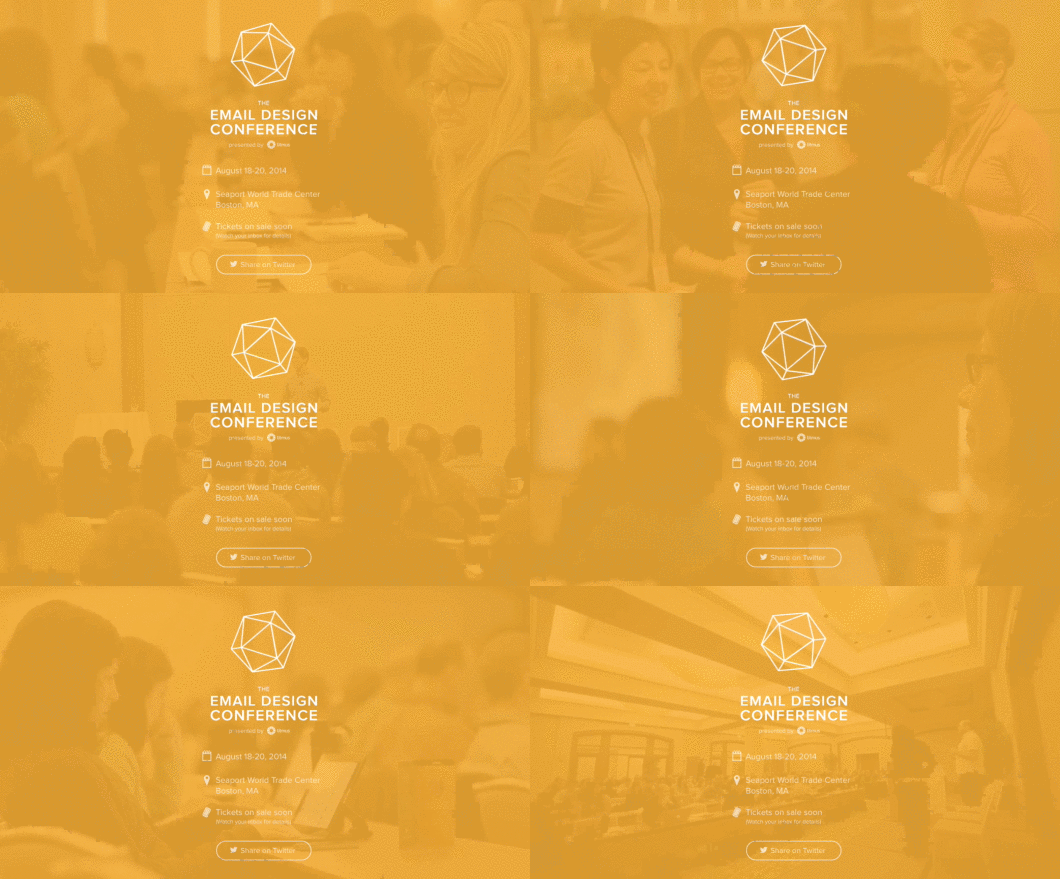
For example, designer maker Lego used LiveClicker to include a 15-second video in its message that could be played, paused, etc. In addition, in some cases, video content can be used as a background for a mail message.
Live Content
The content of the mailings is no longer carved from stone, but may change. There is a technique that implies replacing images in already sent letters, but this approach has its limits - for example, in Gmail users will not see any pictures at all.
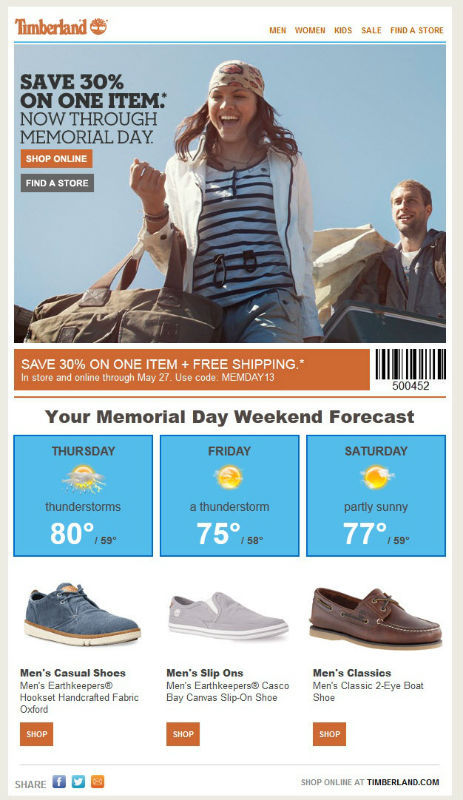
A more elegant method is the use of so-called "live" content. Using this technology, for example, you can create countdown clocks that show the correct time for each user who opens a message. It can also be used to insert, for example, a local weather forecast into letters (as Timberland brand did in a message dated May 23, 2013).
With this technology, you can even change the entire content of a message, depending on the time. So, for example, the company Best of the Best acted (in the letter different cars were highlighted).
Payments
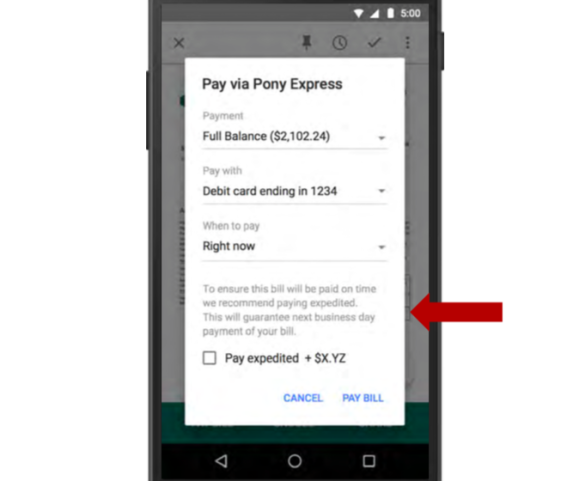
The ability to purchase goods built into emails has been discussed for quite some time. In March 2015, it became known that Google plans to allow paying bills directly from Gmail:
What will be affected by these changes?
All these innovations significantly change the idea of email and the way it works (the subscriber opens the letter, clicks on the content, the conversion occurs and the transition to the landing page). Now this process can be much shorter, and one or several stages at once may be absent altogether in the process of interaction:
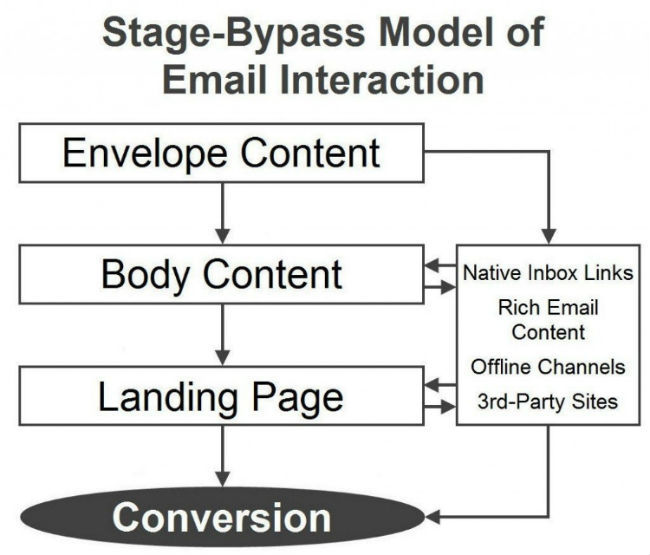
Among other things, among marketers, email has a reputation of an extremely well-calculated channel for attracting an audience. The introduction of new technologies will require the development of new approaches to analytics and the measurement of the involvement of message recipients.
Some observers may consider these innovations to be the next "intrigues of marketers", and that letters containing any of the listed elements should be sent immediately to spam, but they can be viewed from a different angle. In the modern world, users do not have much time, and such "microsites" help to save it - to pay for goods directly in the mail client, to watch the video offered by the company whose mailing list the person has signed up, do not have to make unnecessary clicks, and so on.
The problem is the fact that new technologies will be supported differently by various email programs for quite some time. In order to effectively use these tools, it is necessary to analyze what clients are used by subscribers of a particular newsletter, and the fact whether these programs support the necessary functionality.
Also, do not forget about creating simple versions of letters for such programs, and that all new-fangled technologies should be in place, and in many cases a plain-text message works fine .